How Cannabis Brands Can Choose a Portable, Brand-Ready AIO Vape for Summer Launches
Topics in this article:
disposable vape for summer
Last Updated: August 5, 2026
This content is for informational purposes only and does not constitute medical or legal advice. It is intended for adult audiences aged 21 and older. Cannabis and vapor-product rules vary by jurisdiction, so brands and consumers should verify the requirements that apply in their market.
A summer-ready all-in-one cannabis vape should be evaluated as a complete product system—not selected for its appearance alone. For brands, the practical decision involves matching oil capacity, form factor, heating and airflow architecture, charging and controls, packaging, brand presentation, and validation requirements to a defined product plan.
For cannabis vape users, portability and discretion can become more important when plans include travel, festivals, and time away from home.
That consumer scenario creates a broader task for the brand: the hardware must fit the intended carrying environment while remaining compatible with the final oil formulation, packaging system, instructions, and applicable market requirements. A compact format or visual feature may support that goal, but it does not establish product performance without testing under documented conditions.
Start With the Product Brief, Not the Device Appearance
A summer-ready device is not defined by appearance alone. Capacity, form factor, charging, oil compatibility, and brand presentation can all affect whether an all-in-one vape fits a particular product line or use scenario.
Before comparing models, define the target market, oil formulation, capacity, price position, packaging format, desired visual treatment, and intended carrying scenario. This brief gives procurement, formulation, packaging, and brand teams a shared basis for comparing hardware. It also prevents a visually attractive feature from being treated as proof of oil compatibility, durability, or consumer preference.
What to Look for in a Portable Summer Vape
1. A Form Factor That Matches the Carrying Scenario
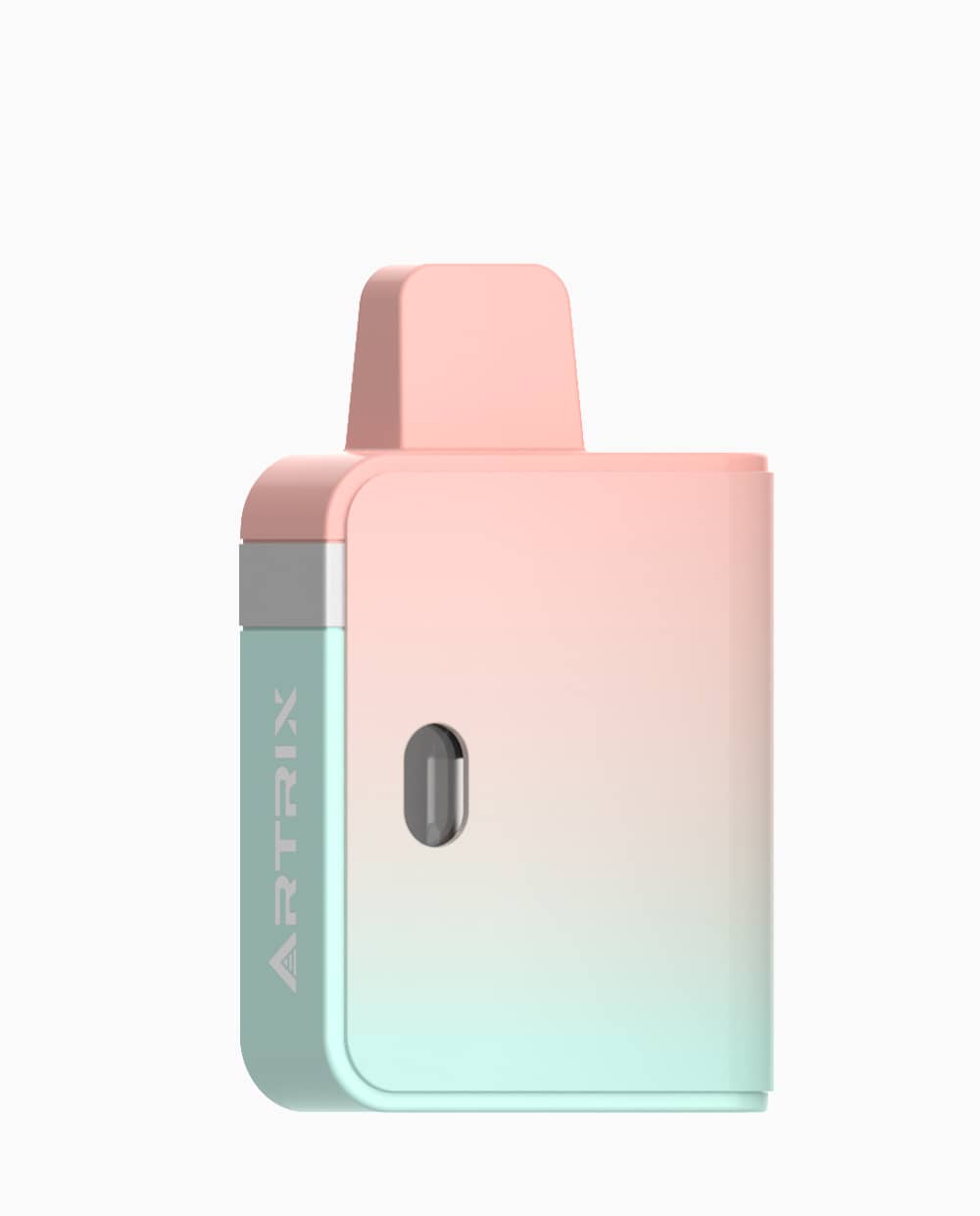
Portability starts with the physical format. A compact device may be easier to place in a pocket, small bag, or travel case than a larger setup. Brands should also consider how a device will be carried during commuting, events, travel, or retail sampling—not only how it looks in a product photo.
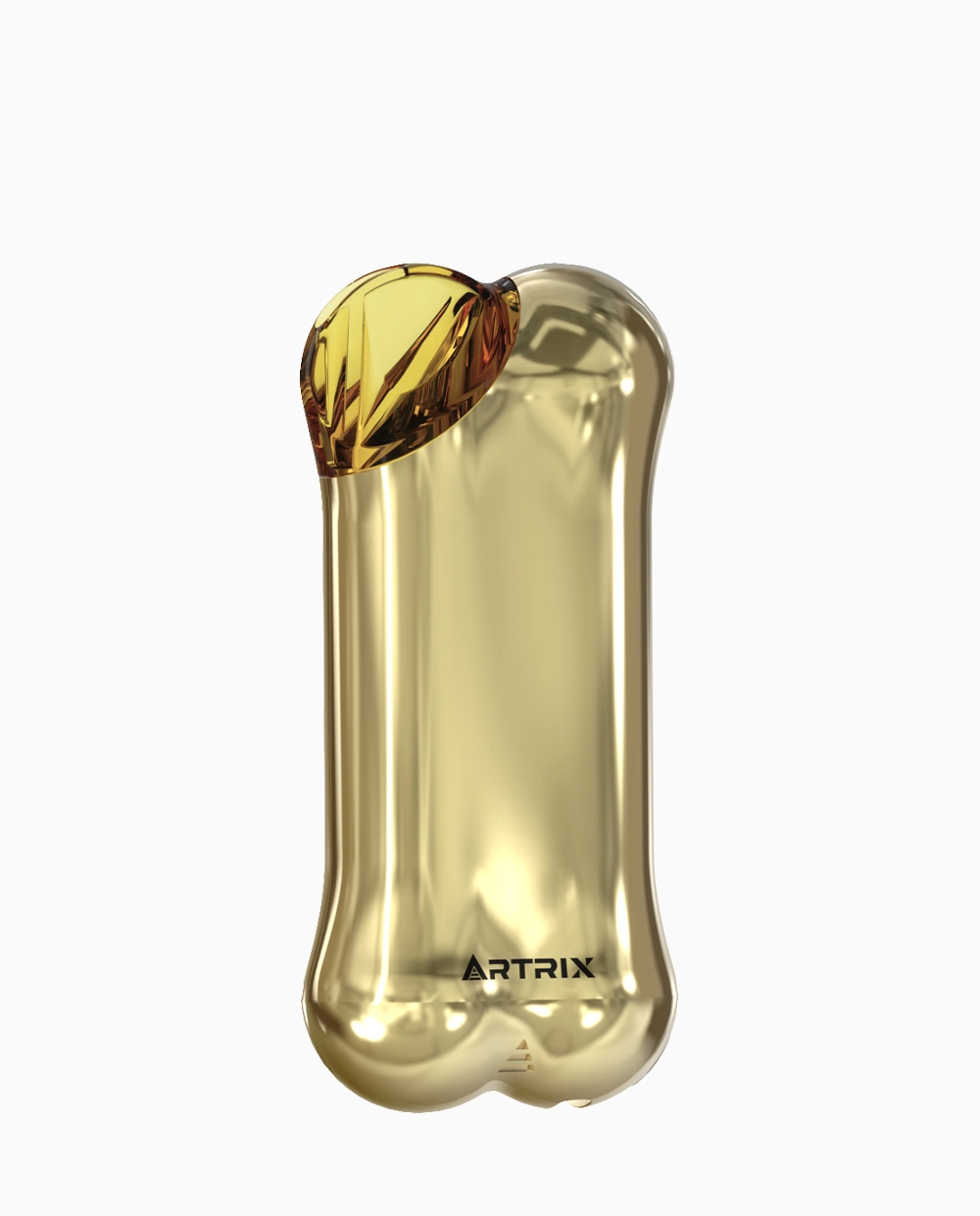
Features such as a hanging hole can create additional carrying options through a lanyard, bag attachment, or keychain. These features can improve accessibility, but the final suitability should be validated for the intended user and retail scenario.
Evaluate dimensions, weight, attachment design, protective packaging, and the way the device sits or moves when carried. If a hanging feature is part of the concept, confirm its mechanical suitability through an appropriate internal test rather than describing it as drop-proof, loss-proof, or suitable for every carrying method.
2. Capacity Should Match the Product Plan
Oil capacity is a product-planning choice, not simply a larger-is-better decision. A 1mL option may suit a compact format or an entry-level SKU, while a 2mL option may suit a different price point, market requirement, or product positioning. Brands should confirm local requirements, oil behavior, and package design before finalizing capacity.
Capacity should therefore be reviewed alongside the planned fill volume, physical format, packaging volume, price architecture, and portfolio role. These relationships are planning considerations, not guaranteed commercial outcomes. The final choice still requires technical, packaging, and compliance review for the intended market.
3. Consider the Oil Path and Heating Architecture
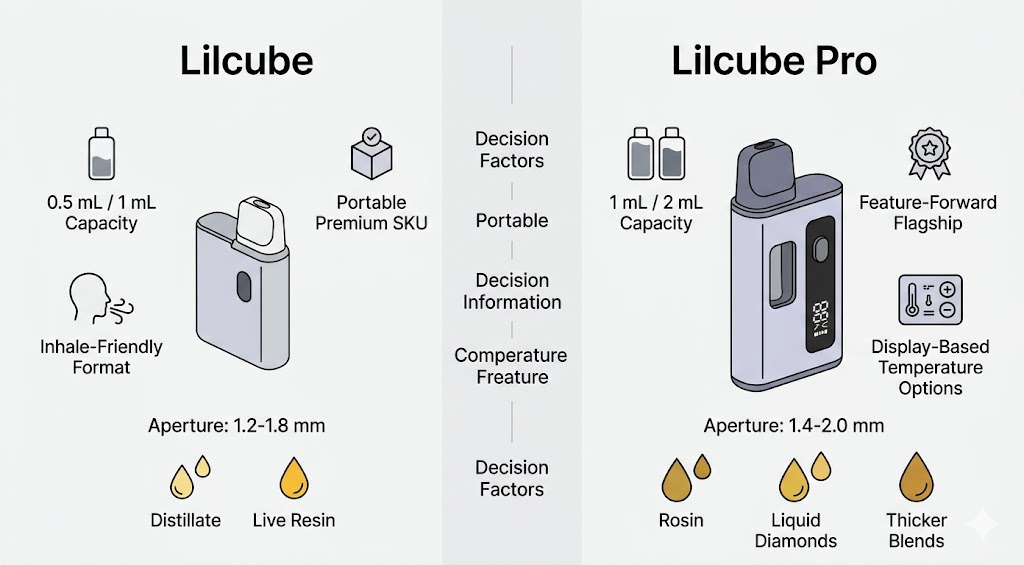
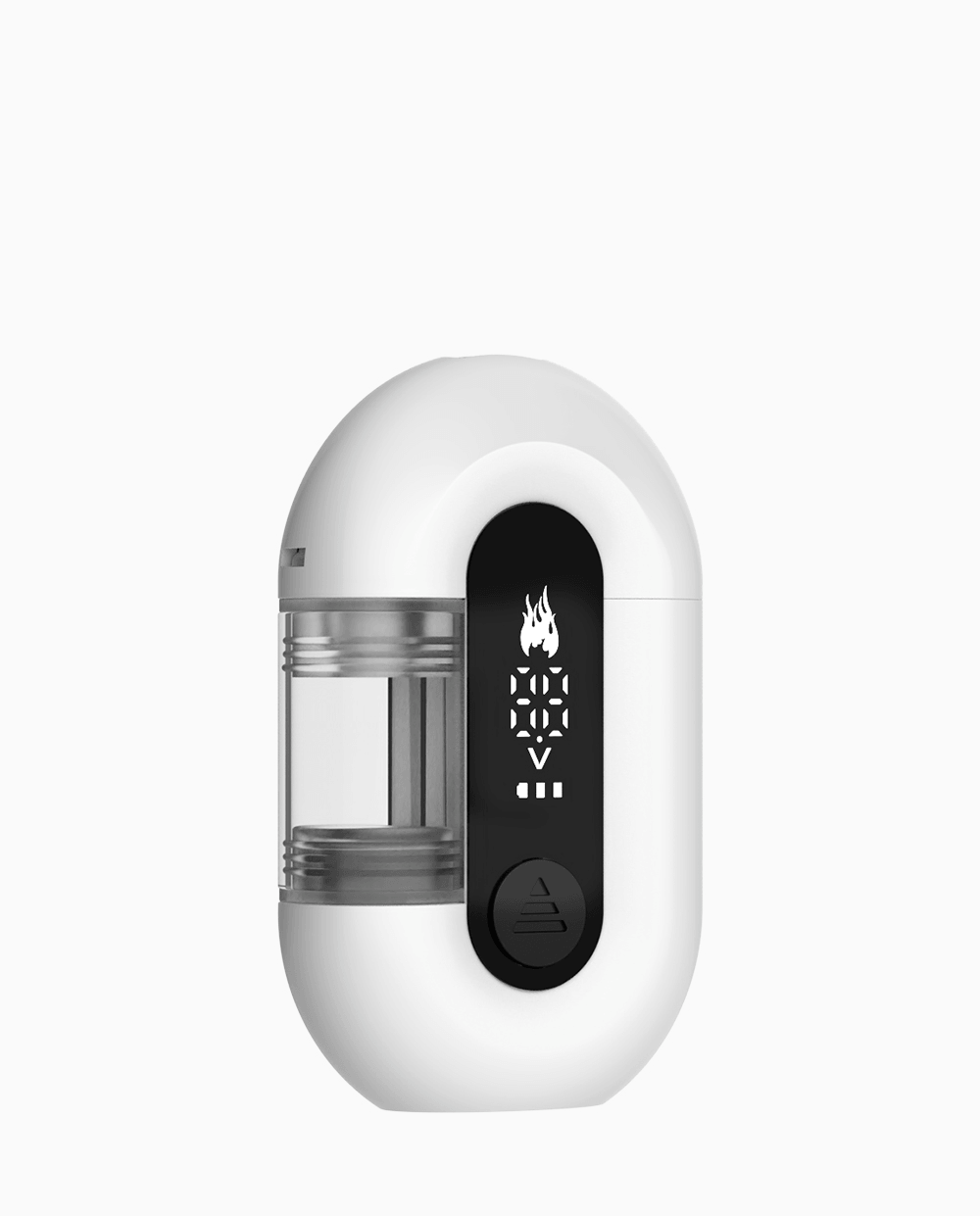
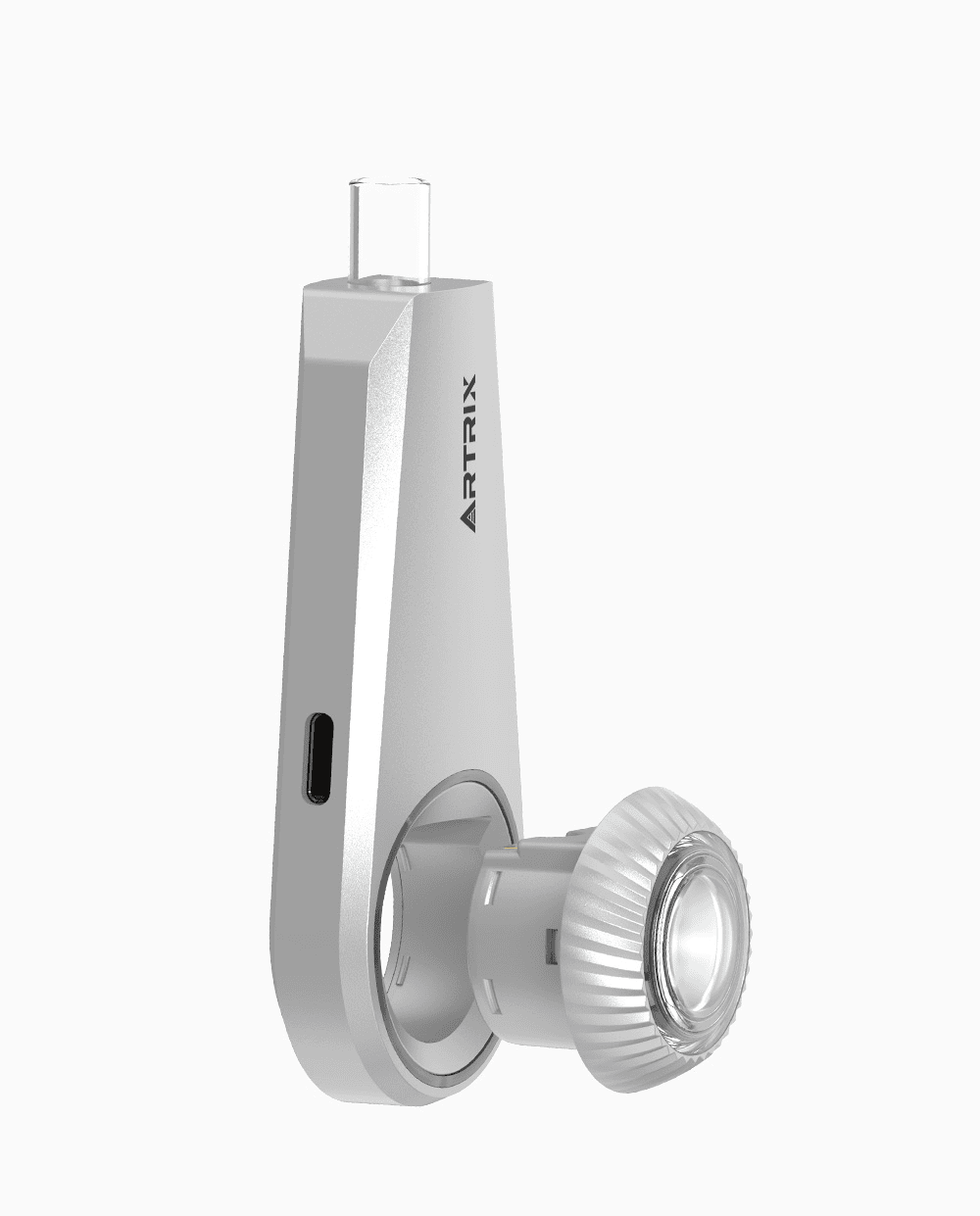
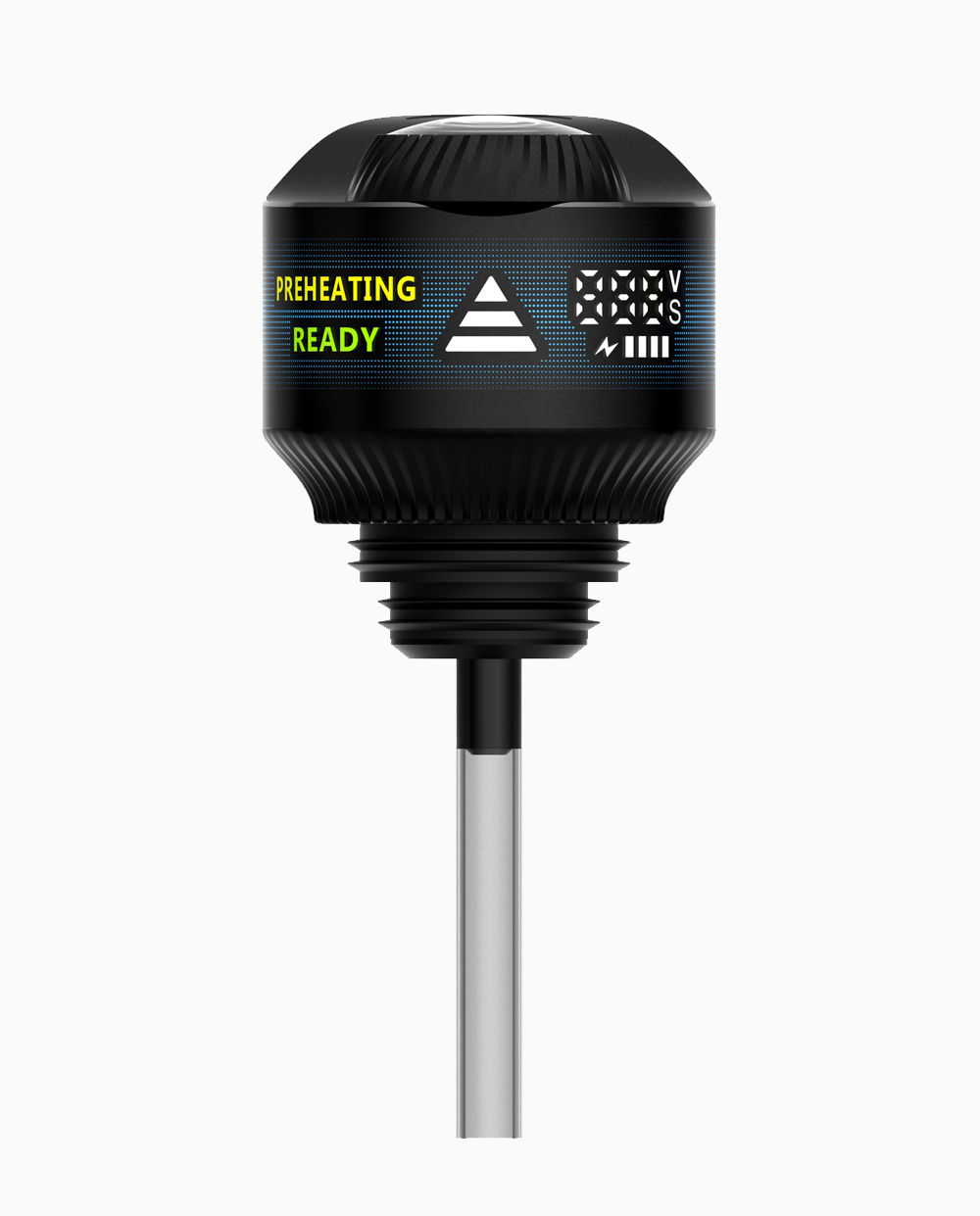
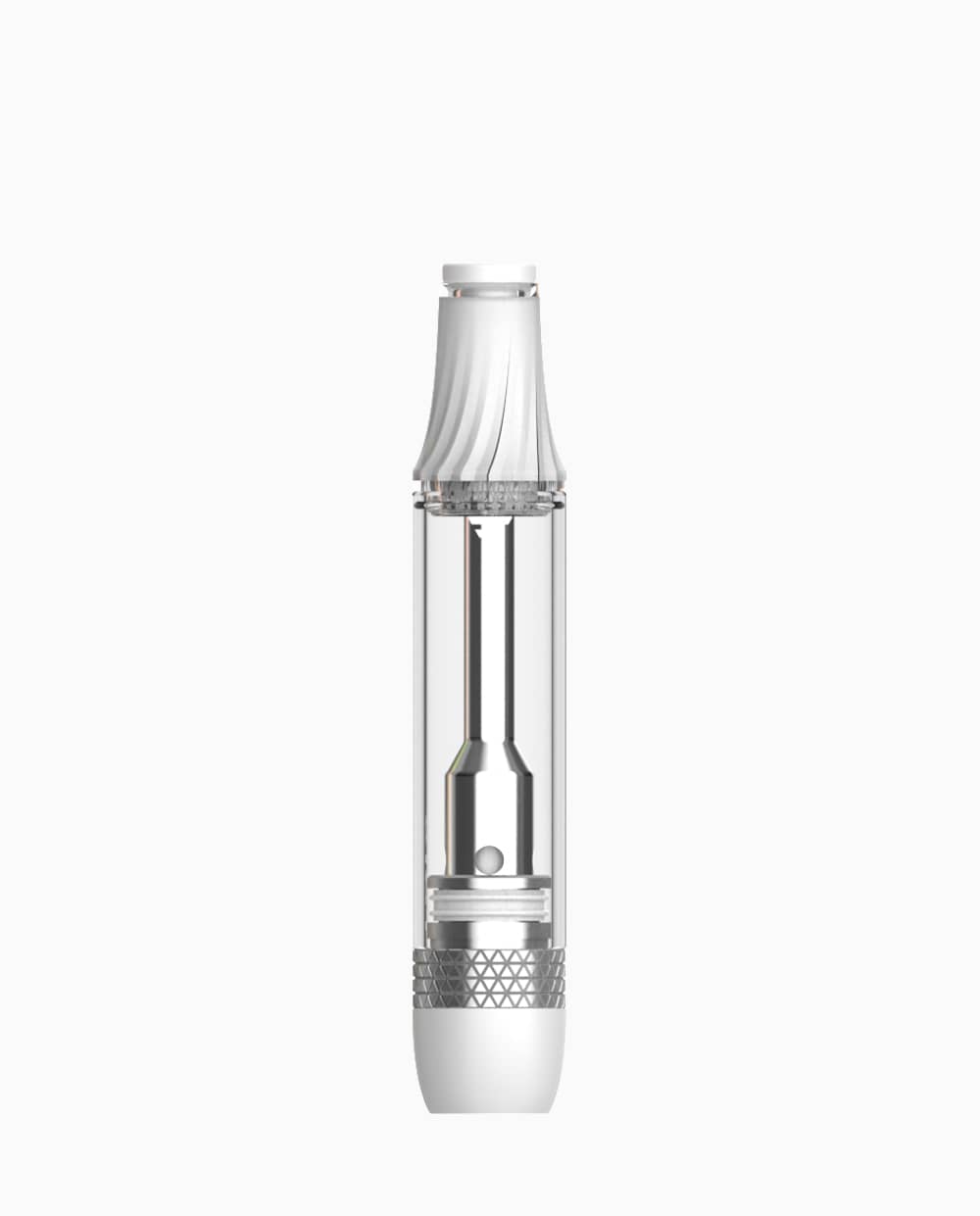
Hardware structure matters because cannabis oils can vary in viscosity and formulation. When assessing an all-in-one device, review the heating core, airflow path, center-post structure, preheat function, and voltage options alongside the intended oil type. Product specifications alone do not replace compatibility testing with the final formulation. Brands evaluating a compact platform for oil-specific configurations can also compare the Lilcube AIO platform before narrowing the hardware shortlist.
For a responsible product evaluation, brands should test filling, storage, transport, draw consistency, and the final consumer experience under their own defined conditions. Avoid presenting a structural feature as a guaranteed flavor, clog-resistance, or performance result without product-specific test evidence.
A useful validation plan should identify the final oil, fill process, storage orientation, storage duration, transport simulation, operating range, sampling method, and pass/fail criteria. Record the conditions with the results so that observations are not generalized beyond the tested configuration. If those conditions are unavailable, describe the hardware feature narrowly and avoid predicting flavor, clog resistance, leakage behavior, or draw consistency.
4. Plan for Summer Storage and Transport
Warm-weather use can involve changing environments, including cars, bags, outdoor venues, and travel. Brands should provide clear storage and transport guidance that is appropriate for their final product, packaging, oil formulation, and local compliance requirements. Users should follow the manufacturer’s instructions for their specific device.
Summer positioning should therefore lead to a defined storage and transport review, not a generic claim that the device is “heat-ready.” Brands should determine the relevant conditions for their product, assess the filled device and packaging under those conditions, document any limitations, and translate the validated findings into clear consumer-facing instructions. Do not publish a temperature limit or storage-duration claim unless the product and test method support it.
5. Treat Brand Visibility as a Product Decision
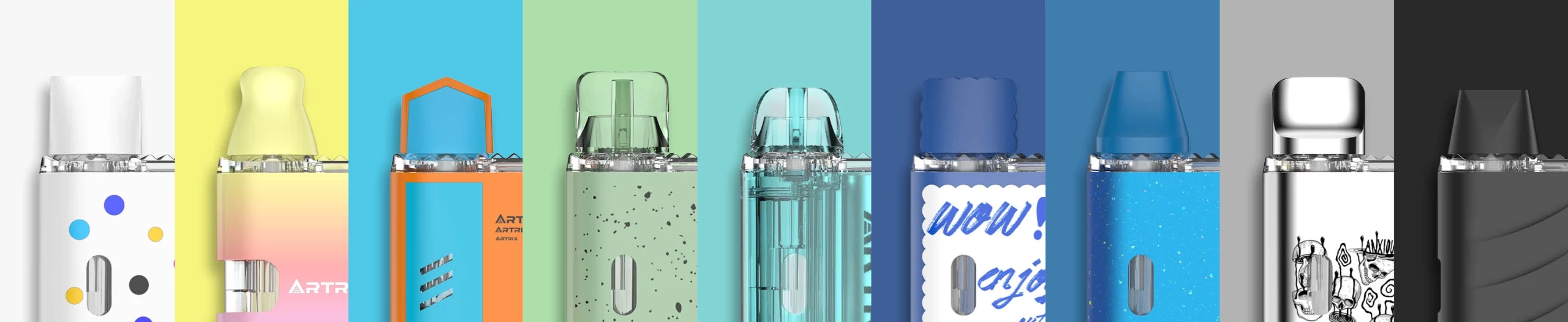
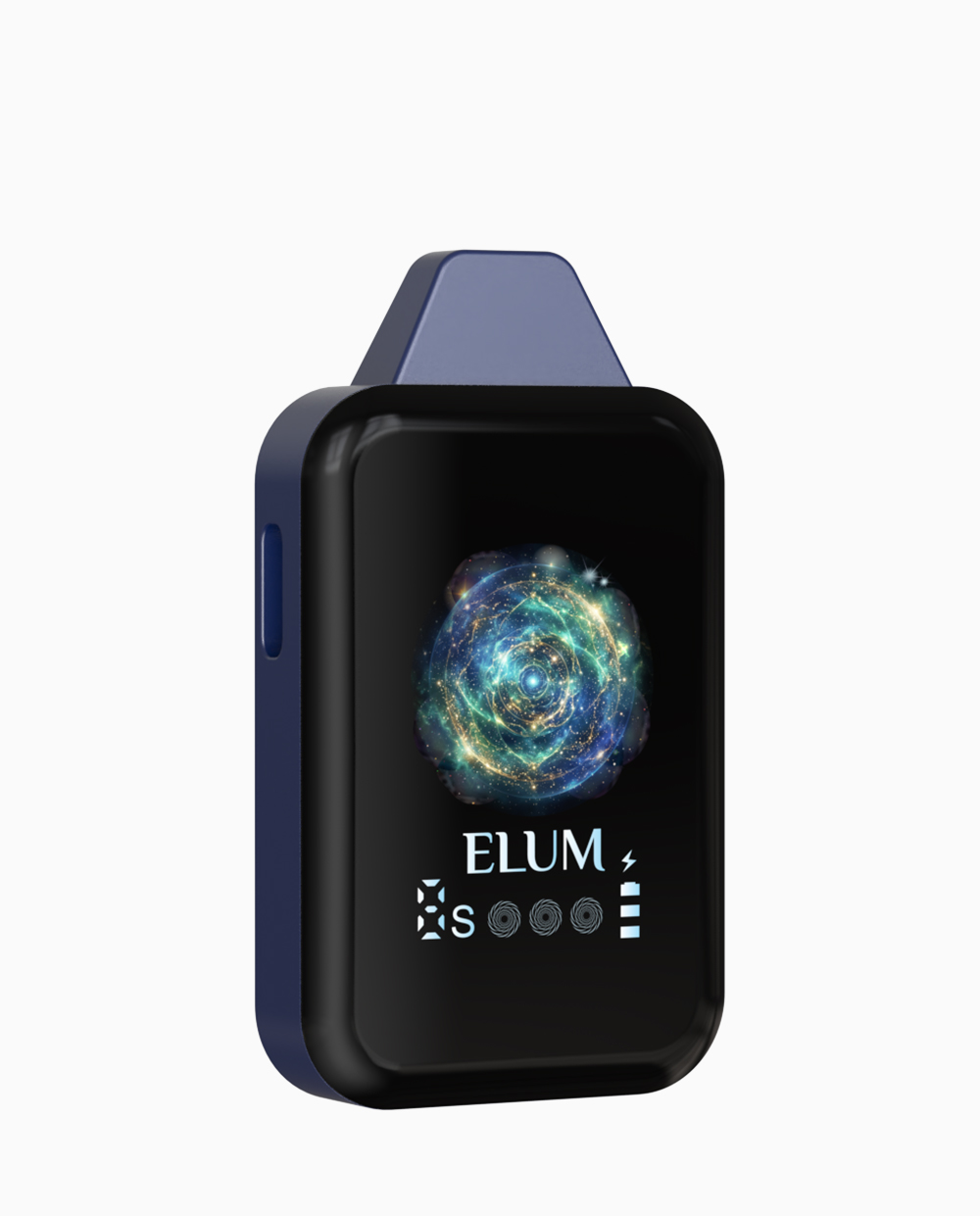
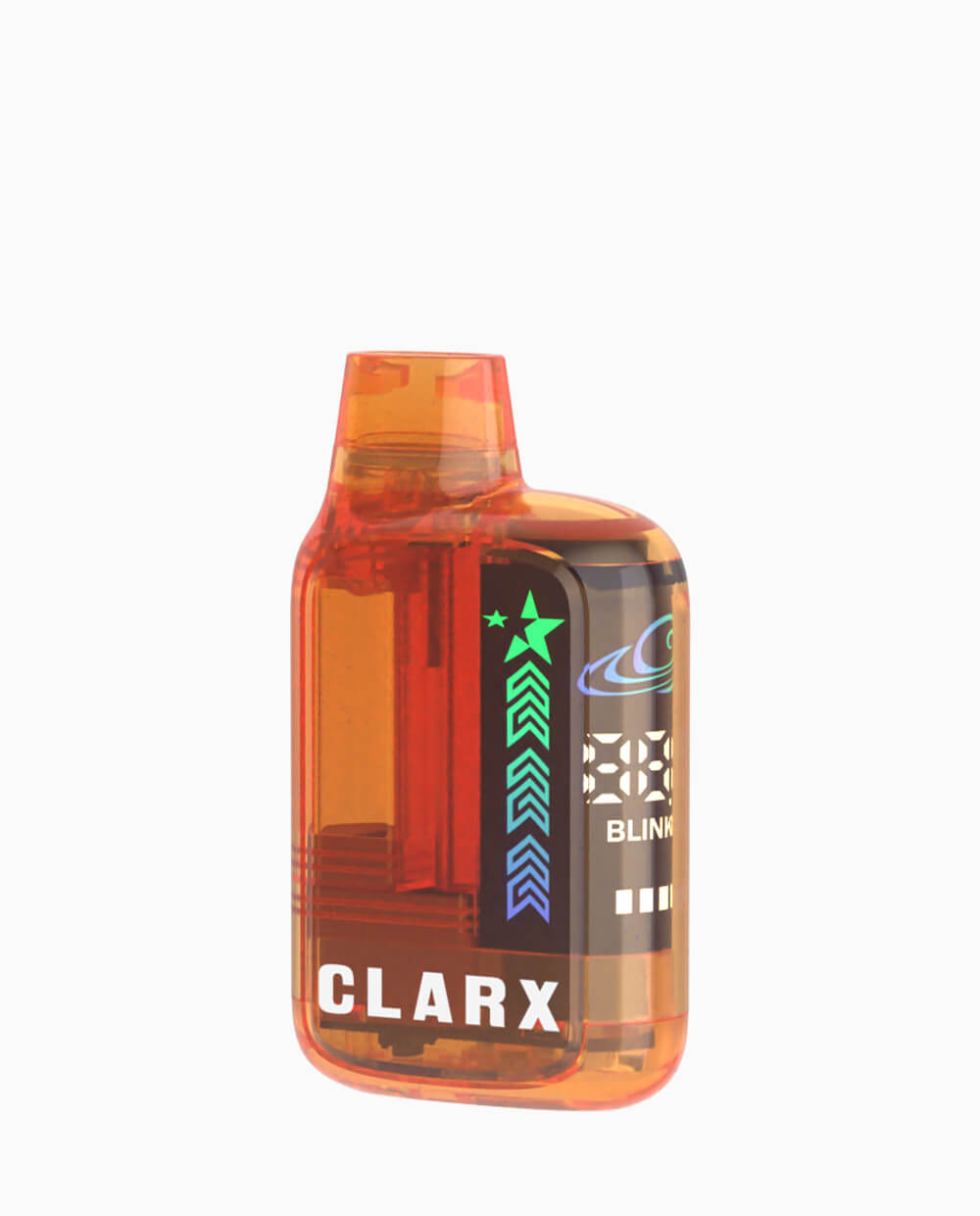
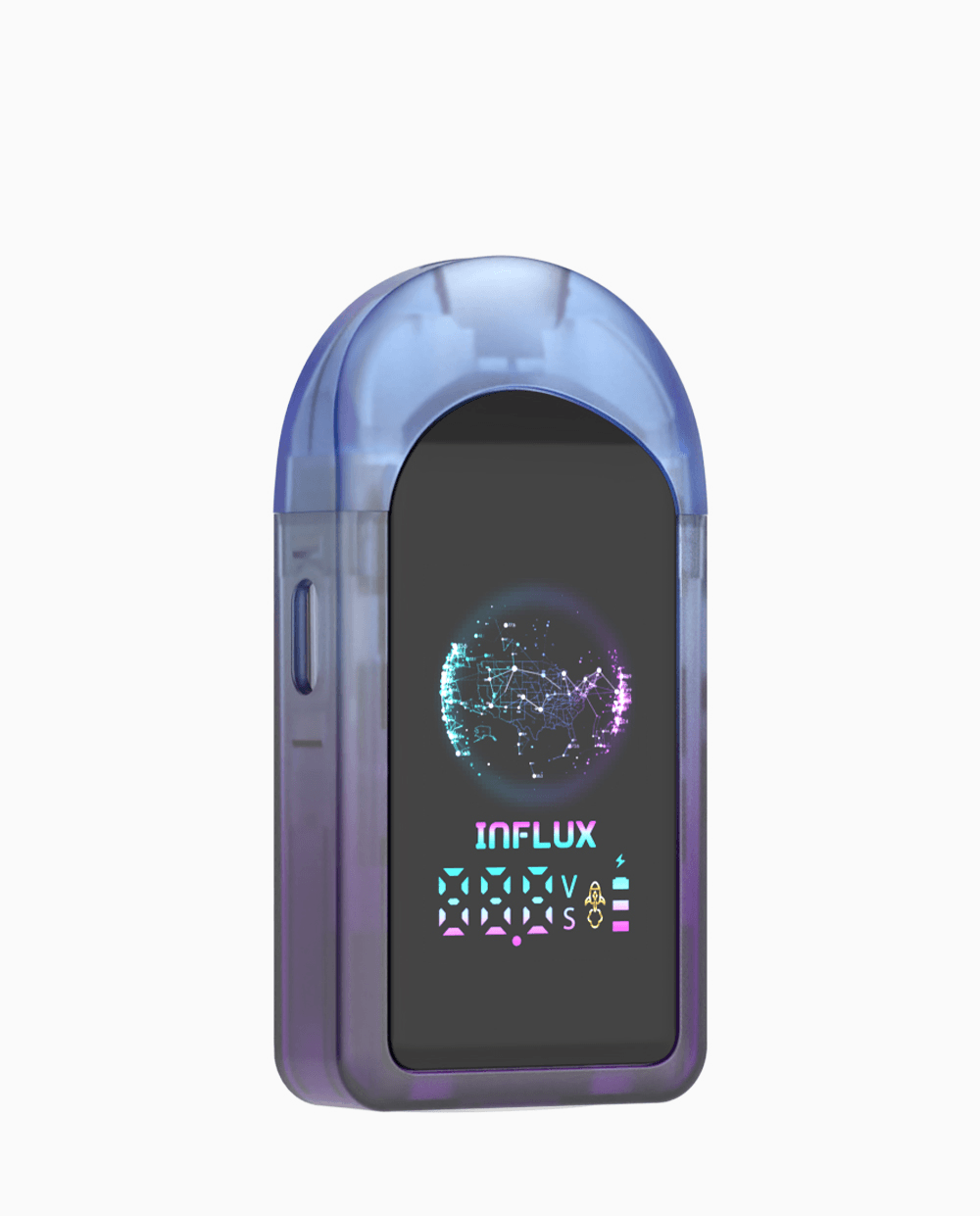
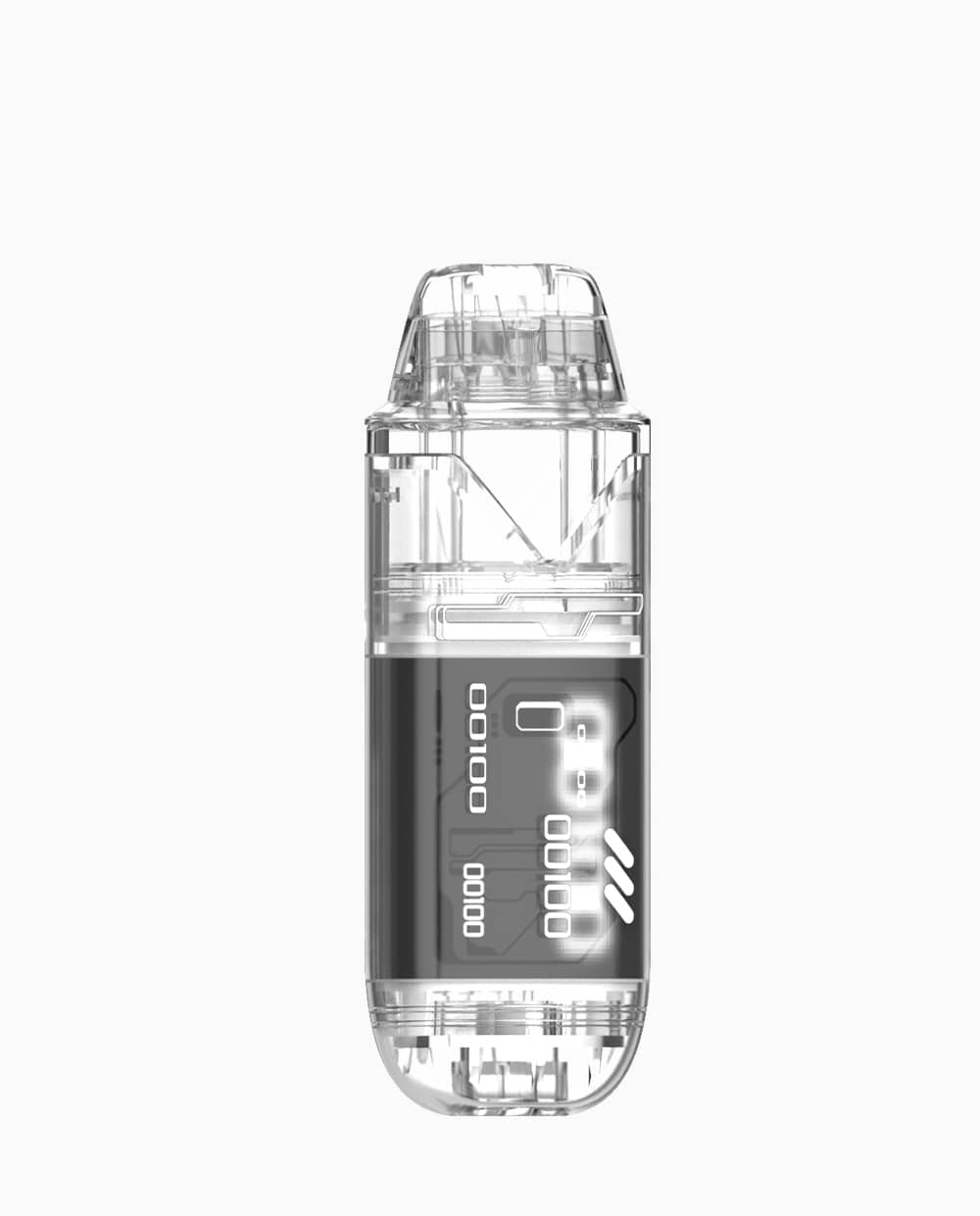
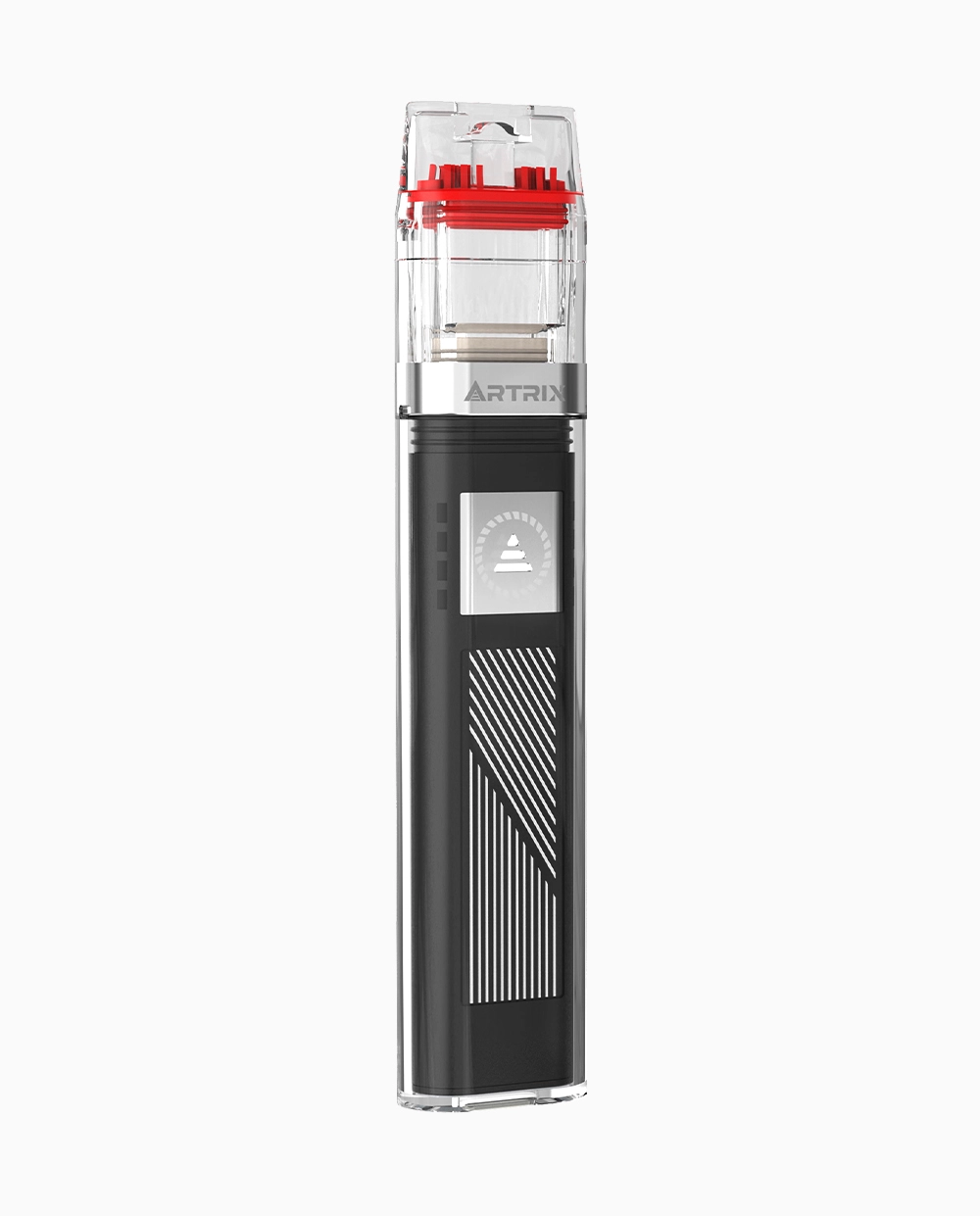
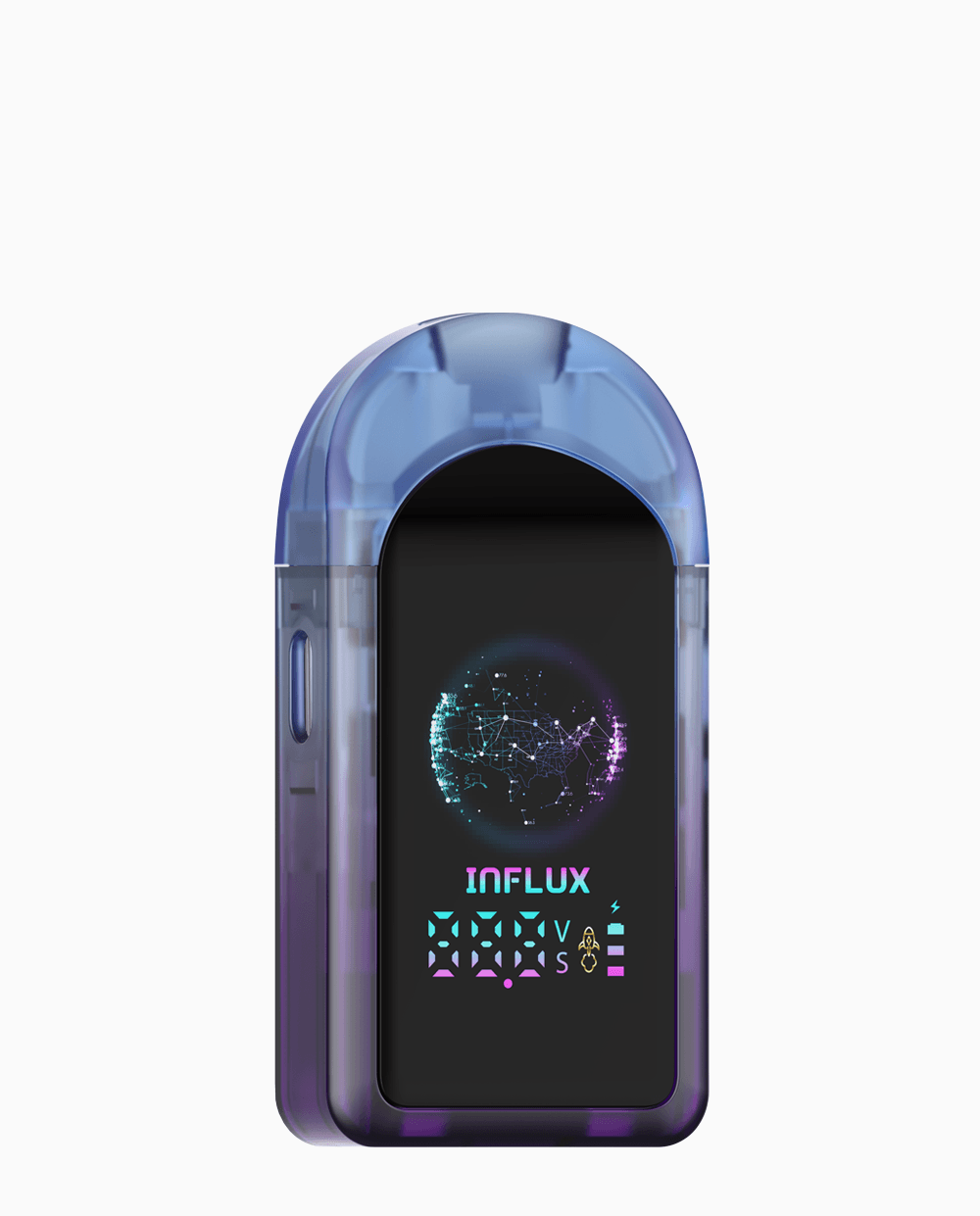
For a cannabis brand, device appearance can be part of SKU strategy. A visible logo, flavor artwork, or limited-edition visual treatment can help differentiate lines that use similar oil formats. The relevant question is not whether a screen or finish automatically improves sales, but whether it gives the brand a usable and consistent space for identity. For a transparent, screen-led direction for premium or collaboration editions, see Retro Pro.
Before approving a screen or finish, confirm the artwork area, file and color requirements, display behavior, production tolerances, approval process, and consistency across planned SKUs. Treat the visual system as a brand-identification tool; without campaign or sales evidence, do not present it as proof of higher conversion or stronger consumer preference.
Compare Portable AIO Design Priorities
Priority
What to Evaluate
Questions to Ask
Evidence or Decision Record
Portability
Dimensions, weight, carrying options, and protective packaging
Where will the device be carried and stored?
Documented carrying and packaging assessment for the intended scenario
Oil fit
Heating core, airflow, voltage, preheat, and filling validation
Has the final oil been tested in the selected hardware?
Product-specific filling, storage, transport, and draw-consistency results
Brand identity
Display area, finish, artwork, and SKU differentiation
What visual element should users recognize first?
Approved artwork specification and production sample
Product range
Capacity, price point, packaging, and launch strategy
Does the device support the intended portfolio role?
Cross-functional sign-off on the SKU brief
Summer storage
Filled-device behavior, packaging protection, handling instructions, and relevant environmental conditions
What conditions has the final product actually been assessed under?
Test conditions, limitations, and approved consumer guidance
How Lilmon Vision Fits the Evaluation Framework
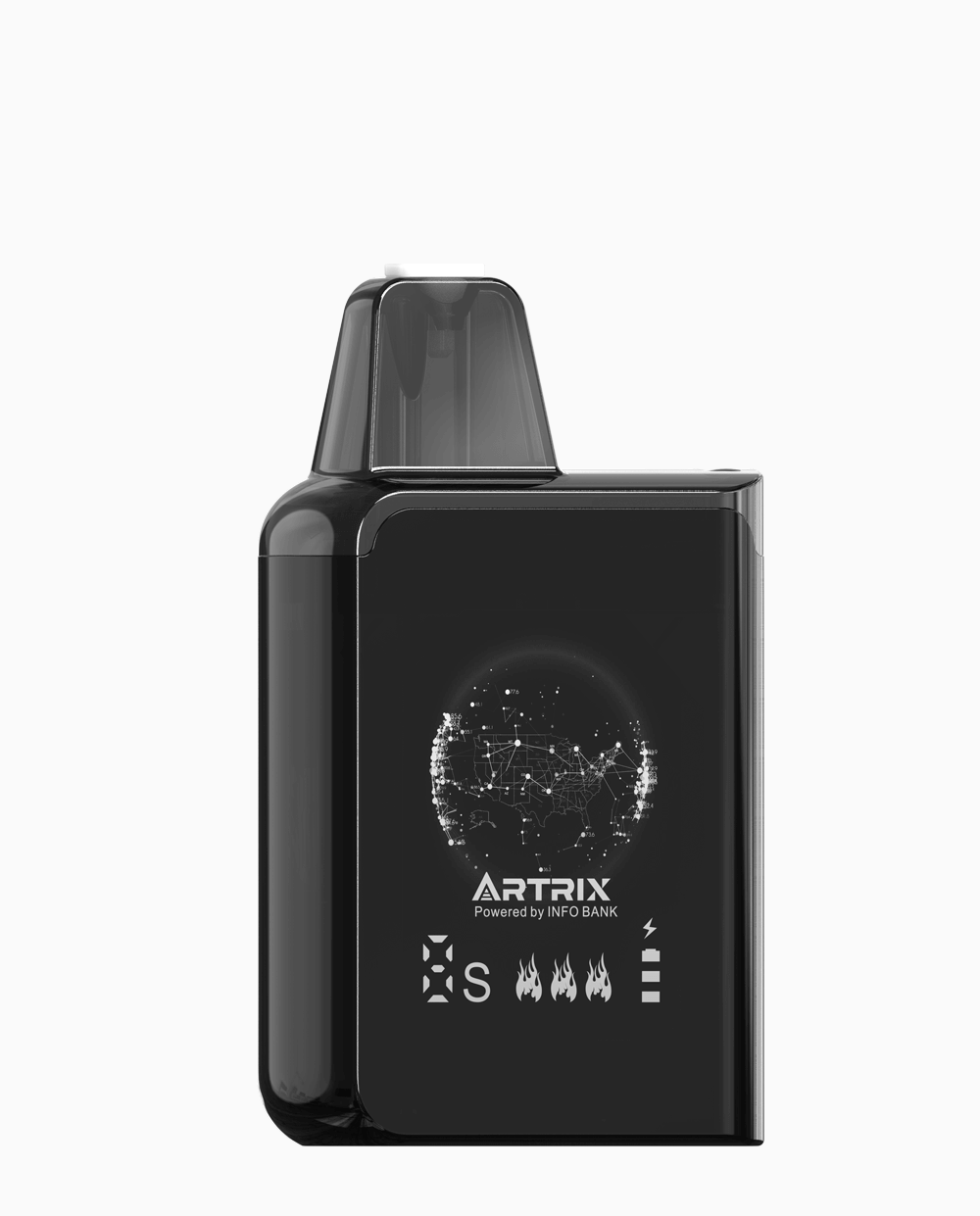
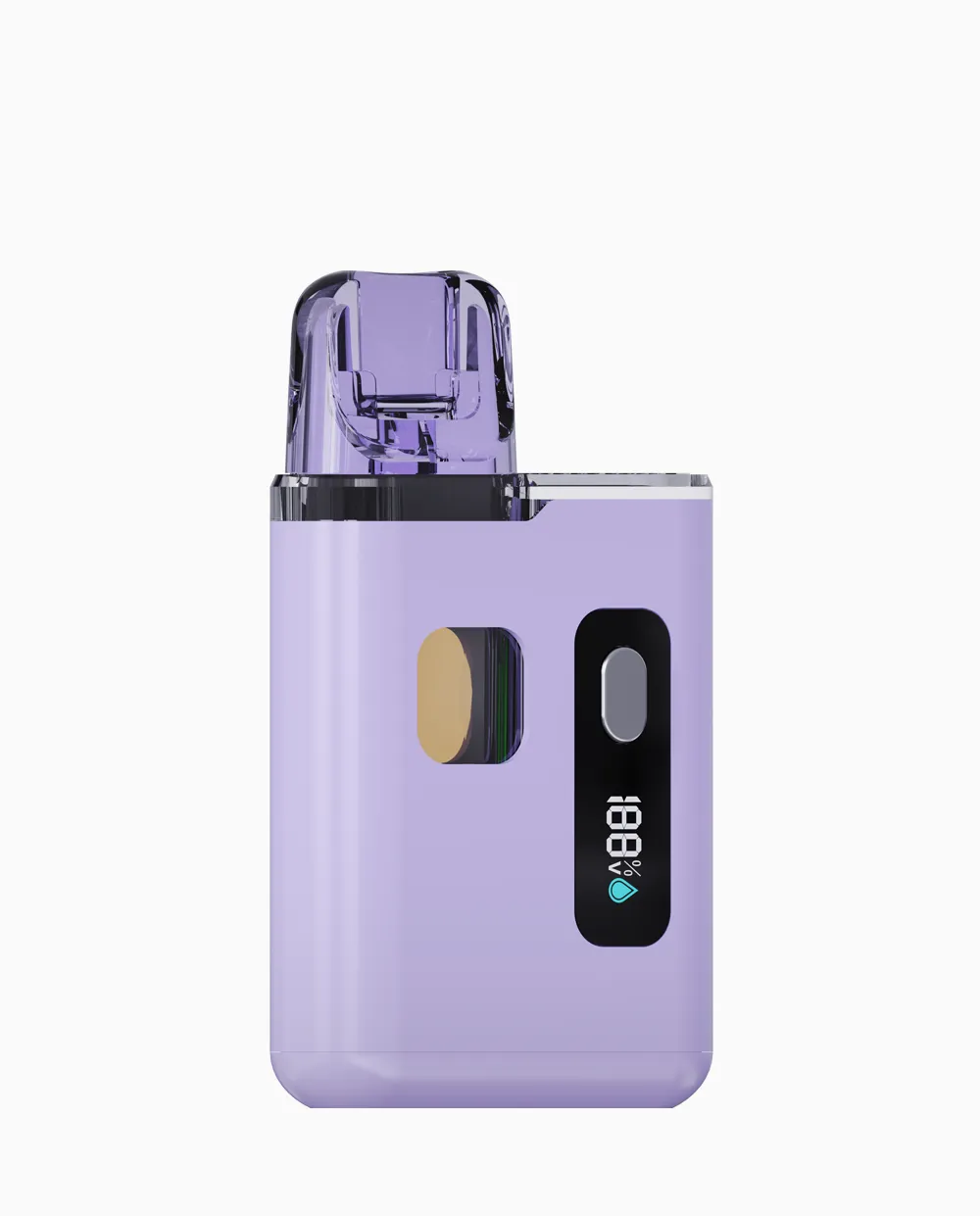
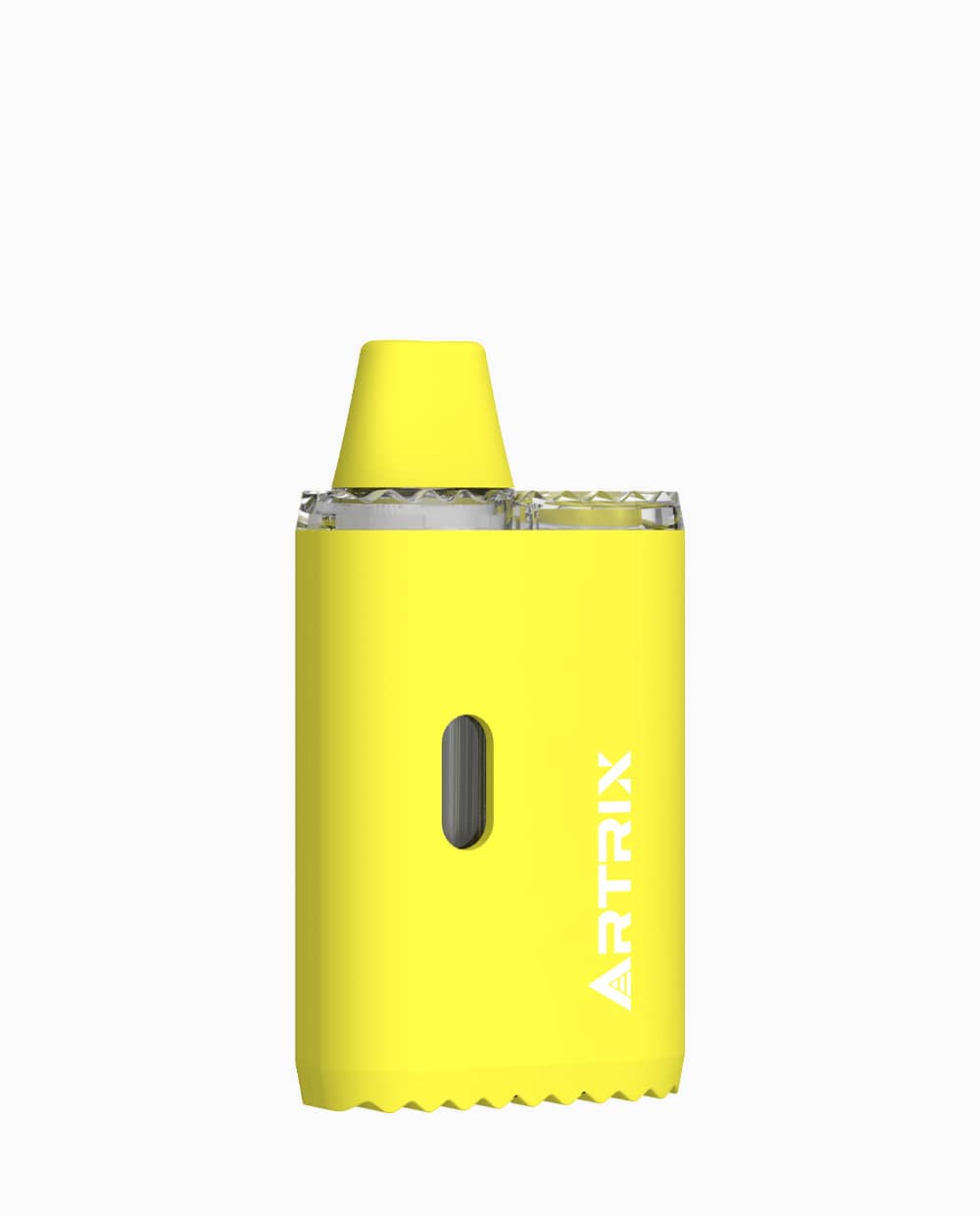
For brands looking for a portable, screen-led format, Lilmon Vision is an all-in-one vape platform with 1mL and 2mL oil-capacity options, a 0.9-inch full-screen LED display, Type-C charging, and a built-in hanging hole. According to Artrix product information, it weighs 26g and includes adjustable voltage settings and preheat controls.
The display can be used for logos, flavor artwork, or other brand graphics, while the hanging hole provides an additional carrying option for lanyards, bags, or keychains. Lilmon Vision also uses a no-cotton, no-center-tube structure; brands should validate its performance with their own oil formulation and intended operating conditions.
Within the framework above, these specifications make Lilmon Vision a candidate for brands exploring multiple capacity tiers, a screen-led identity, and an additional attachment option. They do not, by themselves, establish oil compatibility, carrying durability, storage performance, or market results. Before moving from shortlist to launch, confirm artwork requirements and evaluate production samples with the final oil, filling process, packaging, and documented operating conditions.
A Practical Pre-Launch Checklist for Brands
Confirm which capacity fits the target market, packaging, and price architecture.
Test the final oil formulation with the selected heating and airflow configuration.
Review charging, control, and storage guidance before the product launch.
Decide whether a full-screen visual, printed finish, or a simpler form factor best supports the product line.
Prepare compliant consumer-facing instructions and product-specific handling information.
Define the intended carrying, storage, and transport scenarios before testing.
Record test conditions, sample configuration, observations, limitations, and approval status.
Confirm artwork specifications and inspect a representative production sample.
Require cross-functional approval from the relevant product, formulation, packaging, compliance, and brand teams.
FAQ
What oil capacities does Lilmon Vision offer?
Lilmon Vision is listed by Artrix with 1mL and 2mL oil-capacity options. Brands should choose a format based on their product plan and applicable market requirements.
Can the full-screen display be used for branding?
Artrix presents the 0.9-inch full-screen LED display as a surface for brand visuals, including logos and flavor artwork. Artwork requirements and final implementation should be confirmed during product development.
Does a no-center-tube design guarantee a specific performance result?
No. It describes the device structure. Actual performance depends on the oil, filling process, operating conditions, and validation results.
How should a brand validate an AIO with its final oil formulation?
Create a product-specific plan covering filling, storage, transport, device operation, draw consistency, and the intended consumer experience. Define the sample configuration, conditions, duration, evaluation method, and pass/fail criteria before testing. Use the results only within the tested scope.
What should be confirmed before using a screen for a branded SKU?
Confirm the available artwork area, accepted file specifications, color and animation behavior where applicable, approval stages, production tolerances, and the appearance of a representative sample. A screen provides a visual surface; its commercial effect requires separate evidence.
What should summer storage guidance include?
Guidance should reflect the final filled product, packaging, oil formulation, assessed environmental conditions, and applicable requirements. It should clearly describe handling limitations without adding untested temperature, duration, safety, or performance claims.
Make the Shortlist Decision From Evidence
A portable AIO platform should advance only when its capacity, oil compatibility, carrying format, brand treatment, packaging, and instructions align with the product brief and the evidence collected under defined conditions. This approach gives brands a clearer basis for comparing platforms and communicating only what the final product can support.
For brands evaluating a portable, display-forward AIO platform, learn more about Lilmon Vision specifications and customization options.
A dedicated content contributor at Artrix with a talent for exploring the cultural and economic aspects of the cannabis industry. Focused on product hardware, manufacturing, concentrates and oils, and market strategies in the cannabis vaping sector. Combines thorough research with real-world insights to inform and engage readers.

-1.webp)
-1.webp)
-2.webp)