
-1.webp)
-1.webp)
-2.webp)






























Guide to Fixing 5 Common Pre-Roll Issues
Last Updated: March 30, 2026
Every Pre-Roll Problem looks different on the surface, but most of them come from the same five root causes: restricted airflow, uneven burn, low moisture, infused oil migration, or weak tip construction. The good news is that many of these issues can be improved in under two minutes if you diagnose the failure correctly instead of forcing the smoke session to continue.
This guide is intended for adults in legal, regulated markets and focuses on basic troubleshooting only. It is not medical advice, and any pre-roll that appears contaminated, recalled, or unusually harsh after correction should not be used.
Quick Self-Check: Can Your Pre-Roll Be Saved?
Start here before you light again. A tight draw, side burn, or loose filter is usually repairable. A soaked, moldy, or visibly contaminated pre-roll is not a rescue project.
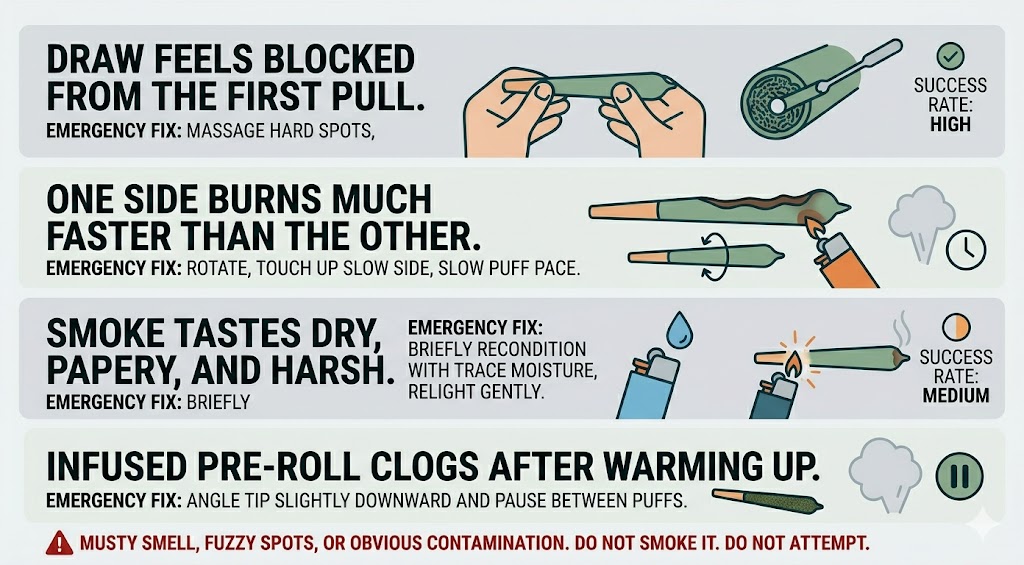
| Symptom | Emergency Fix | Success Rate |
|---|---|---|
| Draw feels blocked from the first pull | Massage hard spots, then create a small center channel from the tip | High |
| One side burns much faster than the other | Rotate, touch up the slow side with flame, and slow your puff pace | High |
| Smoke tastes dry, papery, and harsh | Briefly recondition with trace moisture, then relight gently | Medium |
| Infused pre-roll clogs after warming up | Angle tip slightly downward and pause between puffs | Medium |
| Loose filter or herb reaches your mouth | Tap downward, patch the seam, and refold the tip | High |
| Musty smell, fuzzy spots, or obvious contamination | Do not smoke it | Donot attempt |
If a pre-roll smells musty or shows visible contamination, stop there. CDC notes that mold exposure can irritate the nose, throat, eyes, and lungs.
Problem 1: Can’t Draw? (Airflow feels like a clogged straw)
This is a pressure-drop problem. The fill is either packed too tightly, too wet, or both, so the internal air pathways collapse and the ember cannot breathe. People often misread this as “I just need a harder pull,” but that usually makes the blockage worse.
Do not keep sucking harder to overpower the clog. That brute-force move tends to compact the material even more, and it also makes the smoke feel hotter and harsher; so harder pulls are not a smart repair strategy.
-
- The Finger Massage Method: Start at the filter and work upward with gentle fingertip pressure. You are not crushing the cone. You are loosening hard pockets so the material redistributes and the internal channel opens again.
-
- The Needle-Puncture Method: Insert a thin paperclip, toothpick, or similarly narrow tool about 2 to 3 centimeters into the center of the lit end. The goal is to create one clean ventilation tunnel, not shred the structure.
-
- Test after each change: Take one light draw before doing more. If airflow returns, stop there. Overworking the cone can create the opposite problem and make it burn too fast.
Problem 2: Burning Unevenly? (One side burns fast while the other hasn’t moved)
This classic “canoeing” problem usually comes from uneven combustion dynamics. In practical terms, one side of the paper or filling is burning more efficiently than the other because density, moisture, or airflow is slightly off. Even a well-made pre-roll can drift if it is lit unevenly or puffed too aggressively in the first minute.
The fix is to slow the imbalance instead of restarting the whole session. Think of it as re-synchronizing the ember. Your job is to help the lagging side catch up while keeping the faster side from racing ahead.
-
- The Flame Correction Method: Rotate the pre-roll and lightly singe the paper on the unburned side. Use a gentle touch. You are warming the slow lane, not torching the cone.
-
- The Damped-Paper Method: If one side is running too hot, lightly dab that side of the paper with a tiny bit of moisture to slow it down. If the pre-roll is being shared, use a clean fingertip with water instead of saliva.
-
- The Inversion Method: Hold the slower side slightly downward for a few draws. That small shift can help heat reach the lagging section more evenly.
If the burn keeps drifting after two correction attempts, the fill is probably too inconsistent to reward more effort. At that point, unrolling and re-rolling is usually the cleaner save.
Problem 3: Tastes Bitter and Harsh? (Feels like smoking dried leaves)
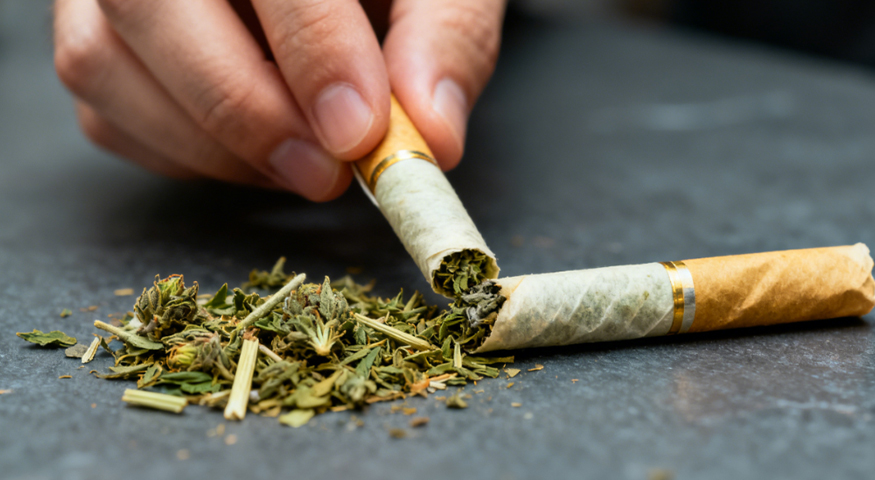
When a pre-roll tastes sharp, papery, or aggressively hot, the usual culprit is dryness. The material has lost too much moisture, so the burn runs hotter and faster than it should. That means less flavor, less smoothness, and a much thinner margin between “usable” and “overcooked.”
A harsh cone is not always dangerous, but it is a sign to slow down. A drier, hotter burn is a good reason to reduce draw intensity rather than powering through it.
-
- The Two-Minute Emergency Rescue: Place the pre-roll in a sealed bag with a small piece of peeled orange peel or a tiny lettuce leaf for about 5 minutes, then remove it. This is a short reconditioning trick, not a storage solution.
-
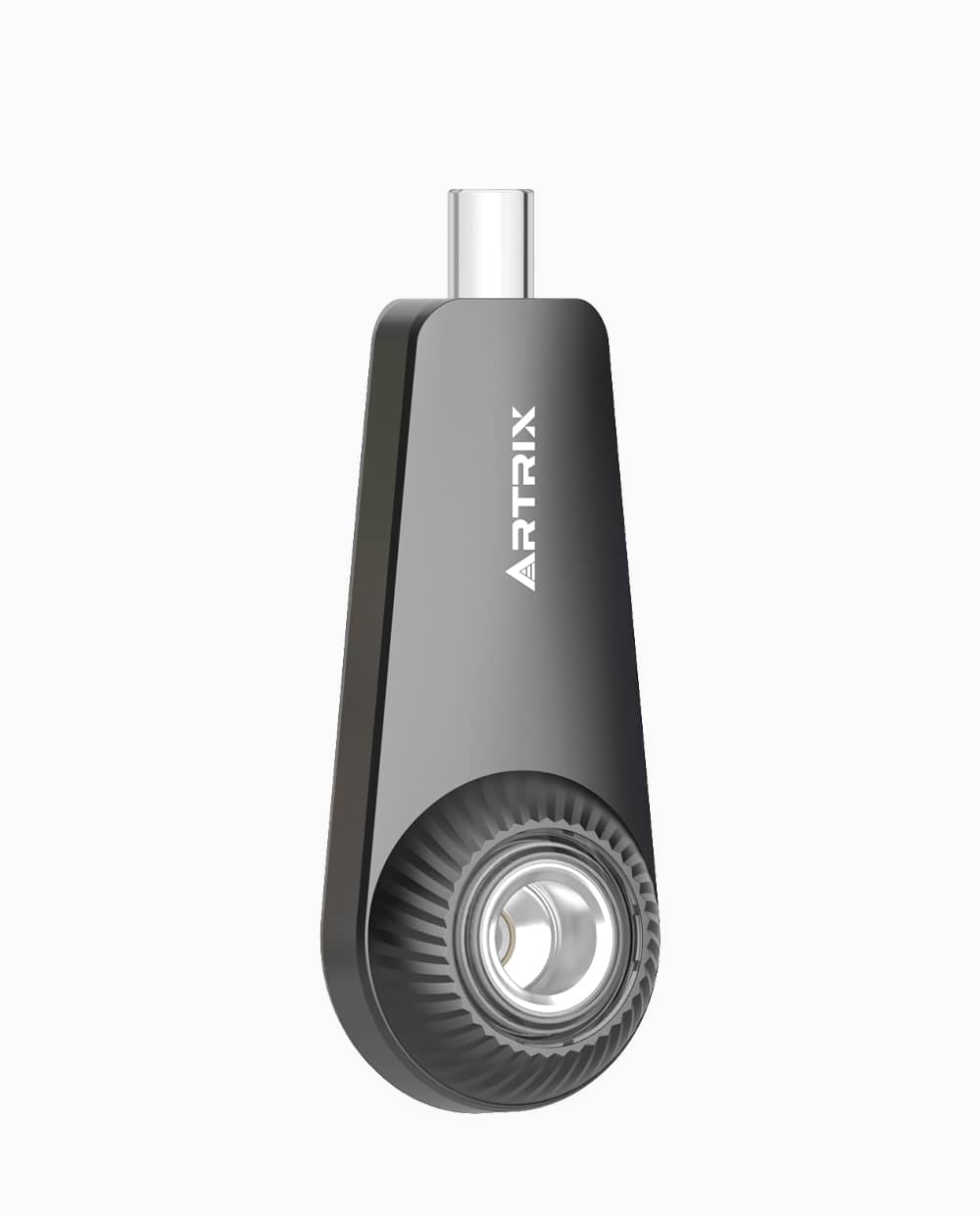
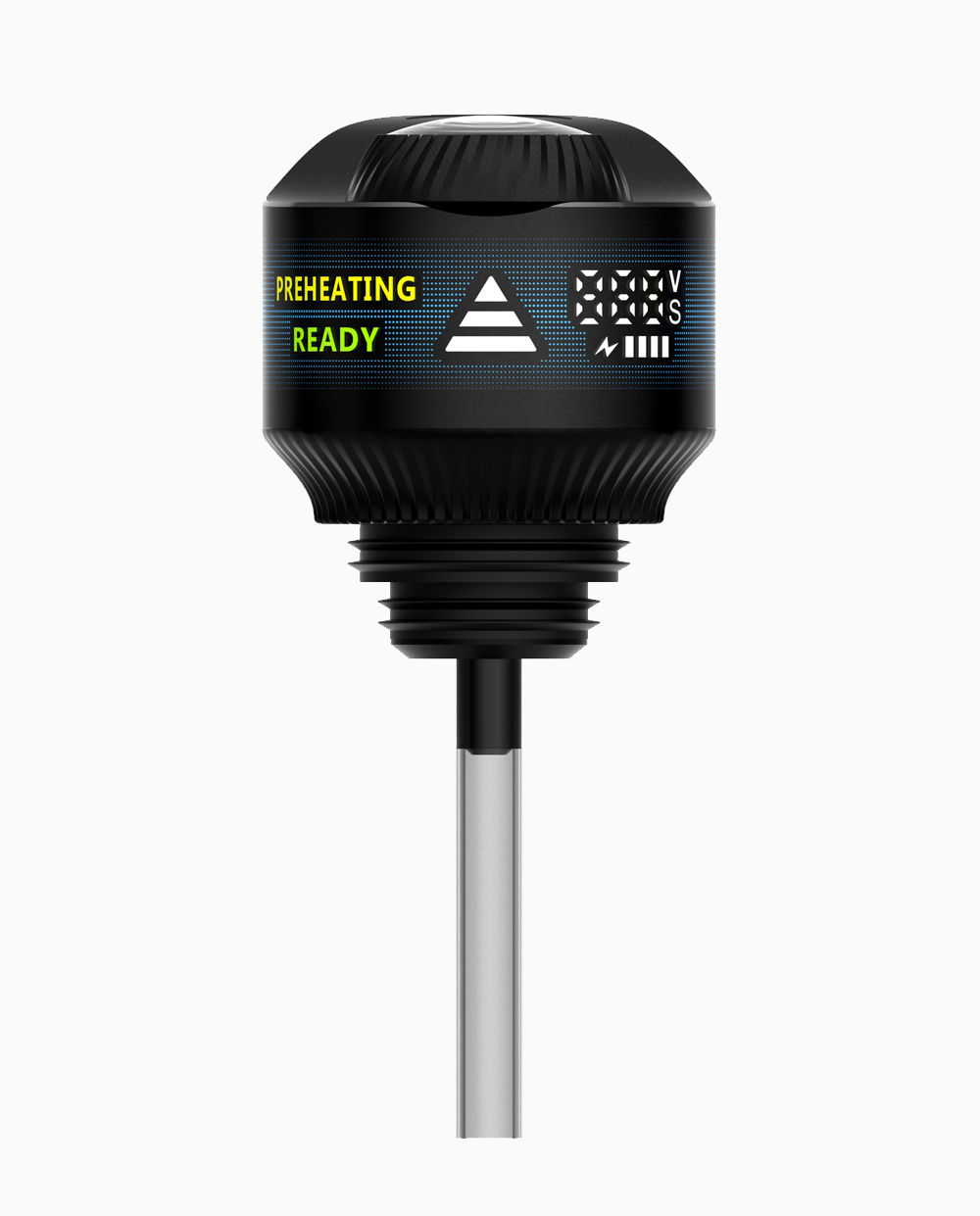
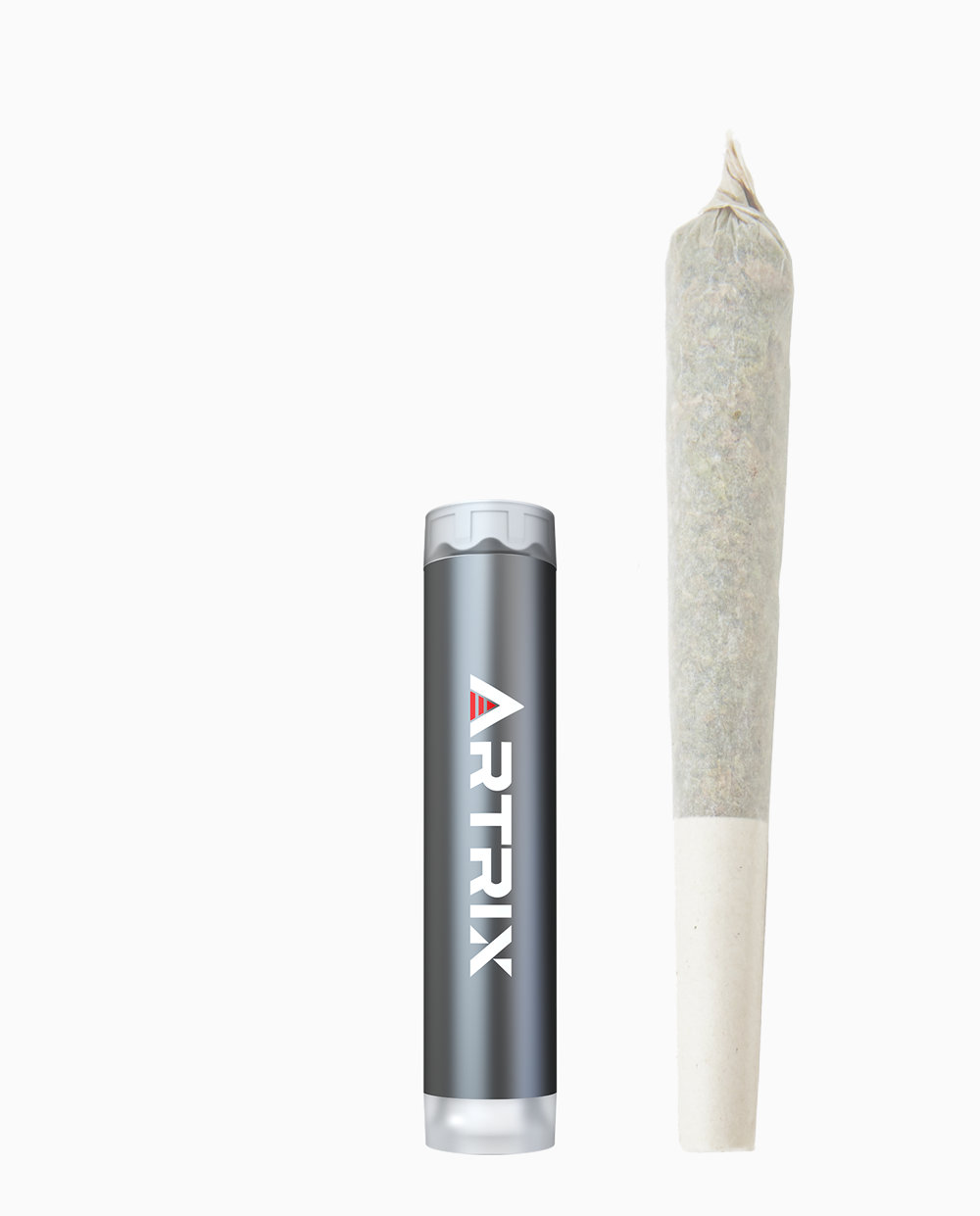
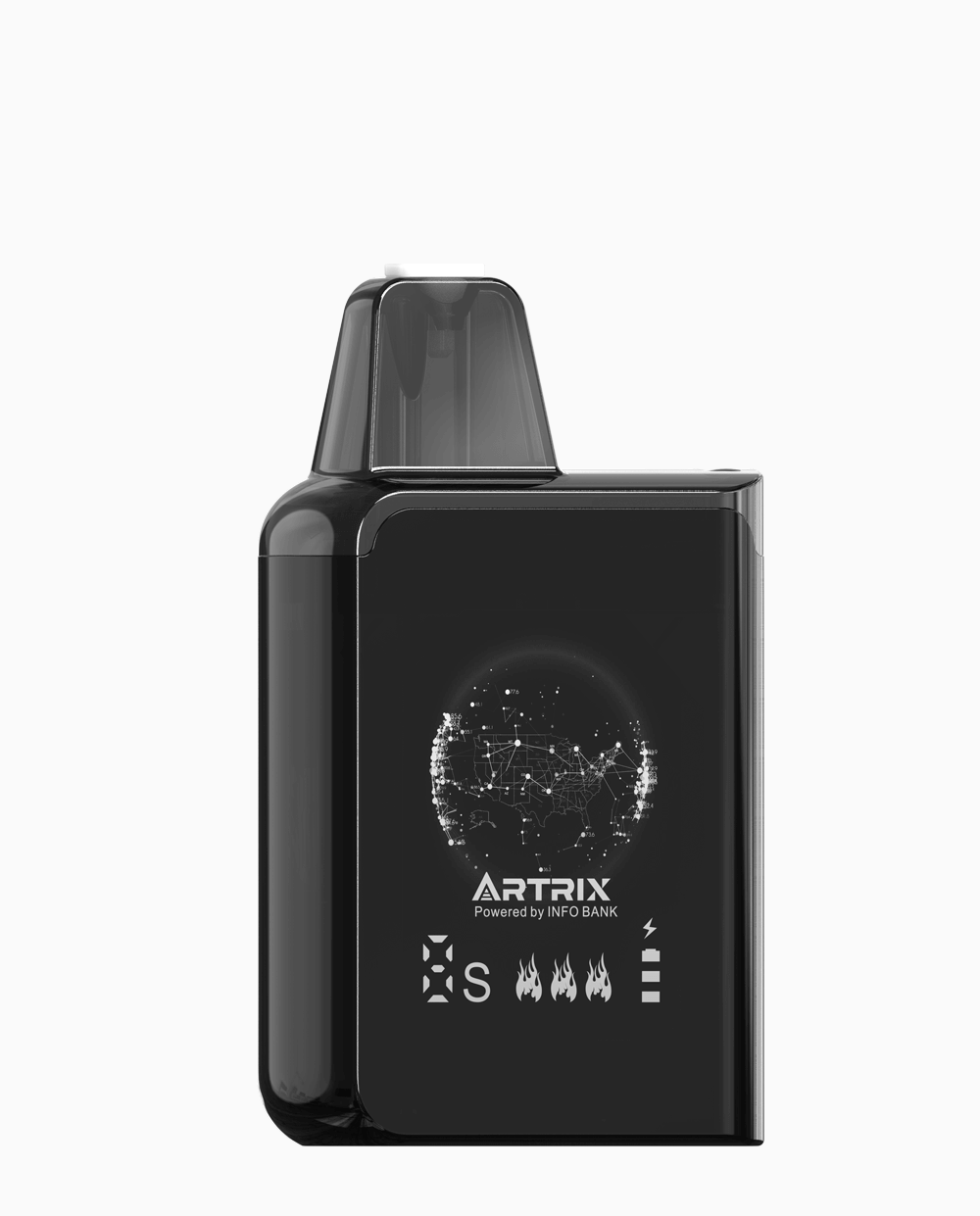
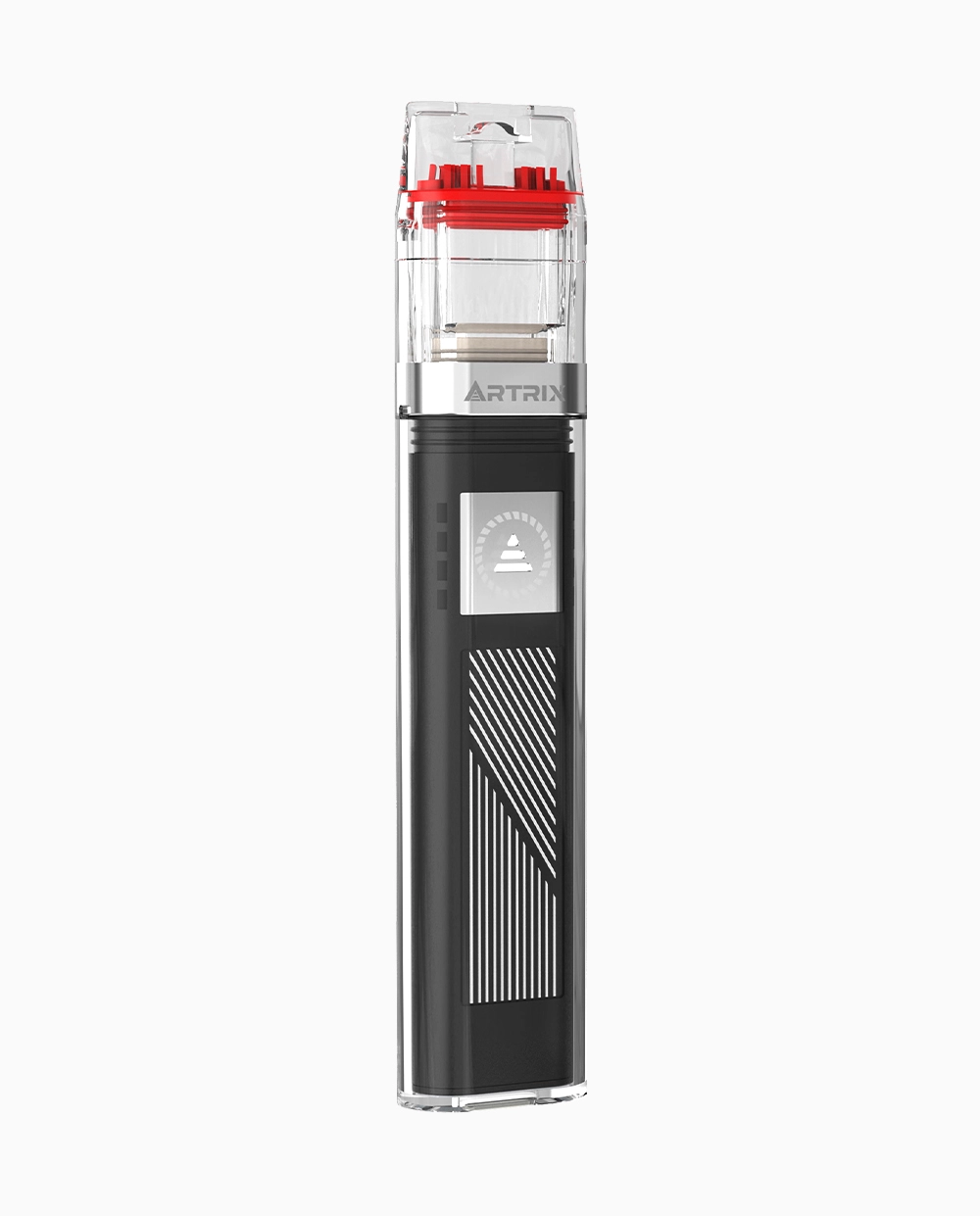
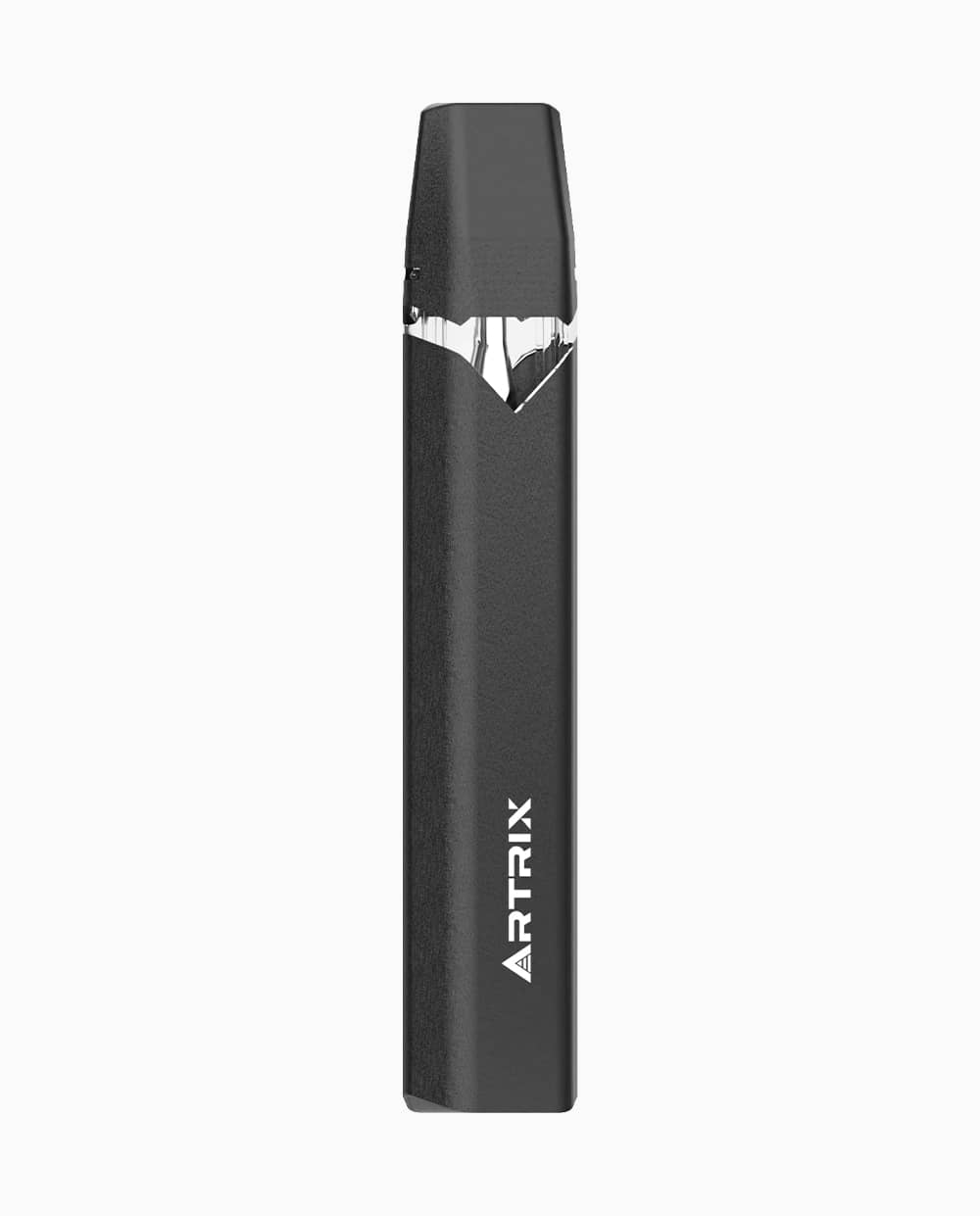
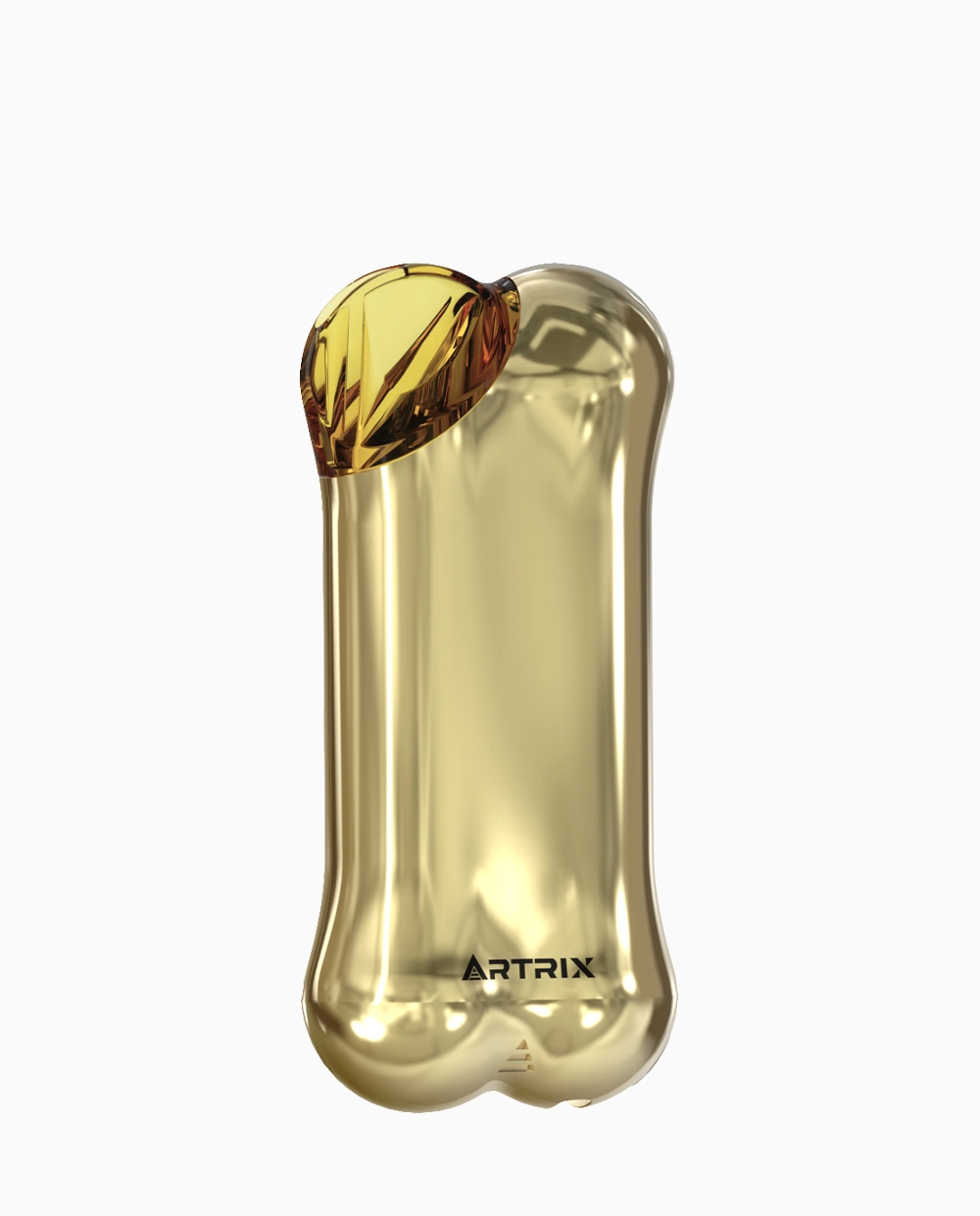
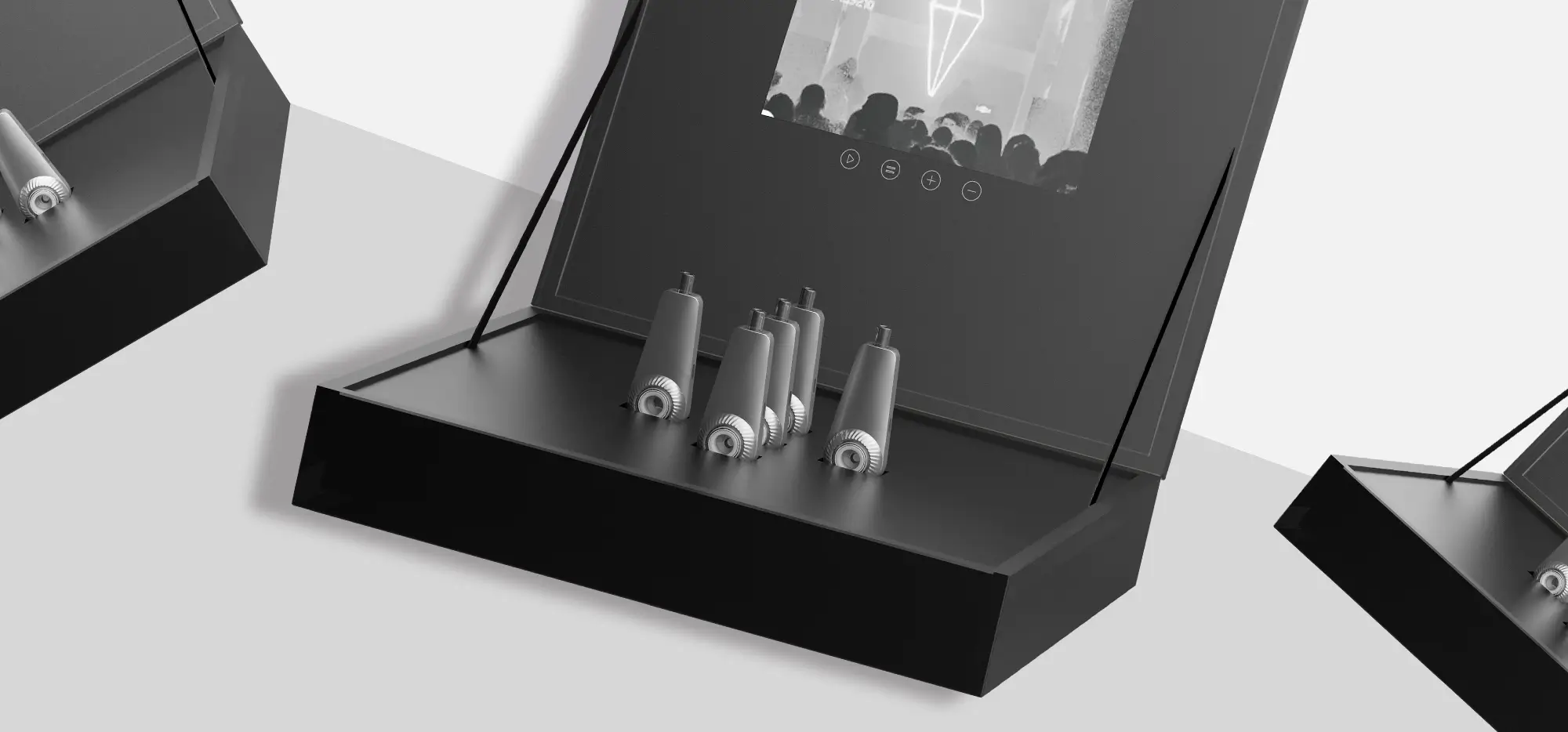
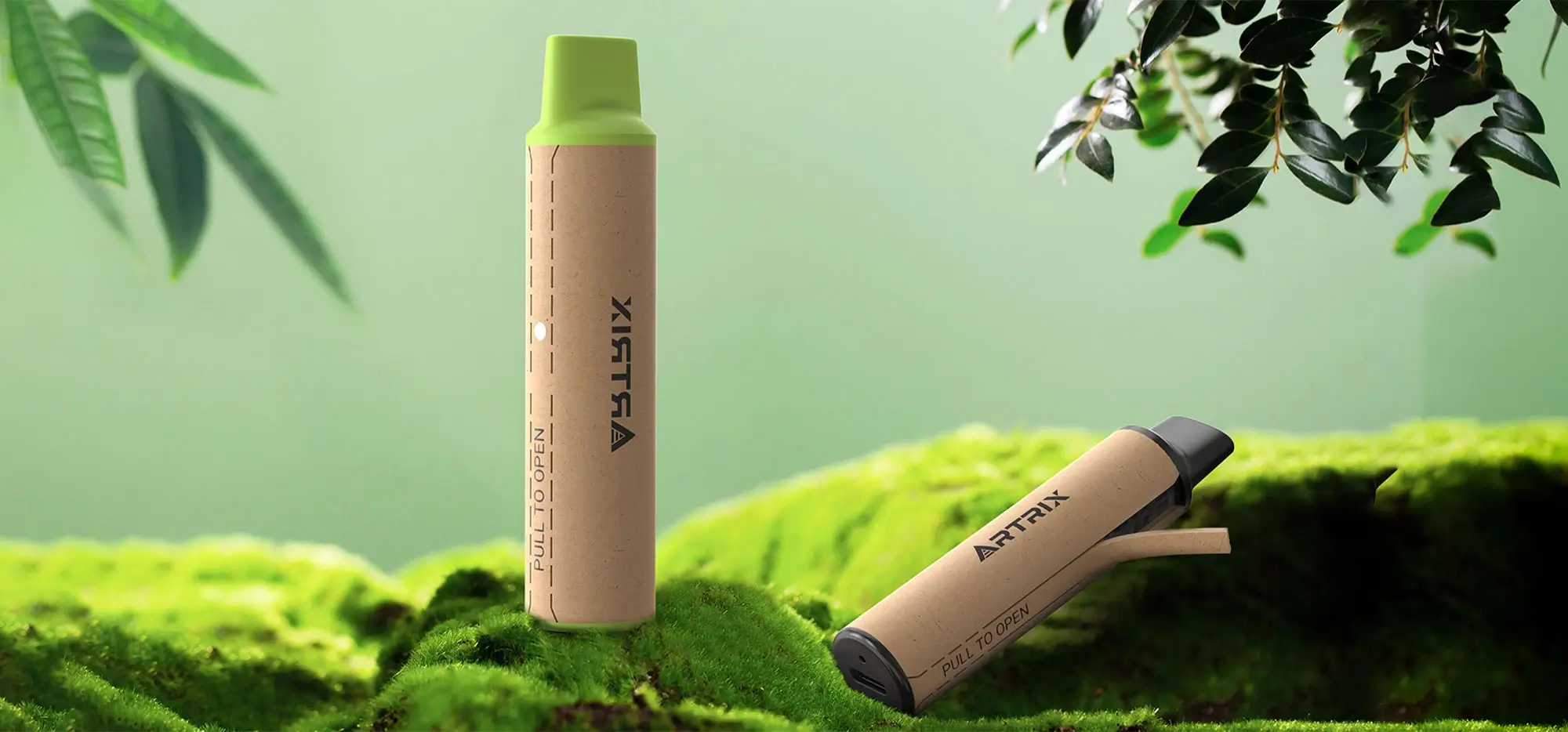
- The Cool-Draw Method: Take shorter pulls and give the ember more time between puffs. A little patience often smooths out a harsh cone more effectively than repeated relights. If the smoke still feels too hot or uneven, the Artrix Tip pre-roll enhancer can help create a smoother, more controlled draw.
-
- Know when to stop: If the roll becomes damp, smells off, or shows unusual spotting, do not keep trying to revive it. Moisture rescue should stay brief and controlled.
Problem 4: Infused Pre-rolls — Leaking Oil or Clogged? (The most expensive, yet hardest-to-smoke variety)
Infused pre-rolls are harder to manage because they combine flower with a thicker extract that changes behavior as it warms. From a manufacturing point of view, this is a flow-management problem. Once the concentrate softens, it can migrate toward the filter, coat the airflow path, and create sudden clogging right when the session should be getting smoother.
That is why infused cones often feel great for the first few pulls and then tighten unexpectedly. The fix is to control heat and orientation so the oil stays distributed through the body of the roll instead of pooling at the mouth end.
-
- The Vertical Hold Method: Keep the pre-roll angled slightly tip-down during use. That position helps discourage softened oil from settling into the filter.
-
- The Blow-Out Technique: If airflow starts collapsing, stop and gently blow outward through the filter while the cone is unlit or briefly resting. The goal is to push fresh residue away from the choke point, not blast ash everywhere.
-
- The Pre-Heat Maneuver: Before lighting, warm the outside lightly and evenly with your lighter without touching flame to paper. This can help the infused layer distribute before combustion begins.
If an infused pre-roll leaks visibly through the paper, it often points to an imbalance in fill structure, oil loading, paper selection, or heat handling. In many cases, that starts as a product-design or production-consistency issue rather than a user-technique issue alone.
Problem 5: Loose Filter Tip / Getting a Mouthful of Herb? (Structural Integrity Failure)
This one is less about combustion and more about structure. A loose tip, weak seam, or open mouth end usually points to poor alignment or weak sealing during production. The cone may still burn, but the experience drops fast when the filter shifts or loose material starts traveling toward your mouth.
The good news is that this is one of the easiest failures to patch on the spot. You are mainly trying to restore compression at the tip and re-secure the transition where paper, filter, and fill meet.
-
- The Vertical Tap Method: Hold the pre-roll filter-side down and tap it gently against a flat surface a few times. Gravity will help settle the fill and tighten the structure.
-
- The Patchwork Technique: Tear a thin strip of paper from the pack or another clean rolling paper and wrap it around the filter joint to reinforce the seam.
-
- The Tip-Fold Repair: If the open end has loosened, use a fingernail to tuck the paper inward and form a small cap. That simple fold helps keep loose herb from traveling forward.
If herb keeps reaching your mouth even after a quick repair, the filter is too loose or too short for the fill. At that stage, a re-roll is usually faster than continued patching.
Summary: How to Avoid Buying Subpar Pre-rolls Next Time
The easiest fix is not needing one. Before you buy, check the fold at the tip, the firmness of the filter, and the spring of the cone when you press it lightly. A good pre-roll should feel even, not rock-hard, not hollow, and not soft near the filter. It should look straight, balanced, and neatly finished rather than rushed together.
If you shop infused products, inspect for visible seepage, over-saturation, or weak paper around the body. If you shop standard flower pre-rolls, prioritize clean construction over flashy dusting or heavy scent. As of March 16, 2026, NCSL’s state cannabis policy database shows that U.S. cannabis rules still vary by state and keep changing, so product selection and use should always match your local market’s current rules.
Instead of treating every weak session as a flower-quality problem alone, products such as Artrix position themselves around experience enhancement. For adult consumers in legal markets, a flavor and potency booster for pre-rolls can be a more practical way to improve taste intensity, perceived richness, and overall session satisfaction without changing the pre-roll itself.