
-1.webp)
-1.webp)
-2.webp)












Dab Rig Material Guide: Ceramic, Glass, Metal
The material composition of your dab rig directly shapes every aspect of your dabbing experience. From flavor preservation to heat retention, durability to maintenance requirements, understanding material properties is essential for making informed purchasing decisions and optimizing your sessions.
This comprehensive guide explores the four primary dab rig materials, their unique characteristics, and how to select the right combination for your specific needs.
Why Material Selection Matters
Material choice affects far more than aesthetics. The substance your concentrate contacts during vaporization determines vapor quality, influences temperature behavior, impacts equipment longevity, and even affects safety. Different materials suit different user preferences, experience levels, and consumption patterns.
Heat transfer characteristics vary dramatically between materials. Some heat rapidly but lose temperature quickly, while others require patience to reach optimal temperatures but maintain heat for extended sessions. These properties directly influence technique, timing, and ultimately, the quality of each dab.
Beyond performance, materials differ in durability, maintenance requirements, and long-term cost of ownership. Understanding these trade-offs empowers you to build a setup that matches your priorities and budget.
Glass Dab Rigs: The Classic Choice
Borosilicate Glass Properties
Borosilicate glass remains the standard material for water chambers and complete dab rigs. This specialized glass formulation contains boron trioxide, which dramatically improves thermal shock resistance compared to conventional glass. The material can withstand rapid temperature changes that would shatter ordinary glass.
Glass offers exceptional visual appeal, allowing users to watch vapor travel through the piece. Its completely inert nature means zero flavor contamination. Concentrates taste exactly as intended, with no metallic notes or material-derived flavors interfering with terpene profiles.
The transparency of glass also provides practical benefits. Water levels remain visible, filtration can be observed, and cleaning thoroughness becomes easy to verify.
Advantages and Disadvantages
Glass excels in several areas. Flavor preservation stands unmatched among common materials. The neutral surface introduces nothing to alter concentrate taste. Glass retains no odors between sessions when properly cleaned, ensuring each dab starts fresh. Aesthetic options range from simple scientific designs to elaborate artistic pieces.
However, glass presents clear limitations. Fragility remains the primary concern. Drops, impacts, and thermal stress from improper heating can cause catastrophic failure. Heat retention proves poor compared to other materials, making glass unsuitable for heating elements like nails or bangers. The material also requires careful temperature management to avoid thermal shock during cleaning or rapid cooling.
Best Applications for Glass
Glass performs optimally as water chambers, downstems, mouthpieces, and decorative elements. The material suits home use particularly well, where controlled environments minimize breakage risk. Beginners benefit from glass rigs that allow visual feedback during the learning process.
For heating elements, glass should be avoided entirely. While glass bangers exist, quartz vastly outperforms them in every meaningful metric. Reserve glass for components that don’t require direct heat application or extended heat retention.
Quartz: The Flavor Preservationist
Understanding Quartz Heating Properties
Quartz has become the dominant material for bangers and nails, and for good reason. The material heats rapidly, typically reaching optimal dabbing temperatures within ten seconds of torch application. This efficiency reduces preparation time and fuel consumption.
Chemically, quartz remains completely inert at dabbing temperatures. No compounds leach into vapor, preserving the full flavor profile of concentrates. The material’s thermal shock resistance exceeds standard glass significantly, allowing repeated heating and cooling cycles without structural compromise.
Quality variance presents another consideration that we see firsthand in our supply chain. Low-grade quartz may contain impurities or exhibit inconsistent thermal properties. At Artrix, we evaluate quartz components against ASTM standards for fused silica purity — the same benchmarks used in semiconductor manufacturing. Authentic high-purity quartz from reputable manufacturers costs more, but delivers the thermal consistency that makes precise temperature control possible.
Quartz Banger Benefits
Superior flavor retention makes quartz the preferred choice for terpene-focused enthusiasts. Every subtle note in high-quality concentrates comes through clearly. The rapid heat-up time enables quick sessions when time is limited.
The material’s transparency provides valuable visual feedback. Users can observe concentrate behavior, melting patterns, and vaporization progress. This visibility aids temperature assessment and helps prevent overheating that wastes material and degrades flavor.
Quartz bangers come in numerous styles, including thermal designs that improve heat retention, beveled edges for better sealing, and various bucket shapes optimized for different consumption patterns.
Limitations and Considerations
Quartz loses heat faster than titanium or ceramic. During longer sessions or when sharing, reheating becomes necessary. This characteristic requires developing timing skills to hit optimal temperature windows consistently.
Extended high-temperature use causes devitrification, a crystallization process that clouds previously clear quartz. This phenomenon, often called “chazzing,” occurs when residue burns onto the surface repeatedly. While primarily cosmetic, severe devitrification can affect heat distribution and eventually compromise structural integrity.
Quality variance presents another consideration. Low-grade quartz may contain impurities or exhibit inconsistent thermal properties. Authentic quartz from reputable manufacturers costs more but delivers consistent performance and longevity.
Cold Start Technique with Quartz
Quartz particularly excels at cold start dabbing, also called reverse dabbing. This technique involves loading concentrate into the banger before applying heat, then gently warming until vaporization begins.
The process preserves terpenes exceptionally well by never exposing concentrate to excessive temperatures. Users observe the material begin to bubble and produce vapor, then immediately cap and inhale. This visual control prevents overheating and reduces waste.
Cold starting also extends quartz lifespan by minimizing thermal stress and preventing the high temperatures that accelerate devitrification. The technique represents the pinnacle of flavor-focused dabbing.
Titanium: The Indestructible Option
Grade 2 Titanium Standards
When considering titanium, material grade matters enormously. Only medical-grade titanium, specifically Grade 2 or Grade 3, should contact heated concentrates. These grades contain minimal impurities and remain stable at dabbing temperatures.
Lower-grade titanium alloys may contain trace metals that release potentially harmful compounds when heated. Coated titanium products present similar concerns, as coatings can degrade and contaminate vapor. Always verify titanium grade before purchase, and avoid suspiciously inexpensive options that likely cut corners on material quality.
Authentic medical-grade titanium exhibits a distinctive silver-gray color and should come with grade certification from reputable sellers.
Heat Retention and Durability
Titanium’s heat retention dramatically exceeds quartz. After reaching temperature, titanium maintains usable heat for twenty to forty seconds, enabling multiple dabs without reheating. This property suits group sessions and users who prefer extended consumption periods.
Durability stands unmatched among dabbing materials. Titanium resists impacts, drops, and mechanical stress that would destroy glass or quartz. The material essentially lasts indefinitely under normal use conditions. This longevity makes titanium a genuine lifetime investment despite higher upfront costs.
Titanium also handles thermal cycling exceptionally well. Repeated heating and cooling causes no structural degradation, unlike materials susceptible to thermal shock or fatigue.
Seasoning and Flavor Management
New titanium requires seasoning before first use. This process involves heating the nail to high temperature repeatedly, allowing oxidation to form a stable layer that prevents metallic taste transfer.
The seasoning process typically requires three to five heating cycles. Heat the nail until it glows red, allow complete cooling, and repeat. Some users apply a small amount of concentrate during the final cycle, though this remains optional.
Even properly seasoned titanium imparts subtle flavor notes that some users detect. Flavor purists generally prefer quartz or ceramic, but many users find seasoned titanium acceptable, particularly given its other advantages.
Performance Characteristics
Titanium best serves users prioritizing durability and heat retention over absolute flavor purity. Portable setups benefit from impact resistance during transport. Outdoor use in variable conditions suits titanium’s robust nature.
Heavy users appreciate the longevity and consistent performance over years of regular use. The material requires minimal maintenance beyond occasional re-seasoning and basic cleaning.
The trade-off remains clear: accept minor flavor compromise in exchange for near-indestructible durability and excellent heat retention.
Ceramic: The Temperature Master
Unique Heat Properties
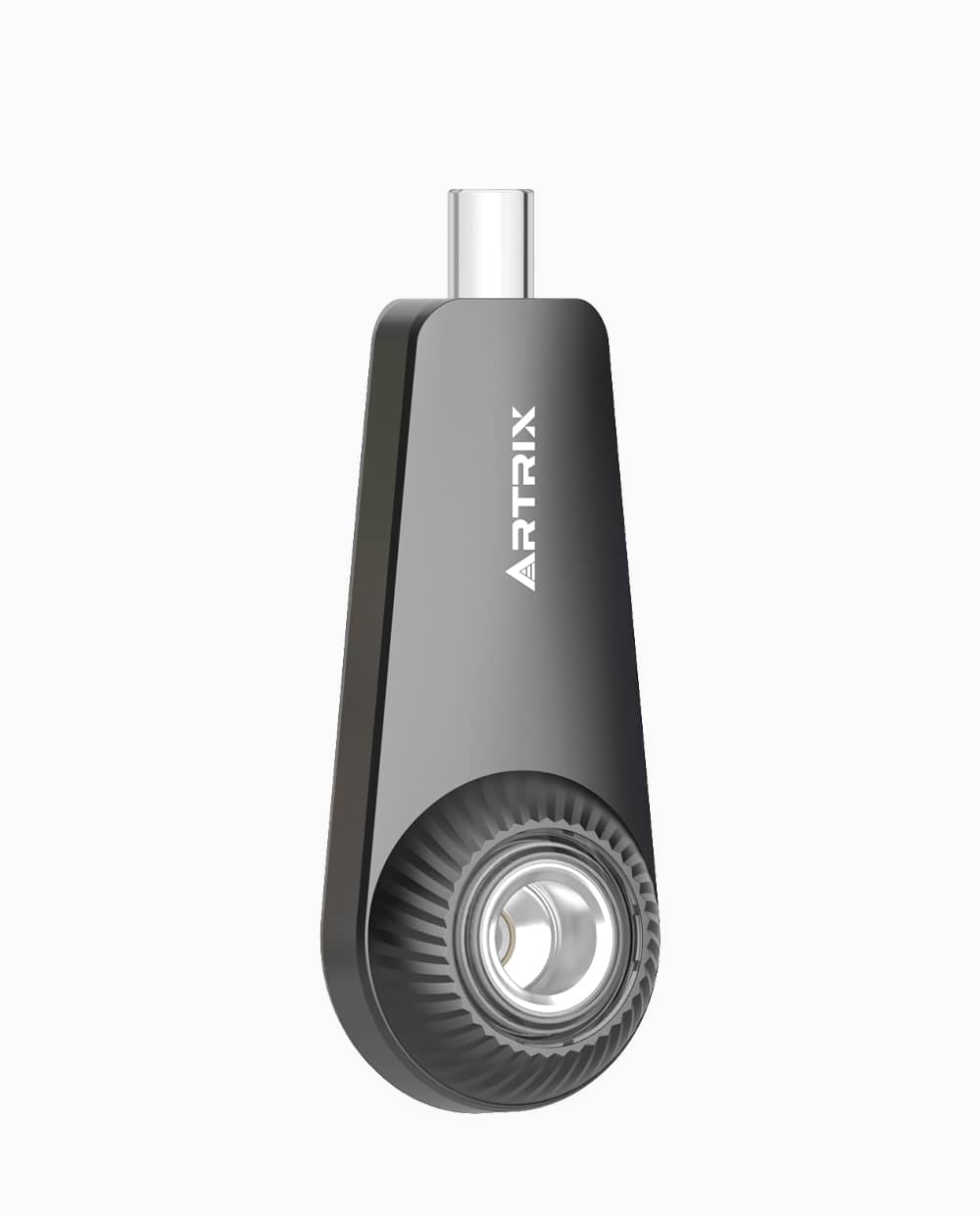
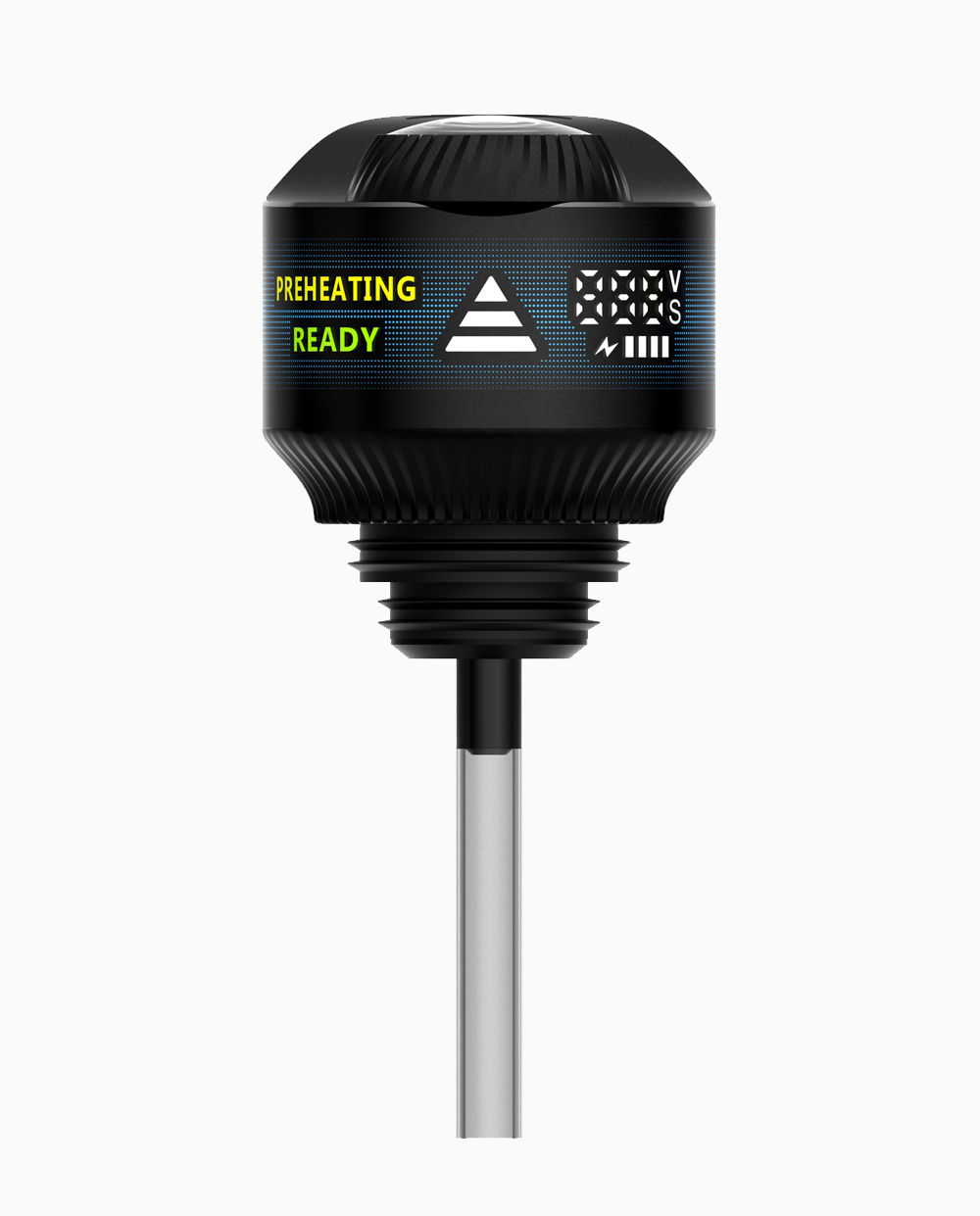
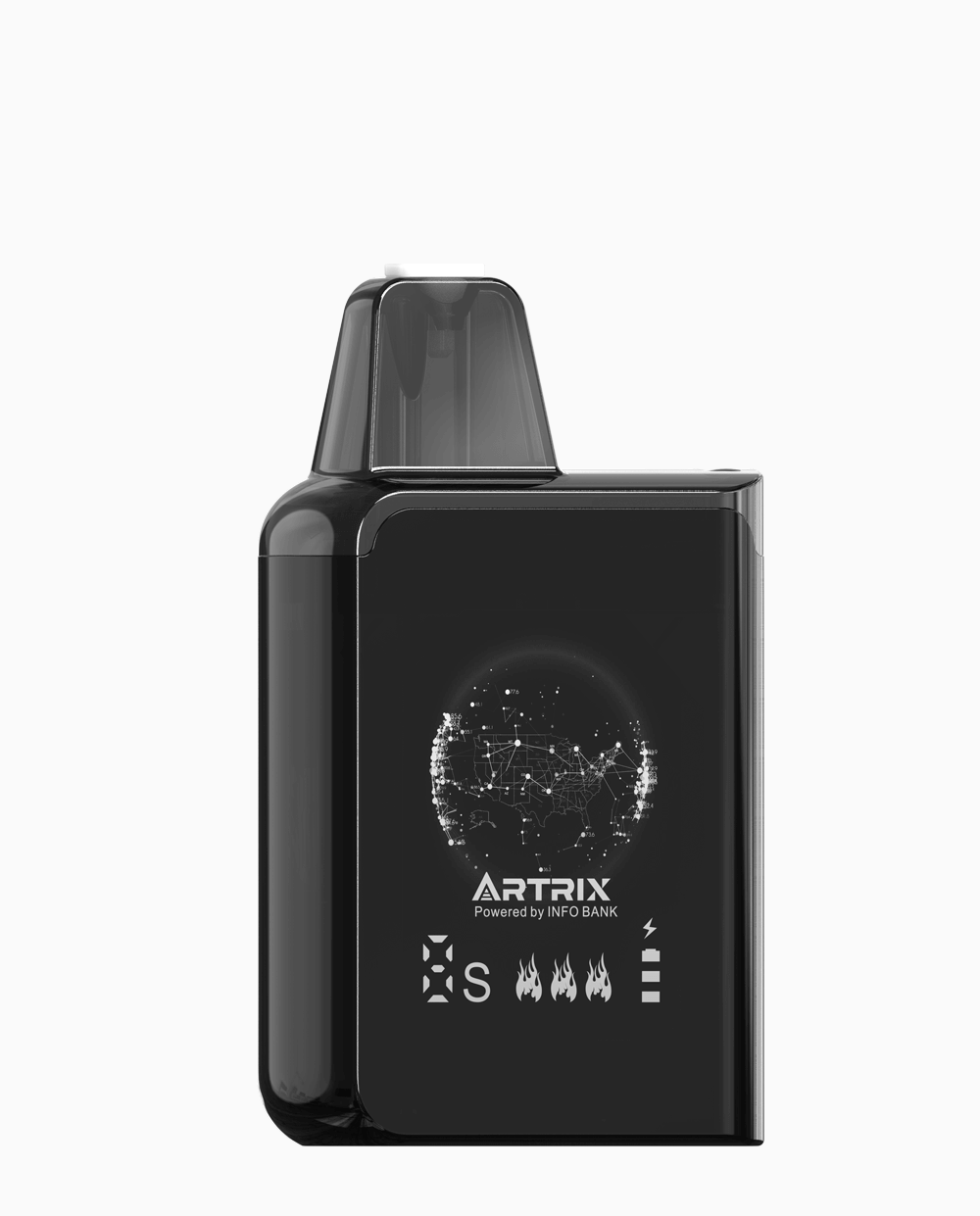
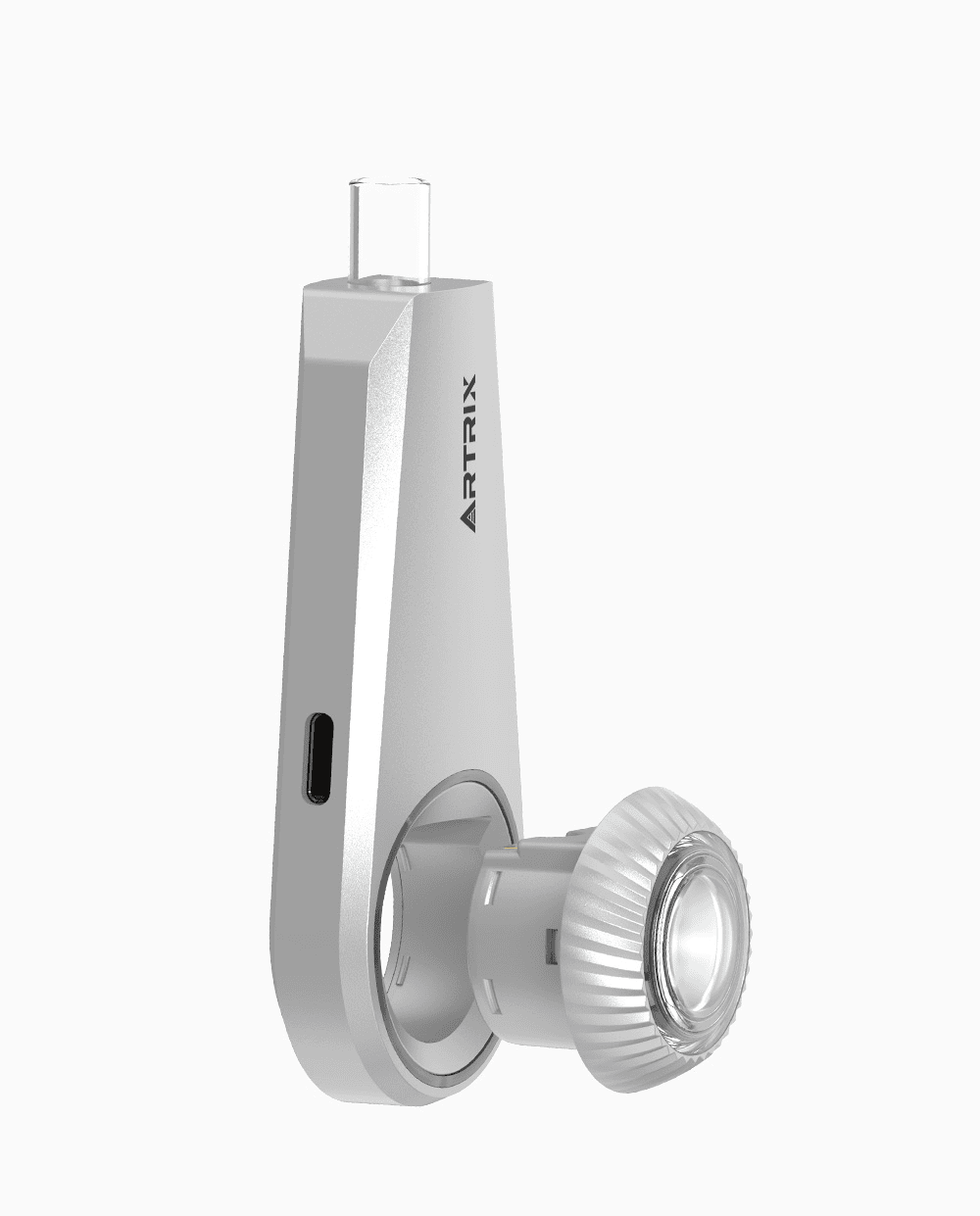
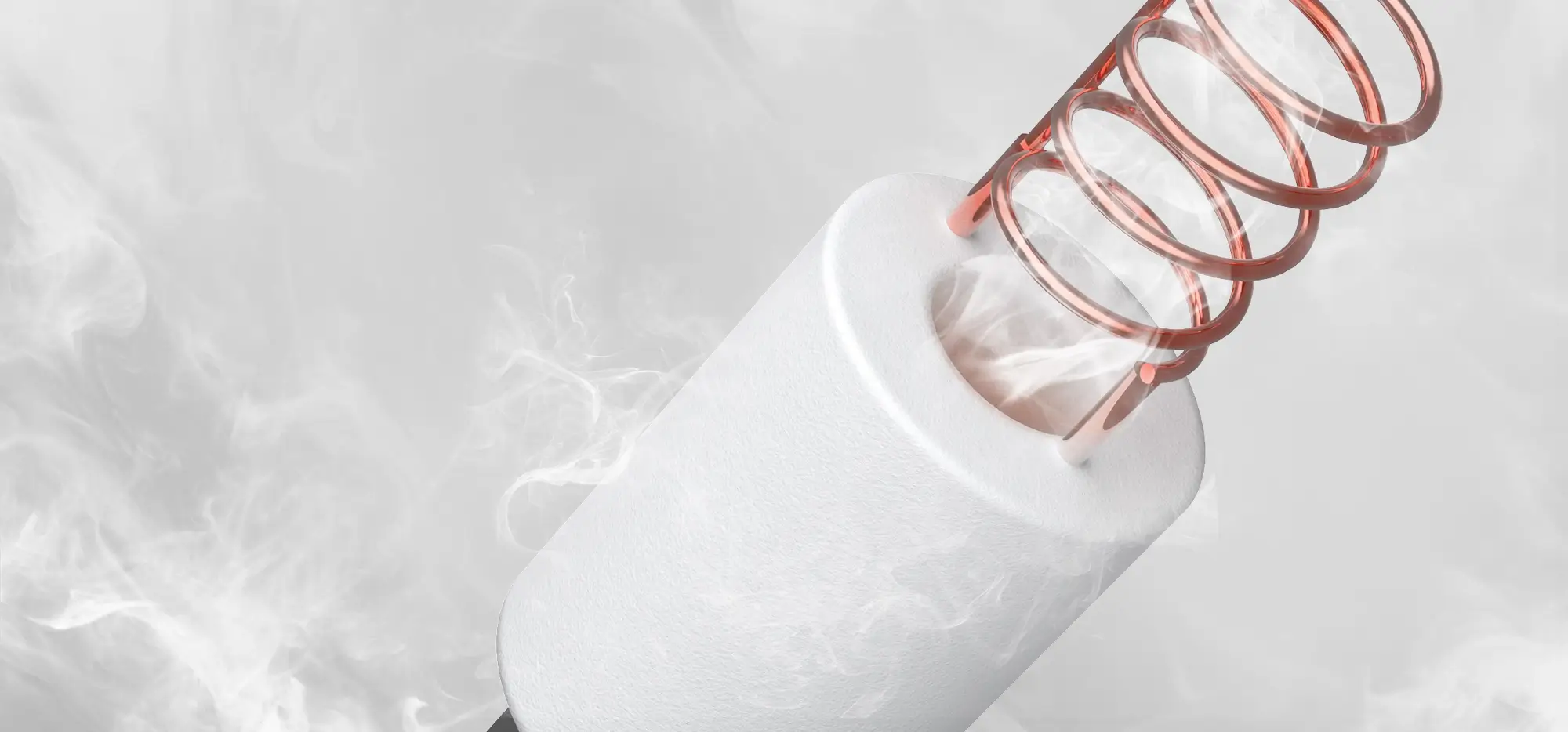
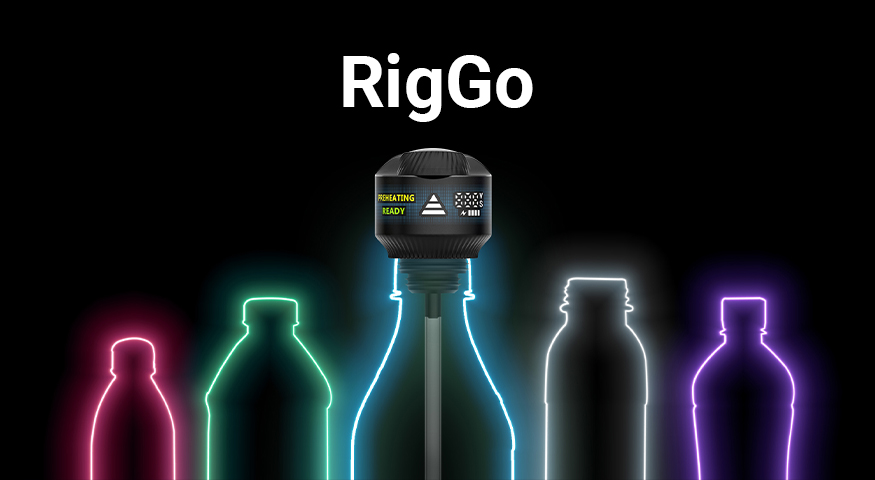
If you’ve ever wondered why some dabbers refuse to use anything but ceramic, the answer comes down to one word: patience. Ceramic rewards the slow, deliberate approach. Where quartz is the sprinter of dabbing materials — fast to heat, fast to cool — ceramic is the marathon runner. It takes its time getting to temperature (thirty seconds or more is usual), but once it arrives, it stays there. We’re talking sixty seconds or longer of usable heat, which fundamentally changes how you interact with your concentrate. But advances in electronic heating are closing that gap. Devices built around precision ceramic heating systems can bring a ceramic core to dabbing temperature in as little as 10 seconds — roughly the same speed as torching quartz — while preserving the even heat distribution and extended retention window that make ceramic special. It’s the marathon runner learning to sprint off the starting block.
The material heats more slowly than quartz or titanium, requiring patience during preparation. However, this slower heating also means more gradual, controlled temperature changes that reduce thermal shock risk.
Ceramic provides remarkably consistent temperatures across its surface. Hot spots and cold zones that sometimes affect other materials rarely occur with quality ceramic components.
Flavor Profile and Purity
Like quartz, ceramic remains chemically inert at dabbing temperatures. No compounds transfer to vapor, preserving full concentrate flavor. Many connoisseurs consider ceramic the ultimate material for flavor-focused low-temperature dabbing.
The material requires no seasoning. Fresh ceramic delivers clean taste immediately. This simplicity appeals to users who want optimal performance without break-in procedures.
Ceramic’s heat retention characteristics synergize with low-temperature technique. The extended heat window allows thorough vaporization at temperatures that preserve delicate terpenes typically destroyed by higher heat.
Durability and Handling Considerations
Ceramic’s primary weakness is mechanical fragility. While thermally stable, the material cannot withstand impacts or drops. Even seemingly minor knocks can cause fractures that compromise performance and safety.
Micro-fractures present particular concern because they may not be visible to the naked eye yet can cause sudden failure during heating. To inspect ceramic components, hold the piece up to a strong light source and look for hairline shadows or irregularities in light transmission — the American Ceramic Society documents this visual inspection method for ceramic materials in general use. Run your fingernail across the surface; any catching or rough spots may indicate sub-surface damage.
Proper handling and storage prevent most issues. Keep ceramic components protected when not in use, and handle with care during installation and removal.
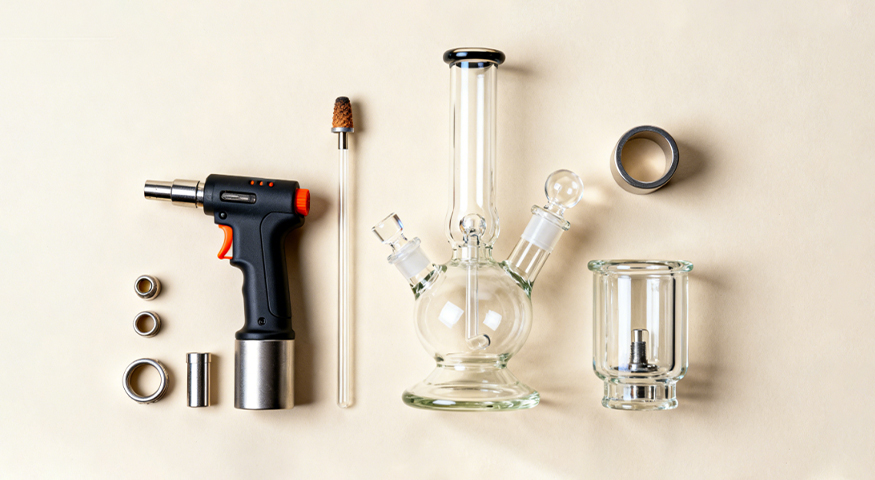
Dab Rig Difference
Material Performance Comparison
Heat-Up Speed
Quartz heats the fastest among common dabbing materials. In a typical setup — a standard butane torch applied to a 3mm-thick flat-top banger — quartz reaches the 450–550°F optimal dabbing window in roughly ten to fifteen seconds. Thinner-walled bangers (2mm) heat faster but cool more quickly; thicker models (4mm+) may require twenty seconds or more but offer a longer usable heat window. Environmental factors like ambient temperature and wind exposure can add five to ten seconds in outdoor settings
Titanium heats slightly slower than quartz but still reaches working temperature within twenty seconds. Ceramic requires the most patience, often needing thirty seconds or more for full saturation.
Heat Retention Duration
Quartz offers the shortest retention window, typically fifteen to twenty-five seconds. Titanium extends usable heat to twenty to forty seconds. Ceramic dominates with retention exceeding sixty seconds.
Flavor Integrity
Quartz and ceramic preserve terpene profiles most accurately. Titanium, even when seasoned, introduces slight flavor coloration that sensitive users may detect.
Durability Ranking
Durability ranks clearly: Titanium leads, followed by quartz, with ceramic as the most fragile. This ranking heavily influences mobile versus stationary use decisions.
Matching Materials to Concentrate Types
Live Rosin and Terpene-Rich Extracts
Live rosin, sauce, and high-terpene extracts demand low-temperature vaporization. Quartz and ceramic provide the necessary terpene preservation. Ceramic excels for slow, fragrance-rich sessions.
Shatter and Stable Waxes
Shatter and firm waxes tolerate higher temperatures without flavor destruction. Titanium performs well for these concentrates due to extended heat windows and durability.
Crystalline and Diamonds
THCa diamonds require sustained heat for full vaporization. Titanium and ceramic perform best due to superior heat retention.
User Profile Recommendations
Flavor Chasers
Users prioritizing terpene clarity should favor quartz for daily use and ceramic for specialized low-temperature sessions.
Heavy Daily Users
Heavy users benefit from titanium’s durability and reduced need for frequent replacement. Long-term cost efficiency improves significantly.
Travel and Outdoor Users
Portability demands impact resistance. Titanium outperforms all alternatives for mobile setups.
Component Pairing and Setup Synergy
Carb Caps and Airflow
Directional carb caps enhance terpene vaporization across all materials. Quartz benefits most from airflow control due to shorter retention windows.
Terp Slurpers and Hybrid Designs
Hybrid quartz slurpers combined with ceramic inserts offer flavor purity with enhanced heat retention. These setups represent the highest-performance configurations available today.
Hybrid and Insert-Based Solutions
Quartz Nails with Ceramic Inserts
Ceramic inserts inside quartz nails drastically extend heat duration while maintaining flavor neutrality. This hybrid solution offers a balance of speed and retention.
Titanium Body with Quartz Dish
Titanium housings paired with quartz dishes provide durability externally and flavor internally. These modular designs minimize traditional titanium taste transfer.
Cleaning and Maintenance Considerations
Quartz Maintenance
Quartz requires routine isopropyl alcohol cleaning to prevent carbon buildup. Torch cleaning should be used sparingly to prevent devitrification.
Titanium Maintenance
Titanium tolerates aggressive torch cleaning and benefits from periodic re-seasoning to preserve flavor performance.
Ceramic Maintenance
Ceramic must be cleaned gently. Extreme temperature swings during cleaning should be avoided to prevent cracking.
Safety and Health Considerations
Material Purity Verification
Always verify material sourcing and manufacturing transparency. Low-quality imitations may release contaminants when heated.
Thermal Shock Awareness
Never apply cold liquids to hot quartz or ceramic components. Rapid contraction can cause sudden catastrophic failure.
Upgrade Paths and Long-Term Investment Strategy
Entry-Level to Enthusiast
Most users begin with quartz due to affordability and flavor. As experience grows, ceramic or hybrid systems become attractive upgrades for precision sessions.
Lifetime Durability Investments
Portability demands impact resistance above all else. Titanium’s near-indestructible nature makes it the clear winner for mobile setups — it handles drops onto hard surfaces, jostling in bags, and temperature swings during outdoor sessions without structural concern.
Final Conclusion: Choosing the Right Material
No single dab rig material reigns supreme for all users. Quartz excels in flavor purity and speed. Titanium dominates durability and extended heat retention. Ceramic offers unparalleled temperature stability and terpene preservation.
Your ideal choice depends on session style, concentrate type, durability needs, and long-term budget considerations. Understanding the strengths and limitations of each material enables informed decisions that enhance every dab.
With proper care and material matching, any of these options can deliver exceptional performance and satisfying results.