
-1.webp)
-1.webp)
-2.webp)


























Common Problems When Using a Dab Rig & How to Fix Them
Dabbing offers one of the most potent and flavorful ways to consume concentrates, but the learning curve can be steep. Unlike traditional smoking methods, dabbing requires precise temperature control, proper technique, and regular maintenance. Whether you’re experiencing weak hits, harsh flavors, or wasted product, this comprehensive guide will help you identify what’s going wrong and how to fix it.
Why Your Dab Rig Won’t Hit Properly
When your rig fails to produce satisfying vapor, the problem usually stems from one of four core issues: equipment quality, temperature, water level, or missing accessories.
Equipment Quality Issues
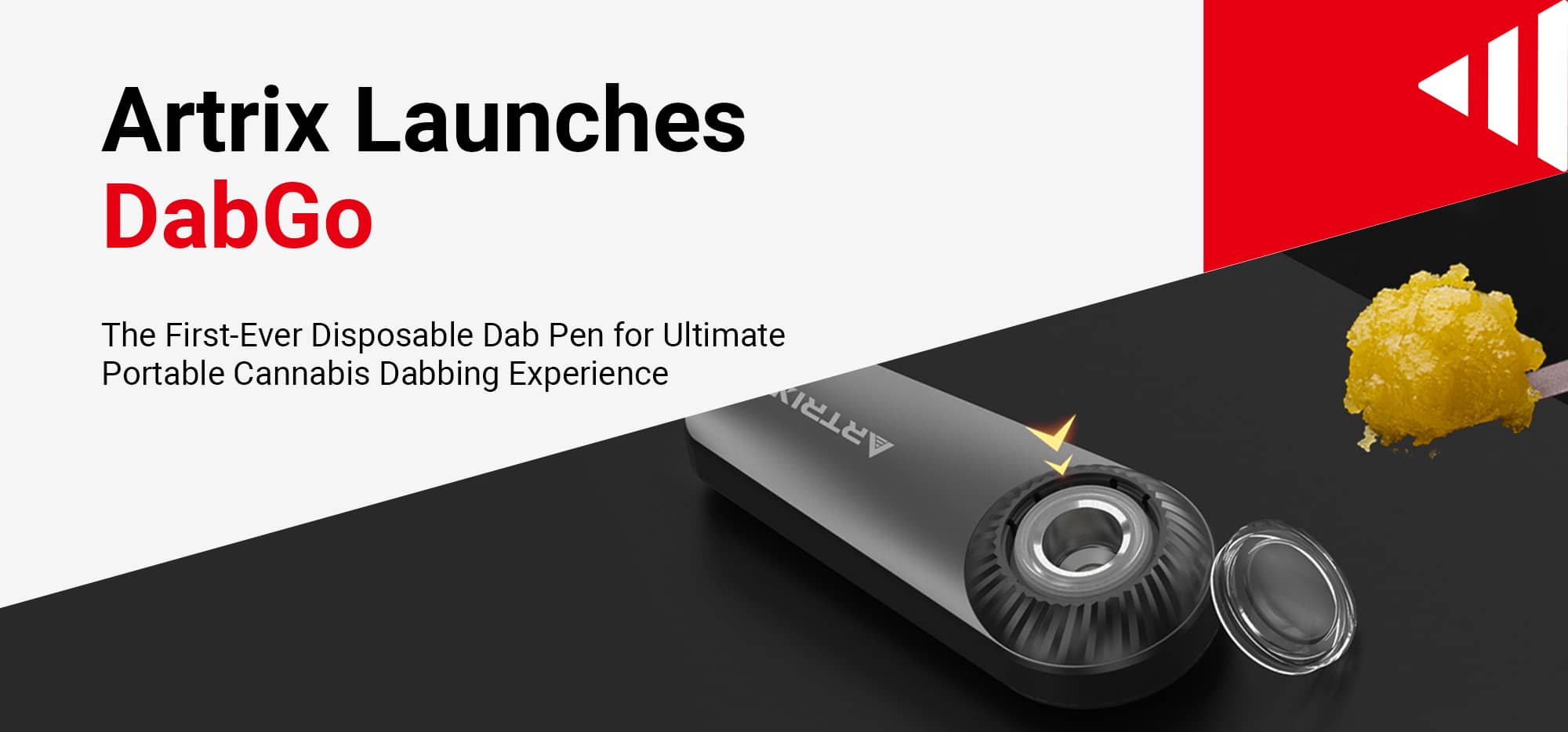
Not all dab rigs are created equal, and as a hardware manufacturer, we see the engineering differences firsthand. Cheap rigs often use thin borosilicate glass (under 3mm wall thickness) that loses heat rapidly and doesn’t create consistent thermal environments for vaporization. At Artrix, when we designed the RigGo, we specifically addressed the three most common hardware failures we observed in our product testing lab:
First, airflow path design — restrictive or turbulent paths force harder draws that cool the nail too quickly. Our engineering team uses computational fluid dynamics modeling to optimize the vapor path for smooth, low-resistance airflow.
Second, joint seal integrity — even a tiny air leak around the joint allows ambient air to enter, cooling your nail and diluting vapor concentration. We test all joints to ensure sub-millimeter tolerances for a true airtight seal.
Third, thermal mass calibration — the relationship between your rig’s water volume, glass thickness, and chamber size determines how quickly vapor cools before reaching your lungs. Too much cooling strips flavor; too little means harsh hits. The RigGo’s compact form factor was specifically engineered to preserve concentrate flavor through its bottled-water filtration system.
If you’re evaluating rigs, here are the engineering specs that actually matter: glass thickness (3mm+ for adequate thermal stability), joint size (14mm is standard for concentrates), and water volume (less is more — smaller chambers preserve terpene-rich vapor better than large flower-oriented pieces).
Temperature Problems
Temperature is arguably the most critical variable in dabbing. The nail must be hot enough to vaporize concentrates but not so hot that it combusts them.
When your nail is too hot, you’ll notice harsh, burnt-tasting vapor that irritates your throat and lungs. The concentrate will sizzle aggressively and produce thick, acrid smoke rather than smooth vapor. This destroys the delicate terpenes that give concentrates their flavor and can release harmful compounds.
When your nail is too cold, the concentrate simply pools and puddles without fully vaporizing. You’ll see a sticky residue left behind and experience weak, wispy hits that don’t deliver the expected effects. This is different from the intentional cold-start technique (discussed in our Advanced Solutions section), where you load concentrate onto a room-temperature nail and gradually heat it — a method specifically designed for terpene preservation that works well when executed correctly.
The issue arises when your nail cools below the vaporization threshold during a traditional hot-start dab, or when a cold-start session is heated too briefly or unevenly.
The optimal temperature range varies by concentrate type, but most dabbers find their sweet spot between 450°F and 600°F. Lower temperatures (450-500°F) preserve maximum flavor but produce lighter vapor. Higher temperatures (500-600°F) create denser clouds but sacrifice some terpene complexity. Finding your personal sweet spot within this range takes experimentation.
Water Level and Filtration Balance
Many dabbers overlook how dramatically water level affects their experience. Unlike flower smoking where more filtration generally helps, dabbing requires a delicate balance.
Too much water creates excessive drag, forcing you to pull harder and potentially disturbing the concentrate on your nail. Over-filtration also strips away flavor compounds, leaving you with muted, less satisfying hits. You might notice bubbles backing up into the downstem or water reaching your lips during normal inhales.
Too little water provides inadequate cooling and filtration. Vapor reaches your lungs hotter and harsher, causing coughing and throat irritation. Without proper percolation, you lose the smoothness that makes dabbing enjoyable.
The optimal water level varies by rig design. For standard rigs, fill until the downstem is submerged by about half an inch. Recyclers and more complex pieces require experimentation. The vapor should bubble smoothly without excessive resistance or splashing. Test by taking a dry pull without heating anything—you should feel gentle resistance, not strain
Missing Essential Accessories
Attempting to dab without proper accessories is like trying to cook without basic kitchen tools. A carb cap is perhaps the most essential add-on, yet many beginners skip it.
A carb cap is perhaps the most essential add-on, yet many beginners skip it. Carb caps restrict airflow over the nail, creating a low-pressure environment that allows concentrates to vaporize at lower temperatures. Without one, much of your concentrate simply evaporates into the air rather than being directed into your lungs.
While the exact efficiency gain depends on your setup, temperature, and technique, the difference is immediately noticeable — most experienced dabbers report significantly less wasted concentrate and fuller, more flavorful hits when using a proper carb cap. In our internal testing with the RigGo, we observed notably more complete vaporization with its integrated airflow control compared to uncapped sessions.
Other essential tools include a quality dab tool for handling concentrates, a timer or temperature gun for consistent heating, and q-tips with isopropyl alcohol for immediate post-dab cleaning. For those who find temperature control frustrating, electric portable dab rigs offer precise heating without the guesswork of torching. Investing in these basics transforms the dabbing experience from frustrating to enjoyable.

Common Beginner Mistakes That Ruin Your Dabbing Experience
Even with perfect equipment, technique matters enormously. These common mistakes can turn what should be an enjoyable session into a coughing fit or wasted product
Taking Hits That Are Too Big
Concentrates are dramatically more potent than flower. While quality cannabis flower typically contains 15-30% THC, concentrates range from 60-90% or even higher. A small rice-grain-sized dab can deliver more THC than an entire joint.
New dabbers often load their nail like they would pack a bowl, resulting in overwhelming experiences. Symptoms of overdoing it include intense coughing, dizziness, rapid heartbeat, anxiety, and an uncomfortably strong high that lasts for hours.
Start with a dab roughly the size of a grain of rice or smaller. You can always take another hit, but you can’t undo one that’s too large. As you develop tolerance and technique, you’ll learn what size works best for your needs. Many experienced dabbers still prefer smaller dabs for better flavor and more controlled effects
Incorrect Dabbing Technique
Proper technique involves more variables than most beginners realize. The timing between heating and dabbing, the angle of approach, and the speed of application all affect results.
After heating your nail, you need to wait for it to cool to the optimal temperature range. Touching concentrate to a glowing-red nail wastes product through combustion. Most quartz bangers require 30-60 seconds of cool-down time, though this varies based on thickness and starting temperature.
When applying concentrate, approach the nail at roughly a 45-degree angle. This allows the concentrate to slide onto the hot surface gradually rather than dropping straight in and potentially splashing. Move slowly and steadily, letting the heat pull the concentrate off your tool. Rushing causes incomplete vaporization and leaves product stuck to your tool.
Once the concentrate is on the nail, immediately cap it and begin inhaling slowly and steadily. Aggressive pulls cool the nail too quickly and can draw unvaporized oil into your rig. A slow, controlled inhale lasting 15-30 seconds captures more vapor than several quick puffs.
Poor Airflow Control
Mastering airflow separates good dabs from great ones. Your inhale speed, when you cap and uncap, and how you manipulate airflow all influence vapor production and flavor.
Inhaling too hard creates turbulence that cools the nail rapidly and pulls unvaporized concentrate into the rig. Inhaling too gently doesn’t draw vapor efficiently through the piece. The ideal is a steady, moderate pull that keeps vapor moving without excessive force.
Carb cap technique matters too. Start with the cap sealed, then lift it slightly to introduce air as the concentrate finishes vaporizing. This “cycling” clears remaining vapor without wasting heat. Some carb caps feature directional airflow that lets you push concentrate around the nail for more complete vaporization.
Different rig styles require adjusted techniques. Recyclers work best with steady, moderate pulls that keep water cycling. Straight tubes can handle slightly harder inhales. Learn your specific piece’s sweet spot through practice.
Dangerous Handling Errors
Safety cannot be overstated: quartz bangers at dabbing temperature (400-600°F / 200-315°C) will cause immediate second-degree burns on contact. These thermal injuries are often more severe than expected because quartz retains heat for minutes after use — even a ‘cooling’ banger can still be dangerously hot.
Keep your rig on a stable, heat-resistant surface (silicone dab mats are ideal). Never reach across a heated nail — always position yourself so the nail points away from your body and others. When using a butane torch, keep a clear radius of at least 12 inches from flammable materials and never lock the trigger unattended. Have a basic burn kit nearby — cool running water for 10-20 minutes is the recommended first aid for thermal burns according to the American Burn Association.
Concentrate Selection and Application Problems
The type of concentrate you use and how you apply it significantly impacts your experience. These issues often go undiagnosed because dabbers assume all concentrates work the same way.
Mismatching Concentrate Type with Technique
Different concentrate textures demand different approaches. Using a technique designed for one type on another leads to poor results.
Shatter is brittle and glass-like, requiring you to break off pieces and handle them carefully. It vaporizes cleanly at moderate temperatures but can crack apart unpredictably. Using a cold tool helps keep shatter manageable.
Wax and budder have softer, more pliable textures. They’re easier to handle but can stick stubbornly to tools. These work well across a wide temperature range and are generally most forgiving for beginners.
Live resin contains high terpene content that requires lower temperatures (400-450°F) to preserve flavor. Higher temps destroy these delicate compounds, defeating the purpose of paying premium prices for live products.
Rosin, whether flower or hash-based, benefits from even lower temperatures and often works best with cold-start methods. Its natural extraction process preserves compounds that higher temperatures would destroy.
Diamonds and crystalline concentrates are nearly pure THC and need higher temperatures to vaporize completely. They lack the terpenes that require low-temp protection.
Overloading the Nail
Adding too much concentrate creates several problems. The mass of cold concentrate cools your nail dramatically, dropping it below vaporization temperature. Instead of clean vapor, you get a puddle of wasted oil and underwhelming hits.
Excess concentrate also overwhelms your carb cap’s ability to direct airflow. Rather than vaporizing efficiently, the overload just sits and eventually gets pulled into your rig as liquid waste. This clogs percolators and requires frequent cleaning.
Load an amount appropriate to your nail size. Larger bangers need more concentrate to function properly, while smaller nails work best with smaller dabs. When in doubt, start small. You’ll develop intuition for proper loading with experience.
Using Too Little Concentrate
The opposite problem also causes issues. A tiny dab on a large nail spreads too thin, vaporizing almost instantly before you can capture much vapor. The hit feels weak and the flavor barely registers.
Small amounts also cool faster, meaning your window for complete vaporization shrinks dramatically. By the time you’ve capped and started inhaling, the concentrate may already be below optimal temperature.
If you prefer smaller dabs, consider a smaller nail that concentrates the heat more effectively. Otherwise, use amounts proportional to your equipment. There’s no shame in multiple small dabs versus one large one.
Missing the Nail Completely
It sounds silly, but dropping concentrate beside the nail rather than on it happens frequently, especially when working with runny consistencies or using awkward tool angles.
Melted concentrate that misses the nail drips into your rig or onto the joint area, creating sticky residue and wasted product. Some ends up pooling in areas you can’t easily clean.
Use a tool that gives you good control and visibility. Approach from an angle that lets you see exactly where the tip contacts the nail. For very runny concentrates, consider chilling your tool briefly to firm up the product before loading. Take your time rather than rushing—a few extra seconds saves product and frustration.
Maintenance Problems That Affect Performance
Even perfect technique can’t overcome neglected equipment. Regular maintenance isn’t just about aesthetics; it directly impacts function and flavor.
Dirty Water and Residue Buildup
Old water becomes contaminated with reclaim, ash, and other residue that affects both flavor and function. Dabbing through dirty water adds stale, unpleasant notes to your hits and can make them harsher on your throat.
Residue buildup restricts airflow through percolators and downstems. You’ll notice increased drag over time, requiring harder pulls to get adequate airflow. Severe buildup can block passages entirely.
Change your water after every session, or at minimum daily if you dab frequently. Fresh water makes an immediately noticeable difference in flavor and smoothness. It takes seconds and dramatically improves the experience.
Clogged Airflow Paths
Sticky reclaim accumulates in your rig’s airflow paths over time. The joints, downstem, and percolator holes are particularly vulnerable. This buildup creates resistance that makes hits harder to pull and less satisfying.
Prevention beats cleaning. Using lower temperatures reduces the amount of reclaim that enters your rig. Proper carb cap use ensures concentrate vaporizes on the nail rather than being pulled through as liquid. A reclaim catcher (discussed later) intercepts most residue before it reaches your piece.
When clogs do develop, hot water can soften fresh buildup. For stubborn deposits, isopropyl alcohol dissolves reclaim effectively. Regular light cleaning is far easier than tackling major accumulation.
Improper Cleaning Methods
Aggressive or incorrect cleaning damages rigs. Thermal shock—the stress from rapid temperature changes—cracks glass. Never rinse a hot nail with cold water or pour boiling water into a cold rig.
Harsh chemicals can leave residues that affect flavor or, worse, release harmful fumes when heated. Stick to isopropyl alcohol (90% or higher) and coarse salt for cleaning. Rinse thoroughly with warm water afterward.
Scrubbing with abrasive materials scratches glass, creating rough surfaces where residue accumulates more easily. Use soft brushes or pipe cleaners for physical cleaning. For quartz bangers, rely on heat cycling and alcohol soaks rather than scraping.
“Chazzing” Your Banger
“Chazzing” refers to the permanent cloudy, whitish discoloration that develops on quartz bangers from overheating. Once chazzed, the surface becomes rough and porous, affecting heat retention and making future cleaning difficult.
Chazzing happens when concentrate combusts rather than vaporizes, leaving carbon deposits that bond to the quartz at high temperatures. It also occurs from heating an empty banger to extreme temperatures repeatedly.
Prevention requires staying within safe temperature ranges and cleaning immediately after each dab. The “q-tip tech” method—swabbing your banger with a dry q-tip while still warm, then following with an alcohol-dipped one—prevents buildup that leads to chazzing. Never heat your banger past the point where it glows red, and always ensure some oil remains when reheating for additional hits.
Flavor and Quality Problems
Beyond functional issues, many dabbers struggle with flavor and overall quality. These problems are often more subtle but equally frustrating.
Burnt or Harsh-Tasting Dabs
When dabs taste burnt, acrid, or overwhelmingly harsh, temperature is almost always to blame. Overheated concentrate combusts, releasing smoke rather than vapor. This destroys terpenes—the compounds responsible for flavor—and creates harmful byproducts.
The telltale signs include black residue left on your nail, visible smoke (as opposed to vapor), and severe throat irritation. If you’re coughing uncontrollably after every dab, you’re probably going too hot.
The fix is simple: lower your temperature. Wait longer after heating, use a temperature gun to verify, or try the cold-start method where you load concentrate before heating and apply gentle heat until vaporization begins. The difference in flavor and smoothness is dramatic.
Stale or Muted Flavors
Even with proper temperatures, dirty equipment can mute and contaminate flavors. Old reclaim coating your rig adds its own taste to every hit. Residue in your banger affects the fresh concentrate loaded on top.
Stale water imparts musty, unpleasant notes that overpower the concentrate’s natural flavor. Even minor contamination becomes noticeable when you’re trying to appreciate quality concentrates.
The solution involves thorough cleaning and fresh water. After proper cleaning, you’ll taste notes you didn’t know existed in concentrates you thought you knew well. For the best flavor experience, treat each session with fresh water and a clean banger.
Environmental Factors Affecting Your Dabs
Your environment influences dabbing in ways you might not expect. Altitude changes air pressure, affecting boiling points. At higher elevations, concentrates vaporize at slightly lower temperatures, so you may need to adjust your cool-down time.
Ambient temperature significantly impacts heat-up and cool-down times. In cold environments, your nail loses heat faster, requiring shorter wait times or faster dabbing. In hot weather, residual heat lingers longer, requiring extended cooling periods. A technique that works perfectly in summer may need adjustment in winter.
Humidity affects concentrate consistency. In humid conditions, some concentrates absorb moisture and become harder to handle. Proper storage helps, but be aware that the same product may behave differently in different conditions.
Advanced Solutions and Preventive Measures
Once you’ve addressed the common problems, these upgrades and practices can further optimize your experience
Temperature Control Tools
Consistent temperature eliminates the guesswork that causes most dabbing problems. Several tools help achieve this.
Infrared thermometers provide precise surface temperature readings, letting you know exactly when your nail reaches optimal range. With practice, you’ll correlate temperature to appearance and timing, but the thermometer provides verification.
Timers remove another variable. Once you know your nail takes 45 seconds to reach ideal temperature, a simple phone timer ensures consistency. Many experienced dabbers use timers religiously.
E-nails offer the ultimate in temperature control. These electronic heating elements maintain precise, constant temperatures, eliminating heat-up and cool-down entirely. They’re significant investments but provide unmatched consistency. For frequent dabbers, an e-nail often pays for itself in saved concentrate and improved experience.
Proper Storage and Handling
How you store concentrates and equipment between sessions affects their longevity and performance.
Concentrates degrade when exposed to heat, light, and air. Store them in a cool, dark place in airtight containers. Silicone containers work for short-term storage but can leech terpenes over time; glass is better for longer storage. Keep different strains separated to preserve their unique profiles.
Store your rig clean and dry. Leaving dirty water sitting allows residue to harden and bacteria to grow. A quick rinse and air dry after sessions prevents buildup and keeps your piece ready for use.
Tools should be kept clean as well. Residue-caked dab tools transfer old, oxidized concentrate to fresh dabs, affecting flavor. A quick alcohol wipe keeps tools pristine.
Building a Consistent Routine
The best dabbers develop personalized routines that ensure consistency. This isn’t rigid ritual but rather established habits that produce reliable results.
Note what works for you. When you dial in perfect temperature timing, write it down. When you find your ideal dab size, remember it. These details compound into expertise.
A basic routine might include: fresh water, heat nail, set timer, prepare dab, apply at timer mark, cap and inhale slowly, q-tip while warm, alcohol swab. Each step takes seconds but together ensure consistently excellent dabs.
Periodically reassess your routine. As seasons change, techniques may need adjustment. As tolerance shifts, amounts may need modification. The foundation stays constant while details evolve with experience.
Conclusion
Dabbing problems almost always have solutions. Whether you’re dealing with harsh hits, wasted concentrate, dirty equipment, or inconsistent results, identifying the root cause points directly to the fix. Quality equipment, proper temperature control, good technique, and regular maintenance form the foundation of excellent dabbing.
Don’t get discouraged by the learning curve. Every experienced dabber once struggled with the same issues you’re facing. With attention to these fundamentals and practice, you’ll develop intuition that makes great dabs feel effortless. Start with the basics, address problems systematically, and build toward the refined experience that makes dabbing worthwhile.
Faq