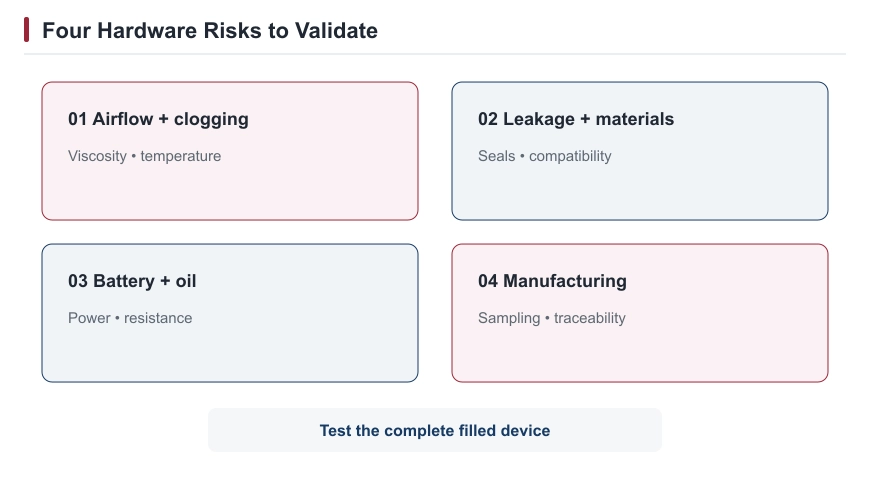
1. Airflow Restriction and Clogging
Clogging is not determined by device shape alone. Oil viscosity, formulation, storage temperature, fill process, airway geometry, condensation, and draw behavior can all affect airflow. A dual-air-path design may provide an alternative path if one route becomes restricted, but it should be described as a design mechanism—not a verified solution—until testing demonstrates the result.
A useful validation plan records initial draw resistance and repeats the measurement after defined puff cycles, upright and horizontal storage, and controlled hot-cold exposure. The test should include the actual target formulation or a technically justified viscosity range. Results from a thin reference oil should not be presented as proof for a materially different extract.
2. Leakage and Material Compatibility
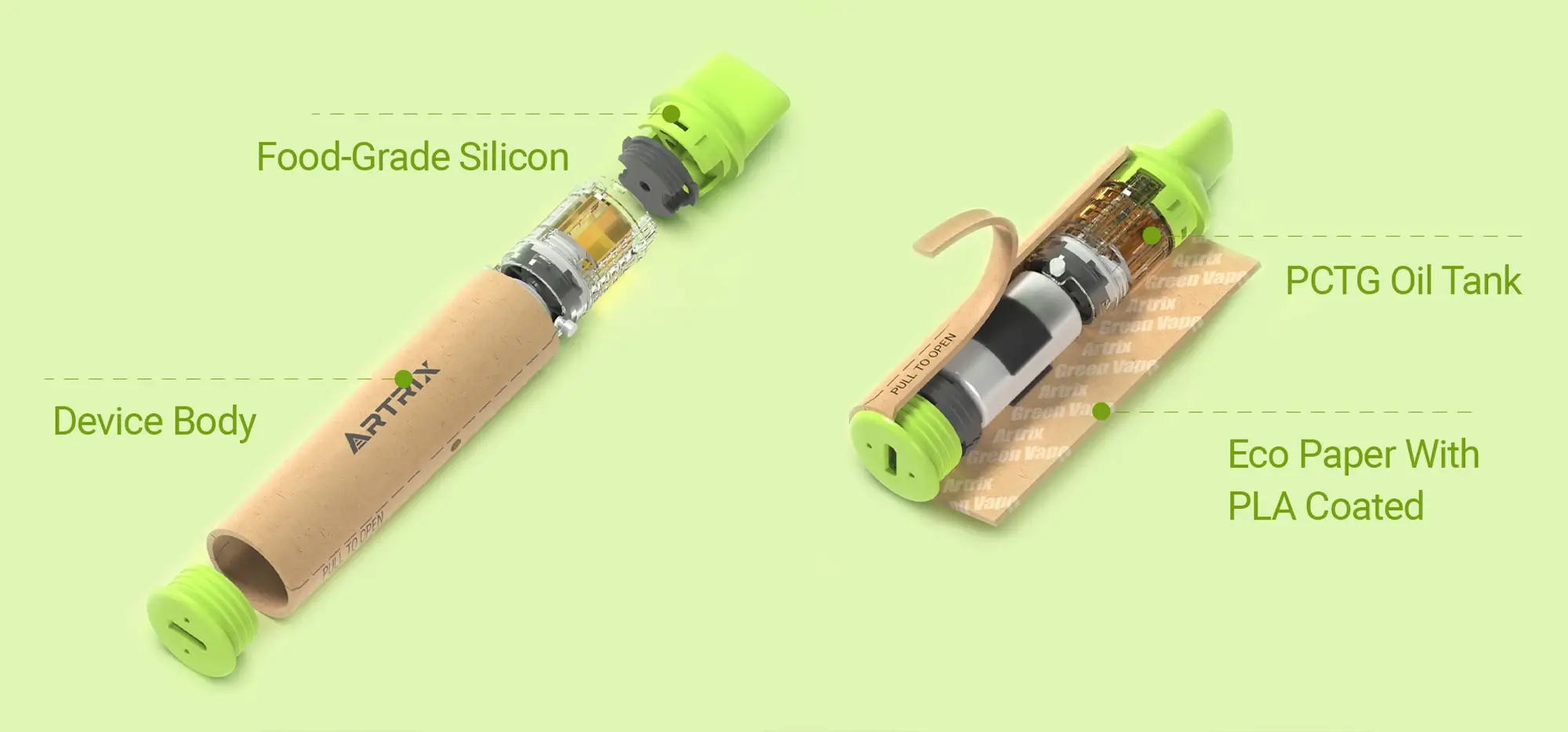
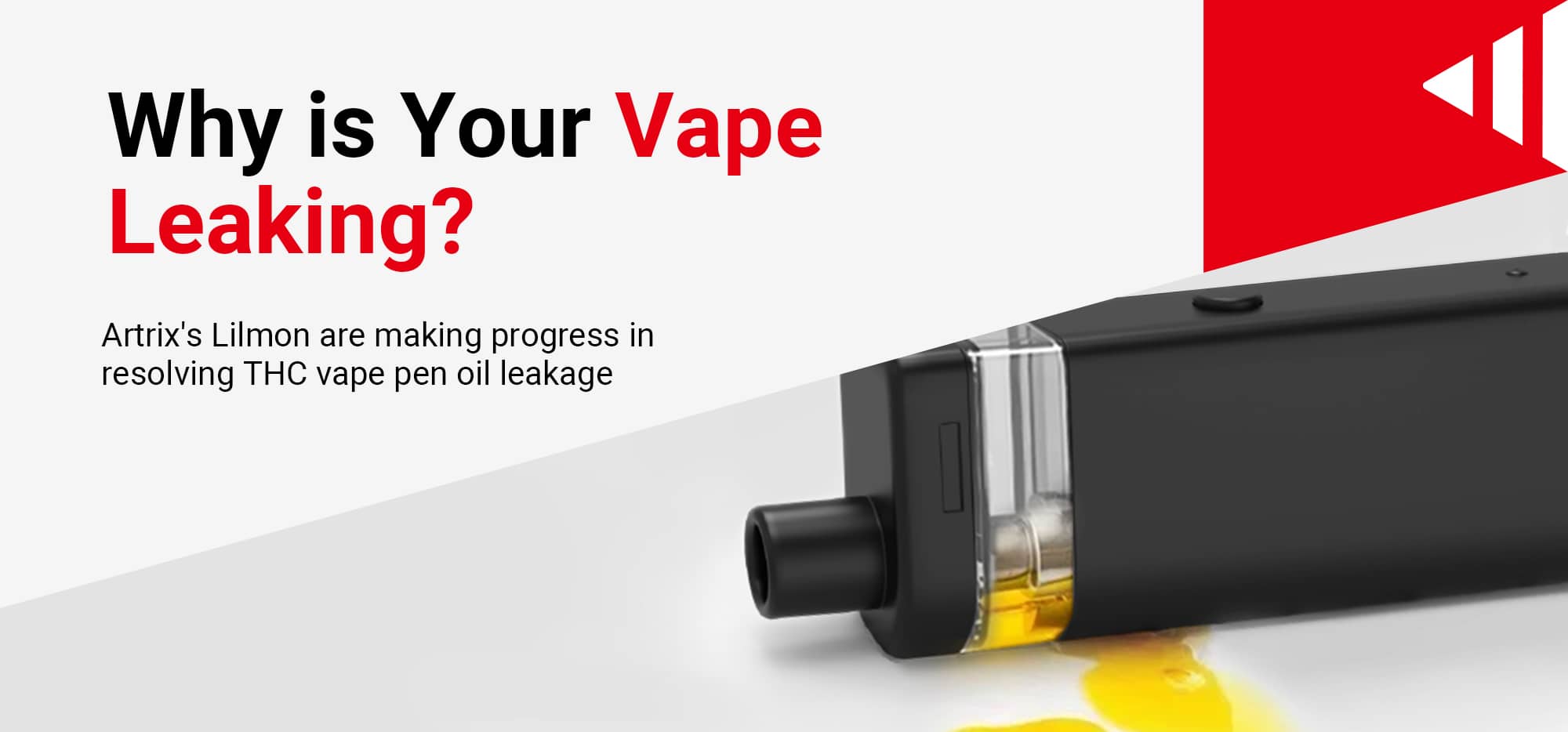
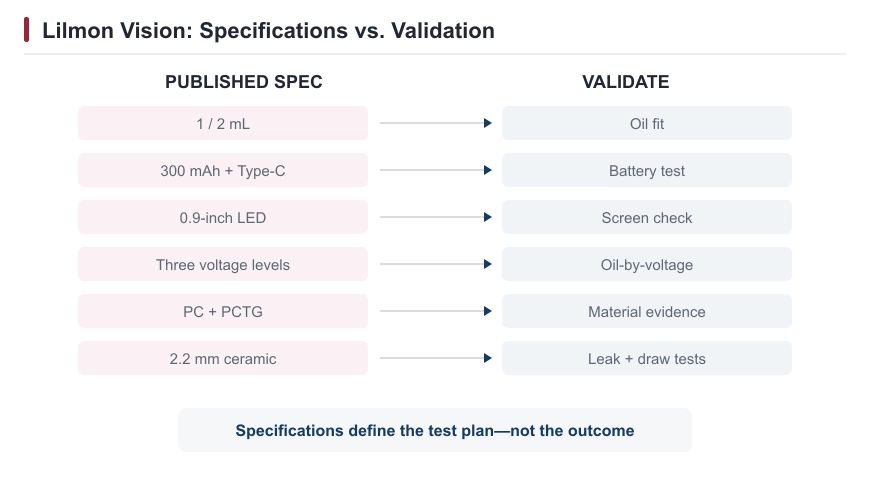
Leakage evaluation should cover seals, reservoir joints, mouthpiece retention, filling tolerances, transport orientation, temperature, and pressure changes. Material names such as PCTG, stainless steel, glass, or aluminum describe construction; they do not by themselves prove chemical compatibility or regulatory conformity. Buyers should request declarations for oil-contact materials and test the complete filled system under anticipated storage and distribution conditions.
3. Battery-to-Oil Matching
Battery capacity, output power, coil resistance, reservoir volume, oil behavior, and puff profile work as a system. A 300 mAh battery or a 1 mL tank cannot independently establish the number of usable puffs or confirm that the oil will be consumed before voltage becomes inadequate. Validation should record delivered power, cutoff behavior, remaining oil, charging performance where applicable, and results across the expected temperature range.
4. Manufacturing Consistency
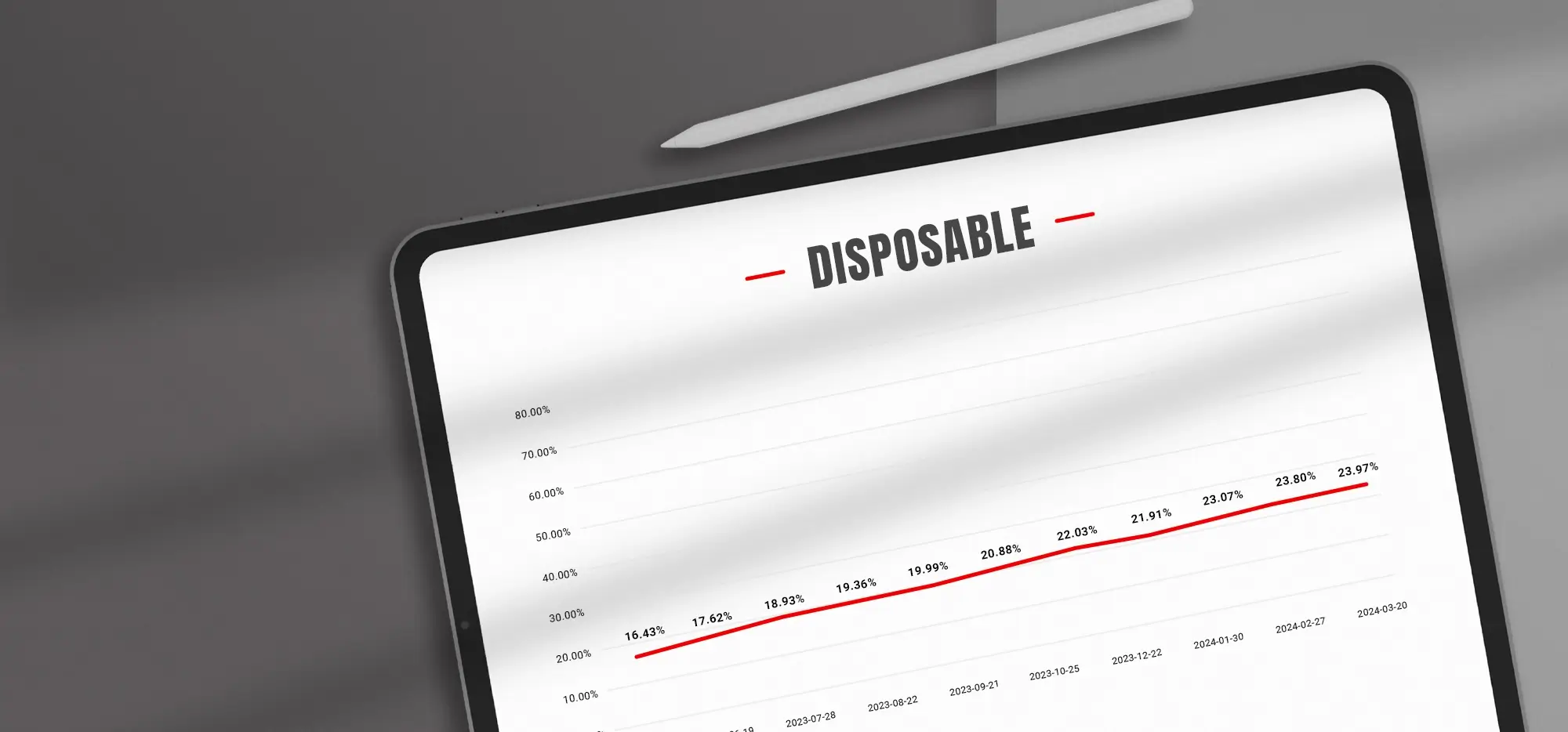
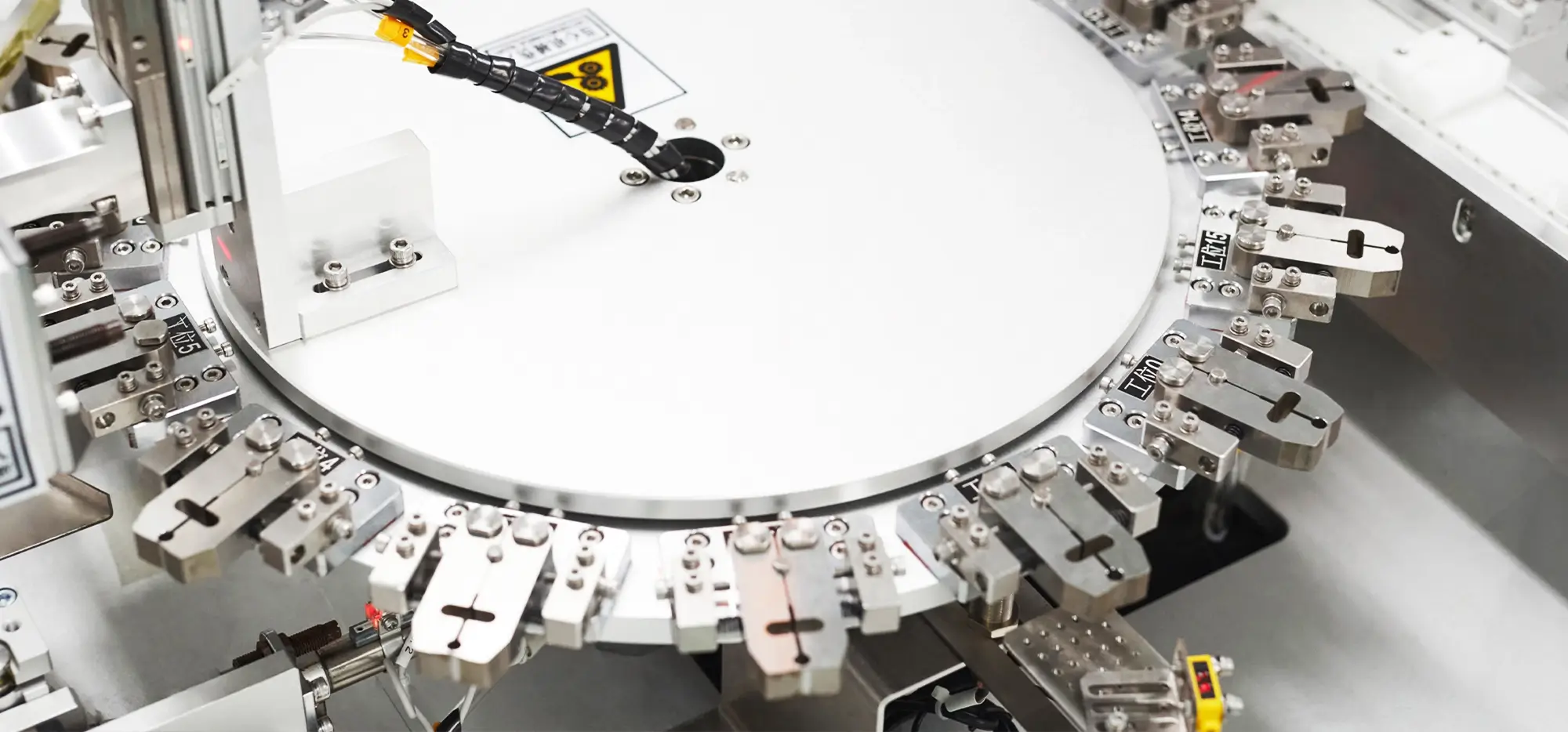
A successful prototype does not establish batch consistency. Commercial qualification should define critical dimensions, sampling plans, acceptable defect limits, traceability, corrective-action procedures, and responsibility for failures after filling. Any published yield, accuracy, leakage, or efficiency percentage should identify the tested product, sample size, method, conditions, and reporting period.


-1.webp)
-1.webp)
-2.webp)