


-1.webp)
-1.webp)
-2.webp)


















Germany’s Post-2026 Cannabis Market Opportunity: What Hardware Businesses Need to Know
Germany’s post-2026 cannabis market opportunity is shaped by the 2024 reform, two years of implementation, and an ongoing political review. As of September 7, 2026, the core Consumer Cannabis Act framework remains in force: adults may possess and privately cultivate limited quantities, and licensed cultivation associations may operate on a non-commercial basis. Germany still has no nationwide recreational dispensary system for cannabis vapes. For hardware manufacturers, processors, and brand owners, the practical opportunity therefore depends on the customer, product category , intended use, and legal route—not simply on the size of Germany’s adult population.
Last reviewed: September 7, 2026. This article provides general market information and is not legal advice.
What Changed Under Germany’s Cannabis Act?
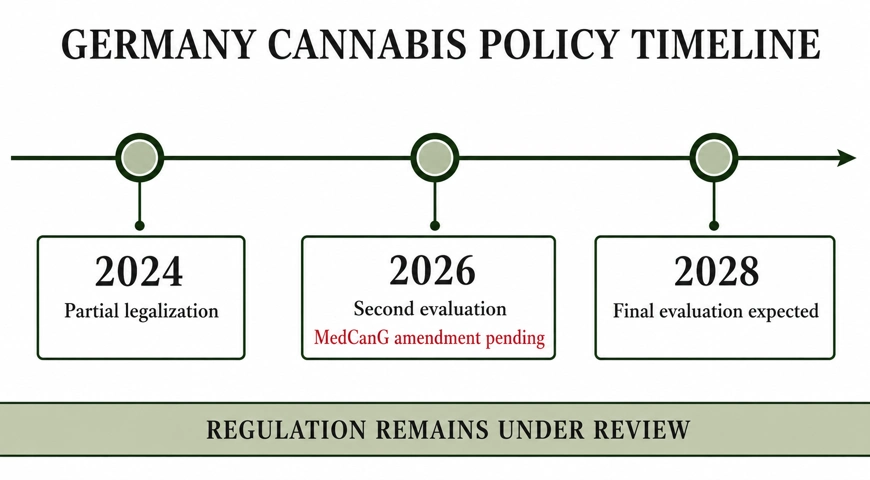
On Monday, April 1, 2024, Germany’s latest cannabis bill officially came into effect. Adults over the age of 18 can carry 25 grams of cannabis and grow up to three cannabis plants at home. The more precise description is “partial legalization”: the reform removed penalties for specified forms of adult possession and cultivation while retaining broad restrictions on production, trade, distribution, advertising, and supply. Germany’s Federal Ministry of Health describes the model as private cultivation for personal use and collective, non-commercial cultivation through associations.
Possession limits also depend on location. The Federal Ministry of Health’s Cannabis Act FAQ states that an adult may carry up to 25 grams of dried cannabis and keep up to 50 grams at a residence or habitual abode. Home-grown cannabis cannot legally be passed to another person. Public consumption is restricted in specified places and around children and youth facilities, so legal possession does not mean unrestricted consumption.
Cultivation Associations Are Not Retail Stores
Starting from July 1, 2024, legal cannabis consumers in Germany could obtain cannabis through cannabis clubs. These regulated associations can have up to 500 registered members, and an eligible adult member may receive up to 50 grams per month. However, “obtain” or “receive” is more accurate than “purchase.” Cultivation associations are registered, licensed, non-commercial associations or cooperatives financed through membership contributions. Members must be adults, must have lived in Germany for at least six months, and must participate in the association under the applicable rules.
The product boundary is especially important for vape businesses. Under Section 19 of the German Consumer Cannabis Act, associations may pass on only cannabis cultivated within the association and only in the pure form of marijuana or hashish. Distribution must take place in person, on the association’s enclosed property, from one member to another member. Associations cannot ship cannabis, operate as ordinary retail dispensaries, or use this route to distribute filled cannabis vape products.
Adults aged 18 to 20 face tighter limits: no more than 30 grams per month from an association and a maximum THC content of 10 percent. The rules also emphasize health and youth protection, neutral packaging, traceability, and evidence-based risk information. That framework makes marketing based on concealment, candy-like appeal, or resemblance to nicotine e-cigarettes particularly unsuitable for a responsible German market strategy.
What the Reform Did Not Legalize
Germany has not created a nationwide commercial supply chain in which licensed recreational brands can manufacture filled THC vapes and sell them through dispensaries. The underlying law continues to prohibit commercial trade and many forms of supply except where a specific statutory exception applies. It also generally prohibits extracting cannabinoids from cannabis plants, with limited exceptions such as CBD extraction and testing required by the law. These boundaries directly weaken any argument that legalization automatically creates a broad German market for disposable cannabis vapes.
| Market activity | Current position | Meaning for a hardware supplier |
|---|---|---|
| Adult possession and home cultivation | Permitted within statutory limits | Does not create a commercial channel for filled vape products |
| Cultivation associations | Licensed, member-based, and non-commercial; marijuana and hashish only | Not a general route for supplying filled cannabis vapes |
| Recreational cannabis retail stores | No nationwide commercial retail system established by the 2024 Act | Do not forecast consumer-device sales as if dispensaries operate nationwide |
| Medical cannabis | Prescription-only and governed through a separate regulated pathway | Requires customer, product, quality, and authorization checks |
| Empty hardware and ancillary equipment | Classification depends on the product, claims, customer, and intended use | Assess the complete transaction rather than relying on the word “hardware” |
The federal government is evaluating how the law works in practice. The EKOCAN research program issued interim reports in October 2025 and April 2026; a final report is expected in April 2028. The second interim findings indicate that the share of cannabis obtained from fundamentally legal sources is growing moderately, driven mainly by home cultivation and pharmacy supply, while cultivation associations still play a minor role. These are interim findings rather than proof that the law has achieved its long-term public-health or illegal-market objectives. The official EKOCAN project page should be monitored for later findings and possible legislative responses.
Germany’s Cannabis Market in 2026: Demand Is Larger Than the Legal Commercial Channel
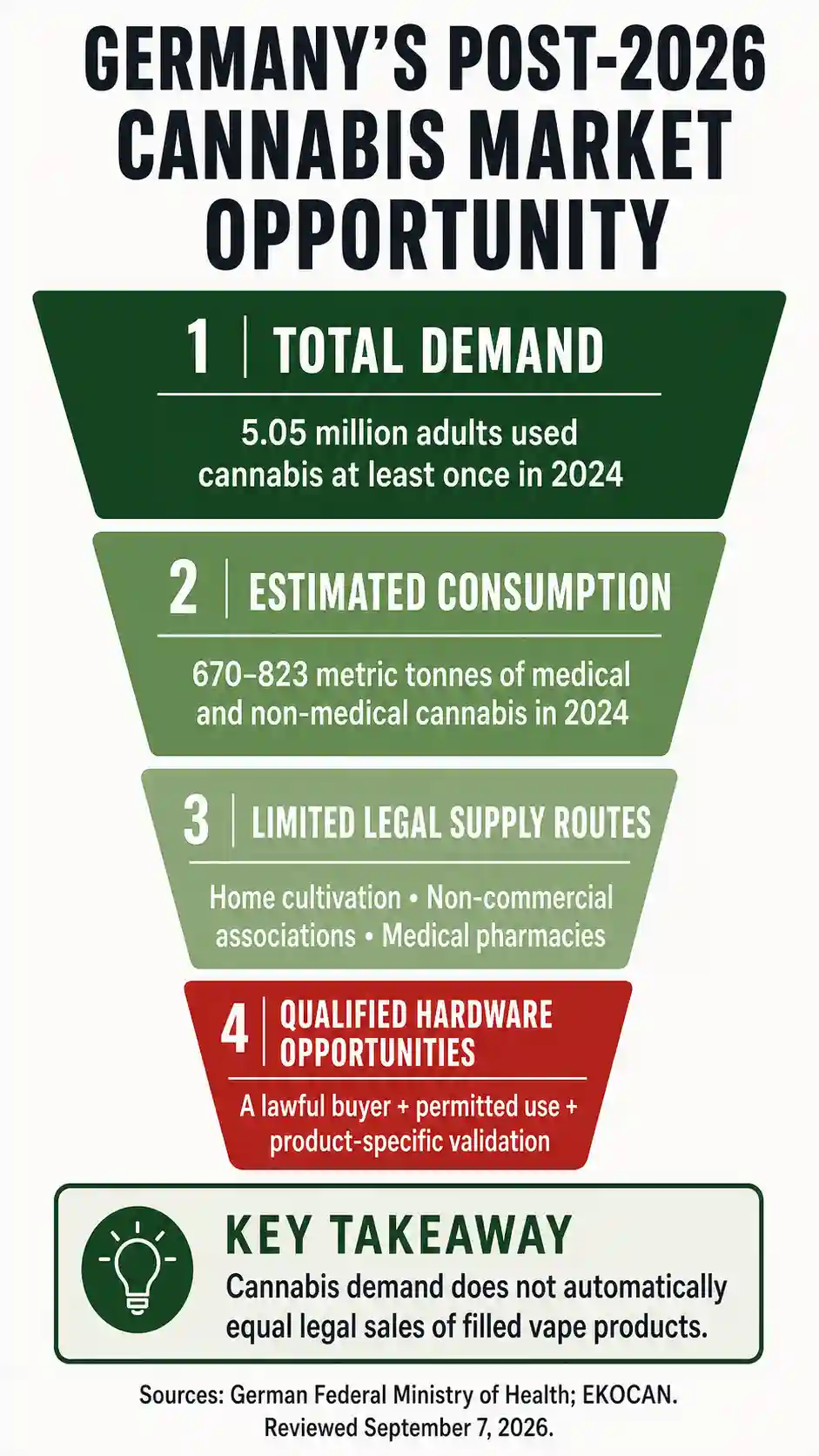
Current evidence shows substantial cannabis demand, but demand should not be confused with legally addressable product sales. Germany’s Federal Ministry of Health reports that an estimated 5.05 million adults aged 18 to 64 used cannabis at least once during 2024. EKOCAN estimated combined medical and non-medical cannabis consumption in 2024 at approximately 670 to 823 metric tonnes. Those figures describe use and estimated volume, not retail revenue, legal sales, or demand for vape hardware, and they therefore cannot support a disposable-vape sales forecast on their own.
Cultivation associations have expanded, but the channel remains small and unevenly distributed. The Bundesarbeitsgemeinschaft Cannabis-Anbauvereinigungen reported 908 applications and 474 approvals across Germany using state-authority responses collected on different dates from July to early September 2026. Because this is an association-compiled tracker rather than a single official federal register, and because an approval does not prove that a club is actively harvesting or supplying members, the figure is best treated as a current implementation indicator. It nevertheless shows growth from the 222 approvals identified by EKOCAN as of April 30, 2025.
The commercial implication is narrow: a large user population coexists with limited legal supply routes. Home cultivation is personal, cultivation associations are non-commercial, and filled recreational vapes are outside the products associations may pass to members. Suppliers should size opportunities from verified numbers of legally qualified business customers and permitted programs rather than extrapolating from total consumption.
Medical Cannabis Follows a Separate Commercial Path
The new German law treats medical cannabis as an ordinary prescription drug and no longer requires a special narcotic prescription. That change reduced a specific administrative barrier, but it did not make medical cannabis an ordinary consumer good. Medical cannabis remains prescription-only, and cultivation, import, manufacture, wholesale activity, pharmacy supply, product quality, and promotion may trigger separate requirements under the Medicinal Cannabis Act and pharmaceutical law.
The cultivation framework also changed. Companies seeking to cultivate medical cannabis in Germany apply for authorization under the Medicinal Cannabis Act rather than entering the earlier government procurement model. Authorization does not remove pharmaceutical manufacturing obligations: depending on the activity, an operator may also need the appropriate manufacturing authorization and evidence of Good Manufacturing Practice. BfArM application guidance identifies these requirements for medical cultivation applicants.
The latest official comparison used in the federal reform debate shows how quickly this channel changed: imports of medical cannabis flower rose from about 19 tonnes in the first half of 2024 to about 80 tonnes in the first half of 2025, an increase of more than 400 percent. The government also reported that prescriptions reimbursed by statutory health insurance increased only in the single-digit percentage range. These figures do not measure the entire medical market or prove equivalent growth in patients with serious illnesses; the government cited the divergence when proposing tighter rules for prescribing and dispensing.
As of September 7, 2026, those tighter rules are proposed rather than effective. Draft legislation introduced as Bundestag document 21/3061 would generally require an in-person physician contact for an initial prescription of medical cannabis flower, require another personal consultation within four quarters for continuing prescriptions, and exclude mail-order delivery of medical cannabis flower while preserving pharmacy delivery services. The Bundestag held its first reading in December 2025 and a Health Committee hearing in January 2026, but the bill had not completed the legislative process by the review date. Businesses should distinguish the pending MedCanG amendment from the law currently in force.
Market estimates still need a defined scope. Patient spending, pharmacy sales, imported flower, domestic cultivation, medical extracts, empty hardware, and finished inhalation products are not interchangeable categories. A forecast such as “a one-billion-dollar market” is useful only when the source, currency, reporting period, product scope, and method are visible. The earlier claims that patient numbers would rise seven to ten times and that Germany faced a specific supply shortage remain excluded because current evidence does not verify those exact statements.
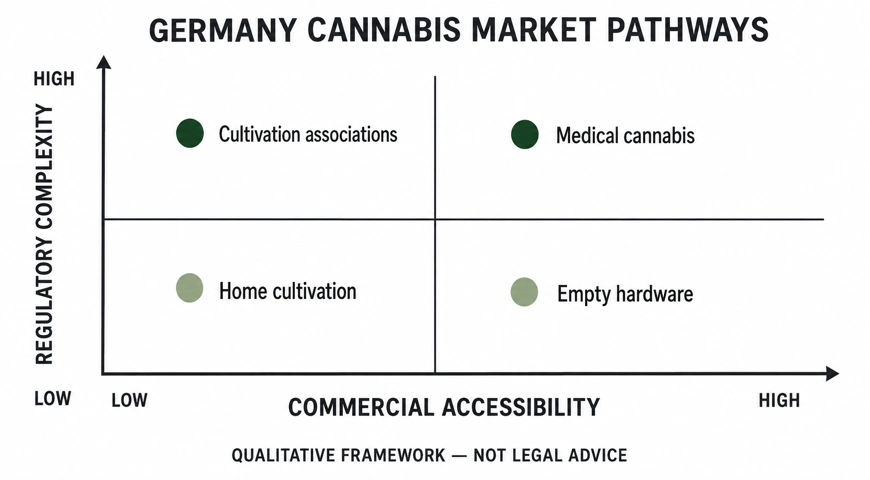
Where Cannabis Businesses May Find Real Opportunities
A prospective supplier should answer five questions before treating a lead as a German cannabis-market opportunity:
-
- Who is the buyer, and what authorization or professional status does it hold?
-
- Will the device remain empty, or will it be filled with a regulated formulation?
-
- Who manufactures, fills, labels, imports, distributes, and takes responsibility for the finished product?
-
- Which material, electrical, battery-transport, emissions, compatibility, and quality tests apply to the intended use?
-
- Does the marketing comply with German advertising, consumer-protection, and youth-protection rules?
This approach also improves commercial forecasting. A company can segment prospects by legal pathway, confirm the number of qualified accounts, and assess the testing or customization needed for each use case. It avoids counting every adult cannabis consumer as a potential disposable-vape buyer when the law does not provide a channel through which that purchase can occur.
Cubox as a Configurable Hardware Example
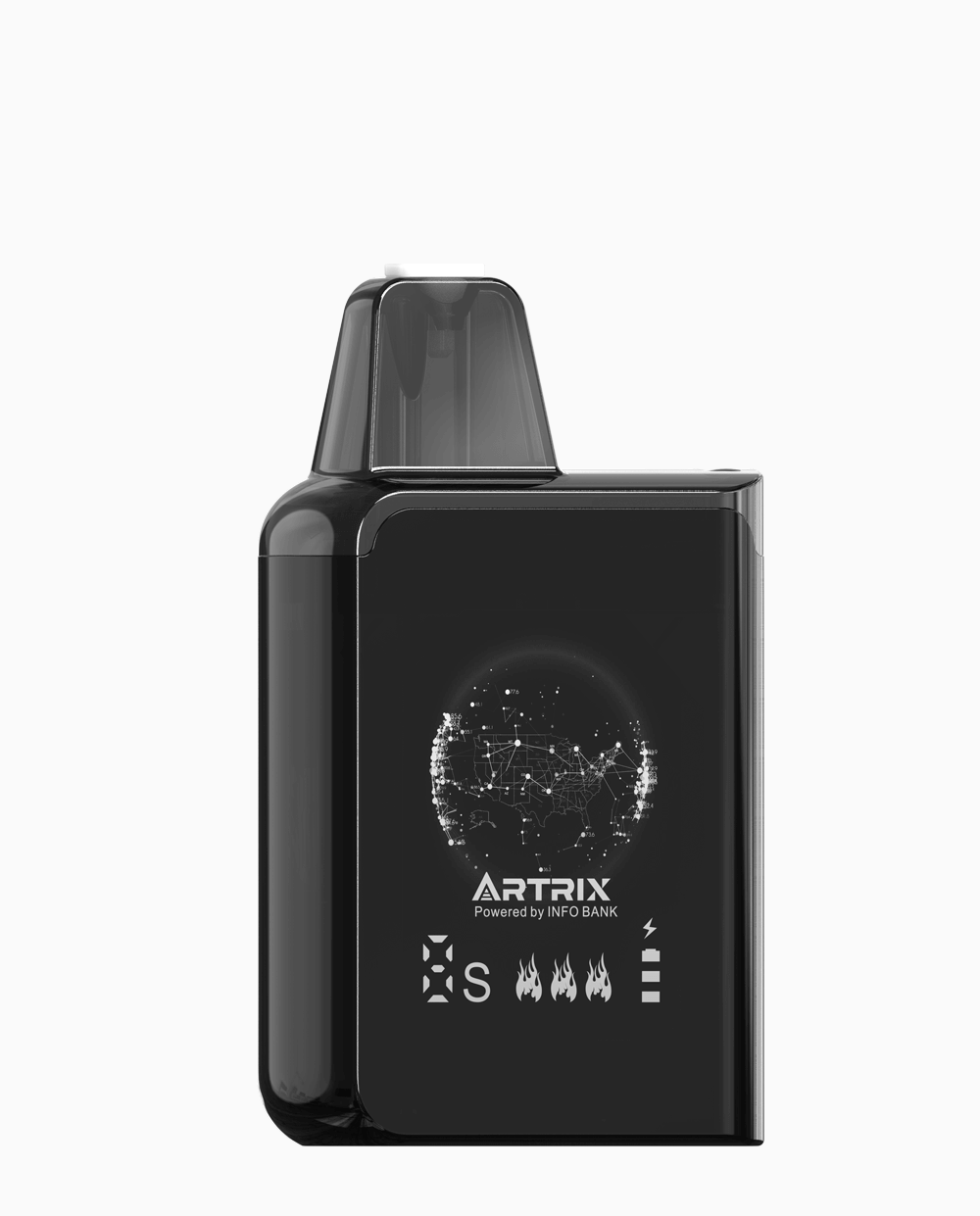
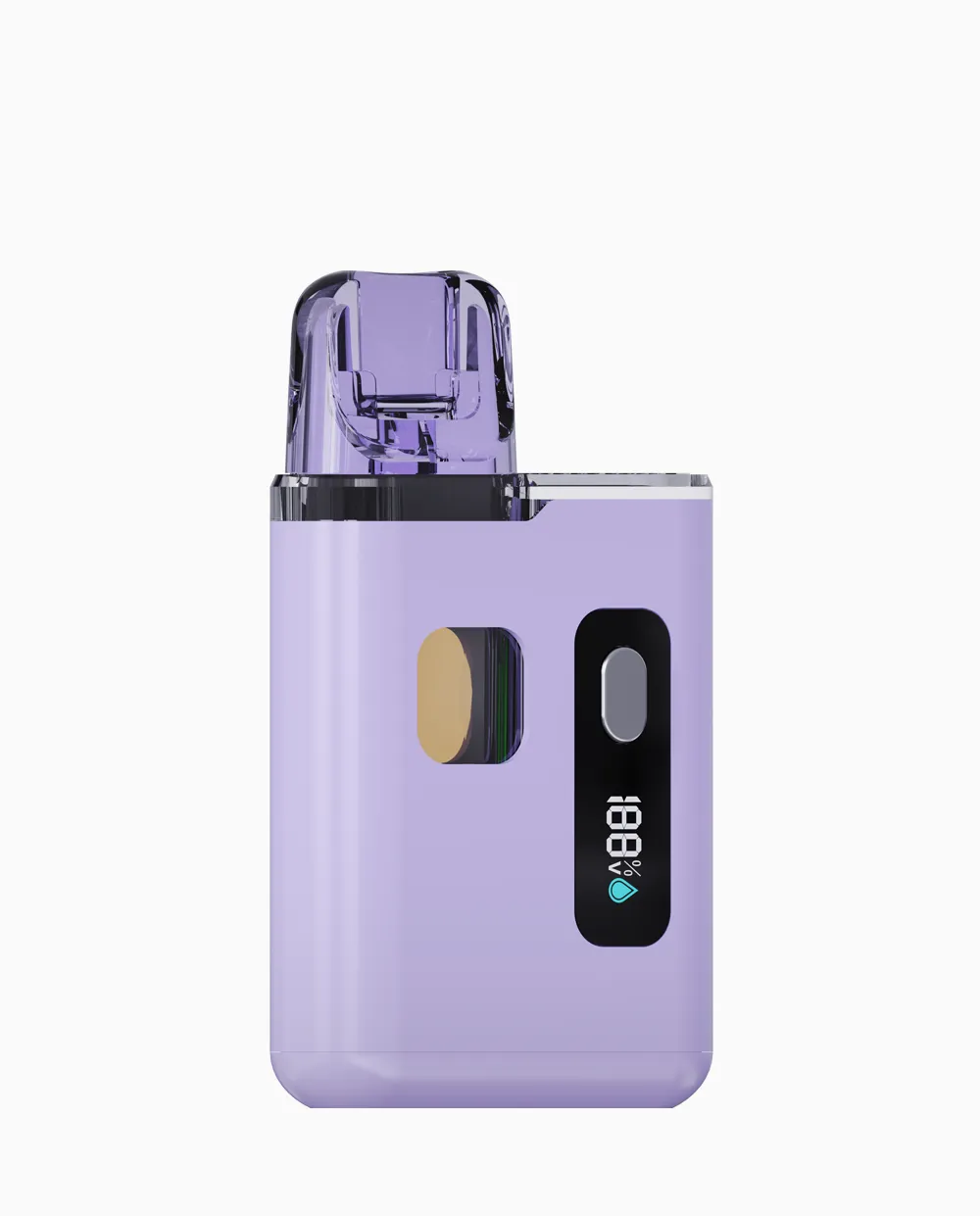
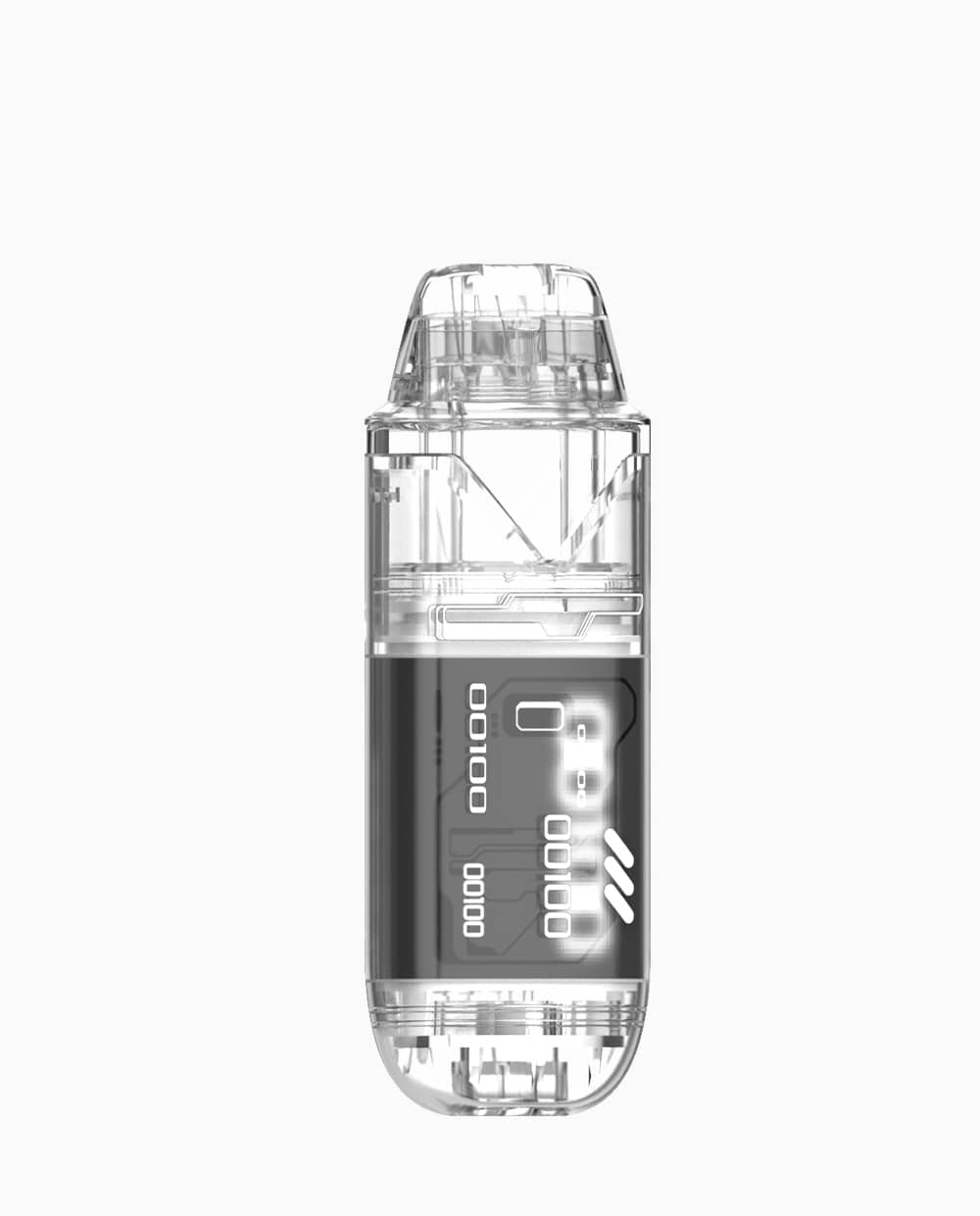
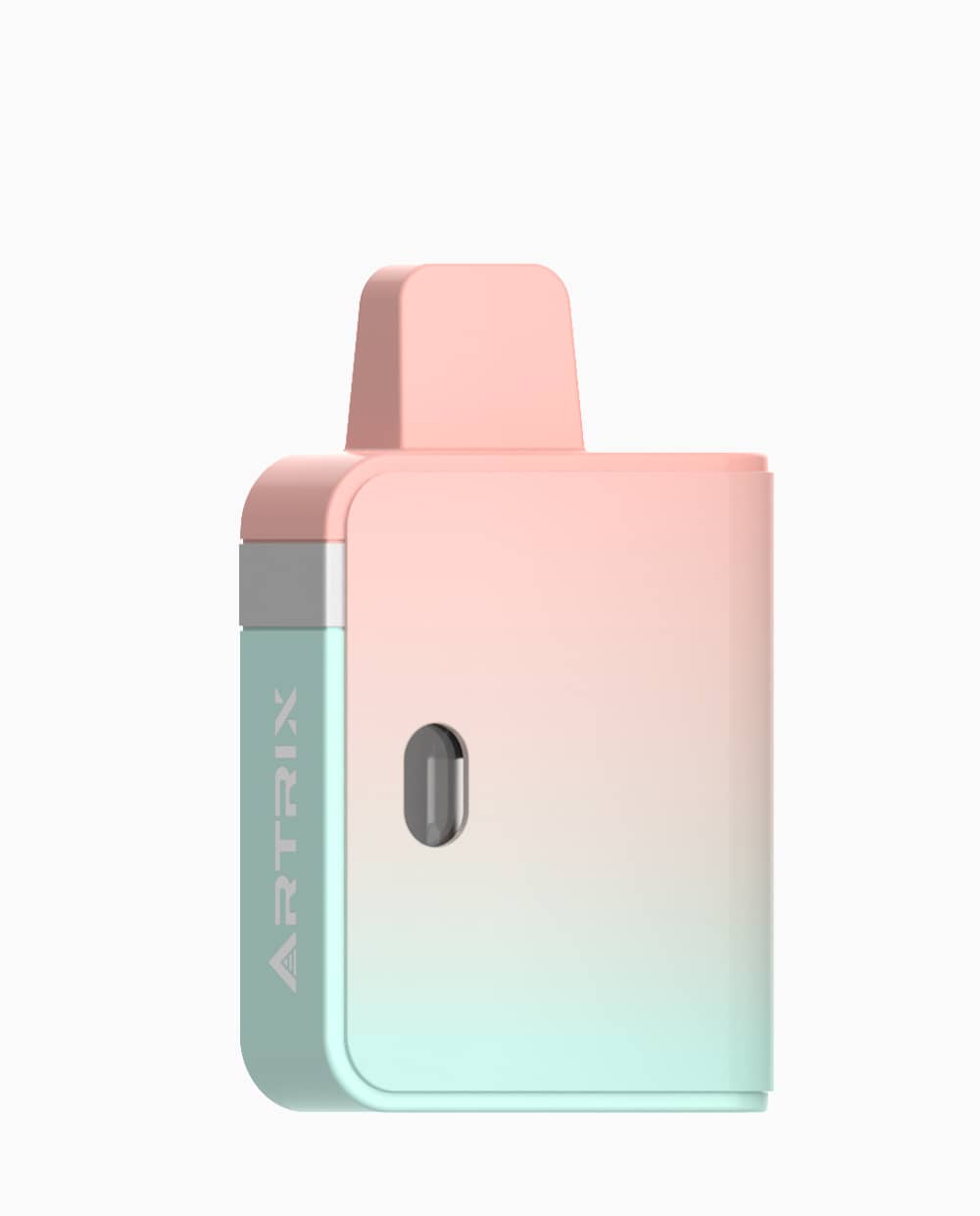
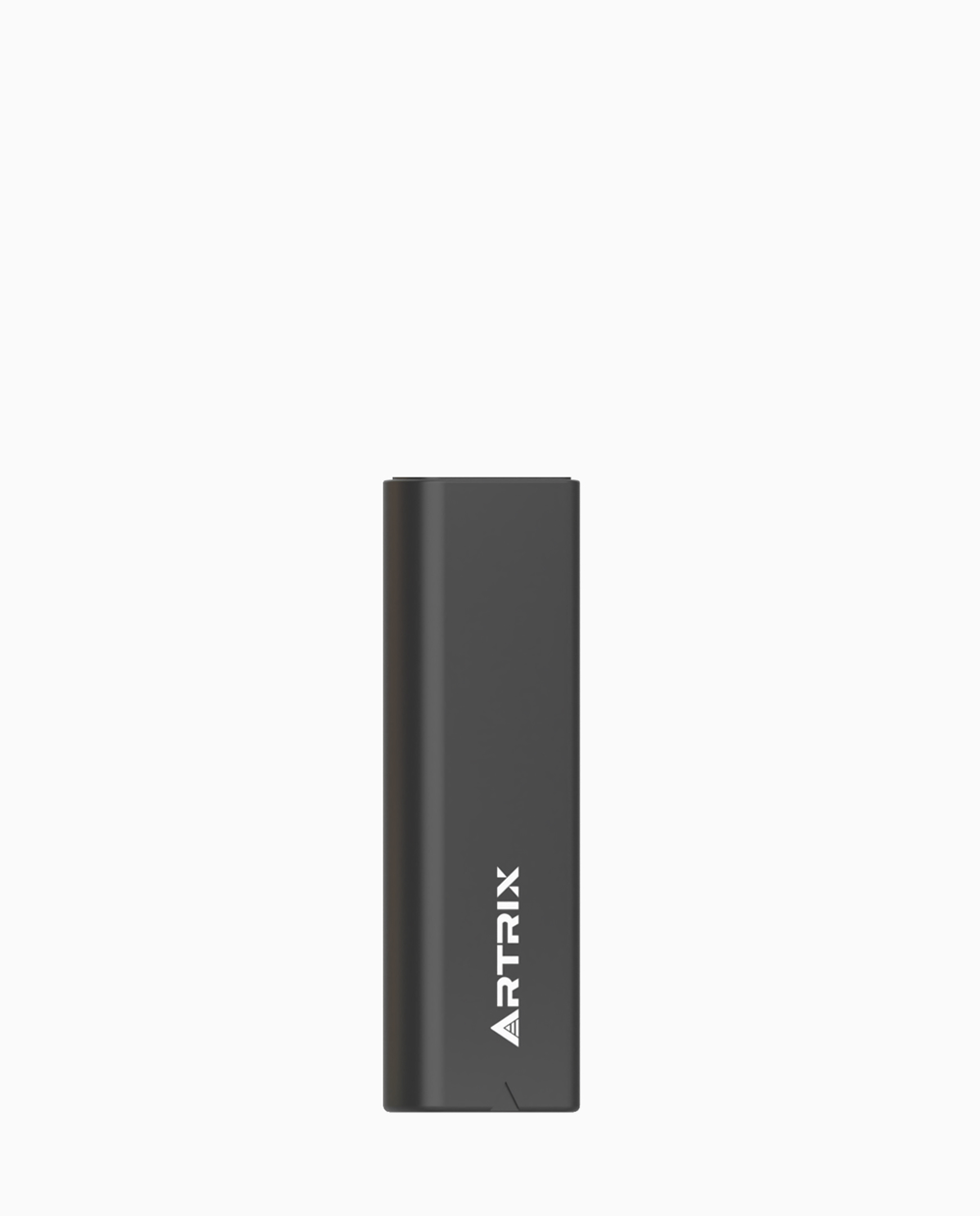
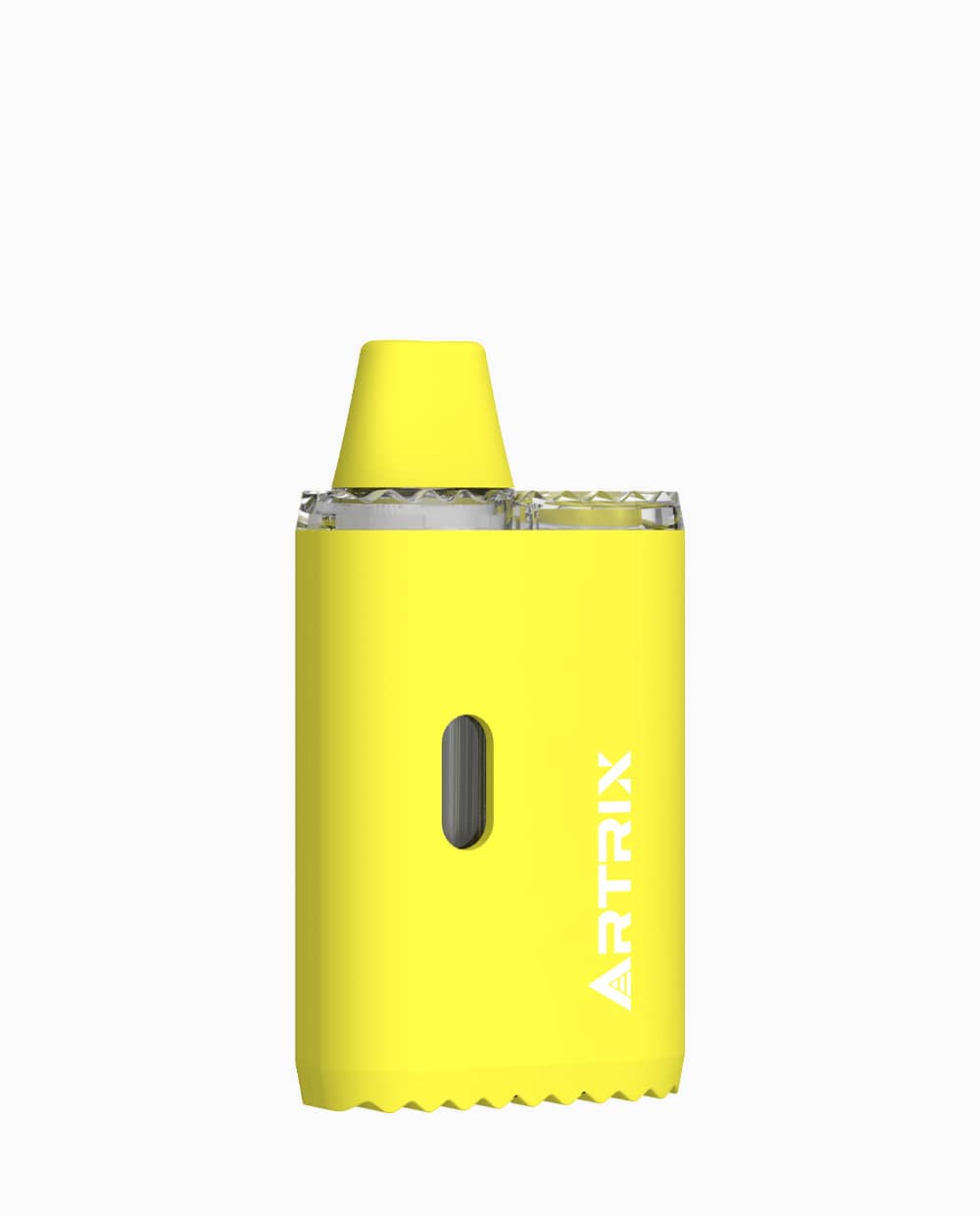
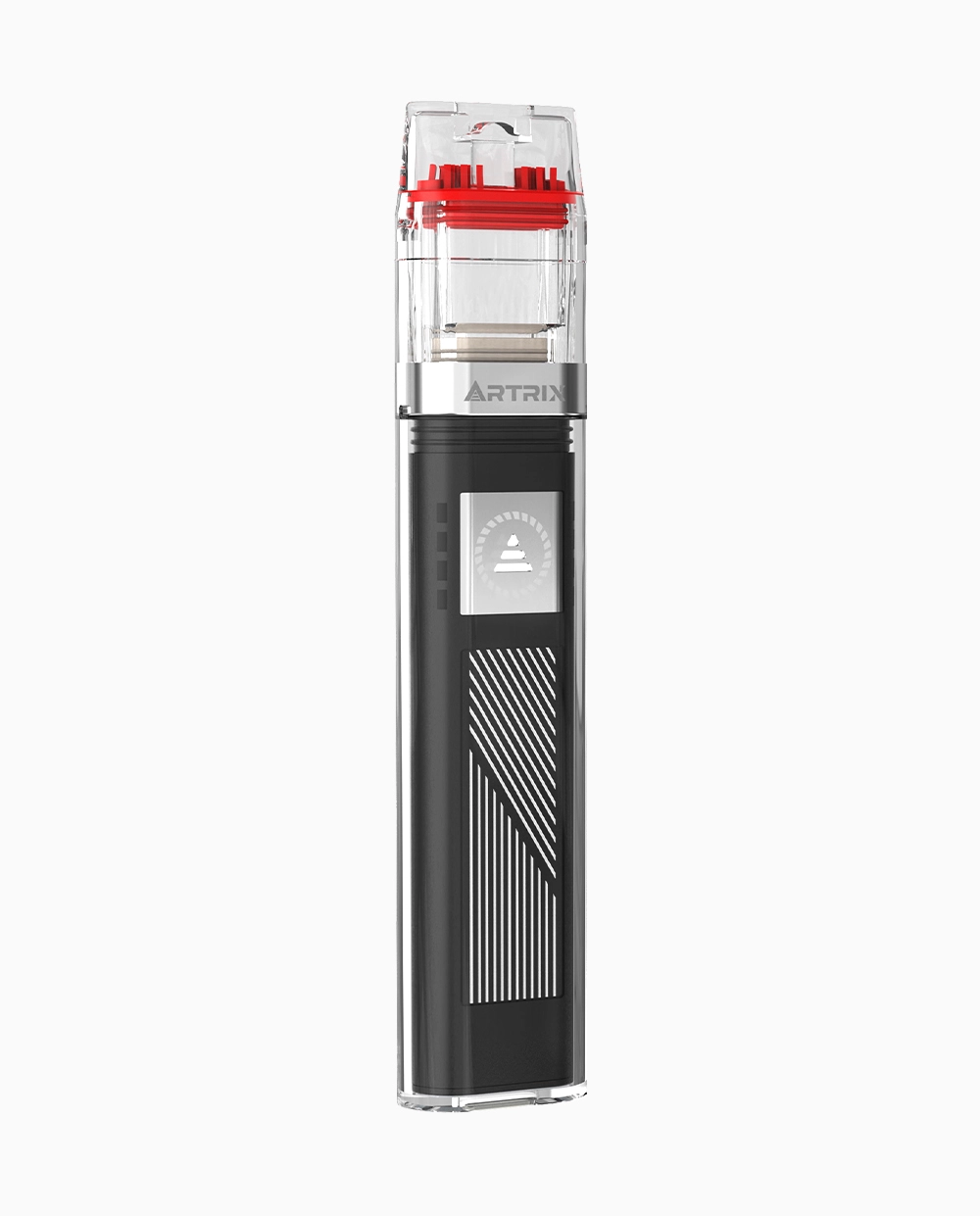
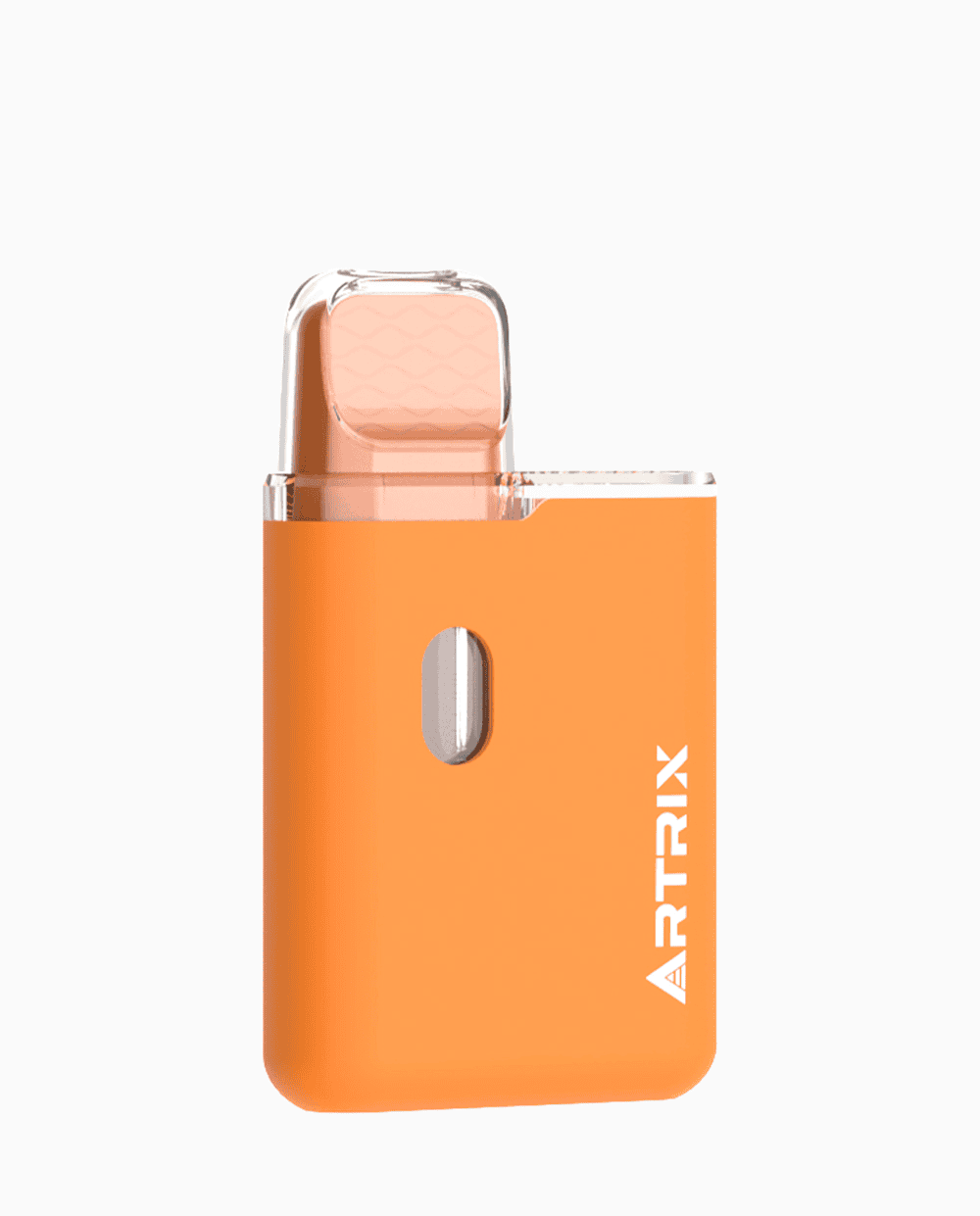
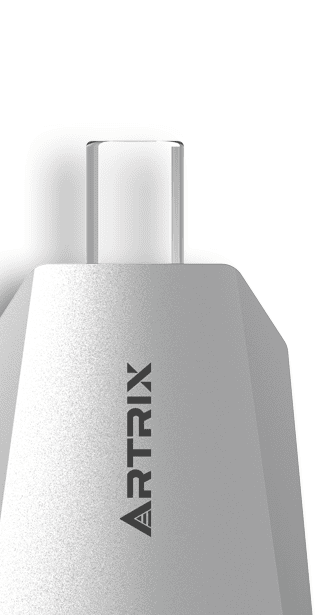
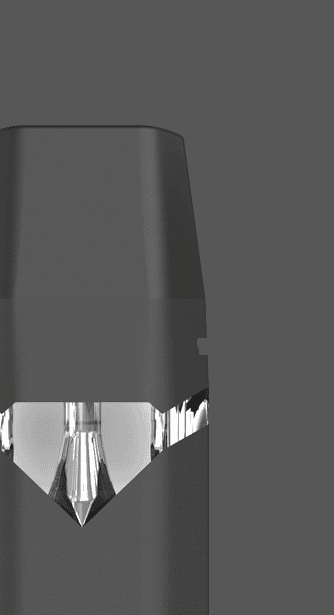
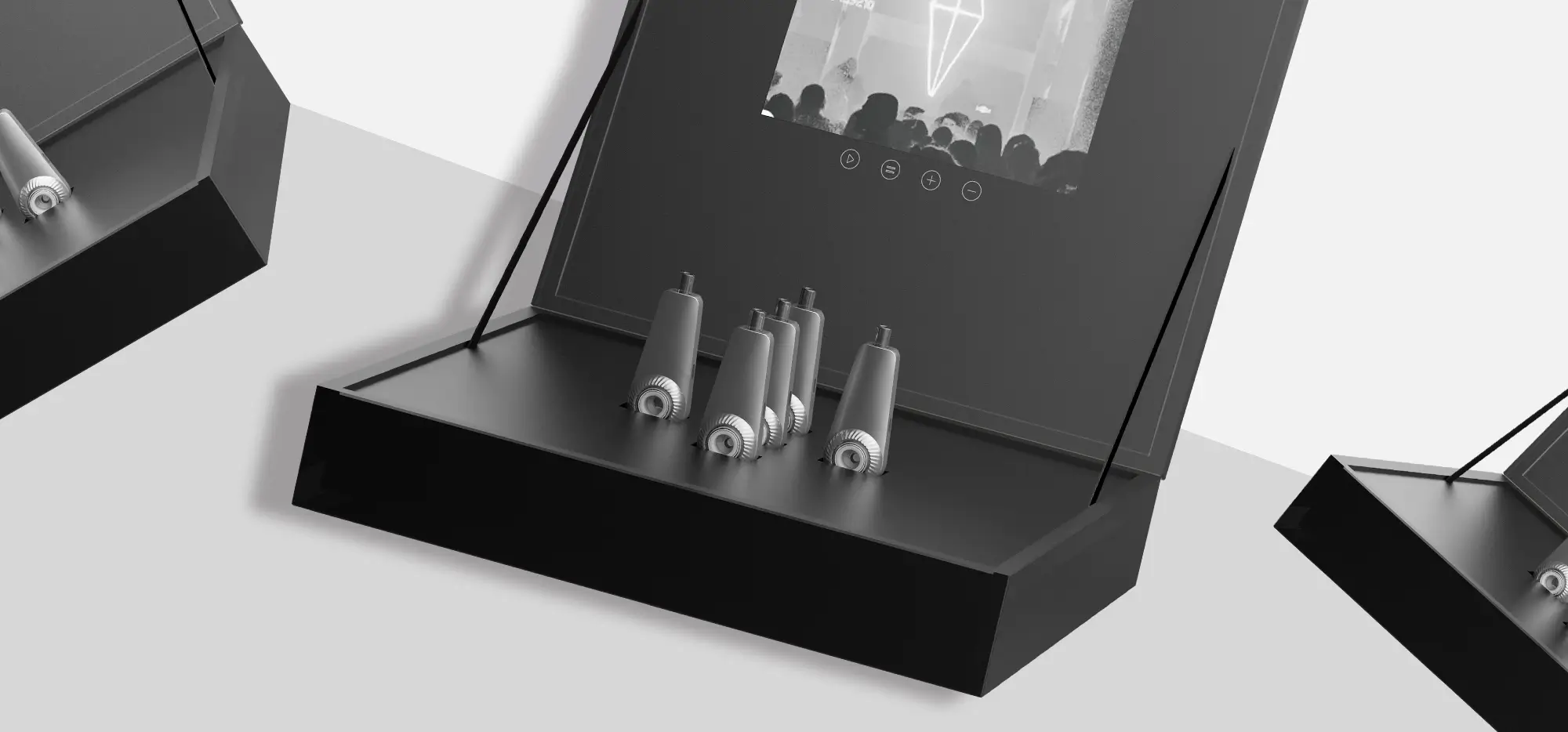
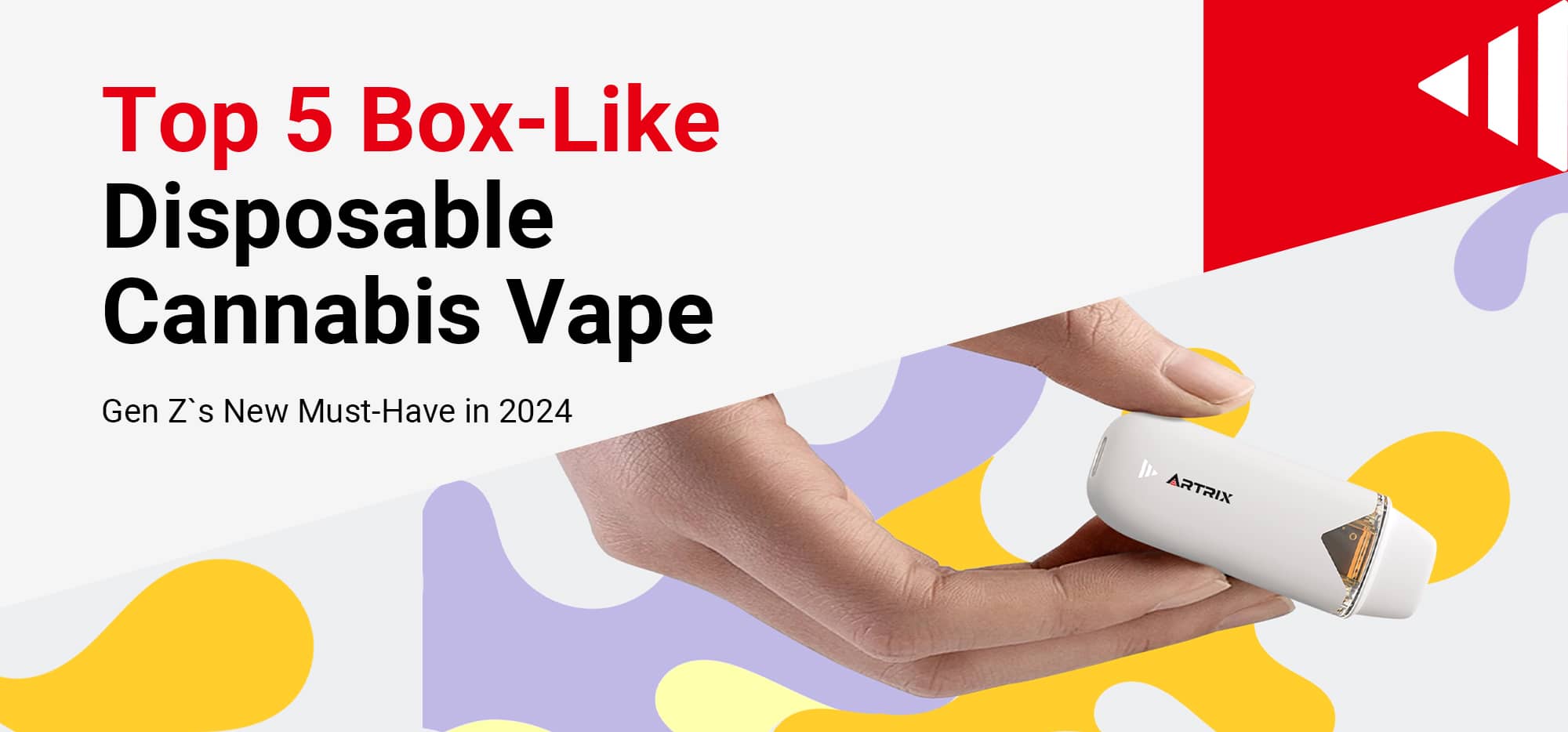
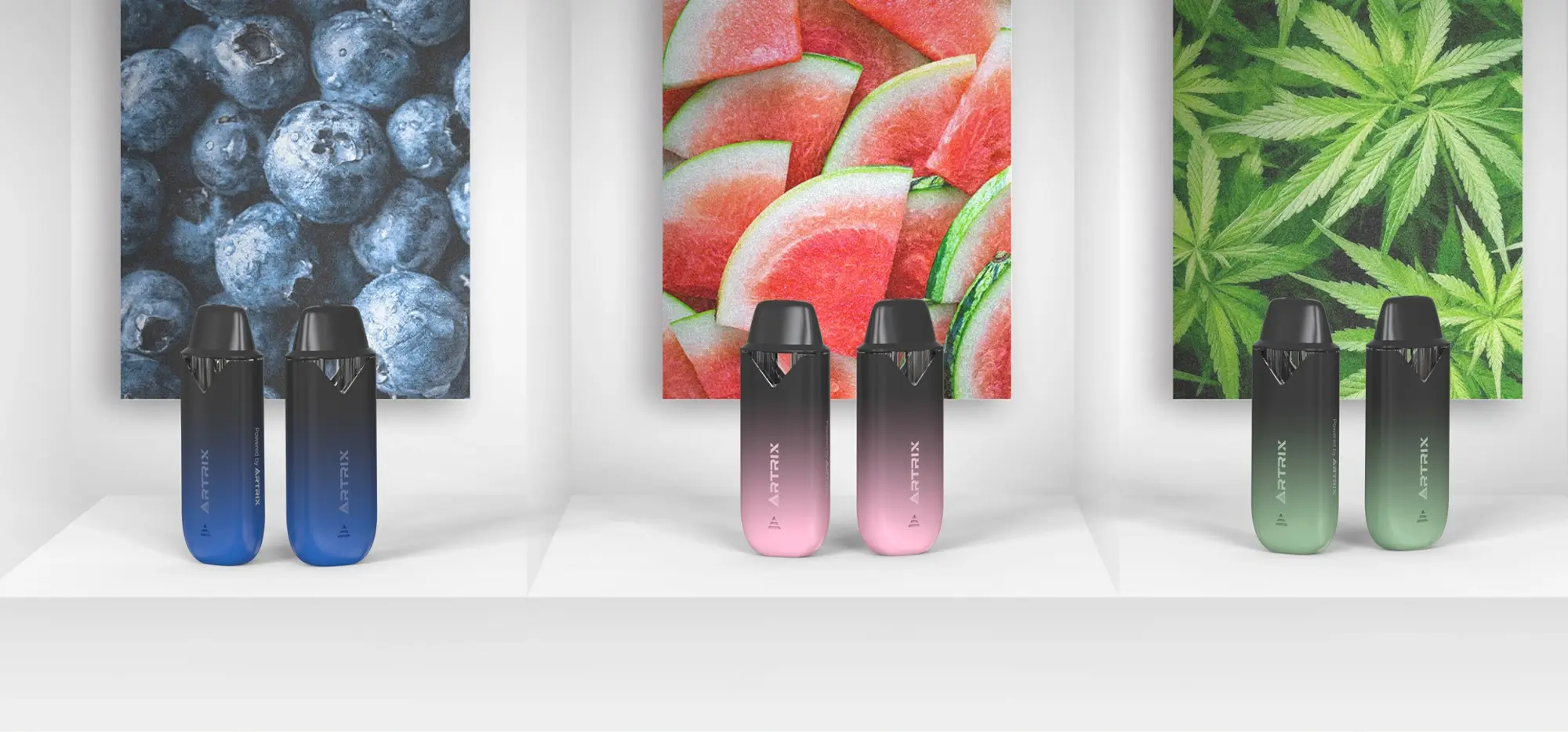
Artrix’s Cubox is a compact, buttonless box-format cannabis vaporizer with 1mL and 2mL tank options. It uses a dual-airway, center-post-free structure and a flat ceramic heating element. The configuration also lists 7.8W output, 1.3-ohm resistance, a 300mAh battery, a PCTG tank, and a snap-in mouthpiece.
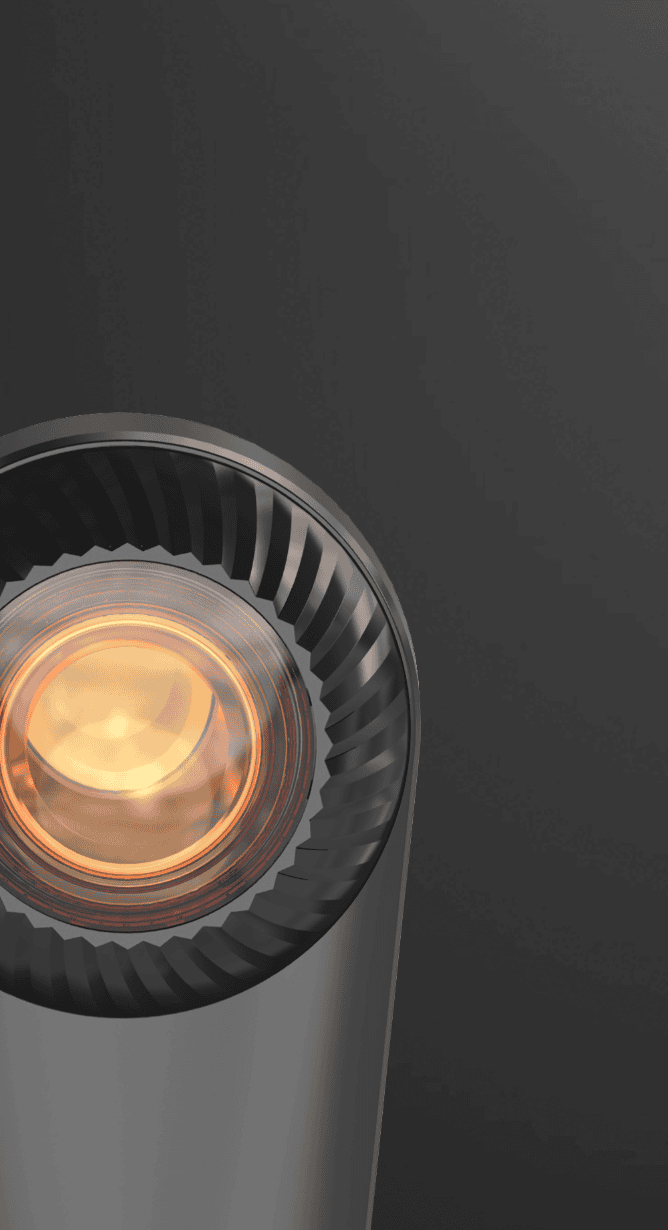
Qualification should connect these specifications to a lawful formulation, operating environment, and validation plan. For a dense oil, that may include leakage, airflow restriction, heater behavior, aerosol output, storage orientation, temperature, and puff-cycle testing against written acceptance criteria. The dual-airway structure is intended to preserve an airflow route if part of the path becomes restricted, but a defensible anti-clogging claim requires a controlled comparison. Likewise, tank capacity is not legal fill weight, and ceramic construction alone does not prove flavor, consistency, emissions performance, or safety.
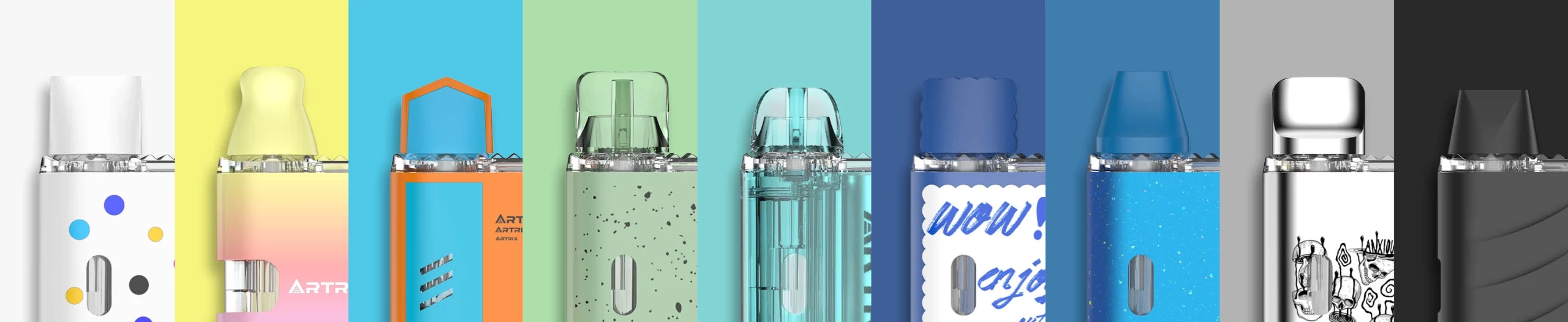
Artrix can work with qualified businesses on hardware selection, appearance customization, formulation-fit evaluation, and test planning. A useful project brief should identify the destination jurisdiction, customer type, intended fill, target volume, storage conditions, and required documentation.
A Practical Germany Market-Entry Checklist
-
- Classify the buyer and document its role, authorization, and permitted cannabis activity.
-
- Define whether the transaction concerns cultivation equipment, empty hardware, a component, a medical product, or a finished consumer product.
-
- Map every entity that will manufacture, fill, import, label, distribute, and sell the product.
-
- Confirm the applicable cannabis, pharmaceutical, electrical, battery, packaging, advertising, and consumer rules.
-
- Create a formulation-specific verification plan with test conditions and acceptance criteria.
-
- Use adult-oriented, evidence-matched marketing that avoids concealment, youth appeal, health claims, and unsupported environmental or performance claims.
-
- Review official German sources on a scheduled basis because the law and its implementation remain under evaluation.
Germany is a strategically important cannabis jurisdiction, but its opportunity is more specific than the phrase “recreational legalization” suggests. The 2024 reform permits limited possession, home cultivation, and collective non-commercial cultivation; it does not create a nationwide dispensary channel for filled cannabis vapes. Businesses that separate consumer cannabis, medical cannabis, ancillary equipment, and export programs can make clearer decisions and avoid building sales expectations on the wrong legal model.
For hardware projects with an identified lawful customer and product route, Artrix can help translate formulation and market requirements into a device-qualification plan. Start with the jurisdiction, intended fill, buyer role, and test requirements, then evaluate whether Cubox or another configuration fits the program.