

-1.webp)
-1.webp)
-2.webp)



























Last Updated: July 29, 2026
This content is for informational purposes only and does not constitute medical or legal advice. Please consult a licensed healthcare provider before using cannabis products. Comply with your state’s regulations.
This content is intended for audiences 21 years and older, as required by U.S. law.
Cannabis regulations vary by state. Please verify the legal status of products in your area before purchase.
Here’s the short version: hash holes are worth it as an occasional treat if you value flavor, ritual, and the social experience of smoking. They are not worth it if you’re looking for efficiency, daily use, or maximum effect per dollar spent.
Think of hash holes like ordering a premium steak at a fine restaurant. You’re paying for the experience, the presentation, and the quality — not necessarily the most calories per dollar. If that trade-off appeals to you, hash holes deliver. If you’re purely practical about your cannabis consumption, you’ll find better value elsewhere.
That answer is a preference-based judgment, not a laboratory finding. The relative THC-delivery efficiency of a hash hole, dab, and infused joint depends on product potency, construction, temperature, draw pattern, sharing, and material left unconsumed. This article therefore separates measurable inputs, reasonable mechanism-based inferences, and user-reported experience.
| Priority | Likely Fit | Why |
|---|---|---|
| Flavor, ritual, and sharing | Hash hole | It turns the preparation and burn into part of the experience. |
| Lower material cost | Smaller infused format | Using less flower and concentrate lowers the input cost, although it does not prove greater THC-delivery efficiency. |
| More predictable portions | Labeled, separately portioned products | A large shared joint makes individual intake difficult to estimate. |
| Fast preparation | Pre-roll or compatible device | There is no rosin core to shape and center. |
What Is a Hash Hole?
A hash hole is a joint constructed with a solid core of rosin or hash running through the center, surrounded by ground cannabis flower. As the joint burns, the concentrate core creates a visible hollow tunnel — the “hole” that gives these joints their name.
The construction is straightforward in concept but requires skill in execution. You roll out a thin tube of rosin, place it in the center of your rolling paper surrounded by flower, and roll it into a joint. When smoked, the concentrate is heated along with the flower, creating the flavor, potency, and visible center channel associated with the format.
A hash hole is not a standardized dose or product category. Two joints that look similar can contain very different amounts of THC because the potency of the flower and concentrate, their relative quantities, and the amount actually consumed may differ. Product labels and local rules matter more than the nickname.
Safety and Potency Belong in the Decision
Hash holes combine cannabis flower with a concentrate, so their total THC content may be higher than that of a flower-only joint. Concentrates often contain highly concentrated forms of THC, while the effects of these products can vary with the amount used, frequency of use, previous experience, individual biology, and use with alcohol or other substances. These factors are summarized in the CDC cannabis guidance.
Inhaled cannabis can begin producing effects within seconds to minutes, but the full effect may take 10 to 30 minutes to develop. That delay creates a practical reason not to judge the total effect after the first few draws or immediately consume more. The timing range comes from Health Canada inhalation guidance.
Smoking cannabis also exposes the user and people nearby to smoke. Smoked cannabis can harm lung tissue, and its smoke contains many of the same toxins and irritants found in tobacco smoke. A hash hole should therefore not be described as safe, clean, or healthy simply because it uses premium flower or solventless rosin. See the CDC lung-health overview.
-
- Use only where adult cannabis use is legal, and follow local age and possession rules.
-
- Do not drive or operate equipment while impaired.
-
- Avoid combining cannabis with alcohol or other impairing substances.
-
- Keep cannabis and devices away from children and pets.
-
- People who are pregnant, breastfeeding, taking medication, or managing a serious health condition should seek qualified medical guidance rather than relying on a general article.
Why Hash Holes Became Popular
Hash holes have attracted attention through cannabis media and social content. The visual appeal is undeniable — watching that glowing core burn through a joint while a hollow tunnel forms behind it makes for compelling content.
Beyond aesthetics, hash holes tap into cannabis culture’s love of ritual and craftsmanship. Rolling a proper hash hole takes practice and quality materials. Smoking one feels like an event rather than just a smoke session. For content creators especially, hash holes offer something visually interesting that demonstrates both skill and access to premium concentrates.
There’s also a social element. Hash holes are naturally shareable — they’re typically larger than standard joints and have become a centerpiece for sessions, the kind of thing people bring out when friends come over or when they’re celebrating something.
Those are cultural and experiential reasons for popularity, not evidence that a hash hole is more efficient, safer, or more effective than another inhaled format.
The Real Cost of a Hash Hole
Let’s talk numbers, because this is where hash holes start to divide opinion.
Use a Formula, Not a Universal Price Claim
A hash hole uses rosin or hash for the center core plus cannabis flower for the outer layer. Some of the more extravagant hash holes you see online use more of both materials.
Prices and common build sizes vary substantially by jurisdiction, retailer, product quality, taxes, and date. Instead of treating one price range as universal, calculate the material cost with this formula:
Concentrate amount × local price per gram + flower amount × local price per gram = estimated material cost.
For an illustration using the original article’s assumptions:
-
- Rosin (0.5g at $50/g): $25
-
- Flower (1g at $10/g): $10
Total cost in this example: approximately $35.
This is arithmetic, not a current market-price benchmark. Before publishing or updating the example, identify the market, currency, tax treatment, price-collection date, and whether the prices are retail or producer costs.
Cost Is Not the Same as Delivery Efficiency
Not everyone pays retail for concentrates. If you’re a grower who presses your own rosin, your cost basis may be lower. If you live somewhere with a mature legal market and competitive pricing, concentrates may cost less than in newer markets.
Using more concentrate predictably increases the material placed into the joint and can increase the session cost. It does not, by itself, tell us how much THC reaches each person. A defensible efficiency comparison would need controlled conditions: matched starting potency, identical material mass, recorded puff pattern, residue measurement, aerosol analysis, and a clear definition of “efficiency.” Without that evidence, “less effect per dollar” should remain a user-reported impression rather than an objective fact.
Efficiency and Experience: What Are You Actually Buying?
The Practical Case Against Hash Holes
Some concentrate in a hash hole may drip, burn unevenly, or remain unconsumed when construction or airflow is poor. Many experienced smokers report that hash holes, while enjoyable, do not feel as strong as expected given the amount of rosin used.
These observations make waste a reasonable concern, but they do not establish a universal recovery rate. Combustion, vaporization, sidestream smoke, residue, and sharing can all affect the relationship between material loaded and material inhaled.
If your primary goal is a low-cost, quick, or individually portioned session, a large hash hole is unlikely to be the most practical choice.
The Case for Experience Over Efficiency
But here’s the counterargument: since when is cannabis consumption purely about efficiency?
Nobody criticizes a joint for being less efficient than a vaporizer. Nobody complains that sharing a blunt with friends wastes cannabis compared to everyone taking individual hits. We accept these “inefficiencies” because the experience matters.
Hash holes offer something other formats do not deliver in exactly the same way: flavor complexity, a ritualistic rolling and smoking process, the social element of passing something special around a group, and the visual pleasure of watching it burn. For many smokers, these experiential elements justify the trade-off.
If you love the process of rolling, enjoy watching the joint burn, appreciate the flavor journey from start to finish, and value the social ritual, hash holes deliver something that pure cost metrics do not capture.
Hash Holes vs. Other Methods
Let’s compare hash holes against common alternatives across the dimensions that matter most.
| Method | Preparation | Portion Predictability | Social/Ritual Value | Primary Trade-Off |
|---|---|---|---|---|
| Hash hole | Requires forming and centering a concentrate core | Low in a large shared session | High | Uses more material and takes more preparation |
| Dab | Requires compatible equipment | Depends on measured portion and product label | Lower ritual value for many groups | Different equipment, heat, and inhalation pattern |
| Infused pre-roll | Ready-made or assembled in advance | Depends on labeling and product consistency | Medium | Less control over construction when pre-made |
| Flower-only joint | Simple familiar format | Still variable when shared | High | Does not reproduce the concentrate-core experience |
| Flavor-booster tip | Requires a compatible tip and suitable extract | Depends on capacity, filling, and extract potency | Medium | It is a smoke-and-vapor setup, not a traditional hash hole |
Is a Hash Hole Right for You?
A Hash Hole May Fit When
-
- It is a special occasion where you want something premium.
-
- You value a shared experience and the ritual of rolling and smoking.
-
- Visual appeal and craftsmanship matter to the occasion or content.
-
- You are comfortable with the cost and understand that individual intake is difficult to estimate in a shared joint.
Consider an Alternative When
-
- You are watching your budget and need your supply to last.
-
- You want a smaller or more clearly labeled portion.
-
- You prefer a quick solo session with little preparation.
-
- You are inexperienced with high-THC products or uncertain about your response.
-
- You want to avoid smoke exposure.
No format should be selected on the assumption that it is harmless. The decision is better framed as a comparison of preparation, cost, labeling, smoke or vapor exposure, individual response, and the experience you actually value.
Reducing Material Use Without Overclaiming Efficiency
Interested in the hash hole experience but concerned about cost and waste? A smaller build uses less total material and therefore lowers the input cost.
The key is using a thinner, even rosin tube. An uneven core can contribute to hot spots, runs, and an inconsistent burn. The flower should surround the core evenly, while airflow should not be completely restricted.
These are construction principles, not a proven way to increase THC delivery. A thinner core can reduce the amount loaded, but “less material” and “more efficient absorption” are different claims.
Slow, steady draws may also make the burn easier to manage than aggressive puffing, which can contribute to overheating or dripping. Results still vary with the paper, moisture, grind, core placement, concentrate consistency, and the person smoking.
What Cannabis Communities Say
Online cannabis communities have strong opinions about hash holes. A recurring community discussion about hash-hole waste illustrates the split.
Fans emphasize the flavor, rolling skill, social value, and visual satisfaction. Critics focus on cost, dripping concentrate, disappointing perceived effect, and the possibility that social-media presentation creates unrealistic expectations.
Those comments are useful for identifying questions and preferences, but they are anecdotal. They should not be presented as evidence of average potency, delivery efficiency, tolerance change, or health outcomes.
Commercial Alternative: Where Artrix Tip Fits
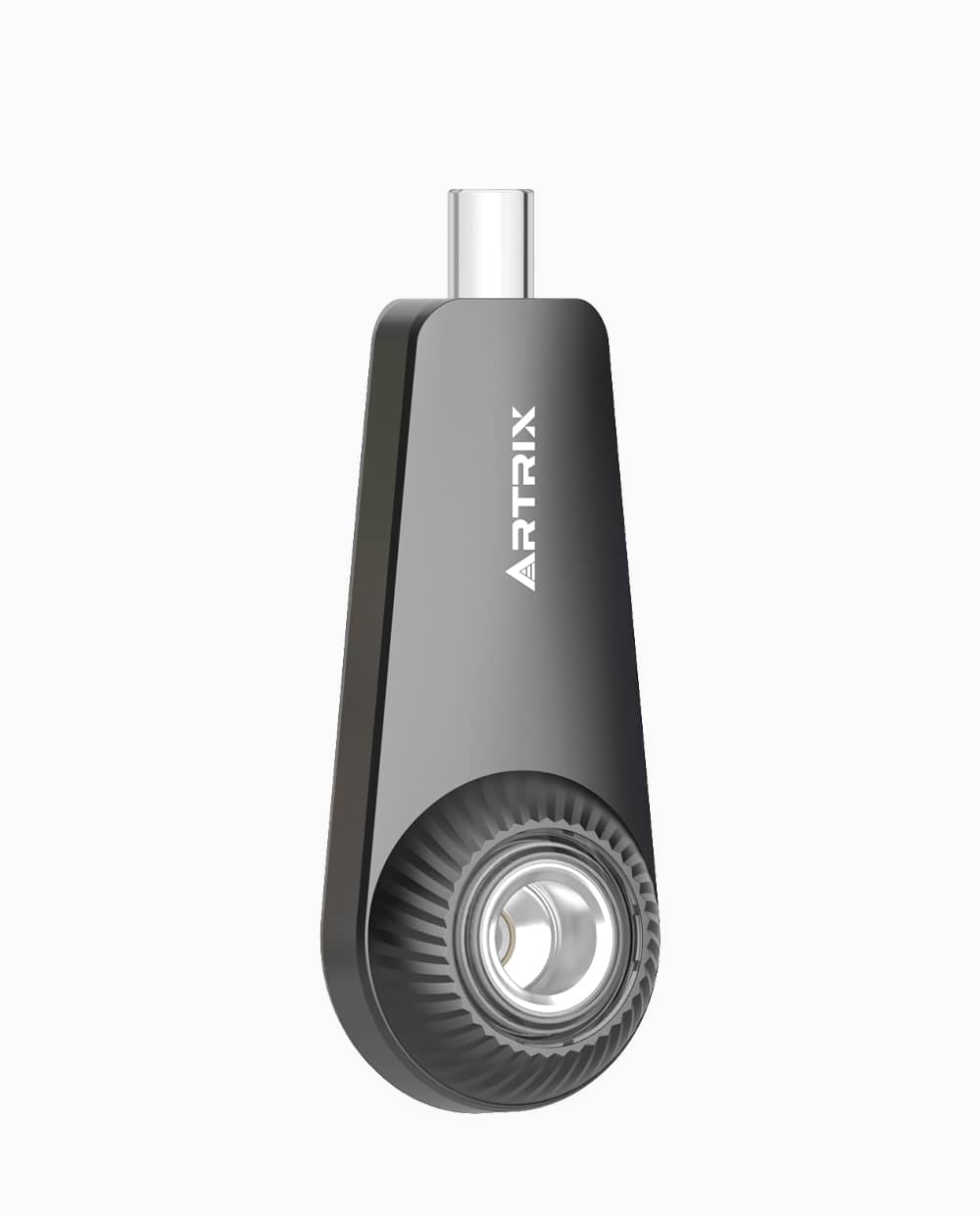
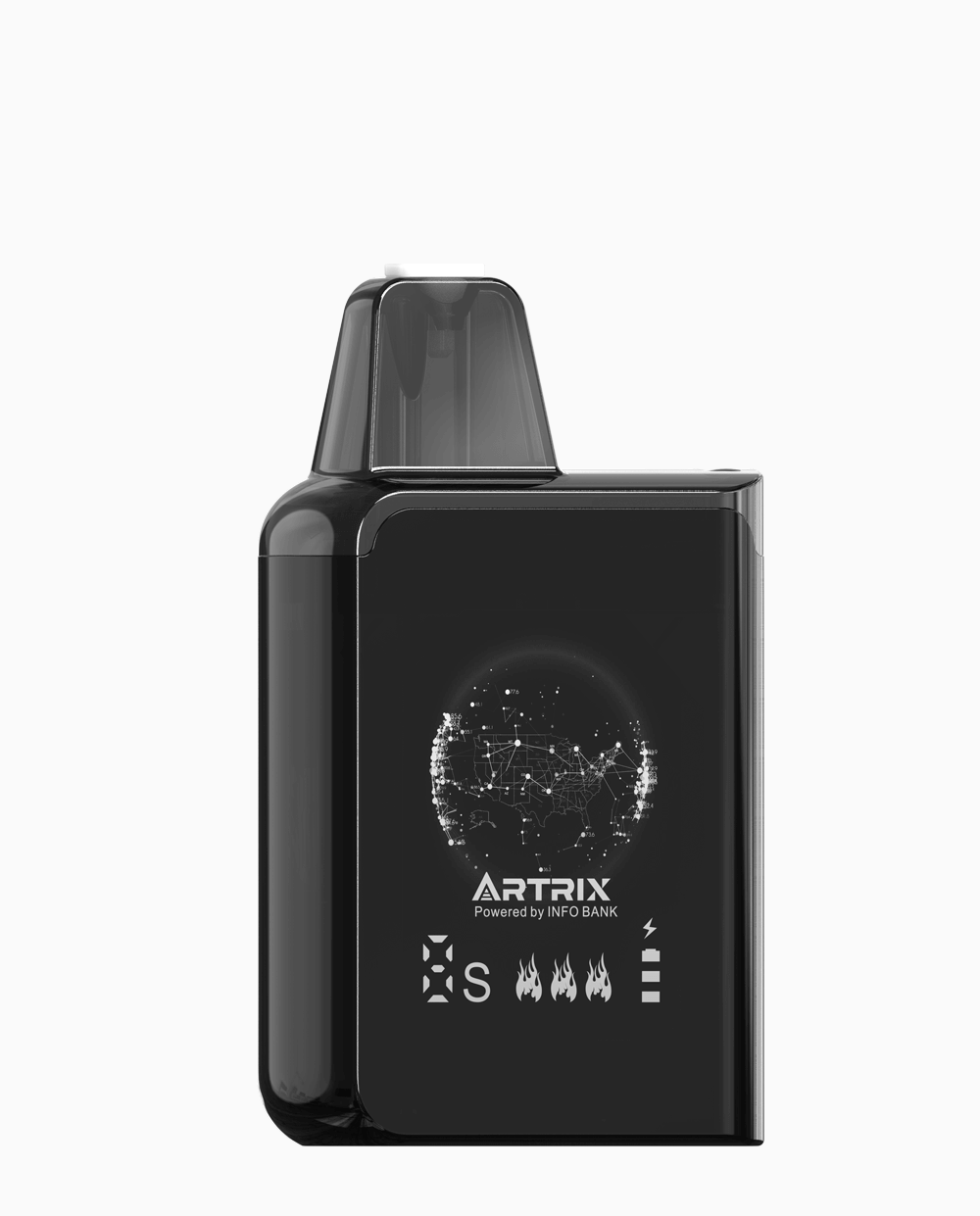
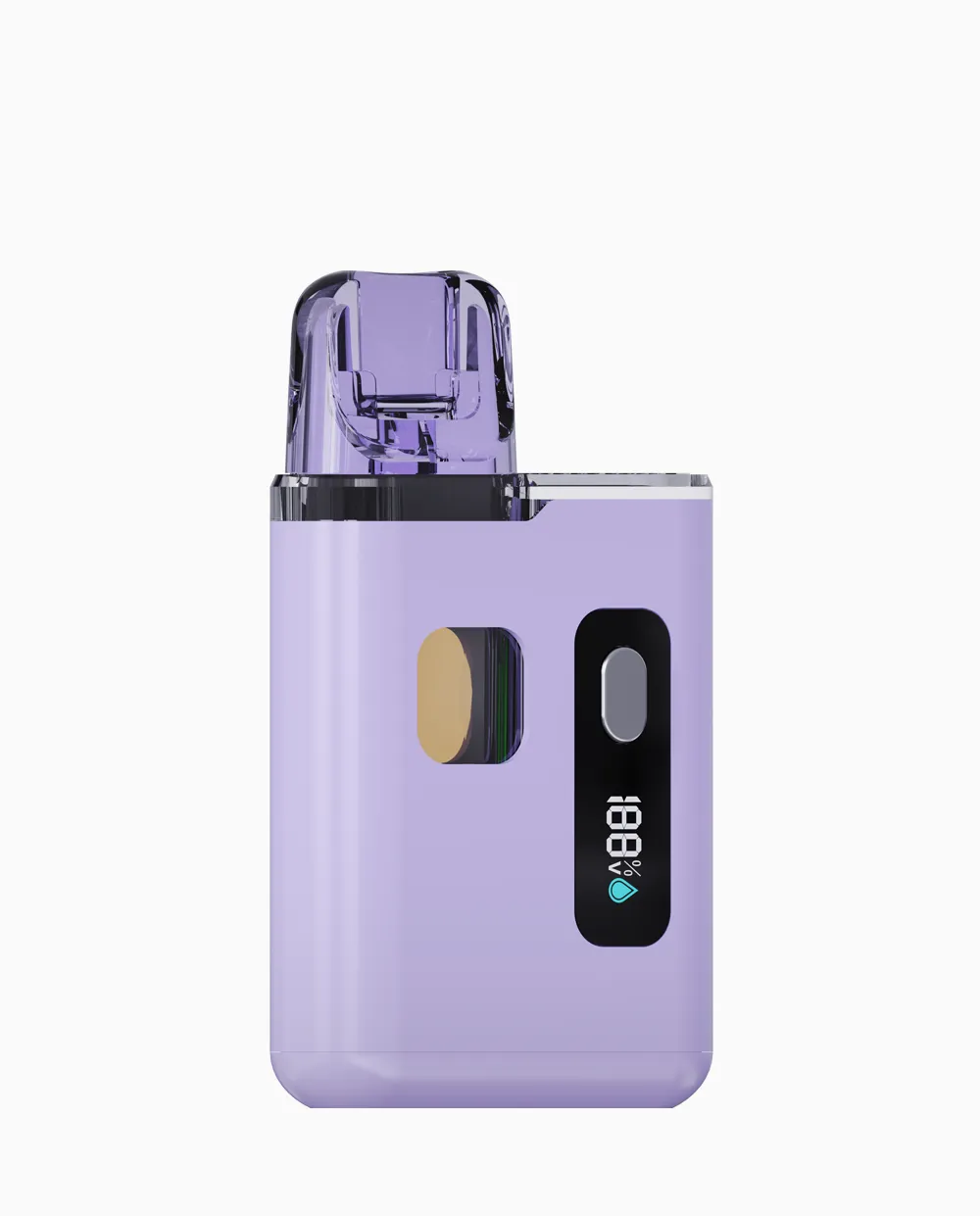
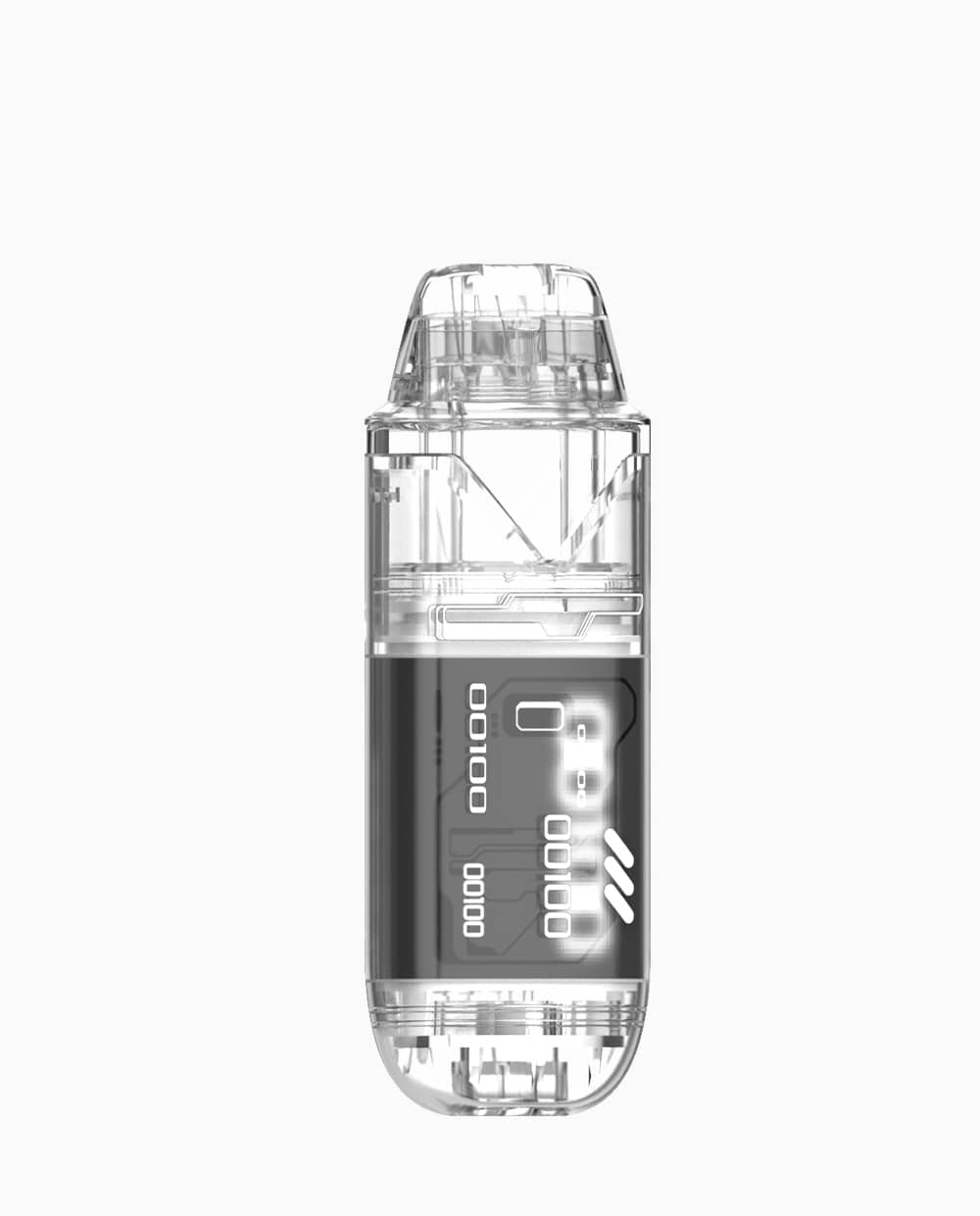
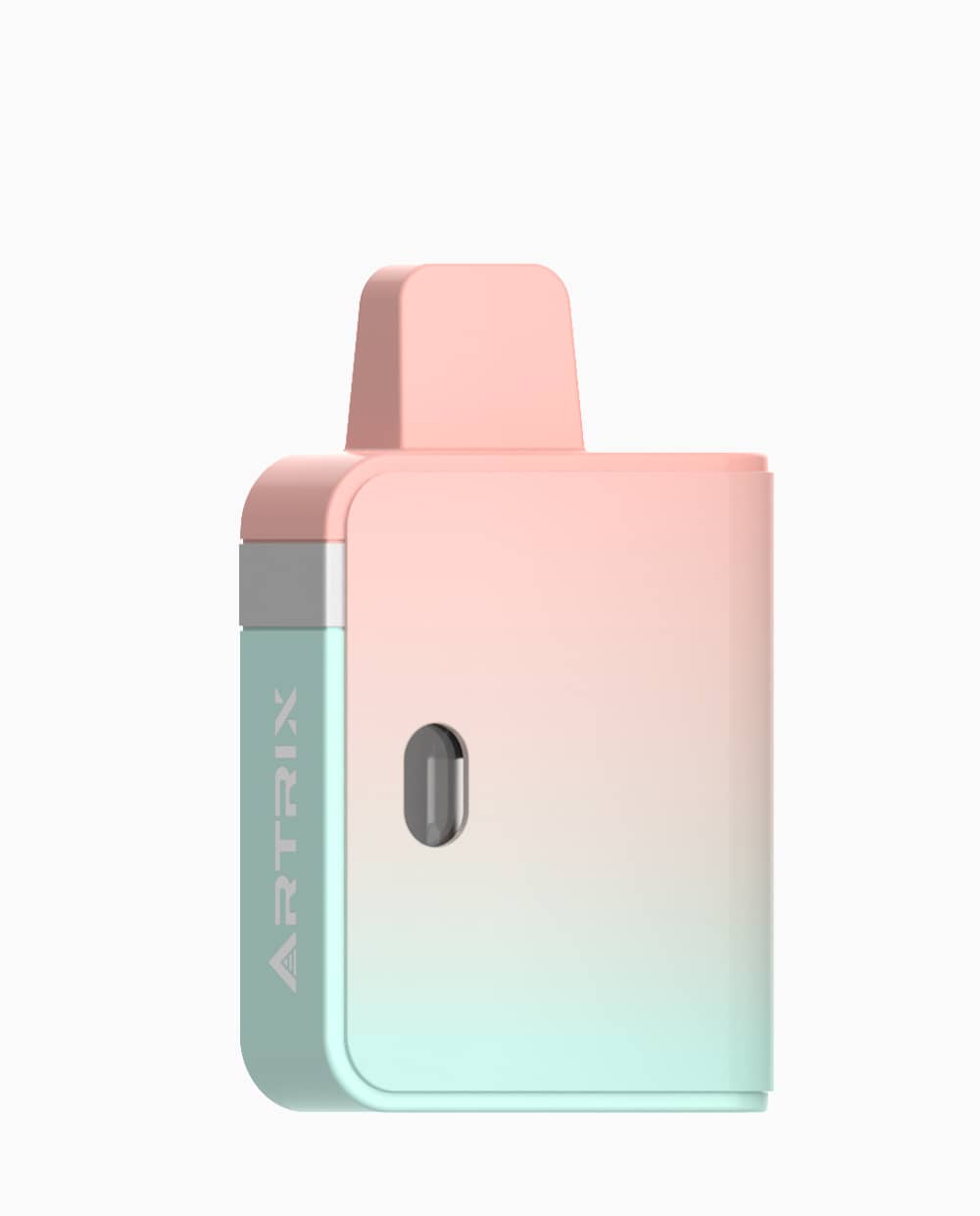
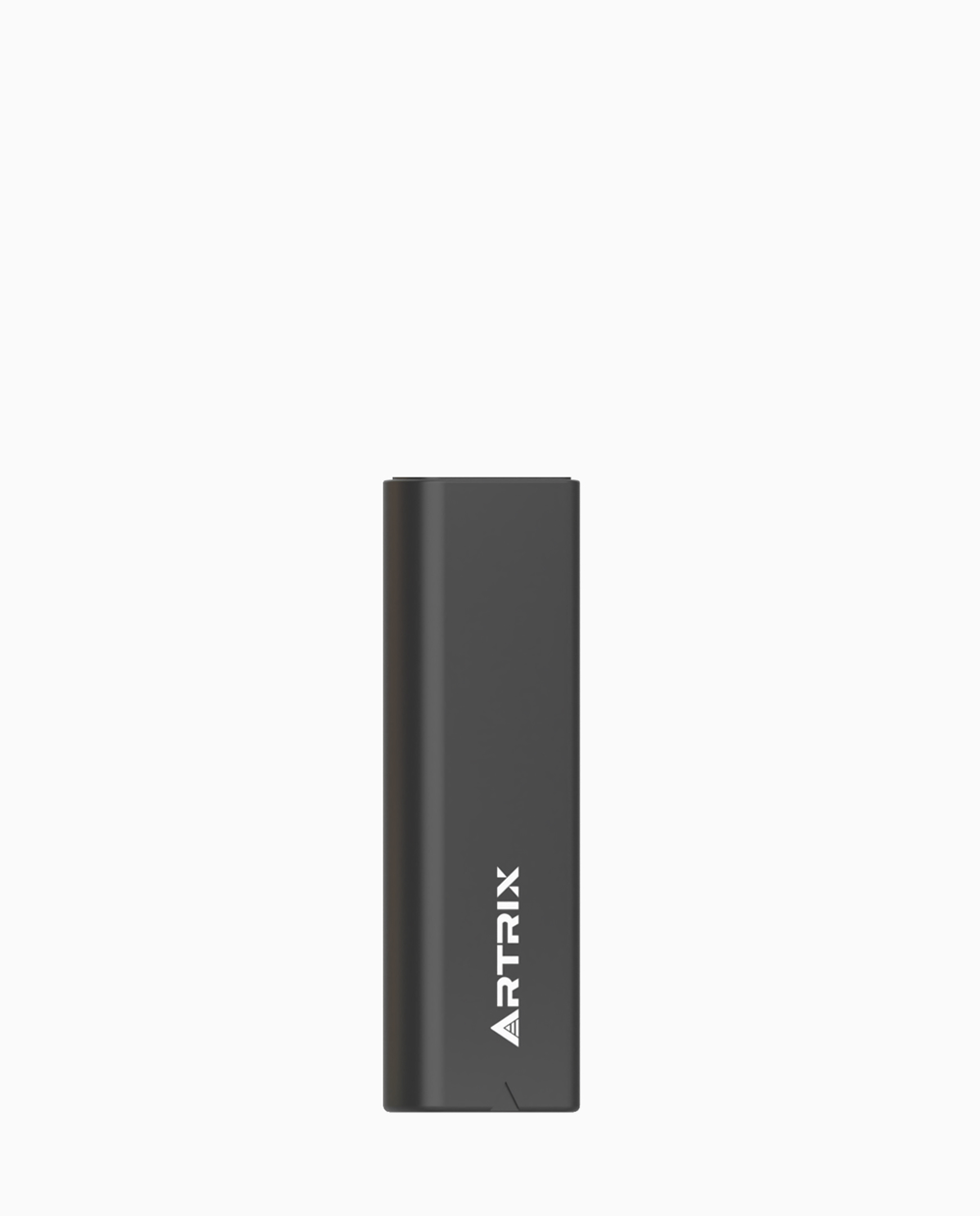
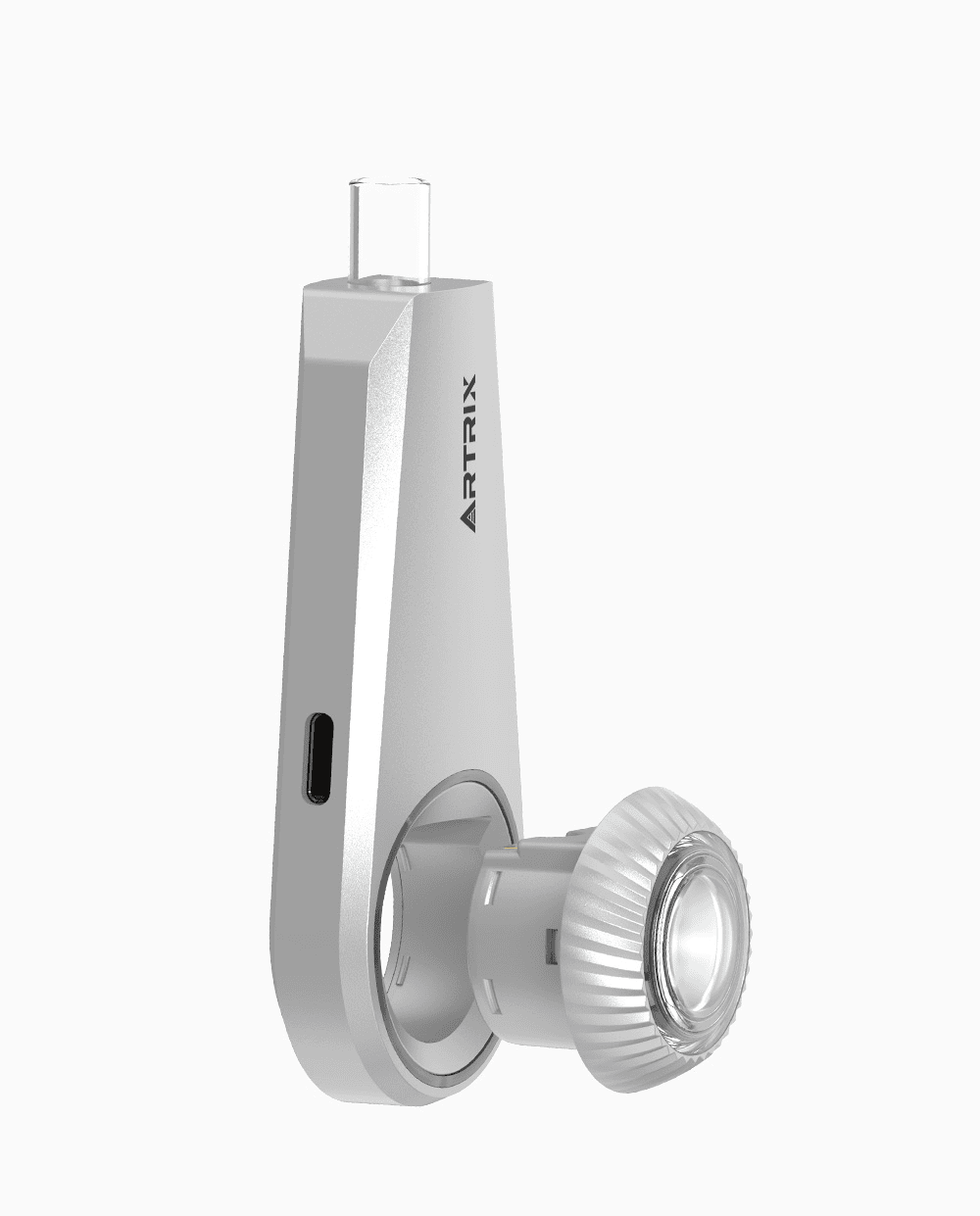
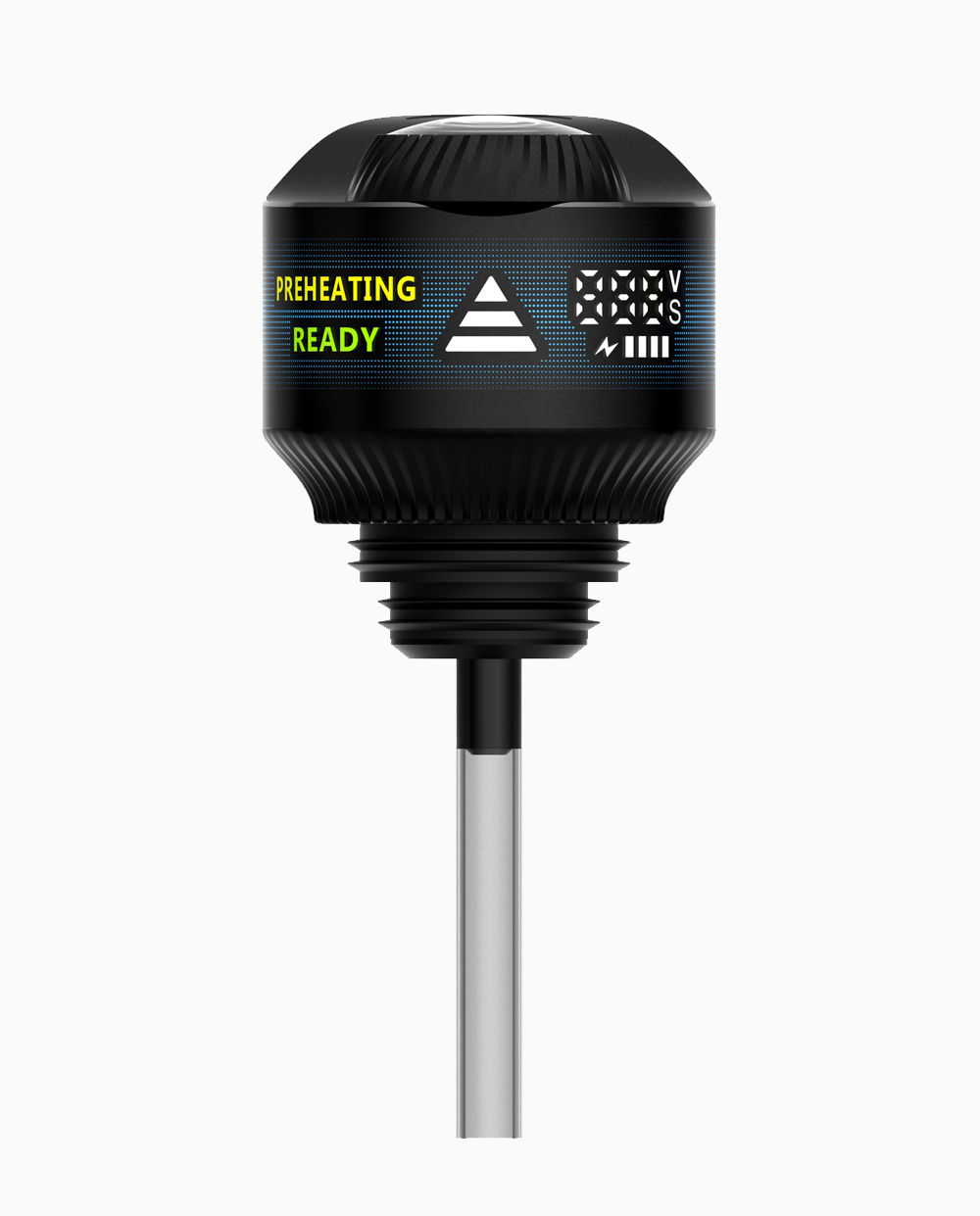
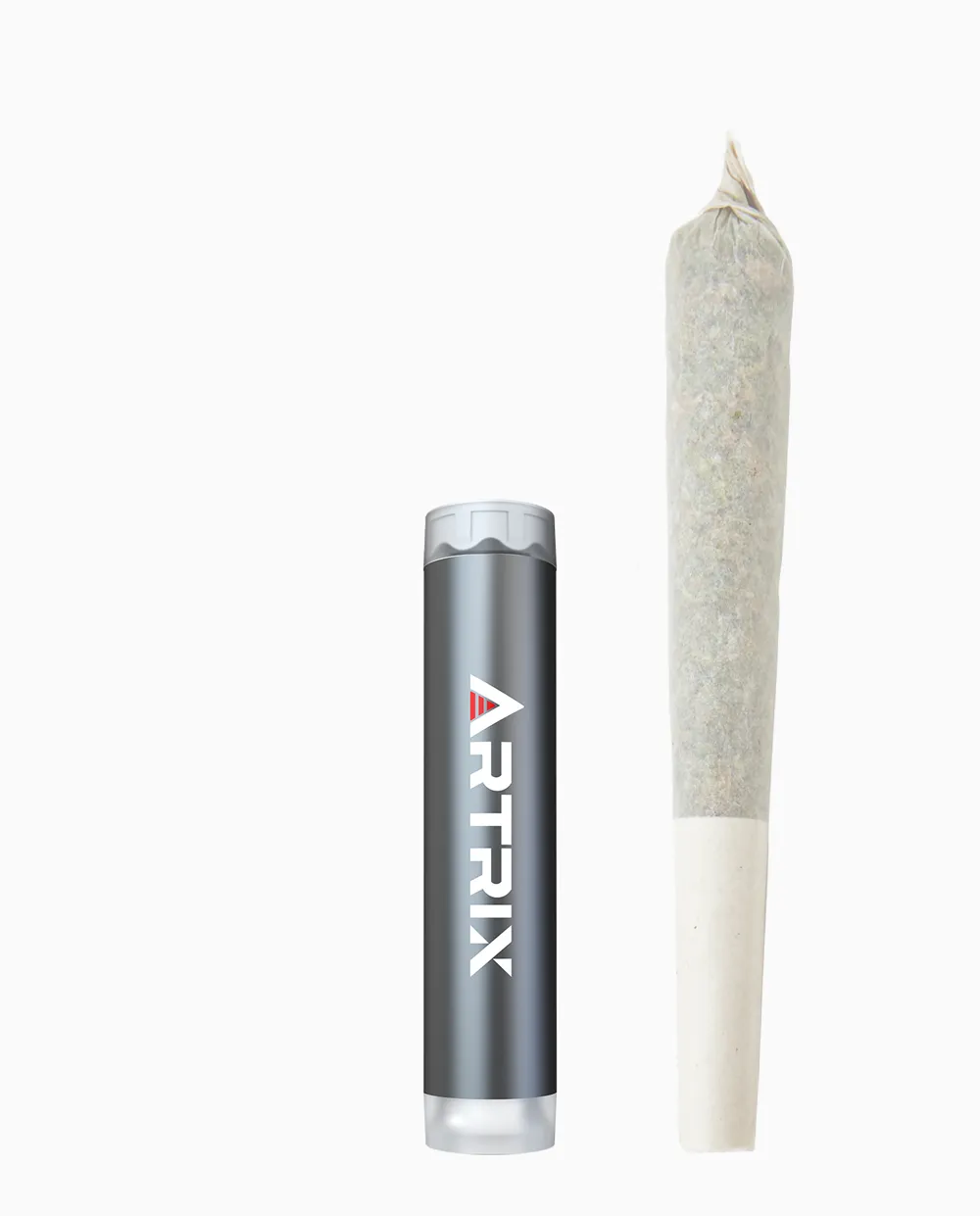
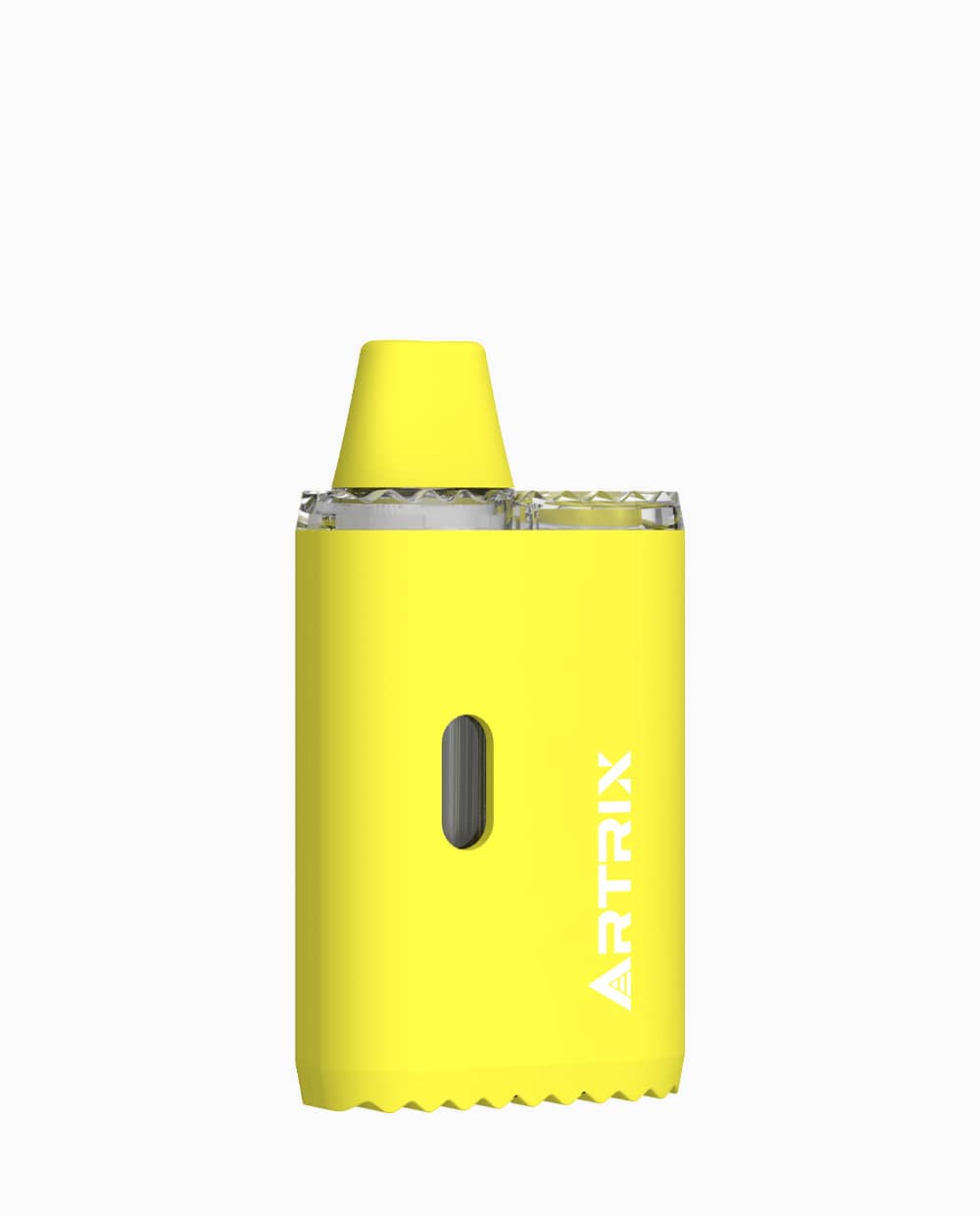
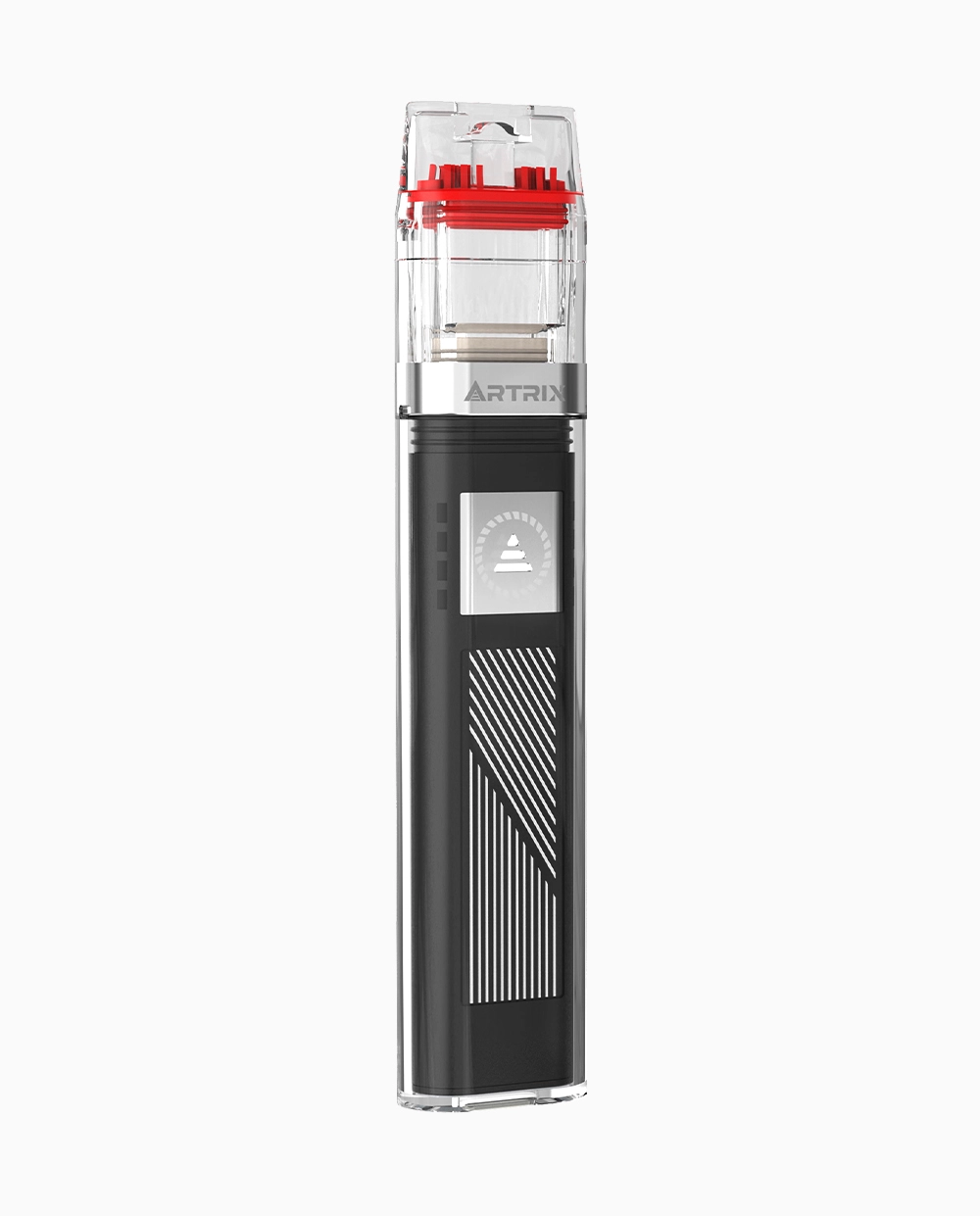
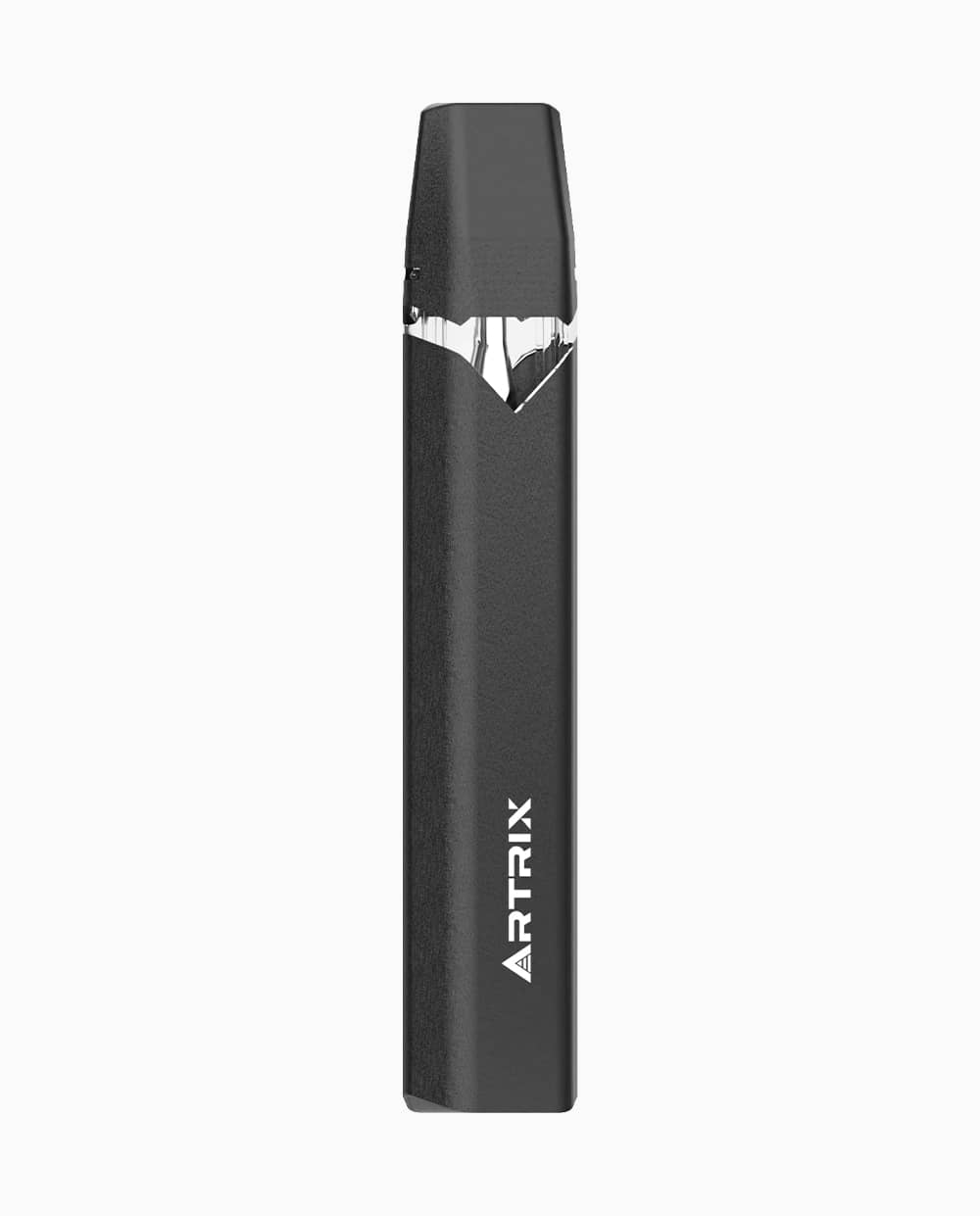
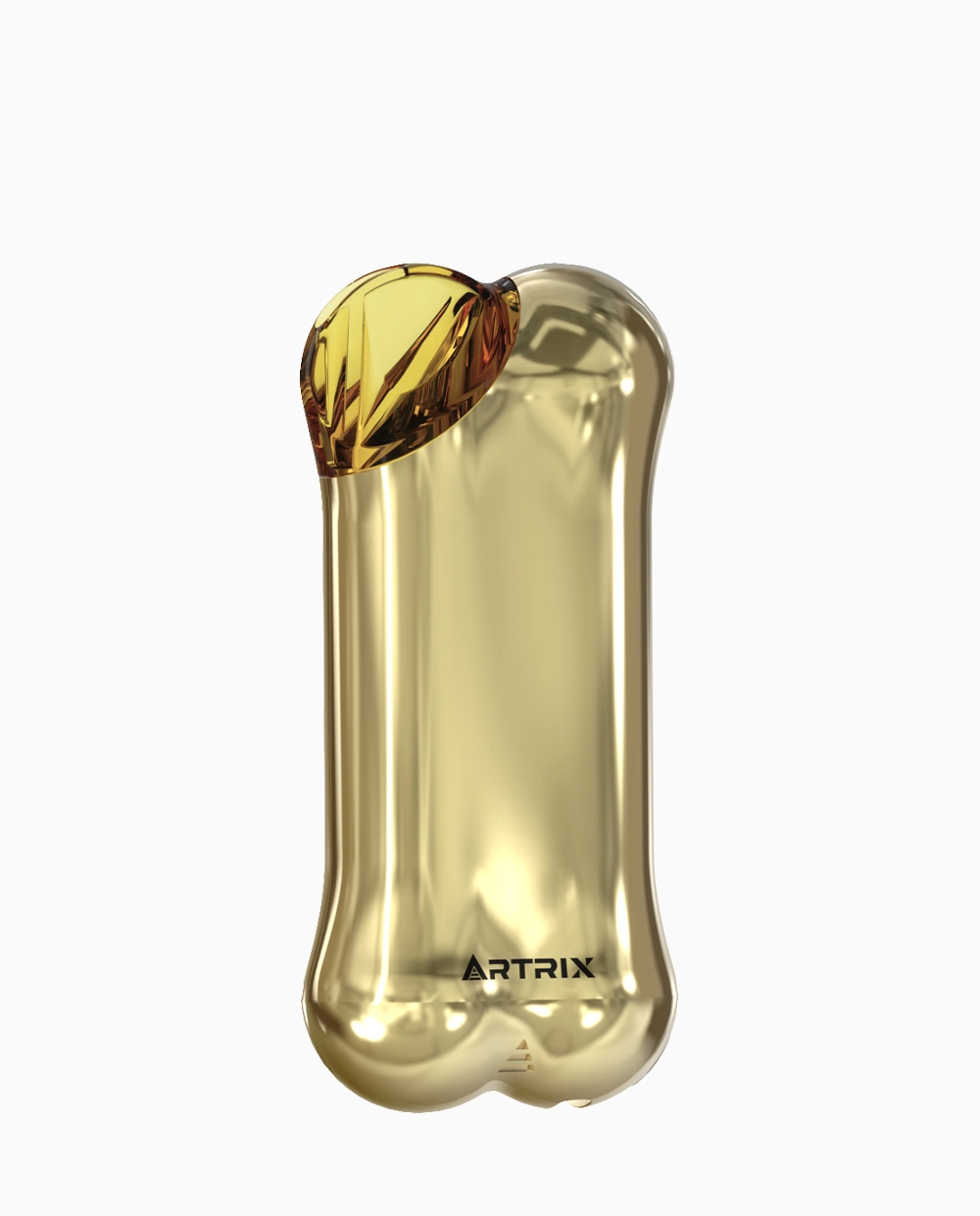
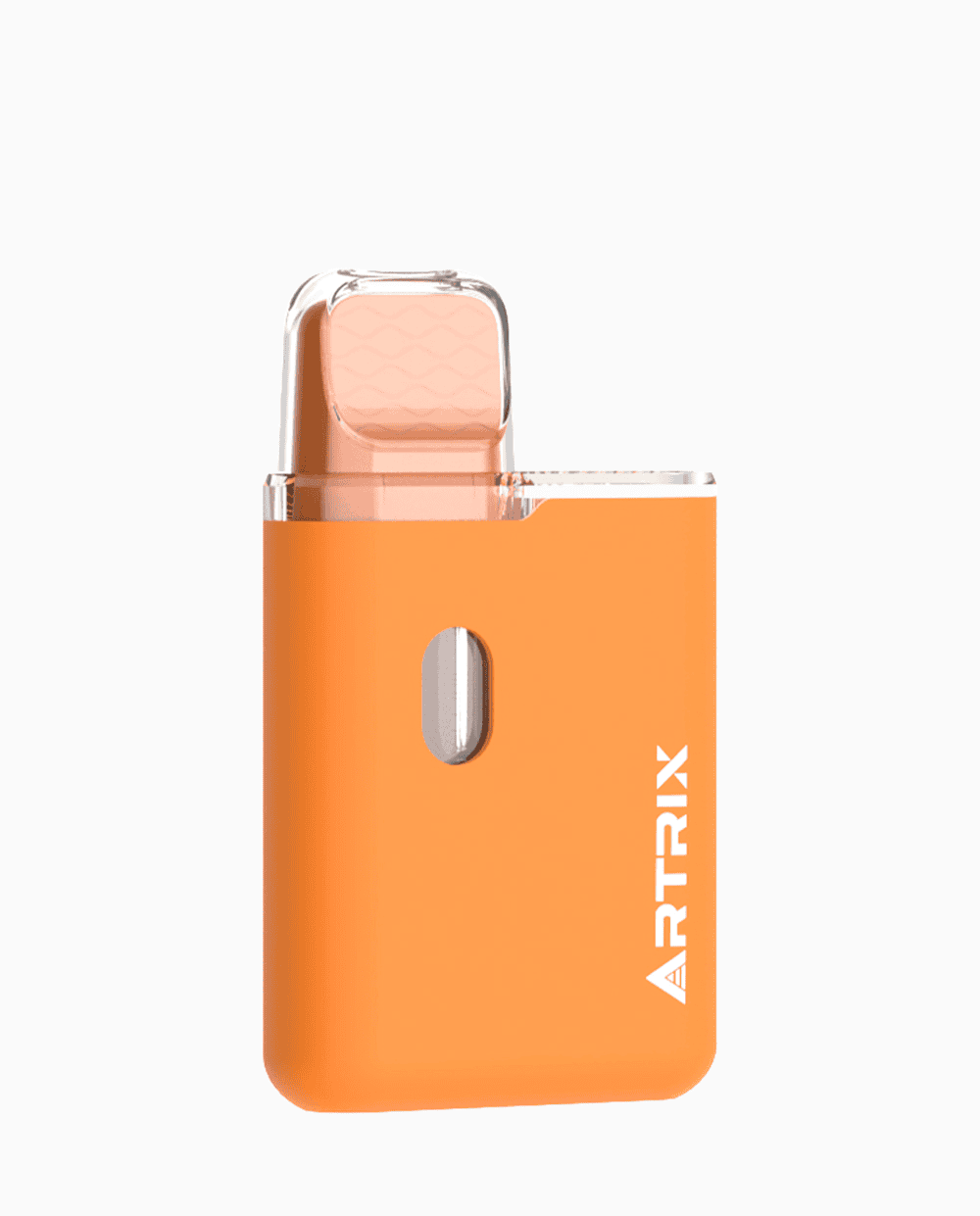
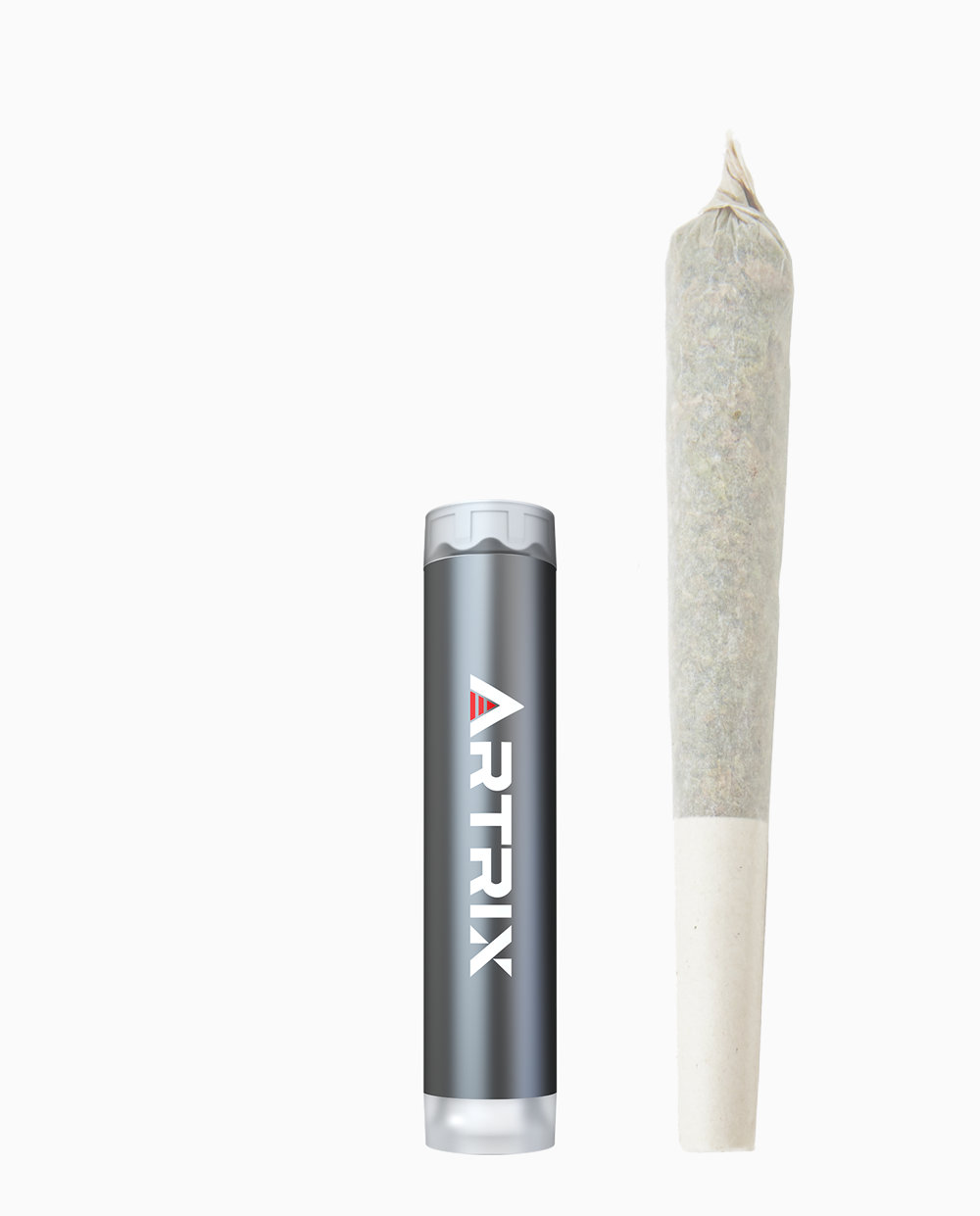
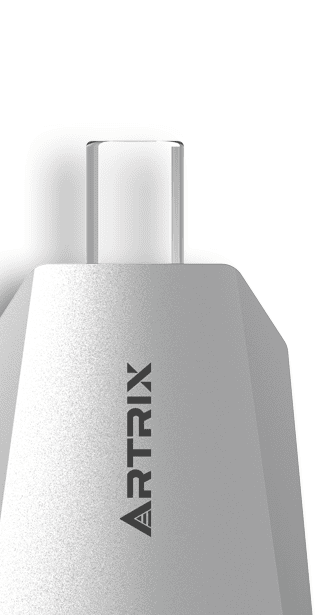
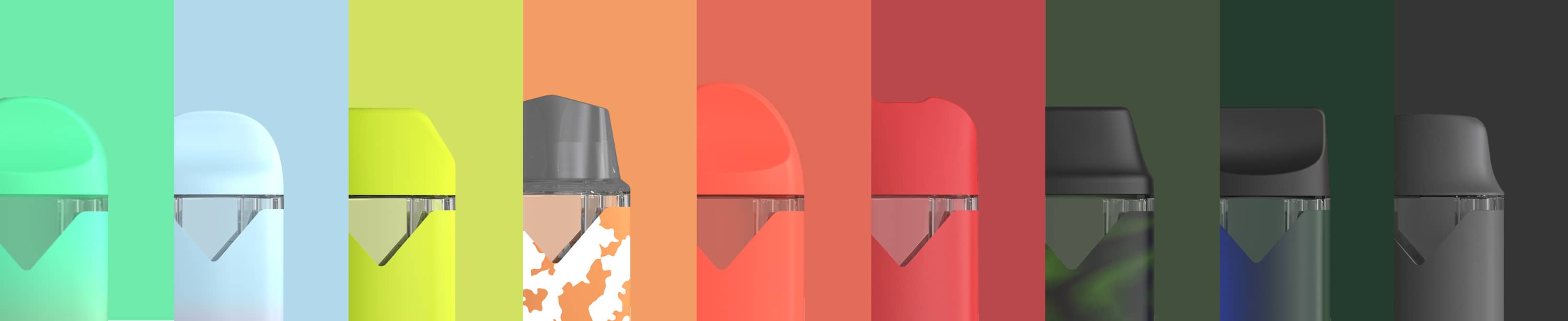
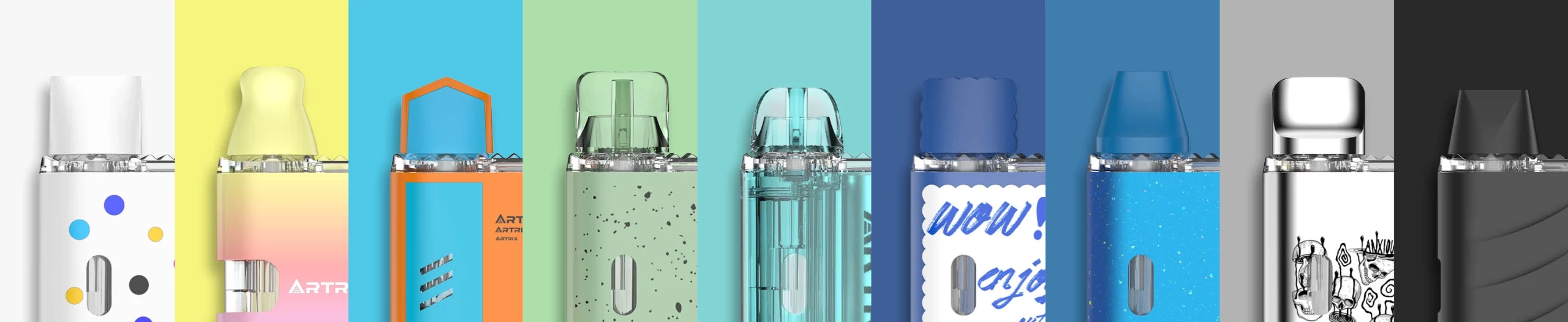
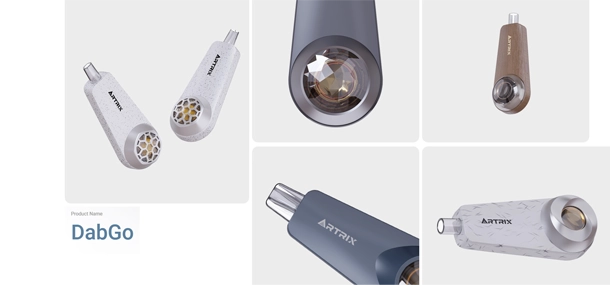
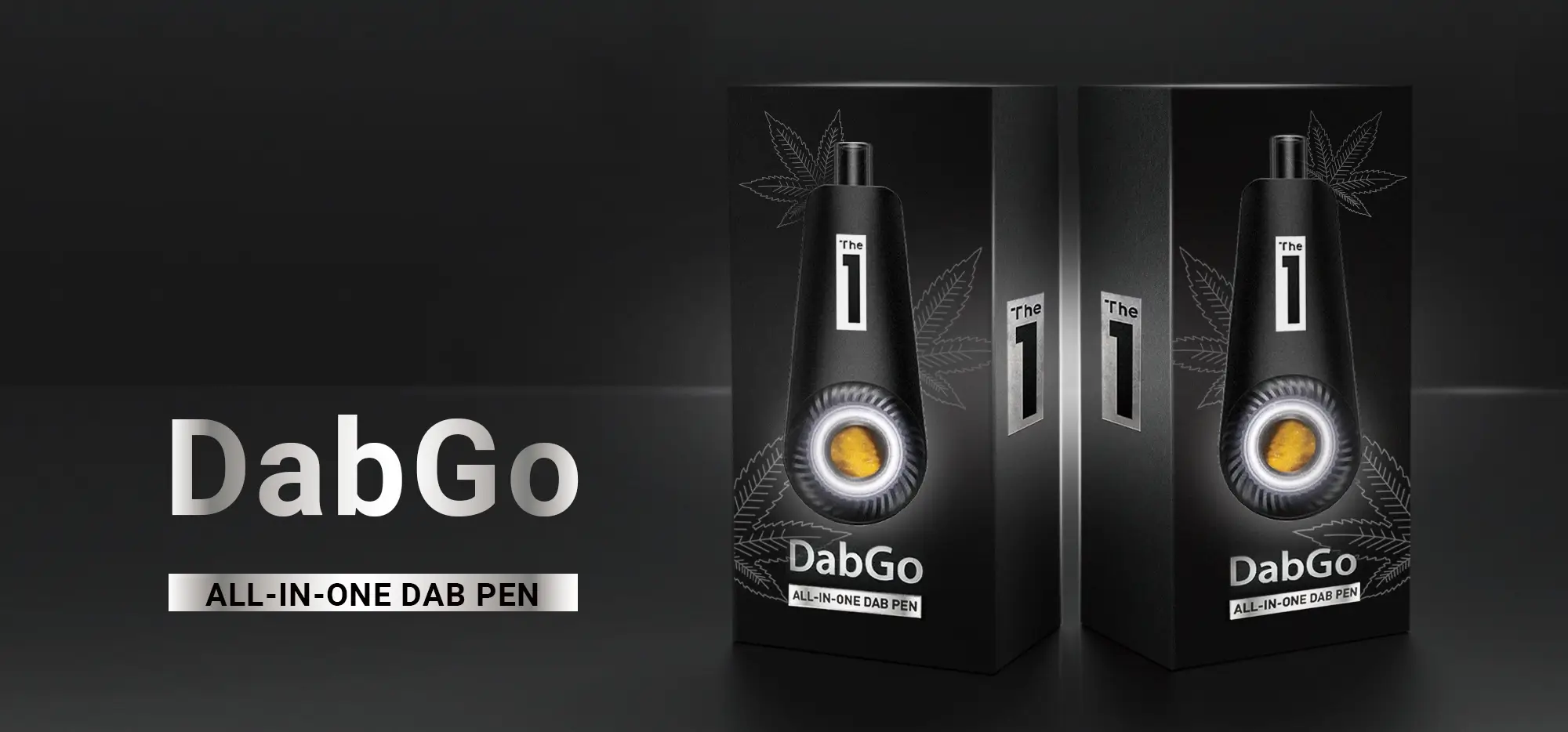
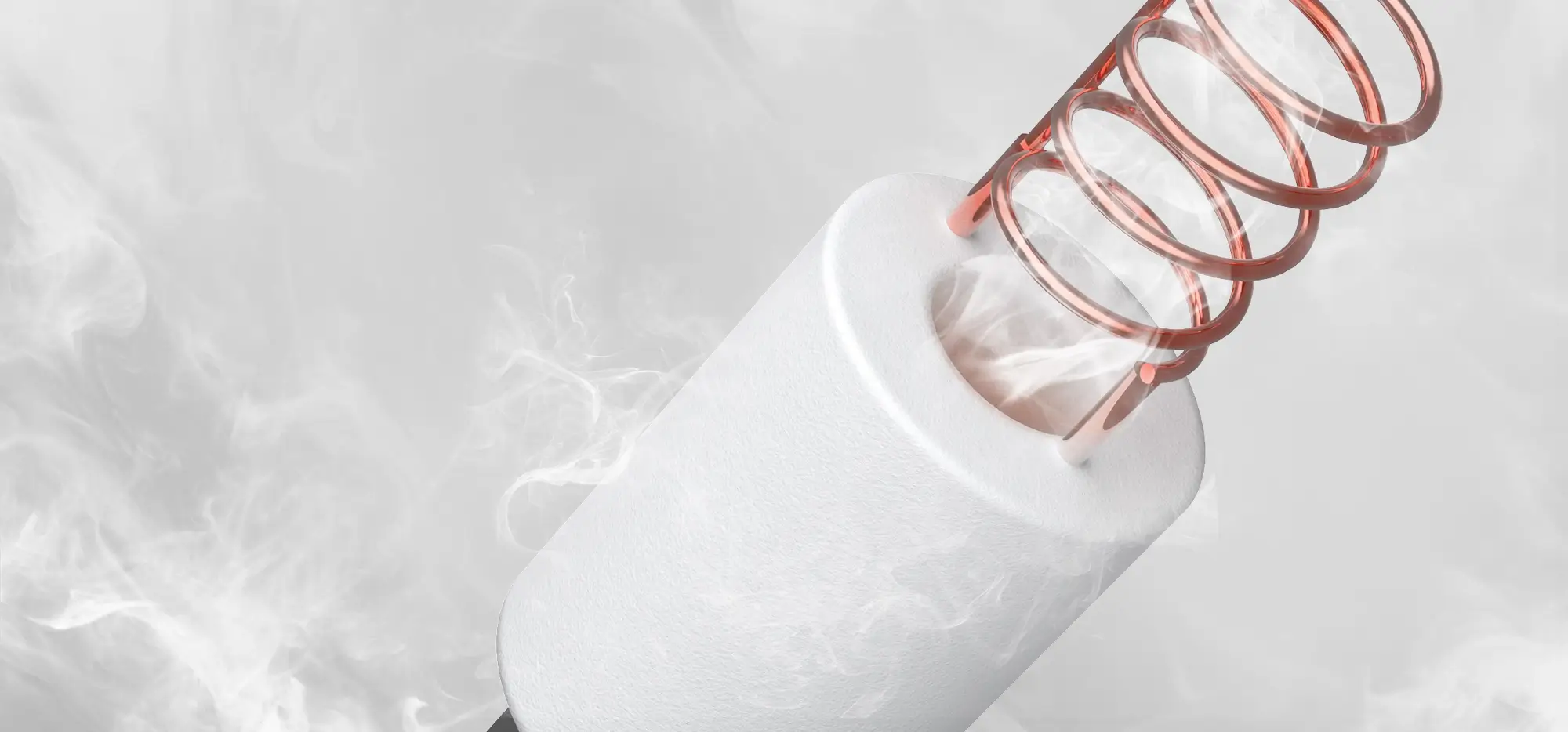
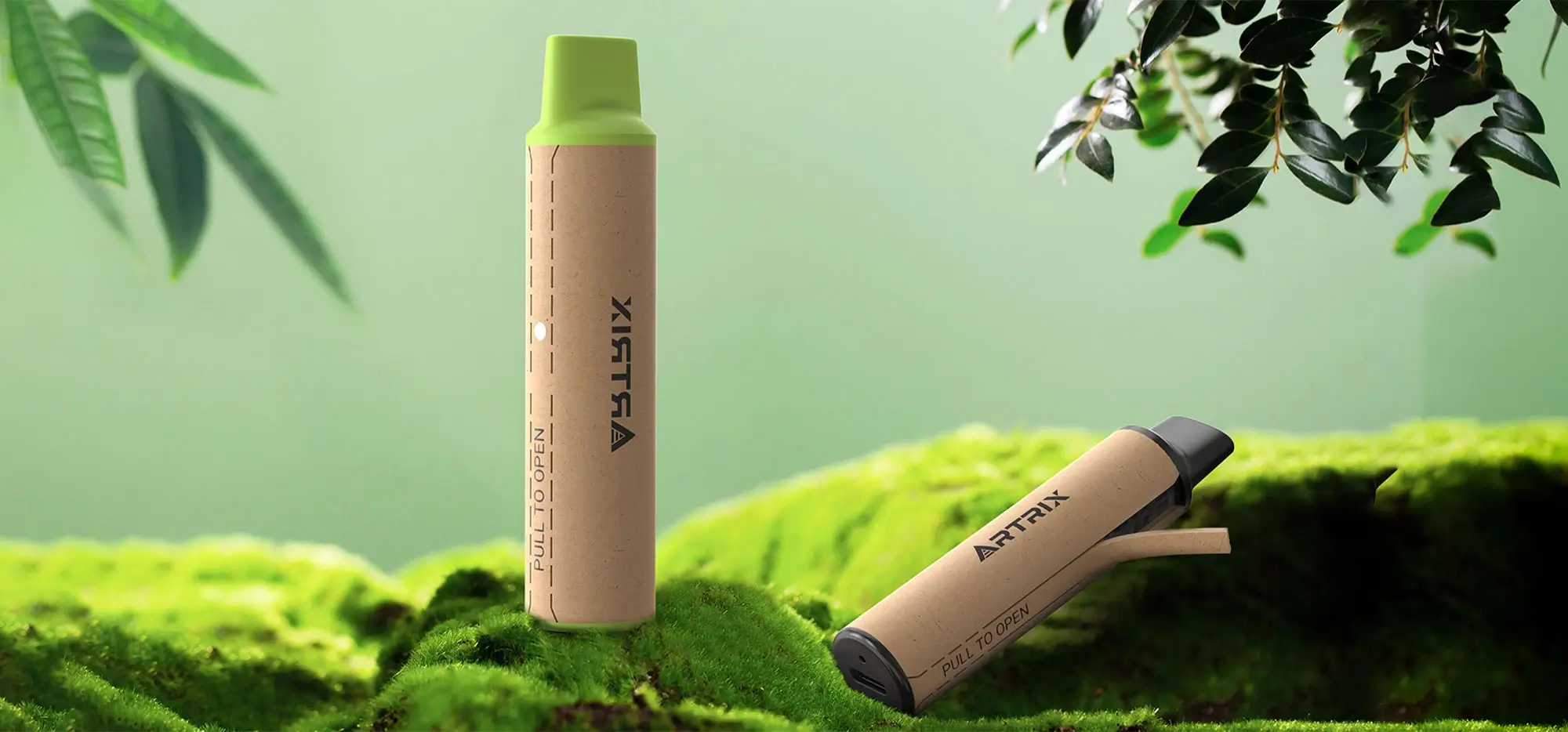
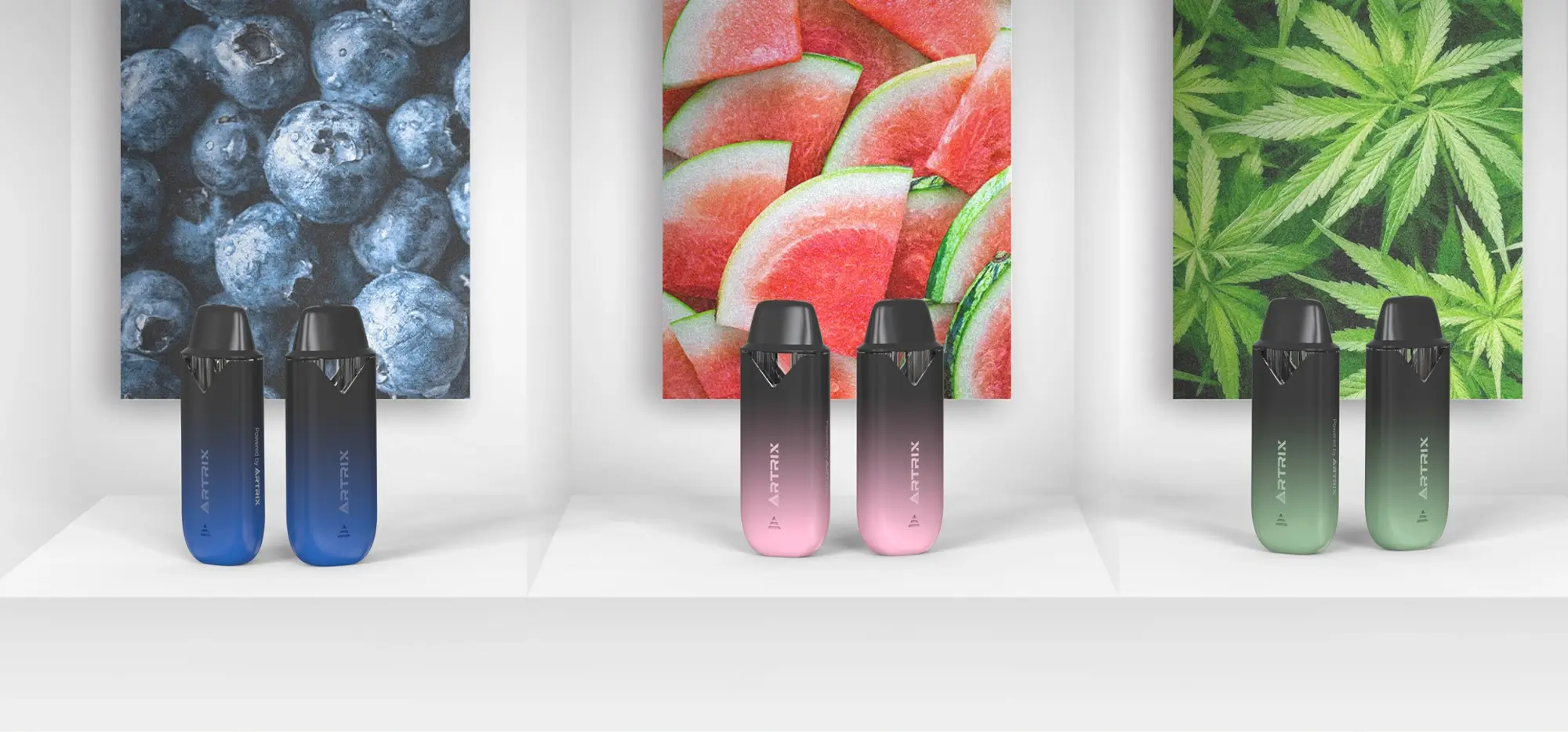
Readers who want a concentrate-enhanced pre-roll experience without forming a rosin core may consider a compatible flavor-booster device. The Artrix Tip is presented by its manufacturer as a 0.15mL, 90mAh device with a flat-mesh ceramic core, 3.7V output, and three use configurations: attached to a pre-roll, attached to a cigarette, or used independently.
The practical distinction is structural. A traditional hash hole places concentrate inside the burning flower. Tip keeps the extract in a separate vaporizing component that can be paired with a compatible pre-roll. For someone who dislikes shaping sticky rosin or troubleshooting a centered core, that design changes the preparation task. It does not make the result identical to a traditional hash hole, and it does not remove the risks associated with smoke, THC, impairment, or vaping.
Artrix states that Tip fits most pre-rolls and cigarettes with a mouthpiece diameter below 8mm and is intended for cannabis oils, while thicker extracts may require different handling. Buyers and brands should verify current compatibility instructions, extract requirements, local rules, and product documentation before use or resale.
The product page also makes comparative claims about flavor, smoothness, concentrate use, and effectiveness. Those statements should be treated as manufacturer claims unless Artrix publishes a test report that identifies the comparison product, concentrate composition, fill mass, aerosol collection method, puff regime, sample size, and measured endpoint. Until then, the responsible value proposition is convenience and a different preparation format—not a guaranteed increase in effect, safety, or efficiency.
For commercial buyers, the useful questions are concrete: Does the tip fit the intended pre-roll diameter? Which extracts are validated for the ceramic core? What filling and storage conditions apply? What quality-control documentation is available? Clear answers reduce compatibility uncertainty and create a stronger purchasing case than unsupported potency language.
For consumers, Tip’s clearest appeal is choice. It can be paired with a compatible pre-roll when smoke-and-vapor layering is desired, or used in its standalone configuration when the traditional hash-hole ritual is not the priority. Its published 9.8g weight and compact dimensions are designed for portability, while the snap-in mouthpiece cover supports a straightforward physical setup. Actual draw feel, flavor, runtime, and extract behavior will still depend on the filled material and use conditions.
For cannabis brands, the product creates a distinct merchandising story: a hash-hole-inspired occasion without asking the customer to roll a concentrate core. That positioning can sit beside premium pre-rolls, live-resin products, special-edition bundles, or sampling programs. The strongest sales message is not “better than every hash hole.” It is “a different, compact way to pair a pre-roll with vaporized extract,” supported by transparent specifications and compatibility guidance.
A responsible product page or retailer listing should present the 0.15mL tank, 90mAh battery, 5W output, core type, dimensions, mouthpiece limit, and supported extract categories before lifestyle claims. This lets shoppers judge fit and lets business buyers plan filling, packaging, education, and inventory around declared attributes. If comparative aerosol, flavor-panel, or consumption testing becomes available, Artrix can add those results with the test method and limitations.
If that use case matches your product line or session preferences, review the current Artrix Tip specifications and request the applicable compatibility, filling, and quality documents before making a purchase or sourcing decision.
Final Verdict
Hash holes exist in the same category as premium whiskey, craft cocktails, or fine dining — experiences where the goal isn’t maximum efficiency but maximum enjoyment. You don’t calculate the cost-per-calorie of a tasting menu; you pay for the experience, the craftsmanship, and the pleasure.
The defensible conclusion is narrower than “hash holes are objectively inefficient.” They use substantial material, take preparation, make individual intake difficult to estimate, and can expose users to both high-THC concentrate and cannabis smoke. Whether that is “worth it” depends on the legal context, product potency, cost, experience level, and how much the user values ritual and sharing.
If you approach hash holes expecting the most intoxication per dollar, you may be disappointed. If you approach them as an occasional luxury that delivers flavor, ritual, social enjoyment, and visual satisfaction, the experience may justify the trade-off for you.
For readers focused on convenience rather than the traditional construction, compare smaller infused formats and compatible devices on documented specifications—not on guaranteed potency or safety claims. Adult-use products should remain an informed, legal, and impairment-aware choice.
Frequently Asked Questions
Are hash holes stronger than regular joints?
They combine flower with concentrate and may therefore contain more total THC than a flower-only joint, but actual potency depends on the labeled potency and amount of each material. Appearance alone cannot establish dose.
Are hash holes more wasteful than dabs?
Users often report more dripping, sidestream smoke, or leftover material, but a universal efficiency ranking requires controlled testing. It is more accurate to say that hash holes use a different delivery format with different loss points.
How quickly can a hash hole take effect?
Inhaled cannabis can begin taking effect within seconds to minutes, while the full effect may take 10 to 30 minutes. Product potency, amount inhaled, experience, and individual biology can change the response.
Is a smaller hash hole more efficient?
It uses less material and can cost less, but that does not prove a higher percentage of THC is delivered. “Smaller” and “more efficient” should not be treated as synonyms.
Is Artrix Tip the same as a hash hole?
No. A traditional hash hole burns a concentrate core inside flower. Artrix Tip is a separate vaporizing tip that the manufacturer says can attach to a compatible pre-roll or operate independently. The formats may target some of the same flavor-oriented occasions, but their construction and delivery mechanisms differ.