
-1.webp)
-1.webp)
-2.webp)

















How Much THC Is in a Preroll? The “True Dosage” Behind the Label and the 2026 Consumer Logic
Last Updated: March 26, 2026
If you are searching for thc in preroll in 2026, the smartest answer is no longer “check the biggest percentage on the package.” The real decision comes down to total THC, gram weight, physical conversion efficiency, and value per effective milligram. The number on the tube is only a theoretical maximum. What the consumer actually experiences depends on decarboxylation, combustion loss, airflow, freshness, and how evenly the cannabinoids are distributed from the first puff to the last.
That is why the mature 2026 buyer thinks like a lab analyst, a production engineer, and a value-conscious consumer at the same time. They want to know whether the label reflects raw THCA or total THC, whether the batch was sampled honestly, whether the roll will canoe and waste expensive THC, and whether a terpene-rich 22% flower pre-roll may actually outperform a dry 30% product in real use.
[2026 Quick Comparison] Pre-Roll Dosage Tier Matrix (Summary Matrix)
| Pre-roll type | Typical THC % | Estimated THC mg per 1g | Primary consumer logic |
|---|---|---|---|
| Budget-tier / trim | 12% to 18% | 120 to 180 mg | Price sensitivity, lighter daytime use, acceptable for casual sessions |
| Top-shelf flower | 22% to 30% | 220 to 300 mg | Quality, flavor, cleaner session, terpene retention |
| Kief-coated | 30% to 40% | 300 to 400 mg | “Is kief-coated worth the premium?” |
| Diamond- or concentrate-infused | 45% to 60%+ | 450 to 600+ mg | “How strong is an infused pre-roll really?” |
A simple rule of thumb still works: every 1% THC equals about 10 mg of THC per gram. So a 1g pre-roll at 25% THC contains roughly 250 mg of labeled THC. But the real question is no longer “how high is that number?” It is “how much of that 250 mg survives the burn, reaches the lungs, and justifies the price?”
1. The Laboratory Perspective: Unveiling the Core Logic of the “Chemical Ledger” Behind the Label Numbers
From a laboratory perspective, the number printed on the label is best understood as a chemical ledger entry, not a promise of delivered dose. It reflects what the batch tested at under controlled conditions, usually as a calculated total THC value, before any real-world losses caused by ignition, sidestream smoke, exhalation, or uneven combustion. In other words, the package tells you the theoretical ceiling, while the session tells you the practical result.
THC-A Decarboxylation Conversion: The 0.877 Physical Divide
Most pre-roll labels are built around the chemistry of THCA, not just active delta-9 THC. THCA is the non-intoxicating acidic precursor that must be decarboxylated by heat to become psychoactive Δ-9-THC. Because carbon dioxide is lost during that conversion, the math is not one-to-one. The standard formula used by regulators and labs is:
Total THC = (THCA × 0.877) + Δ⁹THC
That means a pre-roll advertised as “30% THCA” does not deliver 30% active THC. Before any smoking losses, that is closer to 26.3% THC if little delta-9 THC is already present on the label. This distinction matters even more in 2026 because federal hemp policy has shifted toward a total-THC framework that explicitly includes THCA, making consumers much more alert to whether a package shows raw precursor content or true active potency.
The next layer of loss happens instantly at use. Reviews of inhaled THC pharmacokinetics report wide variability in bioavailability, and a substantial share of THC is lost through sidestream smoke, incomplete inhalation, and exhalation. In practical consumer language, that means roughly 30% to 50% of potential THC may be lost or degraded before it meaningfully contributes to the user’s experience. The label is chemistry; the inhale is physics.
Testing Errors and the “Lab Shopping” Trap
Another 2026 search concern is whether the lab number is trustworthy in the first place. A growing body of evidence suggests that potency inflation is not just internet rumor. An independent studies found that observed THC potency in retail flower was often materially lower than the labeled value, while published analyses of state testing data have raised concerns about inter-laboratory variation and incentives to report higher numbers because THC potency strongly influences price.
The strongest evidence points to a broader problem of representative sampling rather than any single gimmick. If a lab sample is not truly representative of the batch, the COA can overstate what the buyer actually gets. California’s Department of Cannabis Control now requires representative sampling from across the batch and standardized cannabinoid testing procedures for dried flower and non-infused pre-rolls, including homogenization of collected sample increments before analysis. New York’s sampling guidance similarly emphasizes pooled, homogenized composite samples and replicate testing for potency reporting.
Industry criticism sometimes goes further, alleging cherry-picked samples or surface-enhanced test material. Whether or not those specific practices are present in any individual case, the safer and better-supported conclusion is this: sampling homogeneity matters. Small differences in where the sample is pulled from, how the flower is homogenized, and how infused material is distributed can materially shift the final reading. That is why 2026 buyers increasingly treat high THC claims as a starting point for verification, not a reason to suspend skepticism.
2. Physical Consistency Ensures Milligram-Level Precision in Every Puff
Once the product leaves the lab, manufacturing quality becomes the real gatekeeper of dose consistency. A pre-roll is not just a paper tube holding flower. It is a combustion system. If the grind is uneven, the concentrate is poorly distributed, or the airflow path is unstable, the cannabinoids do not release in a uniform, consumer-friendly way. In 2026, good manufacturing is increasingly judged by how well it protects milligram-level repeatability across the whole session.
Infusion Homogeneity: Solving the “Hot Spot” Problem in Infused Pre-Rolls
This issue becomes more serious in high-value infused pre-rolls. When concentrates such as oil, rosin, wax, or diamonds are added to flower, the central challenge is no longer just potency. It is distribution uniformity. If the concentrate forms isolated “hot spots,” the user may get one harsh, overloaded section followed by several weaker puffs. That weakens both the experience and the product’s value proposition.
From a process-engineering standpoint, heavy outer coating can create an obvious visual potency cue, but it can also increase the risk of uneven exterior burn and concentrate waste. A more controlled center-infused structure can, in principle, support steadier release along the combustion path, especially when paired with a balanced grind and proper packing density. In practical terms, this is about preventing the tunneling effect, where valuable concentrate burns away in a localized path instead of being converted into a usable inhalation stream.
An important 2026 nuance is that even some regulated systems do not require formal homogeneity testing for flower products in the same way they do for certain other infused formats. That means brands still need strong internal process control if they want infused pre-rolls to perform consistently from batch to batch.
The Impact of Airflow Dynamics on Bioavailability: Pressure Drop, Porosity, and Draw Resistance
The physical structure of a pre-roll directly shapes the consumer’s effective intake. If the pack is too tight, draw resistance rises. If it is too loose, the cherry may race and burn hot. Either way, the user loses control. In smoking science more broadly, ventilation and draw resistance are known to influence airflow, puff behavior, and combustion conditions, which is why they matter so much in pre-roll performance as well.
For cannabis, the commercial consequence is straightforward. Over-tight packing tends to elevate localized heat and reduce smooth airflow, which can accelerate terpene loss and increase the waste of THC in sidestream smoke. Better airflow design helps maintain a more stable burn front and a more consistent aerosol path. That is one reason hardware-adjacent tools and well-engineered form factors matter in 2026: not because they magically create THC, but because they reduce the amount that gets wasted through poor physical delivery.
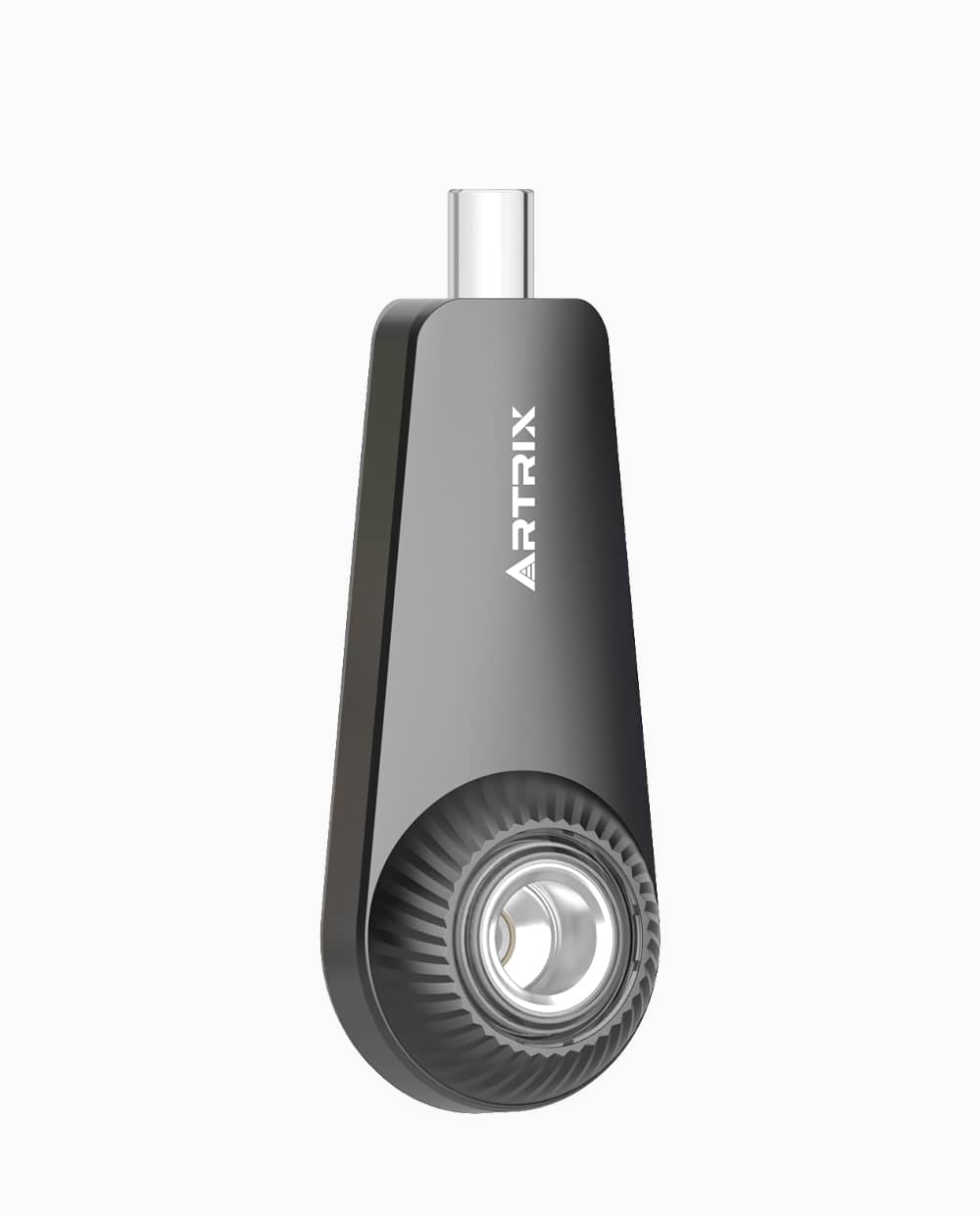
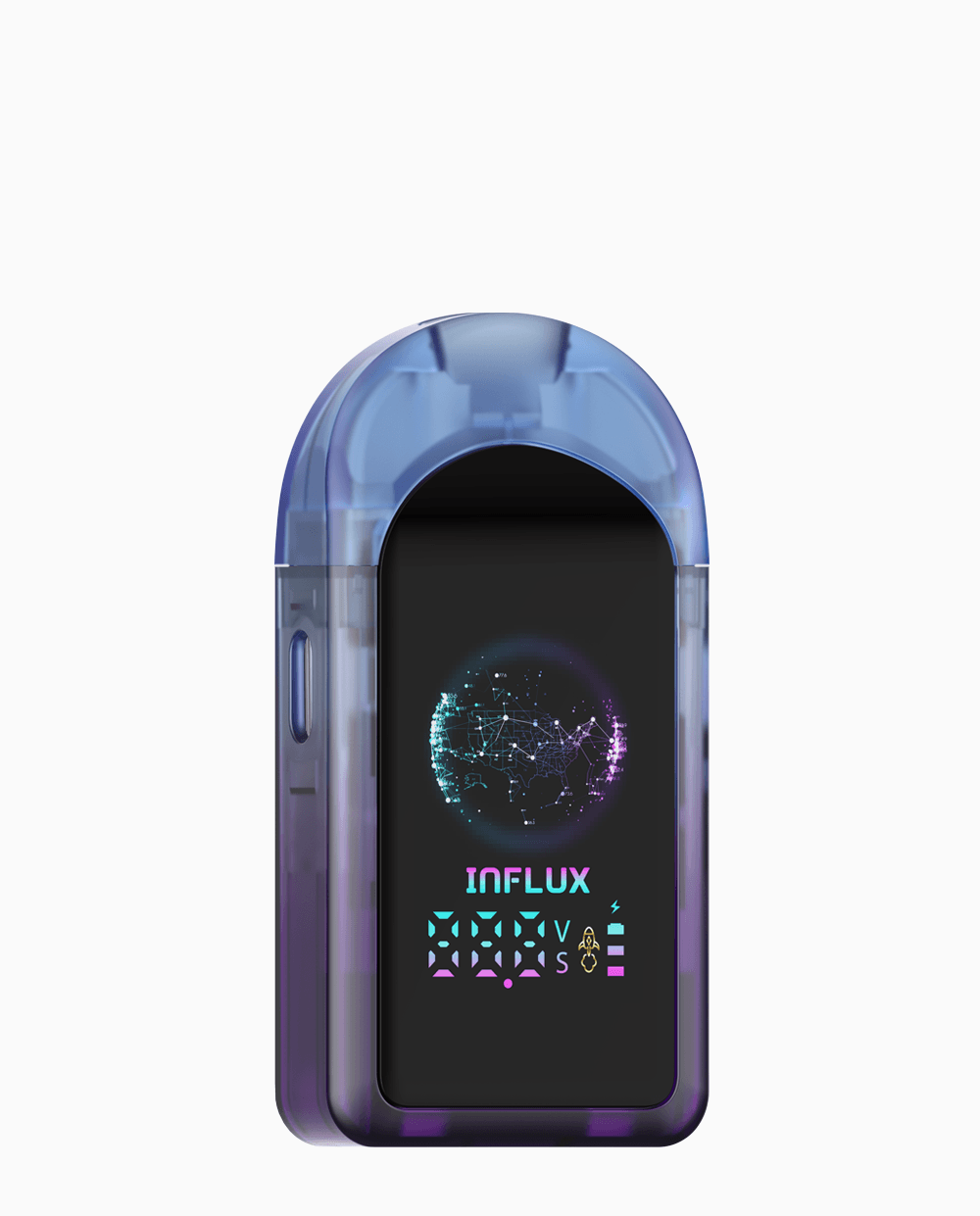
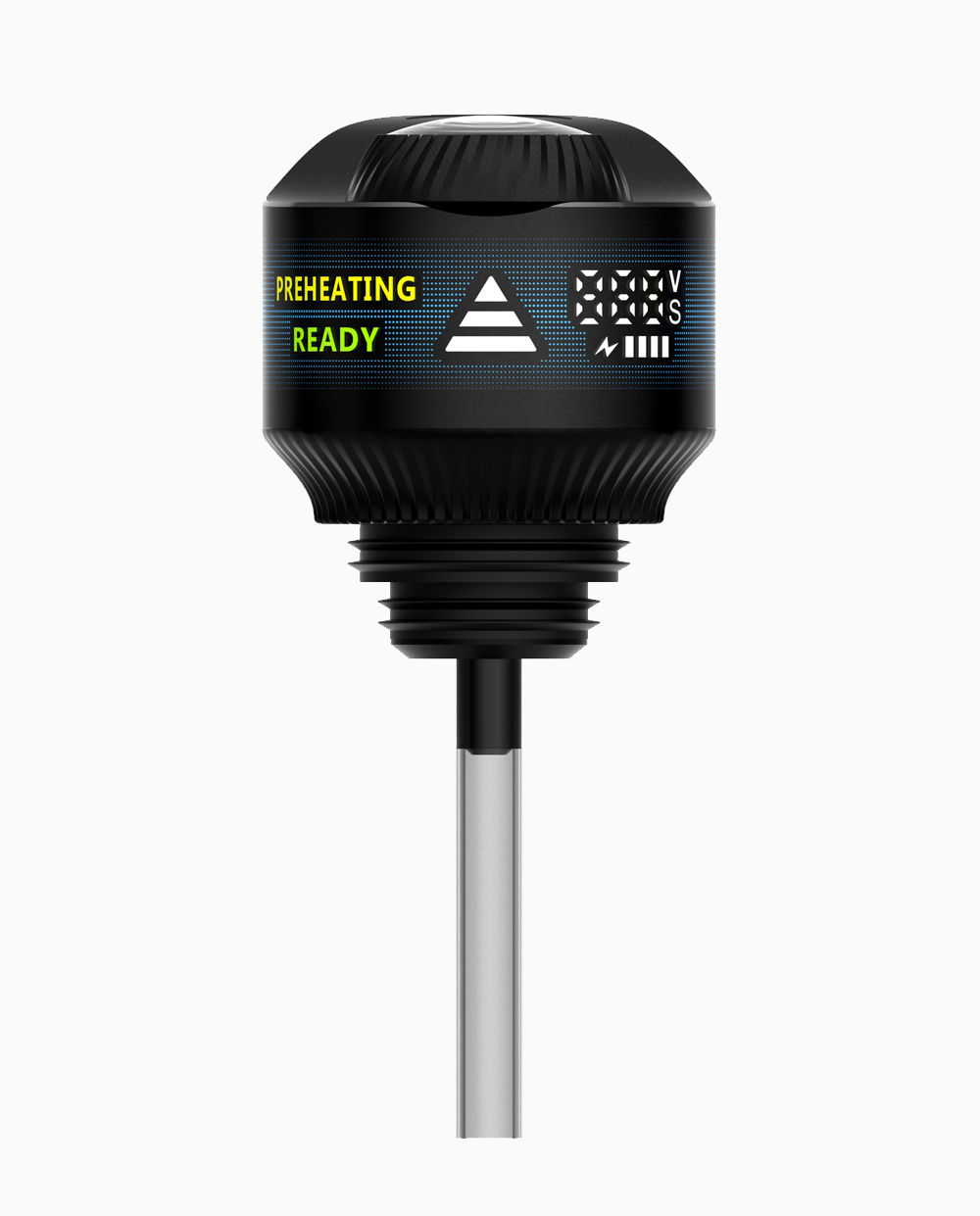
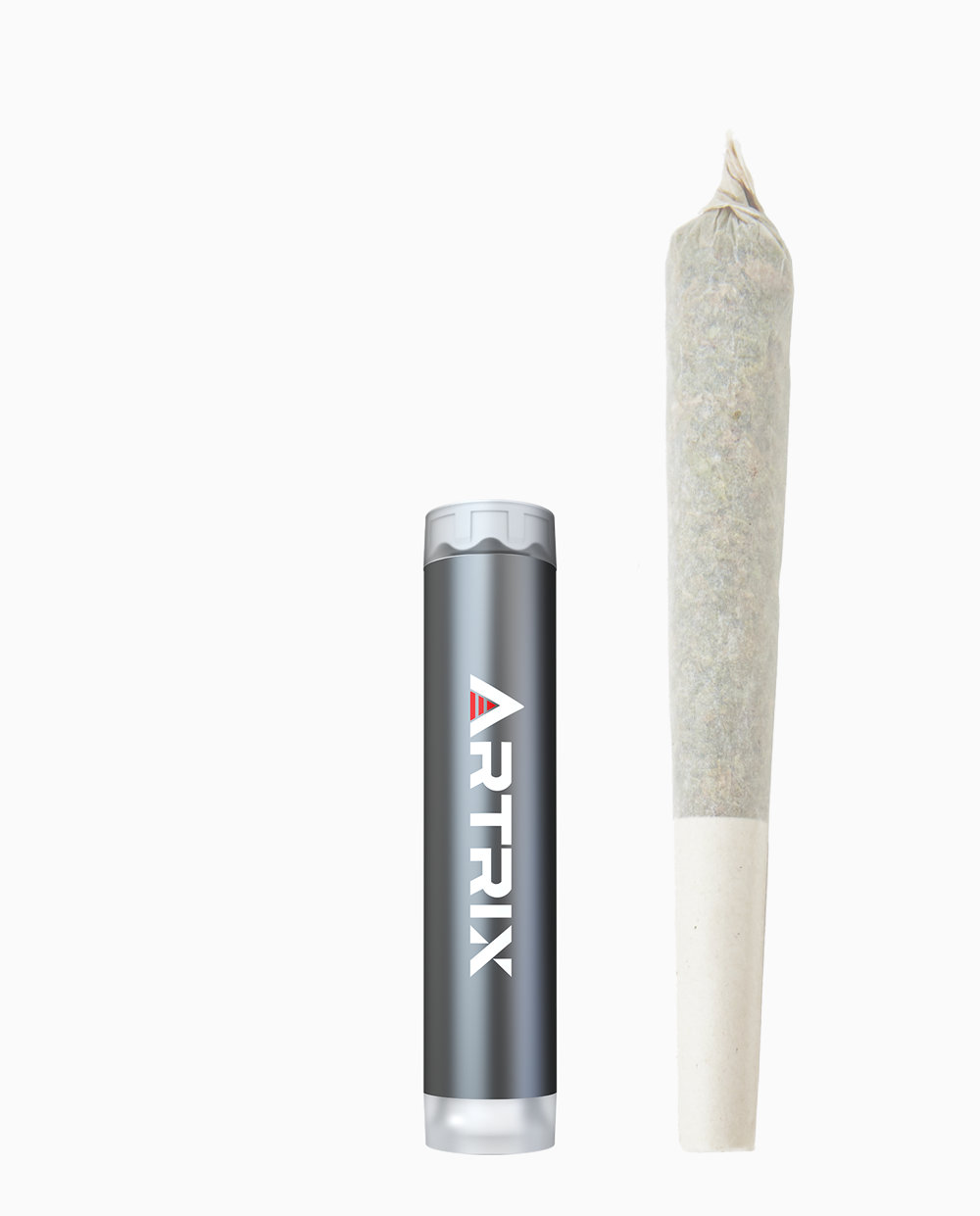
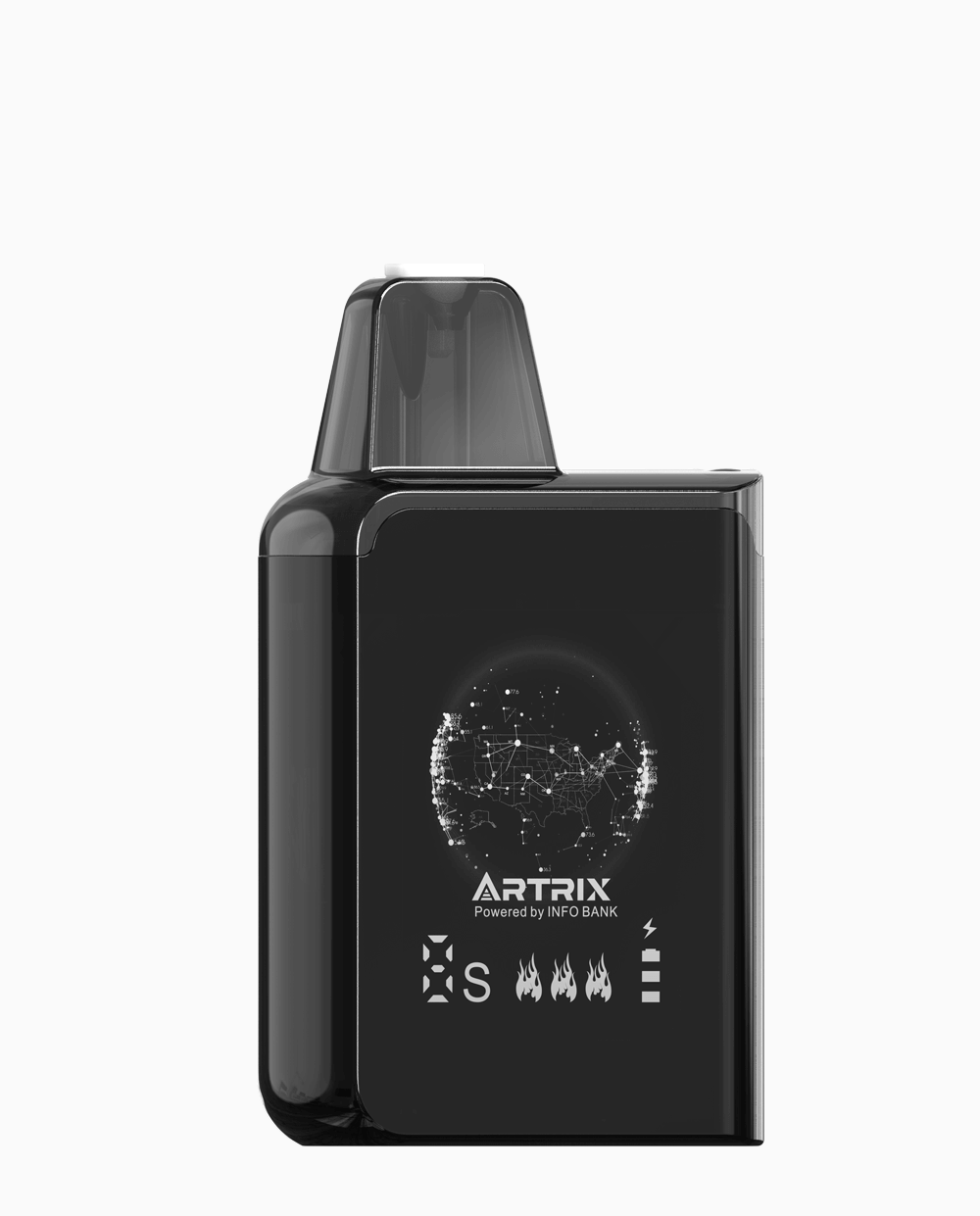
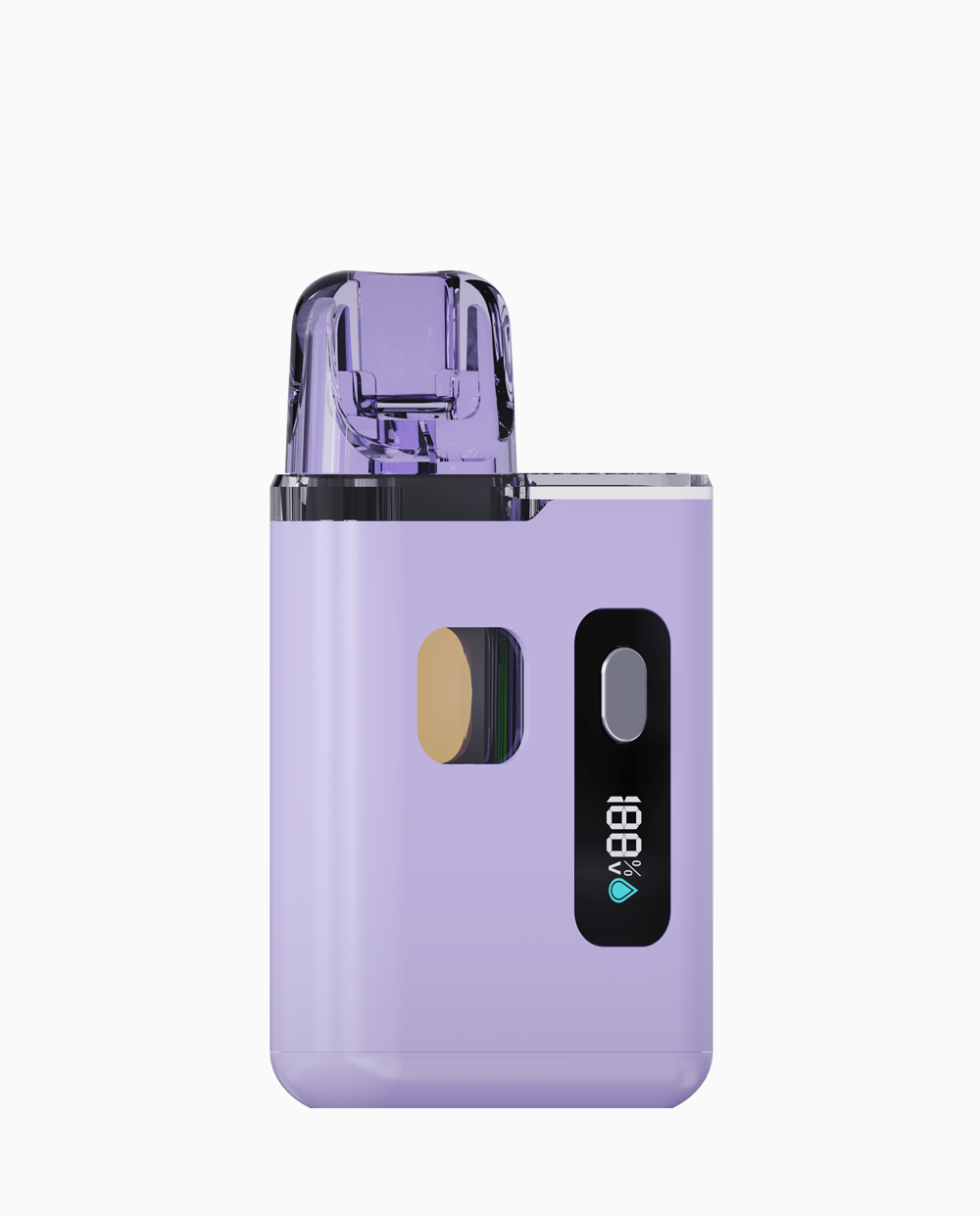
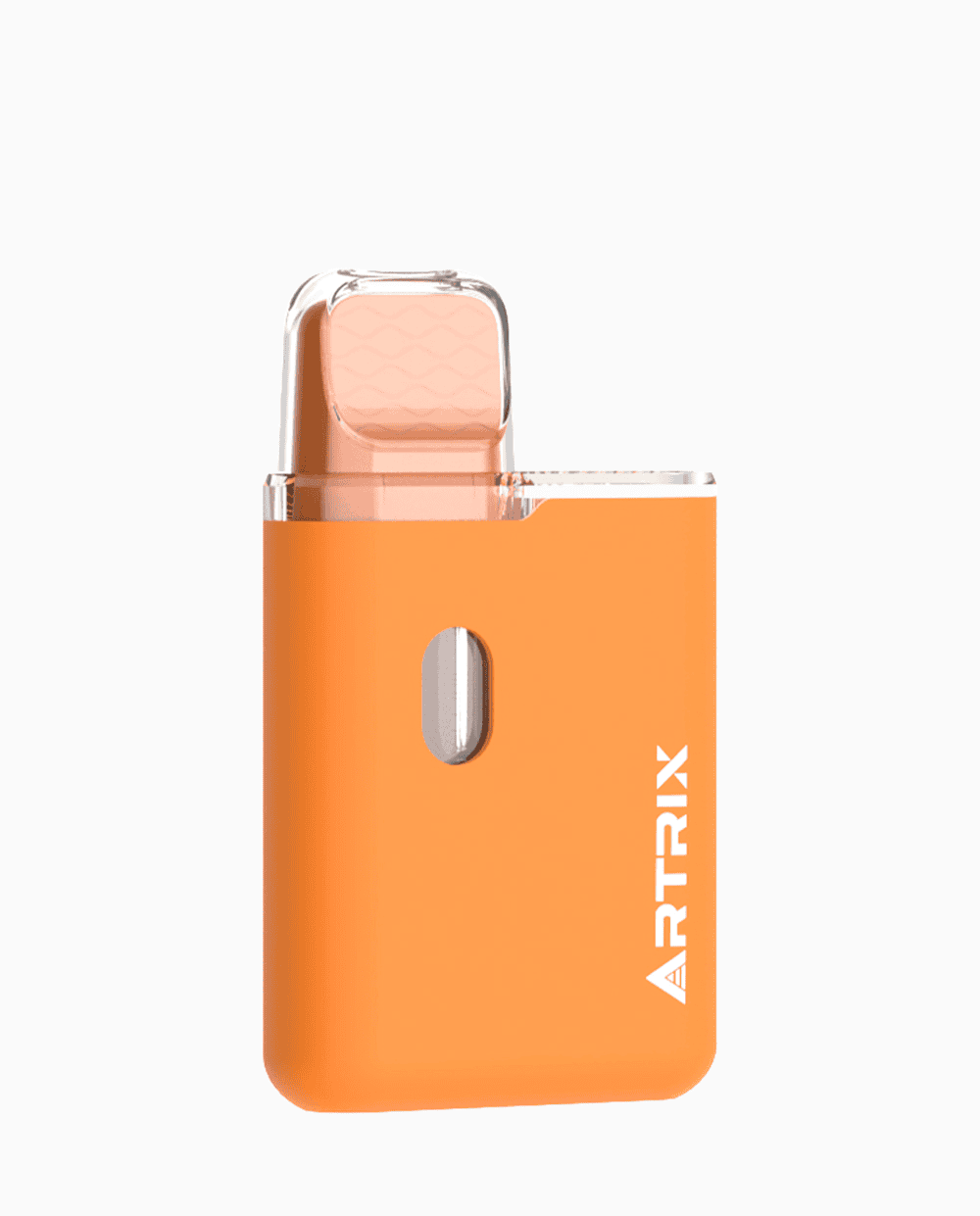
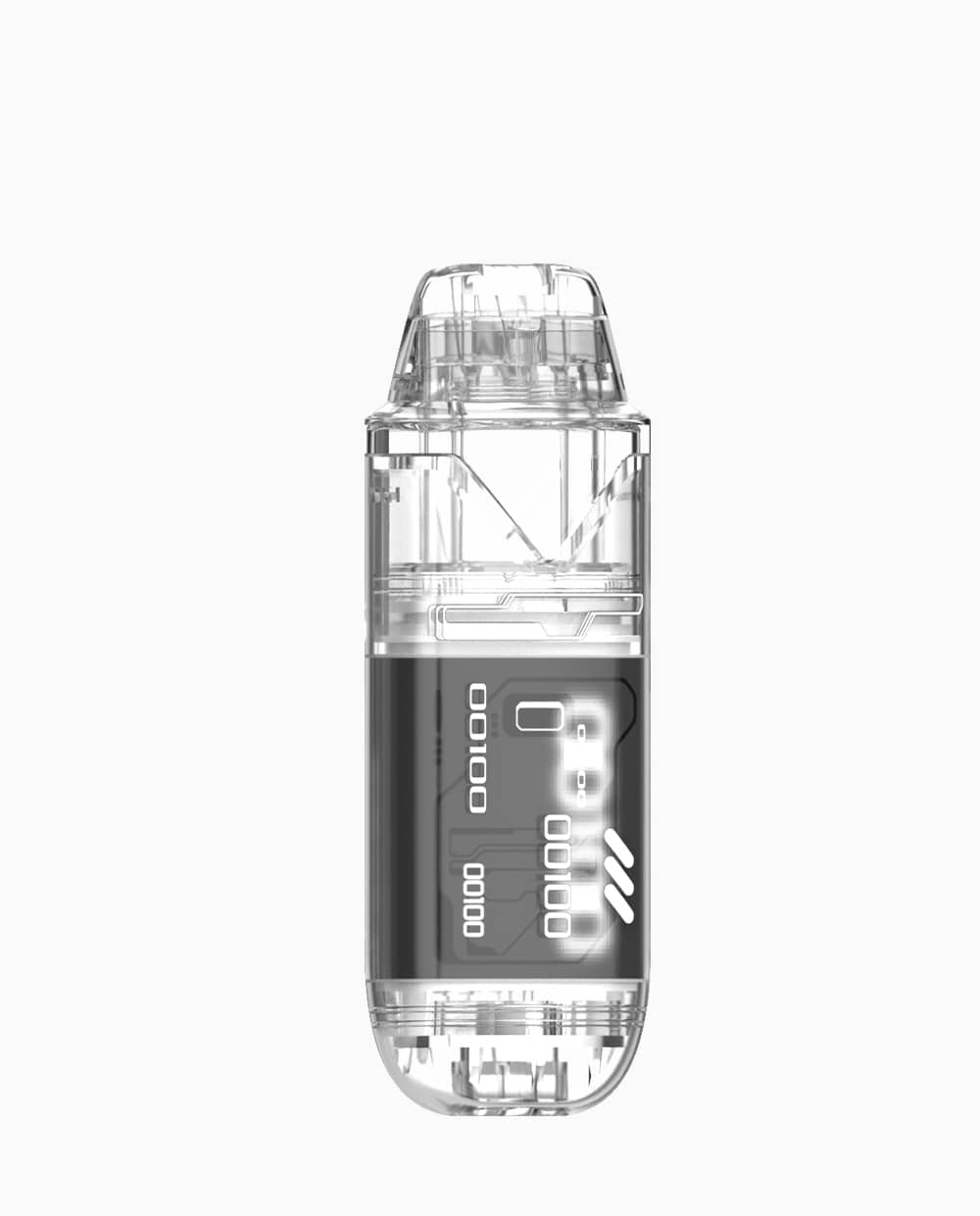
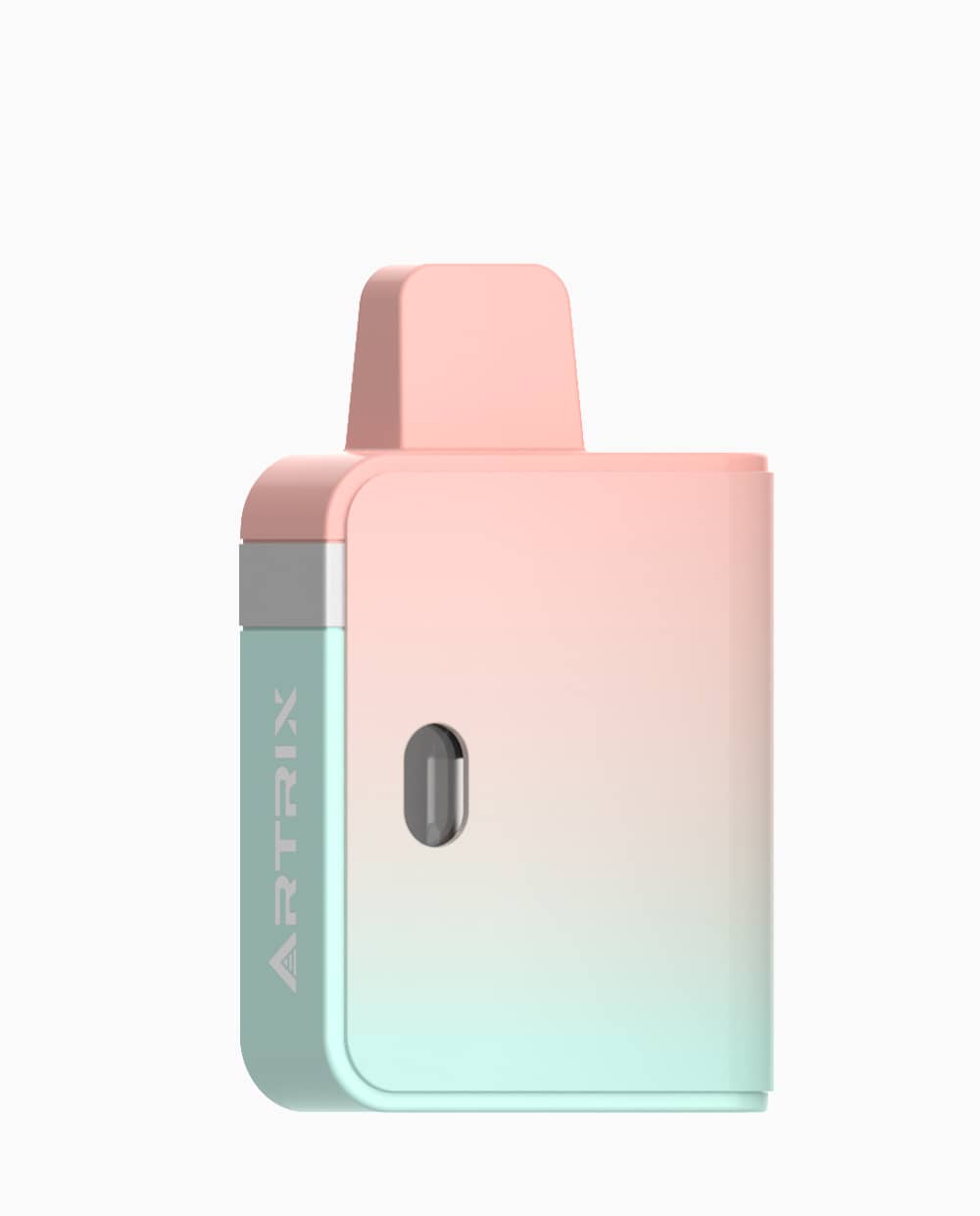
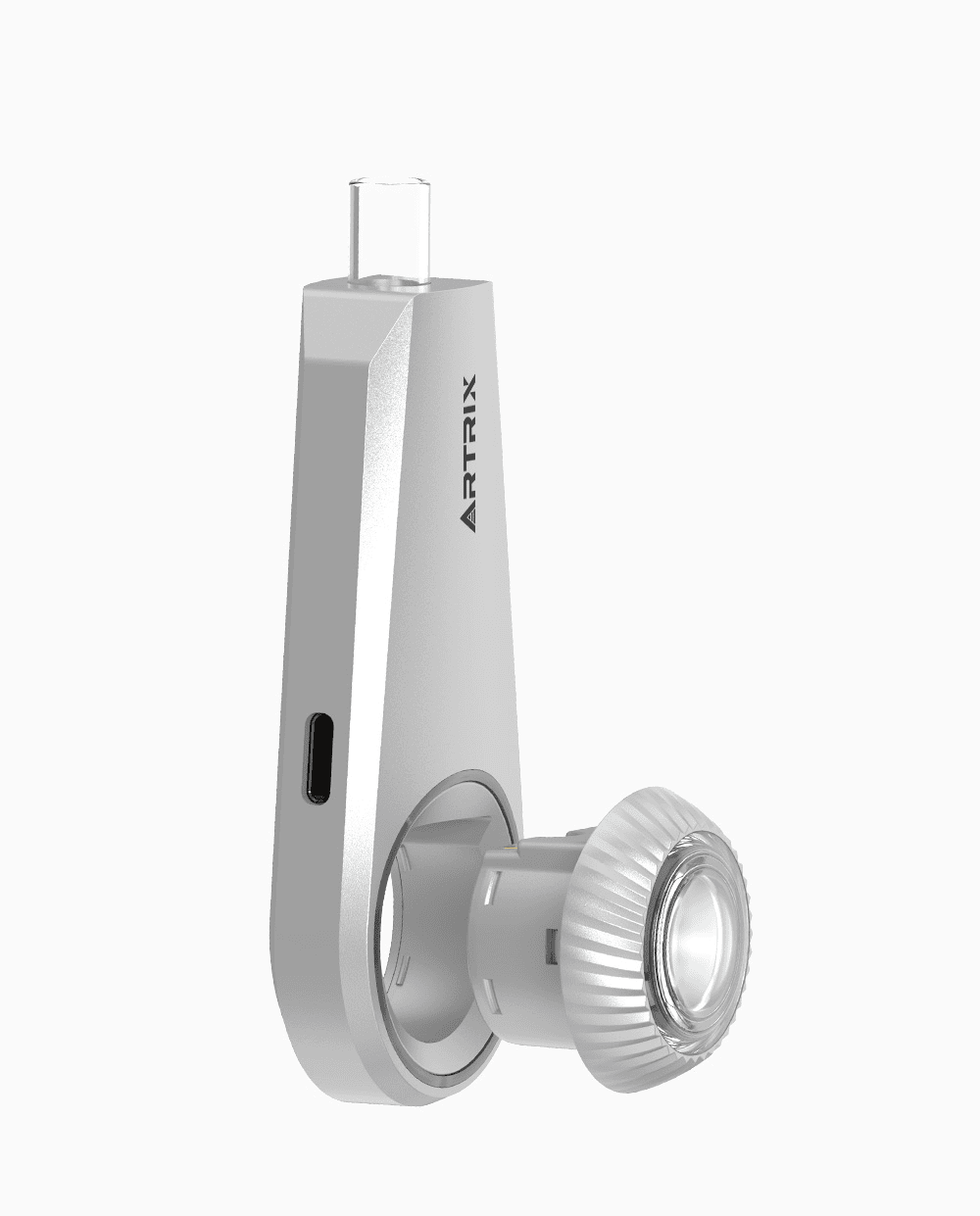
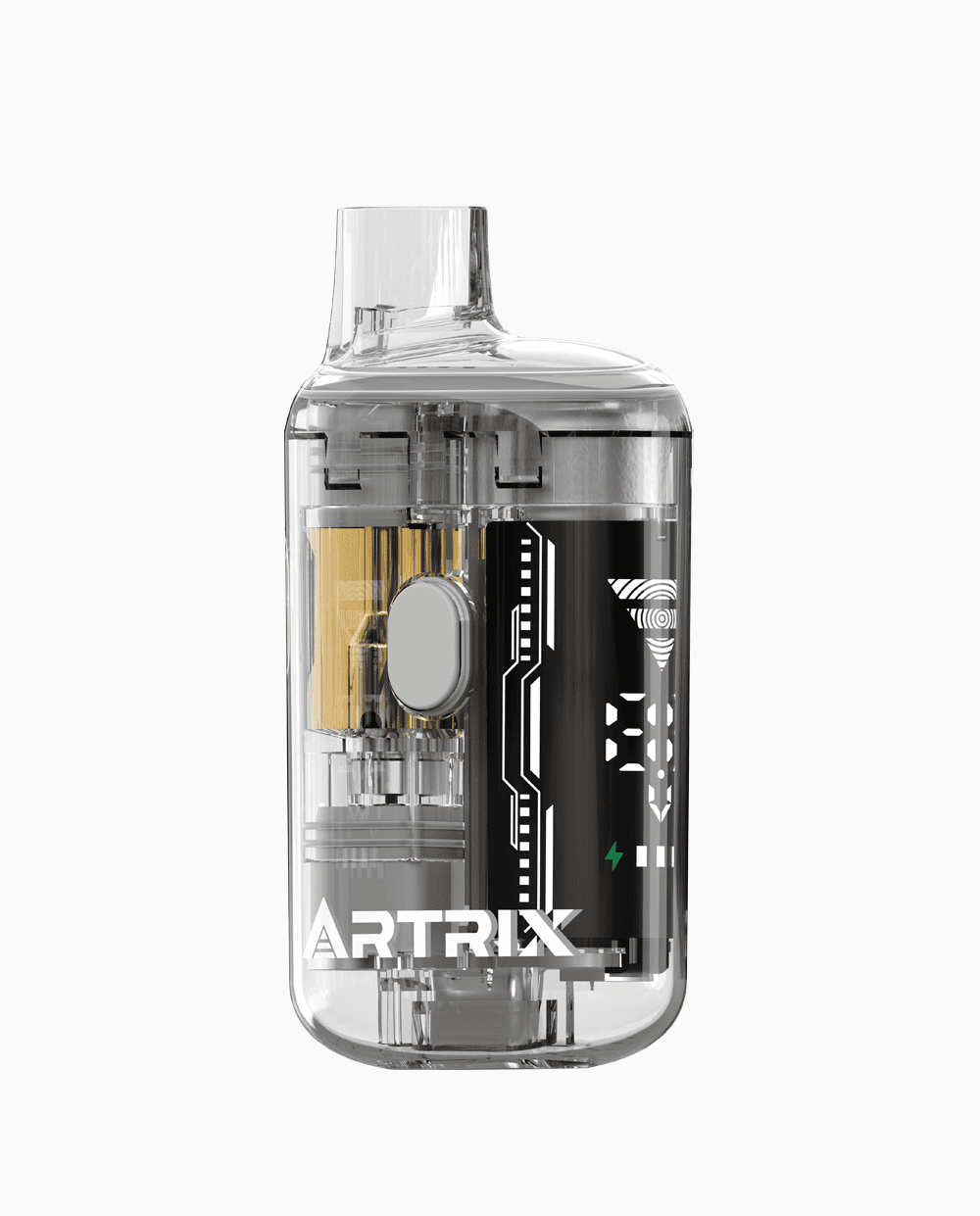
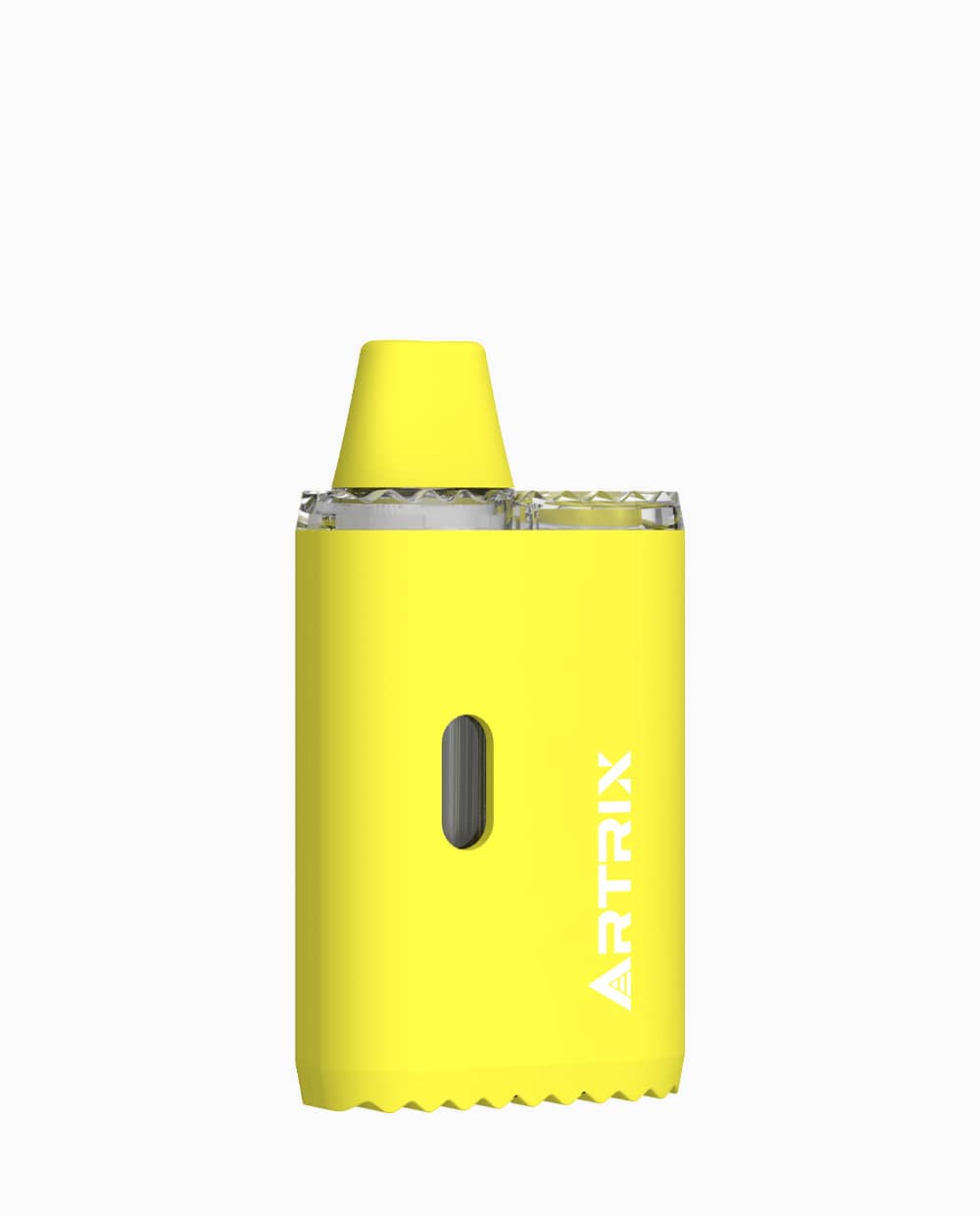
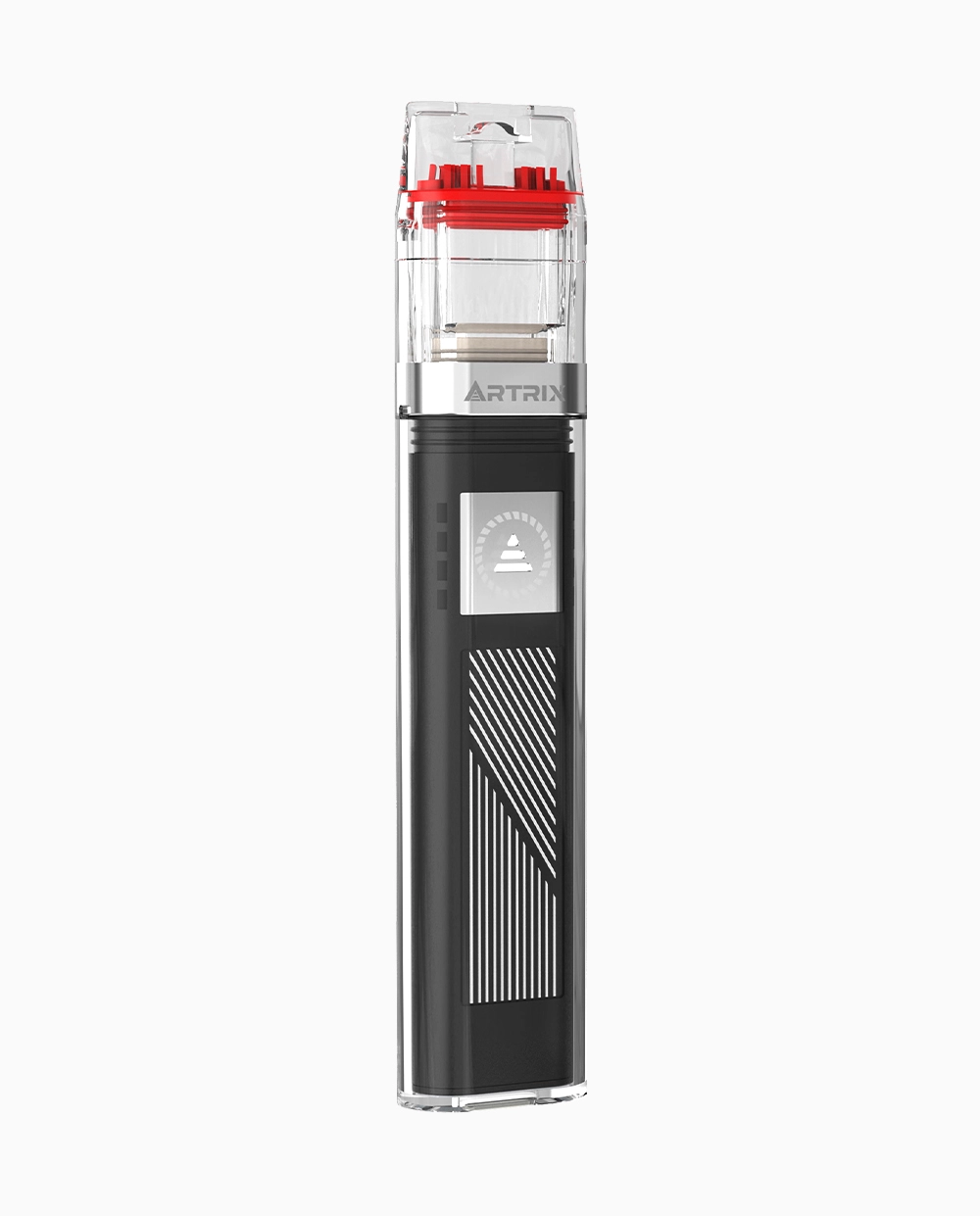
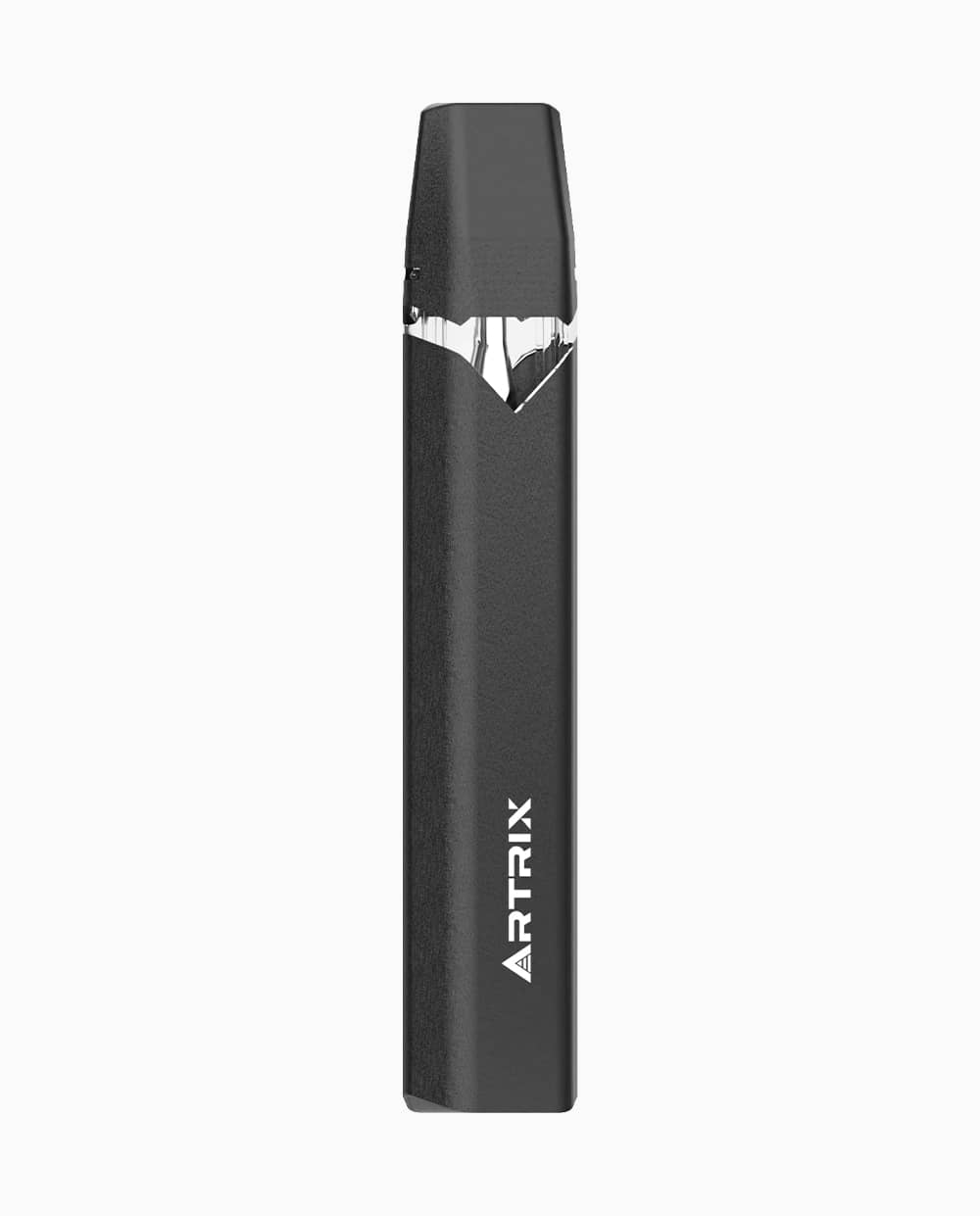
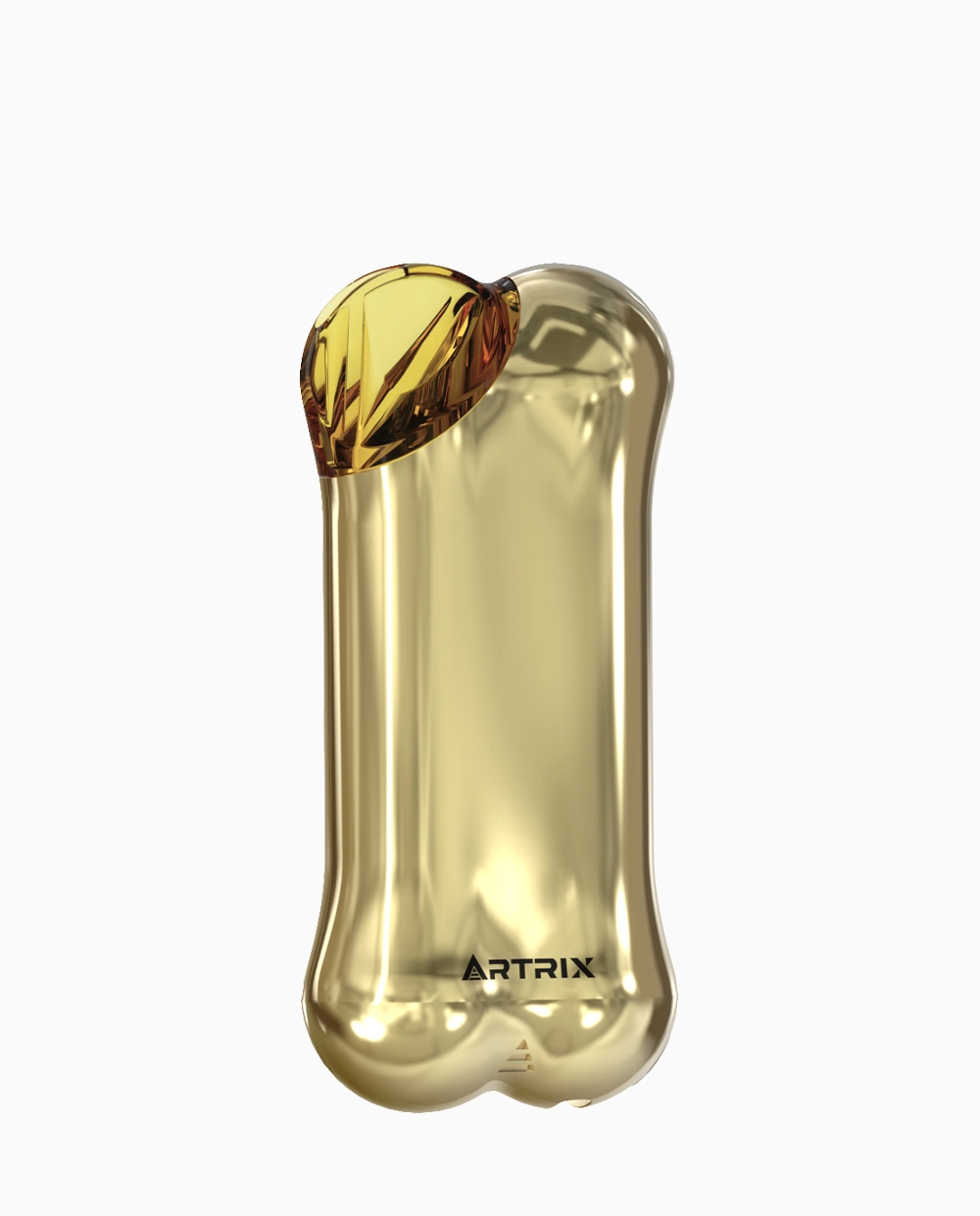
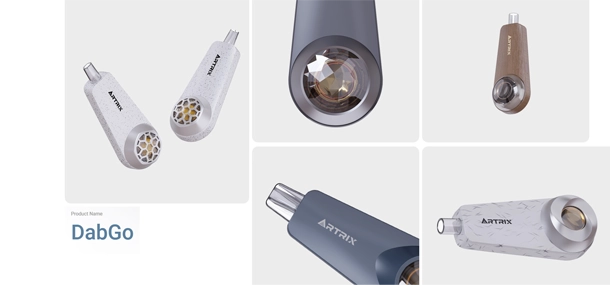
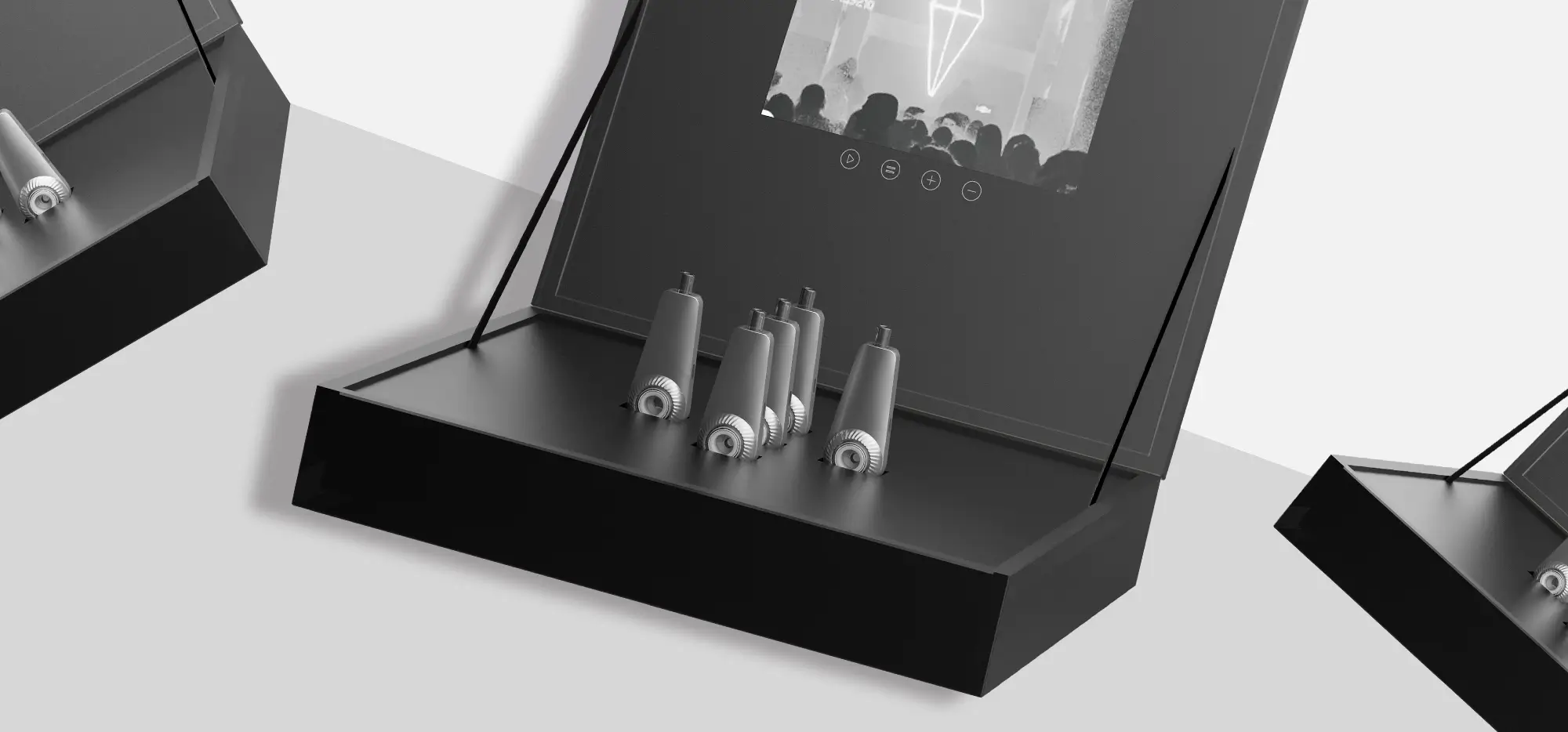
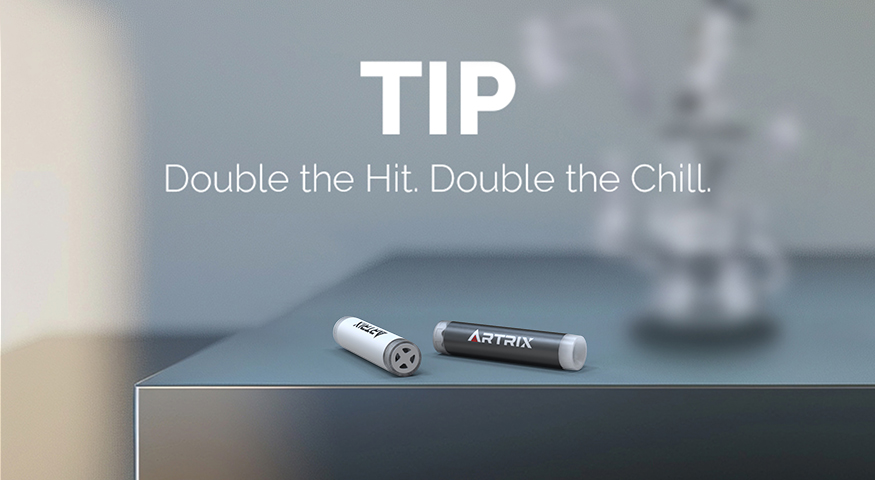
This is the most credible way to frame a solution like Artrix TIP. It works best as a dose precision system tied to airflow stability, session control, and reduced waste, not as an unsupported universal potency multiplier. For advanced users, that is a more mature and more valuable promise.
3. The Consumer Value Perspective: Moving Beyond the “Cult of Percentages”
At the consumer level, the most important 2026 shift is this: a high percentage does not automatically mean high value. Potency is only one layer of the product. Freshness, terpene retention, combustion behavior, and session repeatability often matter just as much. A dried-out 30% pre-roll can deliver a worse real-world experience than a fresh, terpene-rich 18% to 22% product that burns cleanly and feels more balanced.
Degradation Kinetics: The Cost of THC Converting to CBN
Potency erosion continues after packaging. Over time, Δ⁹-THC gradually degrades and oxidizes into CBN, especially when cannabis is exposed to light, oxygen, and heat. CBN is not simply “extra THC in a different form.” It is a degradation product with a different pharmacological profile and much lower psychoactive strength than THC. In storage studies, THC declines while CBN rises, with poor storage conditions accelerating that transformation.
This means old inventory can silently break the promise of the front label. The buyer thinks they are purchasing a lively, THC-forward pre-roll, but what they may actually get is a flatter, more sedating, less expressive session. For B2B operators, this is why high-barrier packaging, airtight storage logic, and where operationally justified, oxygen-reduction steps such as nitrogen flushing, matter so much. Good packaging does not just preserve appearance. It protects the truthfulness of the potency claim.
Terpene Synergy: Why 18% Often Outperforms 30%
The other reason percentage-chasing is overrated is terpene retention. THC may be the engine, but terpenes influence aroma, flavor, perceived complexity, and the overall character of the session. Consumers often describe this through the language of the entourage effect. The scientific literature on that effect remains mixed, but it is still reasonable to say that terpene-rich flower often produces a more distinctive and satisfying experience than dried-out high-THC flower with poor aromatic retention.
Some marketing language goes further and claims that terpenes such as myrcene directly increase blood-brain barrier permeability and therefore intensify THC in a simple mechanical way. That is a much stronger claim than current consumer-relevant human evidence clearly supports. The safer and more accurate 2026 takeaway is that terpene-rich products may shape onset perception, flavor fidelity, and the subjective profile of the session, even when the THC number is lower. For many buyers, that translates into a better cost-benefit ratio than simply buying the highest percentage in the store.
Practical Math: How to Calculate the “True Milligrams” You Actually Inhale
If you want to compare pre-rolls like a 2026 power user, use this simple sequence:
-
- Find the net weight in grams.
-
- Find the total THC %. If the label only lists THCA and delta-9 THC, convert first.
-
- Calculate stated THC milligrams: Total THC (mg) = Weight (g) * 1,000 * THC%.
-
- Apply a practical combustion-loss factor. Many buyers use 0.5 as a quick real-world estimate.
-
- If you want a value comparison, divide the price by the estimated effective milligrams.
Example: a 0.5g infused pre-roll at 46% total THC contains 230 mg of stated THC. Applying a rough 50% combustion-loss factor leaves about 115 mg of practical session THC. If it costs $14, that equals about $0.12 per effective mg. A 1g flower pre-roll at 25% THC priced at $10 yields about 125 mg after the same loss factor, or roughly $0.08 per effective mg. The infused product may feel more intense, but the flower product may actually be the better value.
Consumer Guide: Which Option Suits Your Tolerance Level?
| Tolerance tier | Useful target | Best starting format | 2026 buying logic |
|---|---|---|---|
| Beginners | 1 to 5 mg effective intake | 0.25g to 0.35g mini flower pre-roll | Better control, lower risk of overshooting, ideal for shorter sessions |
| Intermediate | 5 to 15 mg effective intake | 0.35g to 0.5g standard flower | Best balance of flavor, value, and manageable strength |
| Veterans | 15 mg+ | 0.5g to 1g strong flower or carefully selected infused options | Best for users who already know their ceiling and session goals |
The microdosing trend fits this framework perfectly. A 0.35g “dogwalker” at around 20% to 26% total THC usually lands in the 70 to 90 mg labeled range, making it an attractive format for a 15-minute break without the commitment of a 1g session. That is why the one-gram-or-bust mindset is fading. Modern consumers increasingly prefer single-dose precision, freshness, and control over oversized novelty formats.
For users who want to go beyond blind consumption, the most persuasive hardware story is precision. Artrix Flavor & Potency Booster for Pre-Rolls fits naturally here as a system for better airflow consistency, reduced waste, and more repeatable sessions. In a category where a large share of THC can disappear before it is ever inhaled, that kind of control is no longer a luxury feature. It is part of the value equation.
Conclusion: Be a Smarter Pre-Roll Buyer in 2026
The label is not the whole truth. It is the start of the calculation. In 2026, the most informed pre-roll buyer reads potency through three lenses at once: laboratory chemistry, manufacturing consistency, and real consumer value. That means converting THCA correctly, questioning inflated COAs, paying attention to airflow and infusion homogeneity, respecting freshness, and understanding that terpene retention may matter more than a flashy THC percentage.
The smartest buying rule is simple: focus on total THC, estimate the effective milligrams you are likely to receive, choose a format that matches your tolerance, and use hardware that helps you preserve the potency you paid for. If you want to move toward true precision consumption, exploring an Artrix TIP sample unit is a practical next step for building more controlled, more efficient, and more valuable pre-roll sessions.