
-1.webp)
-1.webp)
-2.webp)











THC vs CBD: Understanding the Key Differences
Which cannabinoid is linked to getting high, and which is more often positioned for non-intoxicating wellness support? In 2026, that distinction still matters, THC is the main psychoactive driver behind the cannabis high, while CBD does not produce that same intoxicating effect and is more often used in formulations designed for balance, calm, or reduced intensity.
For consumers, that means choosing an experience. For brands, it means designing ratios, compliance language, and hardware around how those cannabinoids actually behave. The future of this category is not a choice between “getting high” and “getting healthy.” It is a choice between intoxication, modulation, and precision control.
The Executive Summary: Ratios at a Glance
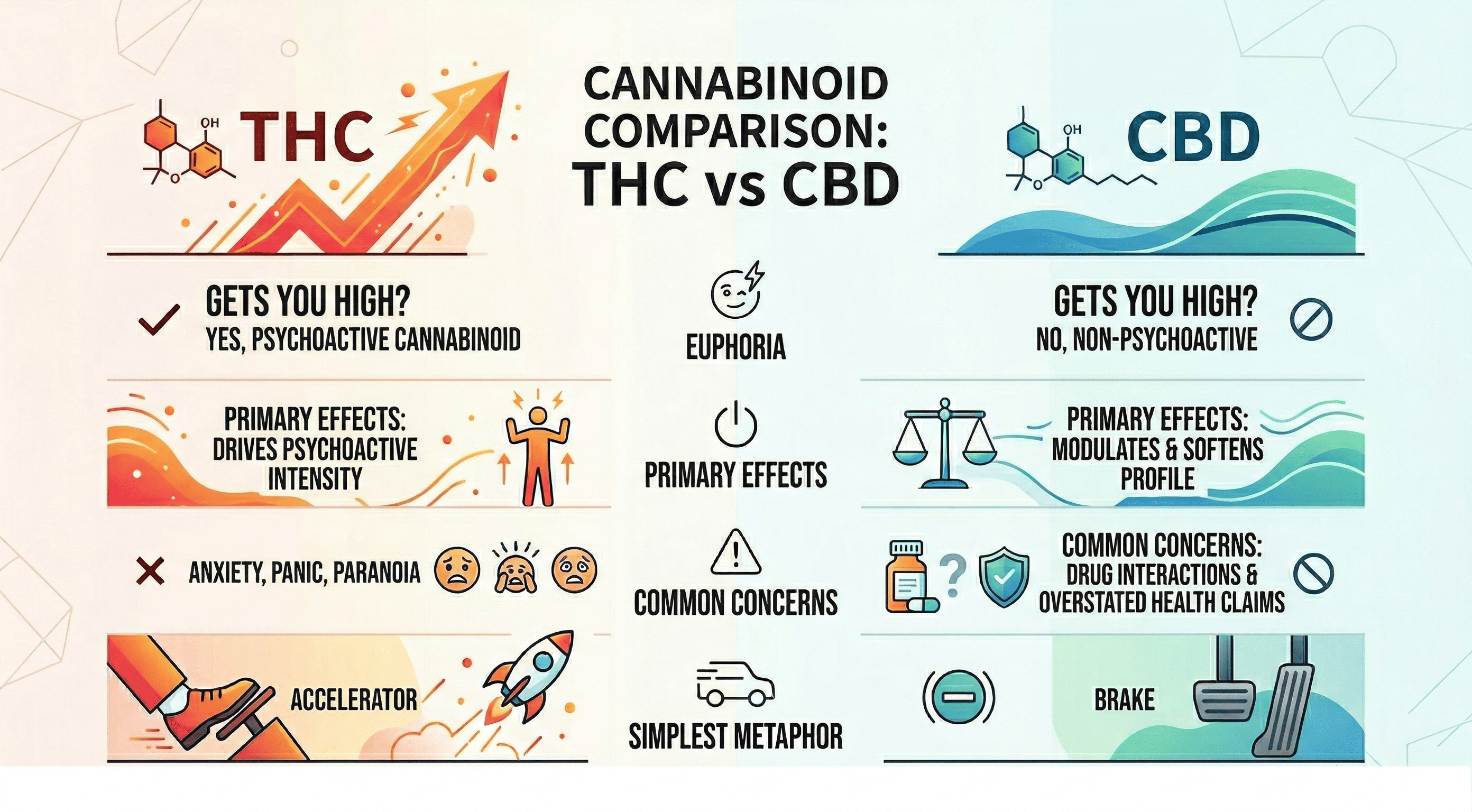
Here is the fastest way to understand the difference. THC is the cannabinoid most associated with getting high. CBD is the cannabinoid most associated with reducing intensity or supporting a more controlled, non-intoxicating product profile. THC is the impairing, mind-altering cannabinoid most responsible for euphoria and intoxication, while CBD is not impairing and does not itself produce a classic THC-style high.
At the receptor level, THC behaves like the accelerator. CBD is better understood as a brake or buffer because evidence suggests it acts as a negative allosteric modulator of the CB1 receptor, meaning it can change how strongly THC-linked signaling is expressed rather than simply competing for the exact same binding site.
| Question | THC | CBD |
|---|---|---|
| Does it get you high? | Yes, this is the primary intoxicating cannabinoid | No, not in the classic THC sense |
| Main role in a formula | Drives psychoactive intensity | Modulates and softens the profile |
| Most common concern | Anxiety, panic, paranoia, impairment | Drug interactions and overstated health claims |
| Best simple metaphor | Accelerator | Brake |
The Endocannabinoid Science: “Lock and Key” Meets Molecular Modulation
THC fits the classic lock-and-key story better than CBD does. It activates CB1-linked signaling strongly enough to alter mood, time perception, sensory processing, and motor performance, which is why it is the cannabinoid most associated with impairment and the cannabis high. CBD follows a different path. Instead of behaving like a strong intoxicating key, it can reshape receptor behavior through negative allosteric modulation at CB1.
That is the science behind why balanced ratios often feel less sharp than THC-heavy products. A useful product-design concept here is anxiety threshold management. Every user has a point at which a pleasant psychoactive lift turns into racing thoughts, panic, or mental fog. THC can push a user toward that threshold; CBD may, in some contexts, help widen the margin before the experience feels unpleasant. But the evidence is mixed enough that brands should not promise CBD will always “cancel out” THC anxiety. A more accurate claim is that CBD may moderate some THC-related effects in some users, depending on dose, formulation, and individual sensitivity.
Physiological Safety Audit: The Overlooked Drug Interactions
The biggest CBD safety issue in 2026 is not intoxication. It is metabolism. The FDA continues to warn that CBD may affect the way other drugs work in the body, and newer reviews still describe meaningful interaction potential through CYP450 pathways such as CYP2C19 and CYP3A4.
That matters most for users taking prescription drugs where blood levels matter. Broader caution is also reasonable for some antidepressants, anti-anxiety medications, antiseizure drugs, and other therapies metabolized by overlapping enzyme systems. The responsible message is straightforward: if a consumer is taking prescription medication, especially an antidepressant or an anticoagulant, they should speak with a pharmacist or clinician before using high-dose CBD regularly.
Scenario-Based Modeling: Matching Ratios to Your Life
These ratio models are best treated as consumer-use heuristics, not medical prescriptions. They are useful because they translate the science of THC and CBD into experience design.
-
- CBD:THC = 20:1, “Cognitive Shield.” This is the closest thing to a low-intensity, clarity-first ratio. It is best suited to users who want the widest buffer against obvious intoxication. A randomized trial on a 20:1 CBD:THC product still reported drowsiness and select neurocognitive changes, which is an important reminder that “CBD-dominant” does not mean “zero effect.” Manning et al., 2024
-
- Best use case: high-stress schedules, travel days, work-adjacent routines, or users who want less risk of a THC spike.
-
- CBD:THC = 1:1, “The Synergistic Bridge.” This is the classic middle-ground ratio for consumers who want to feel something but not get steamrolled by potency. Balanced cannabinoid products are often chosen for evening wind-down, body comfort, and sleep routines. Recent evidence suggests cannabinoids may improve sleep quality more than placebo, but the signal is stronger for mixed or non-CBD-only interventions than for CBD alone.
-
- Best use case: evening decompression, post-workout routines, and users who dislike THC-only formulas that feel abrupt or mentally noisy.
2026 Market Status Analysis: From “Wild Growth” to “Precision Niches”
The CBD Market: Shifting from “Commodity” to “Functional Wellness”
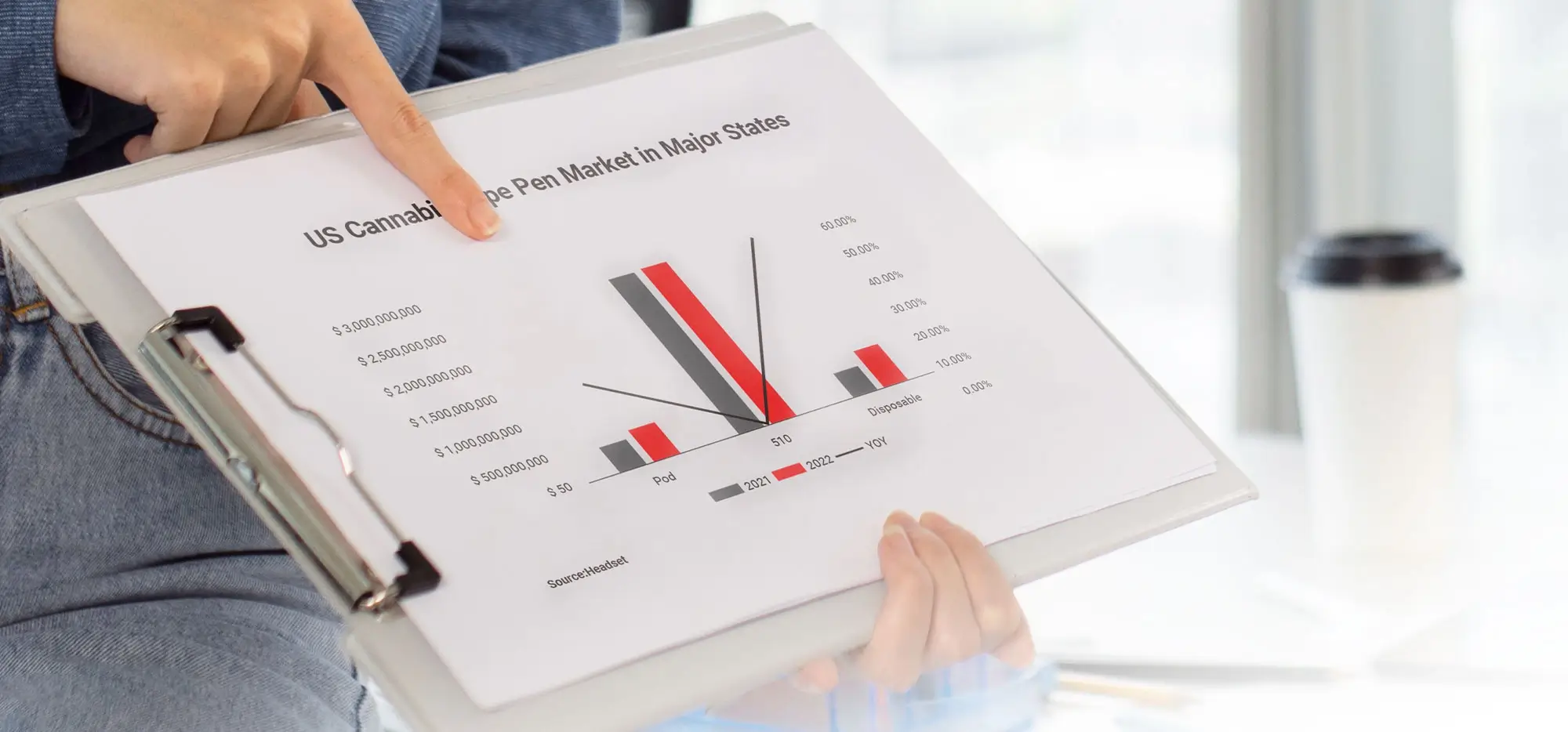
The CBD side of the market increasingly behaves like a mature ingredient category rather than a novelty category. In practice, that means brands are moving away from “more milligrams” as the whole story and toward formulation logic, ratio design, and wellness positioning. The regulatory catch is that wellness positioning is not the same as permission to make therapeutic claims. FDA warning letters continued into 2026 against companies making unapproved CBD health claims, which means compliant language is now part of product strategy, not just legal cleanup.
Insight: Once brands move into higher-purity CBD, minor-cannabinoid blends, or thicker high-concentration oils, hardware has to solve stability and crystallization problems, not just generate vapor.
The THC Market: Premiumization and the Spread of the “Legalization Dividend”
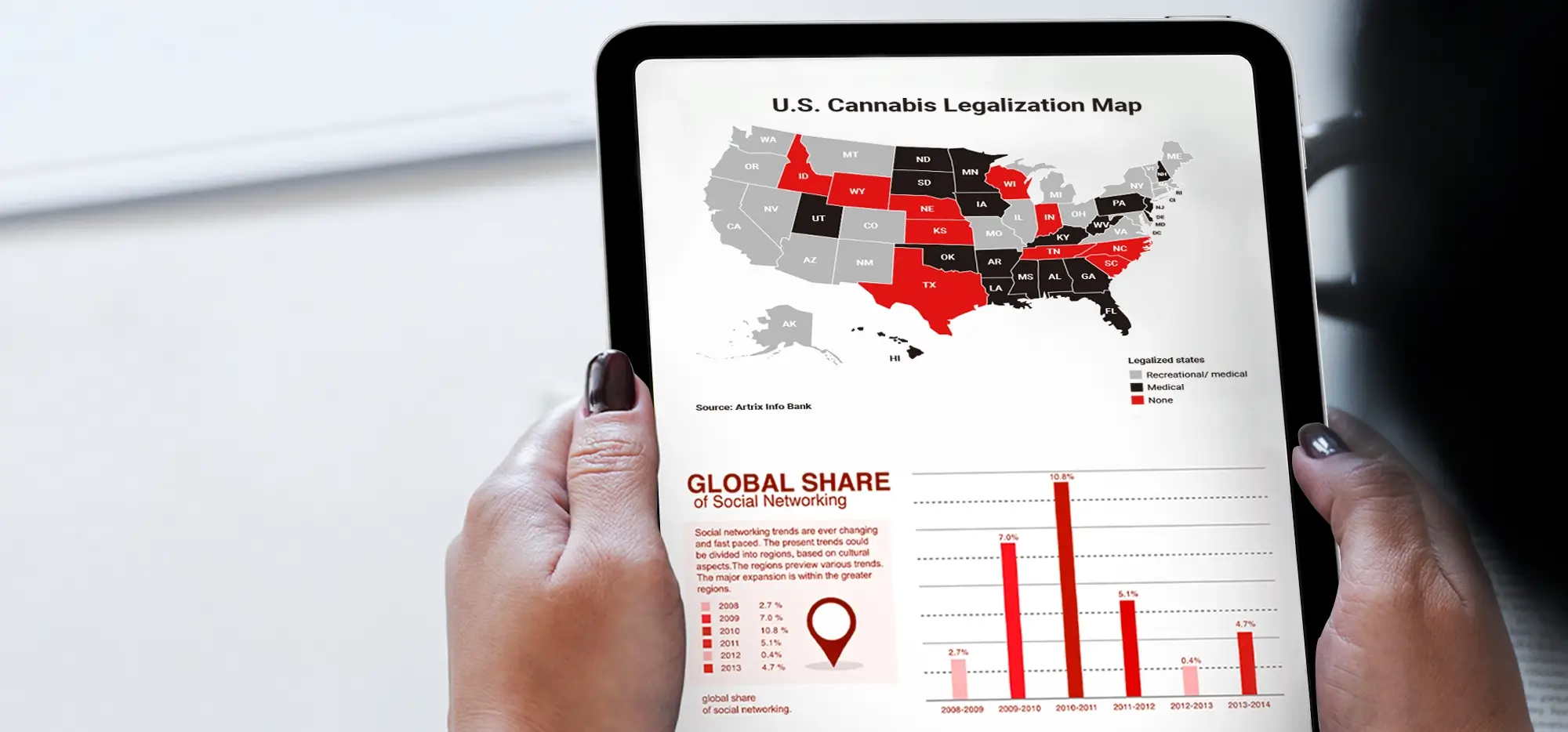
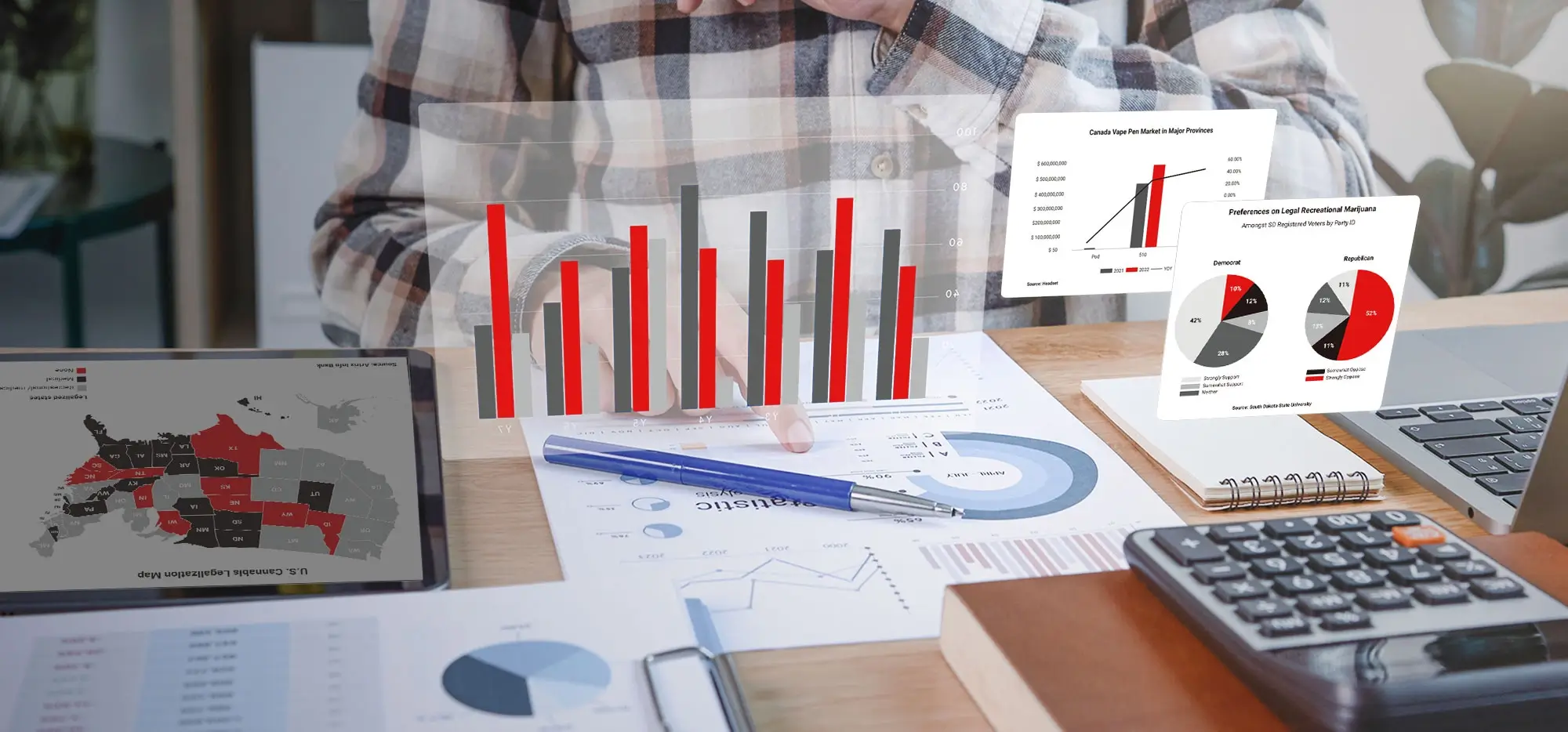
On the THC side, the 2026 story is less about whether legal demand exists and more about how regulated markets are segmenting. In the United States, NCSL’s June 27, 2025 update counted 24 states, three territories, and the District of Columbia with adult-use cannabis laws.
Insight: As extract quality rises, low-end hardware becomes a liability. Brands selling premium concentrates need hardware that protects flavor, airflow, and consistency rather than flattening everything into the same aggressive hit.
Ratio Products: The Rise of the “Middle Ground”
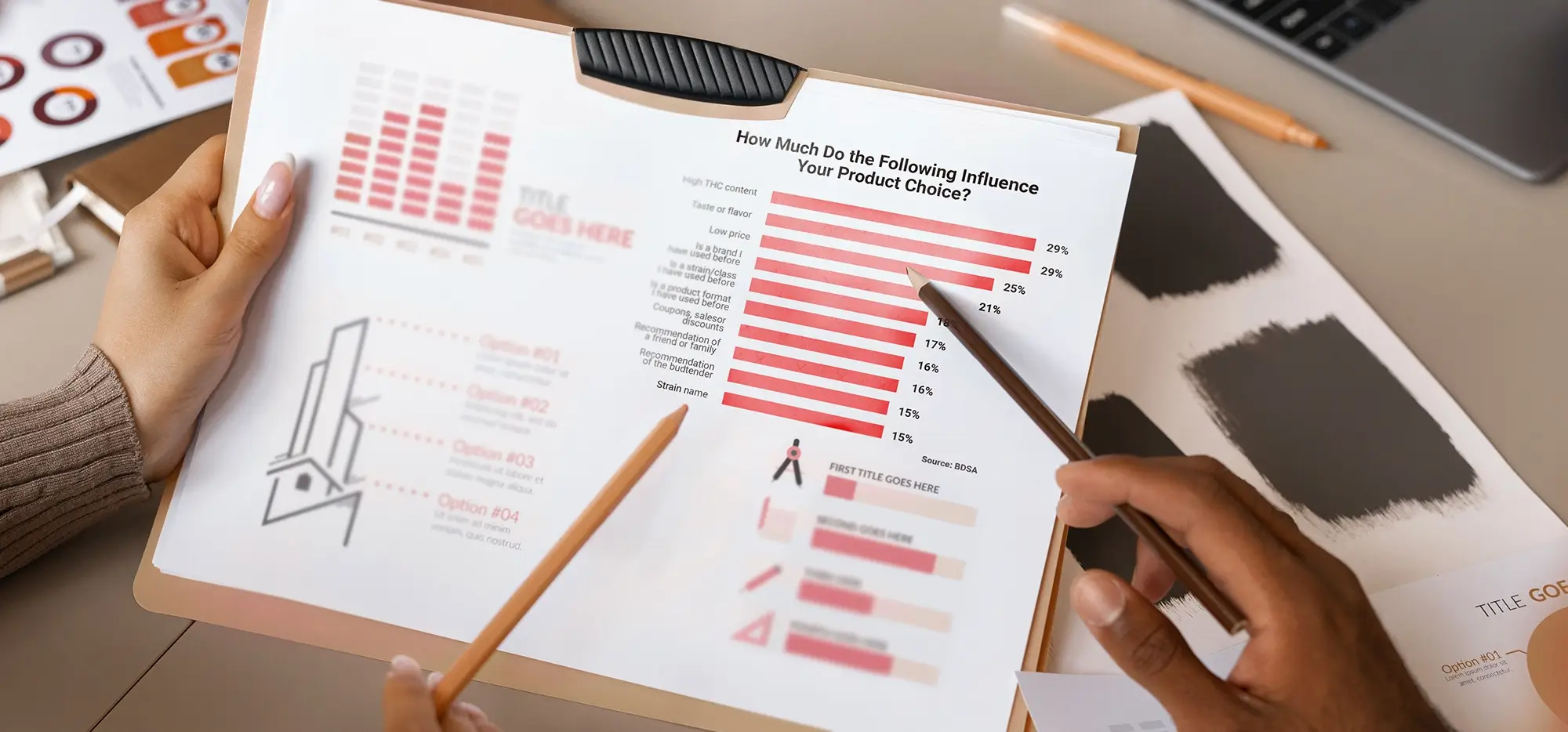
Ratio products are the most strategically interesting niche because they speak to a middle-market consumer who wants controllable effect, not maximum intensity. They also fit a regulatory moment that rewards precise labeling, clearer education, and more realistic wellness language. For brands, ratio products are where formulation, dosing logic, and hardware performance meet.
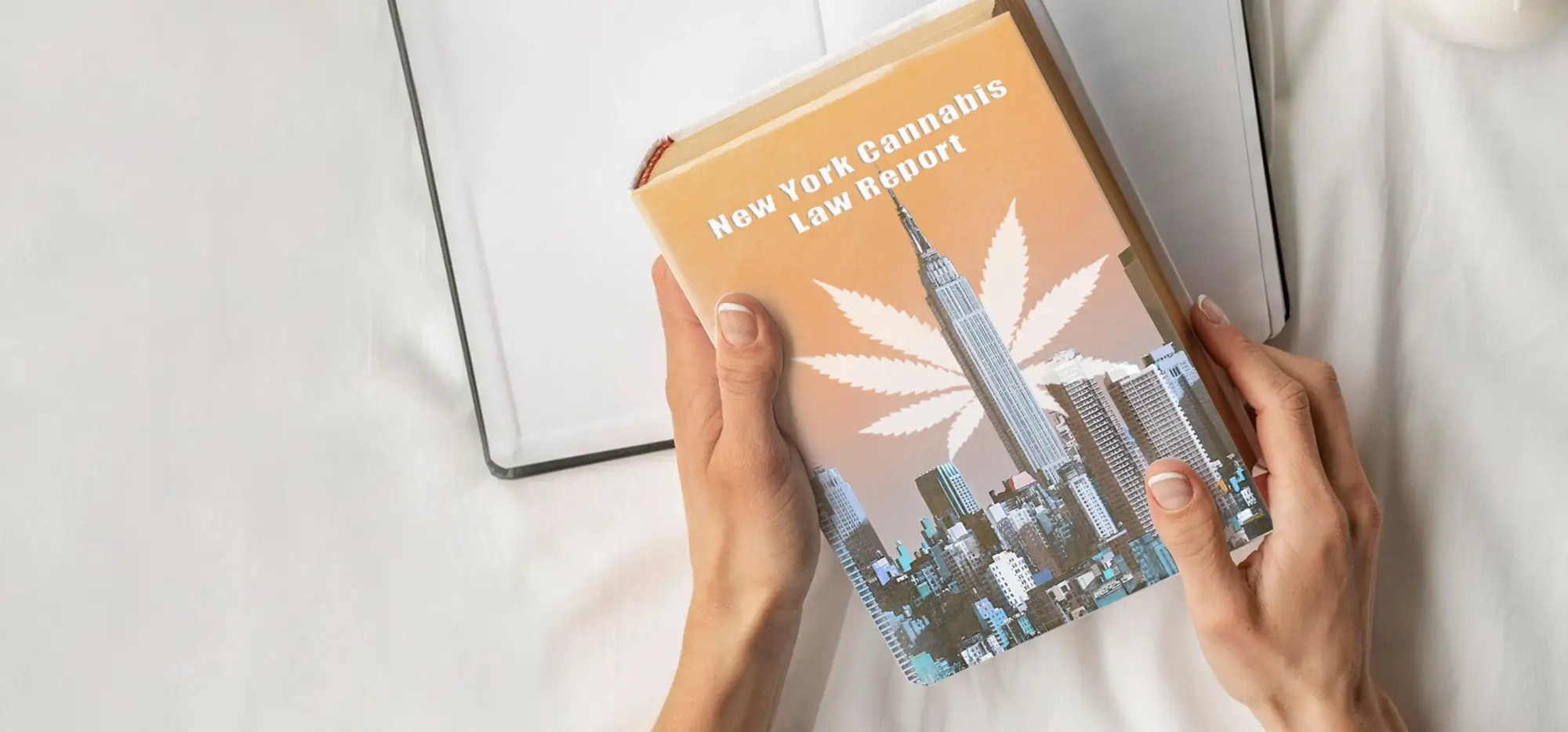
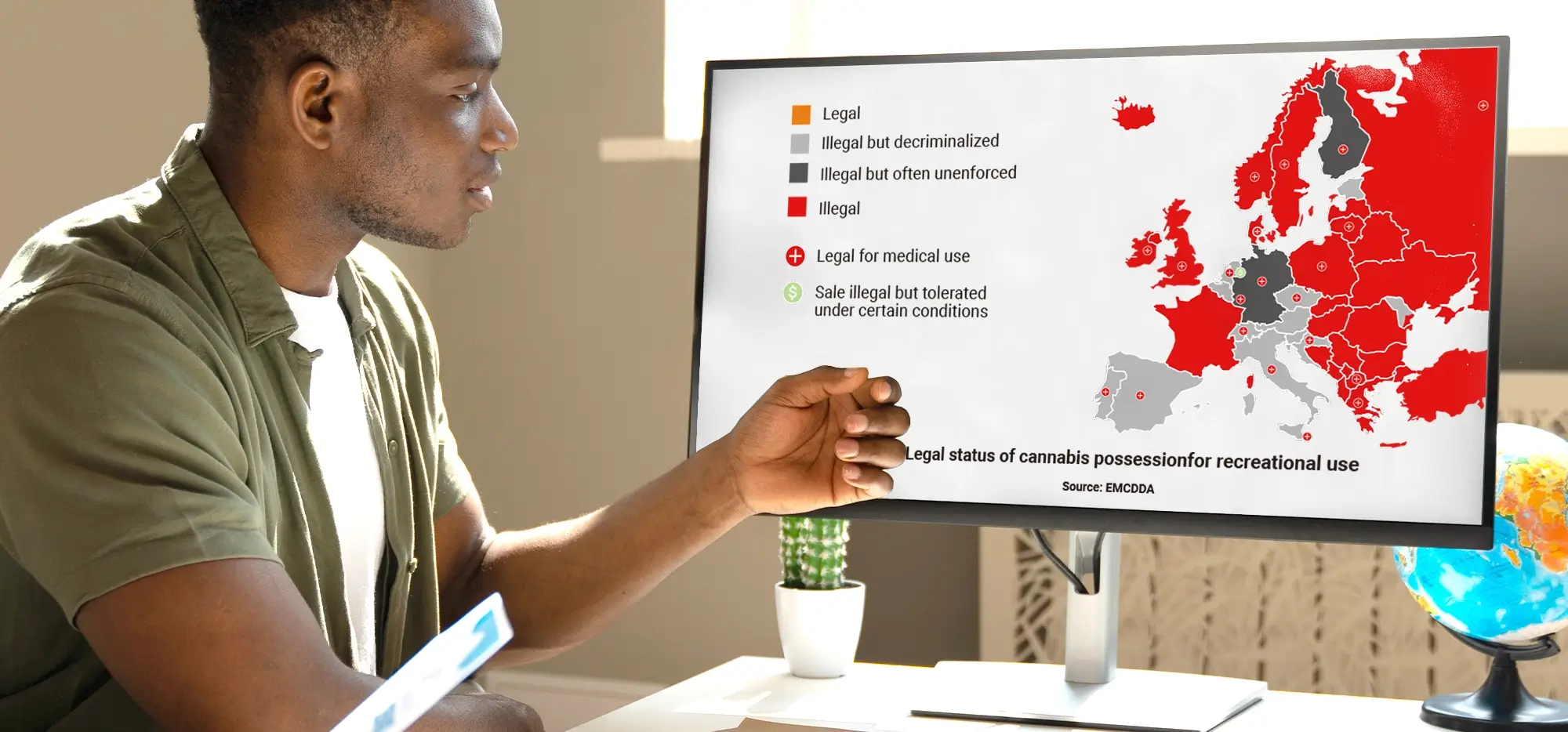
The 2026 Legal Landscape: “Total THC” and Compliance
As of April 1, 2026, the current federal hemp definition still uses not more than 0.3% delta-9 THC on a dry-weight basis. At the same time, USDA hemp testing already uses a total THC framework that captures potential THC after decarboxylation, including THCA conversion. In other words, the industry talks about THCA plus delta-9 because the testing system already does.
The newer 0.4 milligram per container rule is real, but it is not yet the live nationwide standard today. Congress amended the federal hemp definition in Public Law 119-37 on November 12, 2025, with the revised provisions taking effect 365 days later, on November 12, 2026. When that date arrives, federal law will move to a total-THC definition that includes THCA and will exclude certain final hemp-derived cannabinoid products containing more than 0.4 milligrams combined total THC per container. Brands should not confuse that future effective date with the current rule.
State compliance remains even more detailed. California requires child-resistant and tamper-evident packaging, a universal cannabis symbol, and prohibits false, misleading, or unproven health claims. California also has vape-specific packaging and advertising restrictions, including disposal messaging. Oregon requires approved packaging and labeling, child-resistant packaging for products sold to consumers, universal symbols, required warnings, and display-panel information such as product identity and cannabinoid concentration.
Hardware Perspective: Delivering the Perfect Ratio
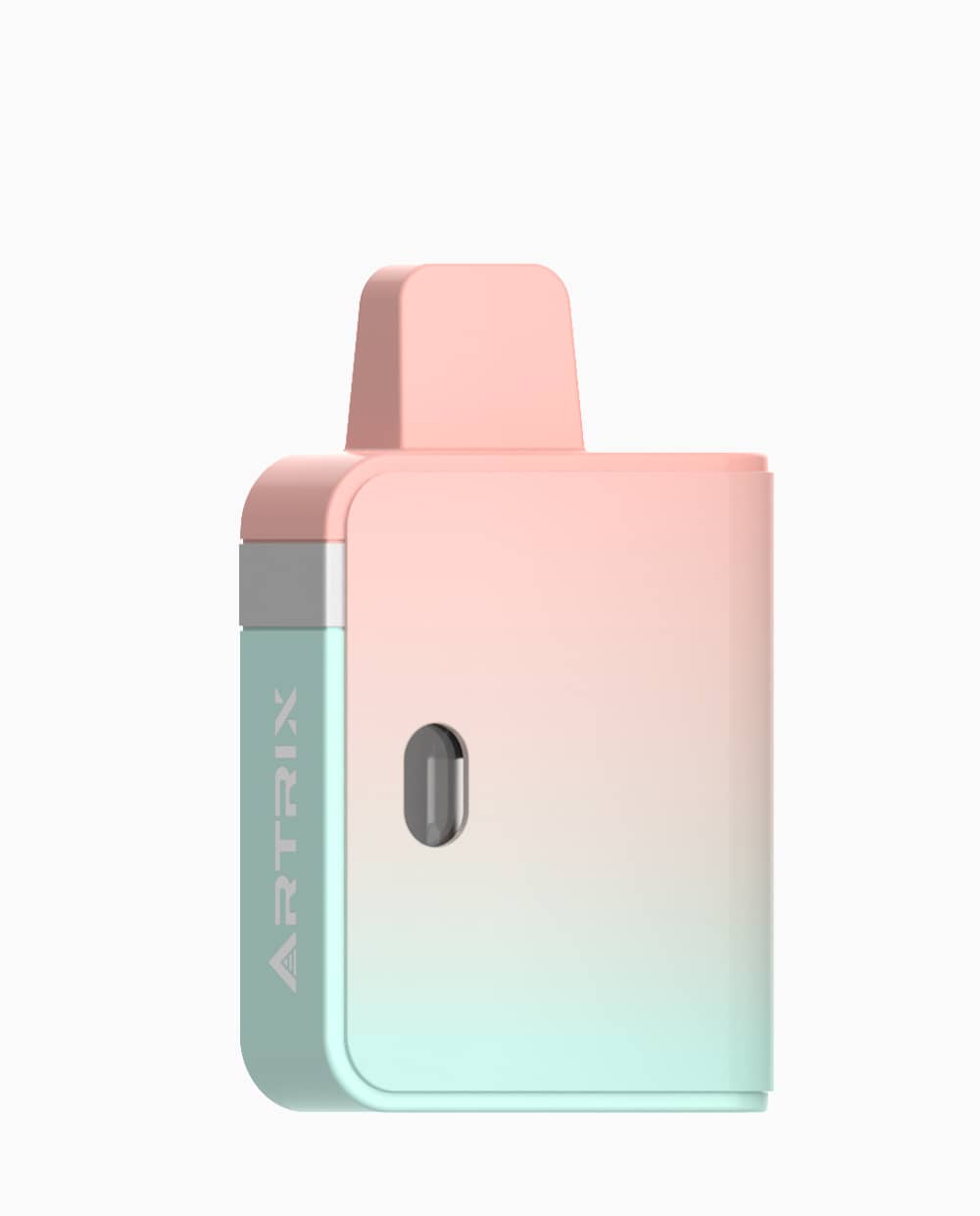
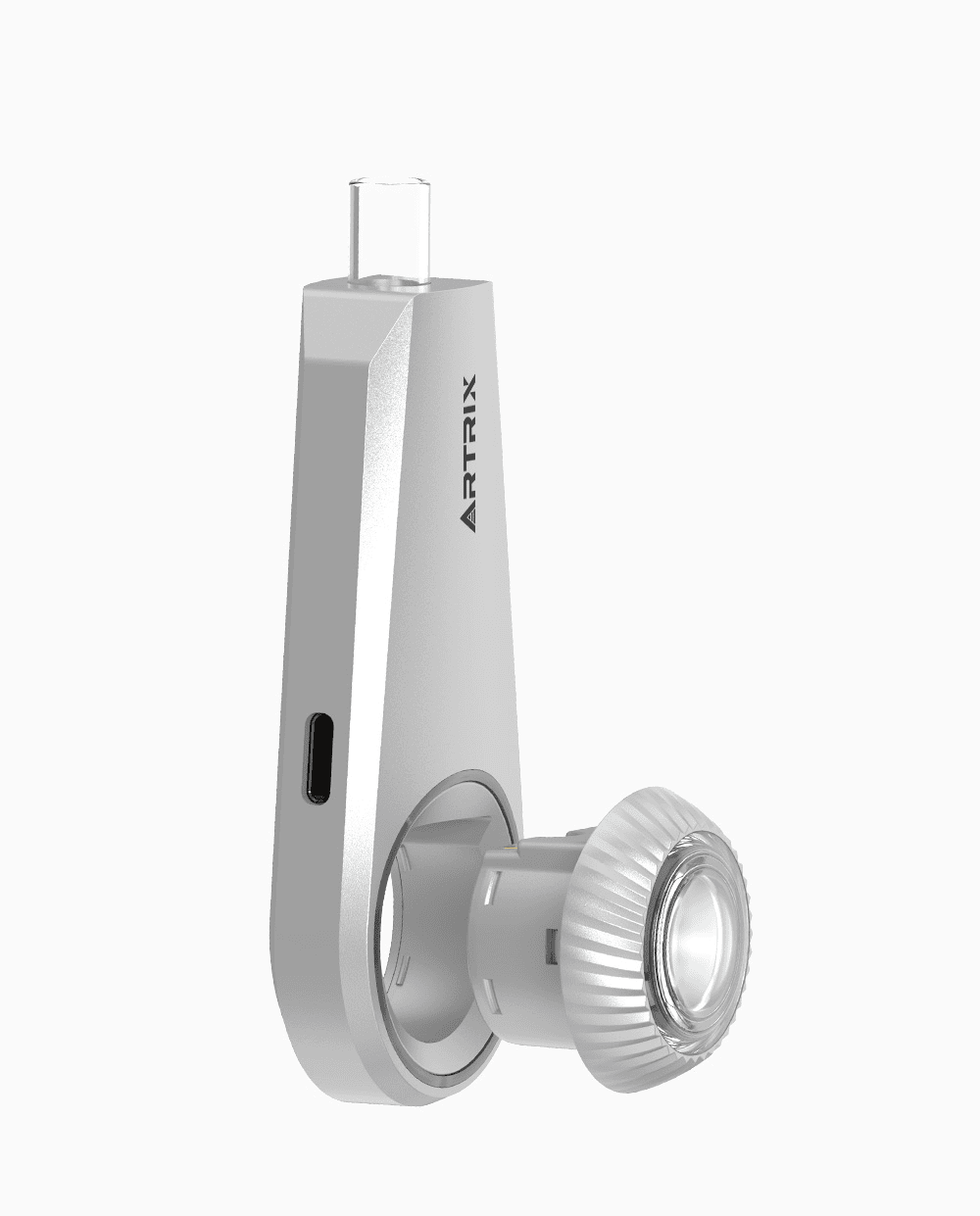
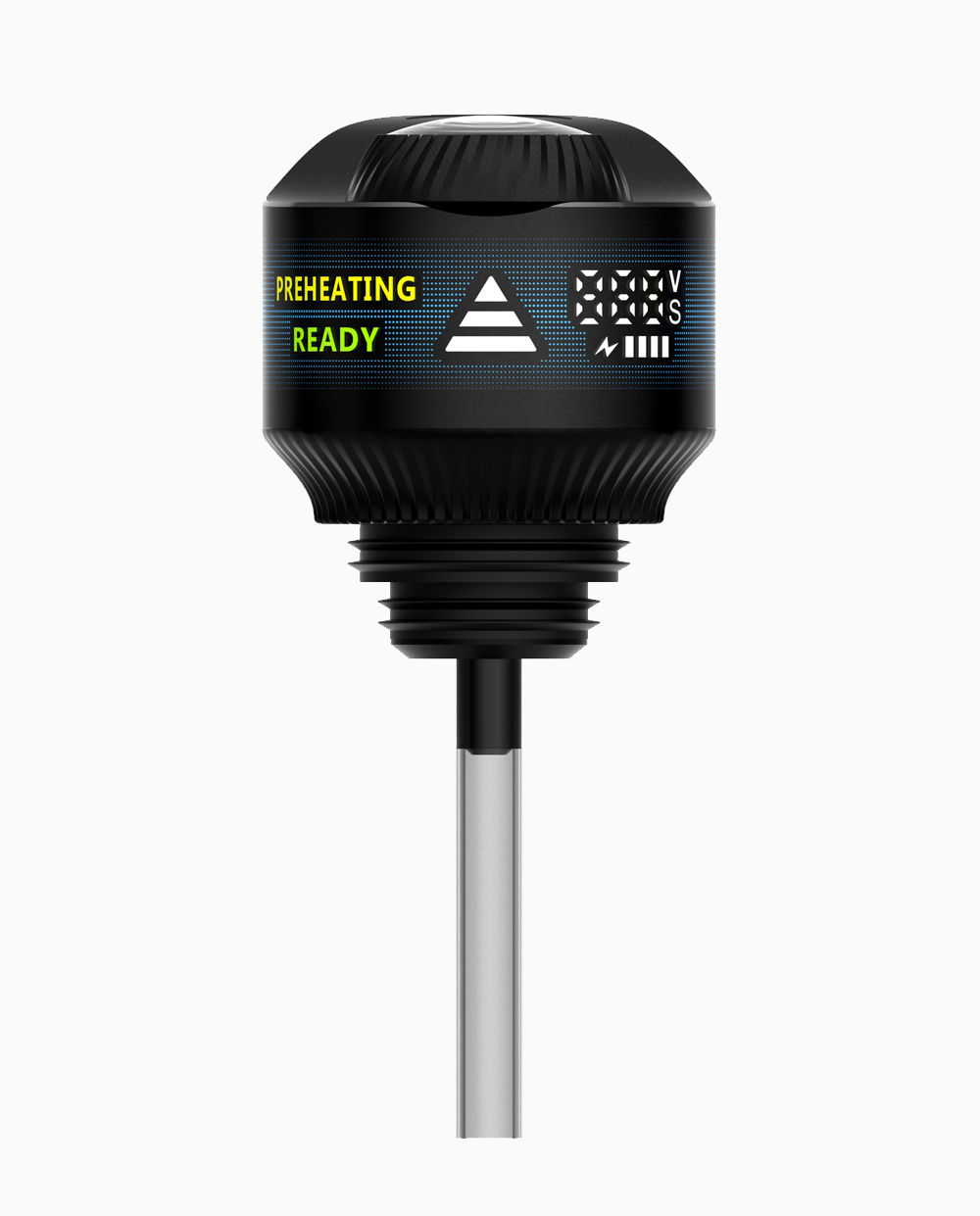
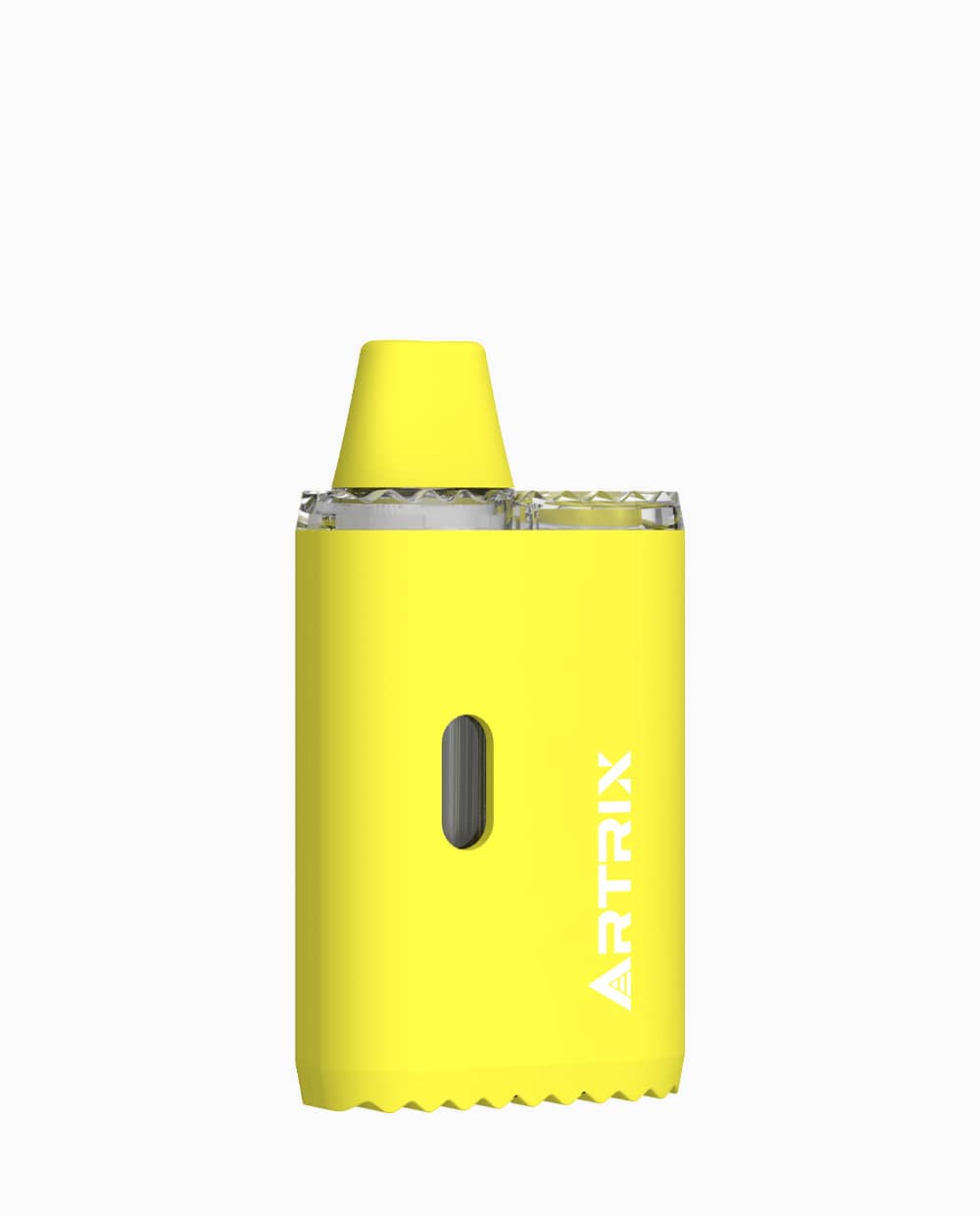
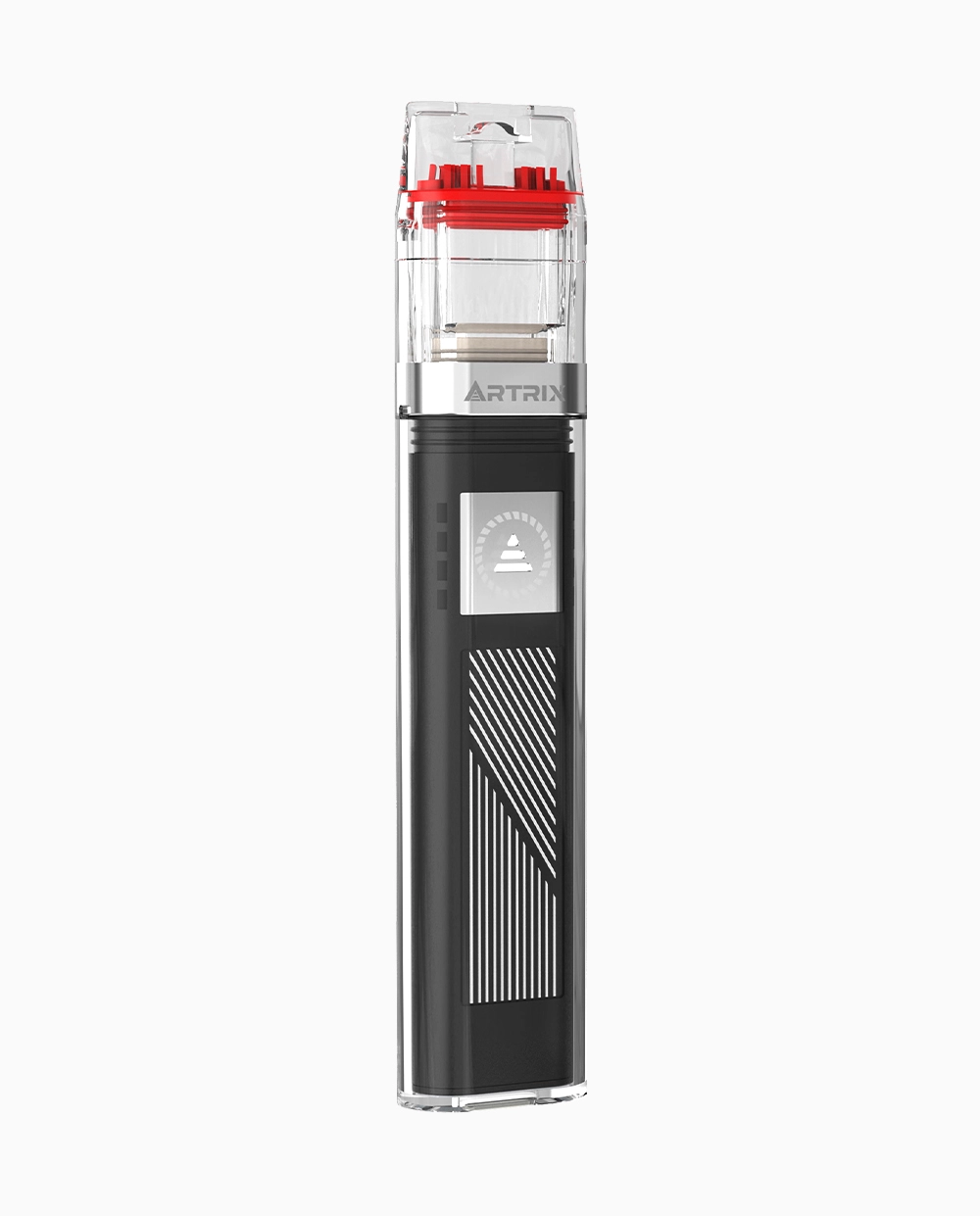
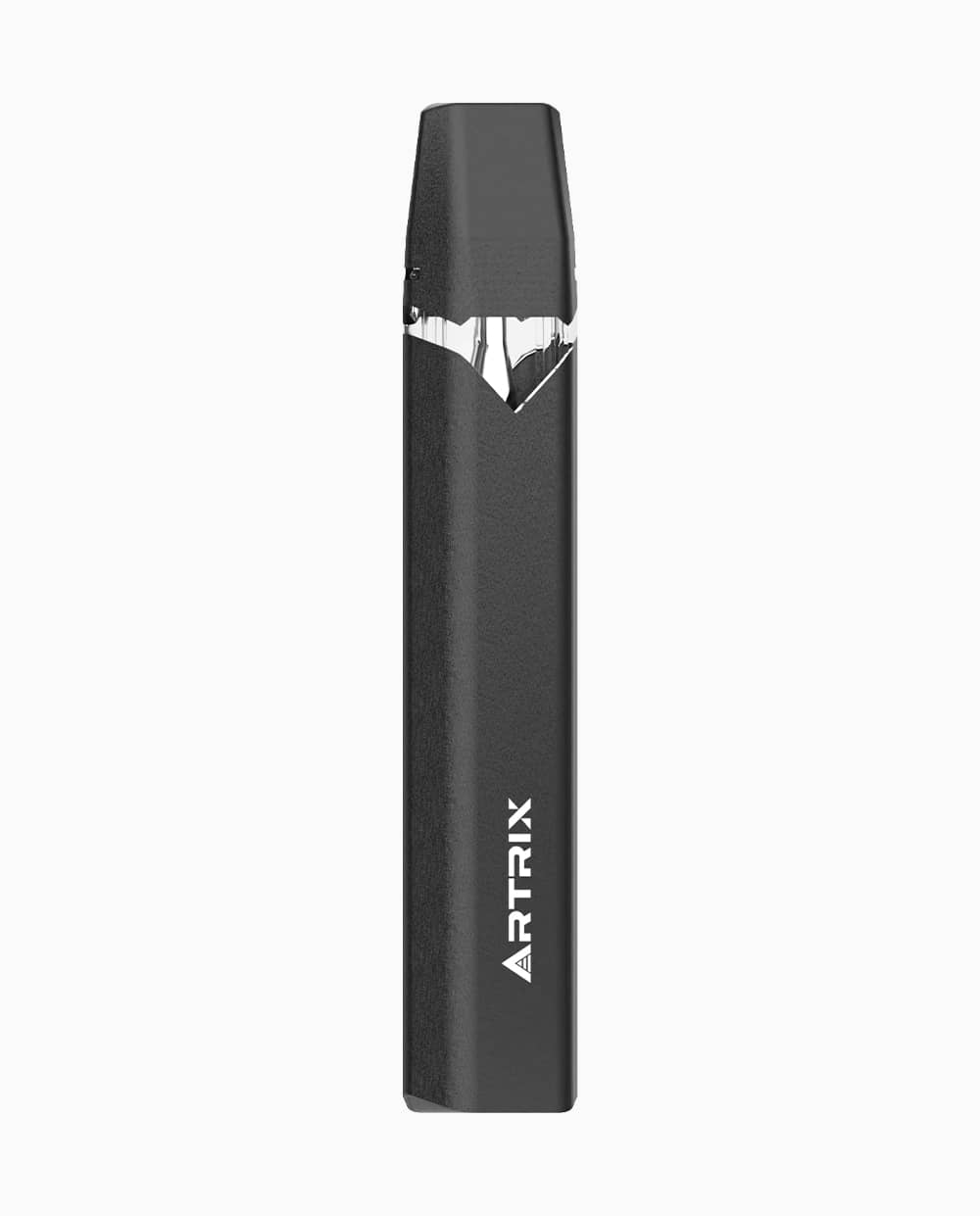
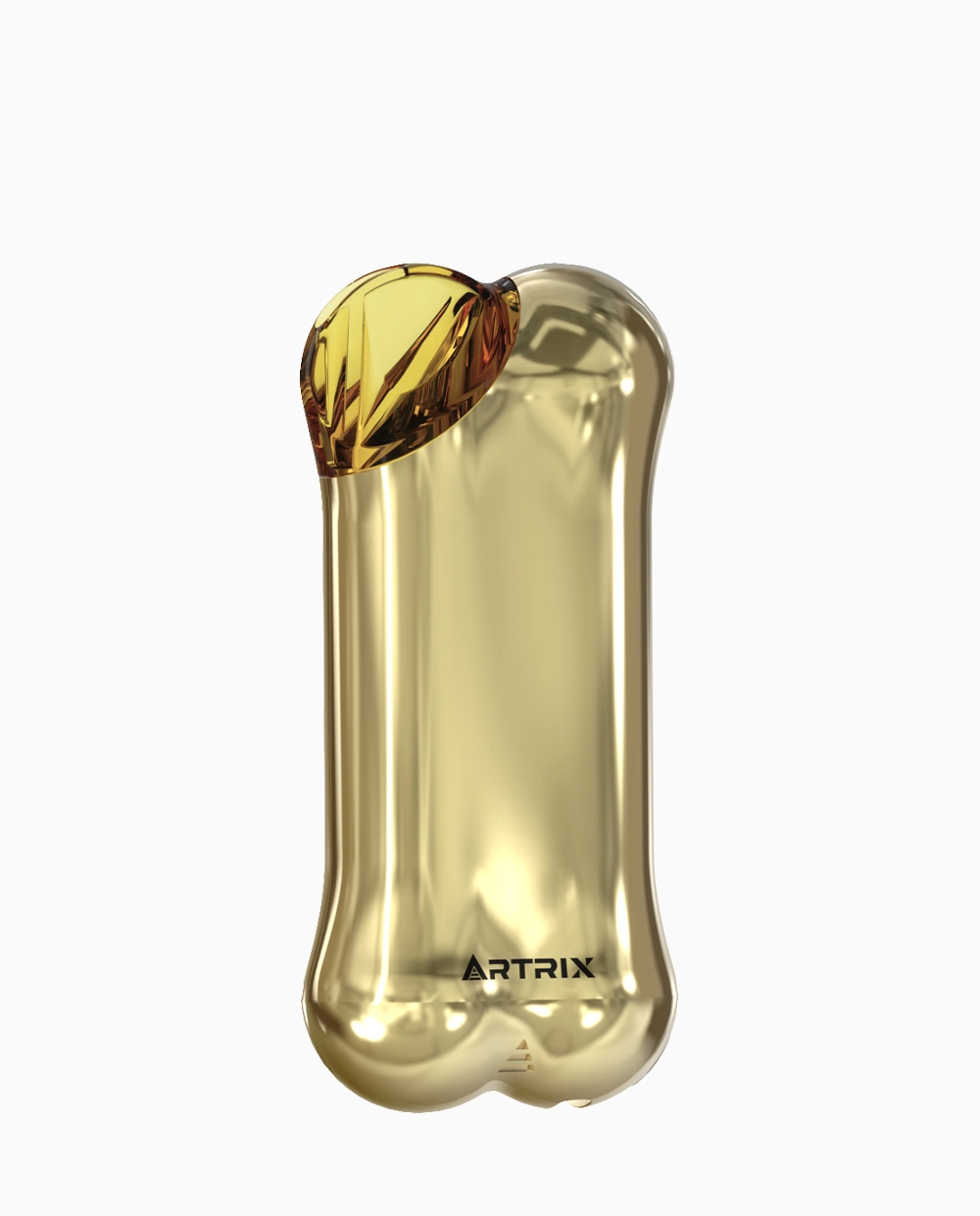
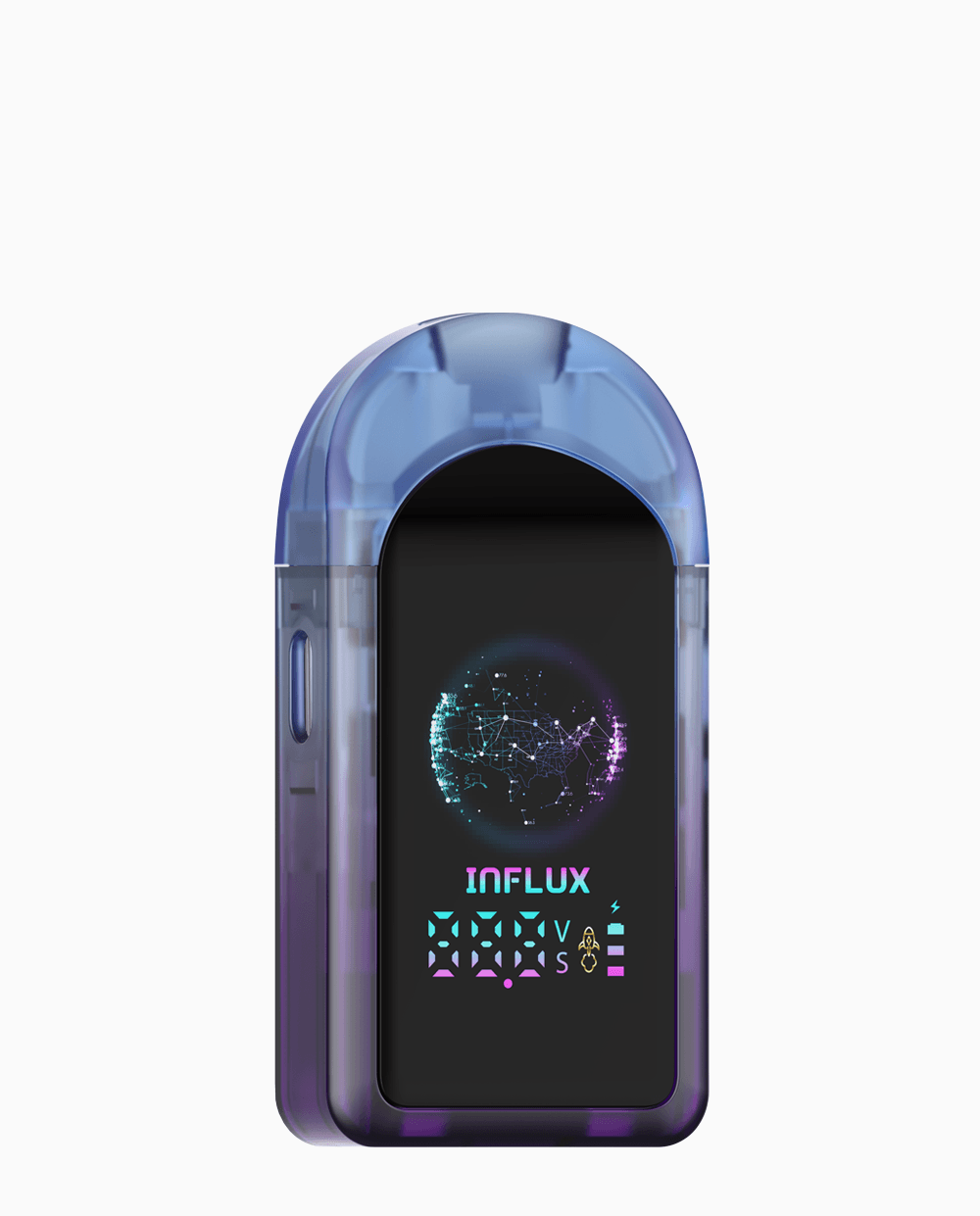
Ratio products expose weak hardware faster than simple THC distillate does. A THC-heavy oil can hide thermal inconsistency. A carefully balanced THC:CBD blend cannot. That is why multi-tier voltage control matters in ratio hardware. The goal is not simply “more heat.” It is repeatable heat, so a brand can preserve onset character, flavor, and vapor density without forcing every oil into the same profile.
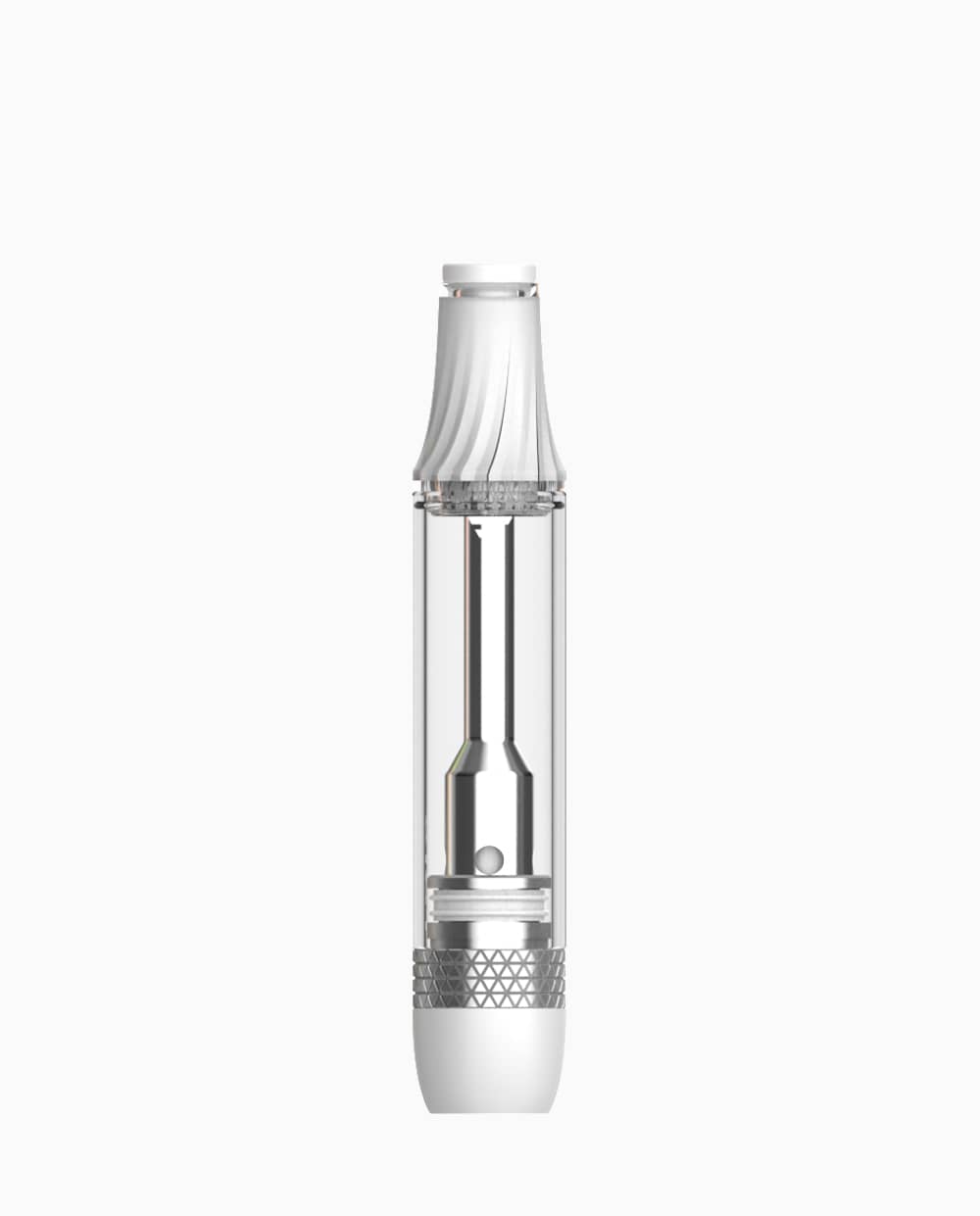
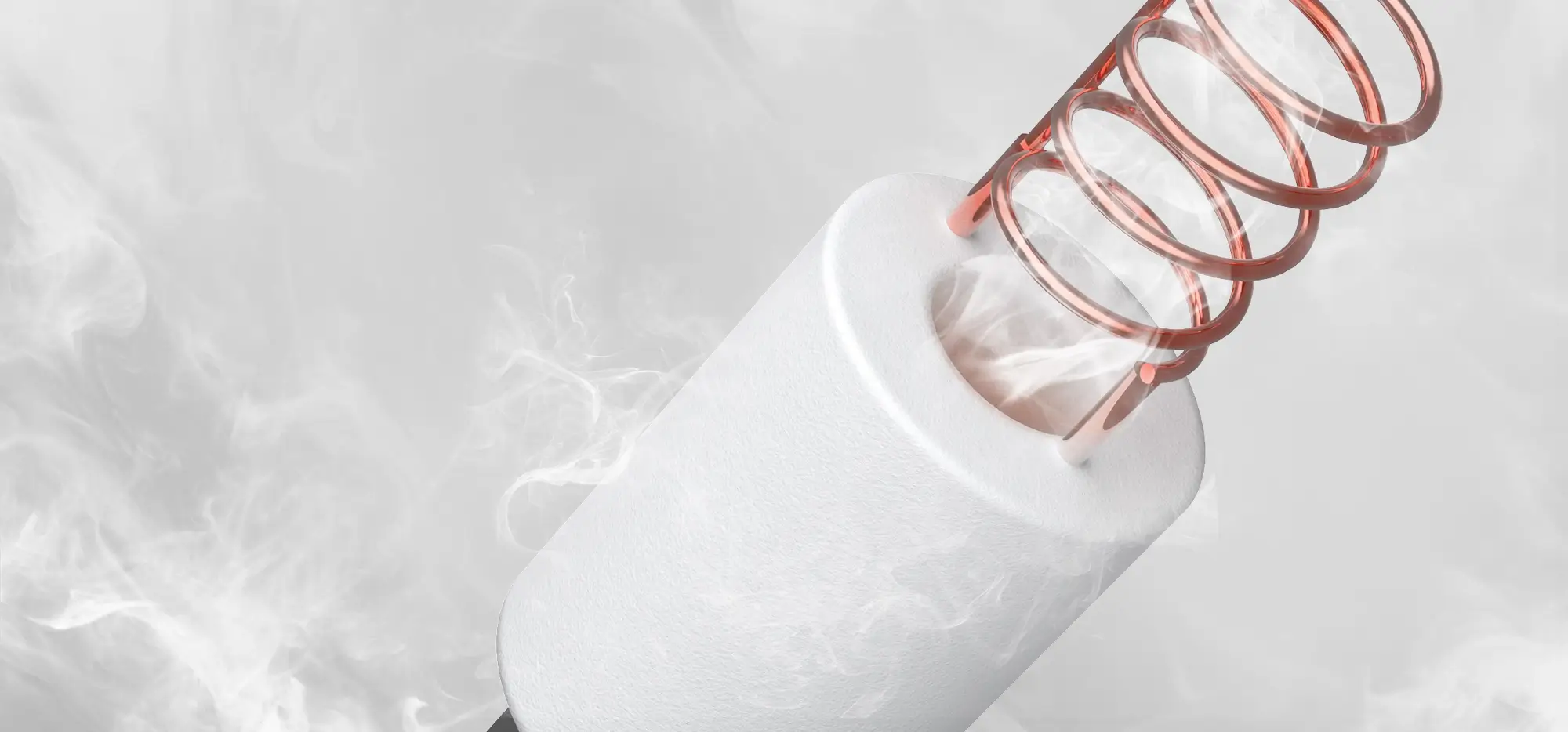
CBD-heavy formulations create a second problem: physical behavior. CBD is a compound well known to crystallize under the right conditions, and high-concentration formulas can become unstable or obstruction-prone if the formulation window is too narrow. That is why postless, center-post-free airflow design is useful in this category. It gives thicker or partially unstable oils fewer tight bottlenecks to fight through.
The third trend is precision feedback. An emerging 2026 idea is haptic alerts, where the device uses vibration or other cueing to help users build more repeatable puffing habits. That does not guarantee exact milligram dosing on its own, but paired with a stable formulation and controlled power delivery, it can improve consistency for users who care about routine rather than maximum output.
Side Effects and “The Reset Button”
When THC overshoots a user’s comfort zone, the usual complaints are anxiety, panic, rapid heartbeat, confusion, impaired perception, and paranoia. More serious reactions can include hallucinations, severe disorientation, or poisoning scenarios, especially when the dose is high or the product is an edible with delayed onset.
The first reset button is behavioral, not chemical. Stop consuming more THC. Move to a calm environment. Hydrate. Avoid alcohol. Do not drive. If the person cannot be awakened, has trouble breathing, or seems medically unstable, contact emergency services or poison control.
What about taking extra CBD when someone feels too high? Mechanistically, the idea is plausible because CBD can modulate CB1 signaling, and some evidence suggests it may soften certain THC-linked effects. But the human evidence is not strong enough to market CBD as a guaranteed antidote. The safer framing is that CBD may help some familiar users feel more balanced, but it should never replace common-sense safety steps or medical help when symptoms are severe.
Why Do High-Concentration CBD Cartridges Clog Easily?
Because CBD is chemically useful but physically stubborn. In concentrated systems, CBD can leave solution and begin forming crystals, especially after temperature swings, storage stress, or repeated heating cycles. Once that happens, the oil thickens unevenly, intake holes feed less reliably, and the user experiences intermittent clogging even when the cartridge still contains plenty of oil.
The practical fix is a three-part one: better formulation discipline, gentler and more consistent thermal control, and hardware architecture that does not force the oil through unnecessarily restrictive internal geometry. A postless design cannot rescue a bad formula, but it can give a good high-CBD formula a much better chance of staying functional.
FAQ
Can CBD convert into THC in the stomach?
Current human evidence does not support the idea that oral CBD meaningfully converts into THC in the body under normal use conditions.
Can full-spectrum CBD cause a positive drug test result?
Yes. Repeated use of hemp-derived products that contain low amounts of THC can still trigger positive urine drug tests. Conventional testing cannot reliably distinguish legal hemp-derived THC exposure from other THC exposure.
Conclusion
The future of thc vs cbd is not a binary choice between potency and wellness branding. It is a ratio question. THC gives products lift, immediacy, and psychoactive force. CBD gives formulators a way to shape, soften, and broaden the experience without promising miracles. The winners in 2026 will be the brands that understand both the receptor science and the compliance burden behind that ratio.