

-1.webp)
-1.webp)
-2.webp)

































Smoking vs Vaping Weed : Which is safer ?
⚠️ This article is for informational purposes only and does not constitute medical advice. If you have respiratory conditions or health concerns, consult a healthcare provider before using any inhaled cannabis products.
Quick Answer
When comparing the two inhalation methods, vaping cannabis generally exposes you to significantly fewer toxic combustion byproducts than smoking — research supports this conclusion. However, “safer” doesn’t mean “safe.” Cannabis vaping carries its own risks, particularly with unregulated or low-quality products. The safest choice depends on your device, the products you use, and your overall health situation.
Introduction
There are various ways to consume cannabis, each with different health implications. Combustion-based methods — joints, pipes, bongs, and bowls — all involve burning plant material. Vaping, by contrast, heats cannabis below its combustion point using devices like vape pens, pod systems, or dab pens. While both methods deliver cannabinoids rapidly, the mechanism makes a significant difference for your respiratory health — which is exactly what this article examines.

How Smoking and Vaping Work Differently
Combustion vs Heating Mechanisms
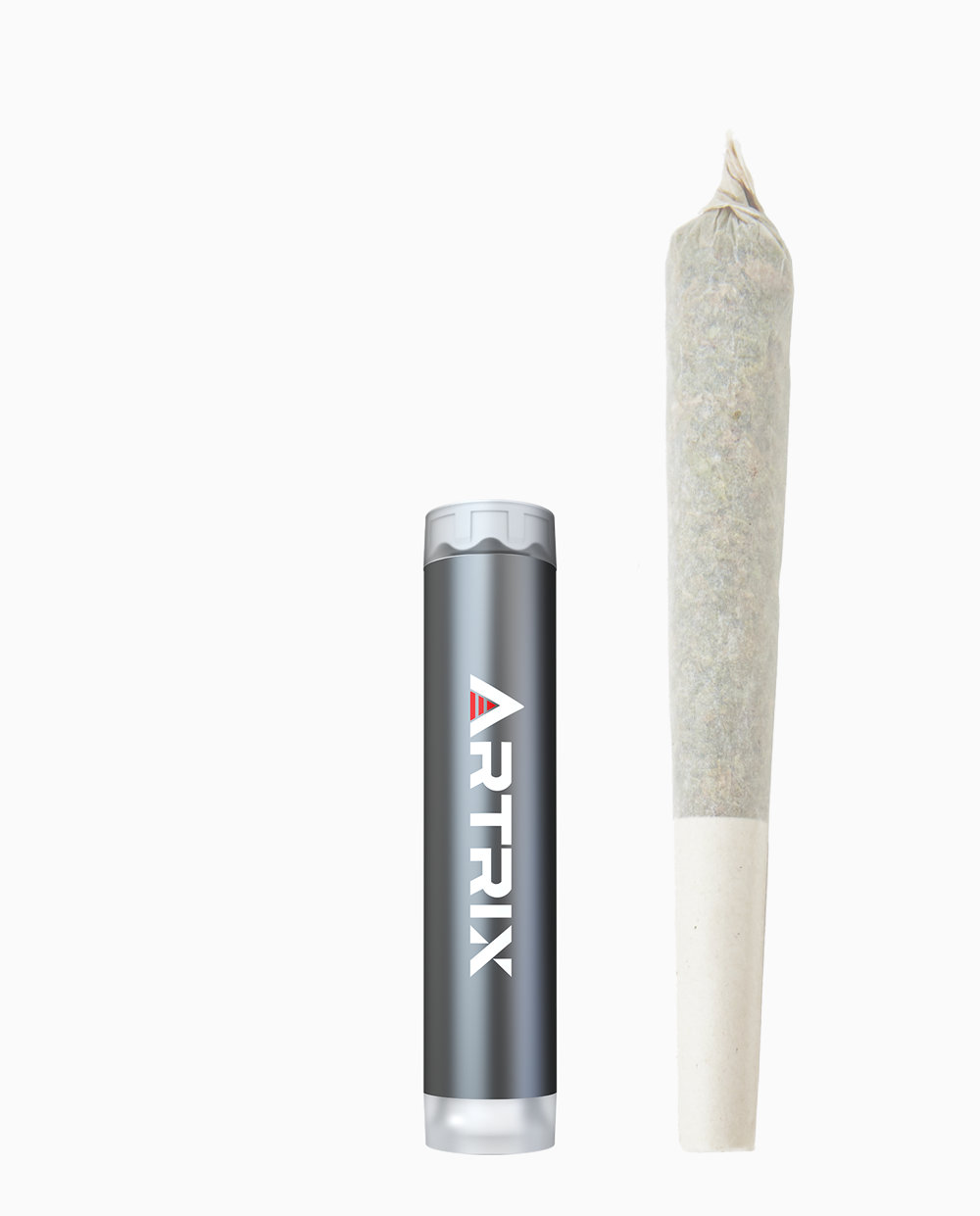
When you smoke cannabis, you’re creating combustion by burning plant material at temperatures exceeding 1000°F (538°C). This process destroys the plant structure entirely, creating smoke that contains the desired cannabinoids alongside numerous harmful byproducts. The high heat breaks down not just the active compounds you want, but also creates toxic substances through the burning process.
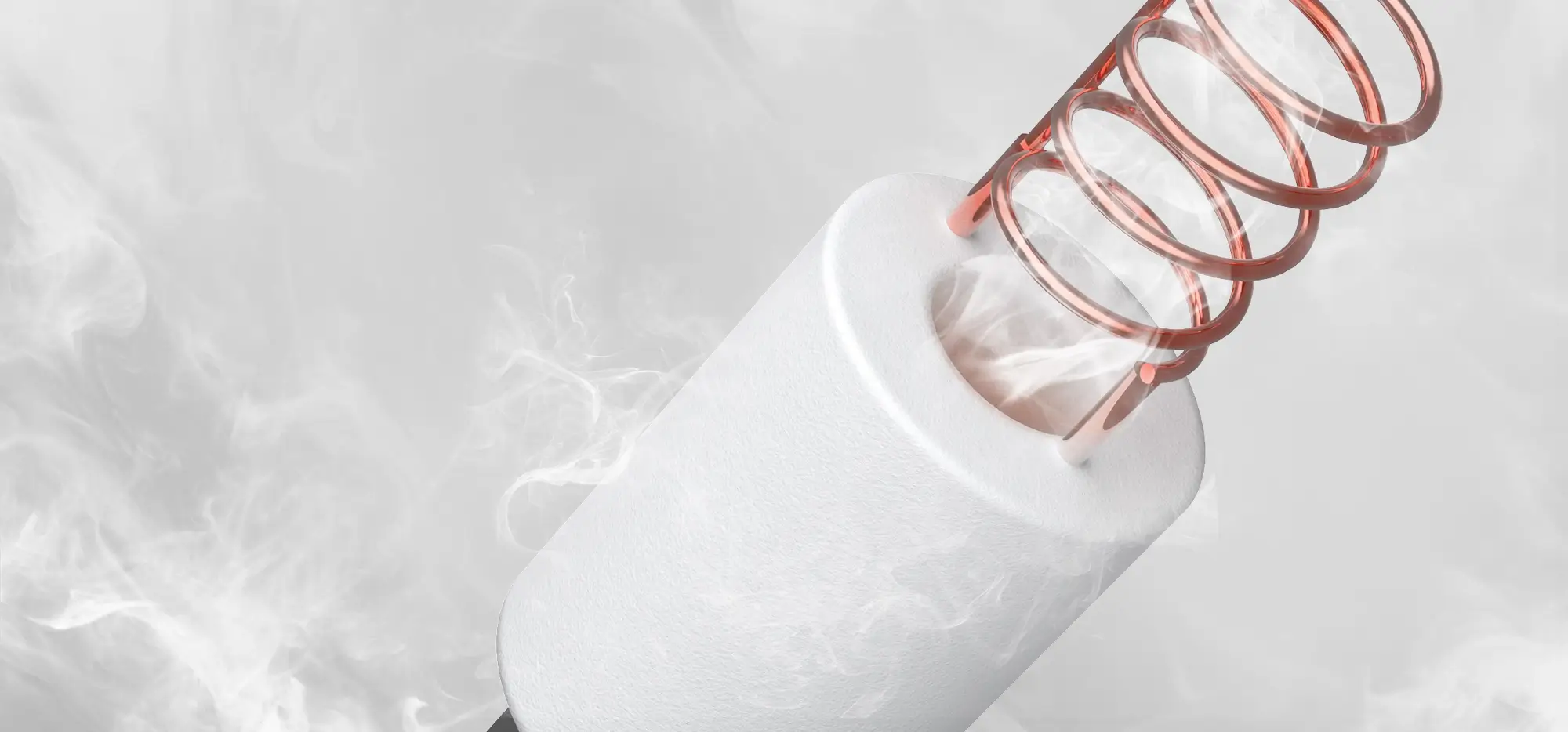
Vaping operates on a completely different principle. Quality vaporizers heat cannabis to precise temperatures between 315-440°F (157-227°C) – hot enough to release cannabinoids and terpenes as vapor, but below the combustion point. This controlled heating preserves the plant’s beneficial compounds while avoiding the creation of harmful combustion byproducts.
Temperature Control and Its Significance
The temperature difference isn’t just technical – it’s transformative. Lower vaping temperatures (315-356°F) tend to produce more cerebral, energetic effects by primarily releasing THC and lighter terpenes. Higher vaping temperatures (392-440°F) release more CBD and sedating compounds, creating effects closer to smoking. This temperature control gives vapers unprecedented customization over their experience, something impossible with combustion.
Exploring Alternatives: Vaping Cannabis
While some opt for edibles, this method can lead to slower and unpredictable effects, which might not satisfy those seeking an immediate experience. Vaping, on the other hand, offers a middle ground. It provides a similar high to smoking but with significantly lower exposure to carbon monoxide.
Although vaping can lower the intake of toxic by-products, it’s important to note that it doesn’t completely eliminate all risks. The safety of vaping isn’t automatic—it depends heavily on the quality of both the extract and the hardware. A stark reminder of this is the 2019-2020 US EVALI outbreak, which resulted in over 2,800 hospitalizations and 68 deaths, primarily linked to unregulated cannabis vape products containing unsafe additives like Vitamin E acetate. Beyond illicit additives, both cannabis smoke and vapor can contain contaminants like ammonia if improperly heated.
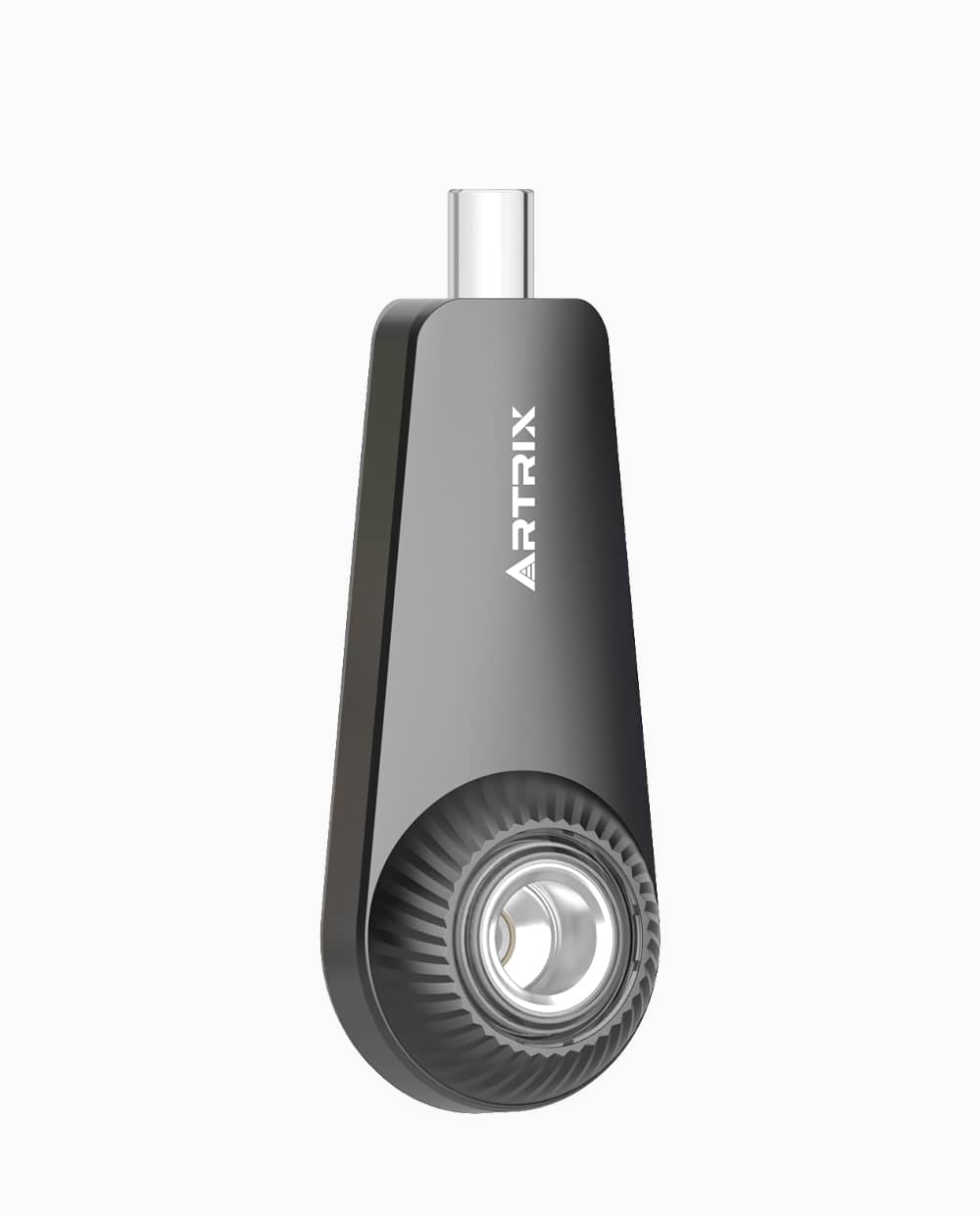
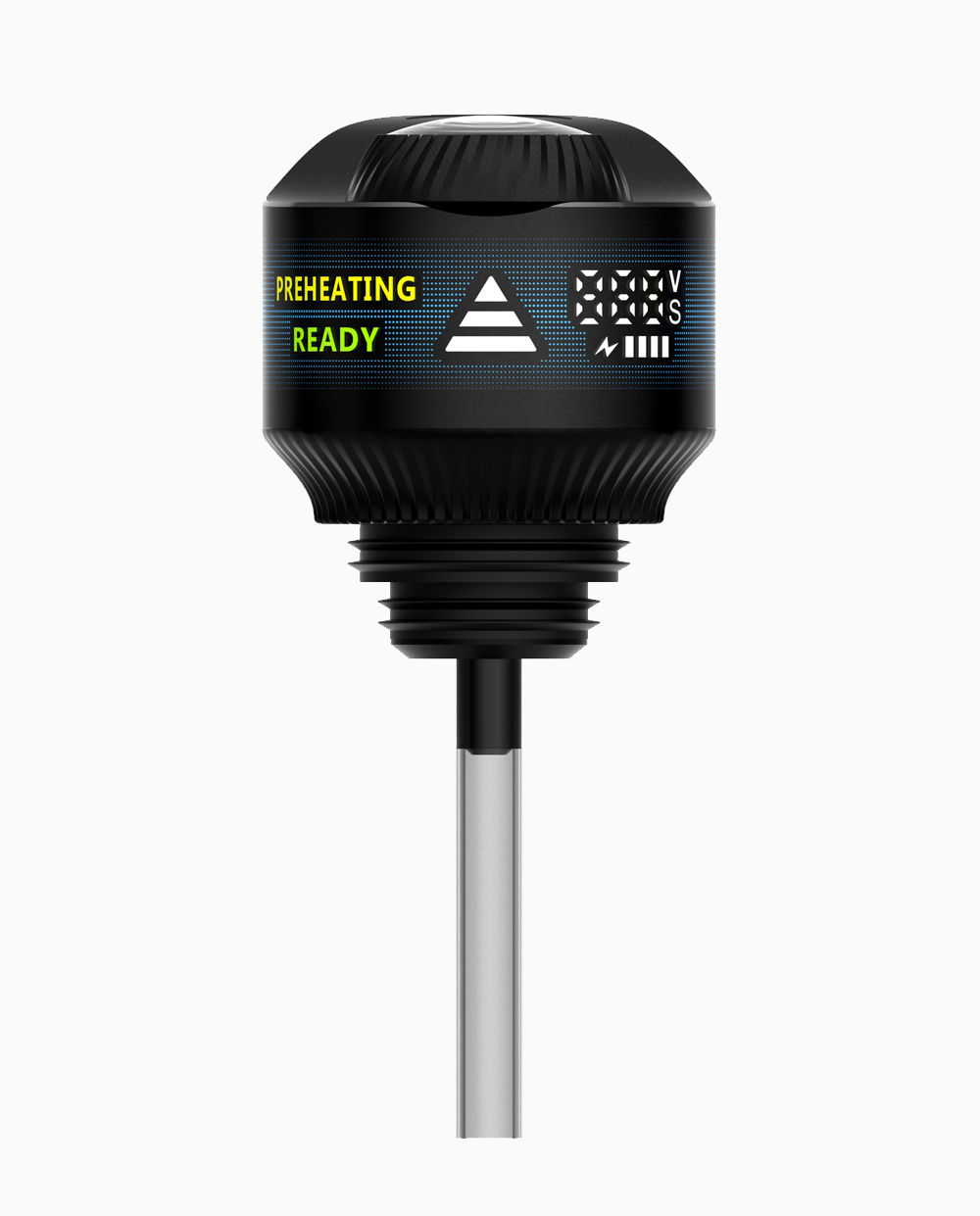
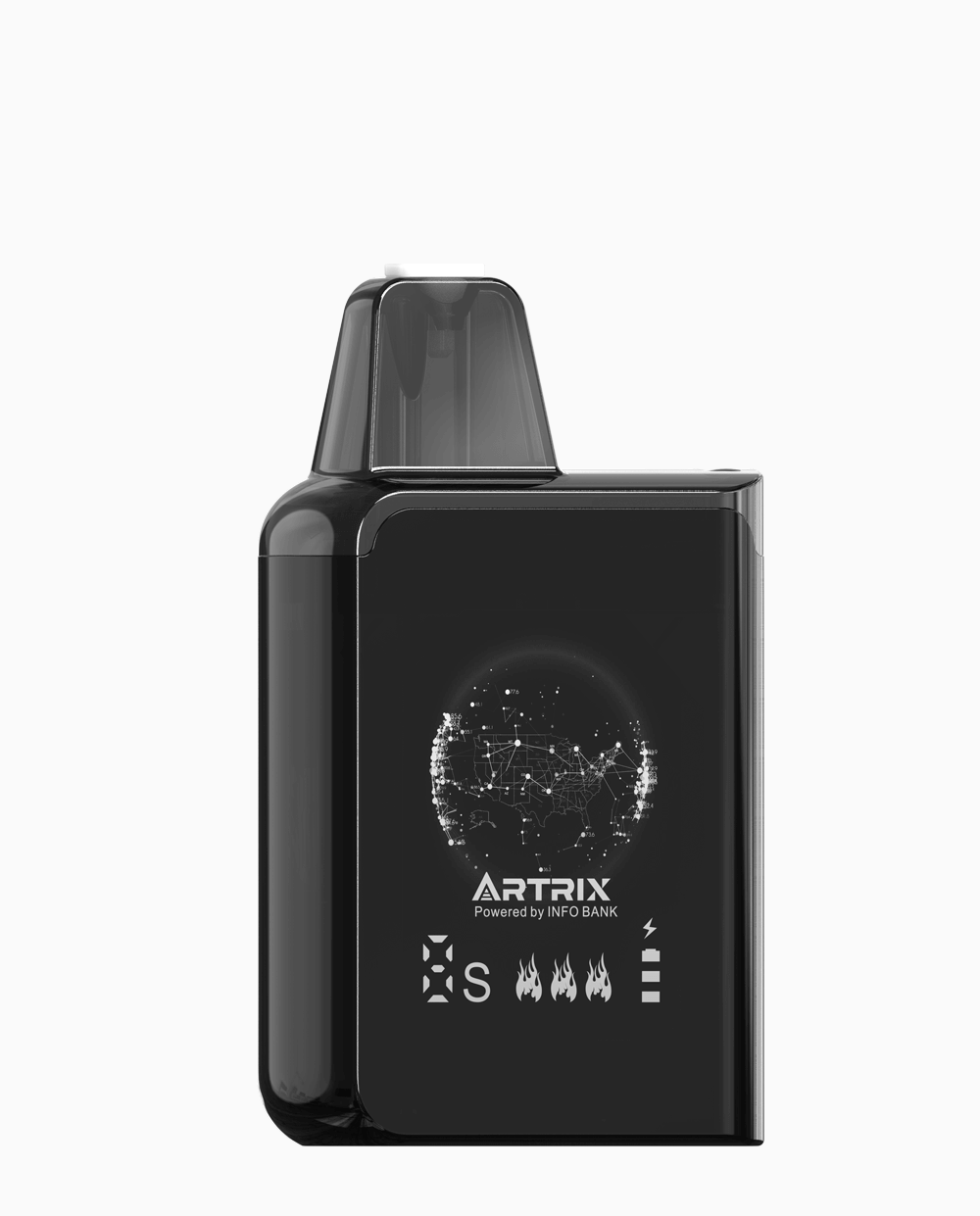
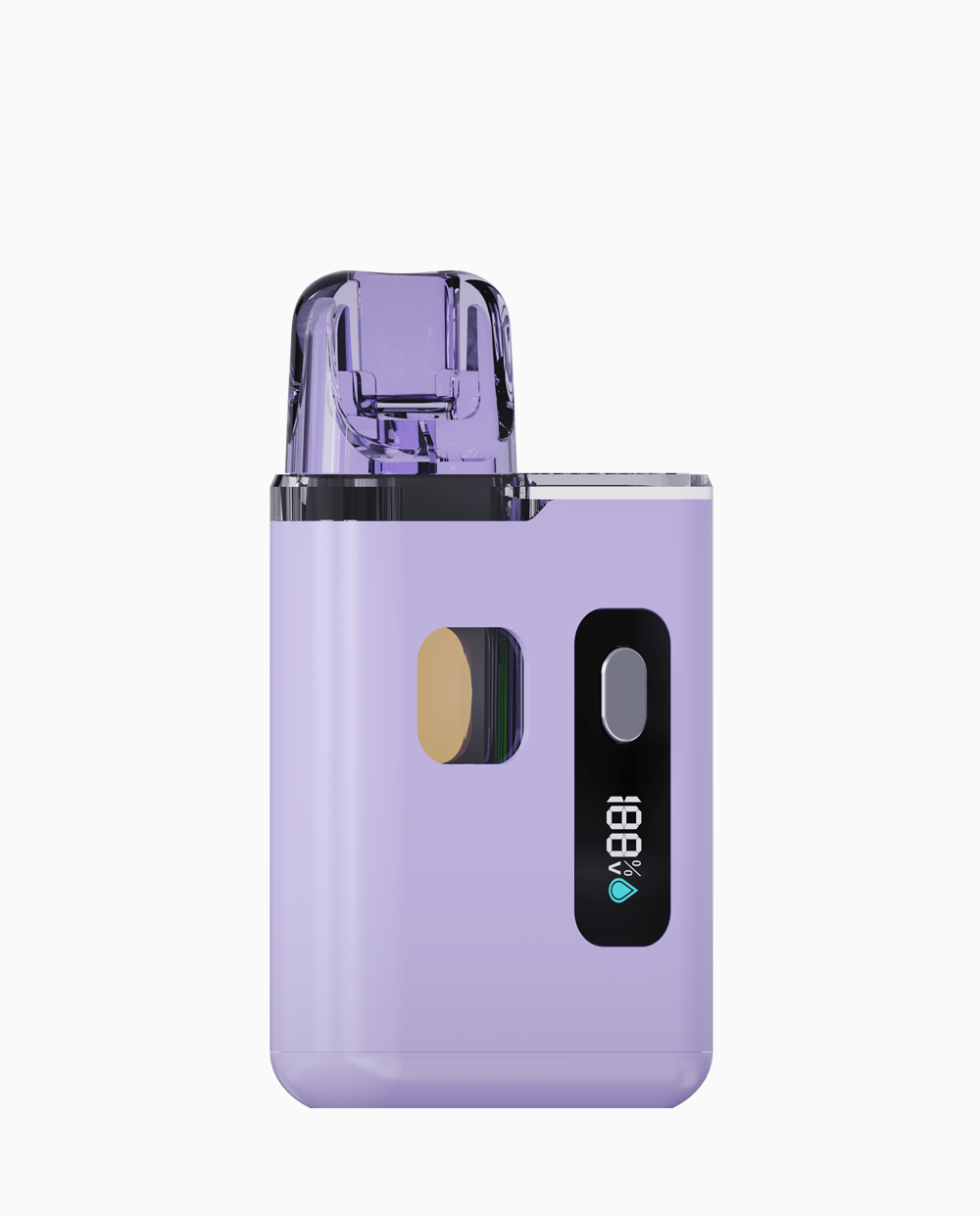
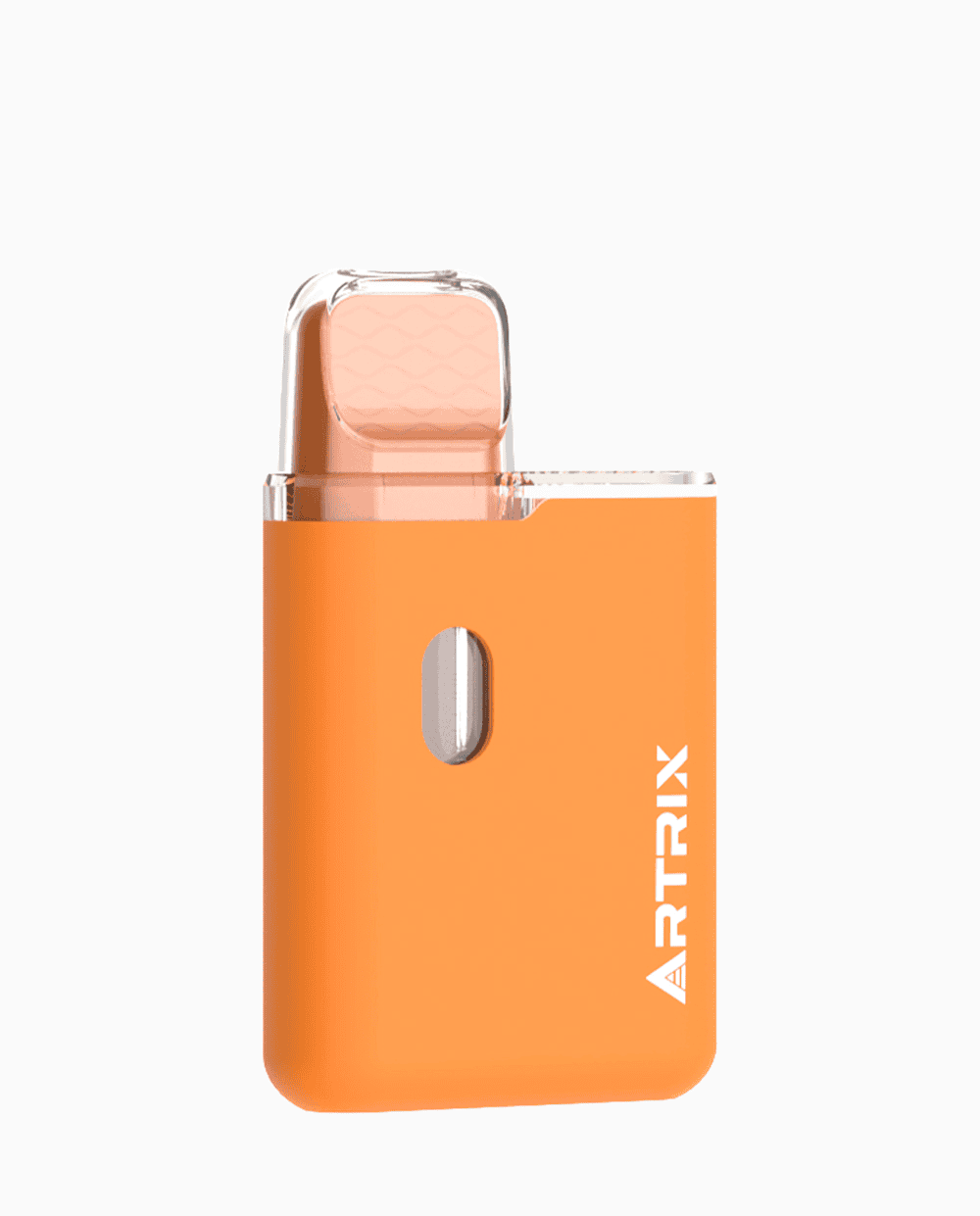
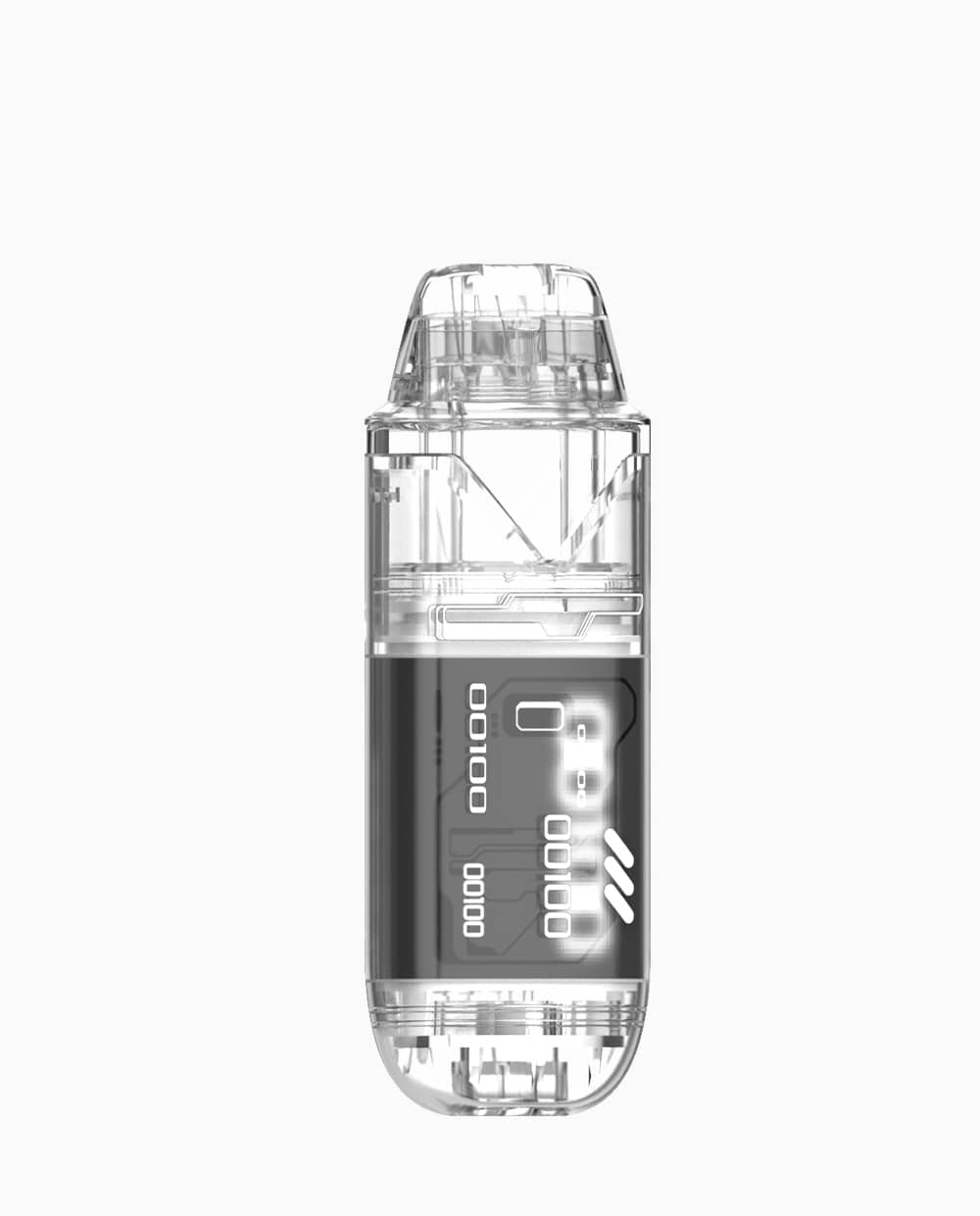
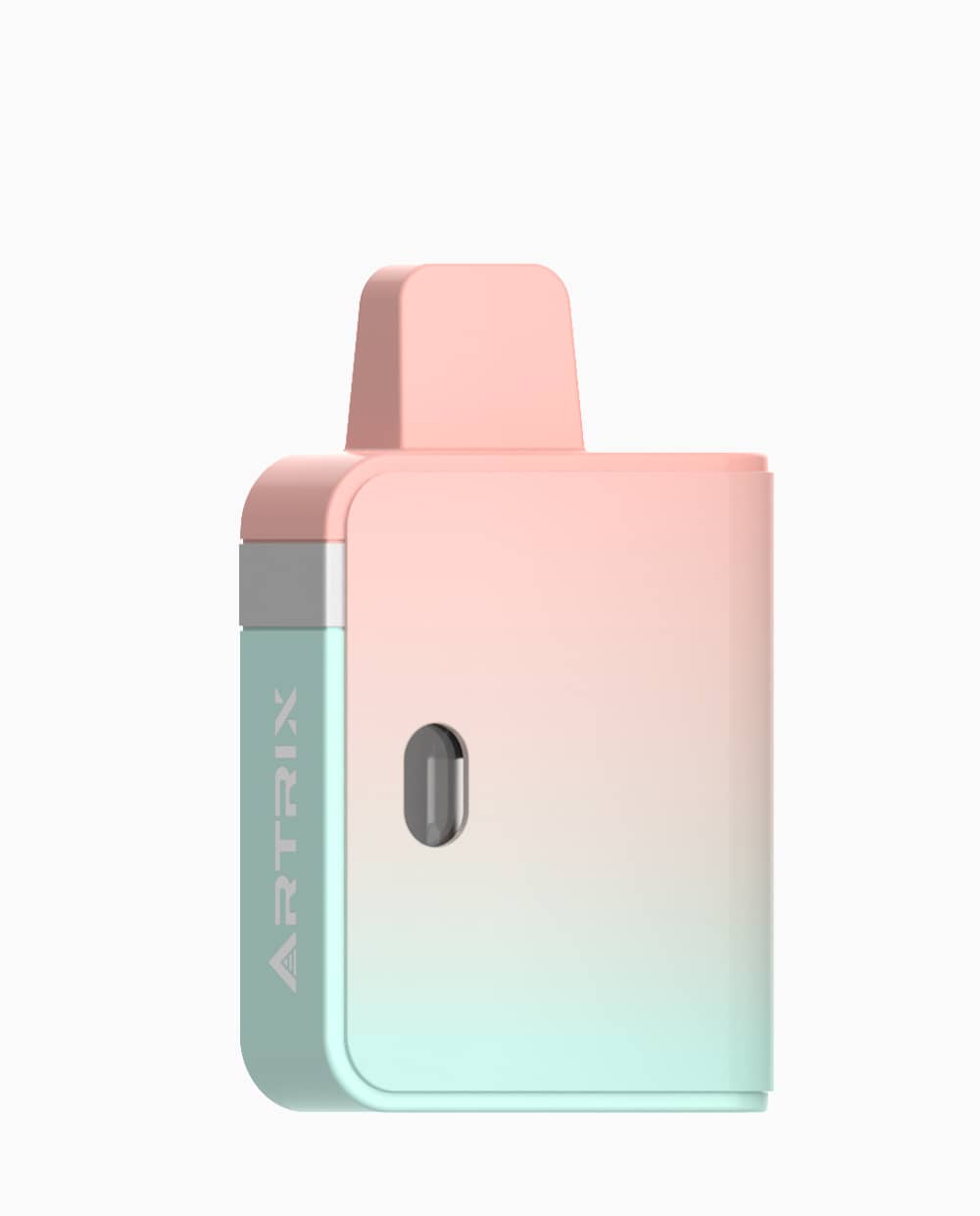
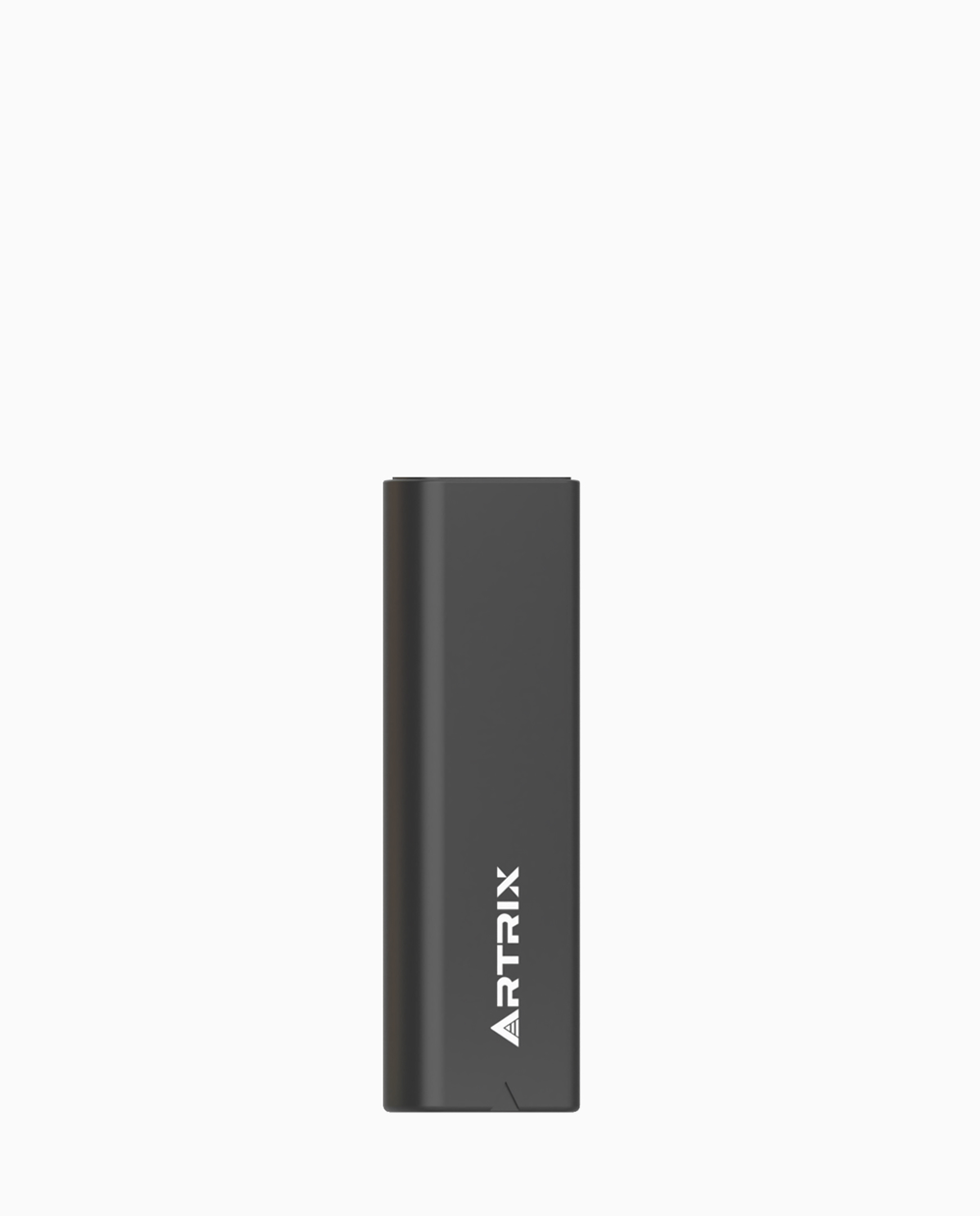
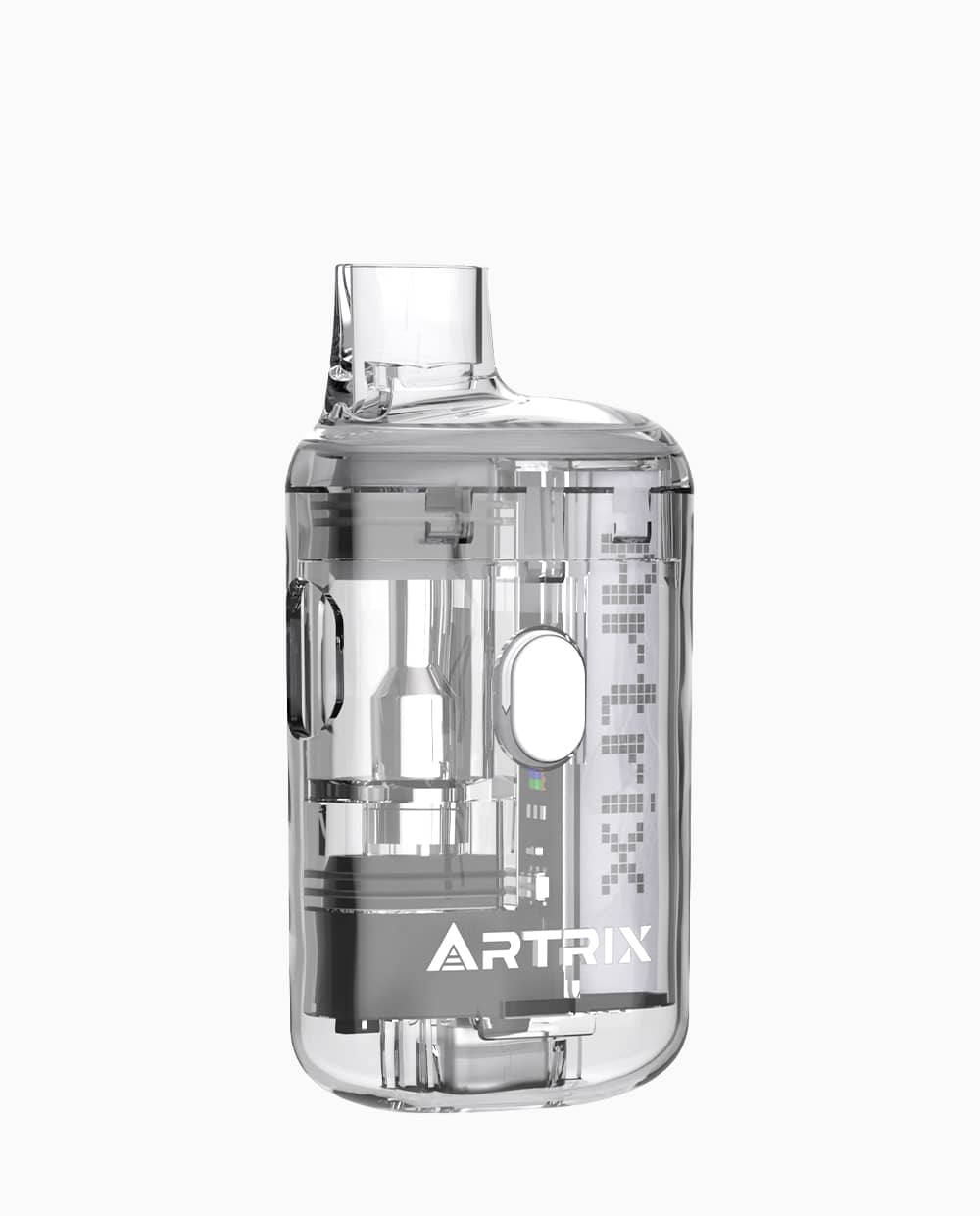
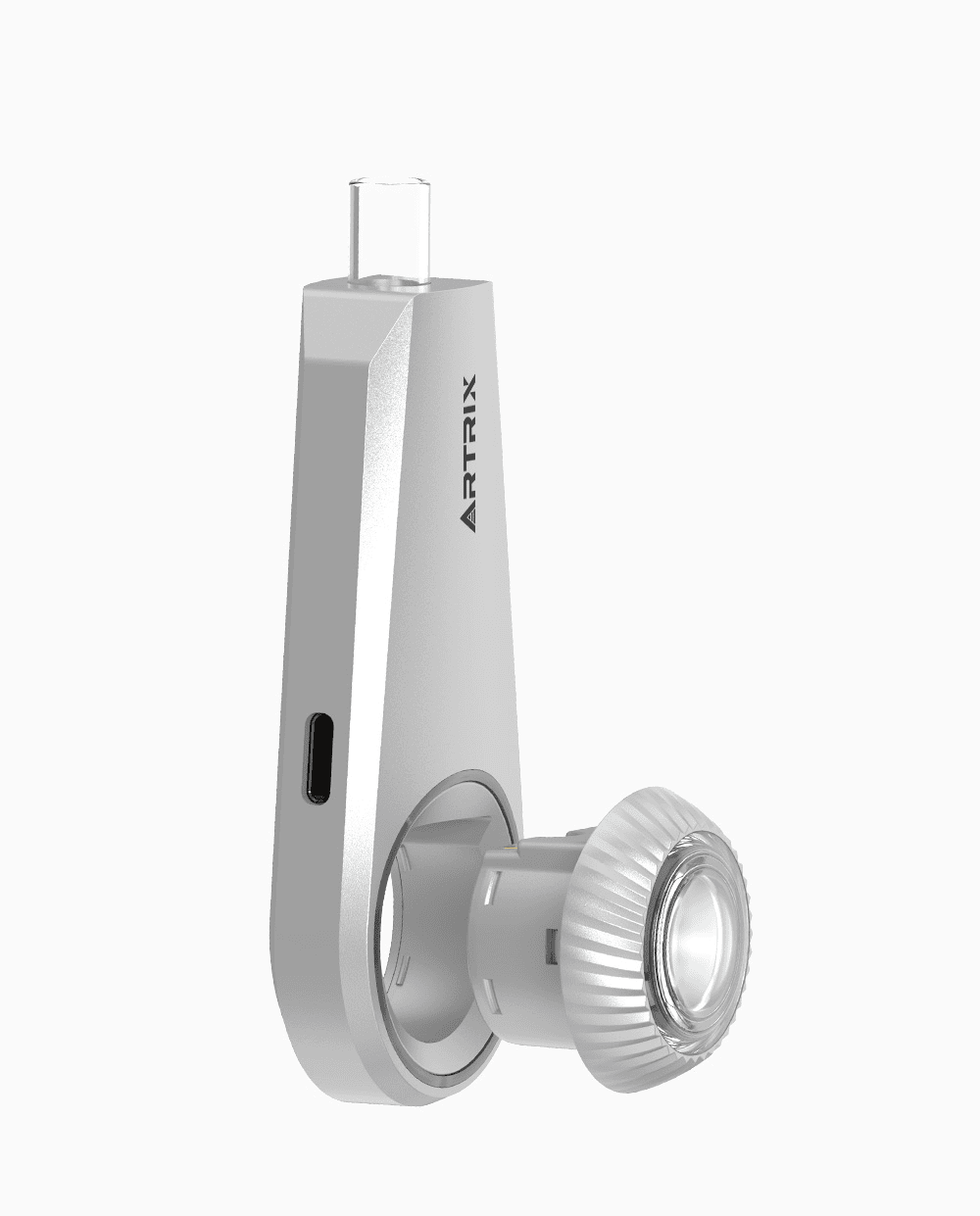
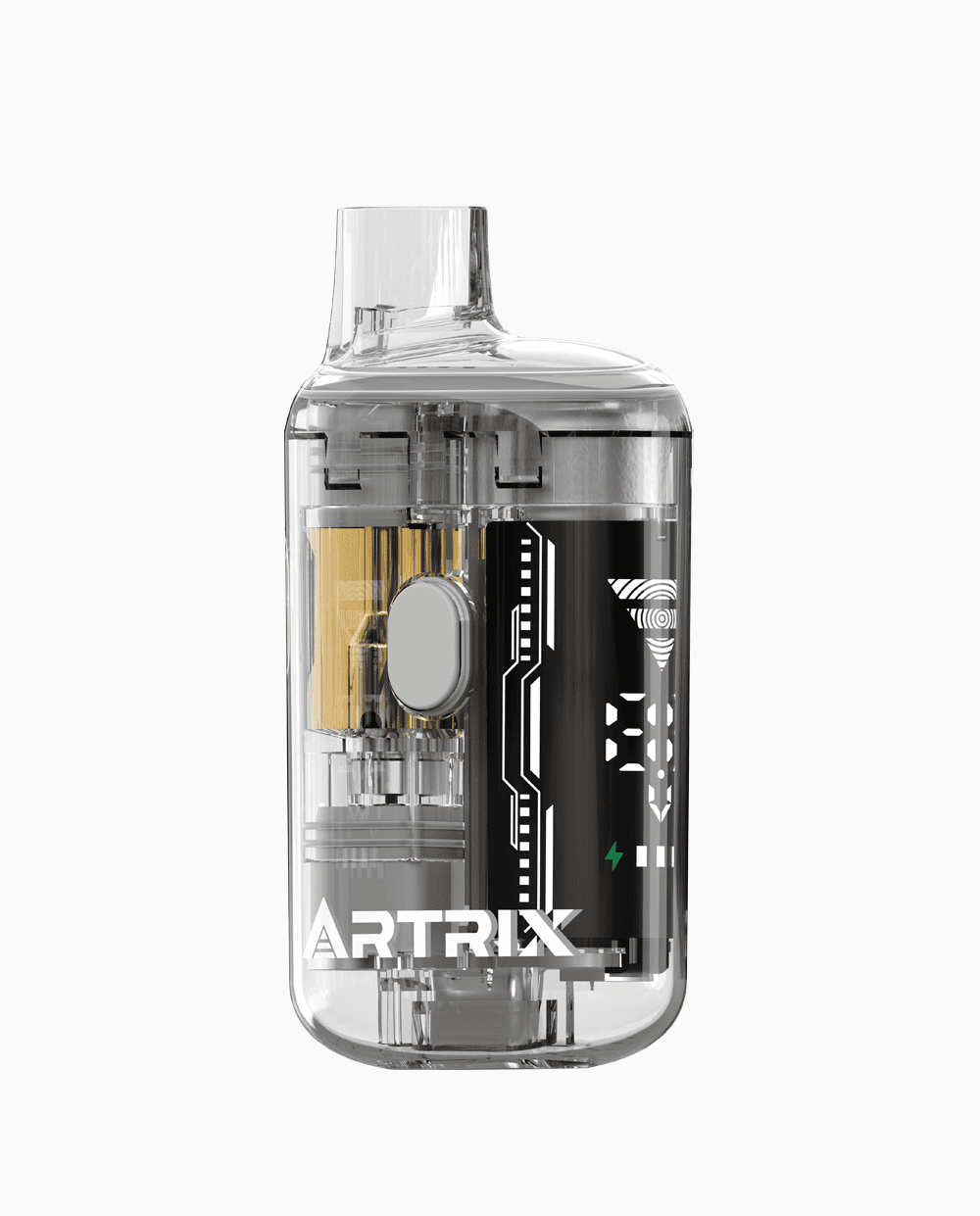
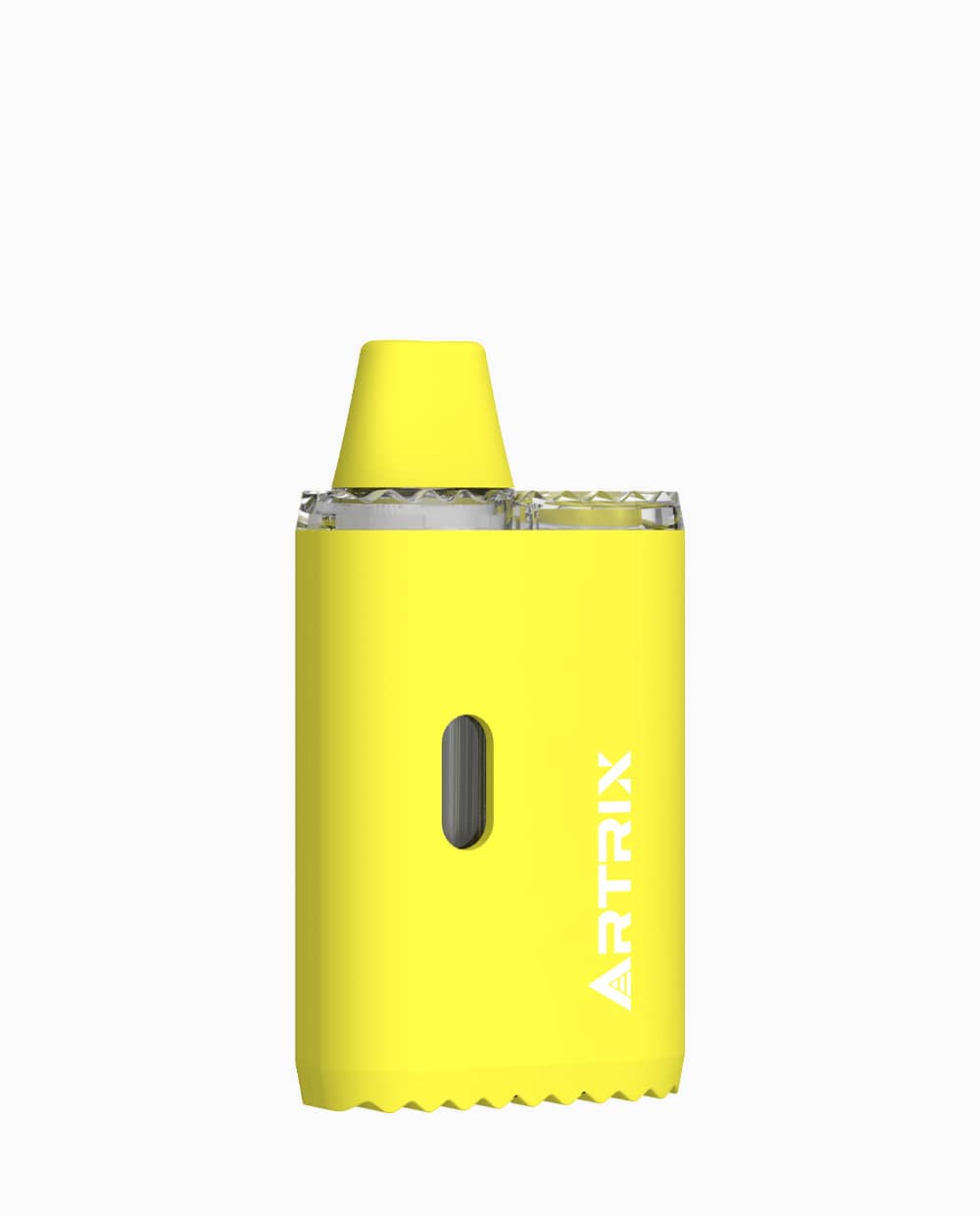
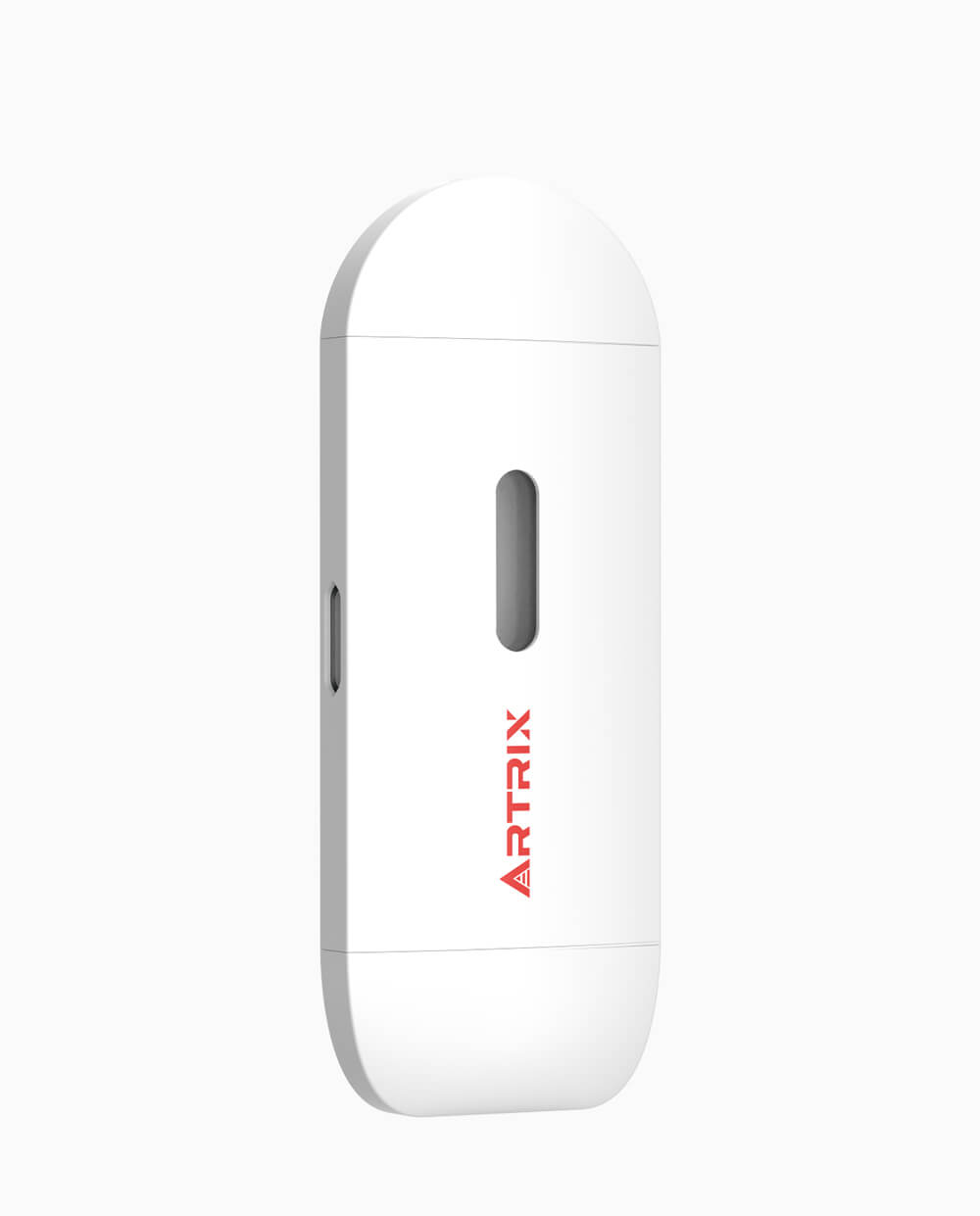
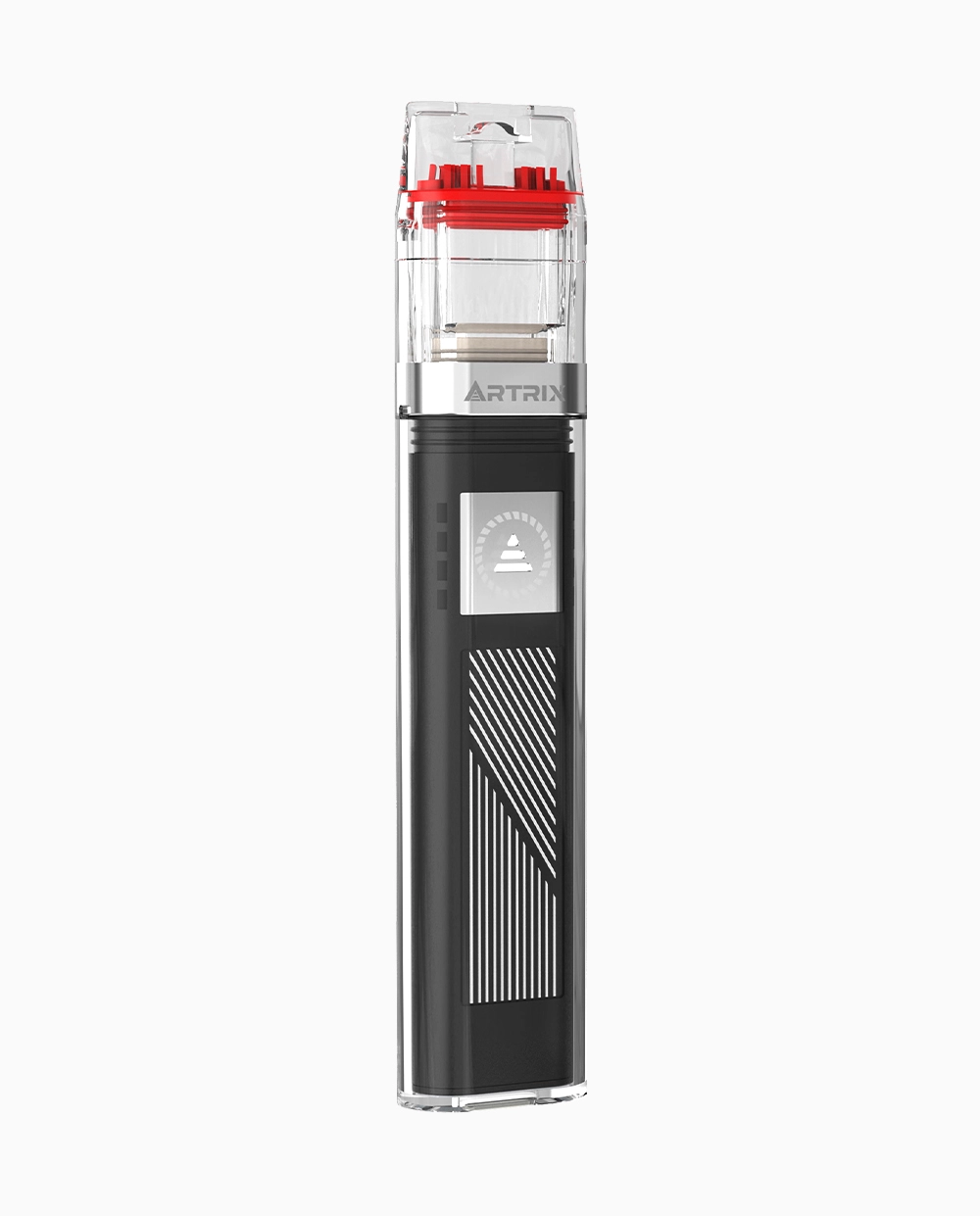
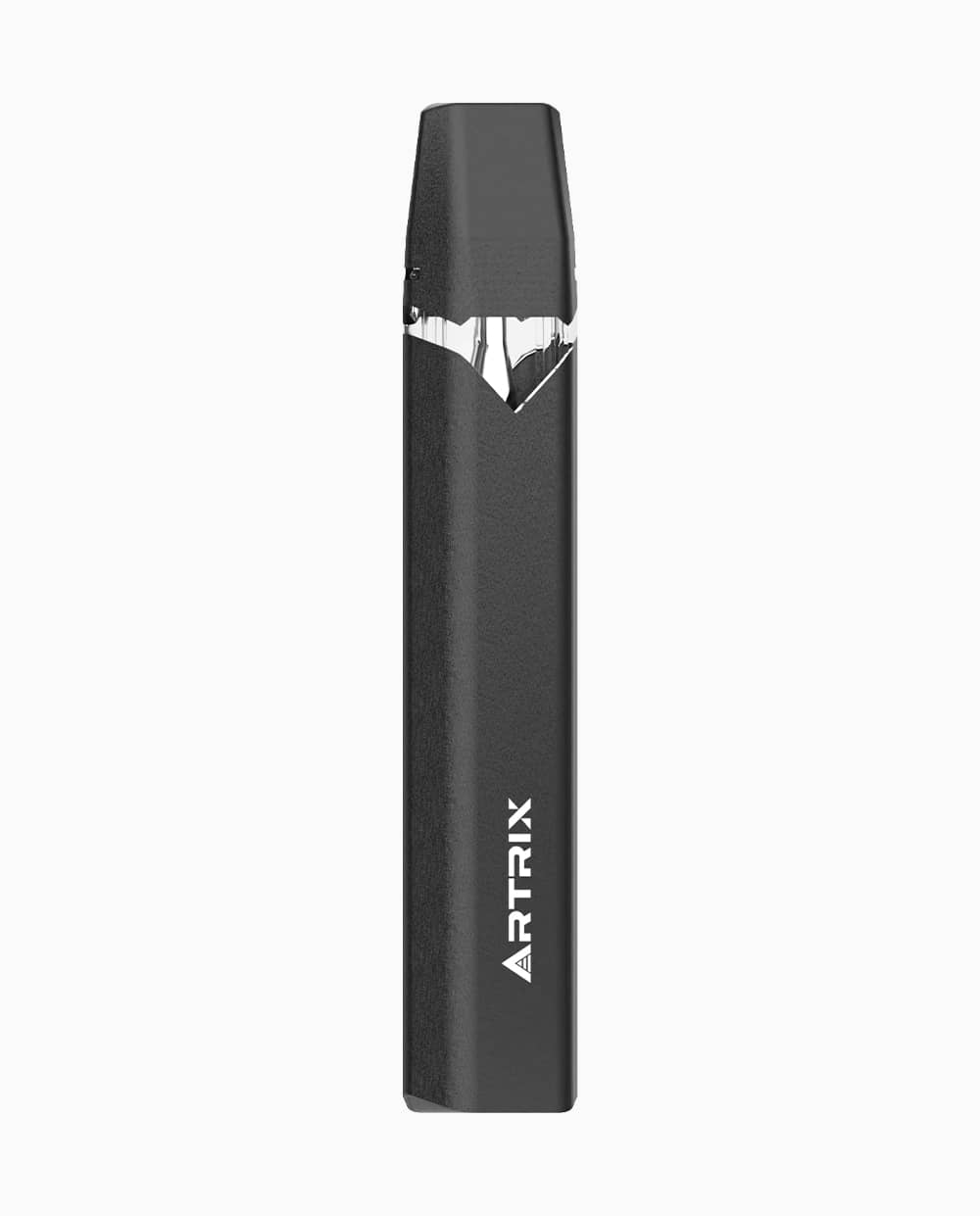
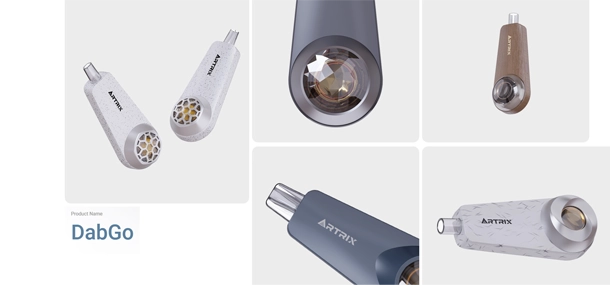
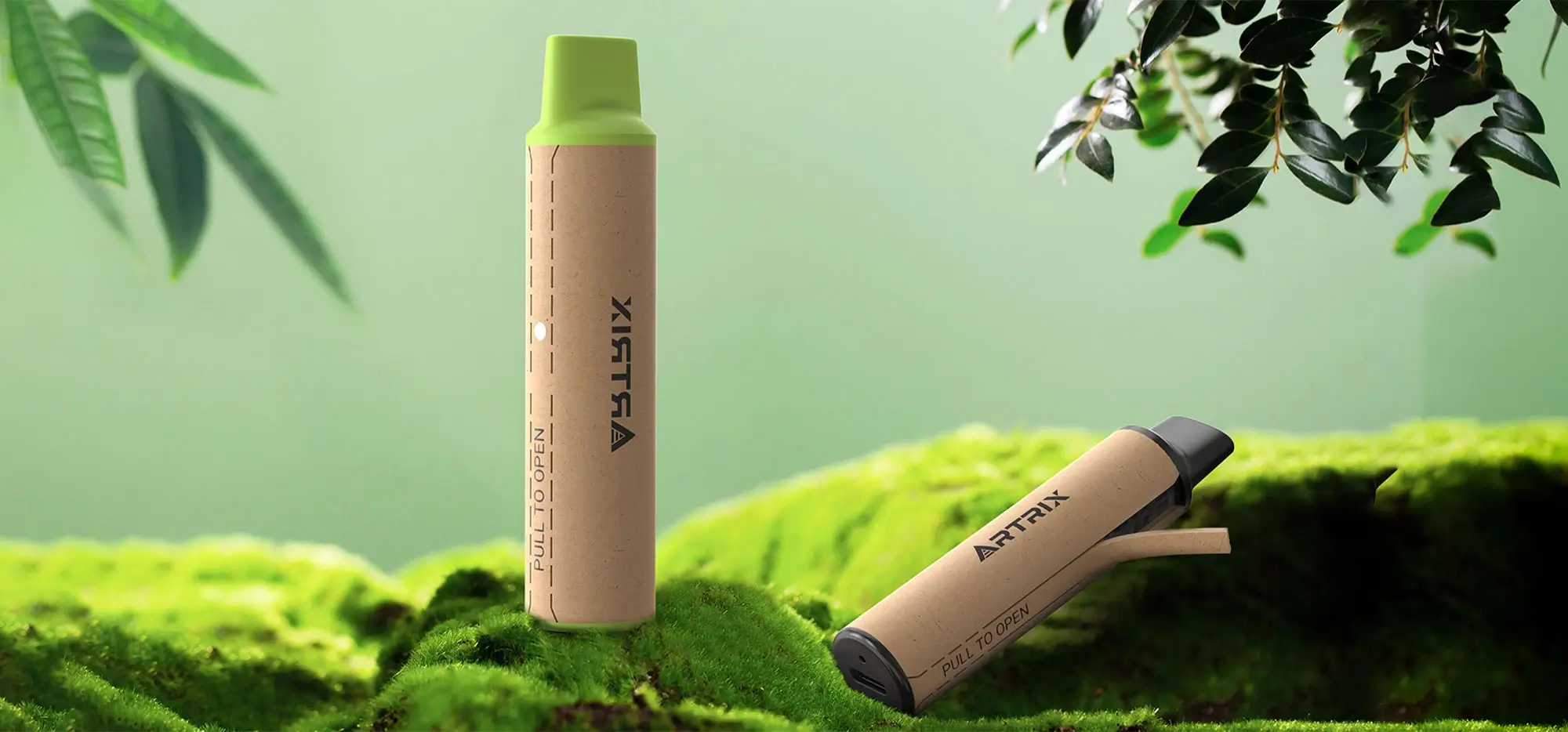
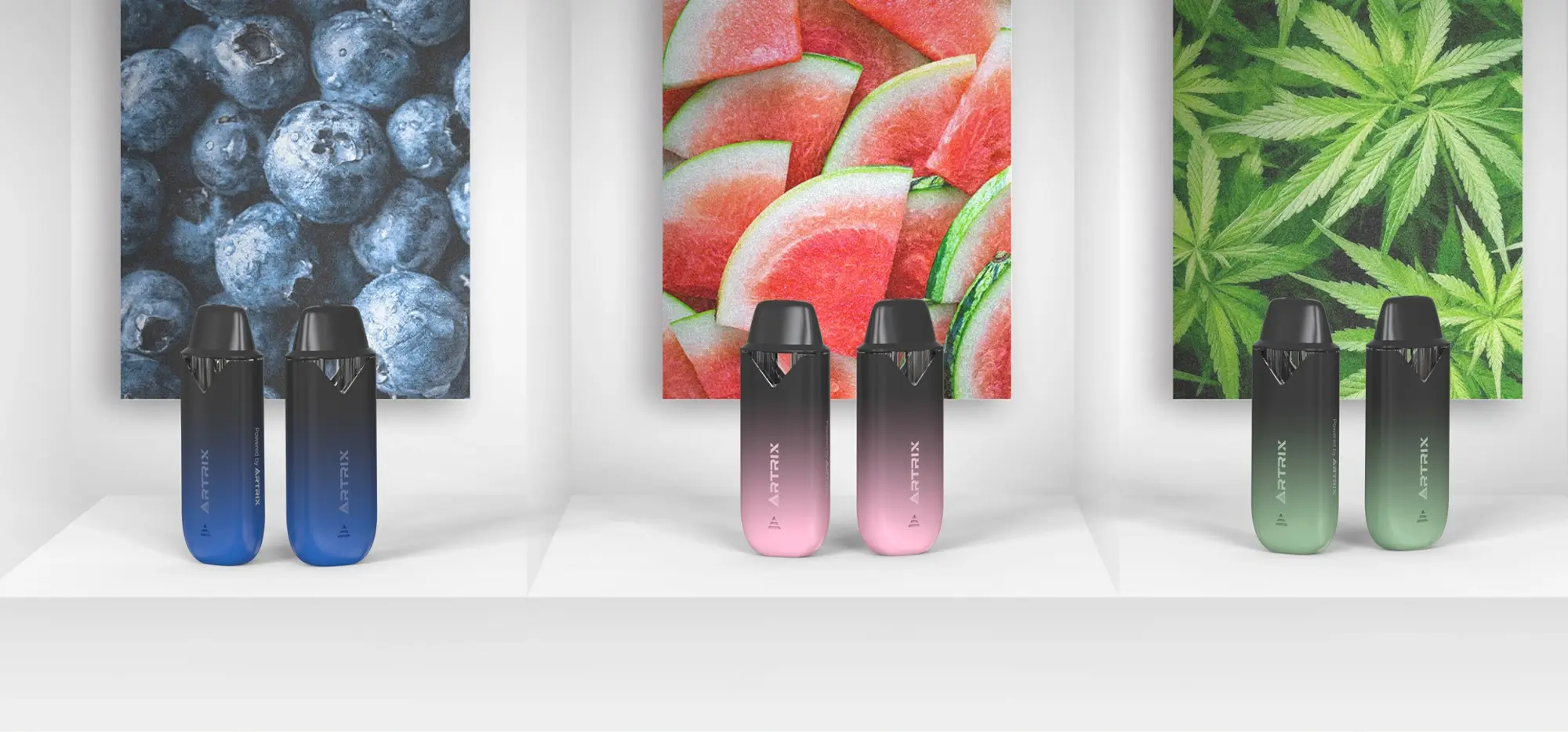
Choosing the right type of vaporizer plays a crucial role in minimizing these risks. For instance, Artrix portable dab pens are designed to maintain strictly controlled, lower temperature levels, preventing the degradation of concentrates and offering a cleaner, safer inhalation experience. The safety advantage of vaping over smoking depends entirely on using a well-designed, tested device. That’s the exact gap Artrix is built to close.
.
Smoking vs Vaping: Health Considerations
Respiratory Effects: Immediate and Long-Term
Smoking cannabis produces immediate respiratory irritation through hot smoke and particulate matter. Users often experience coughing, throat irritation, and increased phlegm production. Long-term smoking can lead to chronic bronchitis symptoms, reduced lung function, and persistent respiratory inflammation. The tar and combustion particles deposit in lung tissue, creating ongoing irritation.
Vaping significantly reduces these respiratory impacts. The vapor is cooler and contains dramatically fewer irritants. Most users report reduced coughing and clearer breathing within weeks of switching. However, vaping isn’t risk-free – some users still experience mild throat irritation, particularly with higher temperature settings or frequent use.
Toxin and Carcinogen Exposure
This represents the most significant health difference between methods. Combustion creates over 100 different toxic compounds, including known carcinogens like benzene, toluene, and polycyclic aromatic hydrocarbons. These substances have no therapeutic benefit and pose serious health risks with repeated exposure.
Vaping eliminates most of these harmful compounds. Studies analyzing vapor versus smoke composition have found substantially fewer toxic compounds in vapor. The primary compounds in quality vapor are cannabinoids, terpenes, and water vapor – dramatically cleaner than combustion byproducts.
Cardiovascular Considerations
Smoking cannabis affects cardiovascular health through multiple pathways. The combustion byproducts can increase inflammation and oxidative stress, while carbon monoxide reduces oxygen delivery to tissues. The combination may contribute to increased heart rate and blood pressure changes.
Vaping reduces these cardiovascular stressors by eliminating most inflammatory compounds and carbon monoxide. While cannabis itself can still affect heart rate and blood pressure, the delivery method creates significantly less additional cardiovascular burden.
Research Insights: Smoking vs Vaping
A comprehensive study published in Respiratory Research examined exhaled breath condensate from 254 participants to assess the respiratory impacts of cannabis vaping versus smoking. Researchers measured oxylipin levels — biomarkers for airway inflammation — and found that cannabis vaping users showed levels closer to non-users, while cannabis and tobacco smokers showed higher inflammatory marker concentrations. The authors concluded that e-device users had lower abundances of respiratory metabolites compared to those using combustion-based methods, supporting the biological case for reduced respiratory burden from vaping.
Conclusion
For individuals who choose to consume cannabis, vaping represents the safest inhalation method currently available. While the ideal approach for lung health remains avoiding inhalation altogether through methods like edibles, vaping offers a significant harm reduction strategy for those seeking the rapid onset that inhalation provides. The choice between smoking and vaping isn’t just about preference—it’s about making an informed decision that prioritizes respiratory health while maintaining therapeutic or recreational benefits.