
-1.webp)
-1.webp)
-2.webp)


































Why Does Weed Make Your Eyes Red?
Medical Disclaimer: This article is for educational purposes only and does not constitute medical advice. Cannabis laws vary by jurisdiction. Consult healthcare professionals regarding medical concerns and check local laws before using cannabis products.
The Quick Answer: It’s THC, Not Smoke
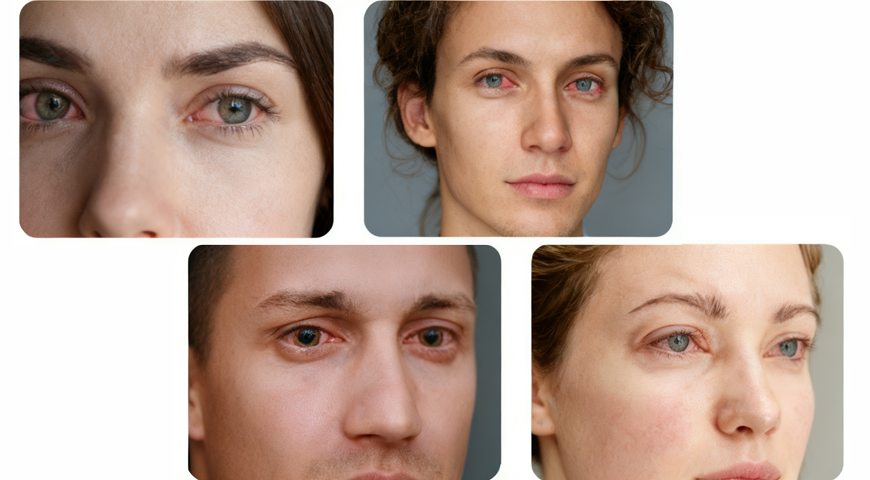
Contrary to popular belief, red eyes from cannabis aren’t primarily caused by smoke irritation. The culprit is THC (tetrahydrocannabinol), the psychoactive compound in cannabis. THC causes vasodilation—the widening of blood vessels—which increases blood flow throughout your body, including the tiny capillaries in your eyes. This increased blood flow makes the normally invisible vessels more prominent, creating that telltale redness.
This explains why people who consume edibles, tinctures, or other smokeless cannabis products also experience red eyes. It’s a systemic effect of THC, not a localized reaction to smoke.
The Science Behind Cannabis Red Eyes
How THC Triggers Vasodilation
When THC enters your bloodstream, it interacts with your body’s endocannabinoid system, specifically binding to CB1 and CB2 receptors found throughout your cardiovascular system. This interaction triggers a cascade of effects that ultimately cause blood vessels to relax and widen.
Think of your blood vessels like a garden hose. When THC causes vasodilation, it’s like opening the nozzle wider—the same amount of blood now flows through expanded vessels. In your eyes, where capillaries are extremely small and close to the surface, this expansion becomes highly visible as redness.
The Blood Pressure Connection
THC also causes a temporary drop in blood pressure. Your cardiovascular system compensates for this drop by dilating blood vessels to maintain adequate blood flow to vital organs. While this happens throughout your body, it’s most noticeable in areas with superficial blood vessels—particularly your eyes and sometimes your face.
This is why the redness often accompanies other vasodilation effects like slightly flushed cheeks or feeling warm.
Why All THC Products Cause Red Eyes
The fact that smokeless products also cause red eyes provides definitive proof that smoke isn’t the primary cause. Whether you consume cannabis through:
-
- – Smoking or vaping (immediate absorption through lungs)
-
- – Edibles (absorption through digestive system)
-
- – Tinctures (sublingual absorption)
-
- – Topicals with THC (skin absorption)
All can potentially cause red eyes because they all introduce THC into your bloodstream, where it causes the same vasodilation effect.
Managing Red Eyes: Practical Solutions
Immediate Relief Options
Over-the-Counter Eye Drops: Products containing vasoconstrictors (like tetryzoline in Visine or Rohto) can quickly reduce redness by constricting the dilated blood vessels. However, use these sparingly—frequent use can lead to rebound redness or dependency.
Cold Compress: Apply a cold, damp cloth over closed eyes for 5-10 minutes. Cold causes natural vasoconstriction, temporarily reducing blood vessel dilation.
Important: If you wear contact lenses, remove them before using eye drops and wait at least 15 minutes before reinserting them.
Prevention Strategies
Choose Lower-THC Products: Since THC causes the effect, products with lower THC concentrations or higher CBD-to-THC ratios typically cause less redness.
Stay Hydrated: Proper hydration supports healthy blood pressure and may minimize the compensatory vasodilation response.
Plan Timing: THC’s effects on eye redness typically last 3-4 hours for inhaled methods and potentially longer for edibles. Plan consumption accordingly if you have important commitments.
Start Low: Especially with edibles, start with small amounts to gauge your individual response.
Natural Approaches
While less immediately effective than medicated eye drops, some people prefer natural methods:
-
- – Cold chamomile tea bags as compresses
-
- – Staying in dimly lit environments (bright light makes redness more apparent)
-
- – Simply waiting—redness naturally resolves as THC metabolism progresses
Individual Variation: Why Some People Get Redder Eyes
Factors Affecting Your Response
Genetic Differences: People vary genetically in their vascular responsiveness to THC. Some individuals naturally have more reactive blood vessels.
Baseline Blood Pressure: Those with naturally lower blood pressure might experience more pronounced vasodilation effects.
Eye Anatomy: Differences in conjunctival blood vessel density and proximity to the surface affect visible redness.
Overall Health: Cardiovascular health, hydration status, and other medications can influence your response.
Tolerance and Adaptation
Regular cannabis users often report less pronounced red eyes over time. This tolerance likely develops as your endocannabinoid system adapts to regular THC exposure. However, tolerance to red eyes doesn’t necessarily correlate with tolerance to THC’s psychoactive effects—these involve different biological pathways.
Safety and Health Considerations
When Red Eyes Are Normal
Cannabis-induced red eyes are generally harmless and temporary. The vasodilation is similar to what occurs during exercise, hot showers, or emotional stress. Most people’s eyes return to normal within 3-4 hours of smoking or vaping, though edibles may cause longer-lasting effects.
When to Seek Medical Attention
Consult a healthcare provider if you experience:
-
- – Red eyes persisting beyond 8-12 hours after cannabis use
-
- – Eye pain, vision changes, or discharge
-
- – Red eyes accompanied by severe headache or nausea
-
- – Any concerning symptoms that seem unusual for your typical cannabis experience
Important Safety Reminders
-
- – Never drive or operate machinery while experiencing cannabis effects, regardless of eye appearance
-
- – Workplace considerations: THC can be detected in drug tests long after visible effects disappear
-
- – Drug interactions: Cannabis can interact with certain medications; consult healthcare providers about potential conflicts
Different Products, Different Experiences
Consumption Method Timing
Inhaled Methods (smoking/vaping): Red eyes typically appear within minutes and resolve in 3-4 hours.
Edibles: Onset occurs 30-90 minutes after consumption, with effects potentially lasting 6-8 hours or longer.
Tinctures: Sublingual absorption creates onset times between inhaled and edible methods.
Product Selection Strategies
THC Percentage: Higher THC concentrations generally cause more pronounced redness.
CBD Products: Pure CBD products without THC won’t cause red eyes. However, full-spectrum products containing trace amounts of THC might cause mild effects.
Strain Considerations: While strain-specific effects on eye redness aren’t well-researched, anecdotal reports suggest some consistency in individual responses to particular strains.
Legal and Responsible Use Considerations
Cannabis laws vary significantly by location, with different regulations for medical versus recreational use, possession limits, and consumption locations. Always verify local laws before using cannabis products.
For those in legal jurisdictions, responsible use includes:
-
- – Understanding your individual tolerance and response
-
- – Planning for impairment duration beyond just eye redness
-
- – Respecting workplace policies and drug testing requirements
-
- – Considering the impact on driving ability and legal implications
Frequently Asked Questions
Can you prevent red eyes entirely? While you can minimize the effect through product selection and dosage control, complete prevention isn’t possible with THC-containing products. The vasodilation effect is inherent to THC’s interaction with your cardiovascular system.
Do CBD products cause red eyes? Pure CBD doesn’t cause red eyes. However, full-spectrum products containing trace THC (under 0.3% federally) might cause very mild redness in sensitive individuals.
How long until eyes return completely to normal? For most people, 3-4 hours after smoking or vaping, though individual variation exists. Edibles may cause longer-lasting effects, potentially 6-8 hours.
Understanding the Bigger Picture
Red eyes from cannabis are a normal, temporary physiological response to THC. While often viewed as an unwanted side effect, this vasodilation is actually part of THC’s complex interaction with your body’s systems. Understanding the mechanism helps demystify the experience and enables more informed decision-making about cannabis use.
The key to managing red eyes lies in understanding your individual response patterns, choosing appropriate products and dosages, and planning consumption timing around your commitments. Whether you choose to use eye drops, natural remedies, or simply wait for the effect to pass, remember that this redness is temporary and generally harmless.
Remember: Cannabis affects everyone differently, and this information shouldn’t replace professional medical advice. Always consume responsibly and in accordance with local laws.