
-1.webp)
-1.webp)
-2.webp)




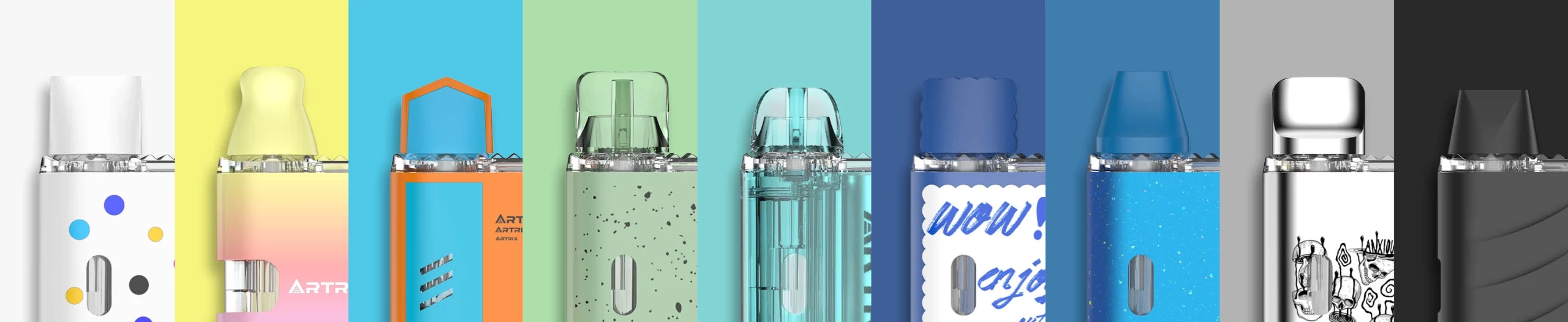






















Why Glass Can Appeal to Premium Extract Consumers
Last Updated: Sep 2, 2026
Glass may appeal to some premium extract consumers because it recalls familiar dabbing equipment, makes the oil visible, and fits a craft-oriented product identity. These associations can help brands understand hardware preferences. They do not establish extract purity, guarantee flavor performance, or prove that customers will pay more.
For brands working with live rosin or live resin, the useful question is how a glass reservoir connects customer expectations with the actual product. Cultural fit deserves consideration alongside construction, performance, and cost. A convincing material story begins with understanding what customers recognize and ends with verifying what the device delivers.
Three Cultural Reasons Glass Can Resonate
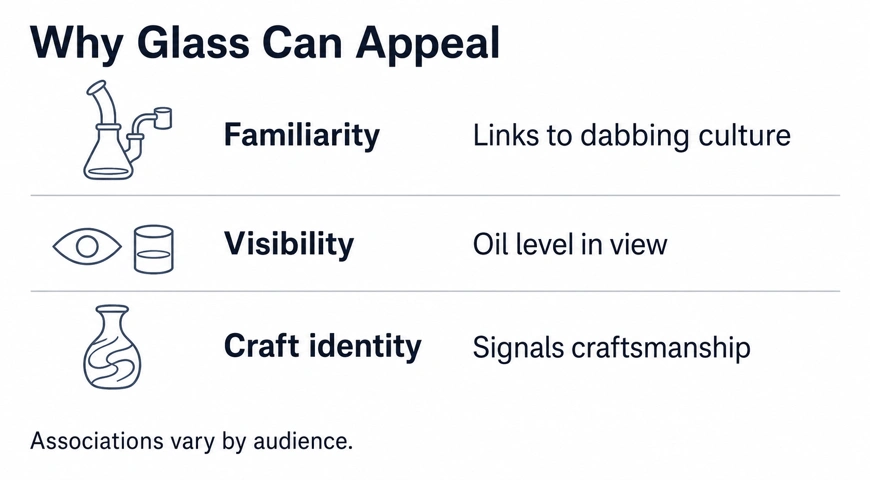
Familiarity, visibility, and craftsmanship offer three possible explanations for the appeal of glass. Treat them as audience hypotheses: their importance will vary between customers, product formats, and situations.
The Historical Path: Glass as “Authenticity”
For someone familiar with glass rigs and quartz bangers, a glass reservoir may create a recognizable connection to dabbing. The association concerns familiar materials and rituals.
This distinction matters when a brand translates a concentrate experience into a portable format. Customers may recognize the visual reference without expecting the devices to function identically. Exploring why experienced consumers explore dabbing can help frame interview questions, but actual customer feedback should determine whether that connection matters to the intended audience.
Consider a brand introducing a portable product to customers already familiar with its concentrates. Showing the reservoir might give those customers a recognizable detail to discuss. The useful follow-up is to ask what that detail means to them: continuity with familiar equipment, an appealing appearance, or simply easier viewing. Their answers determine which story deserves emphasis. None of these responses should be assumed before the conversation happens.
The Psychology of Trust: Glass as “Transparency”
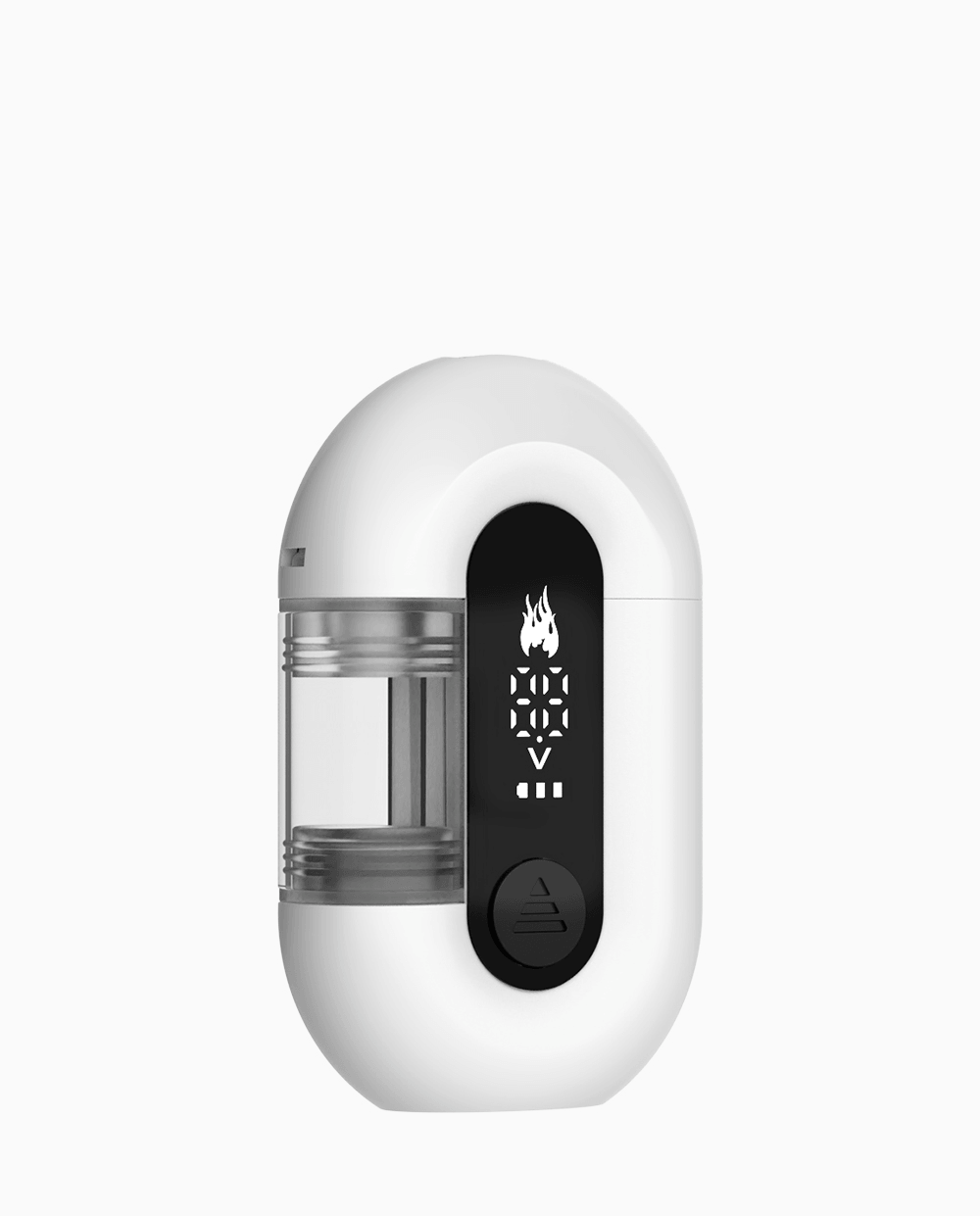
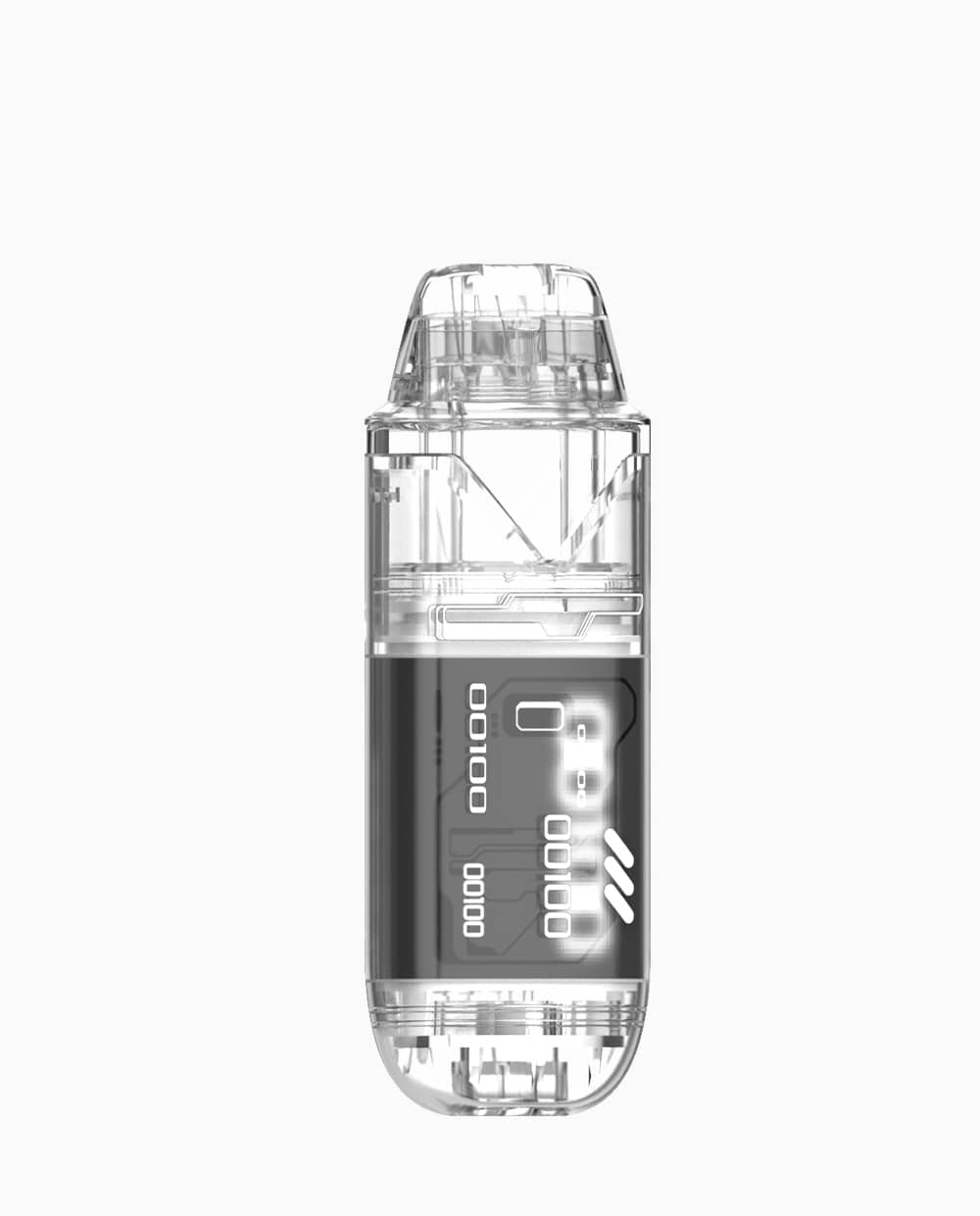
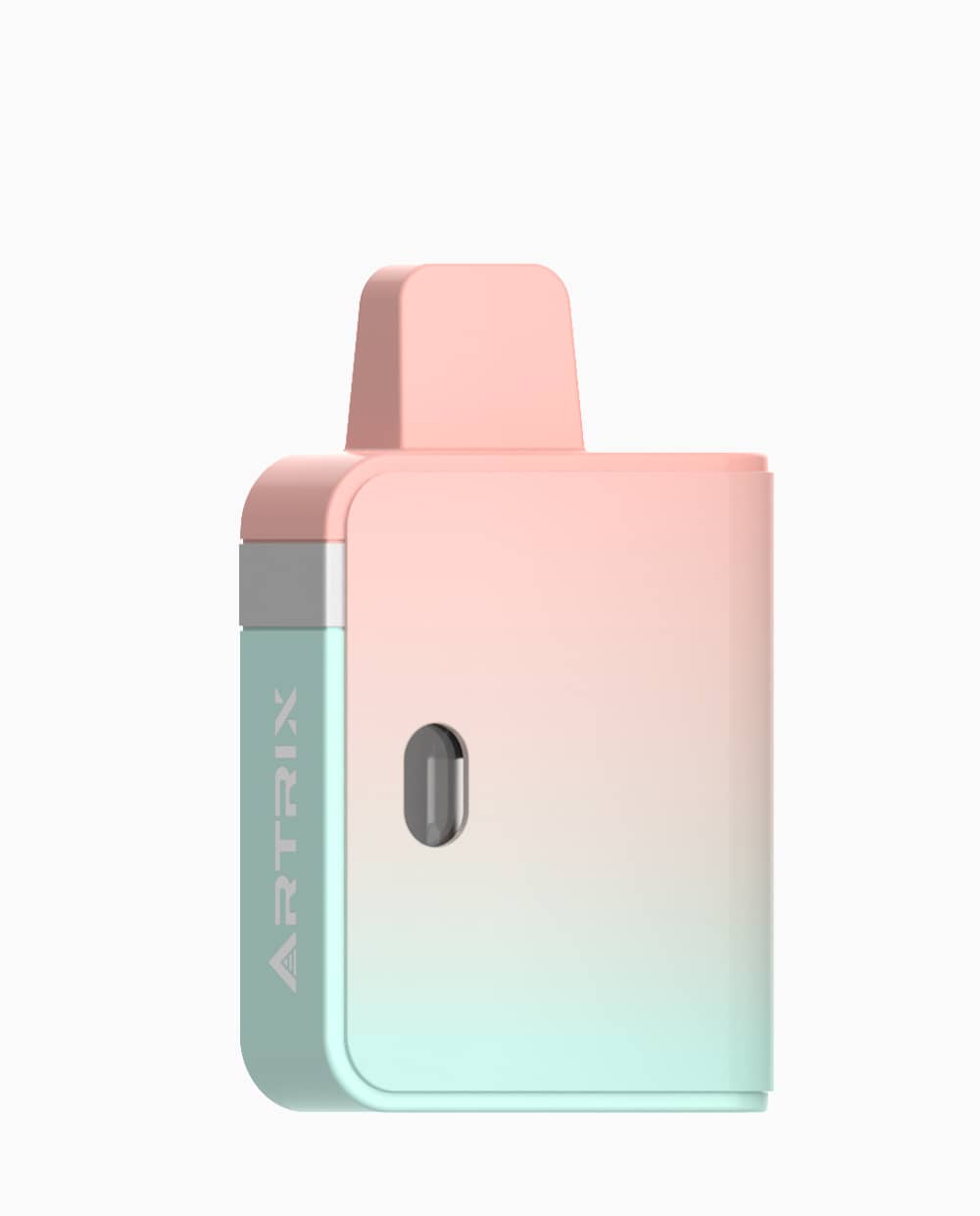
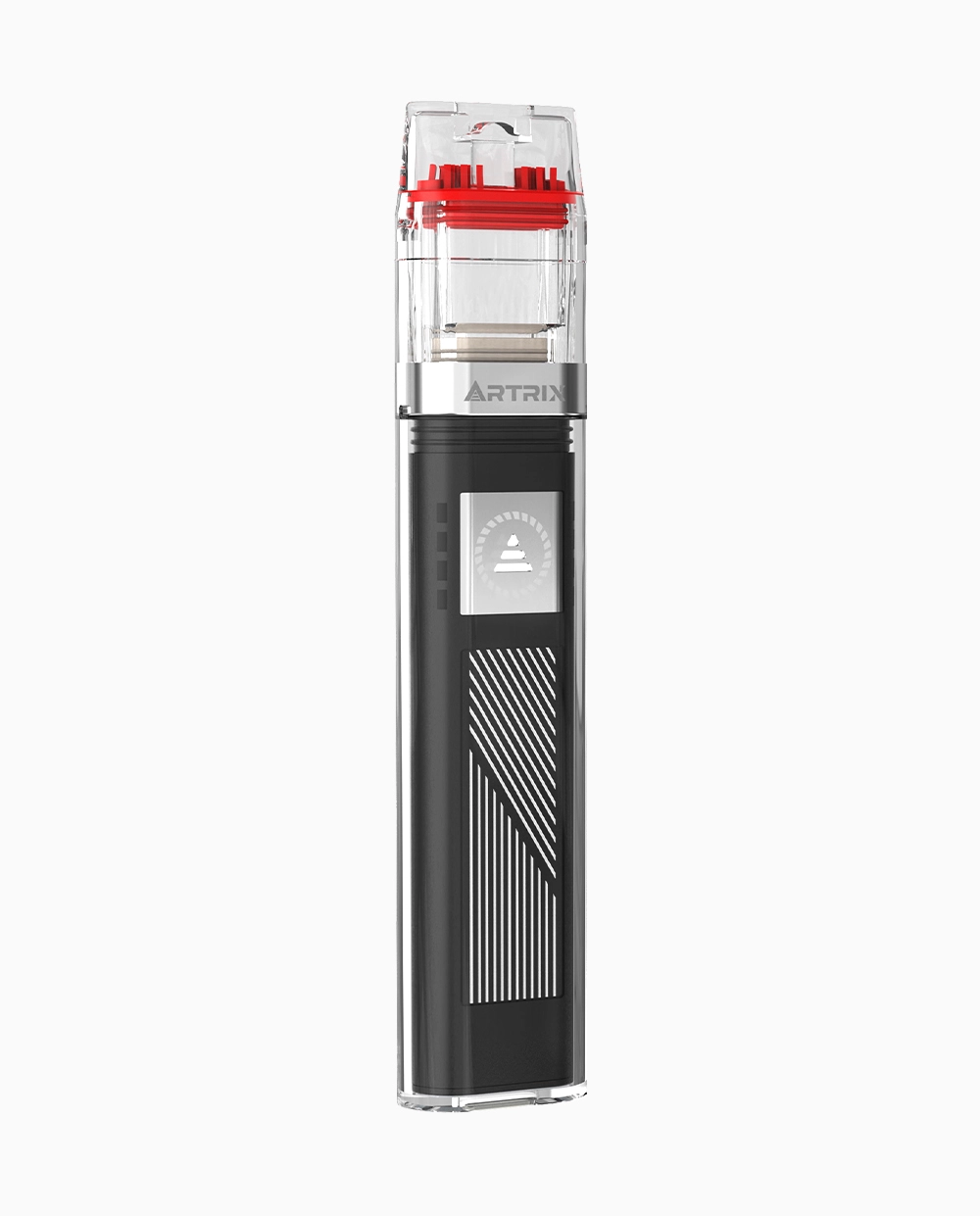
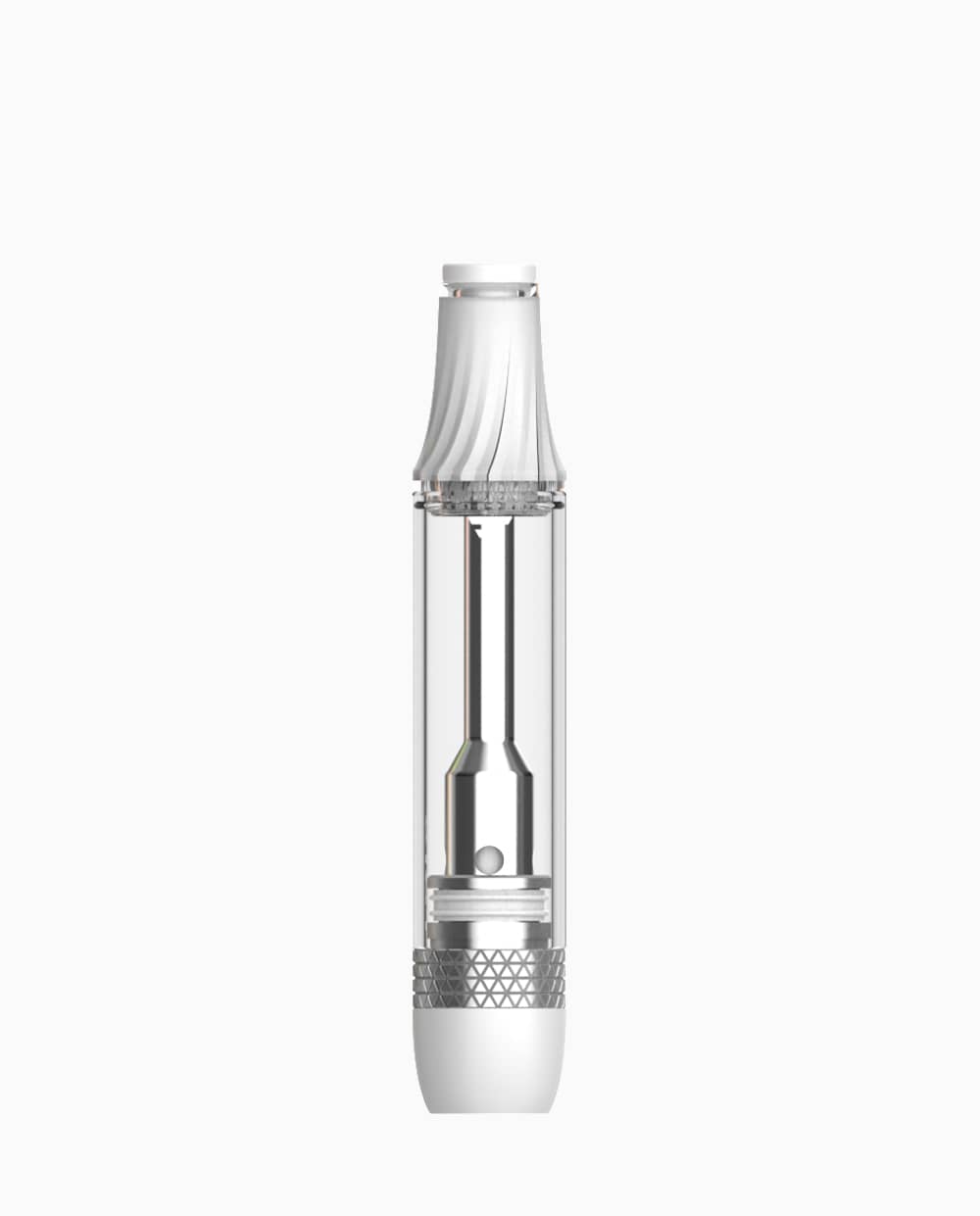
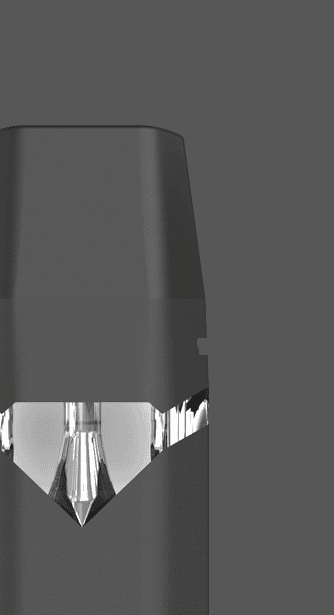
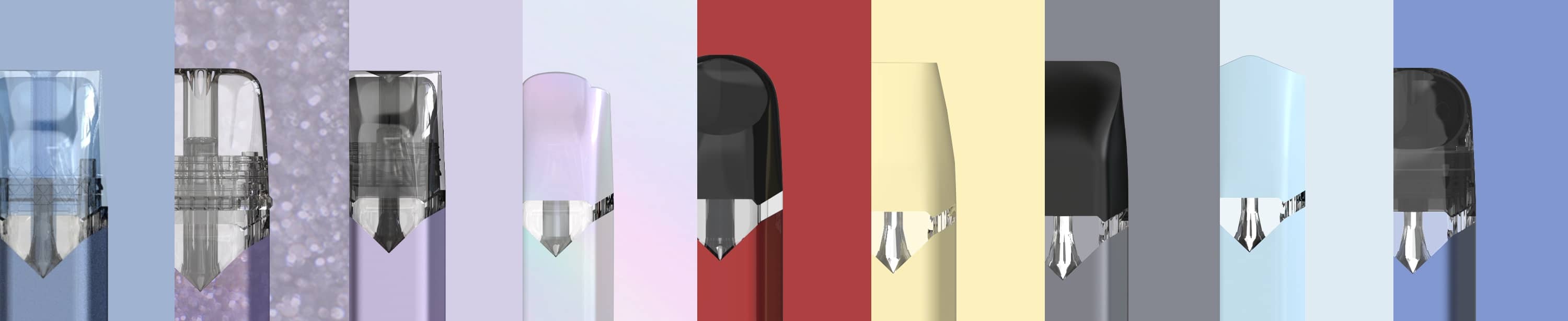
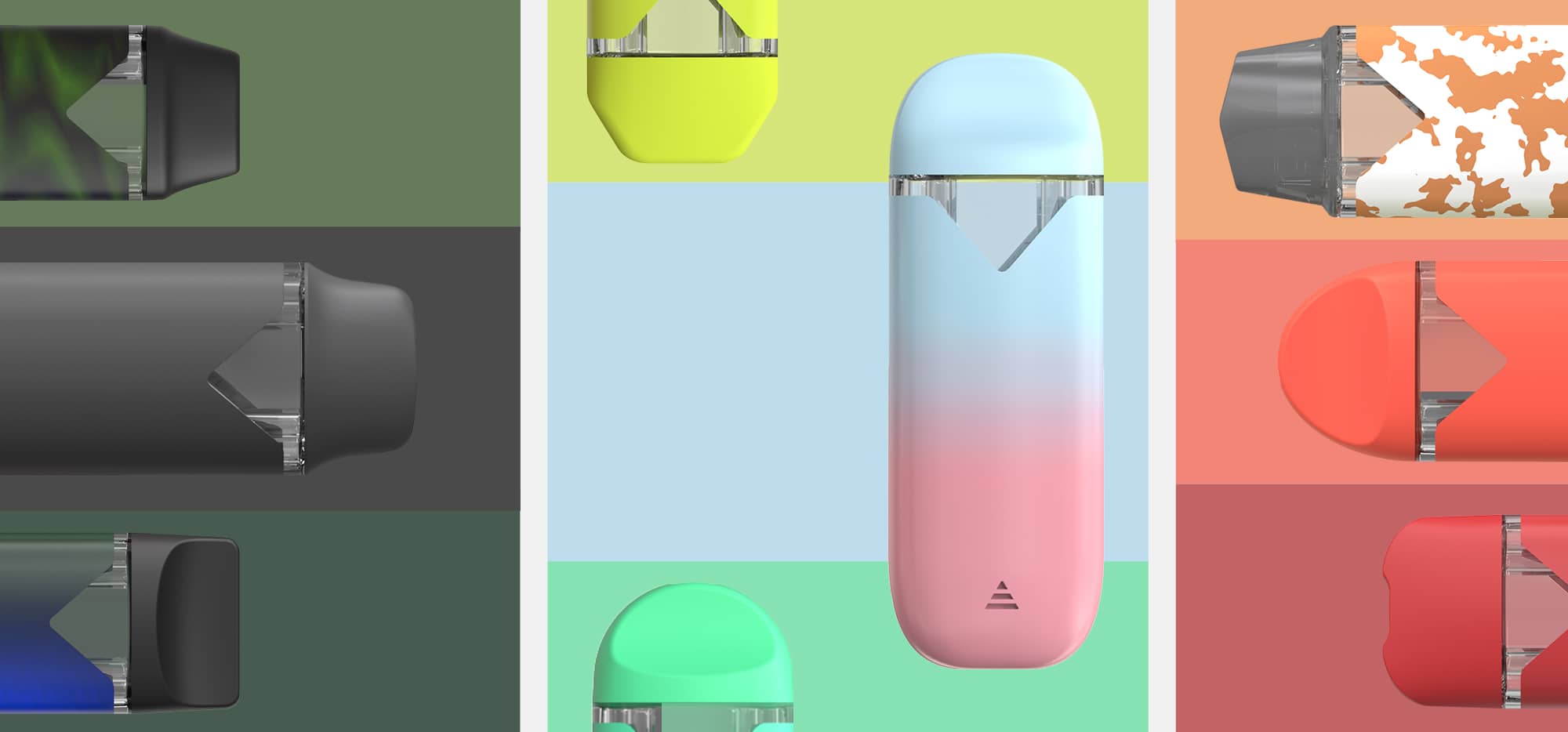
A visible reservoir gives customers something concrete to inspect. Someone wondering whether a device is nearly empty may appreciate seeing the remaining oil. A retailer explaining the format can show the viewing area directly. How useful that visibility becomes depends on the reservoir geometry, lighting, and whether labels or the housing obstruct the view.
Visibility may also support a feeling of openness, but that psychological response needs to be distinguished from verification. An amber color or moving bubble cannot establish the extraction method, composition, or purity. Brands build a more credible explanation when they describe what customers can observe and provide documentation for what they cannot.
The Core Philosophy: Glass as “Flavor Respect”
A consumption device is a statement of identity. For customers who value craftsmanship, glass may fit the story they associate with a carefully produced extract. The relevant question is whether the material feels consistent with their expectations, rather than whether it makes them more discerning than people choosing other formats.
Flavor expectations belong in this discussion, but expectations are not measured results. Some customers may prioritize taste, while others place equal weight on portability, convenience, or price.
Identity also gives brands a reason to be precise about language. Describing the actual reservoir material and explaining the producer’s documented process gives customers specific details to consider. Calling every alternative industrial or disposable instead substitutes a value judgment for useful information. A customer can appreciate craft while choosing convenience. A stronger brand story leaves room for that combination and explains how the proposed device fits it. This approach also makes conversations easier for retail staff: they can discuss tangible features without needing to defend sweeping claims about what premium customers supposedly believe.
What Glass Can Actually Tell You About a Vape
A glass reservoir identifies one part of a device and may make its contents visible. It does not describe every component or establish the quality of the extract. Separating those questions makes both product comparisons and customer conversations more useful.
| Visible feature | Practical meaning | What still needs verification |
|---|---|---|
| Transparent reservoir | Customers can inspect visible oil and approximate remaining levels. | Composition, extraction method, and batch quality. |
| Glass tank | A specified storage component uses glass. | Materials throughout the heating assembly and contact paths. |
| Craft-oriented appearance | The design presents a particular brand identity. | Customer interpretation, purchase response, and commercial value. |
The Reservoir Is Part of a Larger System
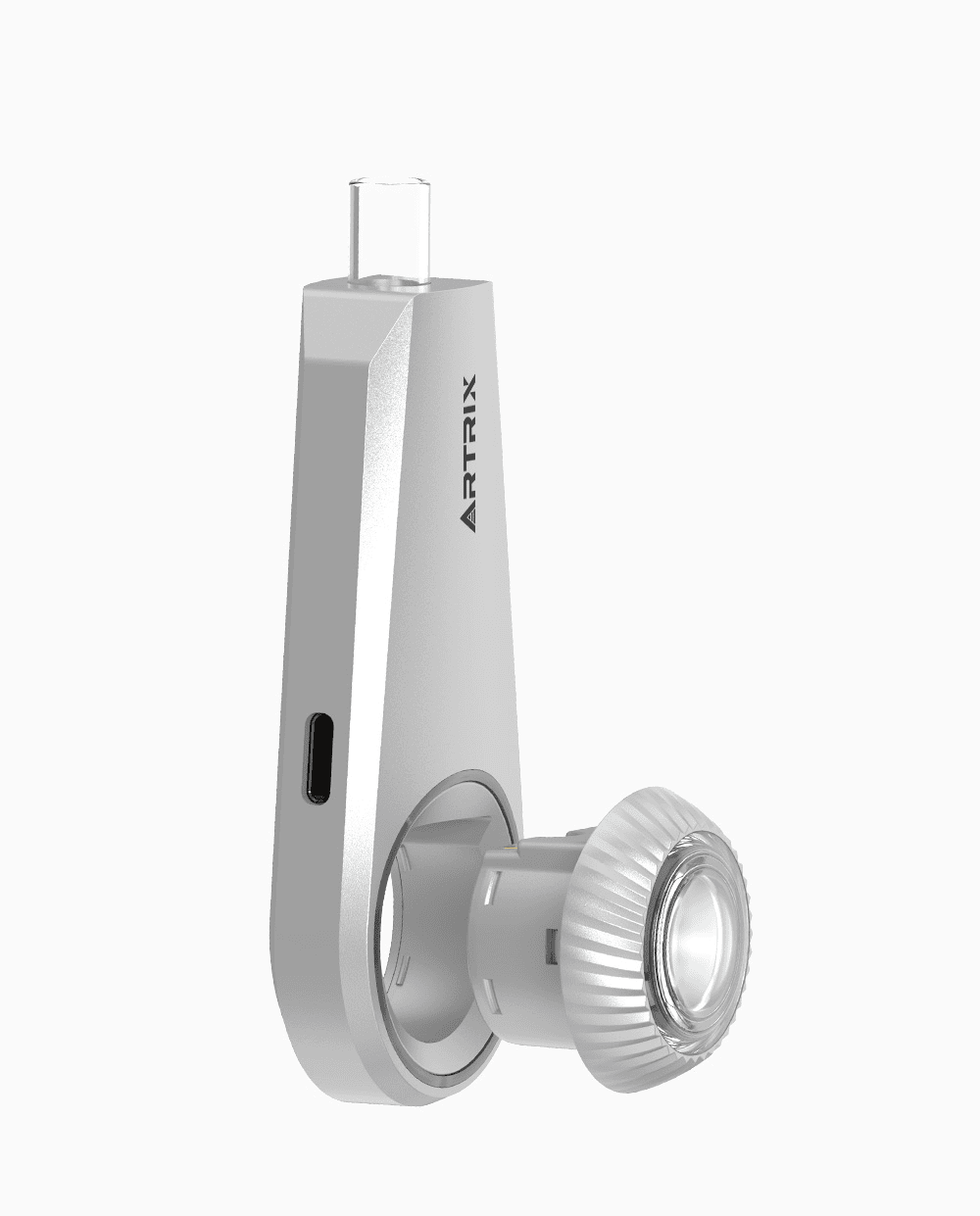
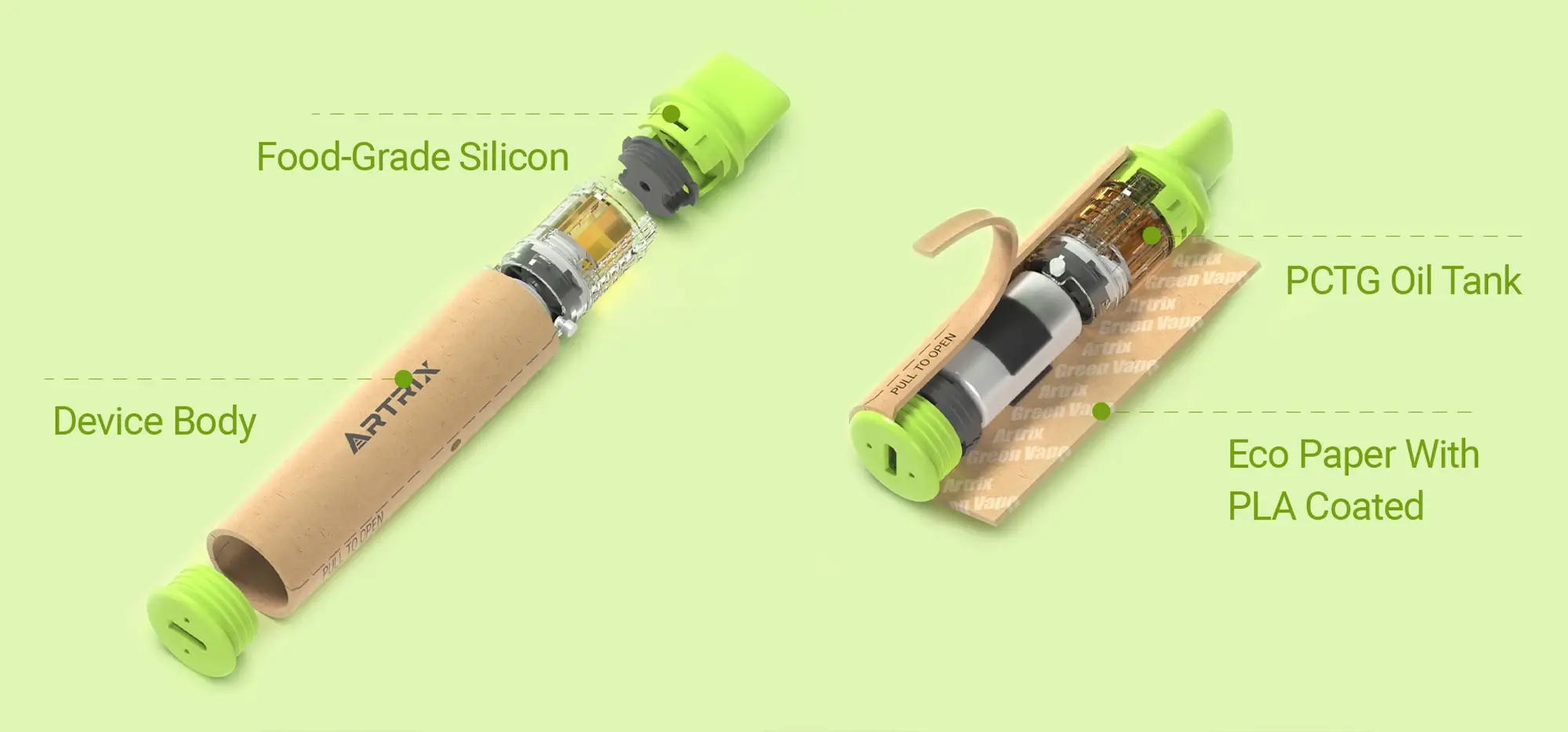
Buyers should distinguish the reservoir, heating element, oil-contact surfaces, aerosol pathway, and outer housing. Calling the reservoir glass does not establish that the entire device is glass or contains no metal. A component diagram and material specification help clarify which claim applies to which part.
Temperature also deserves separate attention. Research on terpene degradation examined chemical changes under simulated dabbing conditions. It explains why heat exposure matters, but does not demonstrate that a particular glass vape preserves flavor better. Device evaluation must consider the actual formulation and operating conditions. Further hardware considerations for live rosin and distillate can guide questions for suppliers.
How Brands Can Evaluate Cultural Fit
Brands can turn a cultural idea into a useful decision by checking audience response, product evidence, and economics separately. Each answers a different question: whether customers understand the story, whether the hardware meets the brief, and whether the proposal makes commercial sense.
-
- Start with customer priorities. Ask target customers what matters before introducing glass as a benefit. Then show comparable concepts and record which associations arise without prompting. Someone may recognize dabbing cues yet prefer a format that better suits everyday carrying.
-
- Verify the construction. Request component details and identify the surfaces relevant to the proposed material claims. If a supplier describes reduced metal contact, ask exactly where that description applies. Do not extend a localized claim to the complete device.
-
- Evaluate relevant performance. Compare candidate samples using documented oil batches, fill quantities, settings, and usage conditions. Record sample counts and differences between configurations. If flavor is central to the brief, use an appropriate comparison method rather than assuming appearance predicts the result.
-
- Check the economics. Compare actual hardware, packaging, logistics, and service costs with realistic net selling prices. Customer interest can justify further testing, but stated willingness to pay is not the same as completed purchases or improved margins.
Keep uncertainty visible in the decision. Positive feedback about appearance may support the design direction while leaving performance questions unresolved. Equally, a technically suitable device may need a different brand presentation. Separating these findings helps teams decide what to validate next without overstating what they already know. For example, separate feedback about viewing the oil from feedback about handling the device, so one attractive feature does not obscure another practical concern during evaluation.
Questions About Glass Vape Hardware
Does glass guarantee better flavor?
No. Reservoir material alone cannot establish the complete device’s flavor performance. Relevant comparisons need defined formulations, equipment, and operating conditions.
Does visible oil prove purity?
No. Visibility helps customers inspect appearance and remaining contents. Composition and relevant quality claims require appropriate documentation or testing.
Can glass support premium positioning?
It may fit a particular audience’s expectations, but the response needs validation. Materials alone do not guarantee higher prices or profits.
Is a glass tank an all-glass device?
No. The reservoir is one component. Buyers should confirm the heating element, outer housing, and relevant contact surfaces separately before making broader material claims.
What should brands request before selecting hardware?
Request current component specifications, relevant validation records, and samples for the intended application. Match each proposed claim to evidence covering the actual configuration and conditions.
Make the Material Story Verifiable
Glass can provide a meaningful connection between a product’s presentation and a customer’s expectations. Its strongest role emerges when cultural familiarity, accurate component descriptions, and relevant product evidence reinforce one another. For brands, the next step is to listen to the intended audience, verify the hardware, and make claims that the available evidence can support.
Where Glassic Fits in the Evaluation
Brands considering this format can review the Glassic glass-tank platform as one candidate. Use the page to begin a supplier conversation. Request current construction details and validation information relevant to the intended formulation and product brief.