


-1.webp)
-1.webp)
-2.webp)


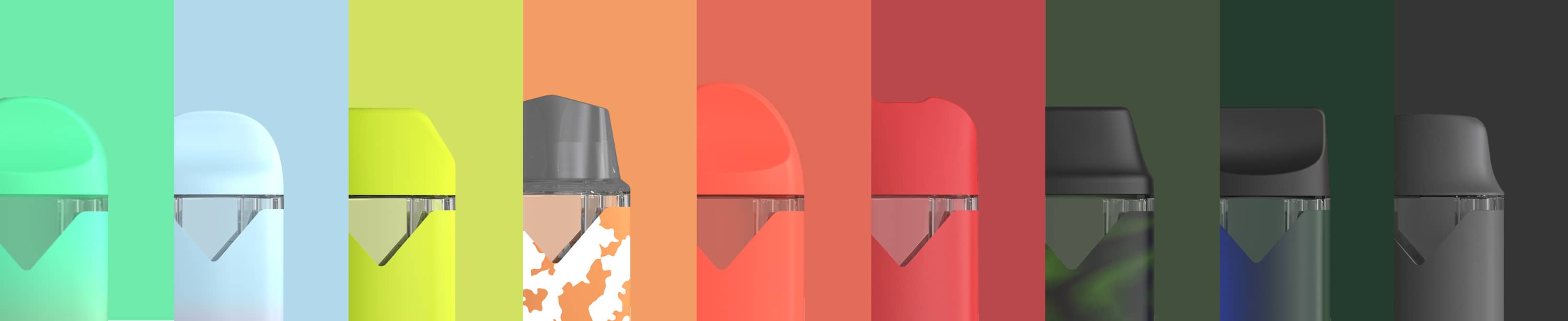



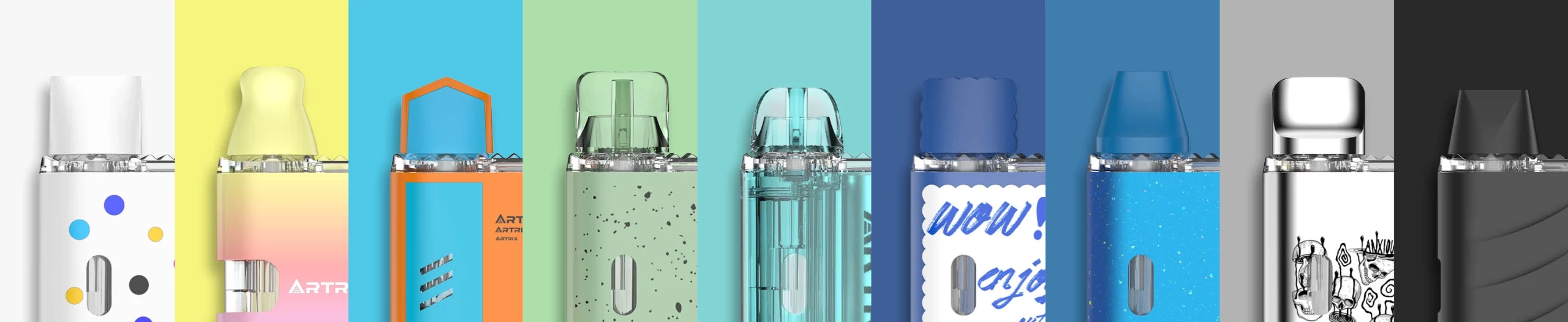





















What Is Inside a Cannabis Vape? Oils, Terpenes, Additives, and Hardware
Last Updated: July 30, 2026
This content is for informational purposes only and does not constitute medical or legal advice. Please consult a licensed healthcare provider before using cannabis products. Comply with your state’s regulations.
This content is intended for audiences 21 years and older, as required by U.S. law.
Cannabis regulations vary by state. Please verify the legal status of products in your area before purchase.
Short answer: a cannabis vape combines a cannabinoid-rich fill with a device that heats the fill into an inhalable aerosol. The fill commonly contains cannabis extract and terpenes, while the device includes a reservoir, heating element, airflow path, and—when it is an all-in-one disposable—a battery and control system. Exact ingredients vary by product, manufacturer, and jurisdiction.
Introduction
Cannabis vaporizers have moved from a niche format into one of the most visible categories in the modern cannabis market. Consumers now see cartridges, pods, all-in-one disposables, and extract-specific devices designed for distillate, live resin, rosin, and high-terpene formulations. At the same time, the question behind every purchase remains simple: What is inside a cannabis vape?
The answer is more precise than the old idea of “vape juice.” In a cannabis vape, the core fill is usually a cannabis extract blended with terpenes, while the device itself uses a battery-powered heating system to turn that oil into an inhalable aerosol.
It is useful to separate intended ingredients from residuals or contaminants. Cannabinoids and terpenes may be intentional parts of the formulation; residual solvents, pesticides, process impurities, or metals are different categories that require appropriate quality controls. A product label or ingredient list cannot, by itself, establish the composition of the generated aerosol.
Cannabis Vape Anatomy at a Glance
| Part of the system | What it may contain | Why it matters |
|---|---|---|
| Vape fill | Cannabinoid extract, terpenes, and any disclosed formulation ingredients | Determines the chemical composition, viscosity, aroma, flavor, and labeled cannabinoid content |
| Oil-contact hardware | Reservoir, seals, inlet openings, and heating core | Controls storage, oil delivery, heating, and potential contact between the formulation and device materials |
| Power and airflow system | Battery, electrical contacts, control components, air path, and mouthpiece | Affects heating behavior, draw characteristics, condensation, and the amount of aerosol produced under a given puff condition |
The Cannabis Extract: What Are You Actually Vaping?
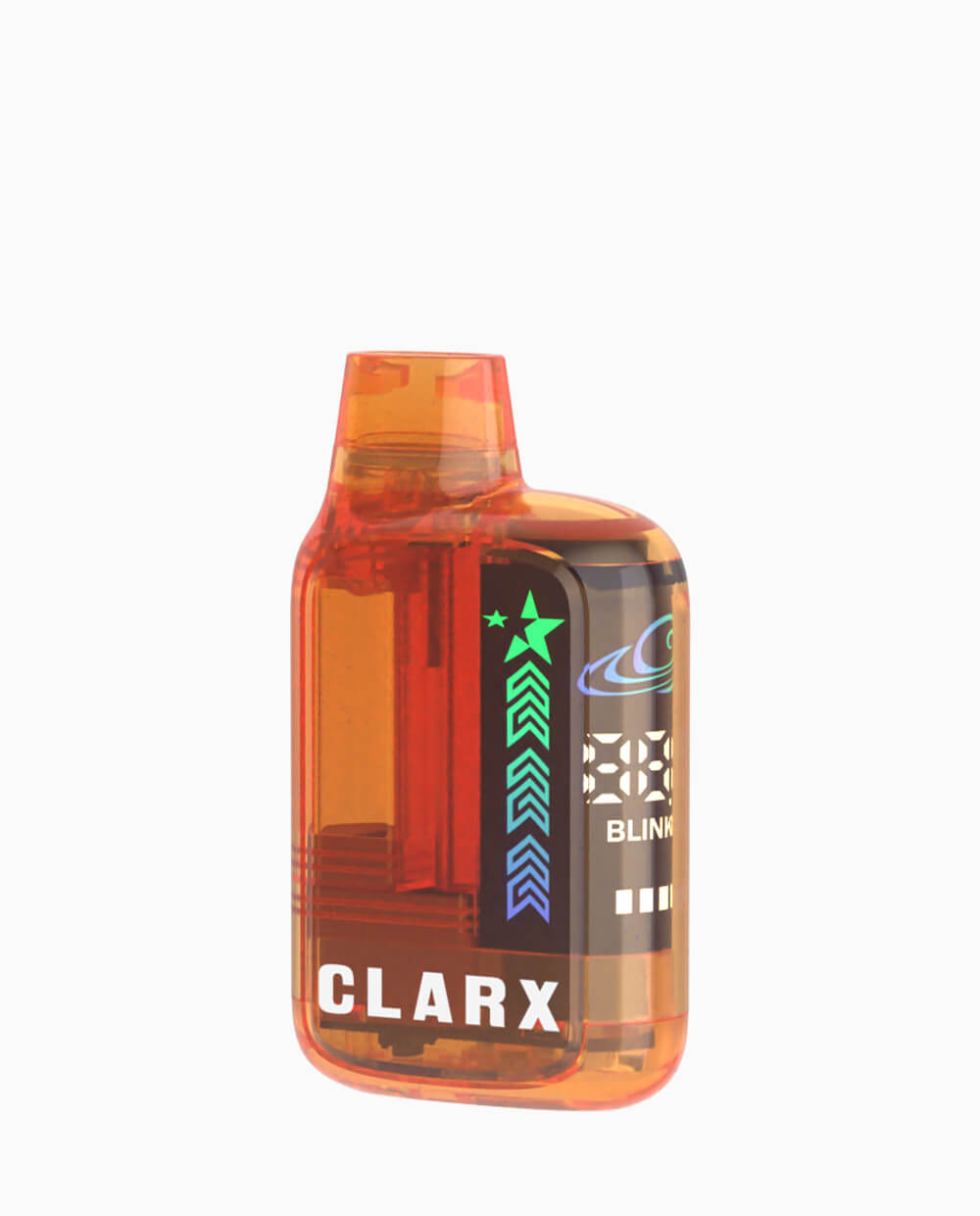
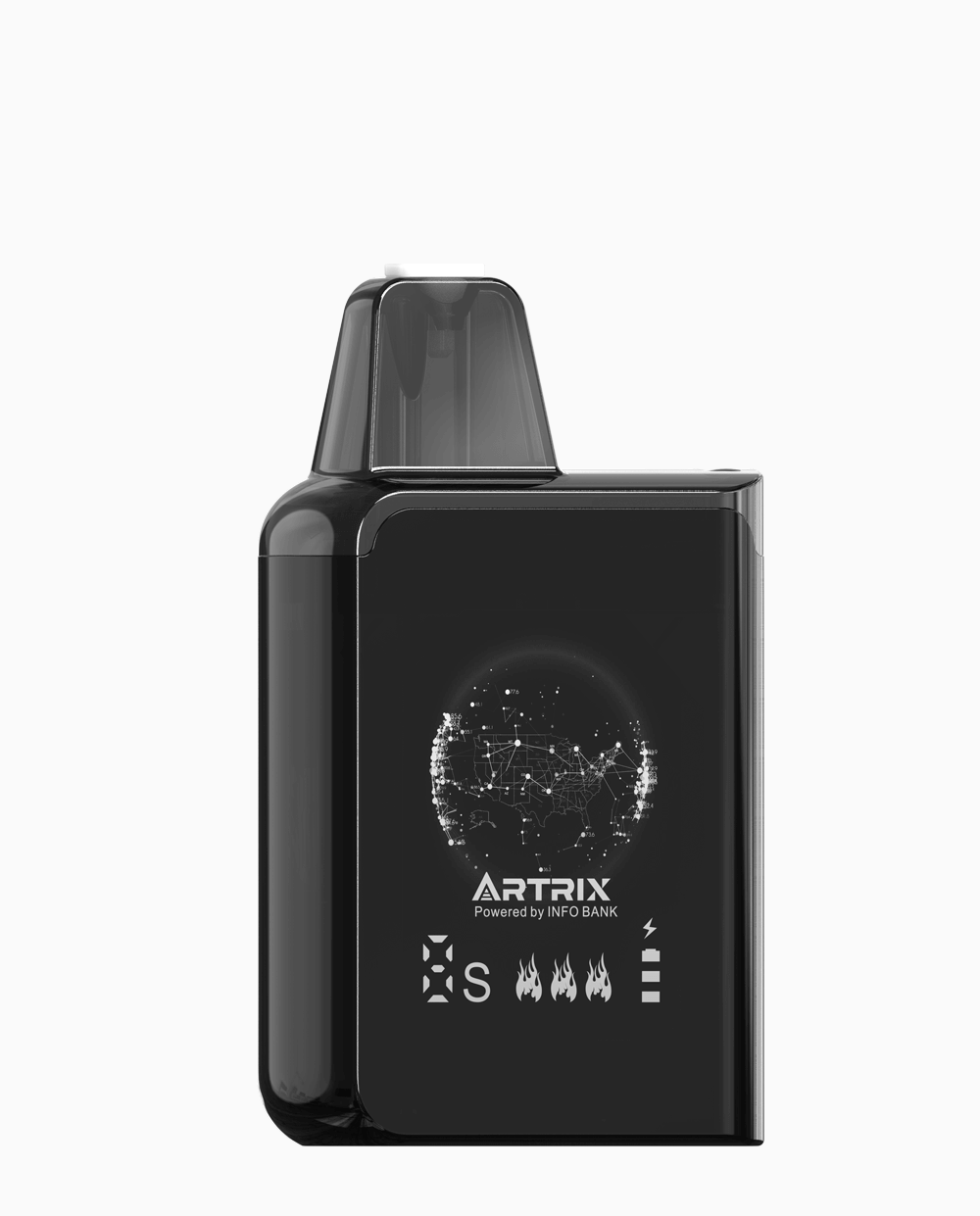
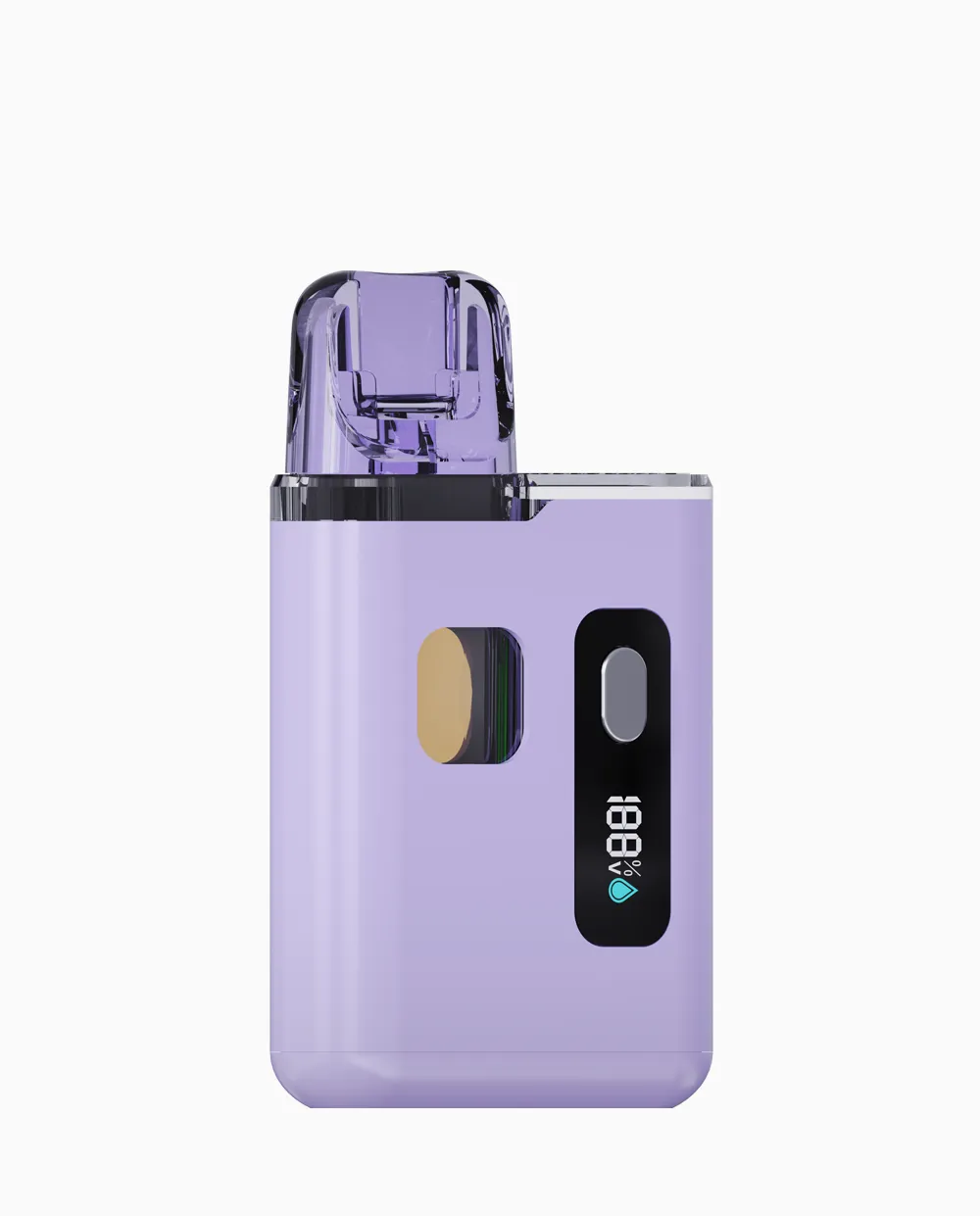
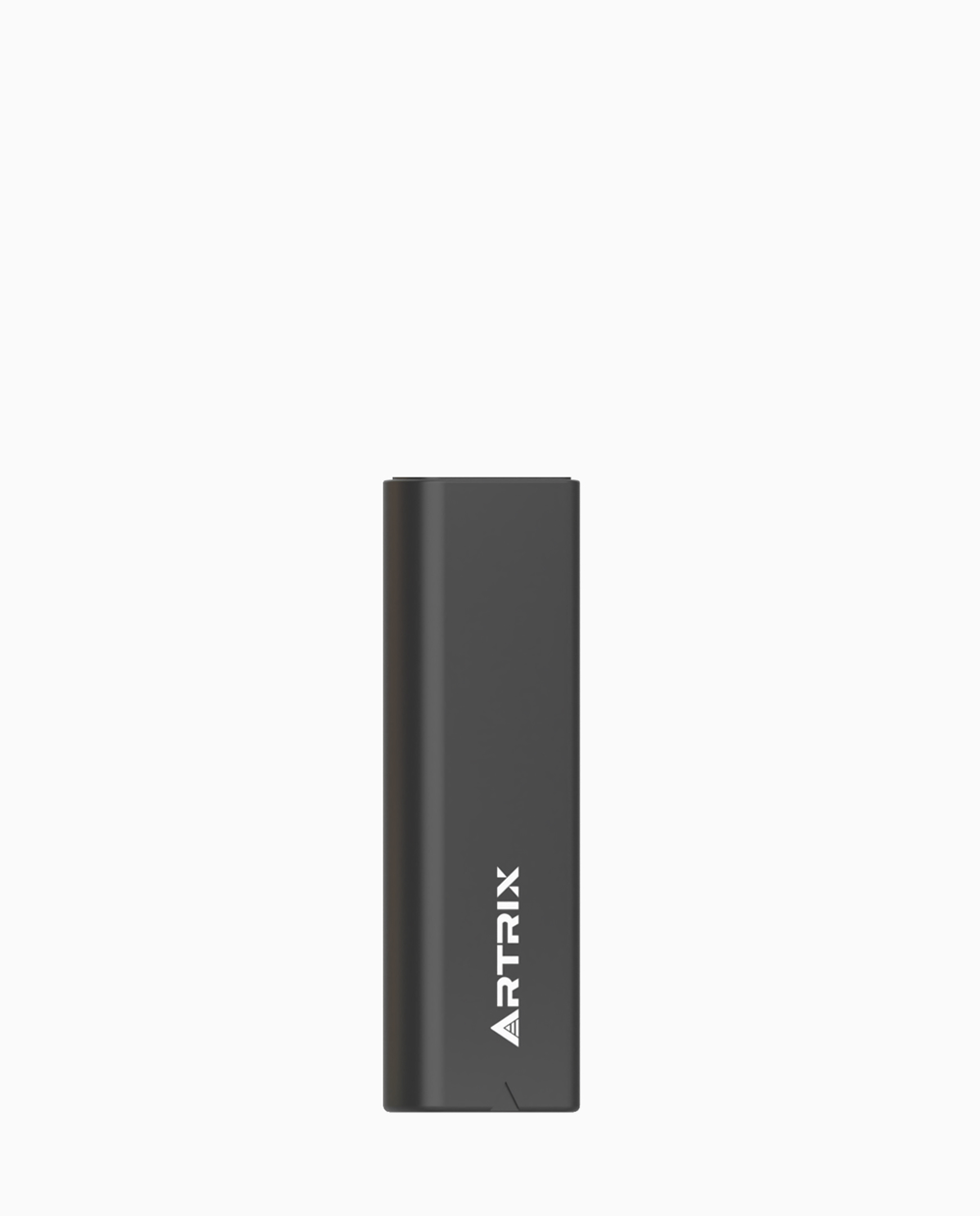
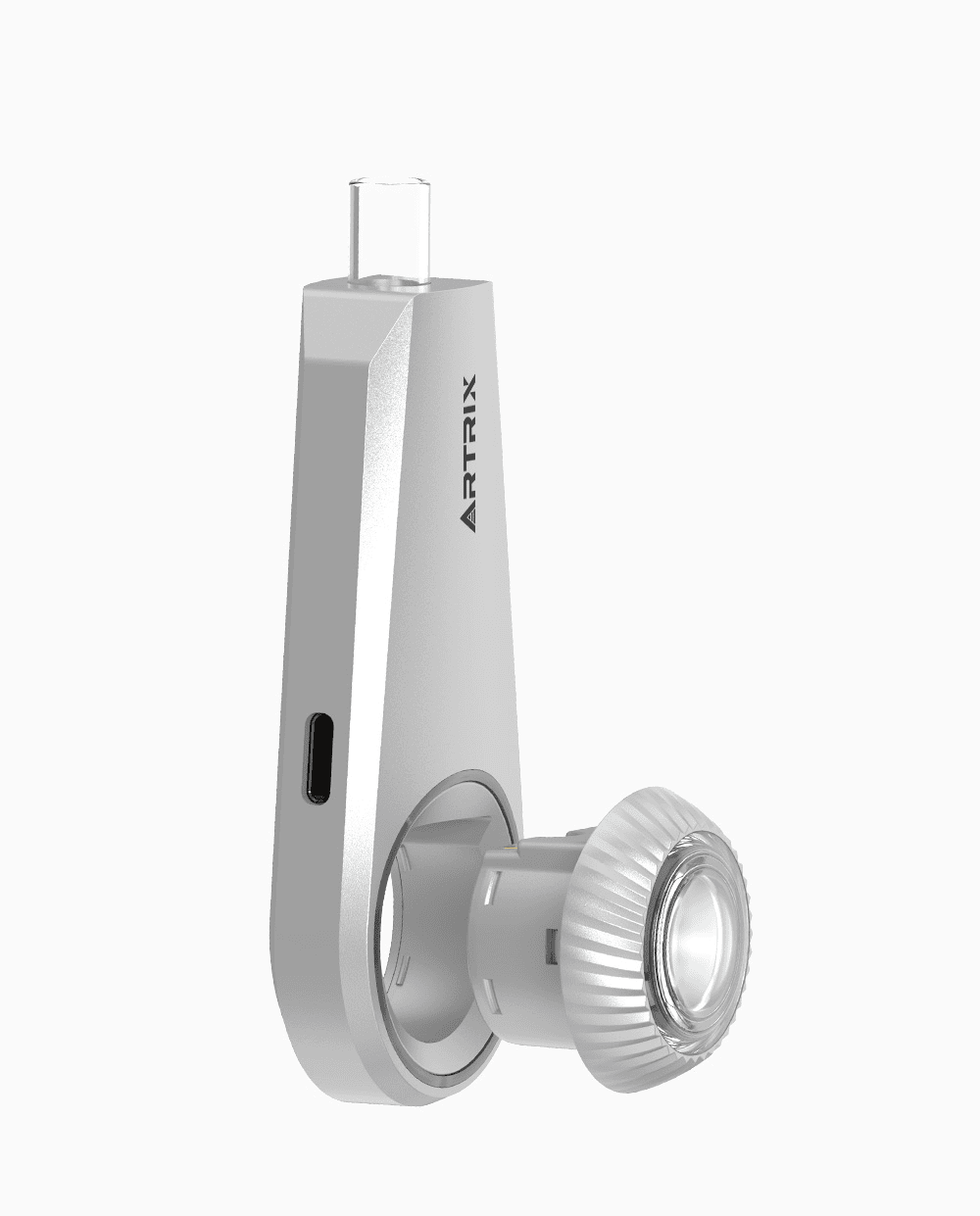
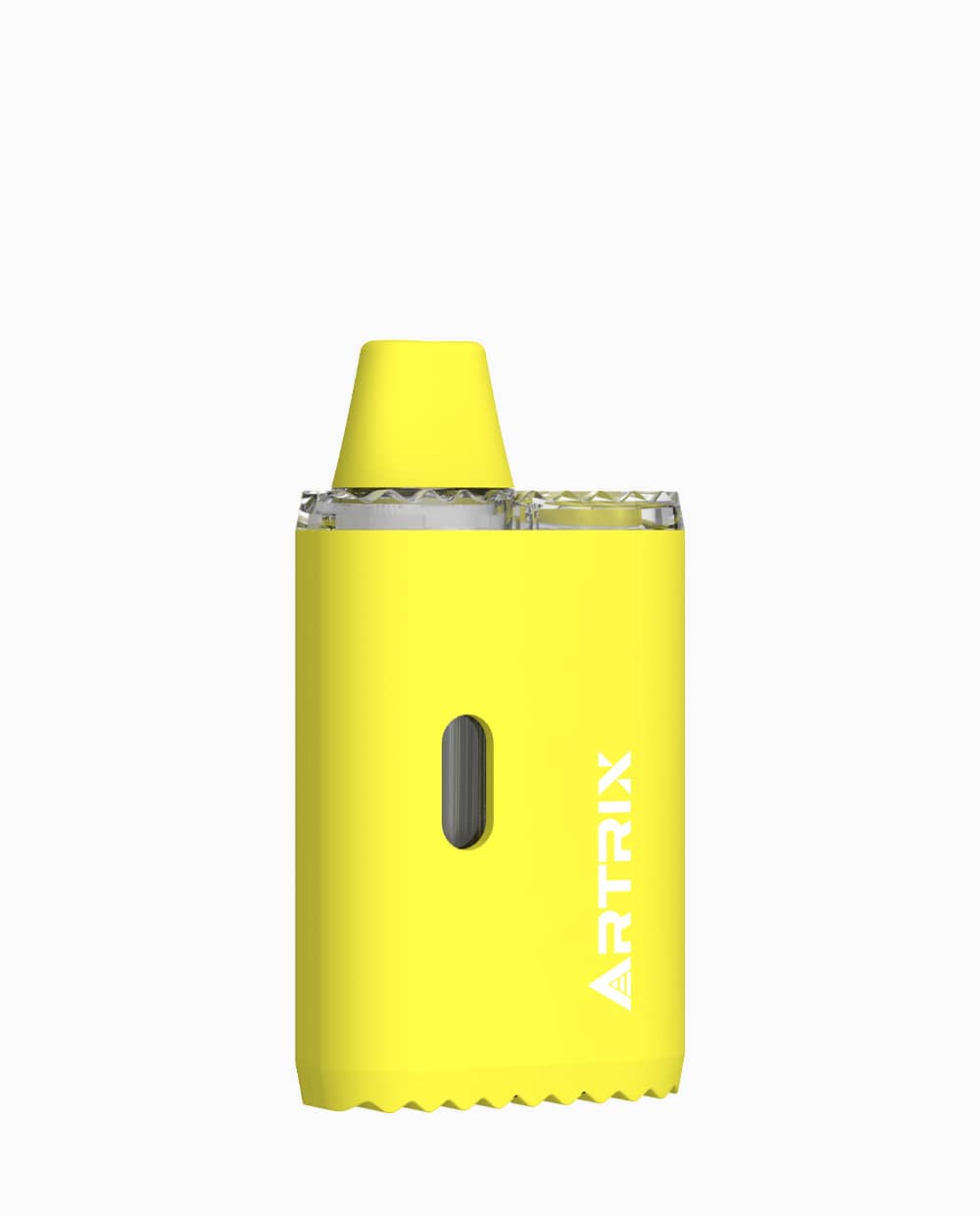
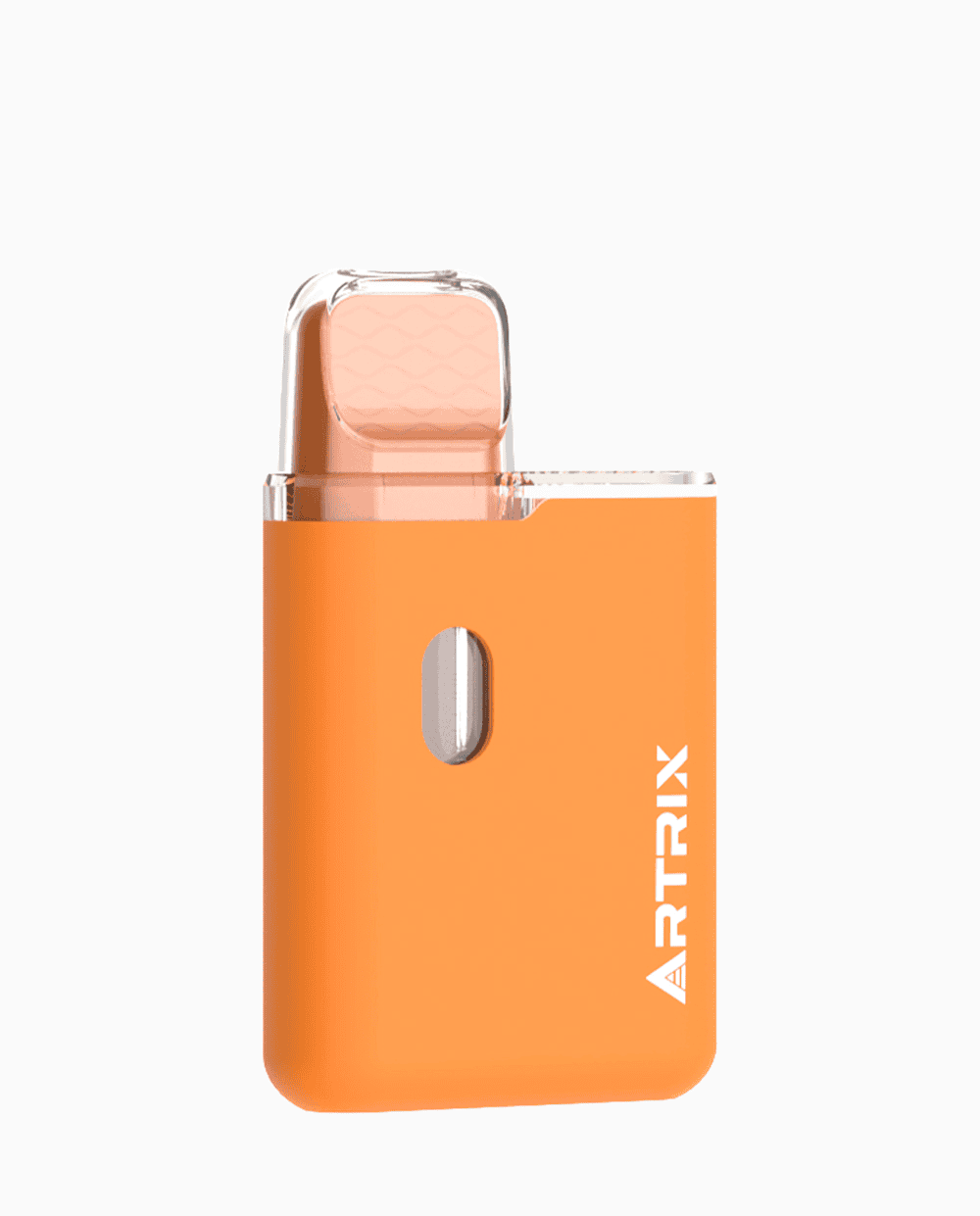
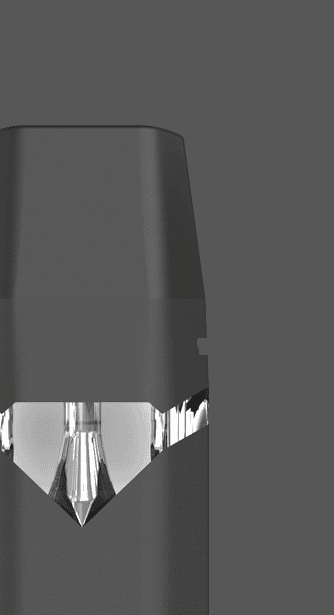
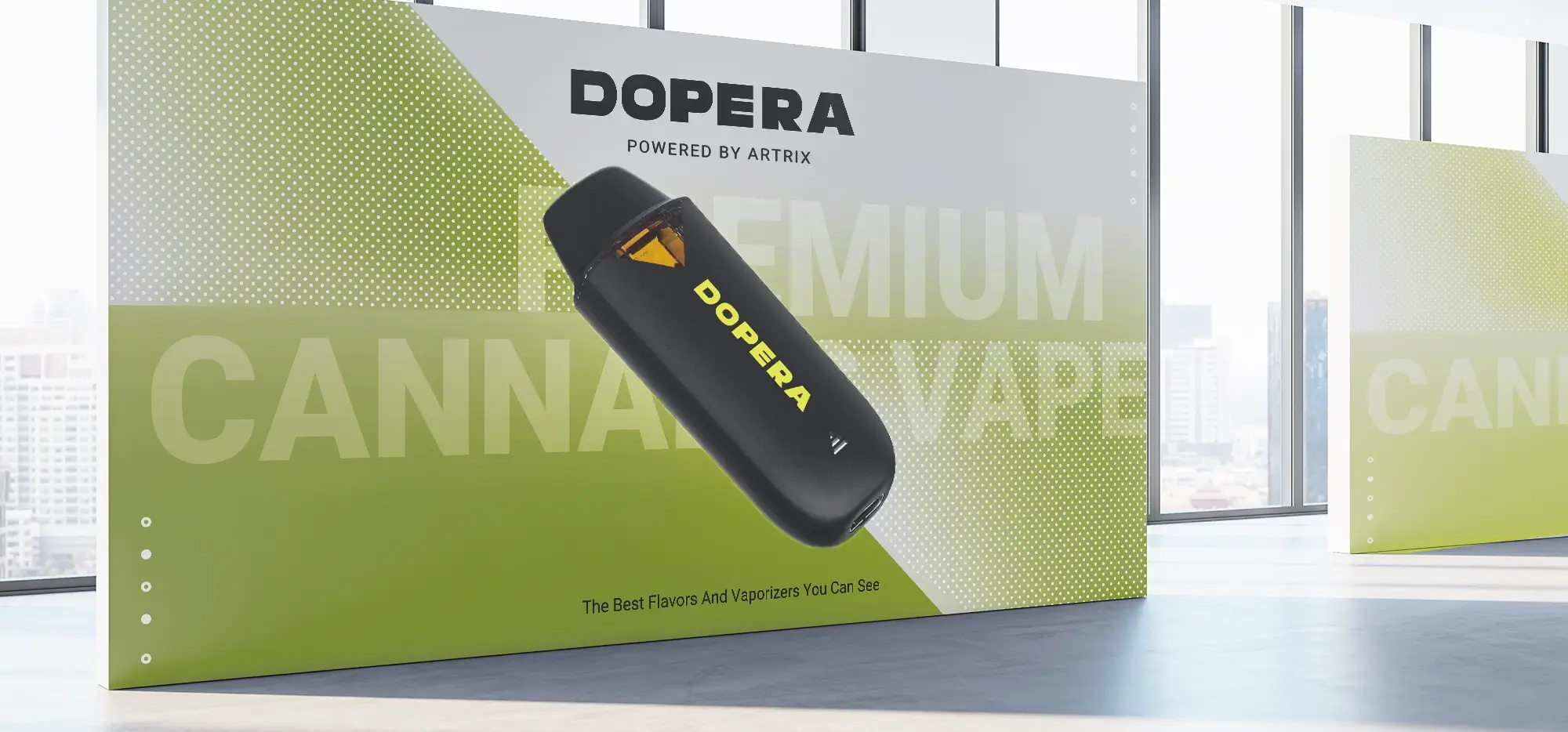
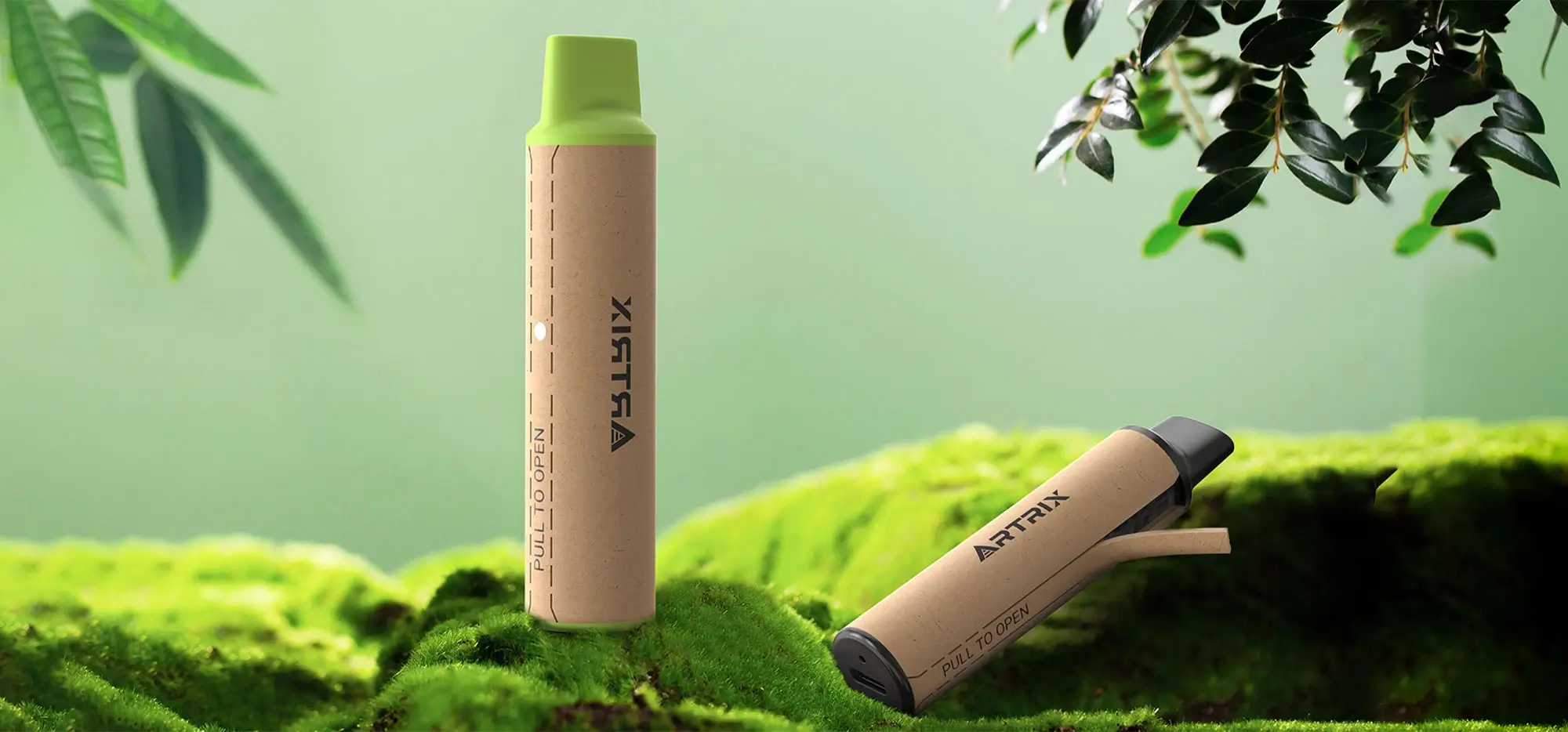
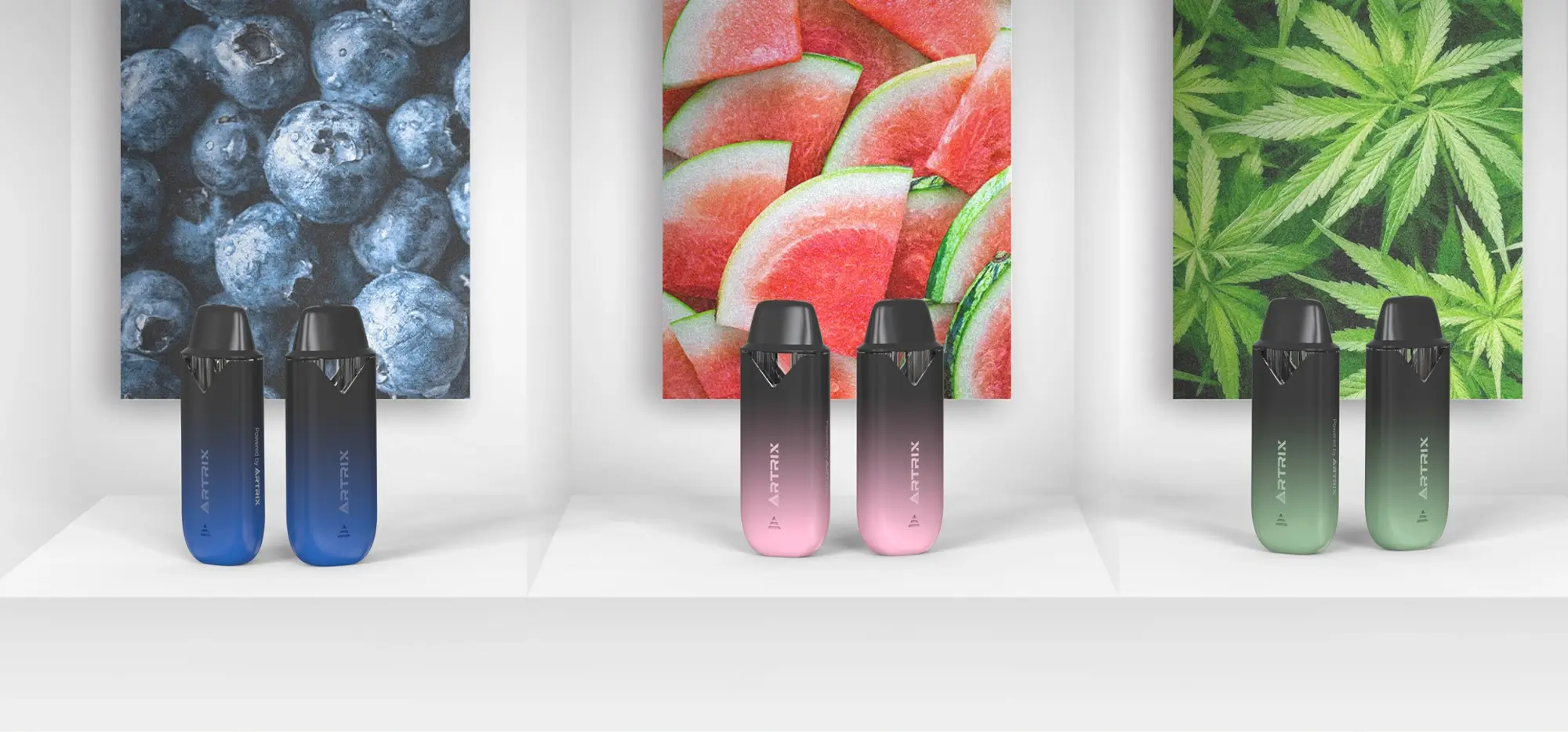
An all-in-one cannabis vape
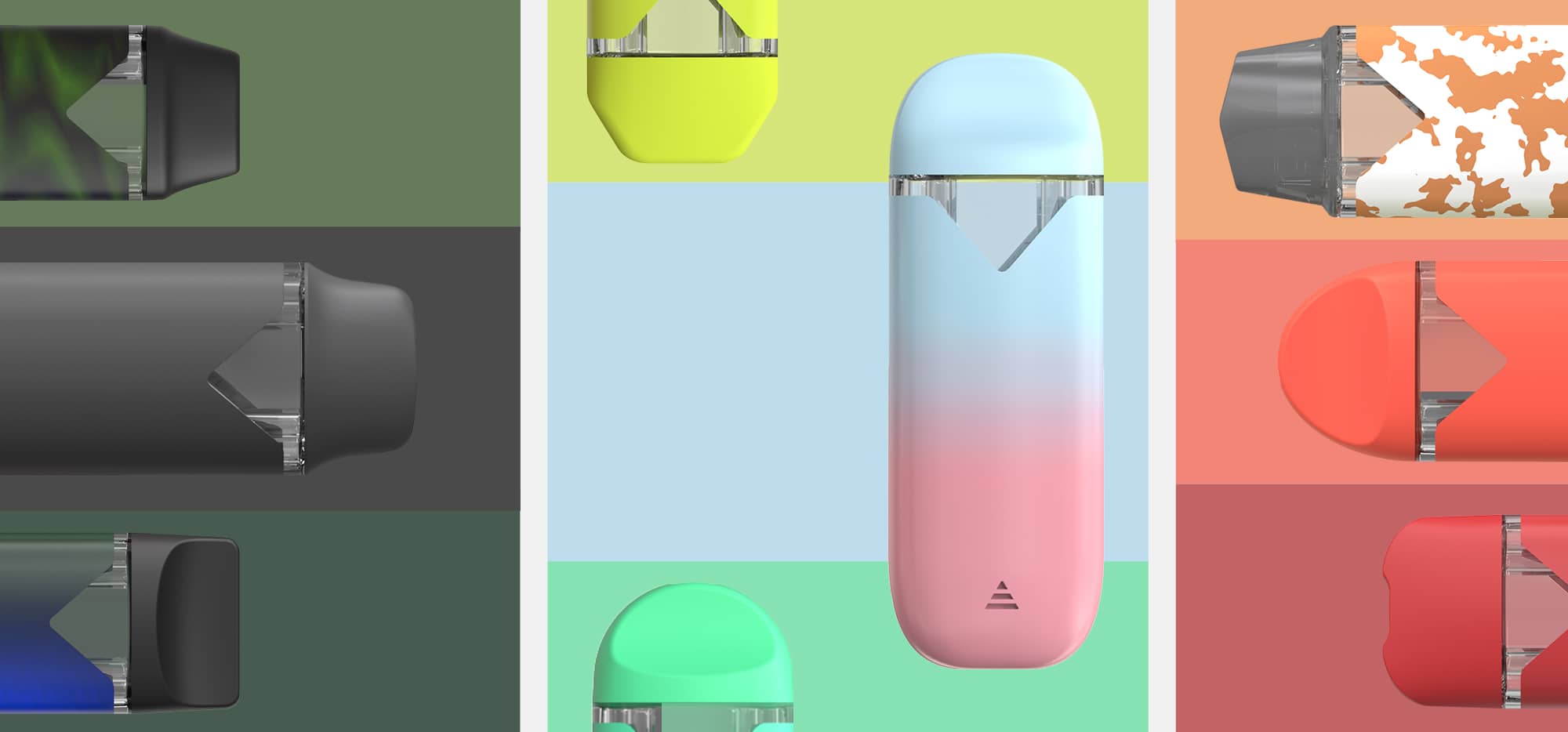
is primarily built around concentrated cannabis oil and integrates the oil reservoir with its power system. Unlike nicotine e-liquid, the defining constituents of a typical cannabis-oil formulation are cannabinoids and terpenes, although the exact composition varies. Oil quality affects the formulation, while hardware design affects how that oil is stored, delivered to the heating zone, and aerosolized.
THC, CBD, THCA, and How to Read Potency Labels
Cannabinoids are the active compounds that make cannabis different from ordinary botanical flavor oils. Cannabis contains more than 80 biologically active compounds, with THC and CBD among the best known. THC is the intoxicating compound most associated with the cannabis “high,” while CBD is non-intoxicating but still biologically active.
The “more than 80” description and the distinction between the commonly known THC and CBD compounds are consistent with the FDA’s cannabis overview. This is general plant chemistry information, not evidence that every cartridge contains the same cannabinoid profile.
When a label lists 800 mg THC in a 1 g cartridge, it usually means the total amount of THC in the filled product, not the amount inhaled in one puff.
That example describes 800 mg of labeled THC across the full filled unit. It does not establish puff-by-puff delivery, because aerosol output and cannabinoid delivery can vary with the formulation, device, power, puff duration, and stage of product use.
THCA deserves separate attention. Cannabis plants naturally produce cannabinoid acids, and heat can convert acidic cannabinoids into neutral cannabinoids through decarboxylation. In practical vape terms, this means formulation, heating temperature, and testing method all affect how a consumer should interpret a THCA or “total THC” claim.
Acidic cannabinoids can decarboxylate when exposed to heat, while the rate and resulting cannabinoid profile depend on time, temperature, and sample conditions. That mechanism is supported by a cannabinoid decarboxylation study; it should not be converted into a universal device-temperature recommendation without product-specific evidence.
What Do Terpenes Do in a Cannabis Vape?
Terpenes are volatile aromatic compounds that contribute to the smell and flavor profile of a formulation. Cannabis-derived terpenes come from cannabis, while botanical terpenes may be obtained from other plant sources. “Botanical” does not automatically mean synthetic, and the source alone does not establish inhalation suitability or finished-product quality.
Terpene content may also change formulation viscosity and heating behavior. In a practical hardware-selection scenario, a relatively terpene-rich oil may flow differently from a more viscous formulation, which can change how quickly the core saturates. The final outcome depends on the complete oil–device combination rather than on terpene percentage or ceramic construction alone.
Research on sampled cannabis vape oils has identified cannabinoids, terpenes, and other constituents in the liquid and generated aerosol, while also documenting variation among cartridges and between puffs. The study’s limited product sample should be treated as evidence that composition can vary—not as a profile of every commercial vape.
Additives, Residuals, and Contaminants Are Not the Same Thing
-
- Intended ingredients are deliberately included in the formulation, such as a cannabinoid extract or disclosed terpene blend.
-
- Additives or diluents are additional formulation materials. Their use, disclosure requirements, and permissibility may vary by product and jurisdiction.
-
- Residuals are substances that may remain after extraction or processing, such as residual solvents.
-
- Contaminants are unintended substances, potentially including pesticides, process impurities, or metals. Their source may be the input material, manufacturing process, storage, or device.
This distinction matters because “contains cannabis oil and terpenes” is not a complete safety assessment. Product evaluation should consider ingredient disclosure, batch-specific analytical documentation, the applicable jurisdiction, and—where material risk warrants it—testing of the finished oil–hardware system.
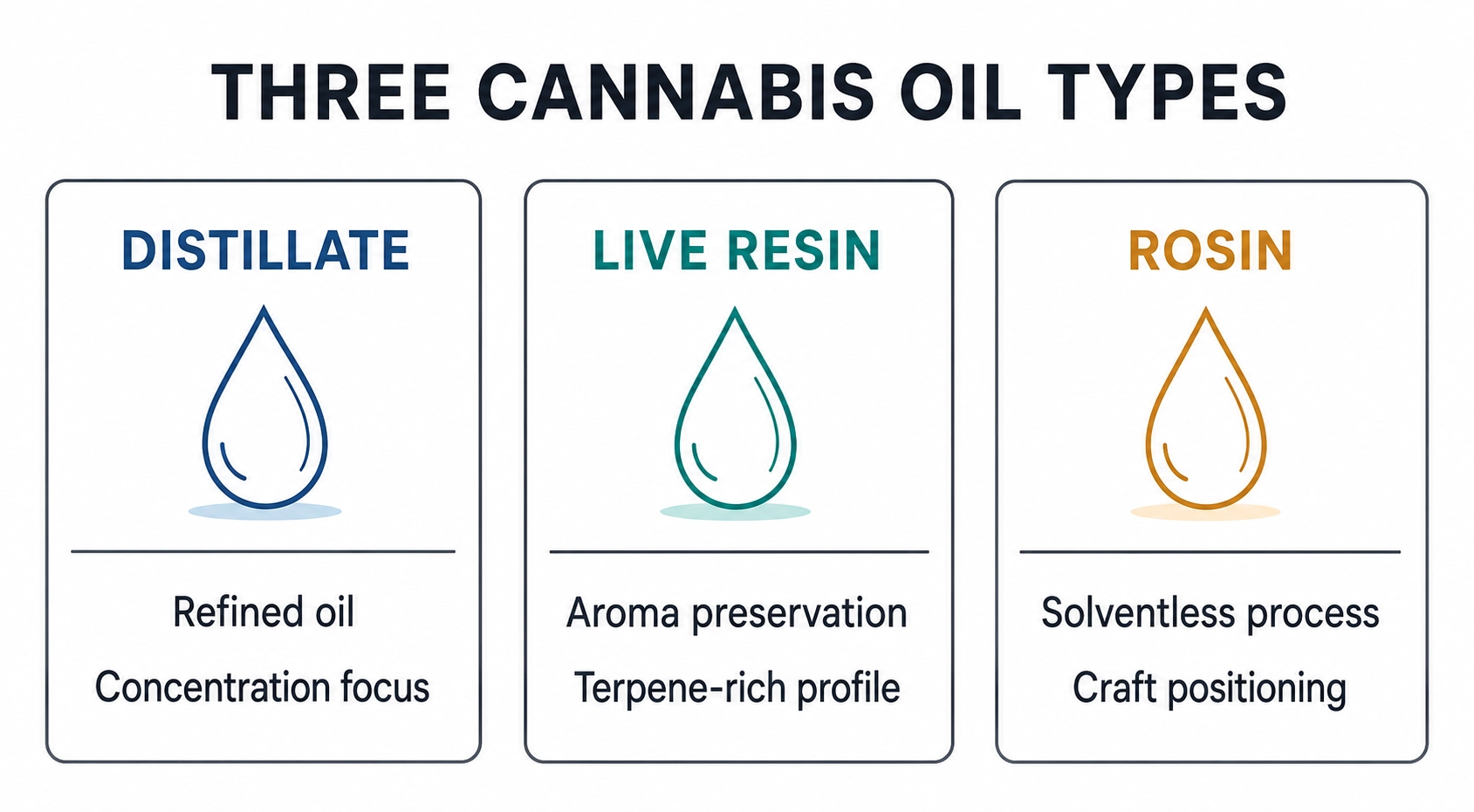
The Different Types of Cannabis Oils
| Oil type | How it is positioned | Typical strengths | Common watch-outs |
|---|---|---|---|
| Distillate | Highly refined cannabinoid oil | High potency, clean appearance, easy flavor customization | May feel less strain-specific unless terpenes are carefully rebuilt |
| Live Resin | Extract made to preserve more of the plant’s original aromatic profile | Fuller flavor, richer terpene expression, closer-to-flower experience | Can be more sensitive to heat and hardware mismatch |
| Rosin | Solventless extract made with heat and pressure | Premium positioning, strong appeal to solventless consumers | Can be viscous, delicate, and demanding on ceramic core design |
Distillate, live resin, and rosin are not simply three price tiers. They represent different philosophies of extraction. Distillate prioritizes refinement and cannabinoid concentration. Live resin prioritizes aromatic preservation. Rosin prioritizes solventless processing and premium craft positioning.
These descriptions are category-level generalizations, not universal specifications. Two oils sold under the same category name can differ in cannabinoid profile, terpene content, viscosity, processing history, and storage behavior. Hardware qualification should therefore use the actual production formulation rather than the category label alone.
The Core Components: How Do Cannabis Vapes Work?
From a hardware manufacturer’s perspective, a cannabis vape is a controlled delivery system. Its job is to heat a thick, cannabinoid-rich oil evenly enough to produce aerosol, while protecting flavor, preventing leaks, and minimizing material risk. The better the extract, the more important the hardware becomes.
In engineering terms, that job is conditional rather than guaranteed: the device must deliver oil to the heating zone at a rate compatible with the applied power and puff pattern. Storage time, temperature, orientation, formulation viscosity, inlet geometry, core design, and airflow can all influence the result.
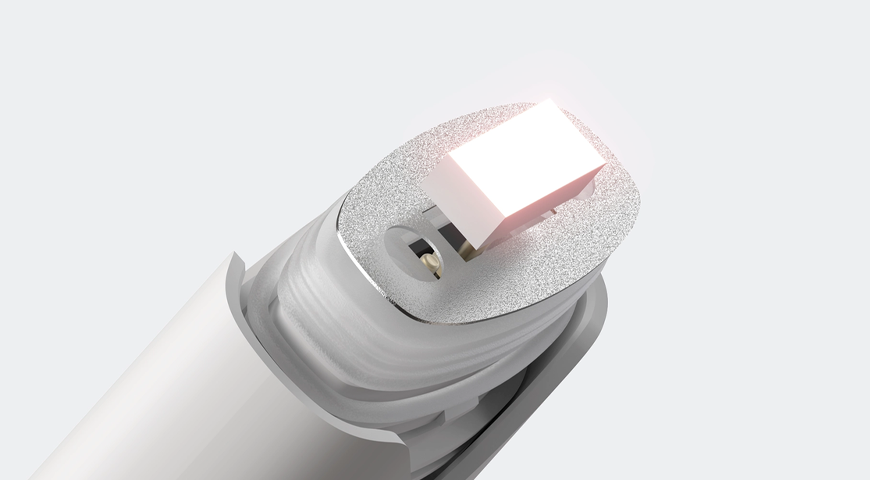
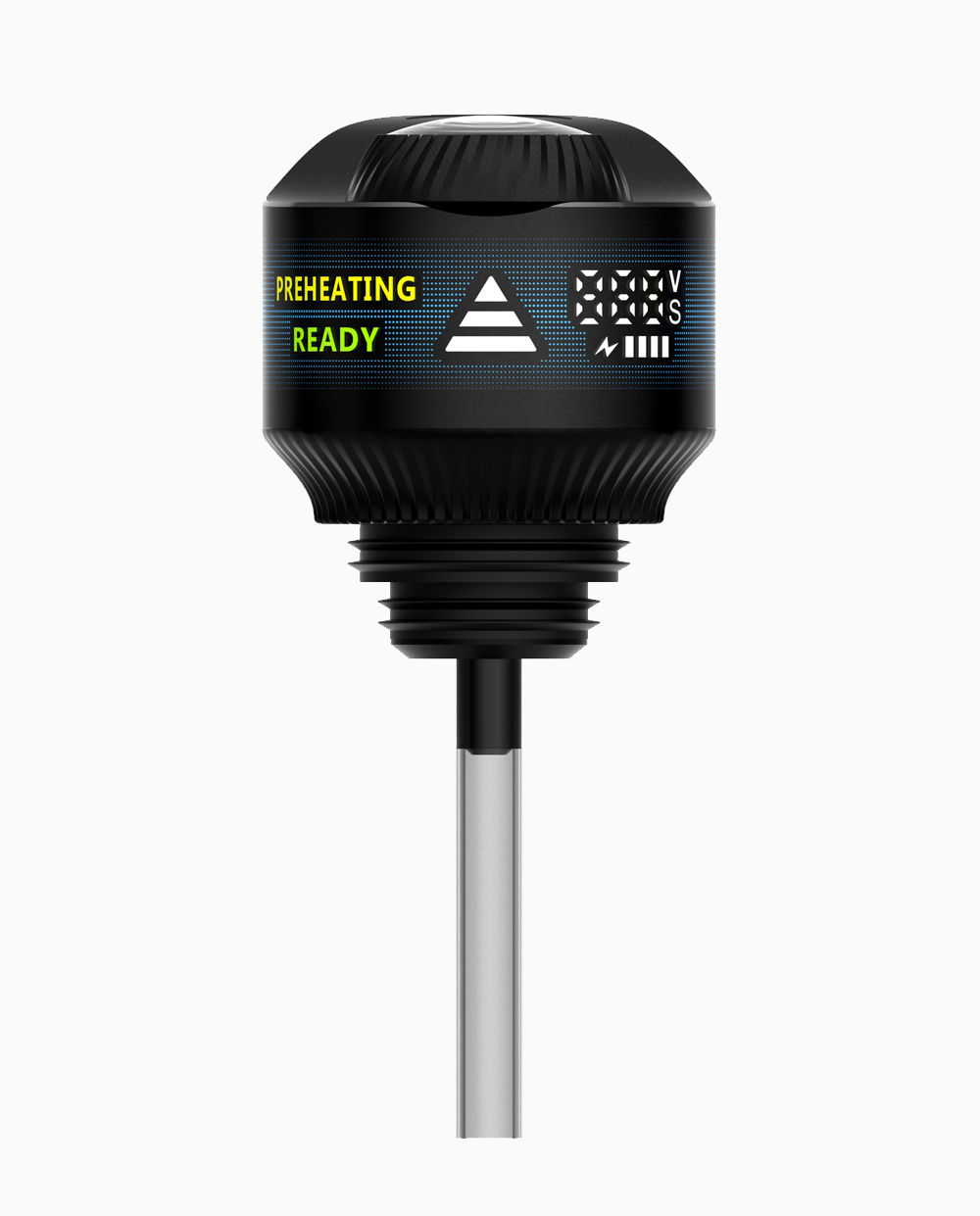
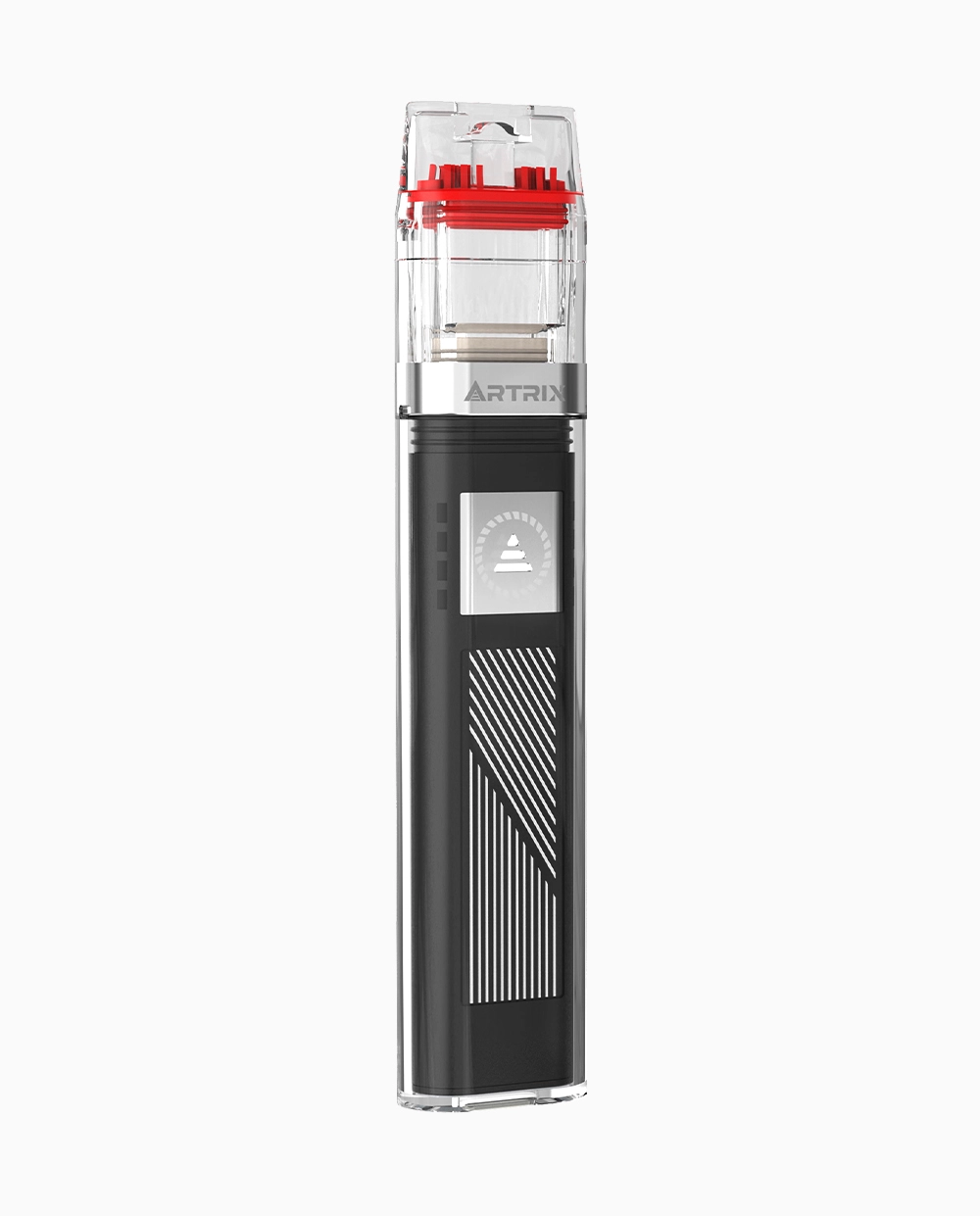
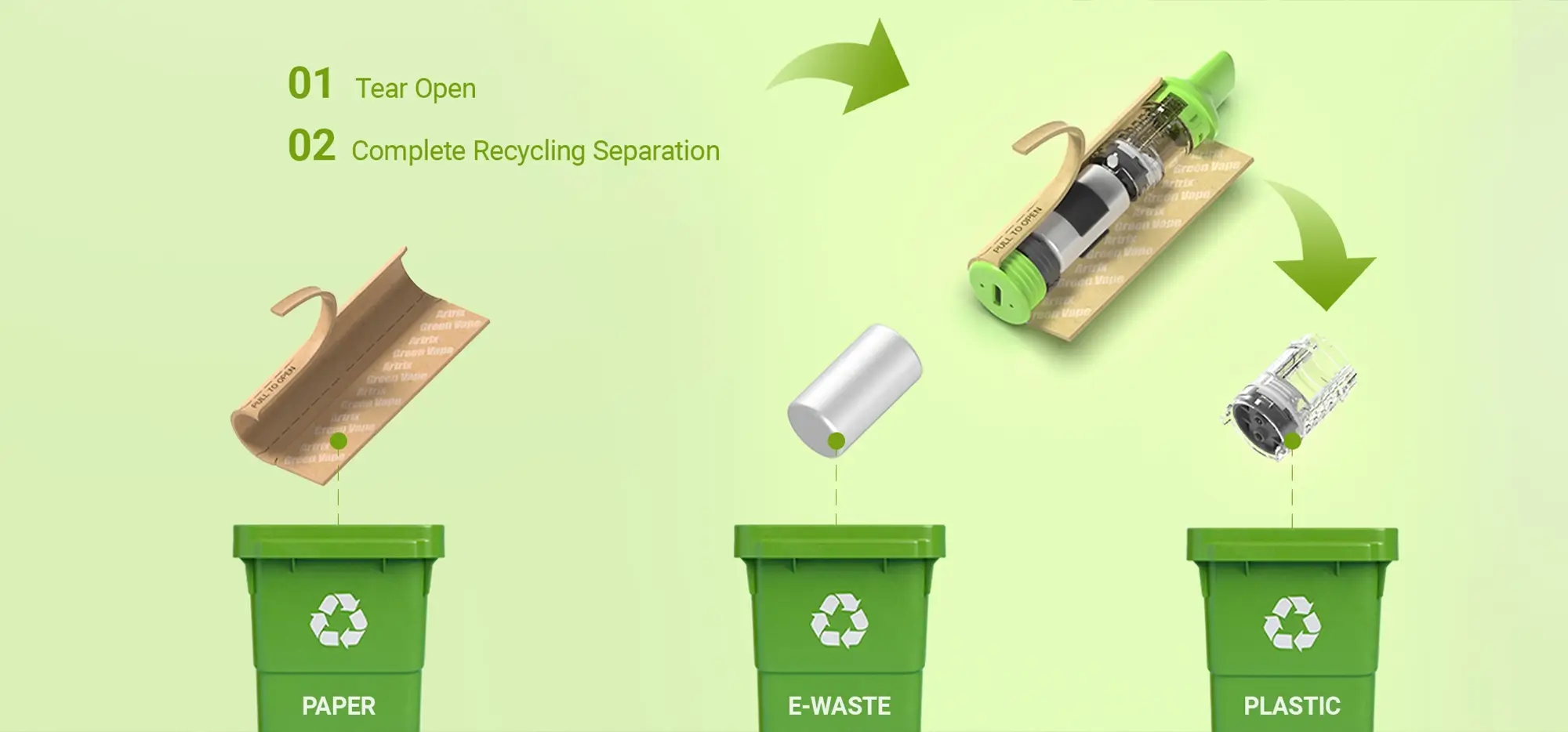
Breaking Down the Physical Anatomy
-
- Battery: Supplies power to the heating system and determines voltage stability.
-
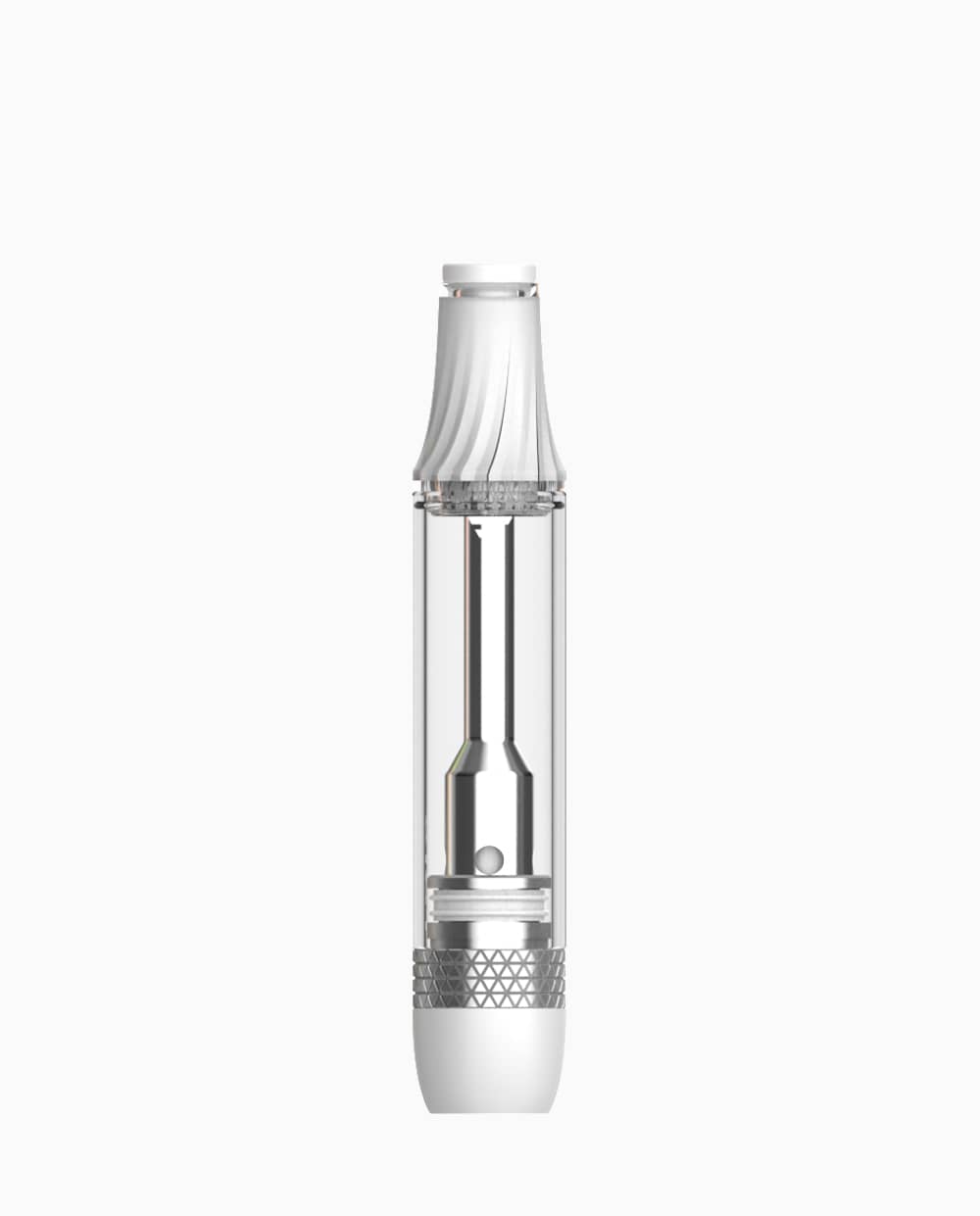
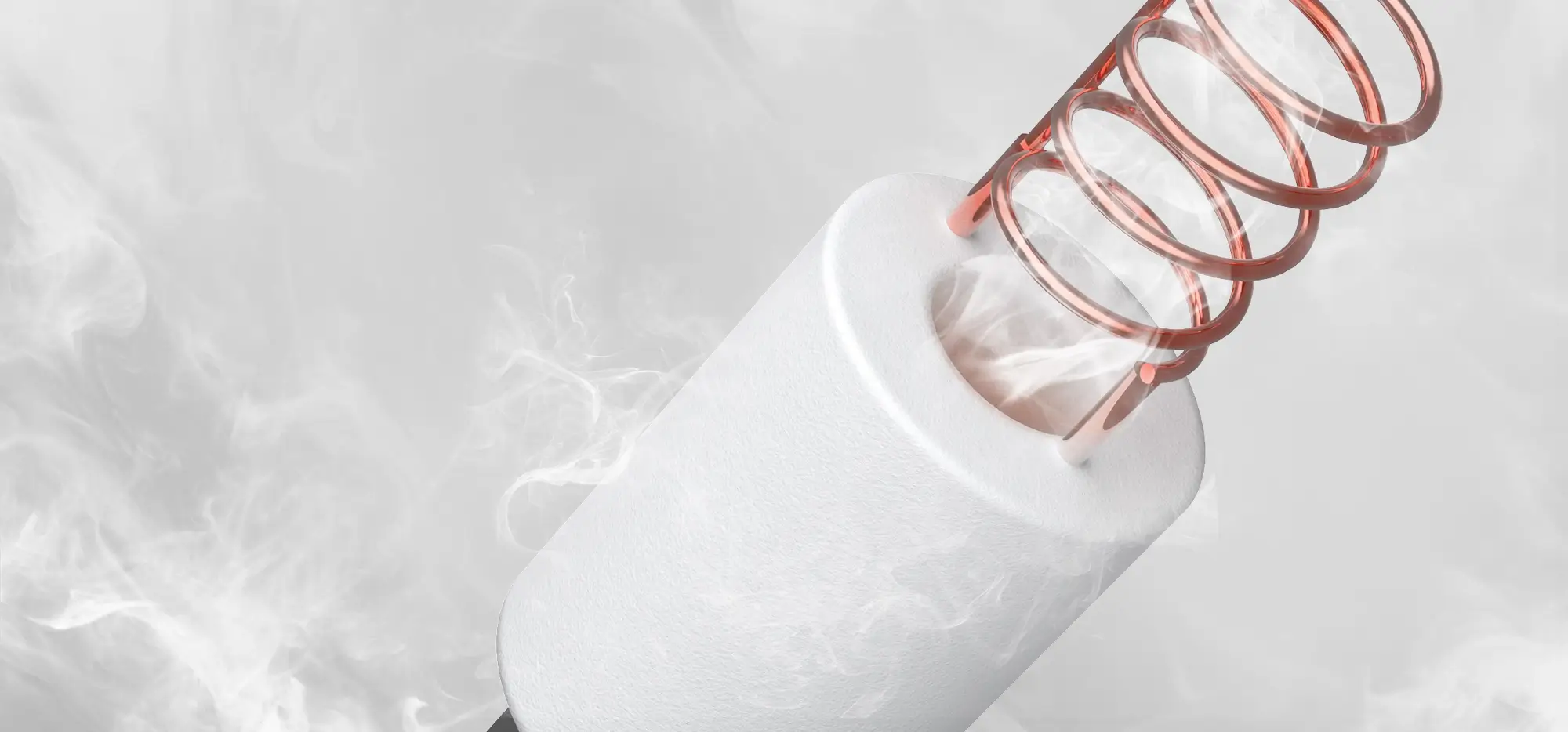
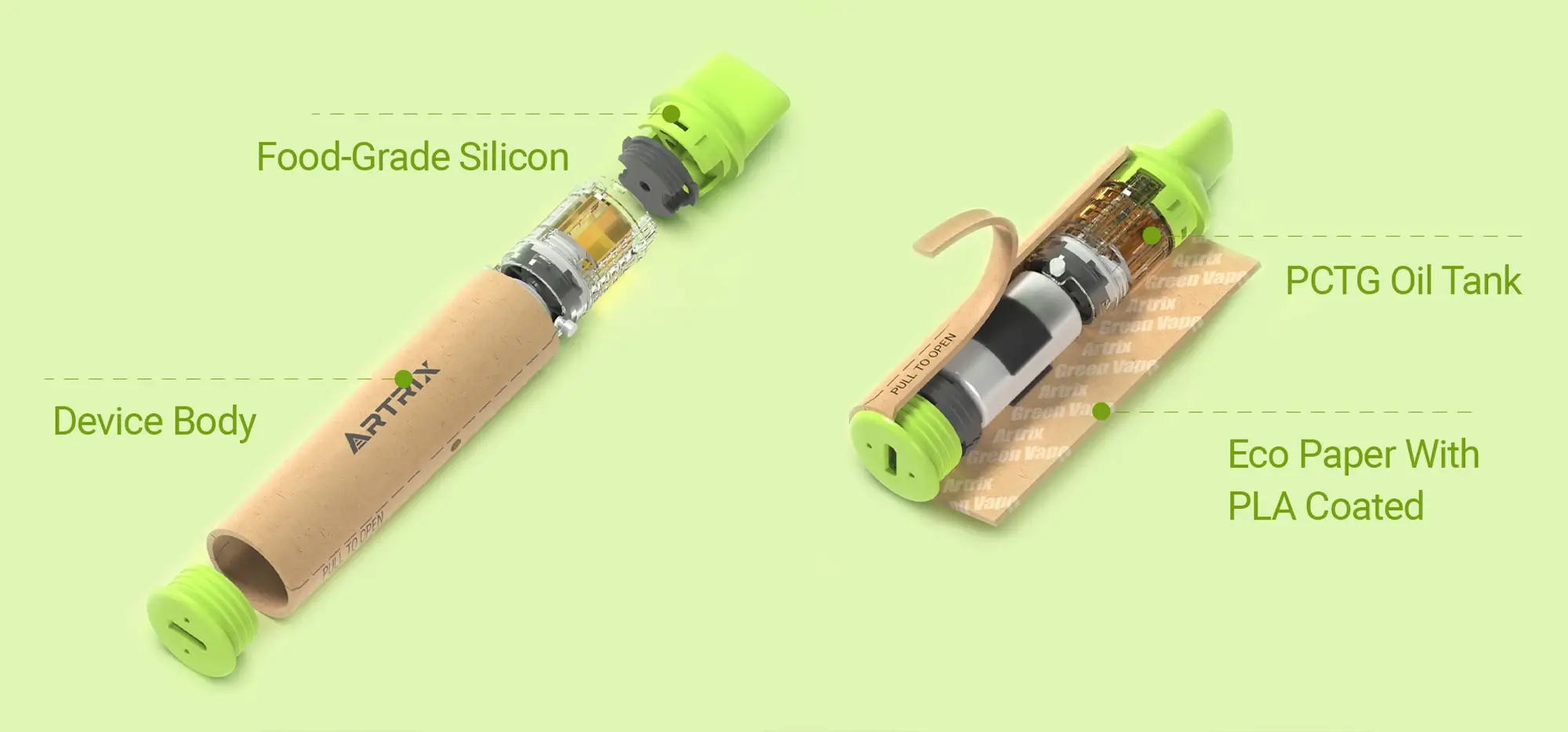
- Heating element: Often a ceramic coil or ceramic core designed to absorb and heat oil evenly.
-
- Oil reservoir: Holds the cannabis extract and must be compatible with viscosity, terpene content, and storage time.
-
- Mouthpiece: Shapes airflow, comfort, and condensation control.
The Mechanics of Aerosolization
In everyday language this process is called vaporization, but the inhaled output is more accurately described as an aerosol rather than pure water vapor. When the user activates the device, the battery powers the heating element, which warms the oil until volatile compounds form an aerosol.
For cannabis oils, this heating window is delicate. Too little heat can create weak vapor, clogging, or poor cannabinoid delivery. Too much heat can flatten terpenes, darken oil, or create a burnt taste that damages the consumer experience.
Those outcomes should be treated as mechanism-based possibilities, not as a universal temperature rule. A defensible performance statement should identify the tested formulation, device, power or resistance, puff protocol, environmental conditions, and measurement method.
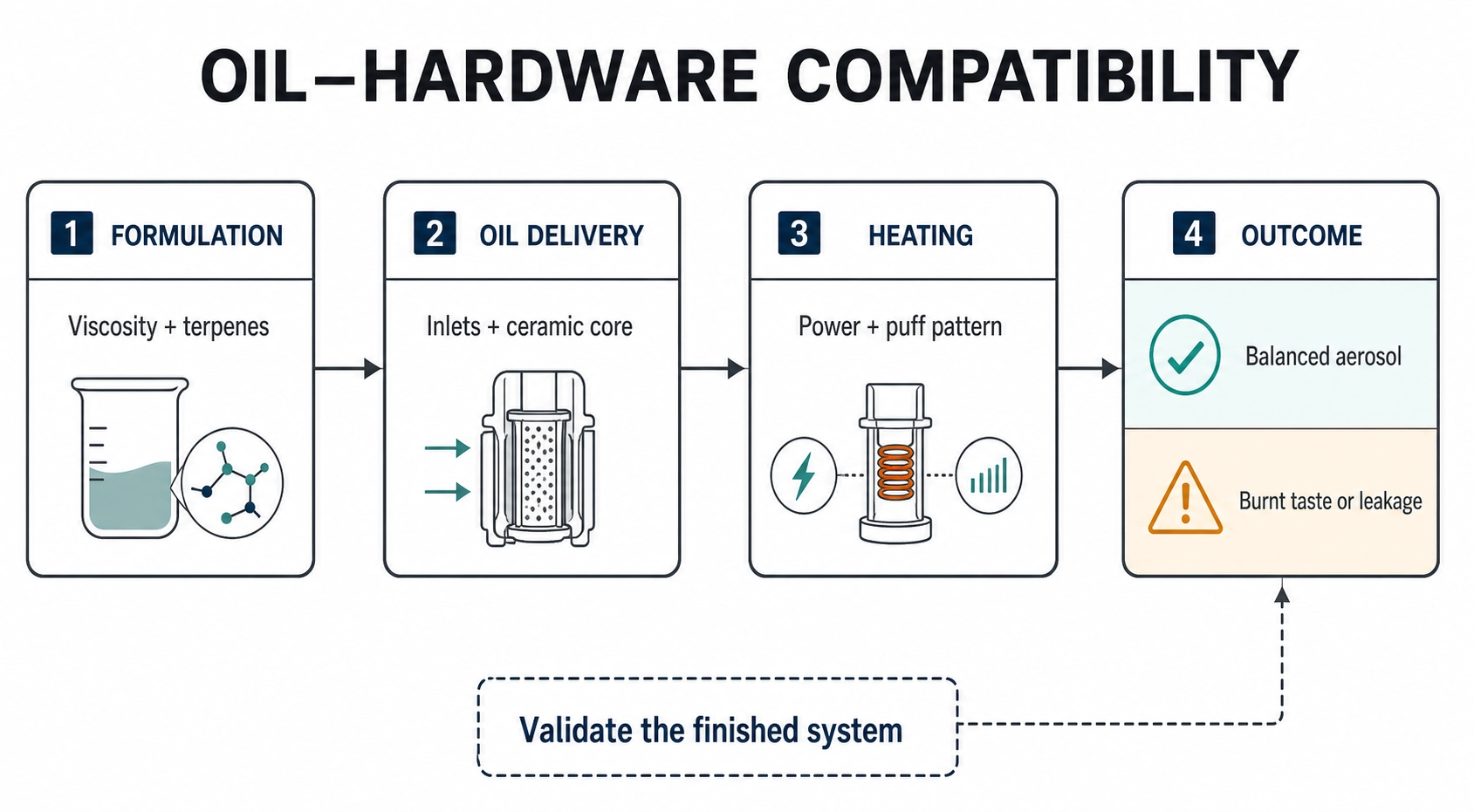
Why Hardware Quality Matters for Extract Performance
Complex extracts such as live resin and rosin often contain broader terpene and minor-compound profiles than basic distillate. That richness is exactly why consumers choose them, but it also makes them less forgiving. Ceramic cores with the right porosity help manage oil flow, saturation, and temperature so the device can express flavor without scorching the extract.
More precisely, ceramic-core porosity can influence how oil moves toward the heating zone. If oil delivery is slower than oil consumption during heating, the core may become insufficiently saturated and a burnt taste may occur. If delivery is too rapid for the device and storage conditions, flooding or leakage may become more likely. The appropriate design depends on the complete formulation, power system, inlet geometry, airflow, and expected use conditions.
Material selection also requires evidence rather than labels alone. A study of 13 commercially available cannabis cartridges detected chromium, copper, and nickel, along with smaller amounts of lead, manganese, and tin, in tested oil or aerosol samples. The results support the possibility of device-related metal migration under some conditions; they do not establish the exposure profile of every cartridge or prove that a named material is safe.
A newer Canadian study also found device-related metal particles in tested cannabis vape liquids and aerosols, while emphasizing product-to-product and within-batch variability. Its six-product sample supports further finished-system testing, not a universal estimate of consumer exposure.
How to Evaluate a Cannabis Vape or Hardware–Oil Combination
-
- Check product identity: confirm whether the format is a cartridge, pod, or all-in-one disposable and whether the battery or power specification is fixed or adjustable.
-
- Review the formulation disclosure: identify the cannabinoid extract, terpene source, and any other intentionally added ingredients.
-
- Match the documentation to the batch: a certificate or laboratory report should identify the tested sample and should not be assumed to cover a different oil, device, or production lot.
-
- Separate material documentation from finished-product evidence: a supplier declaration can describe a component, but it does not replace storage, compatibility, aerosol, or migration testing of the final oil–hardware system.
-
- Define test conditions: useful reports identify the oil, fill volume, storage duration and orientation, temperature, device settings, puff protocol, and acceptance criteria.
-
- Apply the relevant jurisdiction’s requirements: ingredient, contaminant, packaging, testing, and labeling rules are not identical across markets.
What Cannabis Brands Should Ask a Hardware Partner
For cannabis brands, choosing a device is not only a visual-design decision. A useful hardware discussion should begin with the actual formulation and launch conditions: oil category, available viscosity data, terpene content, intended fill volume, target market, storage plan, and expected user experience.
Turn the Formulation into a Clear Hardware Brief
Before requesting samples, a brand can prepare a short technical brief for Artrix. It should identify whether the project uses distillate, live resin, rosin, or another formulation; record any available viscosity and terpene information; define the intended fill volume and device format; and list the target market, packaging plan, storage period, and launch schedule. This gives the hardware discussion a concrete starting point and helps keep appearance, user experience, production requirements, and validation questions in the same conversation.
| Brand priority | Information to bring to Artrix | Decision the discussion should support |
|---|---|---|
| Oil compatibility | Production formulation, available viscosity data, terpene content, and planned fill volume | Which device formats and validation conditions deserve further evaluation |
| User experience | Desired draw style, aerosol experience, activation method, and product-use context | How airflow, power delivery, mouthpiece design, and format can be discussed as a system |
| Brand presentation | Target audience, visual direction, finish preferences, packaging constraints, and required labeling space | Which customization choices fit the product concept without losing sight of technical requirements |
| Launch readiness | Target jurisdiction, production timing, documentation needs, quality plan, and acceptance criteria | What must be confirmed before scale-up and what remains the brand’s regulatory responsibility |
Use Samples to Define Questions, Not to Skip Validation
A sample can help a brand compare size, draw, handling, visual design, and initial behavior with its formulation, but a few informal puffs do not establish shelf stability, production consistency, emissions, or broad compatibility. When reviewing Artrix options, brands should separate early format selection from the final qualification program and agree on what evidence is needed before commercial production.
Brands evaluating Artrix hardware can use those inputs to discuss device format and a suitable validation plan. The goal should be to identify what still needs to be tested—not to infer universal compatibility from an oil label or component description. Explore Artrix disposable vape hardware or contact the team with the production formulation and target-market requirements.
FAQs
What is the difference between Live Resin and Distillate?
Distillate is a highly refined cannabinoid oil often used for potency and consistency. Live resin is designed to preserve more of the plant’s original terpene and flavor profile, making it more strain-expressive.
Are botanical terpenes synthetic?
Not necessarily. Botanical terpenes can be naturally derived from non-cannabis plants, while cannabis-derived terpenes come from cannabis; the key is whether the terpene blend is disclosed, tested, and suitable for the intended product.
Why does my vape taste burnt?
A burnt taste often comes from overheating, poor oil flow, an oversaturated or undersaturated ceramic core, or hardware that does not match the oil’s viscosity. High-viscosity oils such as rosin and live resin need carefully engineered heating and wicking systems.
Other variables can include storage conditions, oil level, puff duration, device power, and the time allowed for oil to re-saturate the heating zone. Without inspecting the product, a burnt taste cannot be assigned to one cause with certainty.
Is vape aerosol just water vapor?
No. A cannabis vape produces an aerosol containing particles and chemical constituents generated from the heated formulation; it is not simply water vapor. Cannabis-specific cartridge research has detected cannabinoids, terpenes, additives, and other constituents in tested aerosols, with results varying by sample and test conditions.
How should I check what is in a cannabis vape?
Start with the ingredient disclosure and batch identifier, then check whether any certificate of analysis matches that exact product or lot. Review cannabinoid results, any disclosed formulation ingredients, and the contaminant categories required in the applicable market. For brands, finished oil–hardware compatibility and aerosol or migration testing may answer questions that an oil-only report cannot.
Editorial note: This article provides general product and technical information. It does not establish the composition, regulatory status, safety, or performance of a specific cannabis vape. Requirements differ by jurisdiction and product type.