

-1.webp)
-1.webp)
-2.webp)























Is Gen Z Losing Interest in Cannabis Concentrates—or Just Changing the Format?
Last Updated: Sep 7, 2026
Cannabis concentrates are not losing their value, but the way Gen Z wants to experience them is changing. The relationship between cannabis concentrate and Gen Z is no longer defined only by potency, extraction craft, or premium jars. It is increasingly shaped by convenience, transparency, portability, and finished product design.
Available sales evidence does not show that younger adults have abandoned concentrates. It shows continued demand from younger buyers alongside substantial spending on portable products. Concentrate brands therefore have an opportunity to serve both traditional enthusiasts and consumers who want a self-contained format.
For producers, this distinction matters. A jar of live rosin, hash rosin, badder, sauce, diamonds, or wax can still represent quality to experienced users. But that same jar also asks the consumer to understand tools, temperature, storage, residue, cleaning, and ritual. A vape, pod, or infused beverage turns the same cannabinoid value into something easier to buy, carry, explain, and repeat.
The sharper market question is not whether Gen Z rejects concentrates. It is whether traditional concentrate formats can keep up with younger consumers who expect cannabis products to behave more like modern consumer goods: intuitive, occasion-based, visually distinctive, and supported by clear product information. That proposition should be treated as a product-strategy hypothesis, however, rather than as a proven description of every Gen Z buyer.
Concentrates Still Matter
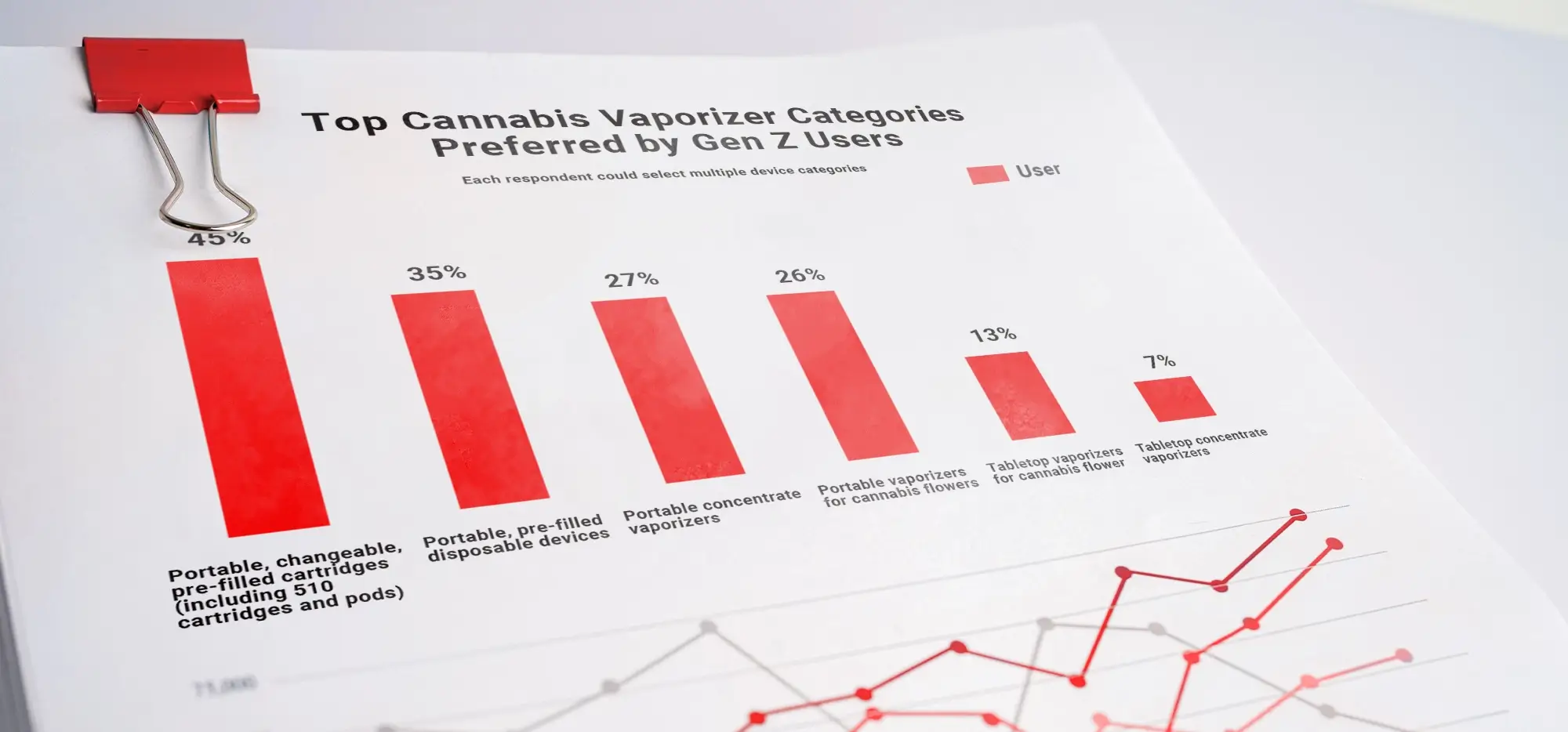
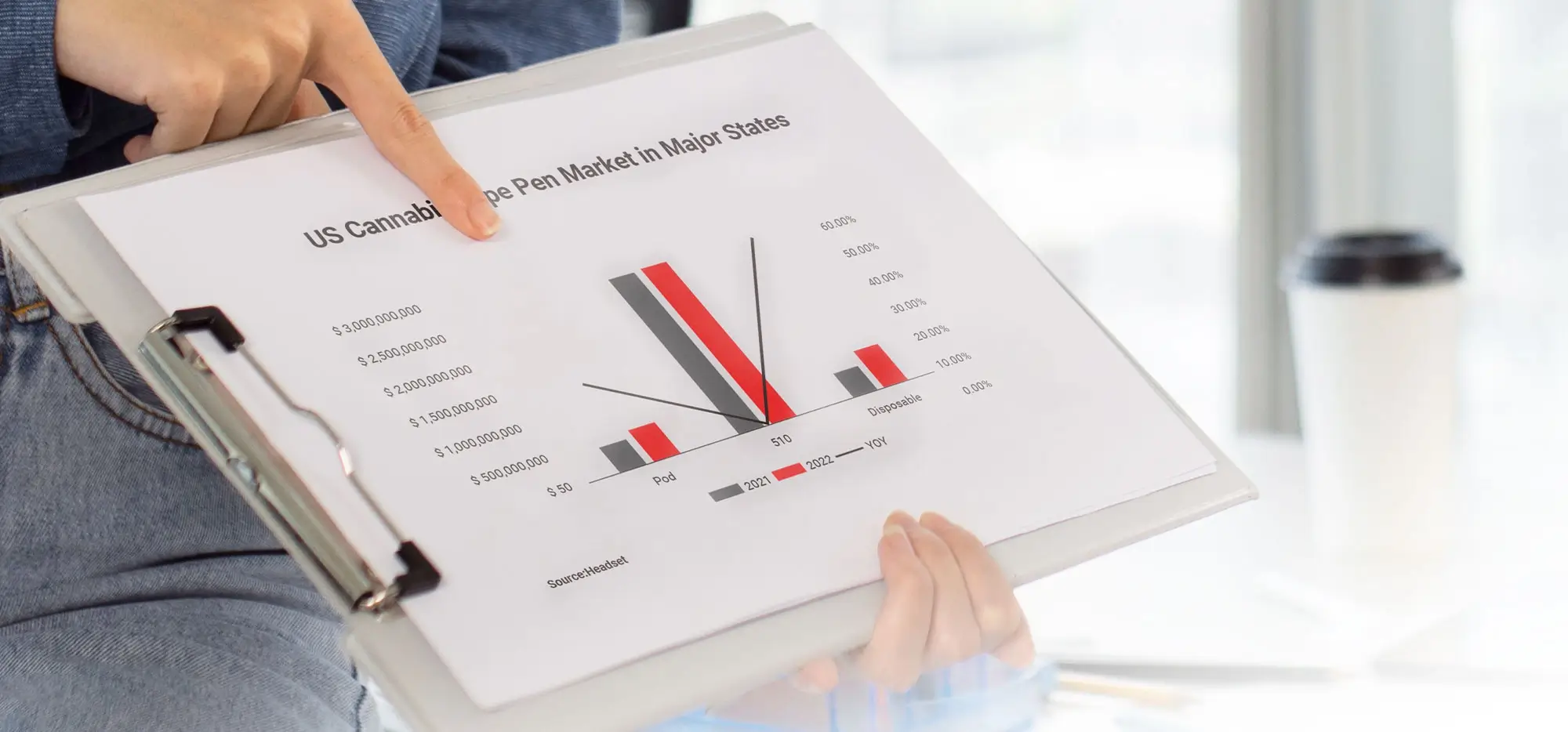
Concentrates remain a meaningful category, but their strongest growth story is increasingly connected to finished formats rather than standalone jars. Headset’s 2021 category analysis showed concentrates holding 9.5% of U.S. cannabis sales.
The current Headset category page lists concentrates fifth in the United States and Canada. Its September 2025–August 2026 window reports $1.0 billion in U.S. concentrate sales and says Gen Z and Millennials combine for more than three-quarters of spend.
That is not a disappearing category. It is a specialized one. The evidence supports the view that potency and craft remain commercially relevant; the next question is how brands can express those qualities across different use experiences.
| Market signal | What the evidence supports | What it does not prove |
|---|---|---|
| Concentrates rank fifth in current U.S. and Canadian category data | The category remains commercially meaningful but specialized | That every concentrate format has the same demand profile |
| Gen Z and Millennials generate more than three-quarters of concentrate spend | Younger generations participate heavily in the category | Gen Z’s standalone share or preferred concentrate format |
| California vape sales exceeded flower sales in the second half of 2025 | Portable vape formats can command substantial licensed-market spending | That Gen Z caused the change or that vape growth came entirely from concentrate jars |
The Friction Problem: Traditional Dabbing Requires the User to Complete the Experience
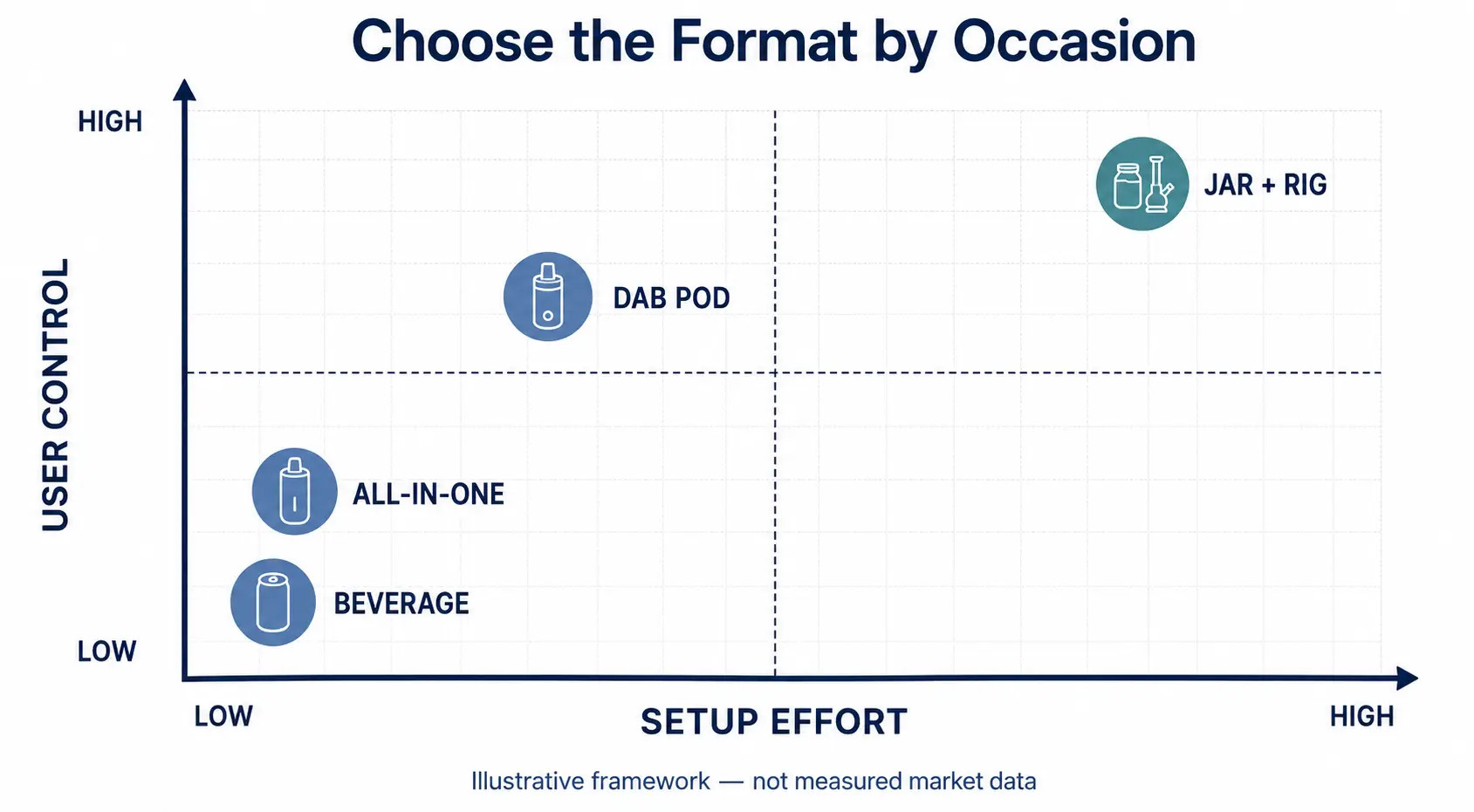
The biggest obstacle for traditional concentrates is not potency; it is effort. Dabbing can require a rig or electronic device, a loading tool, temperature control, storage discipline, residue management, and cleaning. For experienced consumers, that ritual can be part of the appeal. For newer legal-age buyers, it can feel like too much setup for a product that is supposed to fit naturally into modern life.
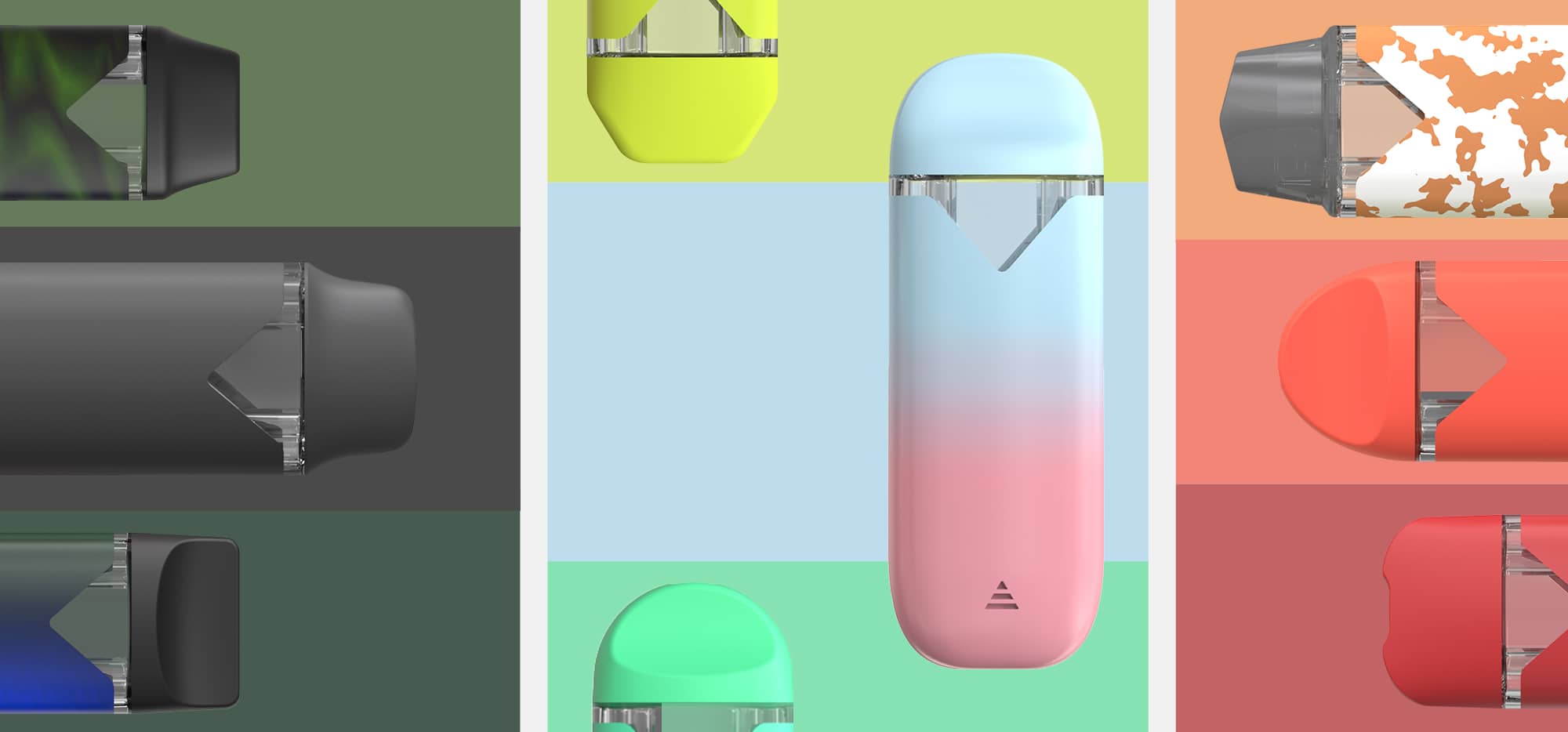
The practical difference is where product assembly ends. A jar delivers the concentrate while the buyer selects and operates the consumption system. A prefilled pod or all-in-one combines the formulation, reservoir, heater, airflow, power, and controls. Fewer components can reduce first-use decisions, provided the instructions and formulation–device match are sound.
California shows how powerful that interface shift can be. Vape products became the top-selling licensed cannabis category in the state in July 2025, with $117.8 million in vape sales versus $113.2 million for flower. By December 2025, vapes reached $124.4 million, while concentrates and extracts reached $29.2 million. That does not prove jars are obsolete, but it does show that portable finished formats can capture far more routine spending in a mature market. Because the published category totals are not broken down by age, they should be read as format-scale evidence rather than proof of a Gen Z migration.
-
- Traditional jars ask the consumer to complete the use experience after purchase.
-
- Pods and all-in-one devices package the experience before the consumer opens the box.
-
- Finished formats make premium extracts easier to position around occasions, flavors, and lifestyles.
-
- The traditional ritual still serves buyers who value control, equipment choice, and direct handling of the concentrate.
Finished Formats Change the Interface, Not the Underlying Extract
The future of concentrates is increasingly about transforming extracts into finished products with clear occasions. In consumer goods, the winning format is usually easy to recognize, easy to use, and easy to repurchase. Cannabis concentrates can follow that logic when the extract becomes the performance engine behind a vape, pod, edible, or beverage instead of remaining only a raw-format SKU.
Beverages are a useful example because they turn cannabinoids into a familiar social ritual. They illustrate a design principle, not direct evidence about concentrate-vape demand: a familiar container can make an ingredient easier to understand. Producers should evaluate each format separately by jurisdiction, age group, channel, and product type.
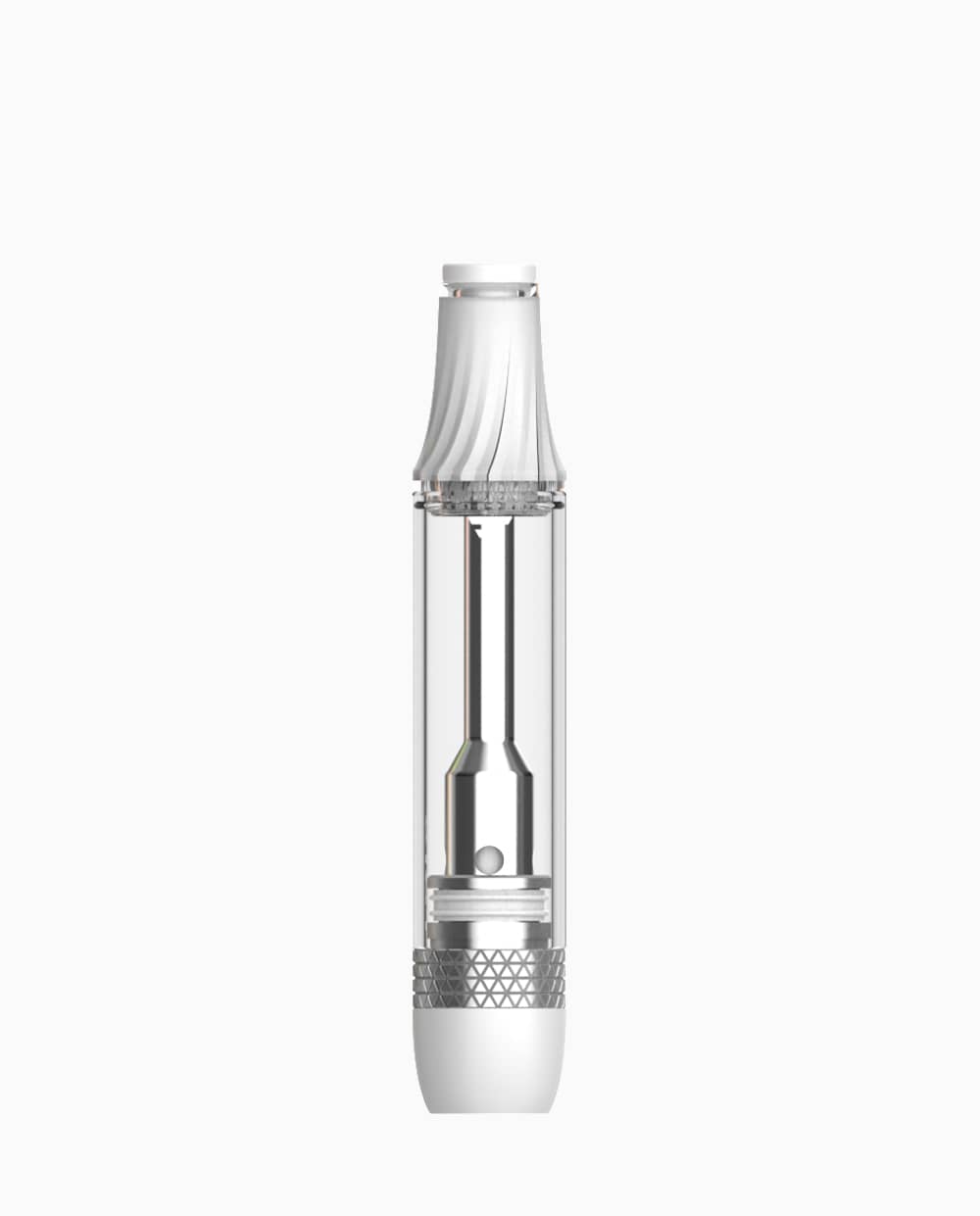
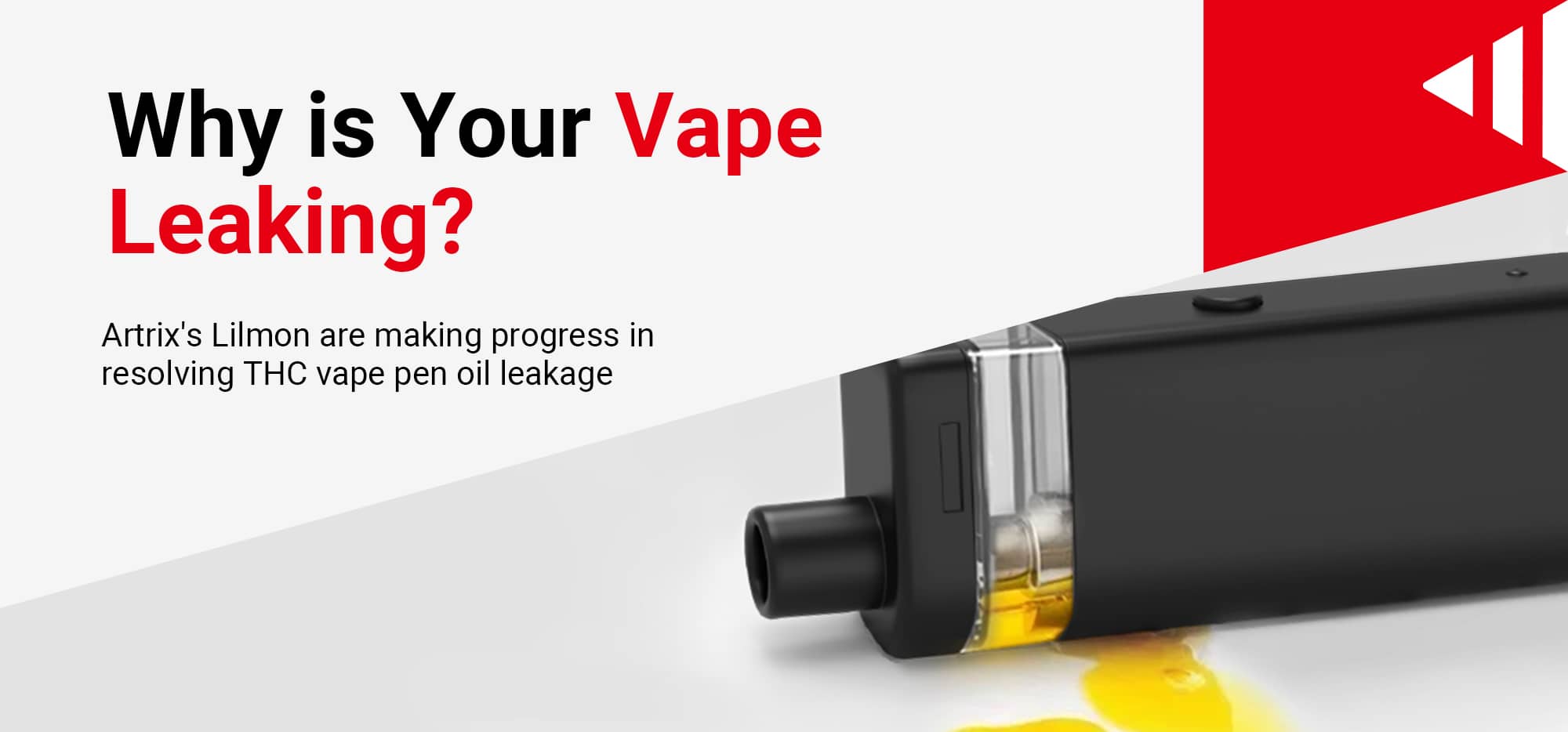
Vapes are a much larger version of the same pattern. Finished vape products give concentrates a more portable interface than many traditional dabbing setups. That gives vape hardware strategic weight. It also creates qualification questions involving viscosity, heating, airflow, leakage, clogging, instructions, and disposal.
Format selection should follow the intended occasion rather than a blanket assumption about generation. Rosin, resin, diamonds, and other extracts can keep their premium positioning in more intuitive formats: a flavor-led pocket device, a low-effort solventless experience, or a product that is easier to understand.
Hardware Must Be Matched to the Concentrate and the Use Scenario
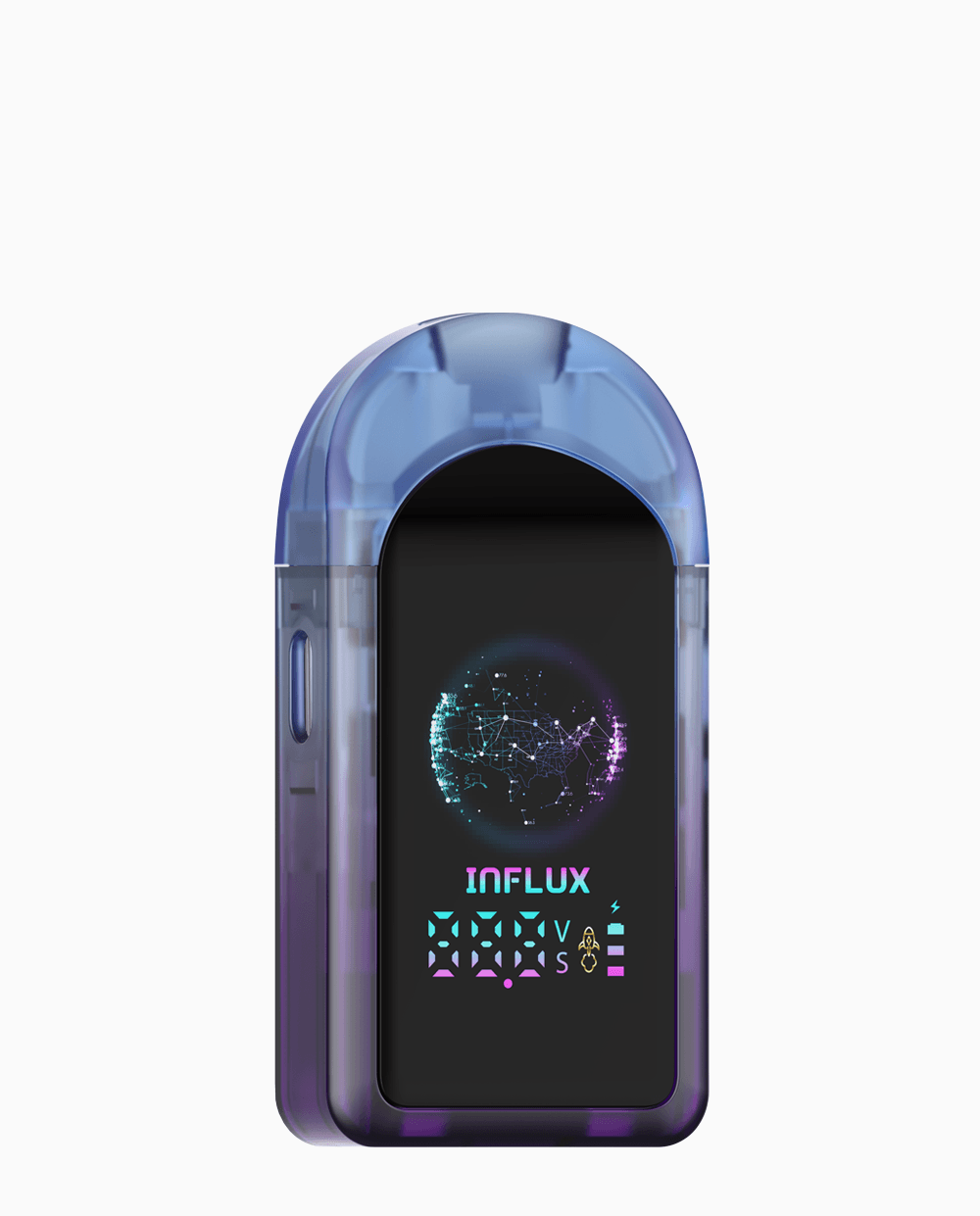
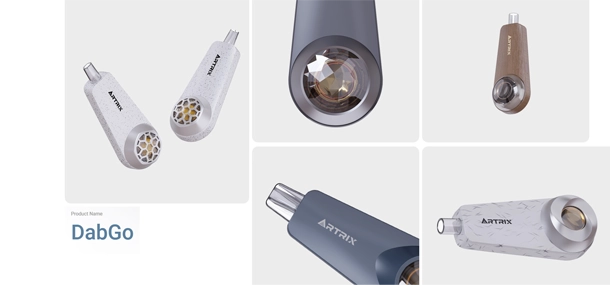
Hardware can translate concentrate craft into a simpler consumer interface. This is why pod systems, all-in-one devices, and dab-focused platforms matter for producers reaching beyond experienced dab users. Experience claims should be tested rather than inferred from specifications.
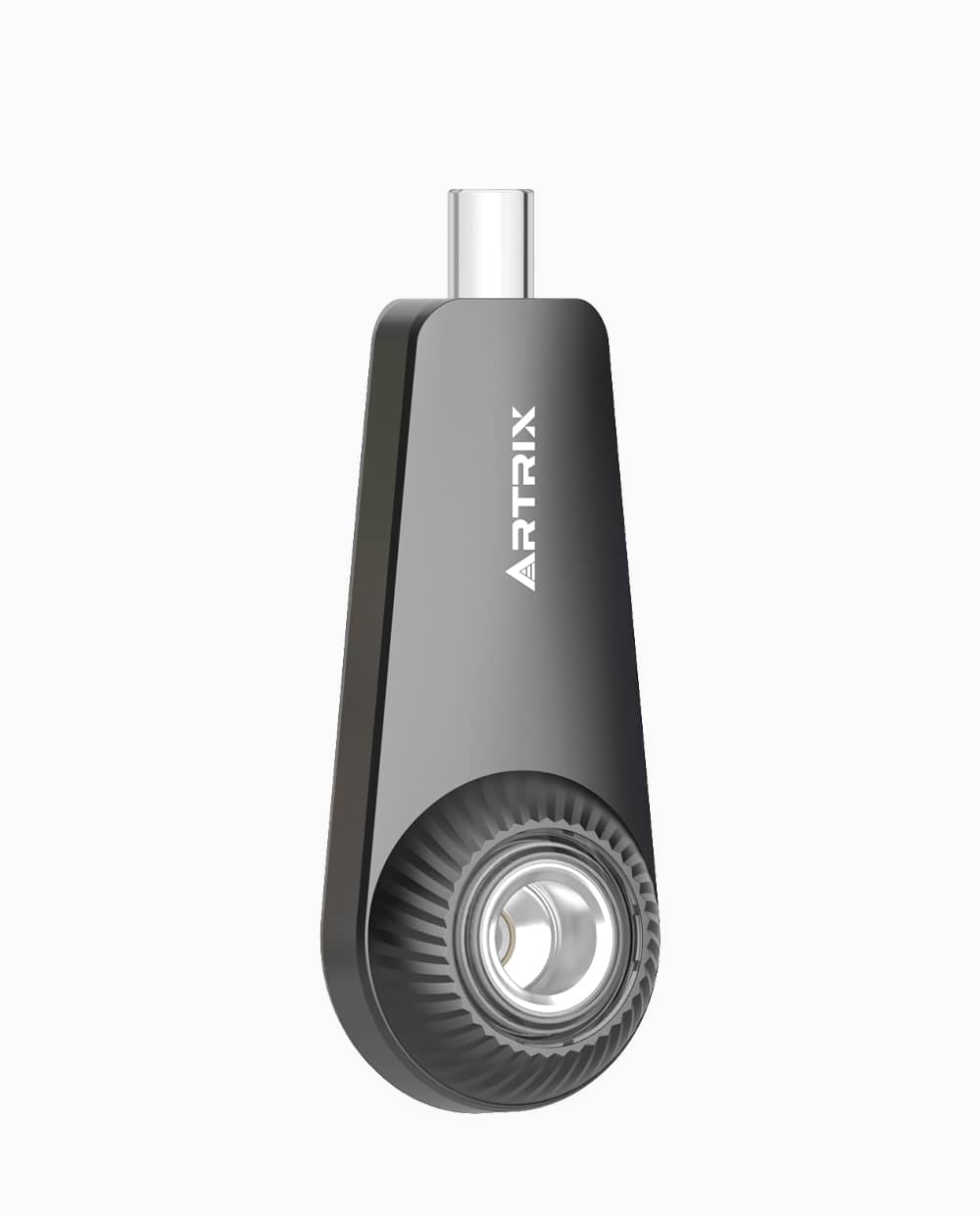
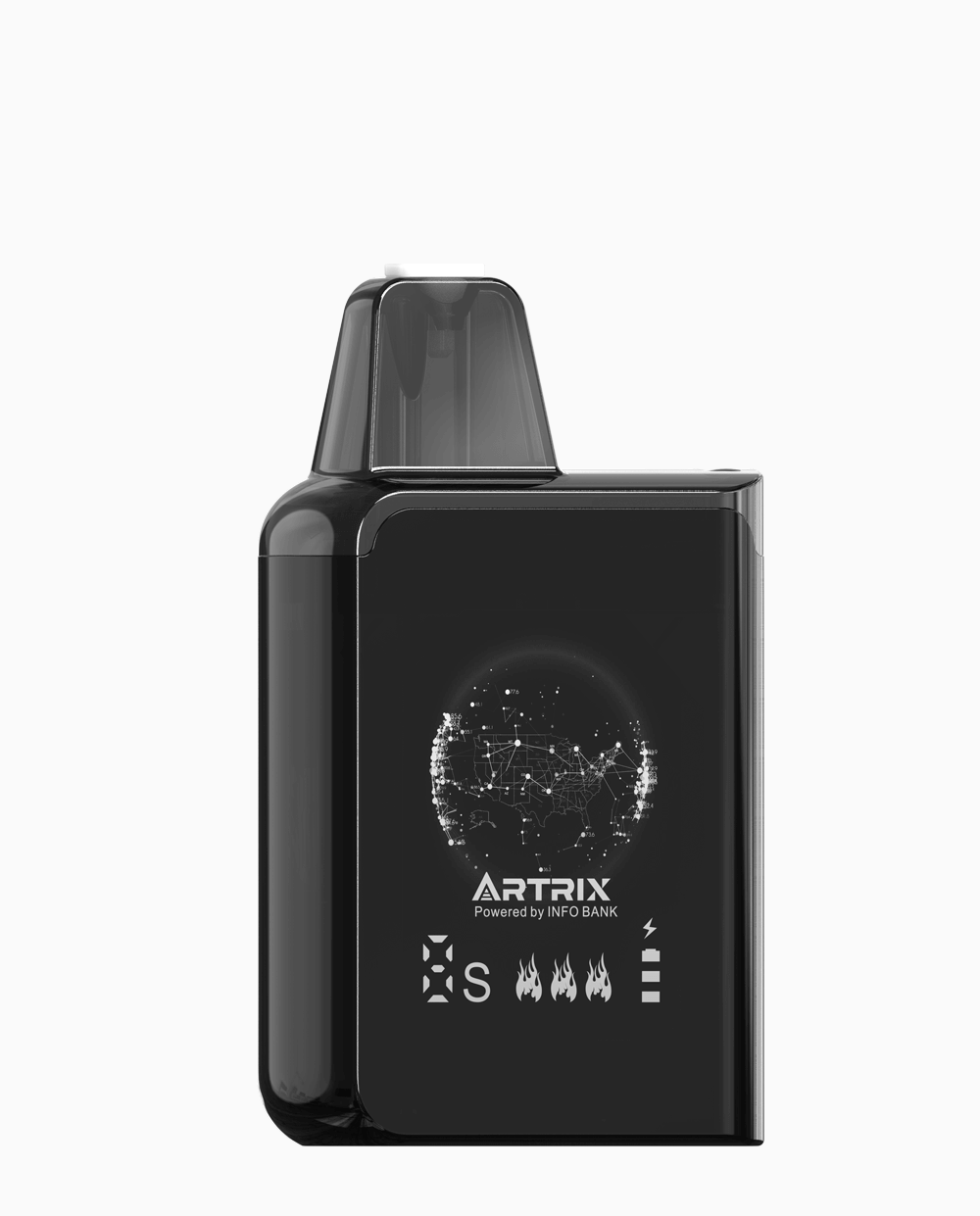
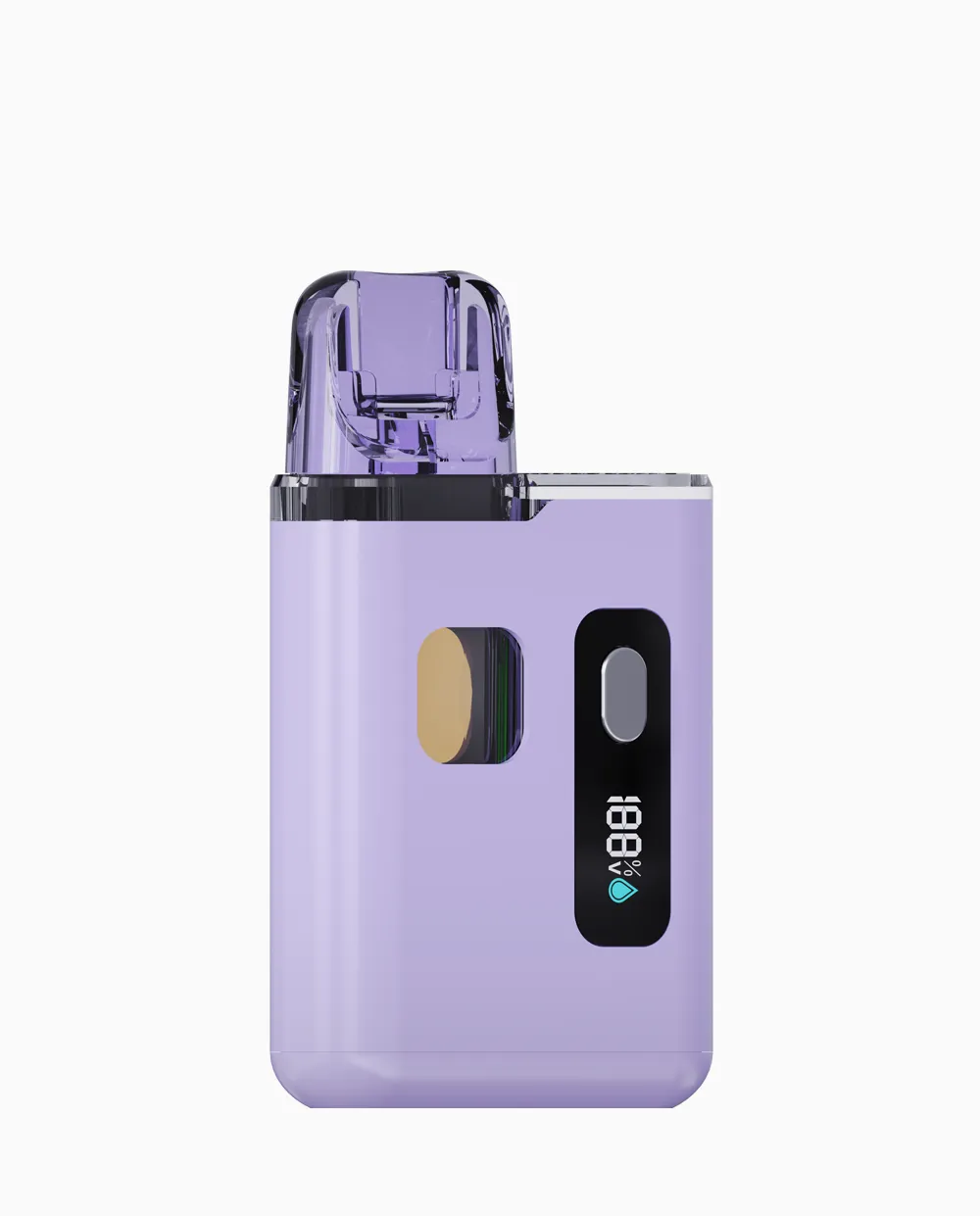
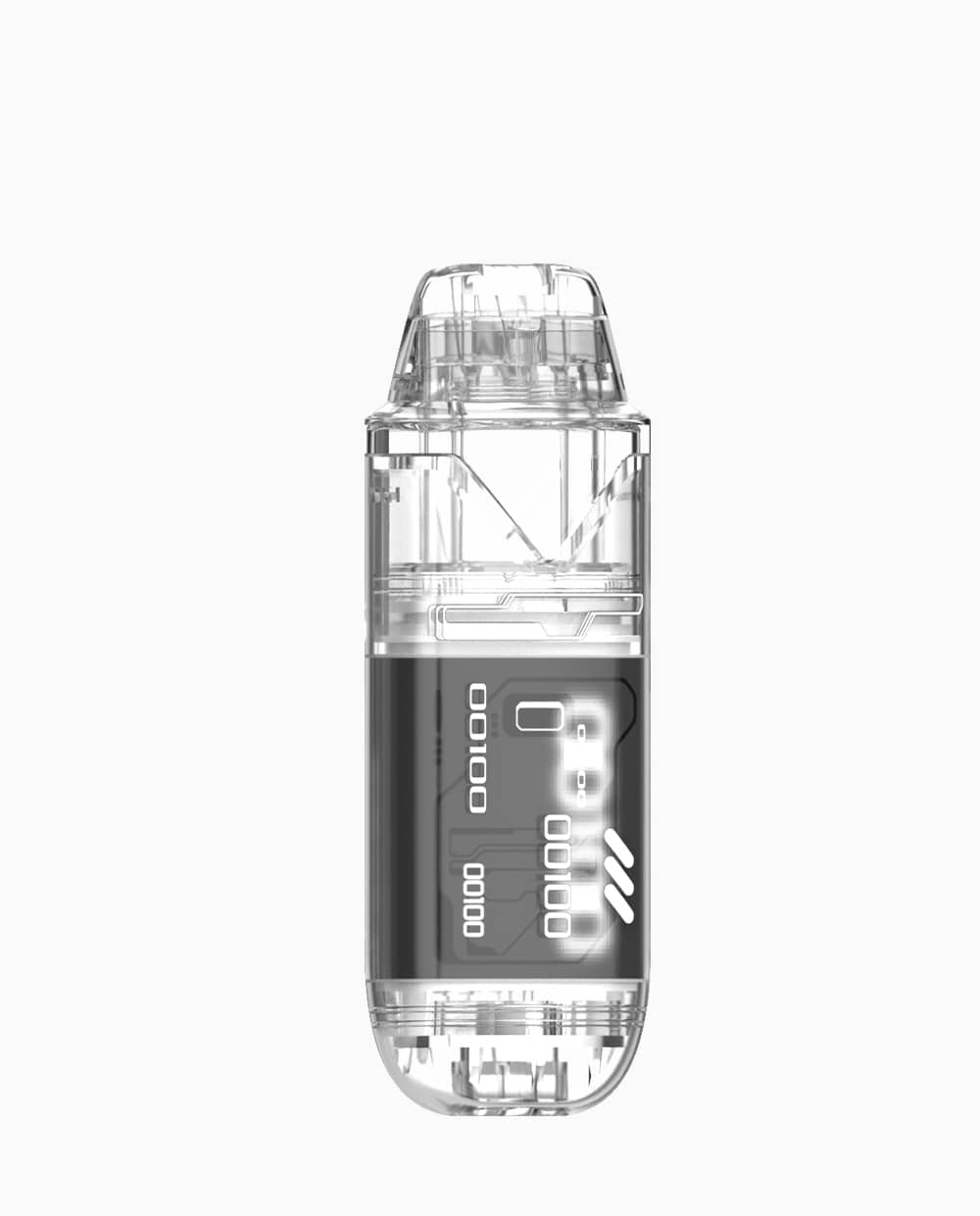
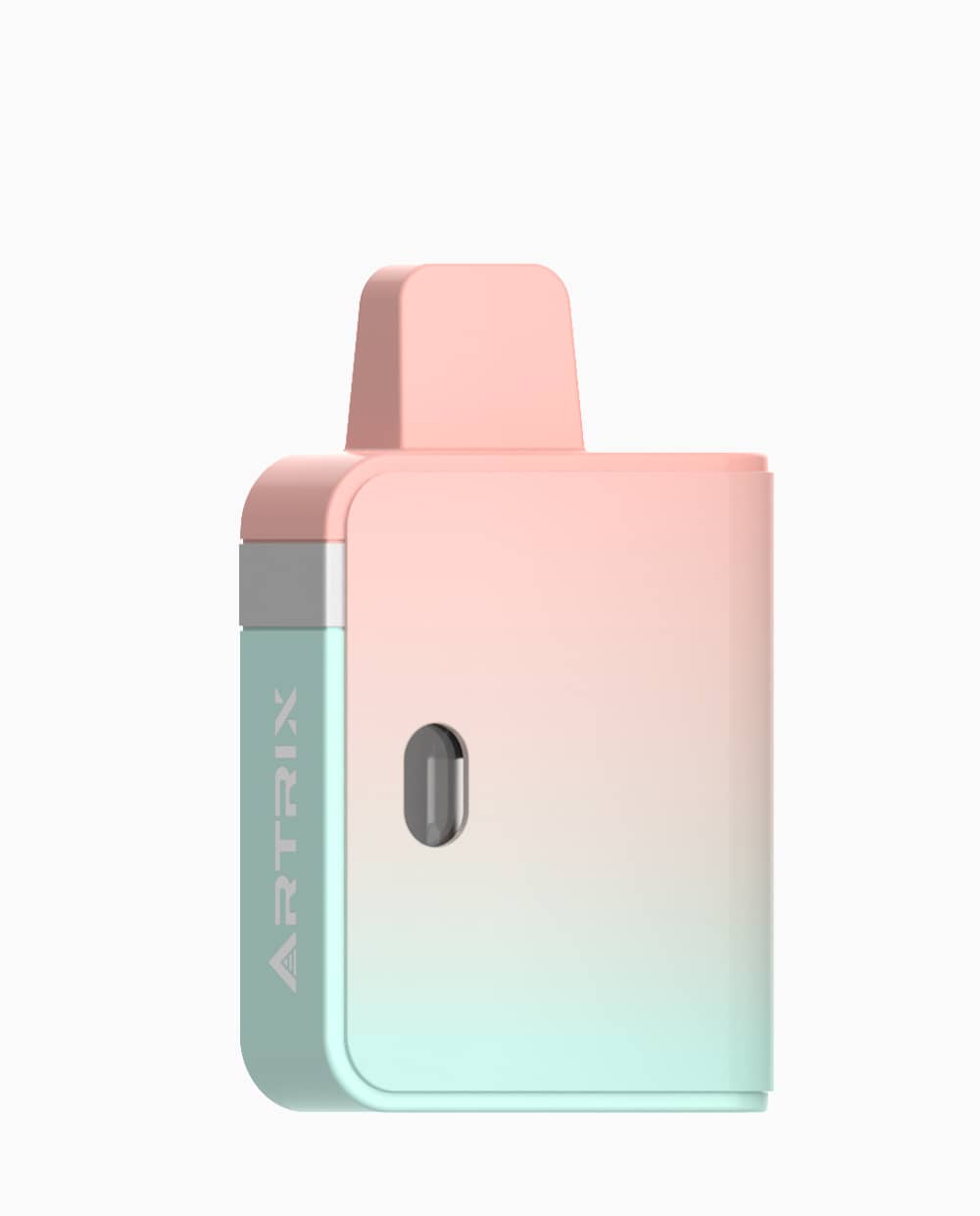
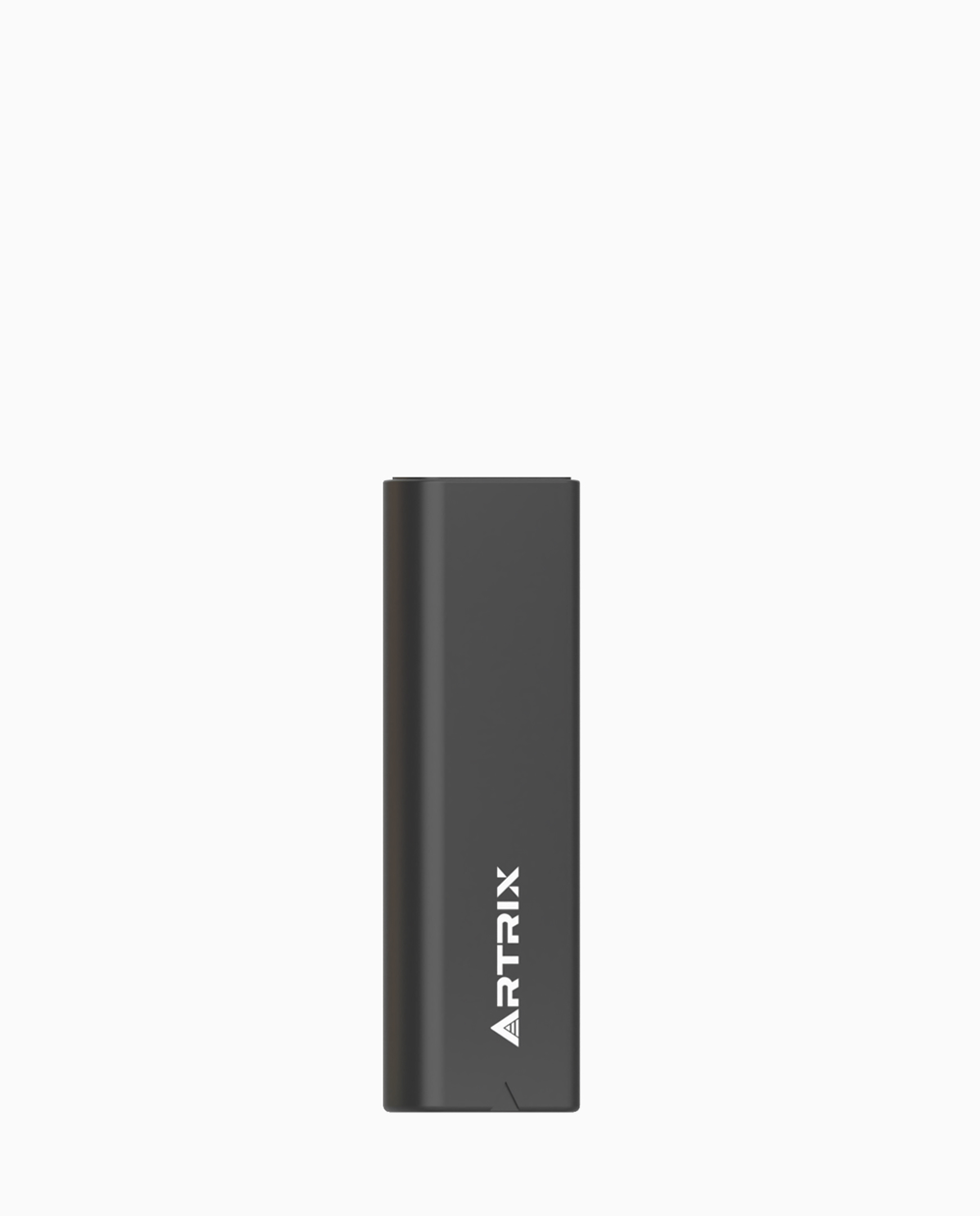
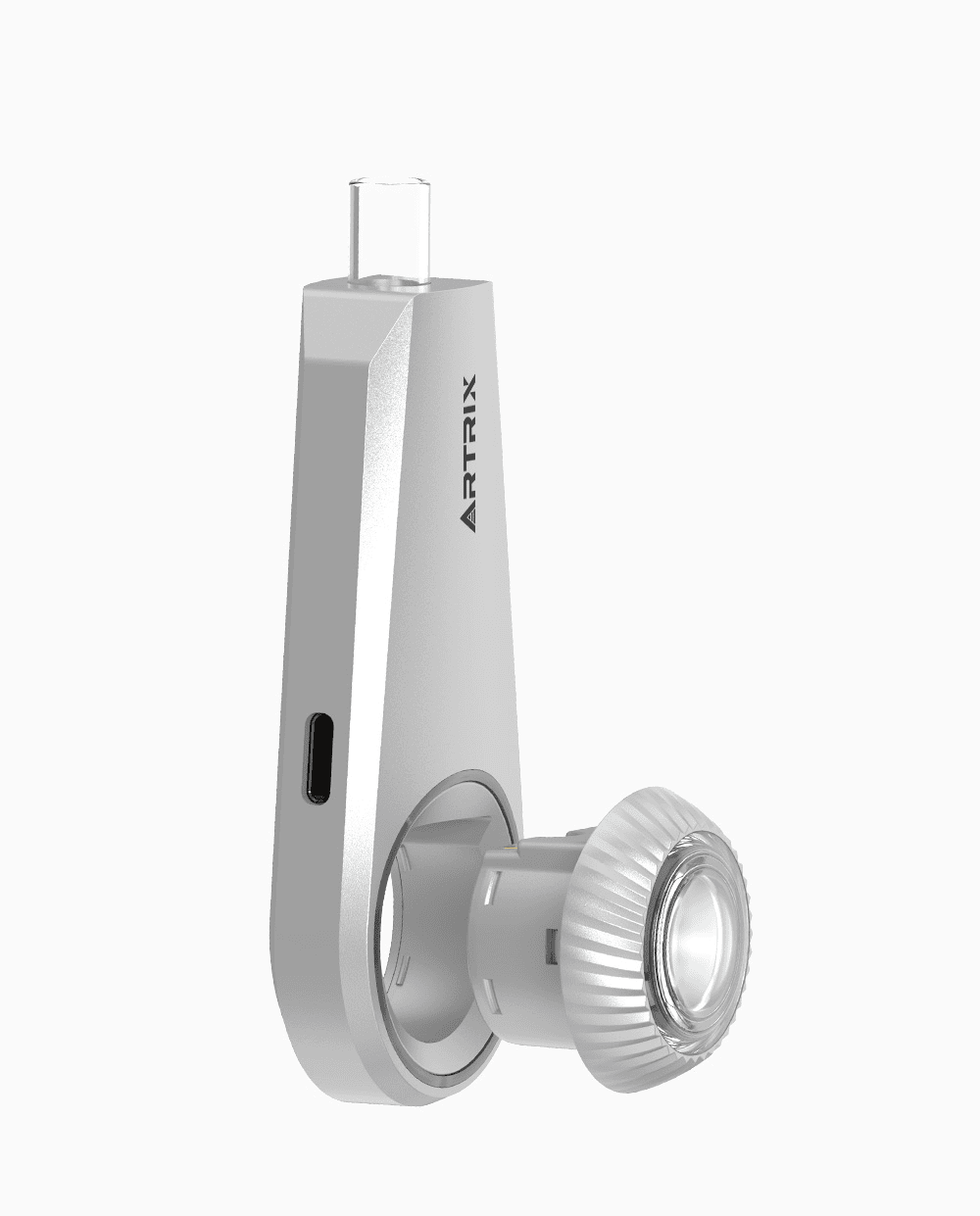
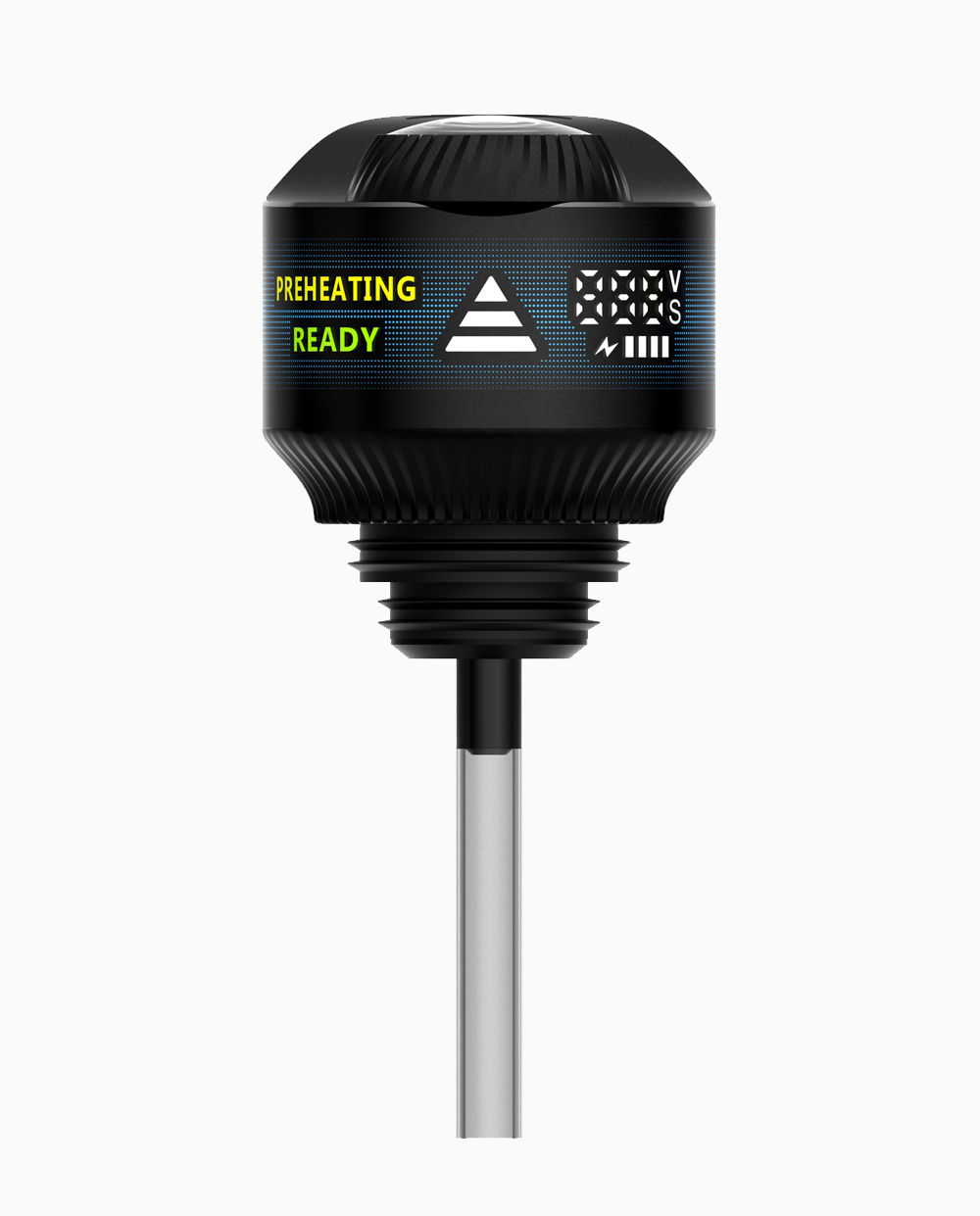
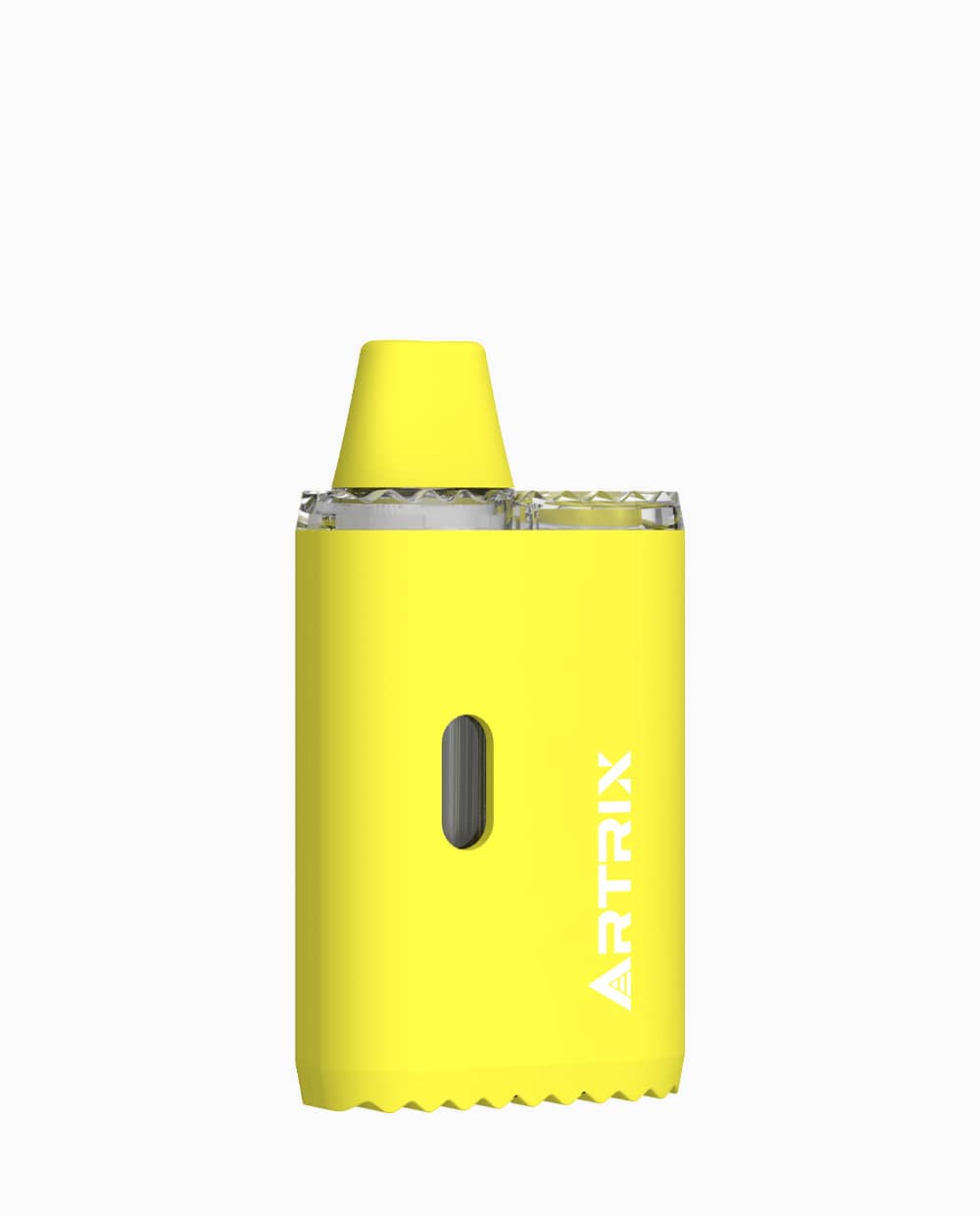
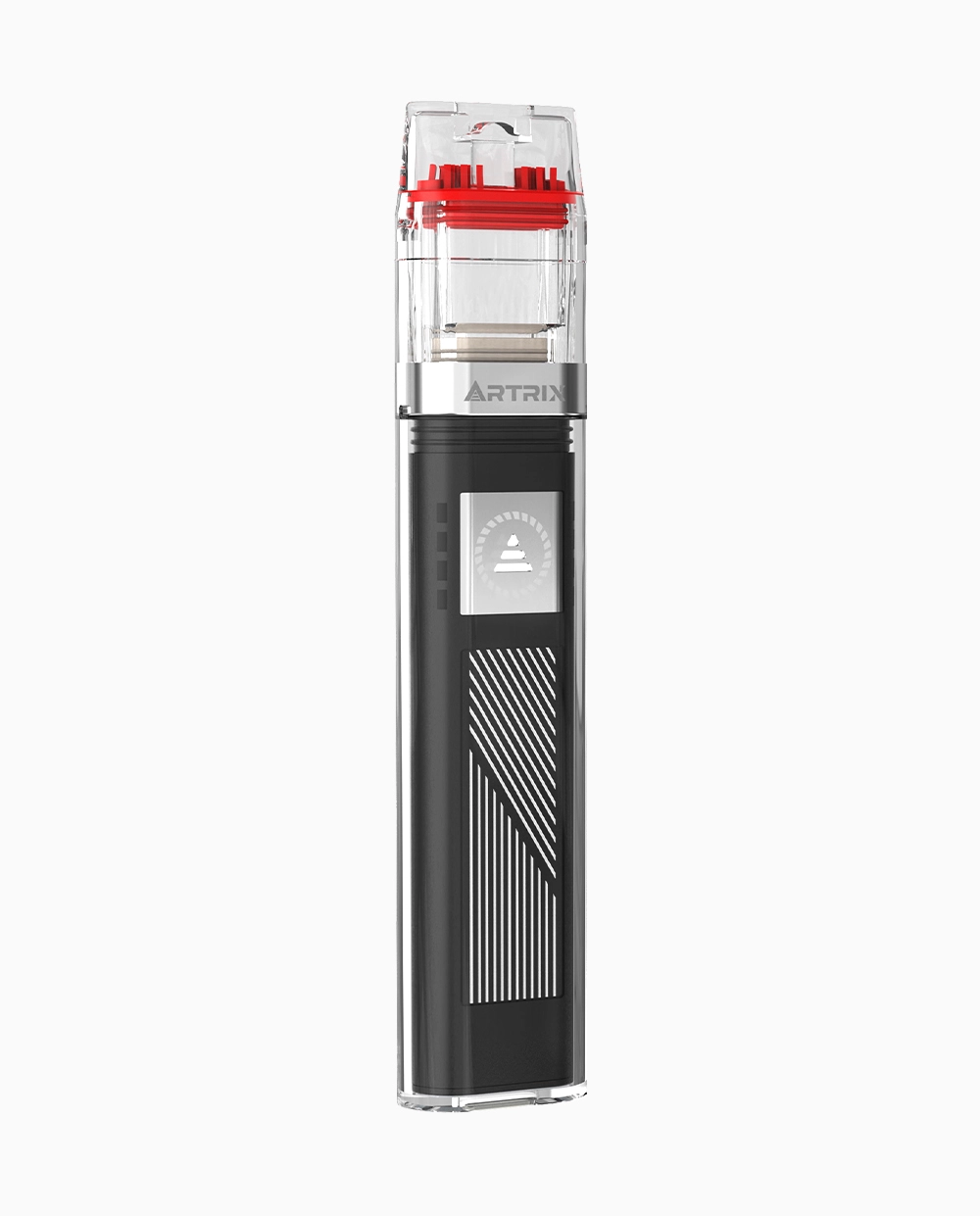
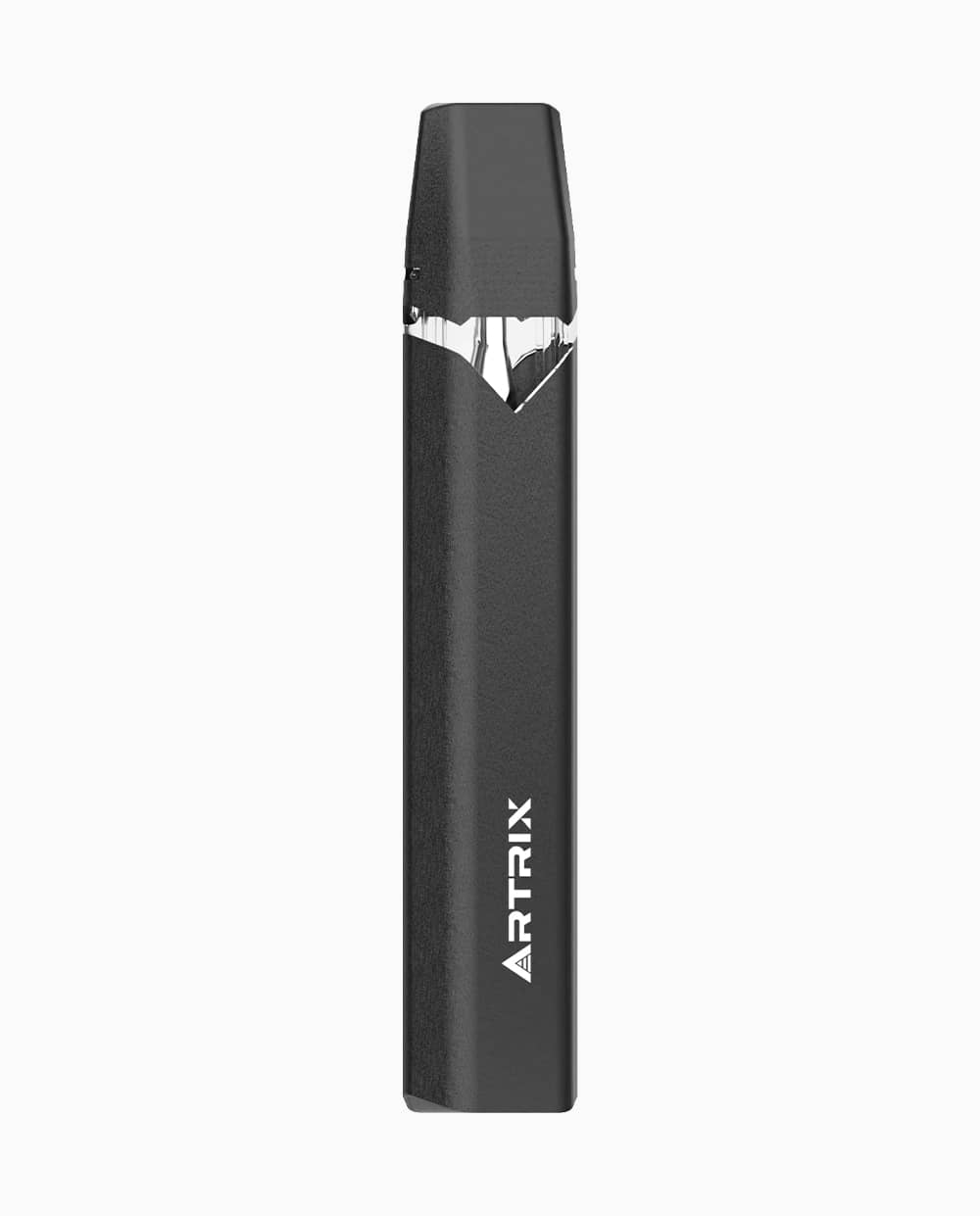
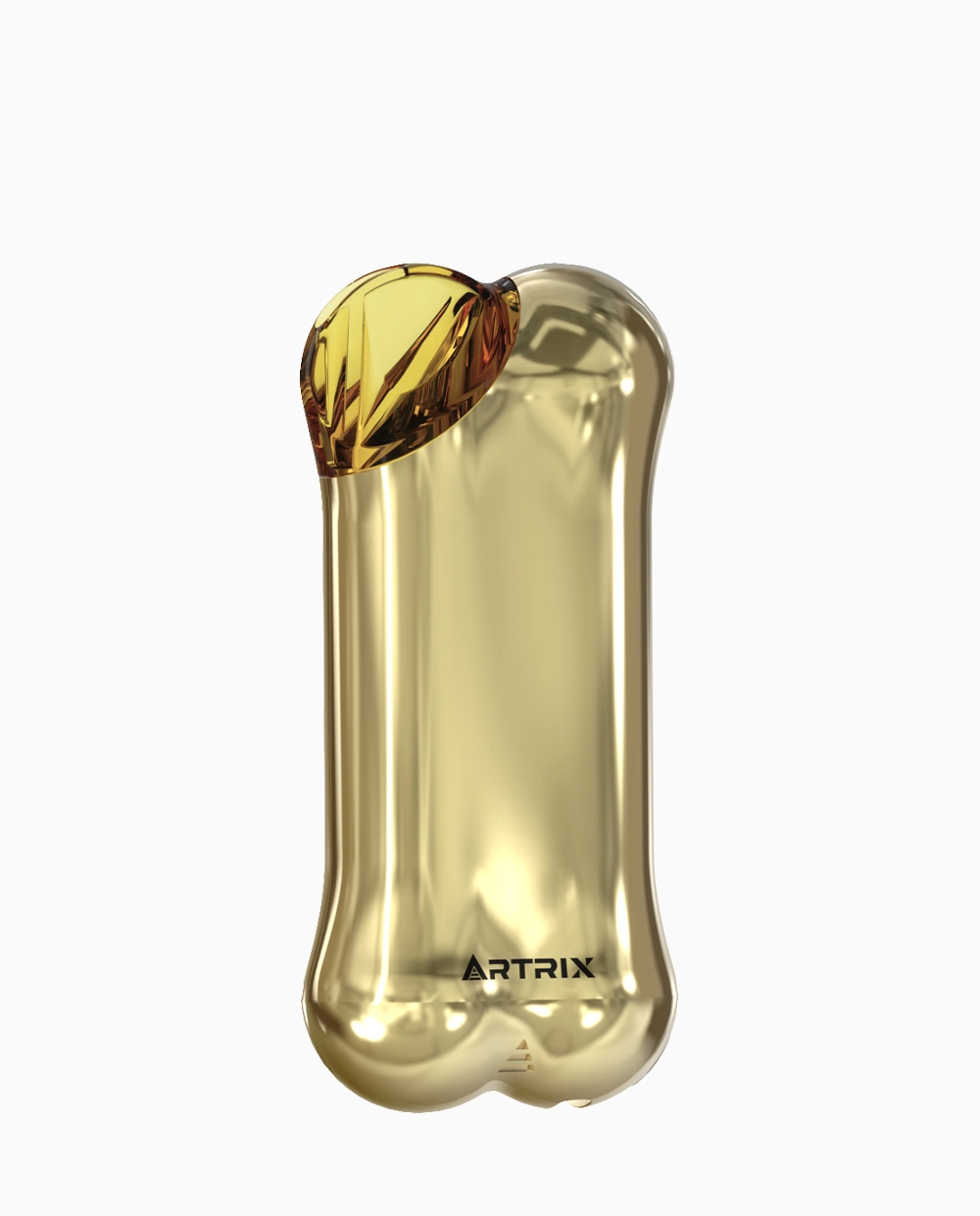
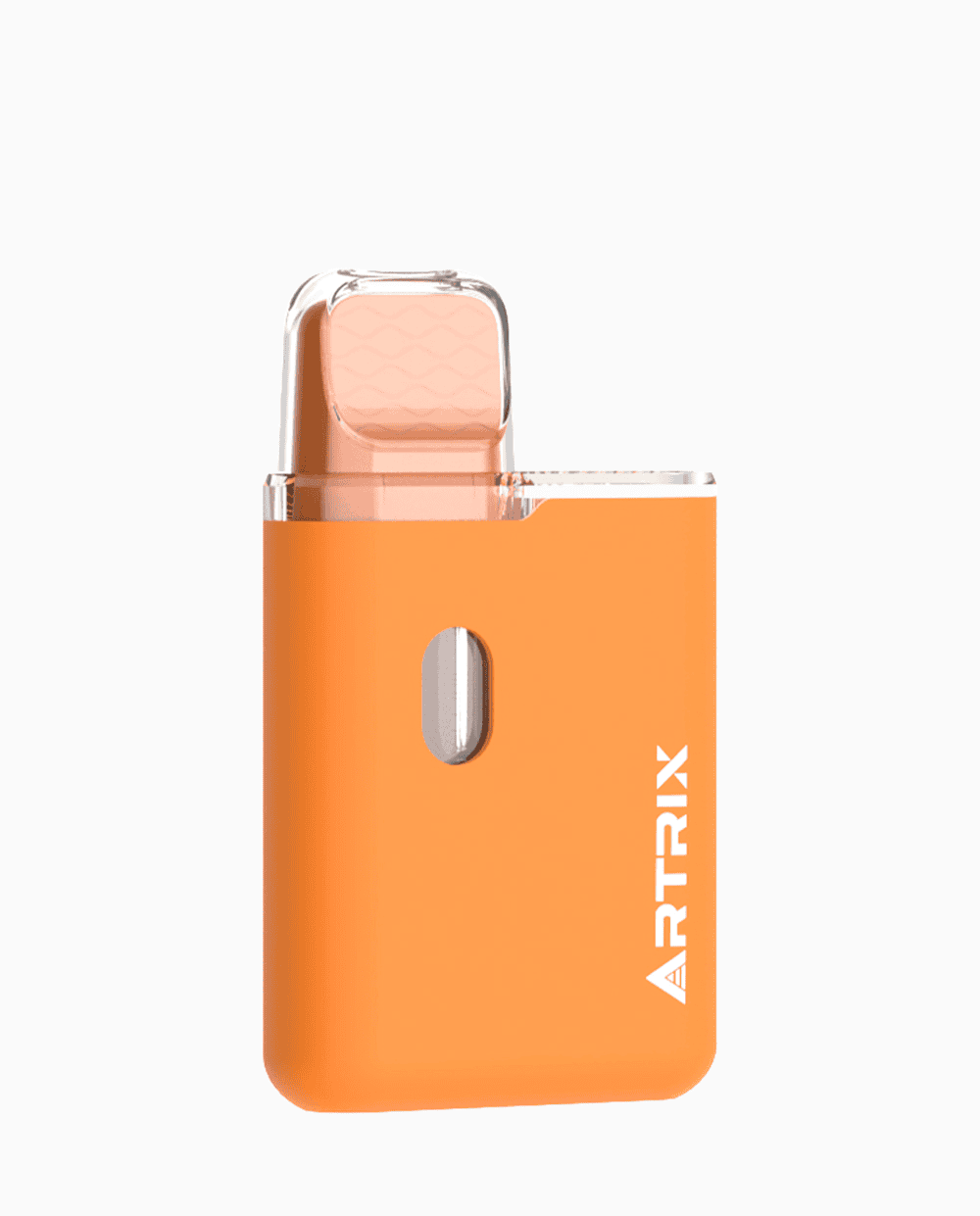
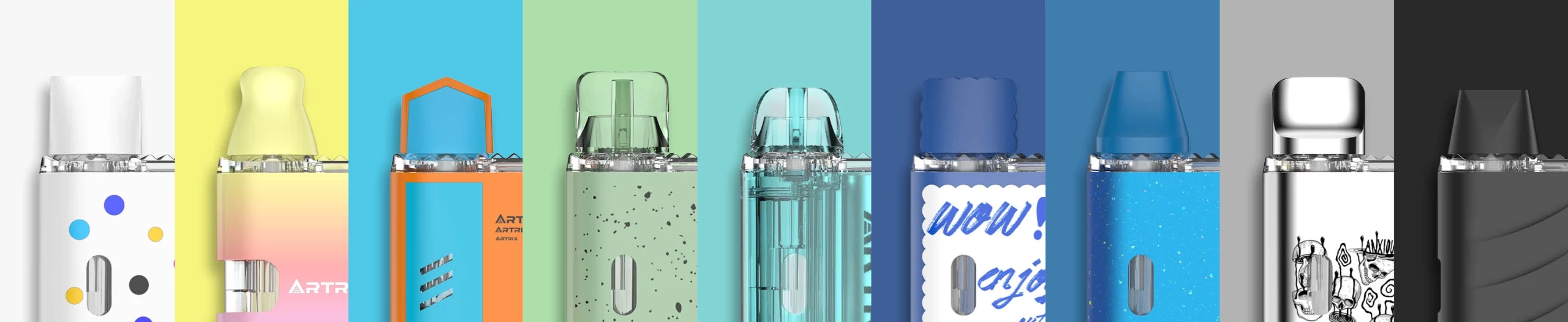
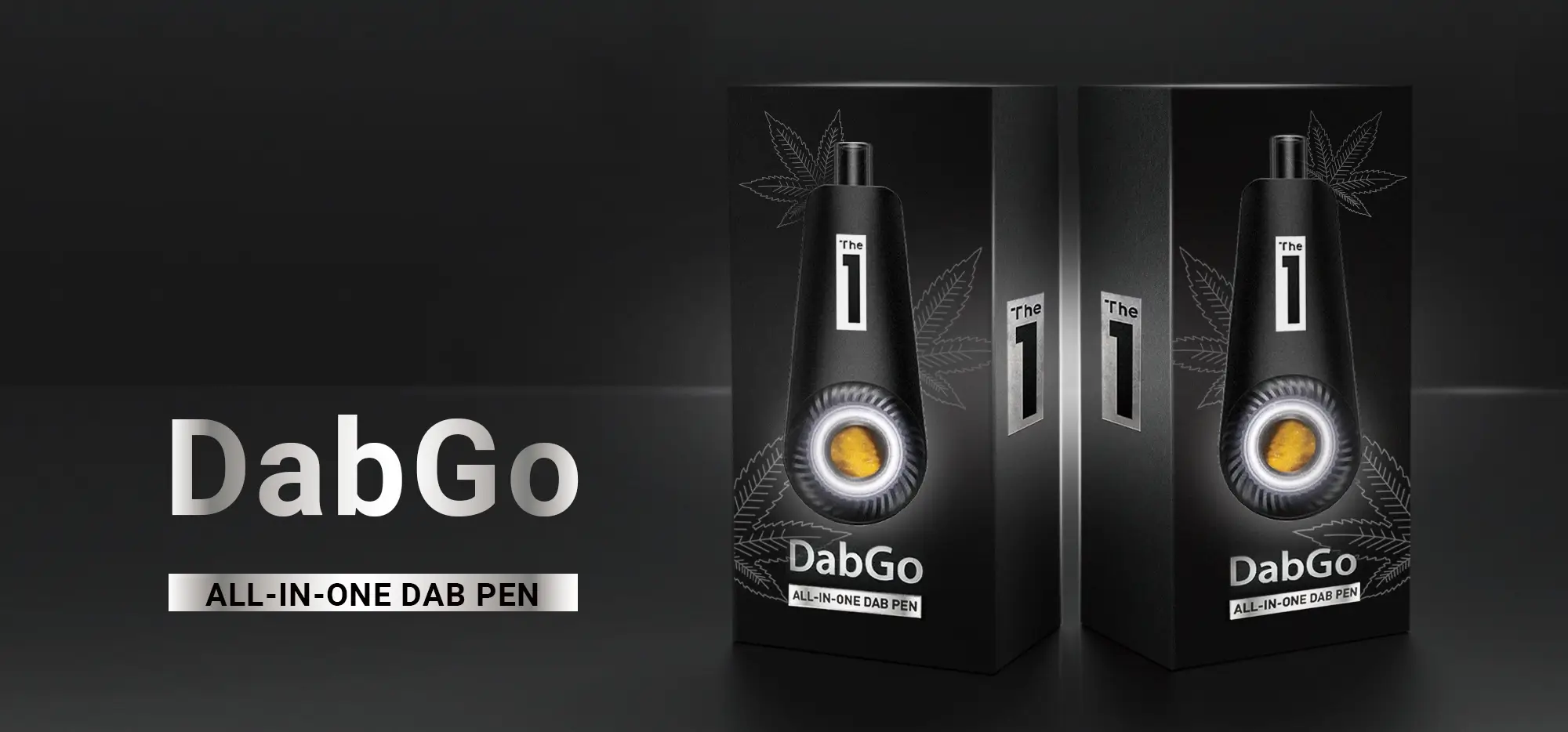
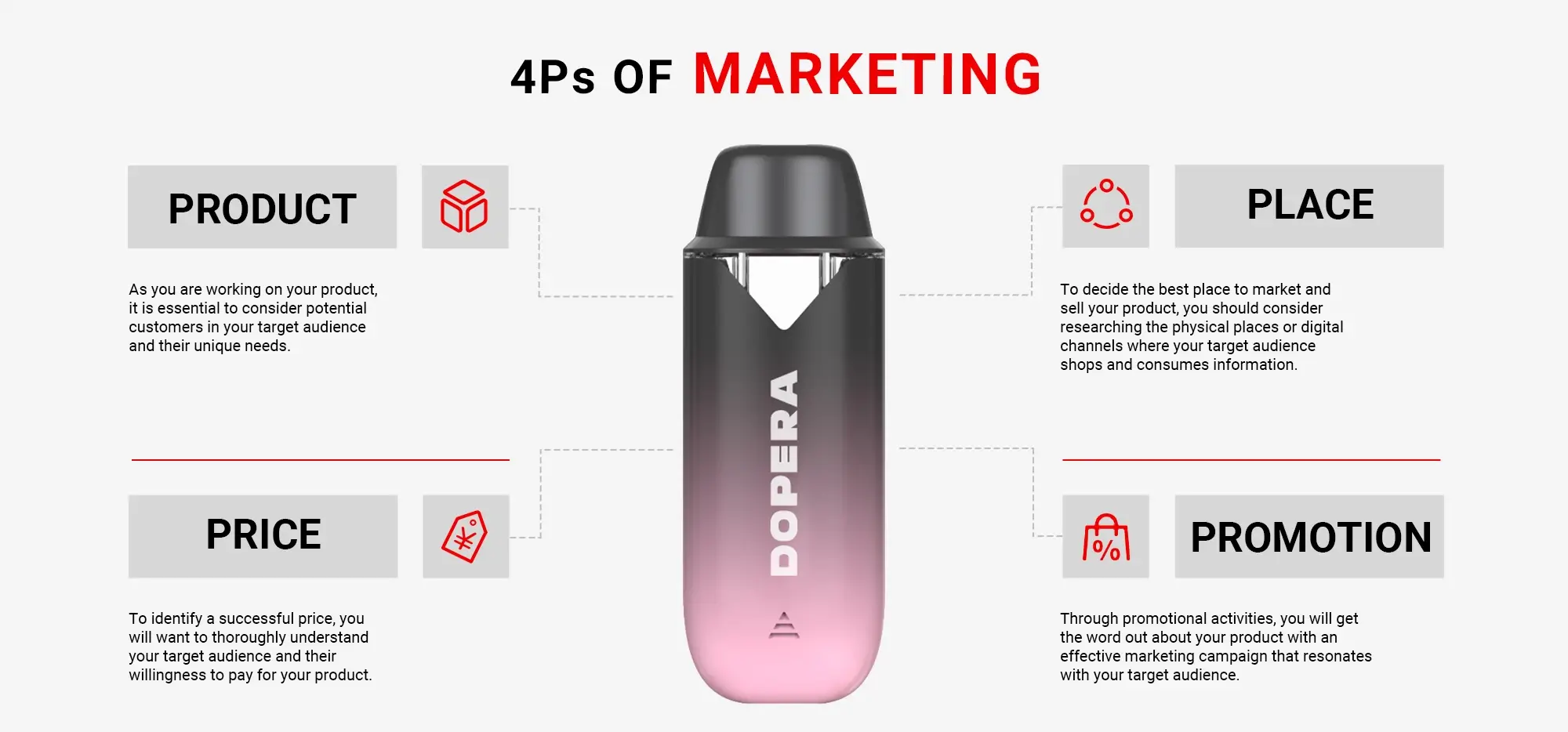
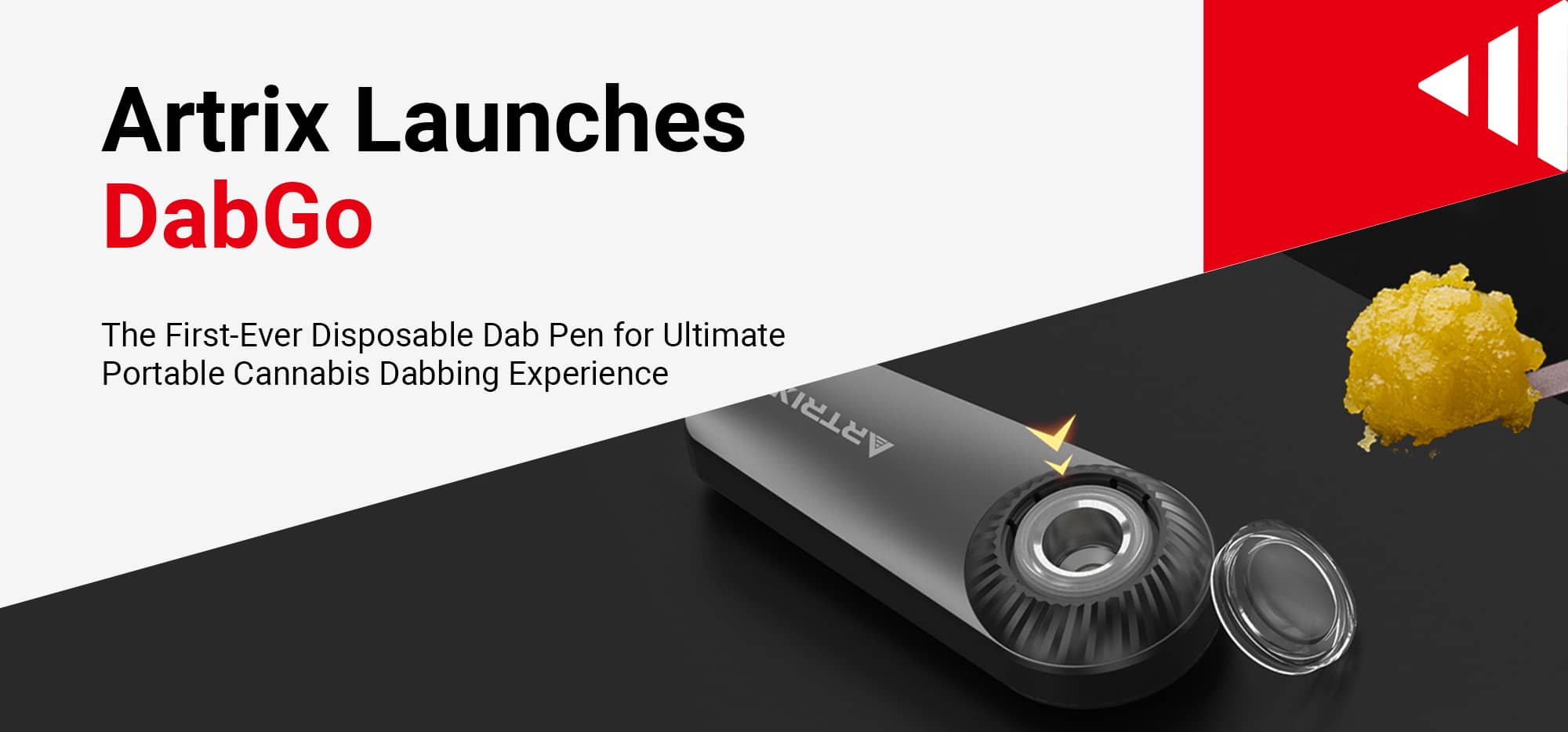
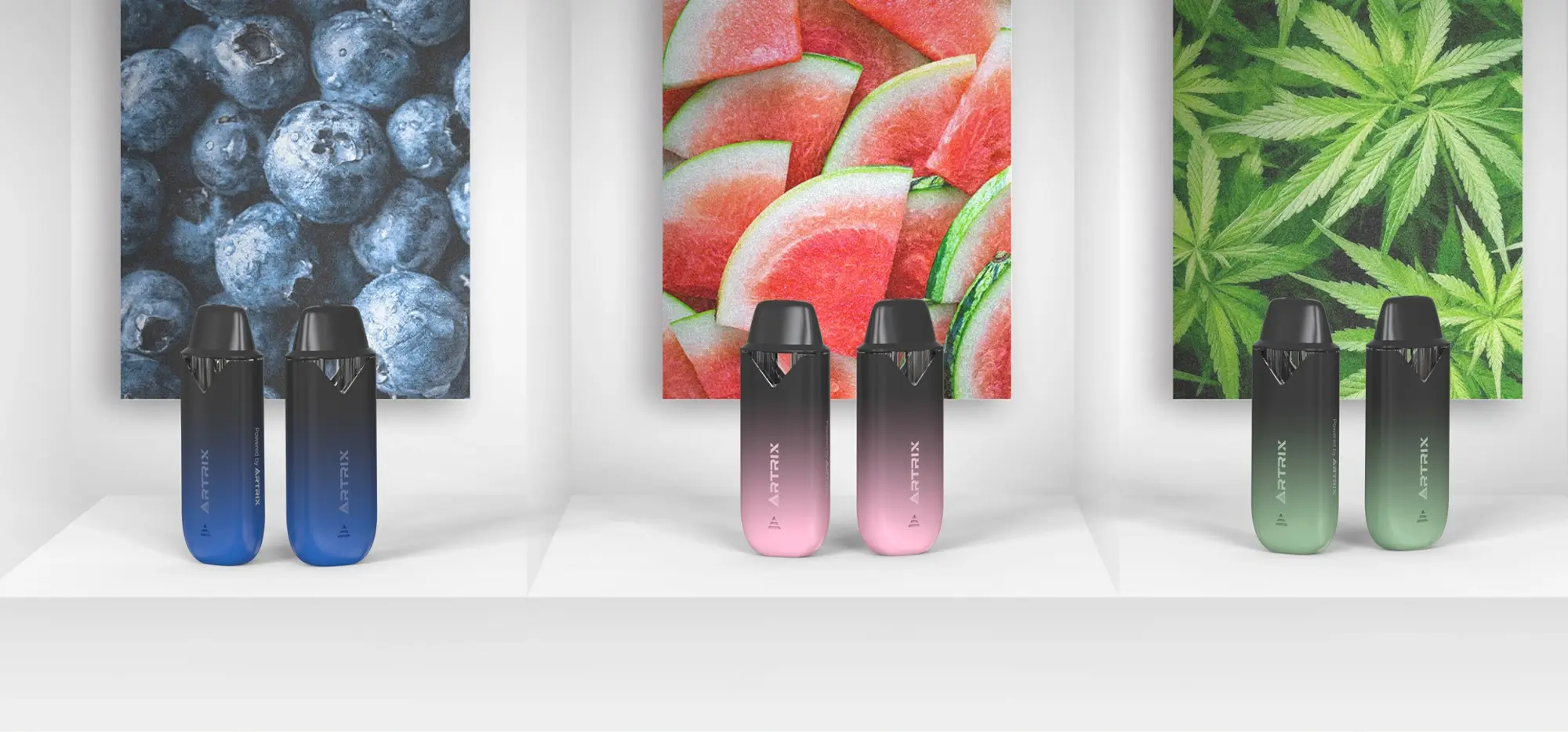
Artrix’s DabPod positions this idea clearly: a dab-oriented pod system with plug-and-vape use, multiple pod capacities, voltage adjustment, a flat mesh ceramic bowl, and a lead-free glass mouthpiece. Its product page specifies 0.3 mL, 0.5 mL, and 1 mL pods, six voltage levels from 1.4 V to 2.4 V, and 1.96 W to 5.76 W output. These are documented attributes; effects on flavor, aerosol composition, clogging, leakage, or retention require product-specific testing.
Heating design is especially important because high-viscosity extracts do not behave like thin distillate. Premium concentrates are often sold on aroma and terpene character, not only THC percentage. Voltage is only one part of the thermal system; resistance, geometry, airflow, puff duration, temperature, and composition also matter. Terpene-preservation or flavor claims need chemical measurements and defined sensory tests.
A Practical Hardware Qualification Checklist
-
- Define the extract: record viscosity, composition boundaries, and expected shelf-life changes.
-
- Define the scenario: separate first-use simplicity, pocket transport, repeated sessions, storage, and end-of-life handling.
-
- Test the system: disclose fill mass, voltage, puff profile, conditions, sample size, and acceptance criteria.
-
- Measure relevant failures: evaluate leakage, clogging, residue, activation, and hardware damage.
-
- Match the claim to the result: a materials declaration supports transparency; only performance data supports a performance statement.
Transparency Is a Product Feature, Not a Safety Promise
For Gen Z, product trust is part of product appeal. Younger consumers research brands, compare claims, and notice ingredients, materials, lab testing, batch information, QR codes, and packaging language. Without research specific to legal-age Gen Z cannabis buyers, this is a transparency strategy rather than a proven universal preference.
Still, “clean consumption” should not be framed as a medical or risk-free promise. FDA information about EVALI states that many investigated samples were THC-containing products and that many THC samples contained significant amounts of vitamin E acetate. The agency also emphasized that no single substance had been found in every sample and advised consumers to avoid street products or adding substances to purchased products. That evidence supports precise sourcing and formulation disclosures; it does not establish that a legal-market product or a particular device is safe. FDA’s THC vaping guidance provides the relevant scope.
This is where product design and marketing need to work together. A premium concentrate vape should communicate what touches the oil, its airpath, recommended voltage, verification, and use. Present composition, materials, batch-linked results, operating instructions, test methods, warnings, and disposal guidance as separate, checkable information.
The Disposable Paradox: Convenience Creates a Measurable Design Question
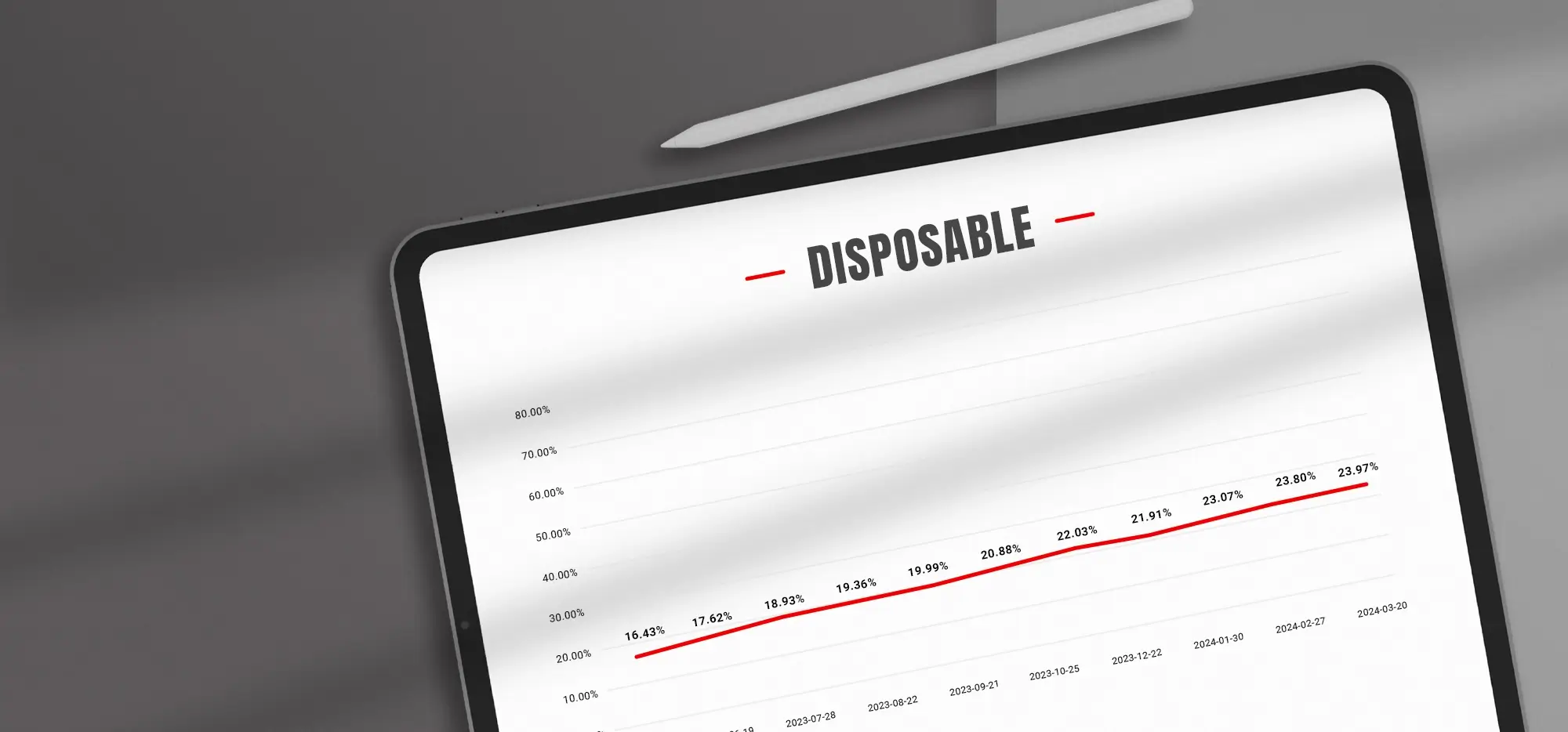
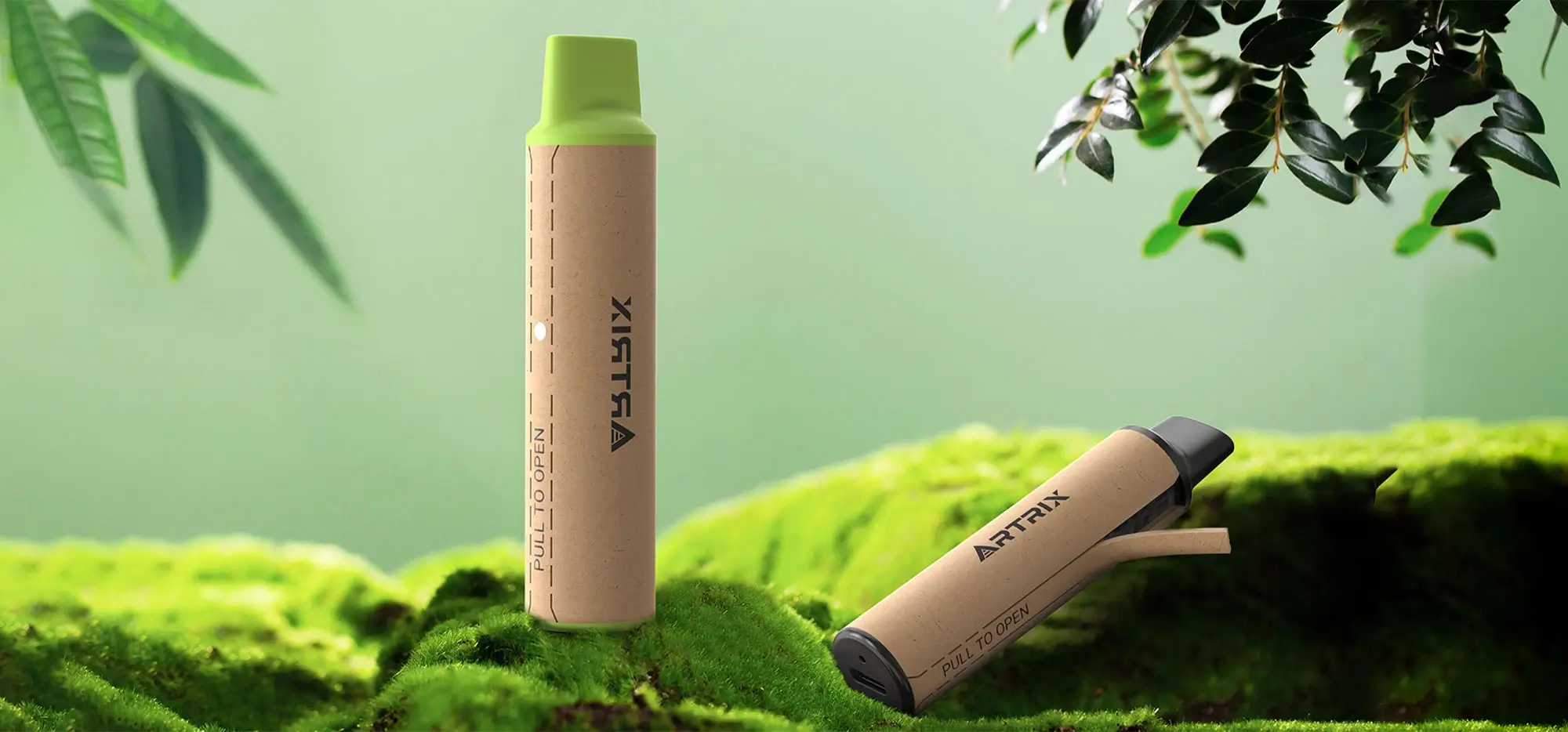
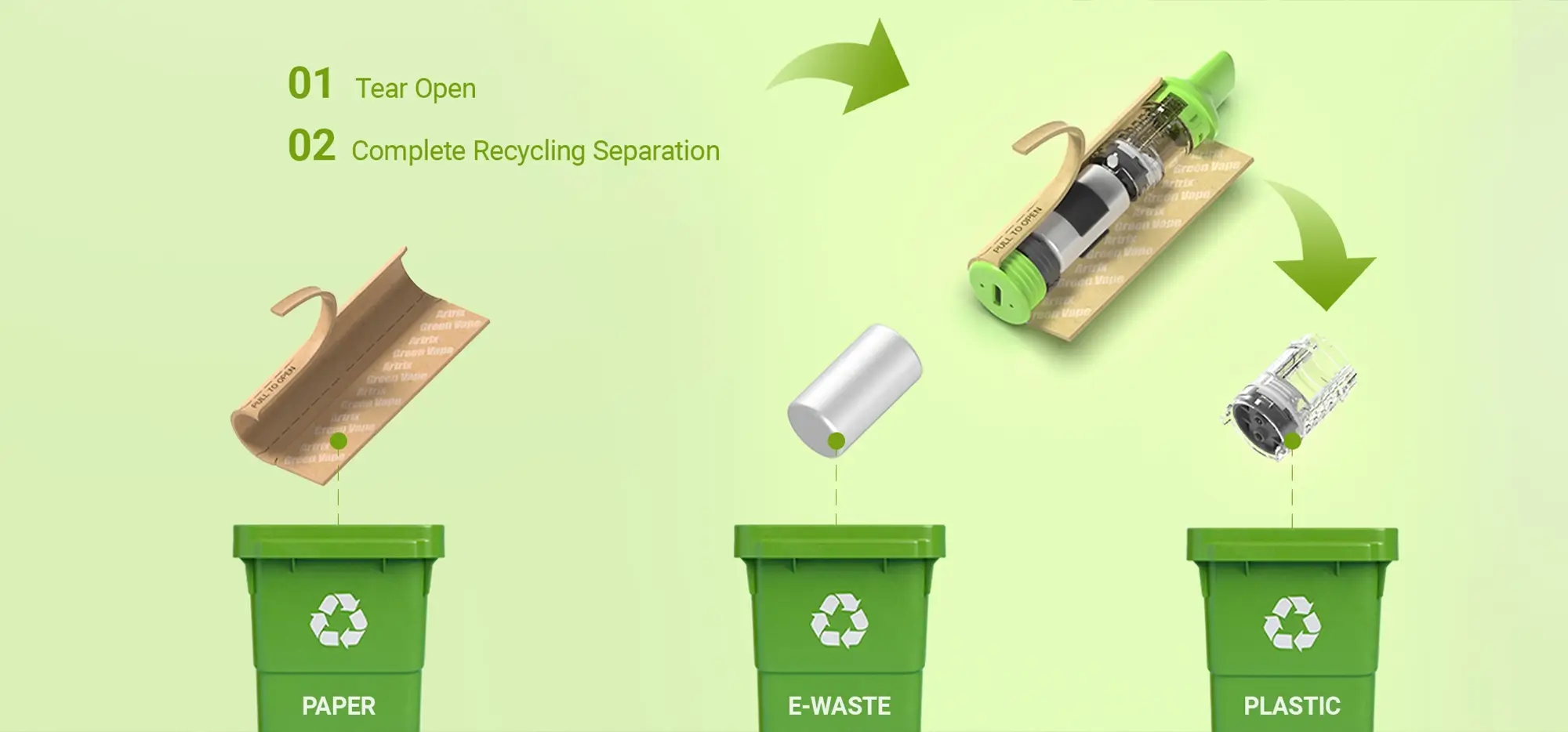
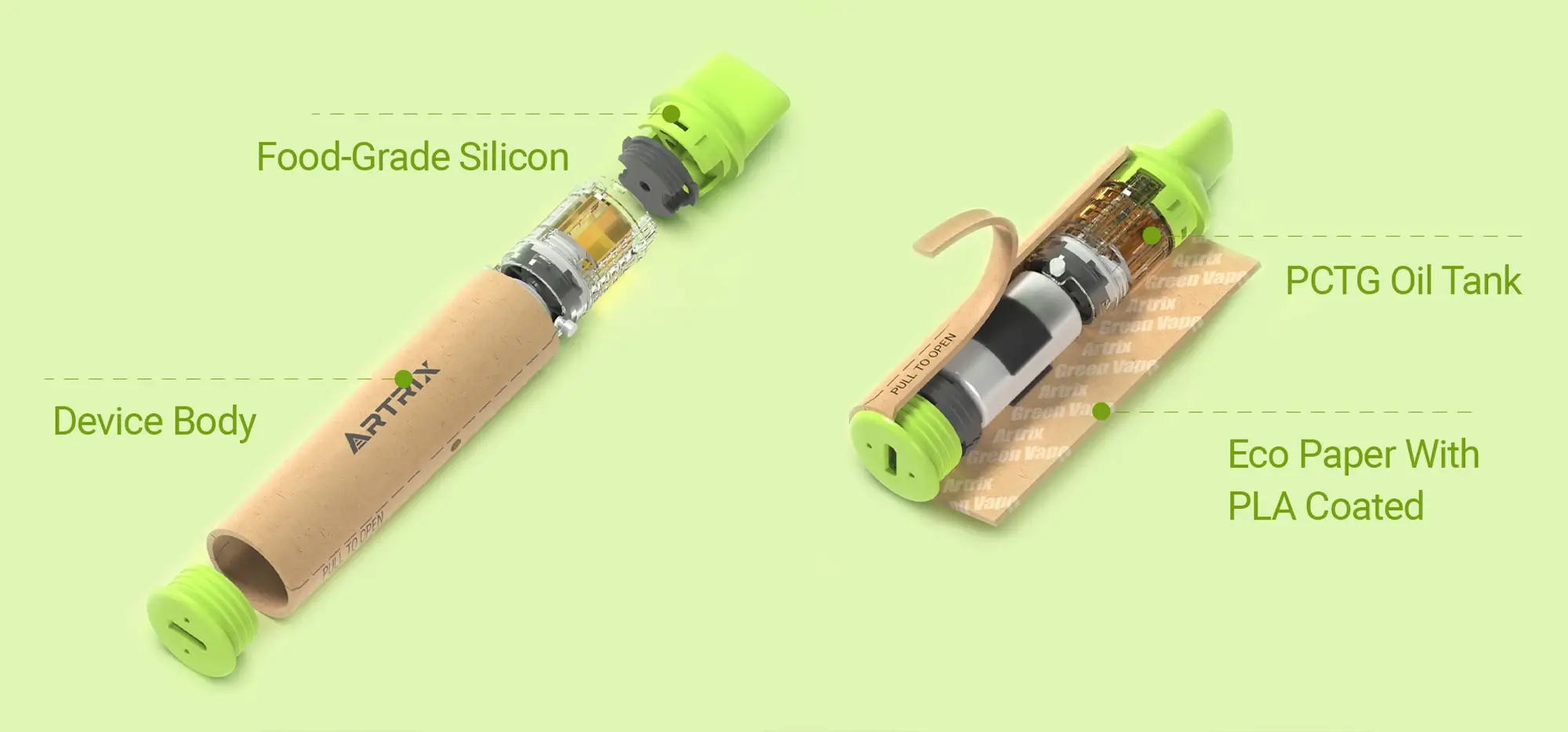
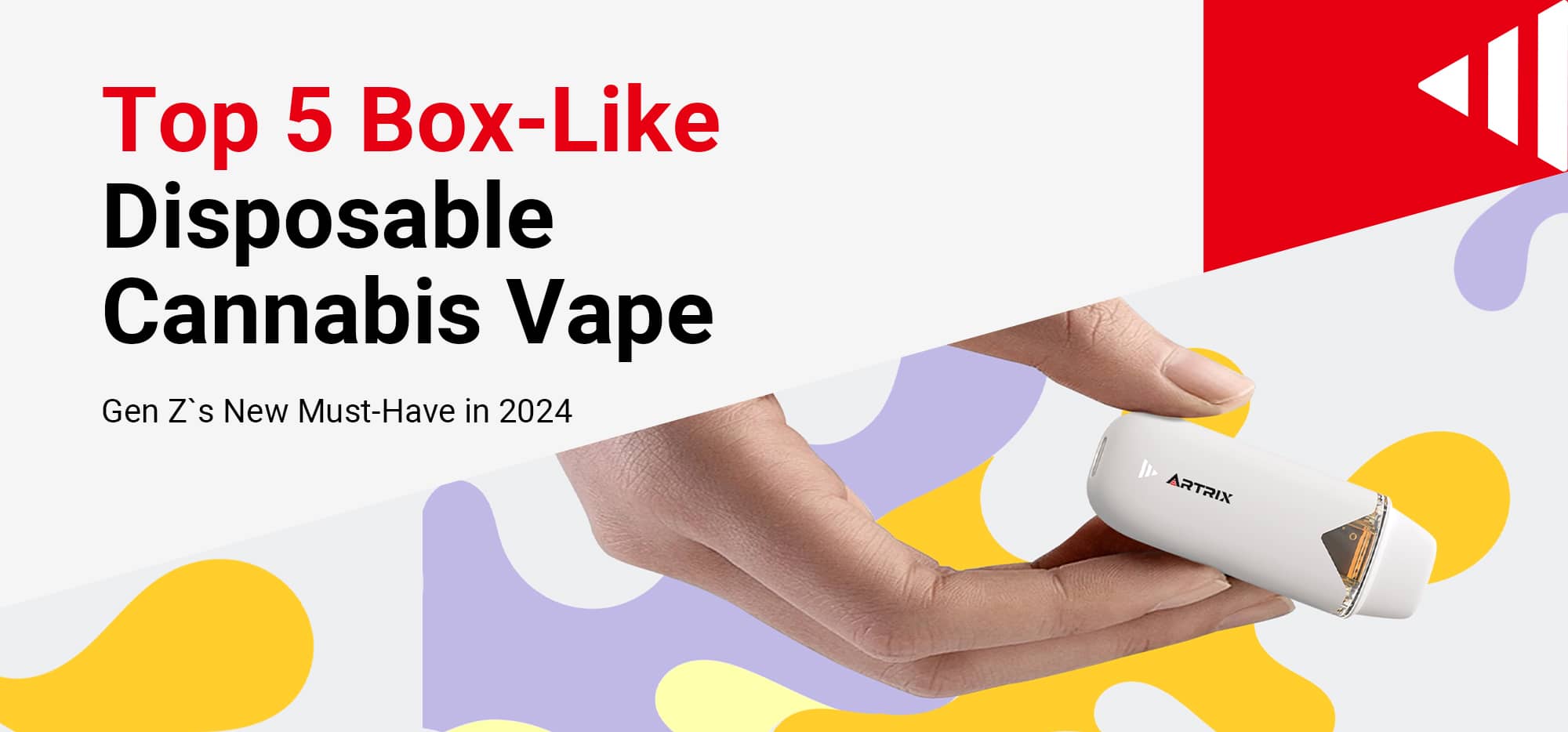
Disposable formats reduce friction, but they also create a sustainability question. An all-in-one replaces the battery, electronics, heater, reservoir, and enclosure together; a replaceable-pod system retains the battery body when only the pod is changed.
Recent packaging research puts numbers behind broader consumer attention. McKinsey’s March 2025 survey of 1,000 U.S. consumers found that 44% considered environmental impact extremely or very important, while 77% gave that rating to recyclability when considering packaging sustainability. The same study found quality, price, and convenience more important than environmental impact, and it did not isolate Gen Z cannabis consumers. It supports attention to disposal information, but not a claim that younger vape buyers will pay more for a particular architecture.
That answer can include easier disposal instructions, reduced mixed-material design, replaceable pods, or material trials. Environmental claims require lifecycle evidence covering materials, lifespan, failures, energy, transport, recovery, and local disposal. Without it, state what is retained, replaced, or separated instead of calling the whole product sustainable.
A Five-Question Decision Framework for Concentrate Brands
The best format is the one that fits the extract, use occasion, evidence base, and operating market. Before choosing a jar, pod, all-in-one device, or mixed portfolio, a product team should answer five questions:
-
- Which properties of the extract affect storage, filling, heating, airflow, and repeat use?
-
- Which consumer task matters most: ritual and control, first-use simplicity, portability, discretion, or modular reuse?
-
- Which hardware outcomes have been measured under conditions that match the intended formulation?
-
- Which formulation, material, testing, instruction, and warning details will be visible to buyers?
-
- What happens to each component when the product is empty, and can that instruction be followed in the target market?
A brand does not have to replace its jar portfolio to test a pod or dab-focused platform. It can give each format a distinct job and measure whether the new interface reaches another occasion without weakening its craft identity.
Conclusion
Cannabis concentrates are not losing their appeal to Gen Z in a simple yes-or-no way. The extract still matters, and younger buyers remain deeply connected to premium, potent, craft-oriented cannabis products. What is losing momentum is the assumption that the traditional jar-and-tool ritual can carry the category by itself. Current category data confirms strong younger-generation participation, while the argument for a format shift remains a strategy to validate through age-specific research and product testing.
The next stage of concentrate growth will be more integrated. Producers need to think of concentrates as an ingredient platform that can become a pod, rosin vape, dab device, beverage, or another finished format with a clear use occasion. That shift does not erase craft. It makes craft easier to access.
For B2B brands, the action plan is straightforward: keep premium concentrates for enthusiasts, build finished formats for broader adoption, use hardware to reduce friction, and make transparency visible. For hardware partners such as Artrix, the opportunity is to match extract characteristics to documented architecture, define the scenario, and validate performance before making public claims.