

-1.webp)
-1.webp)
-2.webp)



























Sustainability in the Cannabis Industry: Recycle THCa Disposable Vapes Practices
The cannabis industry cannot treat sustainability as a side conversation anymore. As THCa disposable vapes scale, the category is creating a larger stream of mixed-material waste that combines plastics, circuitry, metal, and embedded batteries in a format that is notoriously hard to recover. For operators that want to protect margins, brand trust, and regulatory resilience at the same time, recycling is no longer just an environmental talking point. It is a hardware, logistics, and product-design problem, which means brands need to act in three places at once: device architecture, take-back workflows, and disposal guidance.
The Hidden Environmental Cost of THCa Vaping
A disposable vape may look small, but its environmental footprint spans extraction, manufacturing, distribution, and disposal. The biggest issue is not a single component. It is the fact that a short-use product concentrates several resource-intensive materials into one throwaway format.
Key pressure points include:
-
- Fossil-based plastics are already a major emissions source, with the OECD estimating 1.8 gigatonnes of CO2 equivalent from plastics in 2019, or 3.7% of global emissions.
-
- The same OECD analysis says roughly 90% of fossil-based plastics lifecycle emissions come from producing polymers and converting them into products, which means the environmental burden is heavily front-loaded before a disposable device is even used.
-
- Vape devices contain embedded lithium batteries, and the U.S. EPA warns they can be damaged in trash or recycling systems and cause fires at waste facilities.
-
- The IEA notes that stronger battery recycling could eventually supply 20% to 30% of lithium, nickel, and cobalt demand by 2050, which underscores how wasteful it is to lose recoverable battery materials after a single product cycle.
For THCa brands, this matters commercially as much as environmentally. Every disposable unit bundles high-value materials into a product format that is convenient at the point of sale but expensive to recover at the point of disposal. That mismatch is exactly why sustainability conversations in cannabis vape hardware have shifted from packaging-only improvements to full device design.
The Systemic Challenges: Why Recycling is Difficult
The recycling problem is not simply that consumers do not care. It is that most disposal systems were never built for small, mixed-material, residue-bearing devices with embedded power sources.
The first challenge is disposal ambiguity. The EPA tells individuals not to put e-cigarettes in household trash or curbside recycling and instead directs them to household hazardous waste collection sites. At the local level, California resource guidance for vaporizers similarly says these items should never go into curbside bins and points users toward hazardous-waste or specialized collection channels.
The second challenge is product architecture. A conventional disposable often combines plastic housing, adhesives, wiring, a battery, a heating element, and residual oil exposure in a compact sealed assembly. Even when some individual materials are technically recyclable, the device as a whole is operationally difficult to sort, dismantle, and process at scale.
The third challenge is regulatory fragmentation. Cannabis operators often work across state-level frameworks where packaging, hazardous waste handling, retail collection, and cannabis-residue rules can differ. That means brands cannot rely on a single national playbook for THCa vape recovery, especially when hardware waste intersects with battery handling and cannabis-specific compliance.
The result is predictable: devices that are theoretically valuable in material terms become practically unrecoverable in real-world workflows.
Hardware Insights: Designing for Disassembly
If the industry wants better recycling outcomes, the fix has to start upstream in hardware design. Post-sale collection matters, but design-for-disassembly often determines whether recovered devices are economically processable in the first place.
Two principles matter most:
1. Fewer permanent joins
Highly glued or welded assemblies may help keep devices compact, but they complicate sorting and disassembly. More modular joins, fewer mixed fasteners, and simpler internal layouts make end-of-life handling more realistic.
2. Smarter material strategy
Mono-material or lower-complexity material choices can improve identification, separation, and downstream processing.
In practice, that does not mean every component can become a single material. It means designers should reduce unnecessary material diversity where performance allows.
A useful way to think about the difference is below:
| Design factor | Conventional disposable | Recyclability-focused disposable |
|---|---|---|
| Battery access | Embedded and difficult to isolate | Faster access for separation |
| Material mix | Multiple plastics and bonded layers | Reduced complexity where possible |
| Connection style | Adhesive-heavy or permanent joints | More serviceable joining approach |
| Recovery workflow | Labor-intensive and inconsistent | More standardized and repeatable |
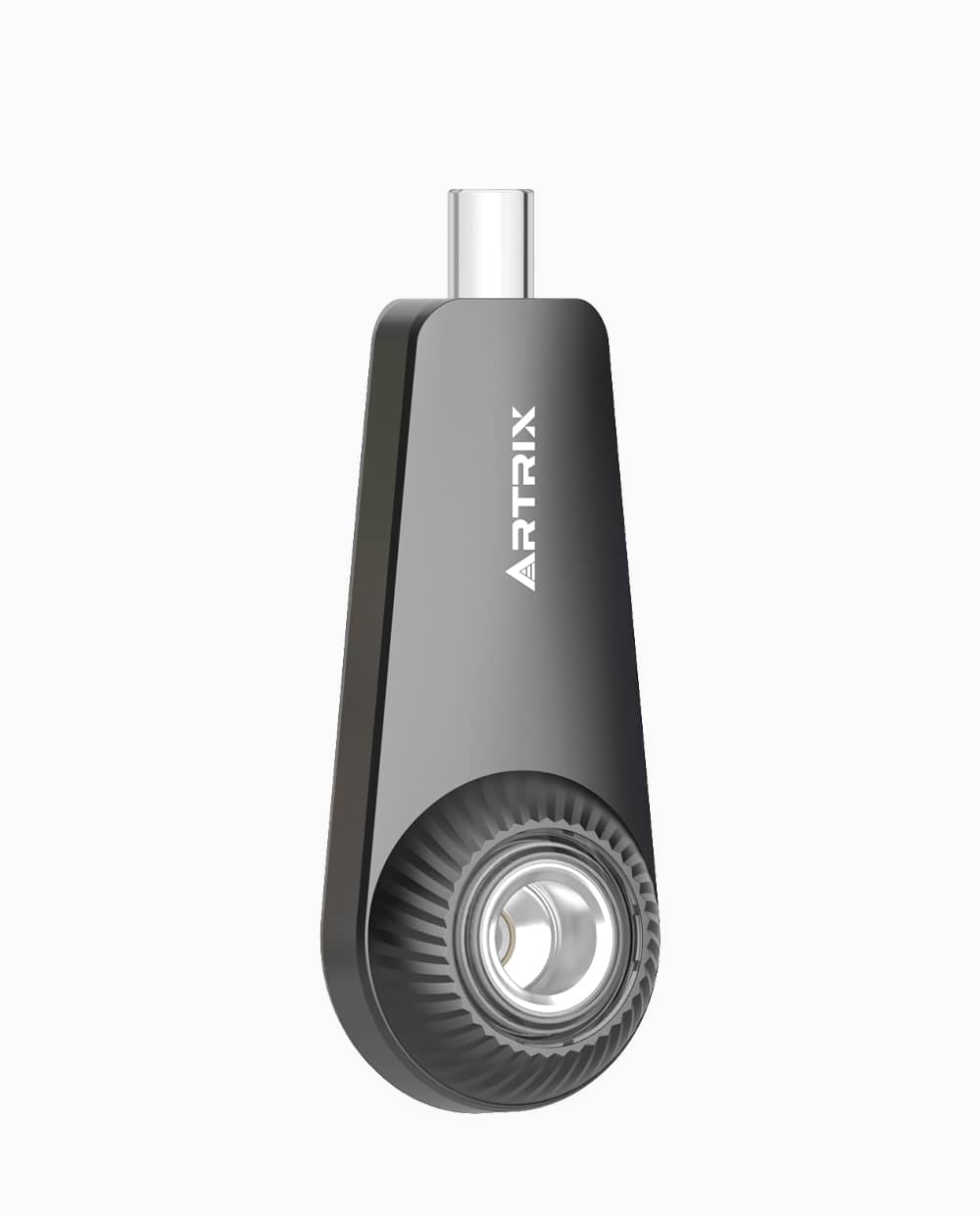
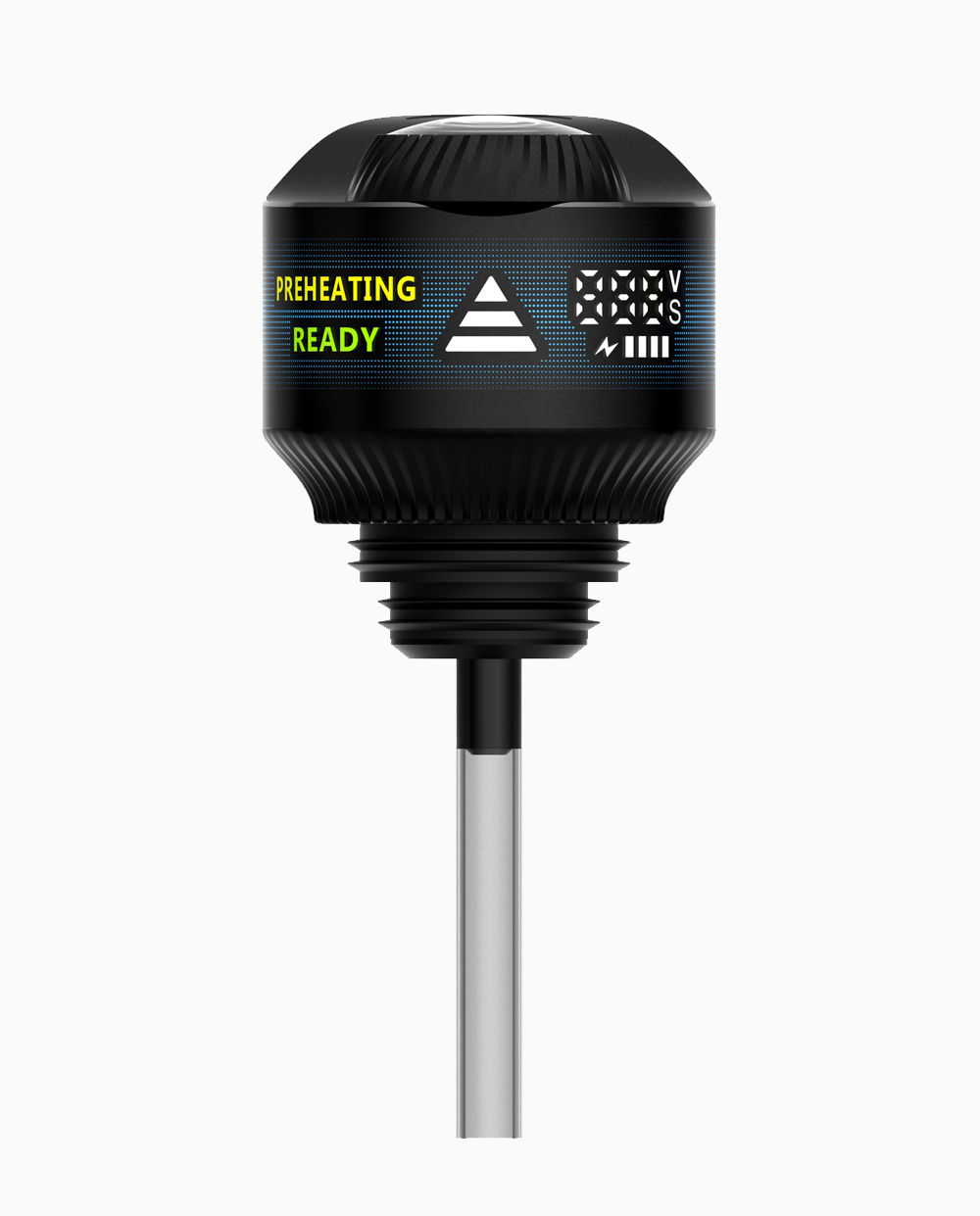
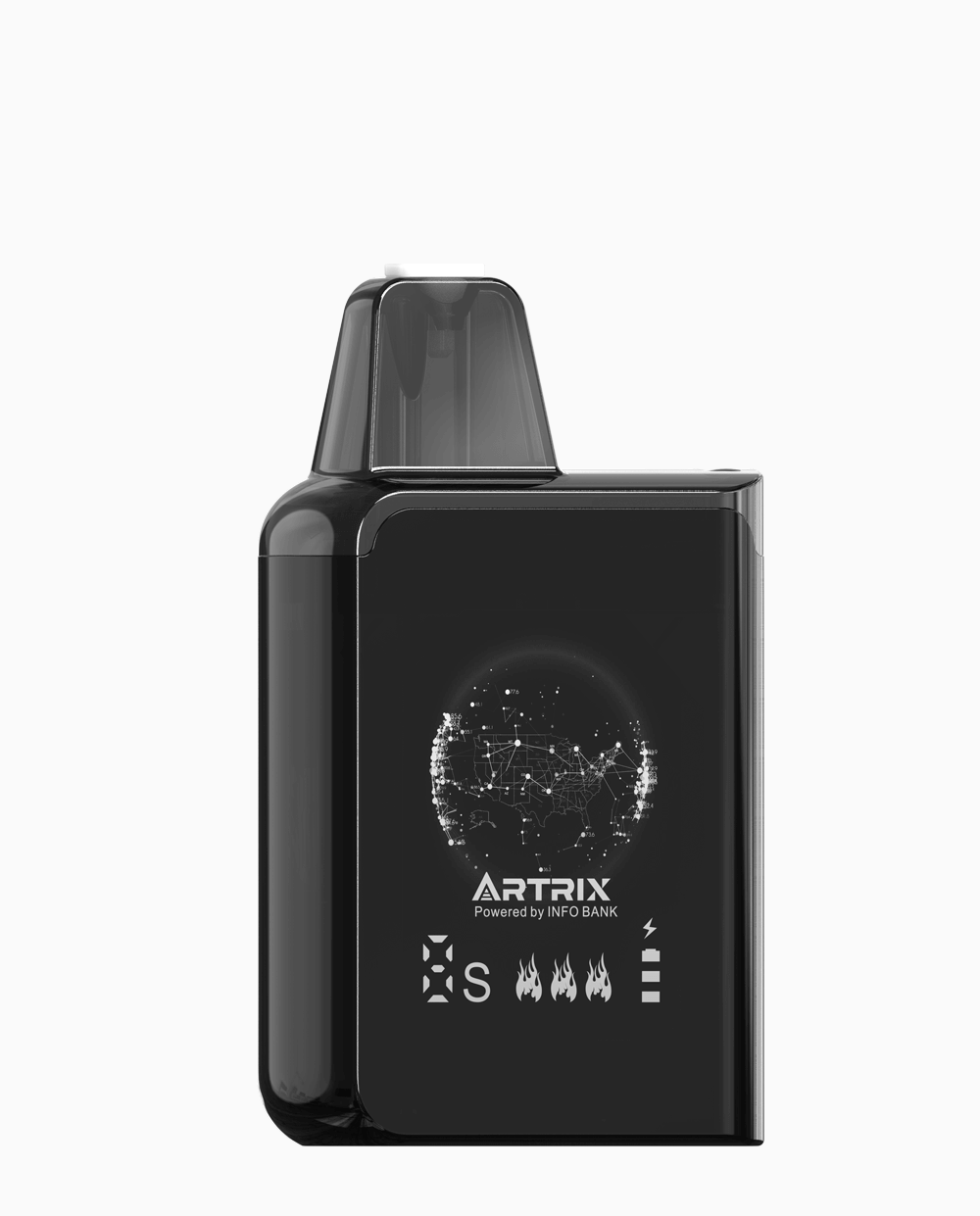
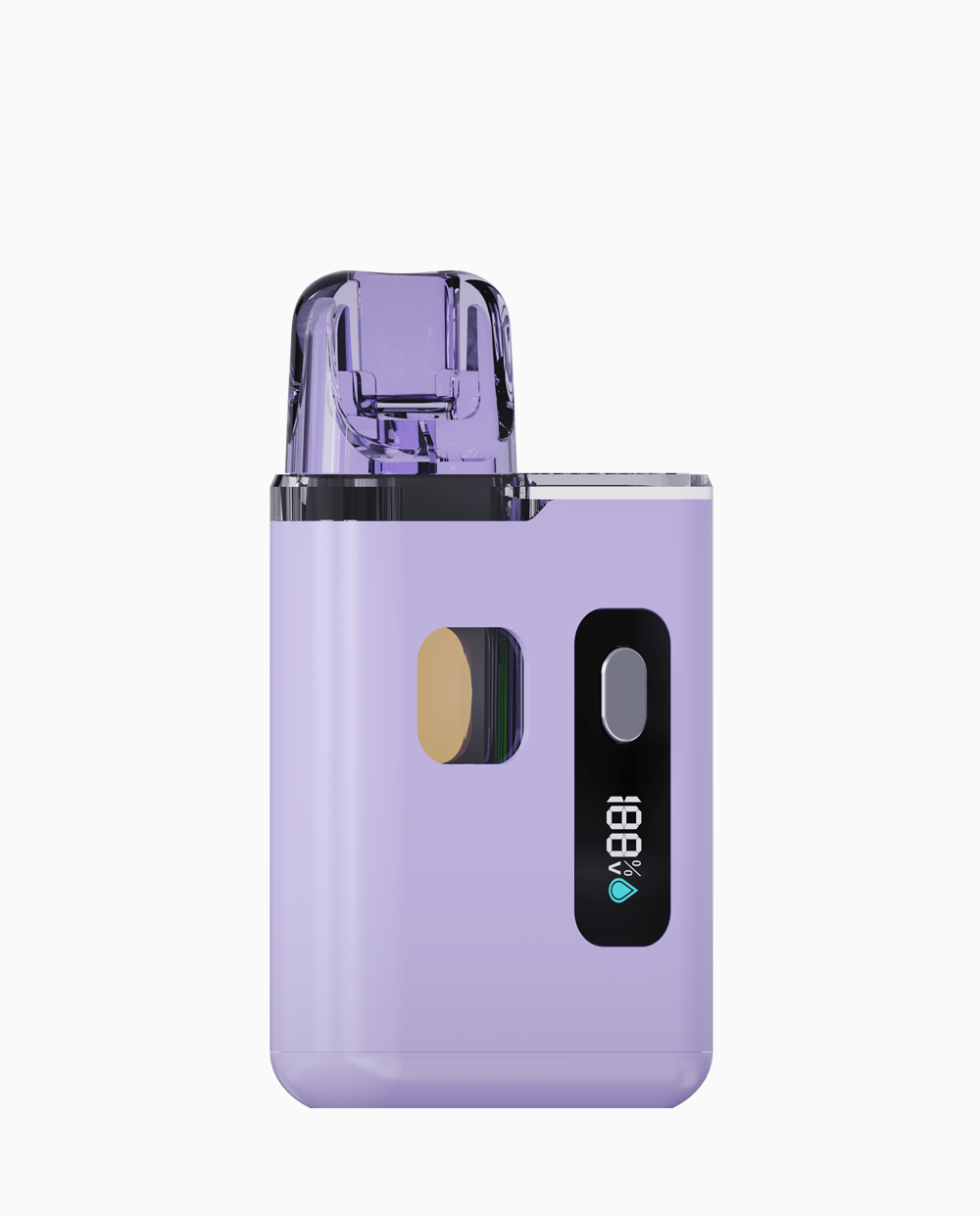
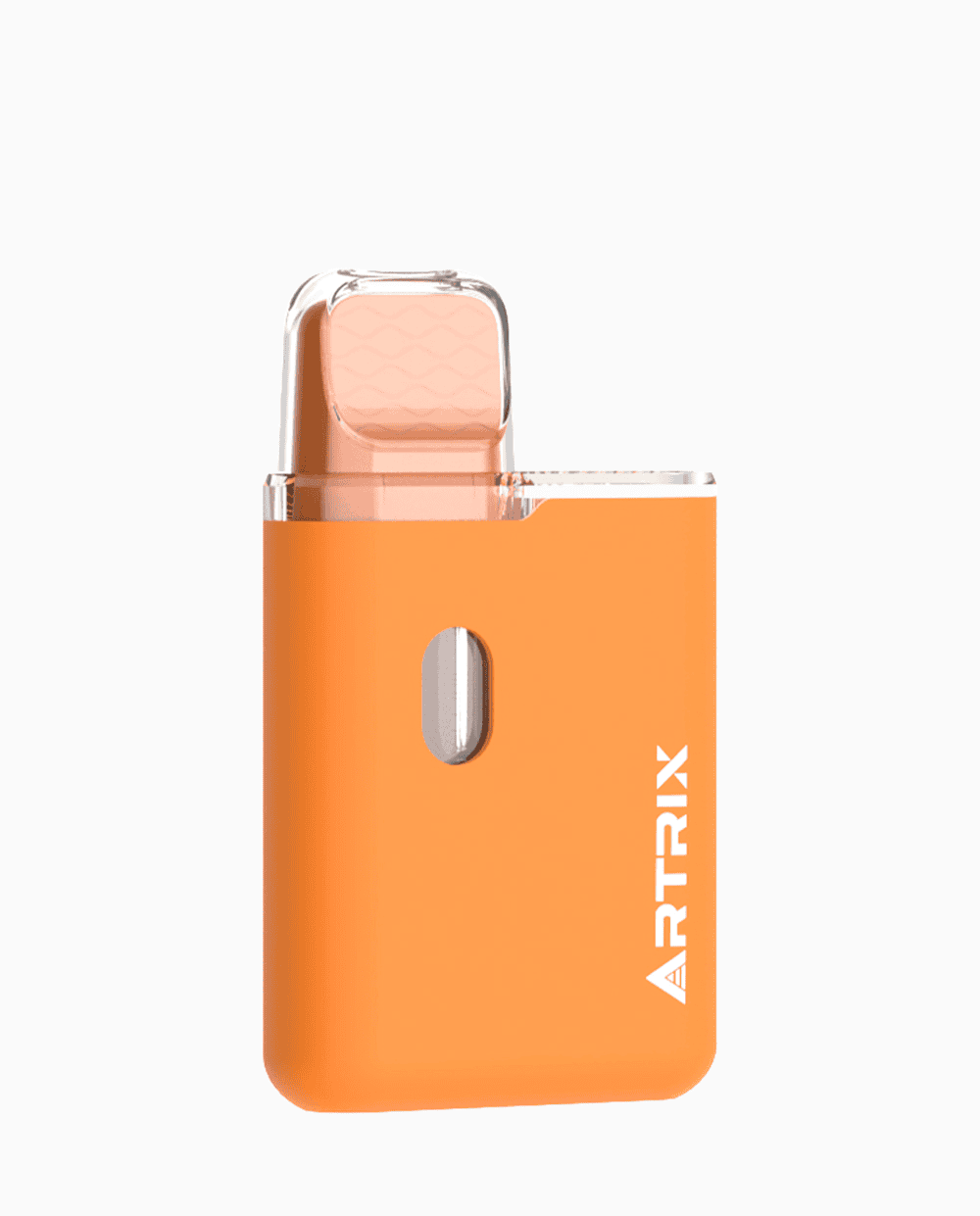
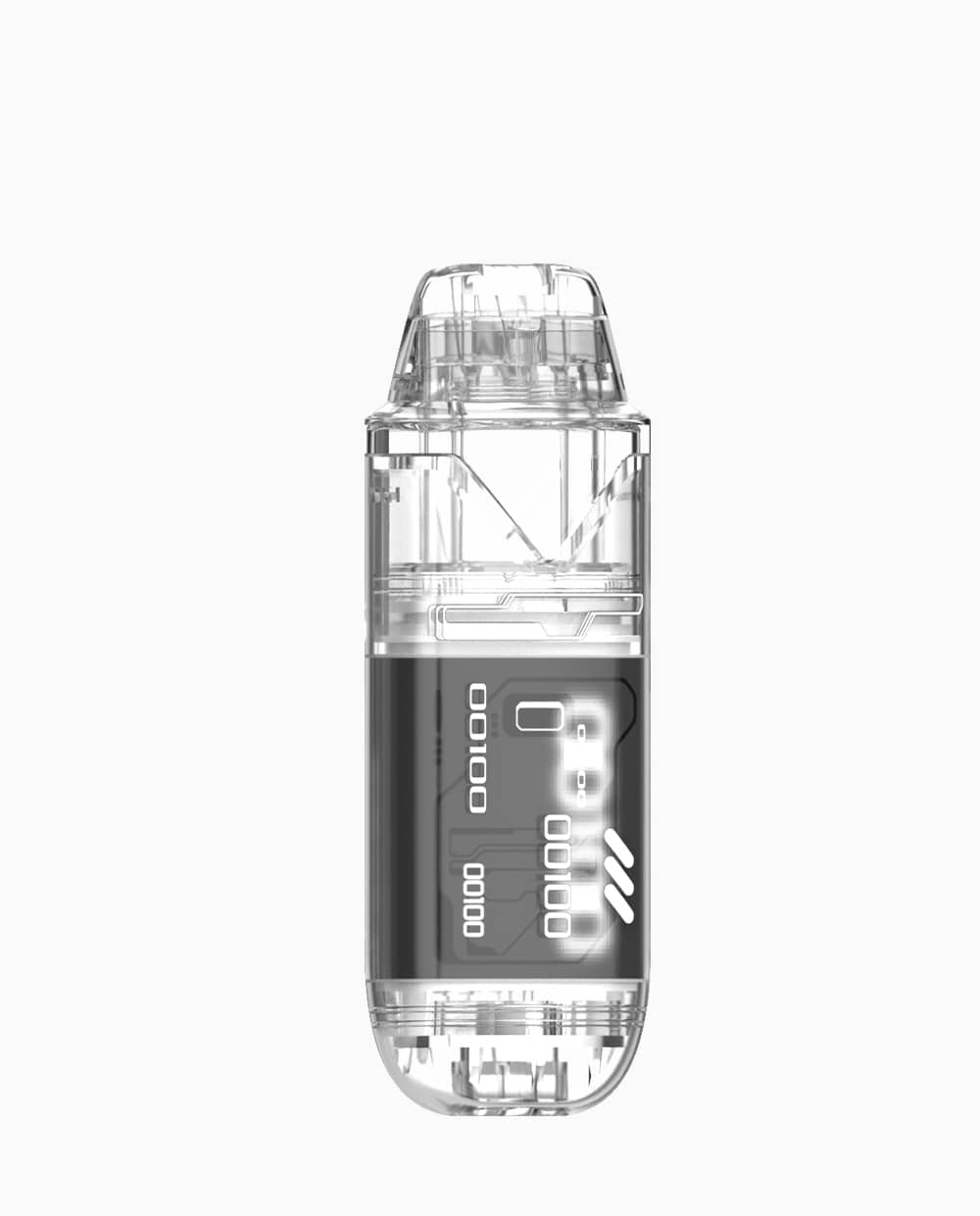
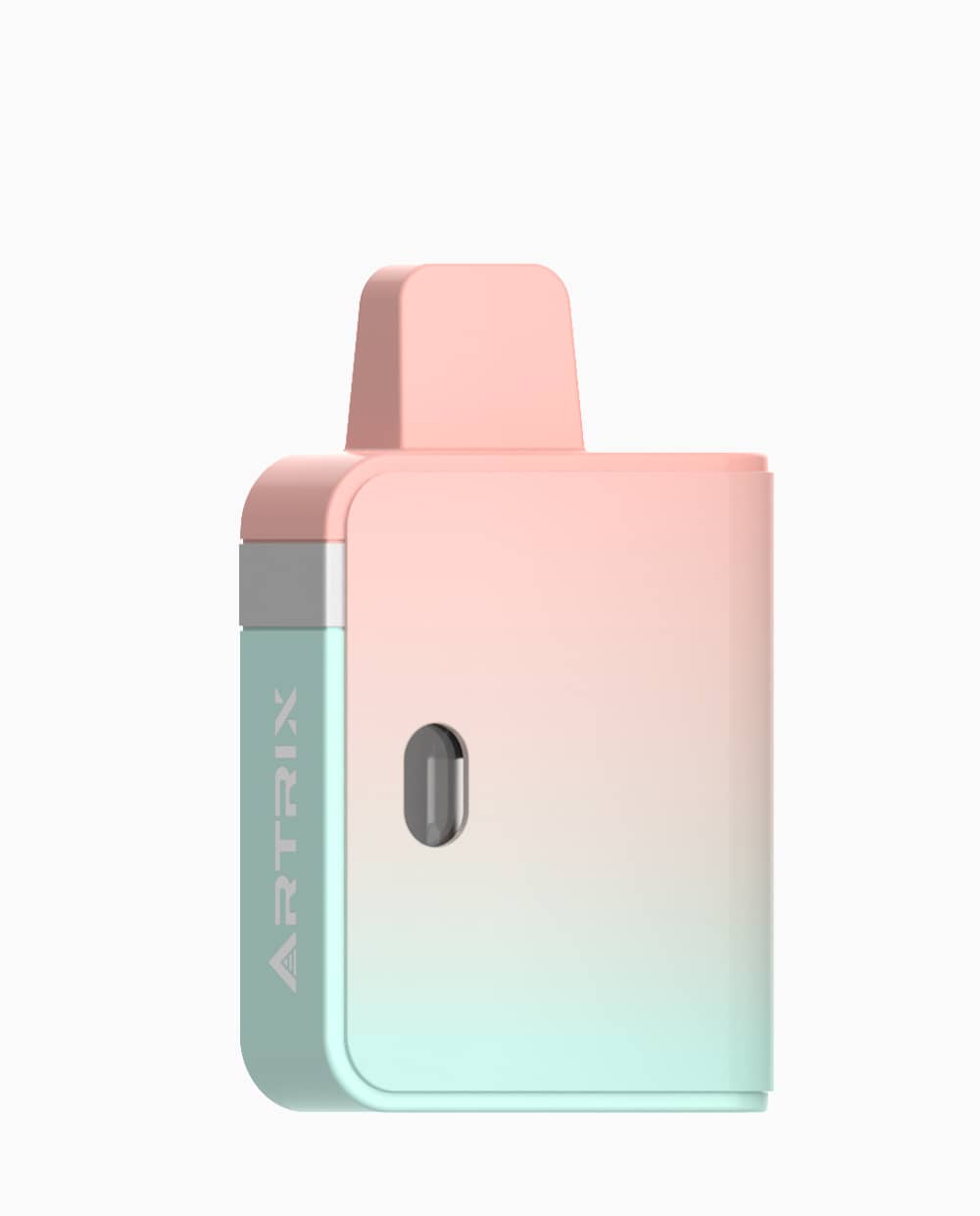
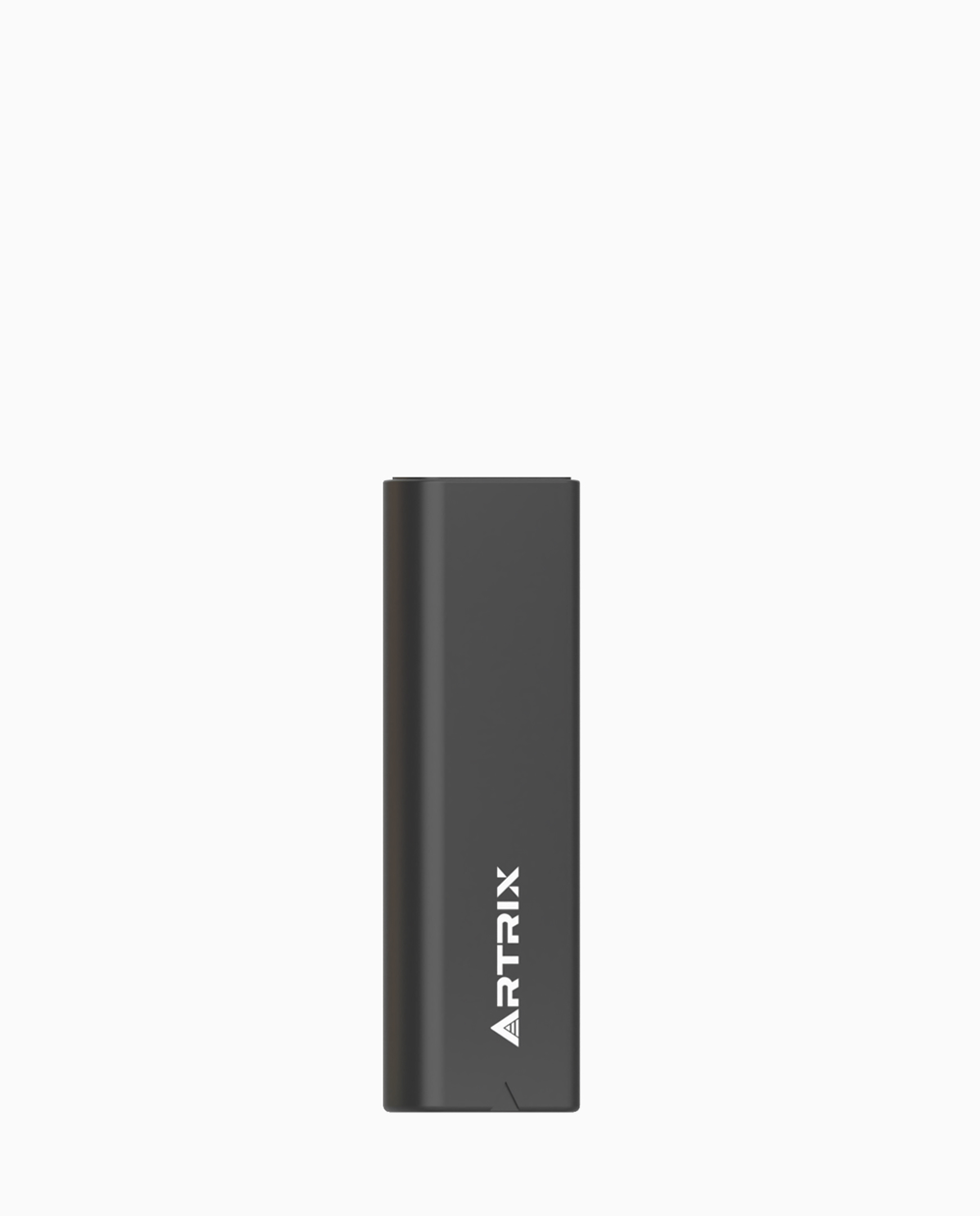
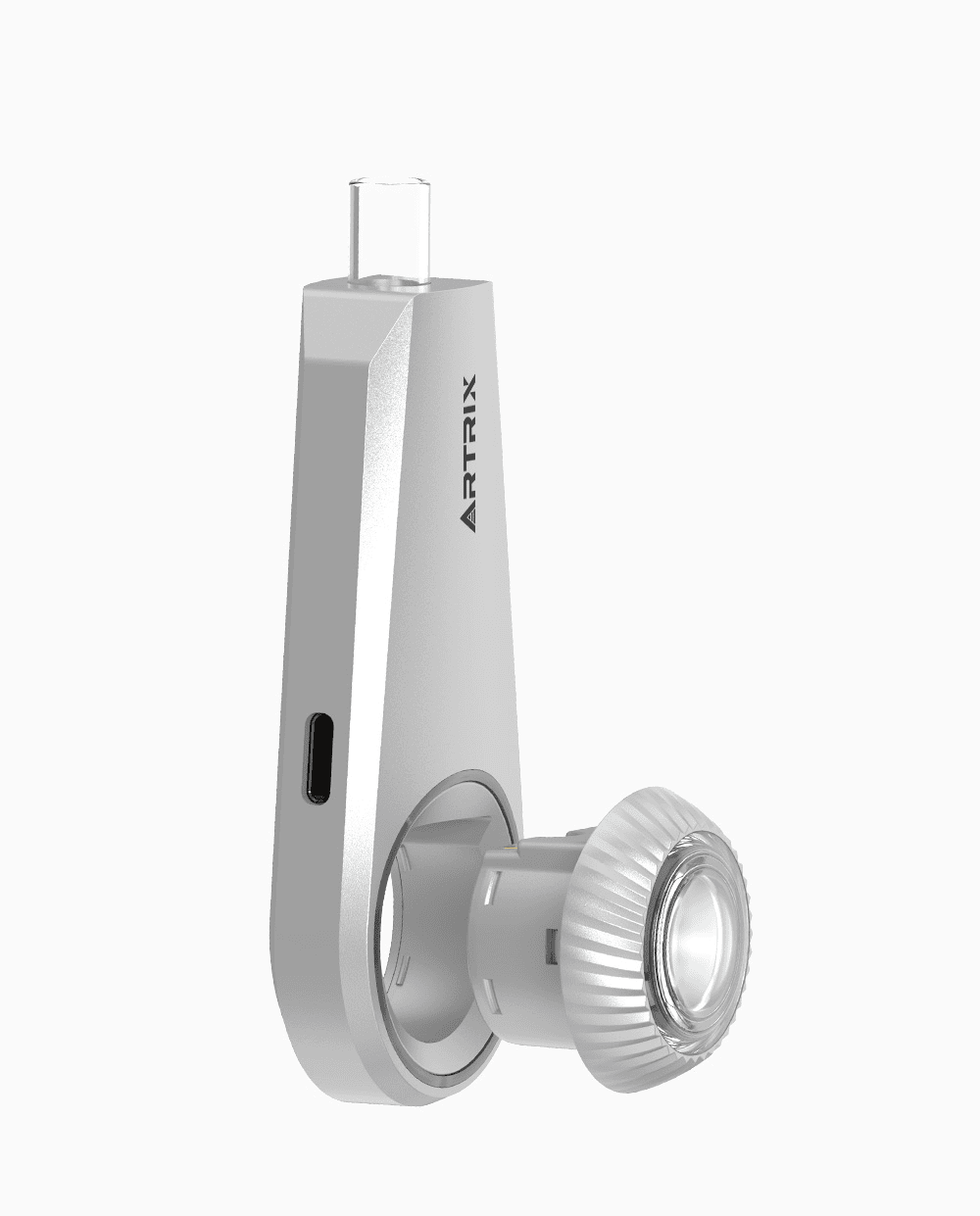
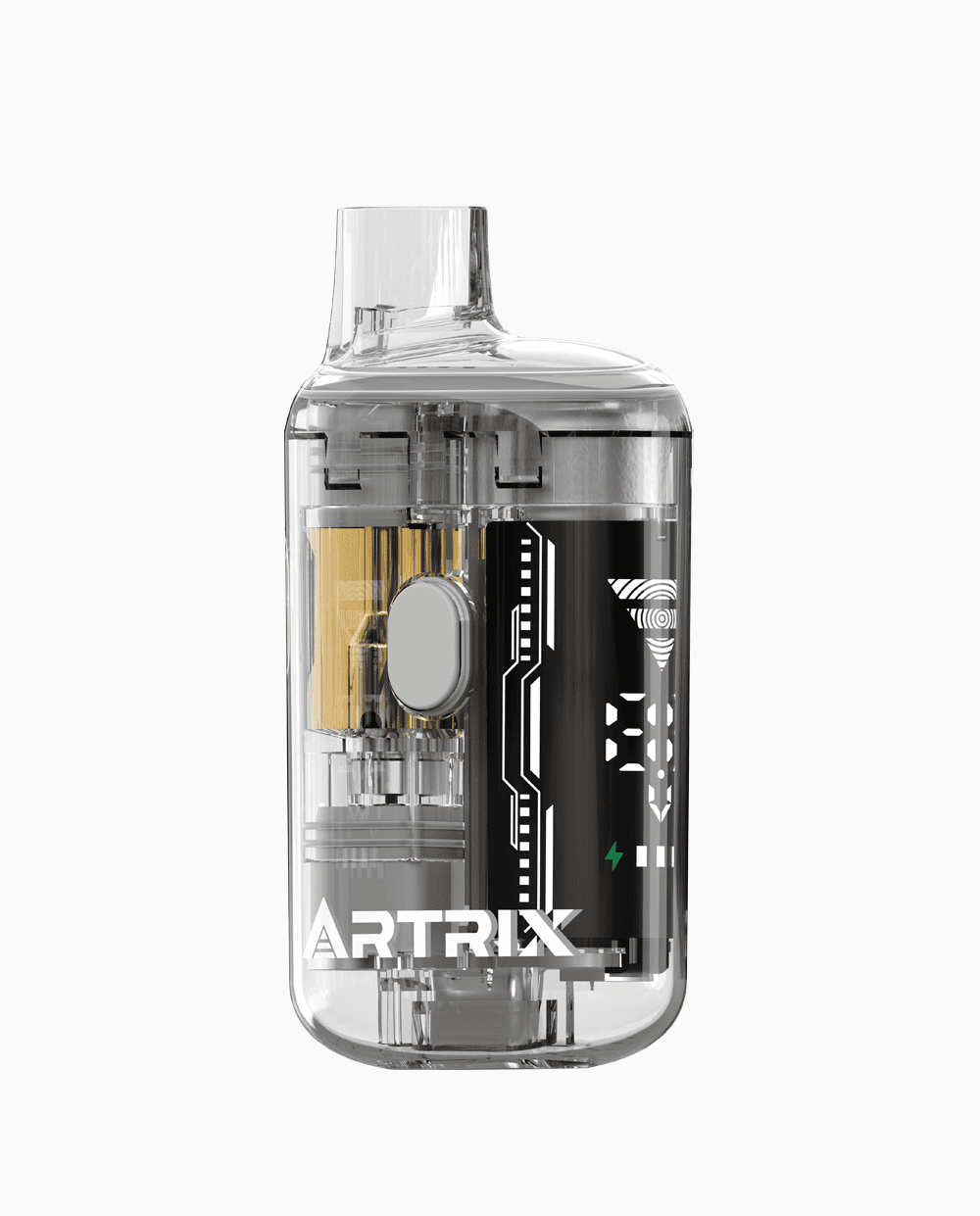
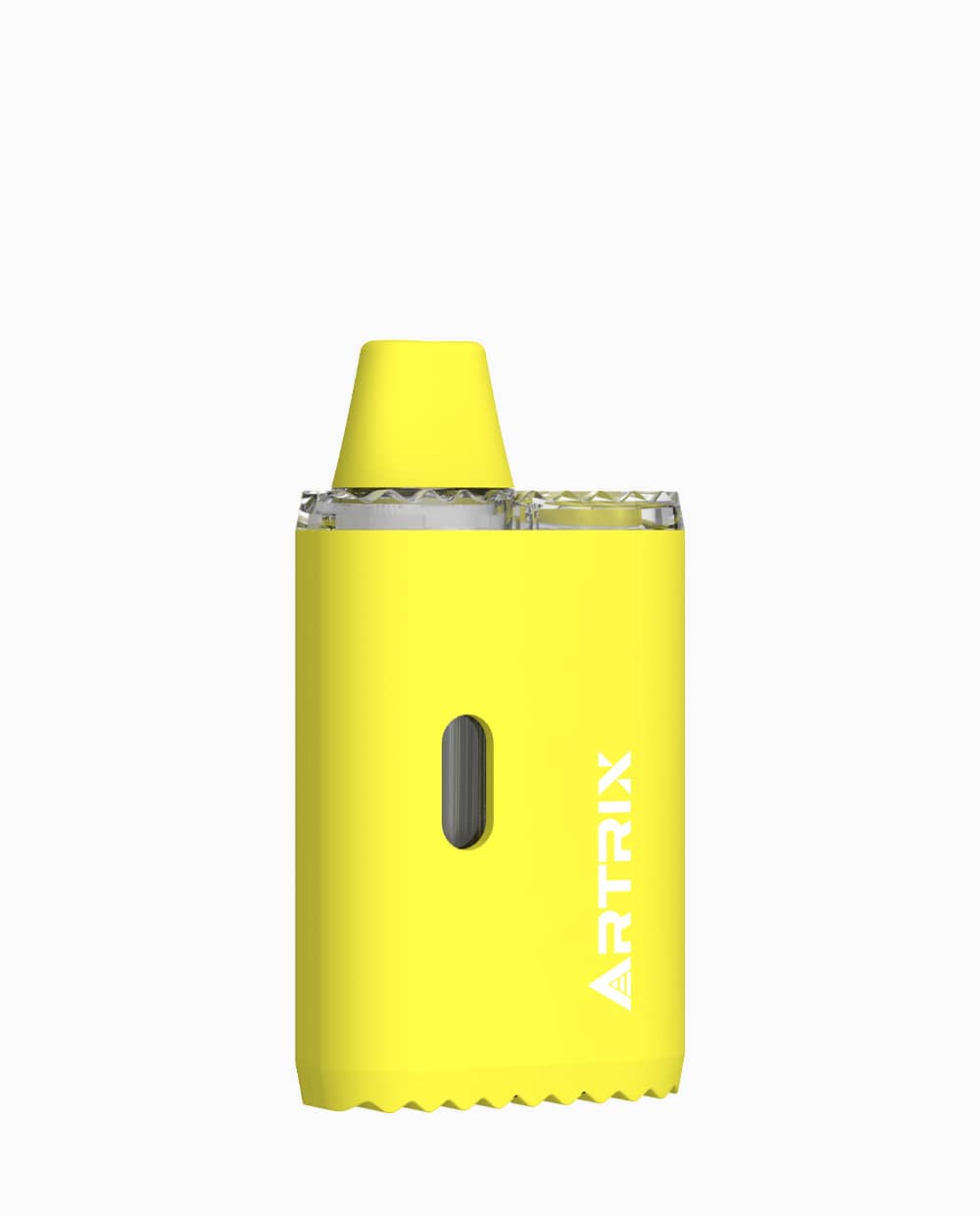
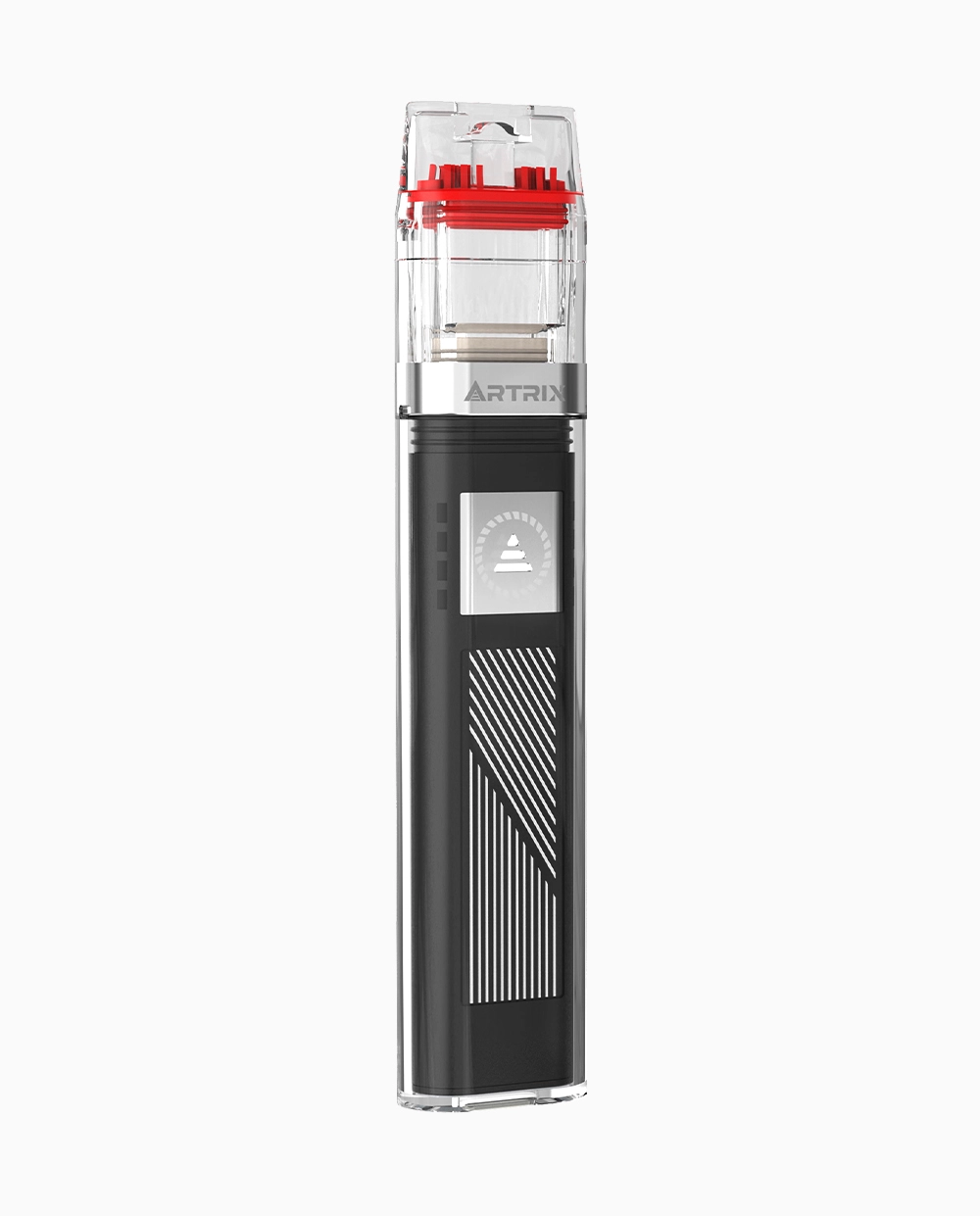
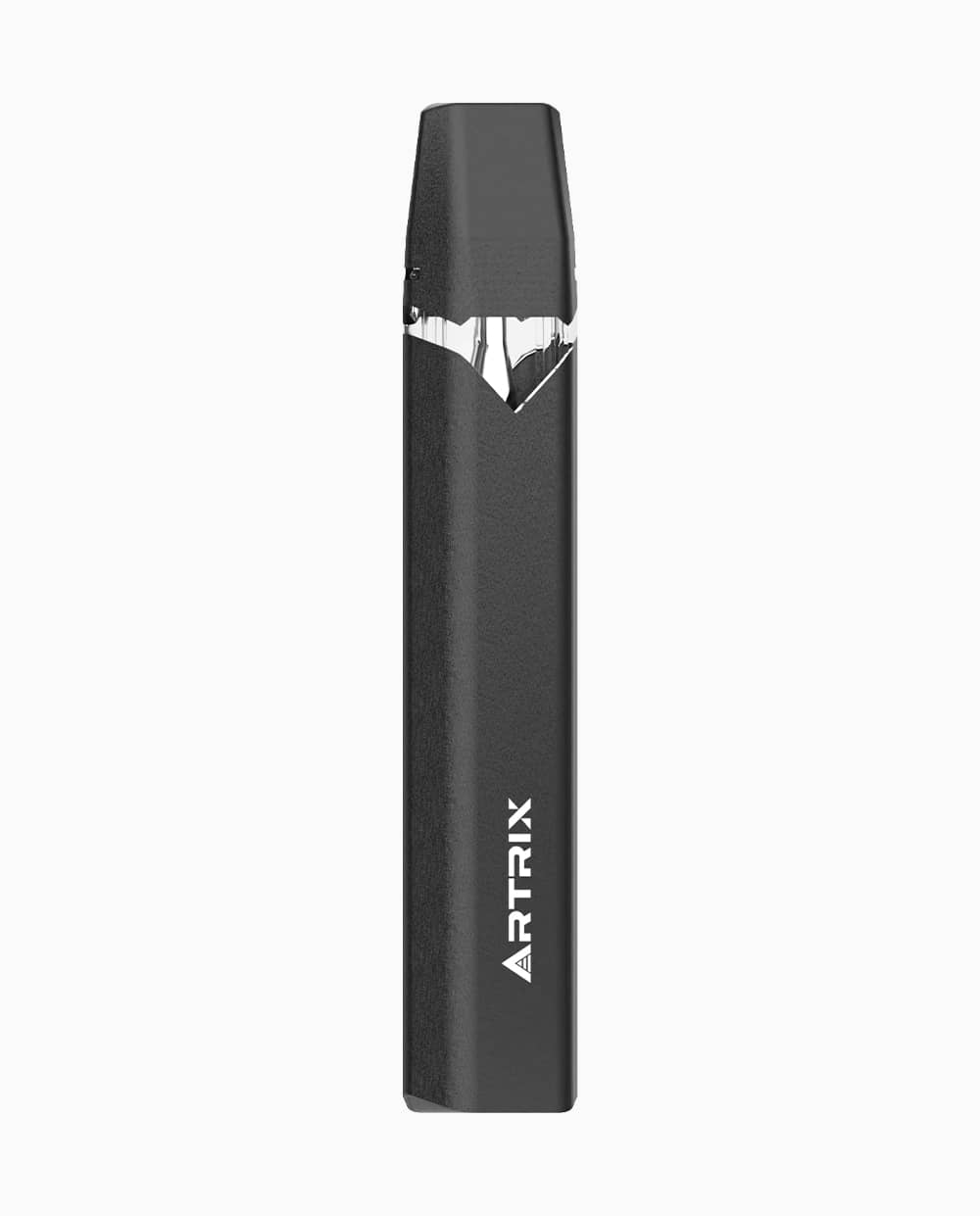
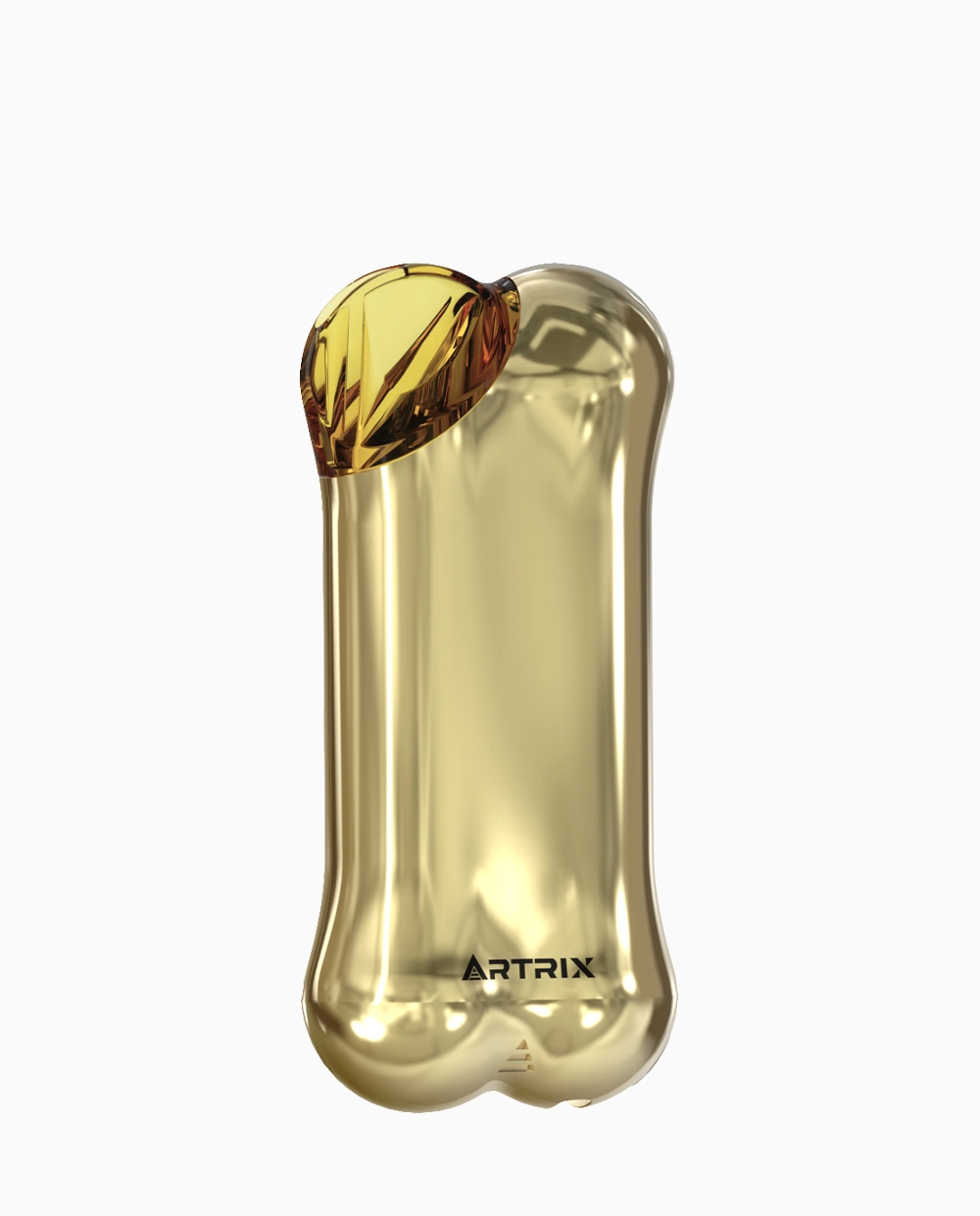
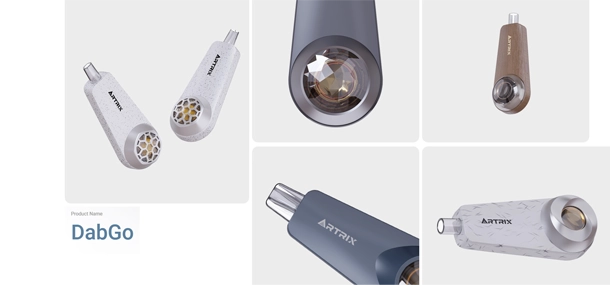
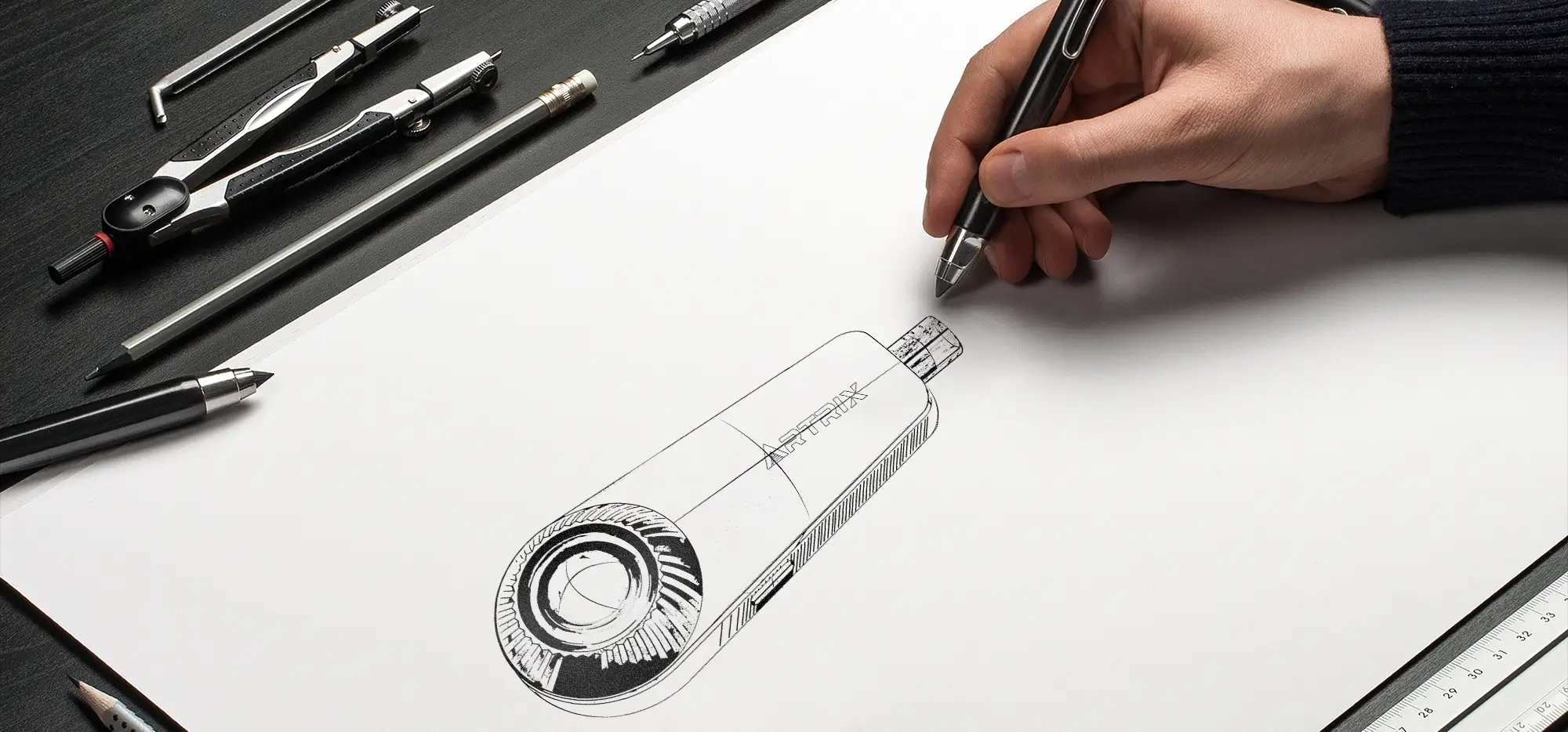
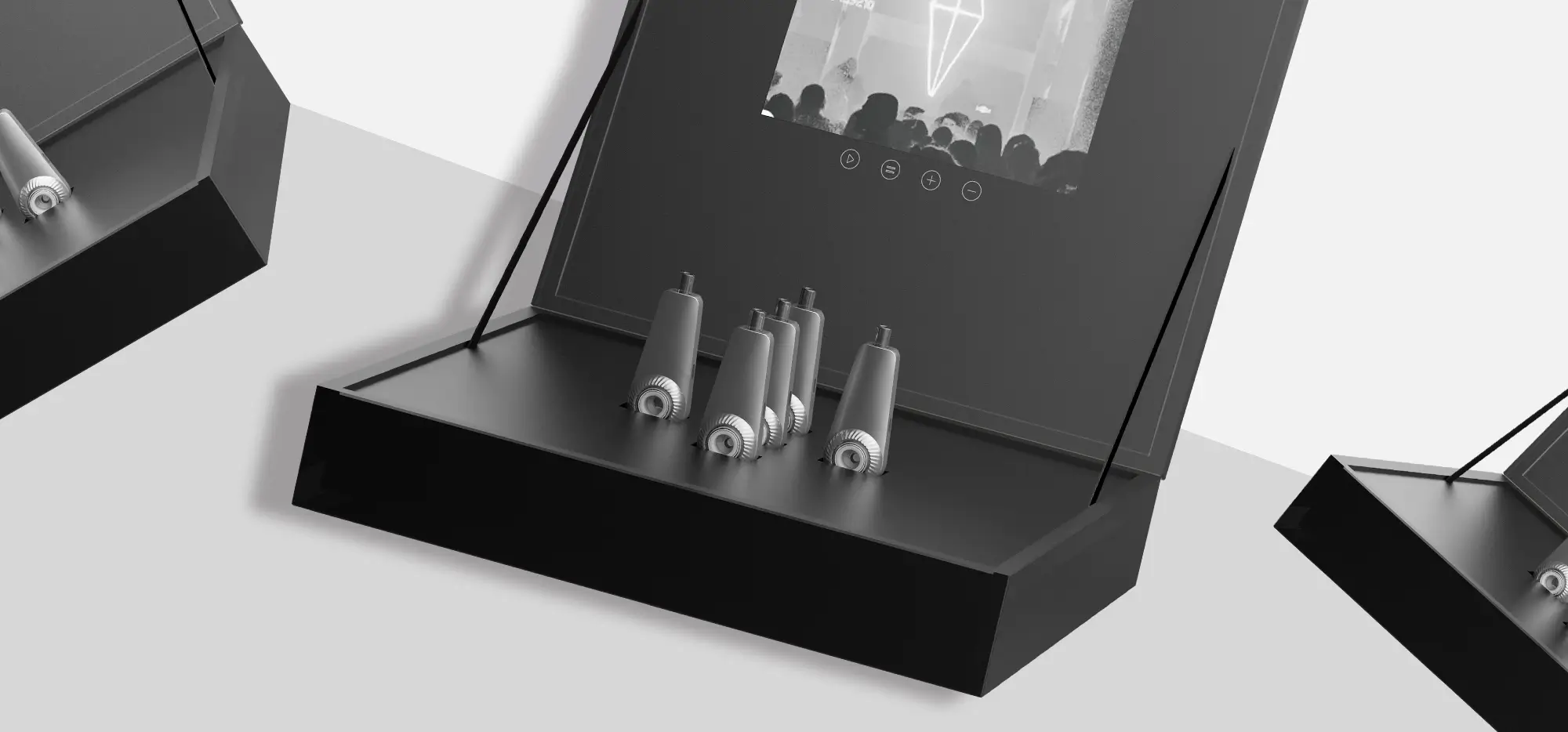
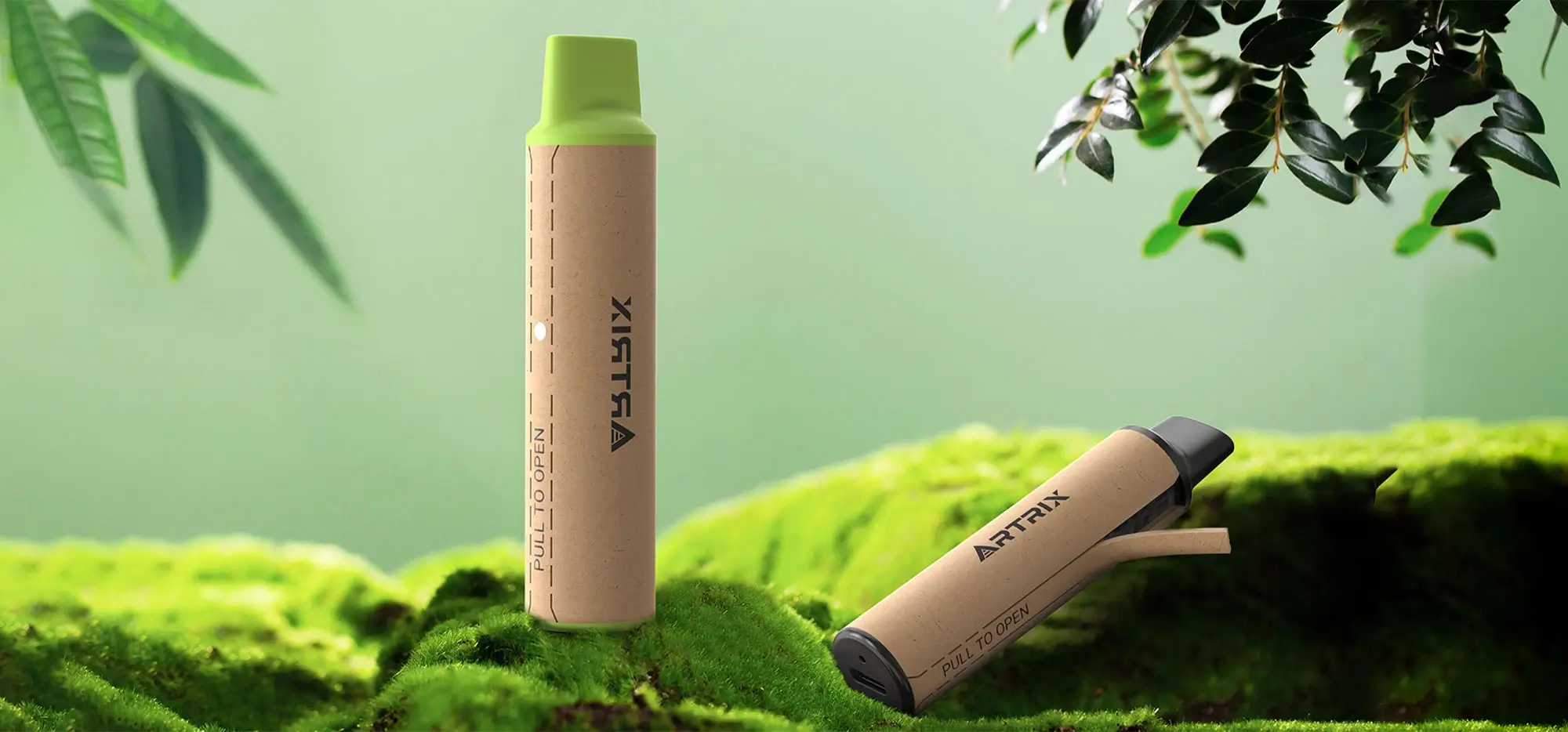
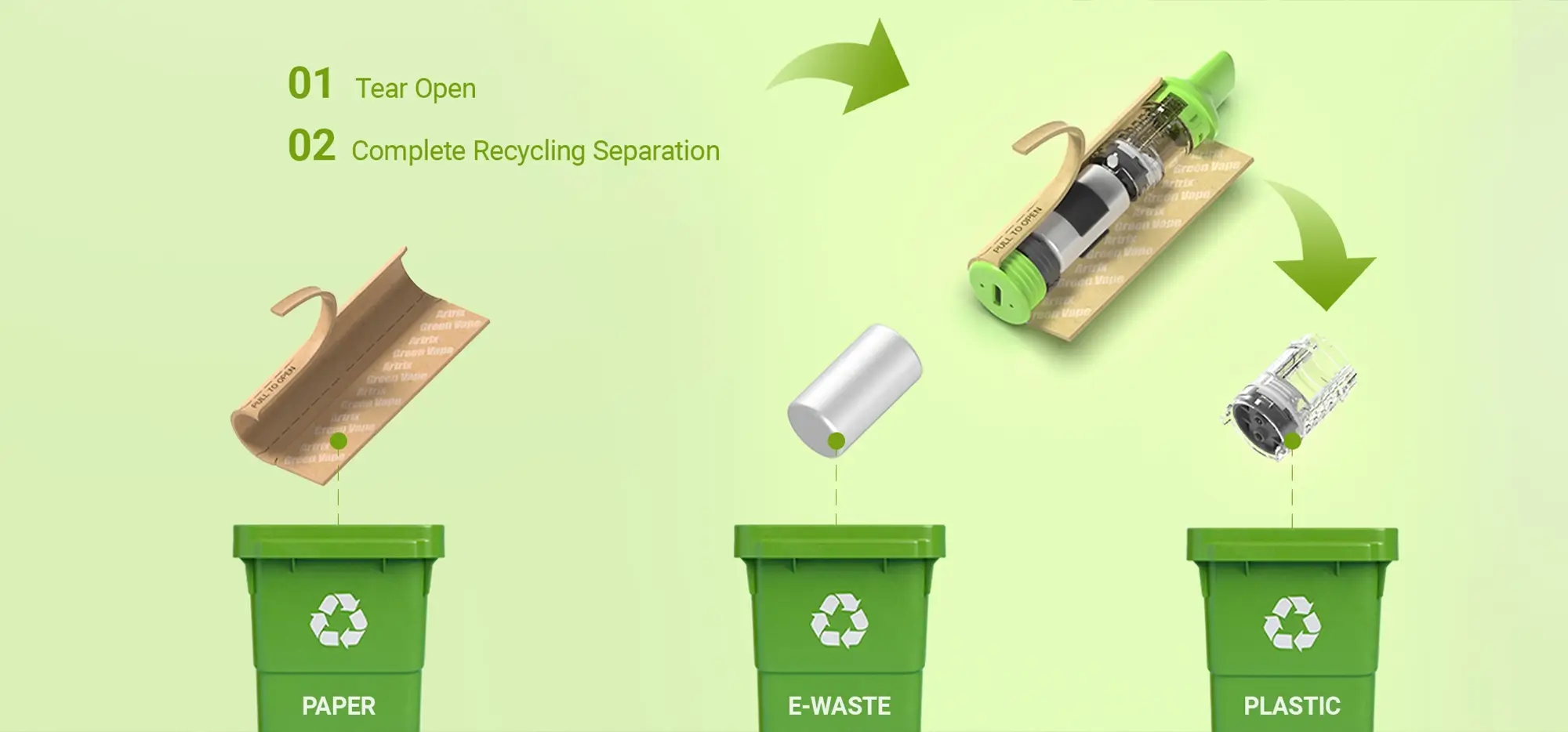
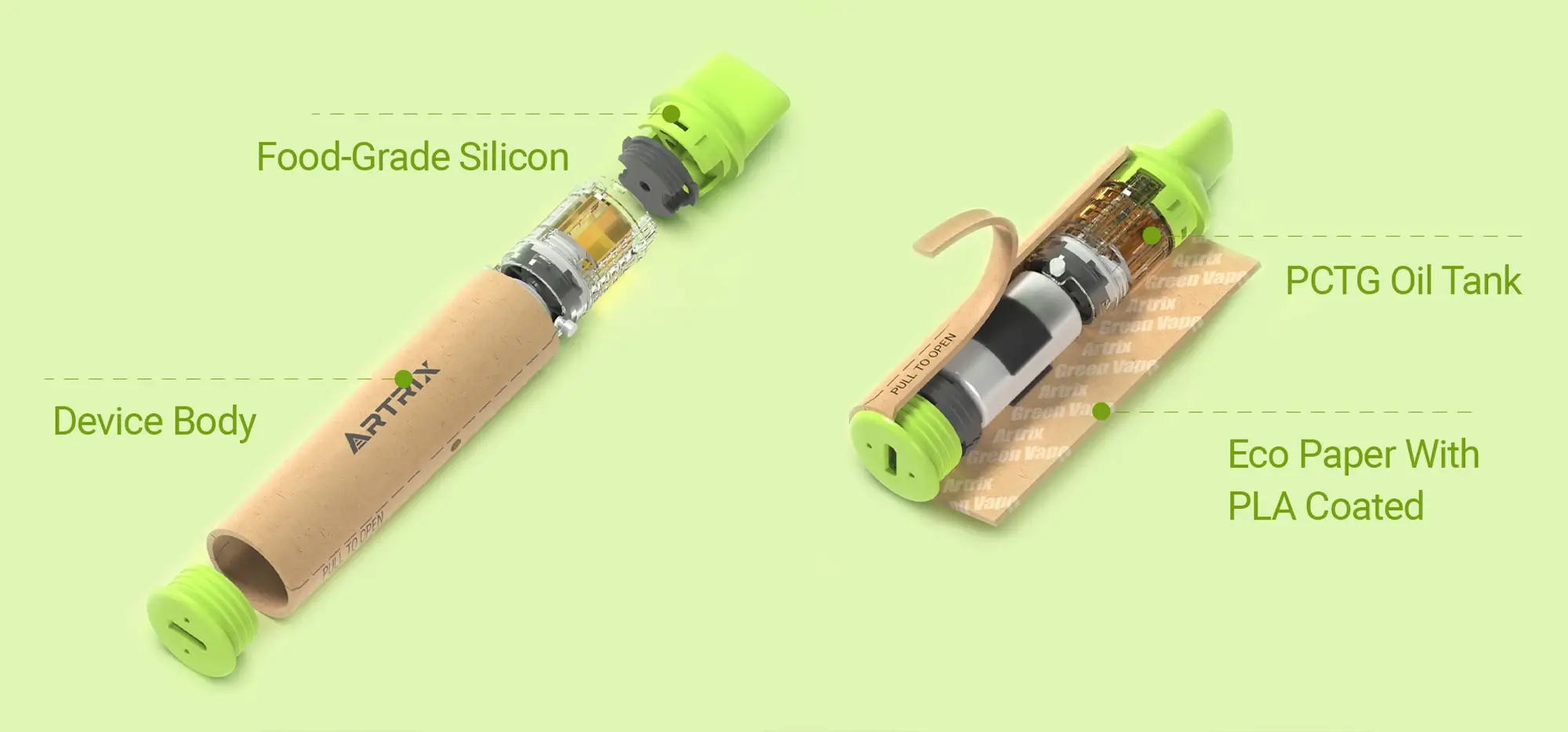
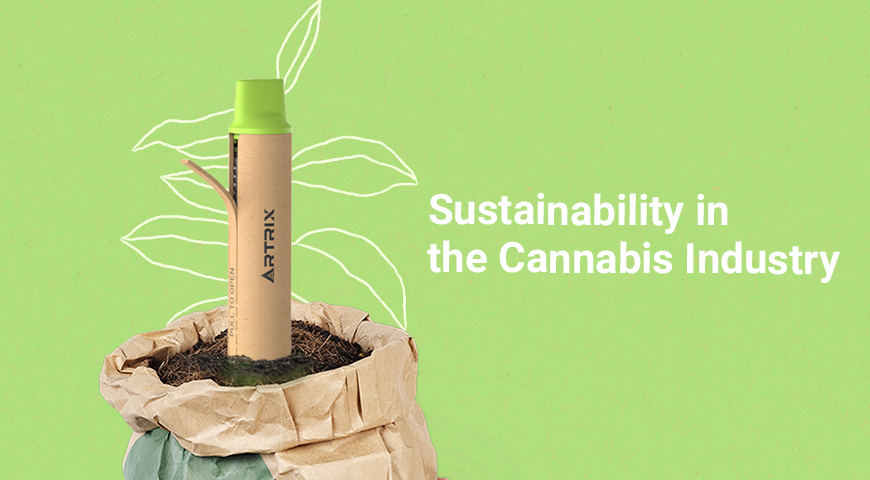
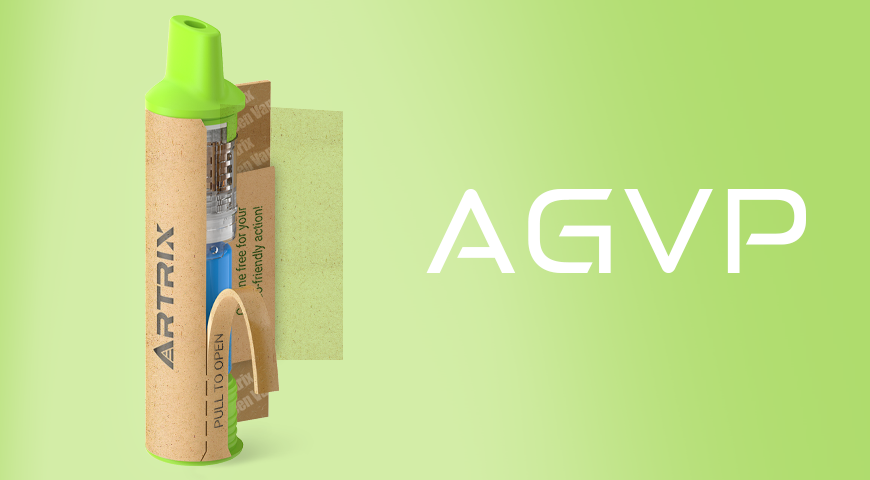
This is where Artrix positions its AGVP platform as a recyclability-focused cannabis vape hardware initiative, with Eco Bar presented as a proof-of-concept design intended to improve separation and end-of-life handling.
From a hardware-development perspective, the biggest recycling bottleneck is often not user intent but how quickly batteries and mixed materials can be isolated once devices enter a recovery workflow.
Actionable Practices: How to Recycle Disposable Vapes Effectively
For brands and distributors, sustainability only becomes real when it turns into operating procedure. A workable program usually needs collection, storage, logistics, and education to function together.
-
Partner with a qualified e-waste or hazardous-waste recycler.
Do not treat disposable vape recovery like ordinary packaging waste.
-
Build controlled drop-off points.
Retailers, distributors, or partner locations can create structured take-back options instead of leaving disposal entirely to consumers. Local cannabis-vaporizer guidance also points users toward specialized collection options and dispensary-linked recovery paths where available.
-
Create residue-aware SOPs.
Teams need clear instructions for how to manage devices that still contain oil residue, how to stage them, and when to escalate to licensed waste contractors. This is especially important in regulated adult-use markets.
-
Educate legal adult consumers clearly.
If a brand wants lower return rates, it should explain where devices go, what users should not do, and why the process exists. A short, visible instruction set usually outperforms vague sustainability messaging.
Balancing Market Demand with Sustainable Innovation
A common objection to sustainability-focused hardware is that it might weaken the user experience. In cannabis vape, that concern usually centers on heating efficiency, airflow consistency, leak resistance, and flavor integrity.
That tradeoff is real, but it should not be exaggerated. Good sustainability engineering is not about downgrading performance to make a point. It is about reducing design complexity where it does not improve performance and preserving performance where it does. A better shell strategy, a more recoverable internal layout, or a more serviceable assembly can coexist with compact industrial design.
This is also where manufacturers have more leverage than consumers. Consumers should not have to reverse-engineer disposal solutions for products they did not design. If sustainability adds friction, the industry should absorb most of that complexity through better product architecture, better take-back systems, and clearer disposal pathways.
AGVP & Artrix: Leading the Industry Toward a More Circular Model
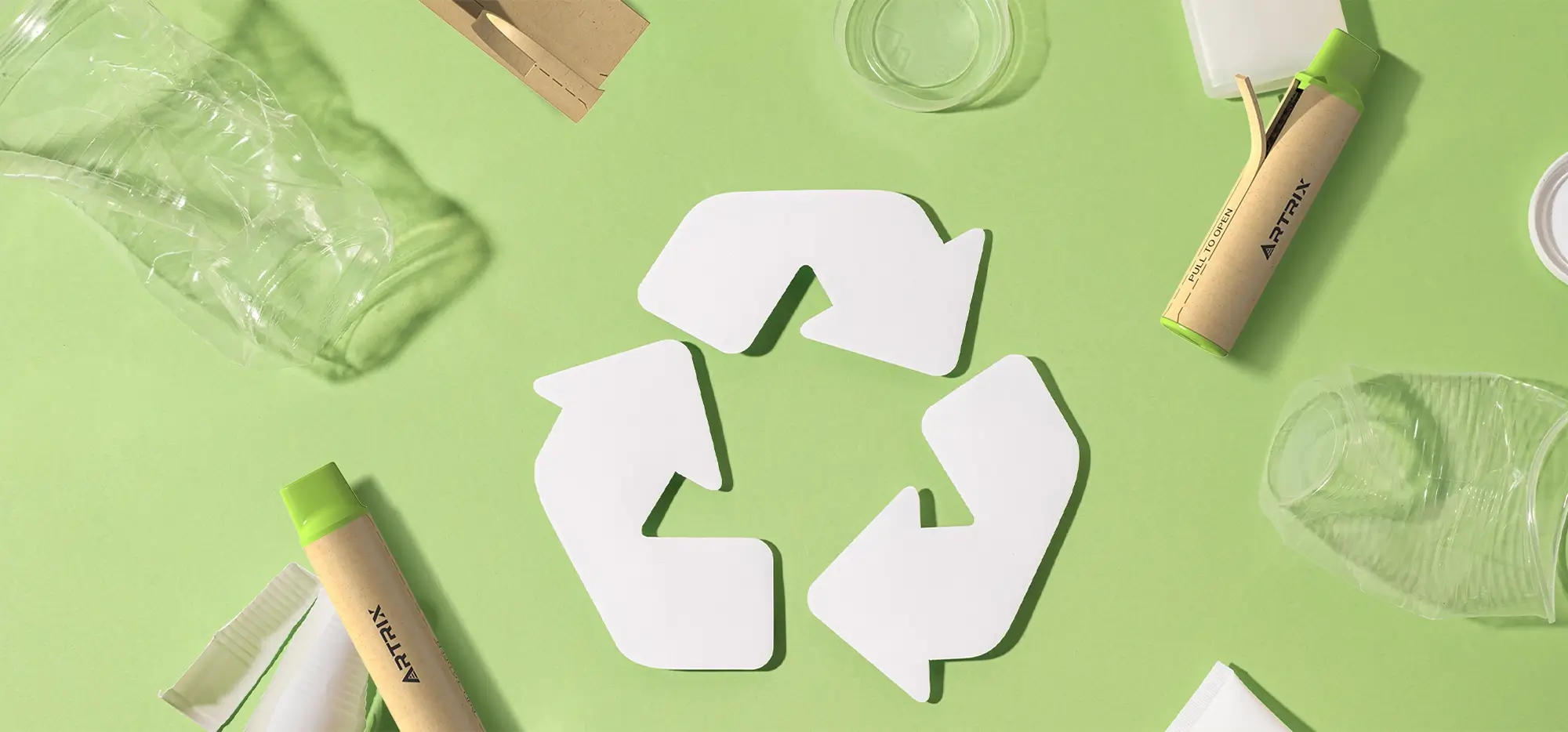
Artrix is positioning AGVP as an eco-focused ODM framework for cannabis vape brands, with claims around recyclable materials, design innovation, and tailored green-product development . Its Eco Bar concept is presented as a proof-of-concept device built around a tear-and-pull design intended to simplify component separation for recycling.
From a market perspective, that matters for two reasons. First, it reframes sustainability as a hardware-development issue rather than a purely downstream waste issue. Second, it gives cannabis brands a path to talk about circularity without pretending that collection alone will fix a poorly designed device.
A more credible sustainability story in cannabis vape usually has three parts:
- better device architecture
- clearer recovery logistics
- brand education that does not put the full burden on the consumer
That is the direction AGVP appears to be pursuing. For brands that want to compete on both product quality and environmental credibility, that is a stronger position than relying on generic eco-claims after the product has already been sold.
Conclusion: Sustainability as a Shared Industry Responsibility
The sustainability challenge around THCa disposable vapes is not abstract anymore. It sits in the battery, the shell, the internal layout, the return pathway, and the recovery economics of every unit sold. If the hardware is difficult to disassemble and the disposal path is unclear, recycling rates will stay low no matter how often the industry talks about ESG.
The more effective path is a shared one: manufacturers design for recovery, brands create realistic collection systems, distributors support compliant logistics, and legal adult consumers get clearer disposal guidance. In that model, sustainability stops being a marketing add-on and becomes part of product strategy itself.
For cannabis brands looking to move first, Artrix’s AGVP points to one practical direction: make recyclability part of hardware development, not an afterthought at end of life. Over time, the brands that treat circularity as infrastructure rather than branding may be the ones that build the strongest long-term moat.
FAQ
Can disposable THCa vapes go into regular recycling bins?
No. Guidance for vape devices consistently warns against putting them into curbside recycling because embedded batteries can cause fires and mixed materials complicate processing.
Why is recycling cannabis disposables harder than recycling simple plastic packaging?
Because disposable vapes combine plastics, electronics, batteries, and residue-exposed components in one compact assembly. That makes sorting, disassembly, and compliant handling much more difficult than single-material packaging.
What should brands improve first if they want a more sustainable vape line?
Start with hardware architecture, then build collection logistics around it. A simpler-to-open, easier-to-separate design is usually a more durable sustainability win than communication alone.