

-1.webp)
-1.webp)
-2.webp)


































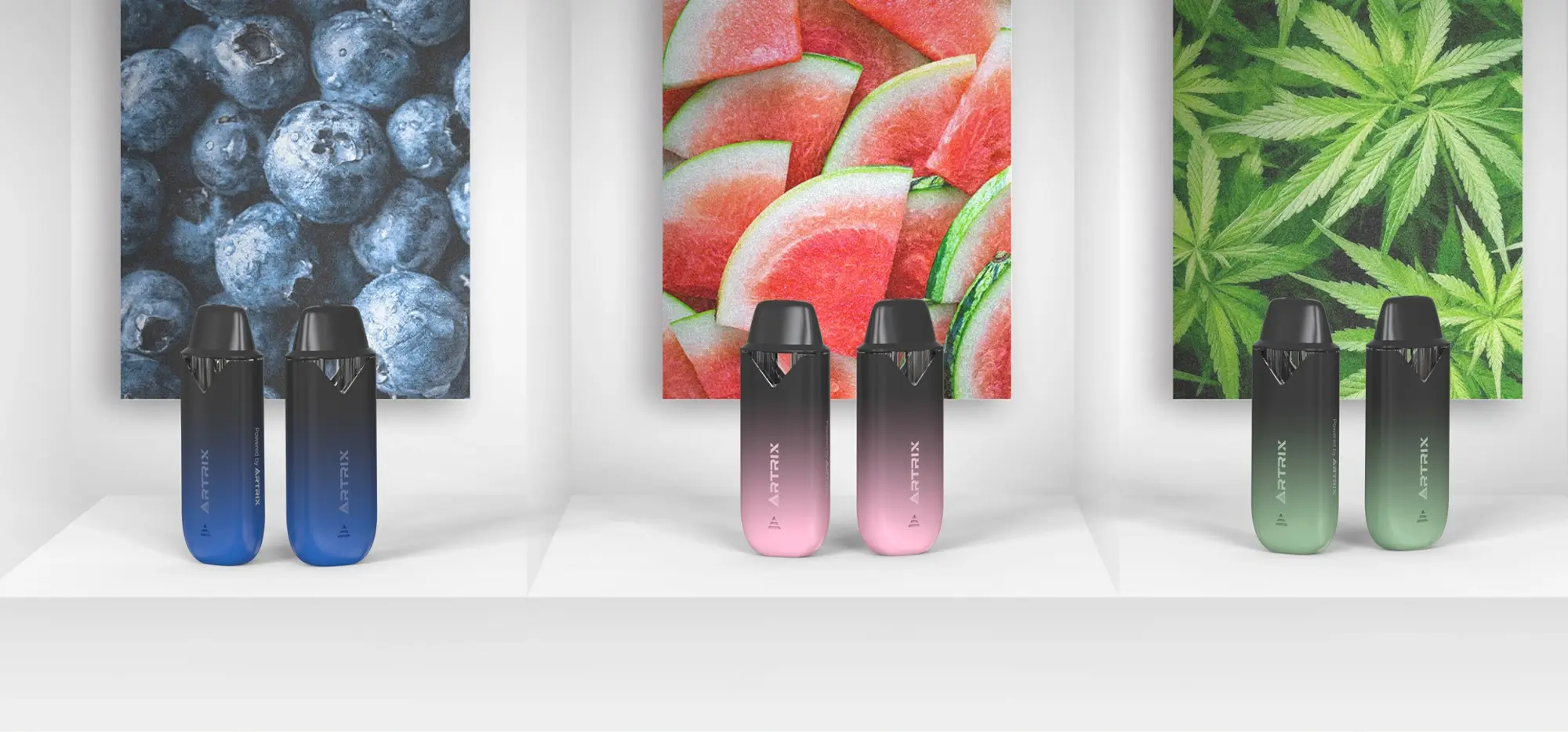



Safe Vaping with Cannabis: Essential Guidelines for Responsible Use
Safe Vaping with Cannabis should be understood as risk-managed vaping, not risk-free vaping. The two pillars are straightforward: clean, well-tested oil and trustworthy hardware. If either pillar fails, the whole setup fails. A premium extract can still become a poor safety choice if it is heated by unstable electronics, unknown metals, or a cartridge assembly that was never properly tested.
That point matters because the biggest cannabis-vape safety failures in the market have come from both sides of the equation. The CDC says vitamin E acetate was strongly linked to the EVALI outbreak, especially in THC products from informal sources, while peer-reviewed studies have also found that metals can move from device components into tank liquid and aerosol. If you want safer outcomes, you do not just shop for a stronger oil. You shop for a safer system.
Beyond the Hype: What Makes Vaping “Safe”?
The marketing version of safety is usually flavor, smoothness, or a sleek design. The real version is less glamorous. It means a product that is traceable, tested, properly packaged, and built from disclosed components by a manufacturer willing to stand behind the whole device.
For consumers, that means asking two practical questions before buying: “What is in this oil?” and “What exactly is this hardware made of, and how was it tested?” If a seller can answer only the first question, you still do not have a full safety picture. Safe Vaping with Cannabis begins where oil quality and device integrity meet.
Internal link suggestion: Safe Vaping with Cannabis checklist -> educational blog page on cannabis hardware safety standards
Strategy 1: The Device Integrity — Why Your Hardware Matters
Hardware is not just a delivery tool. It is part of the exposure pathway. Battery design influences fire risk, materials influence contamination risk, and heat control influences what the oil can turn into once it is vaporized. That is why serious buyers should evaluate hardware with the same discipline they use for oil potency or flavor.
-
- Battery safety: Look for devices evaluated to UL or equivalent recognized safety screening for vaping-device electrical systems. UL says UL 8139 evaluates the electrical, heating, battery, and charging systems of vaping devices, and the U.S. Fire Administration reviewed 195 U.S. e-cigarette fire or explosion incidents from 2009 through 2016 that caused 133 acute injuries, then recommended consumers look for UL-listed products.
-
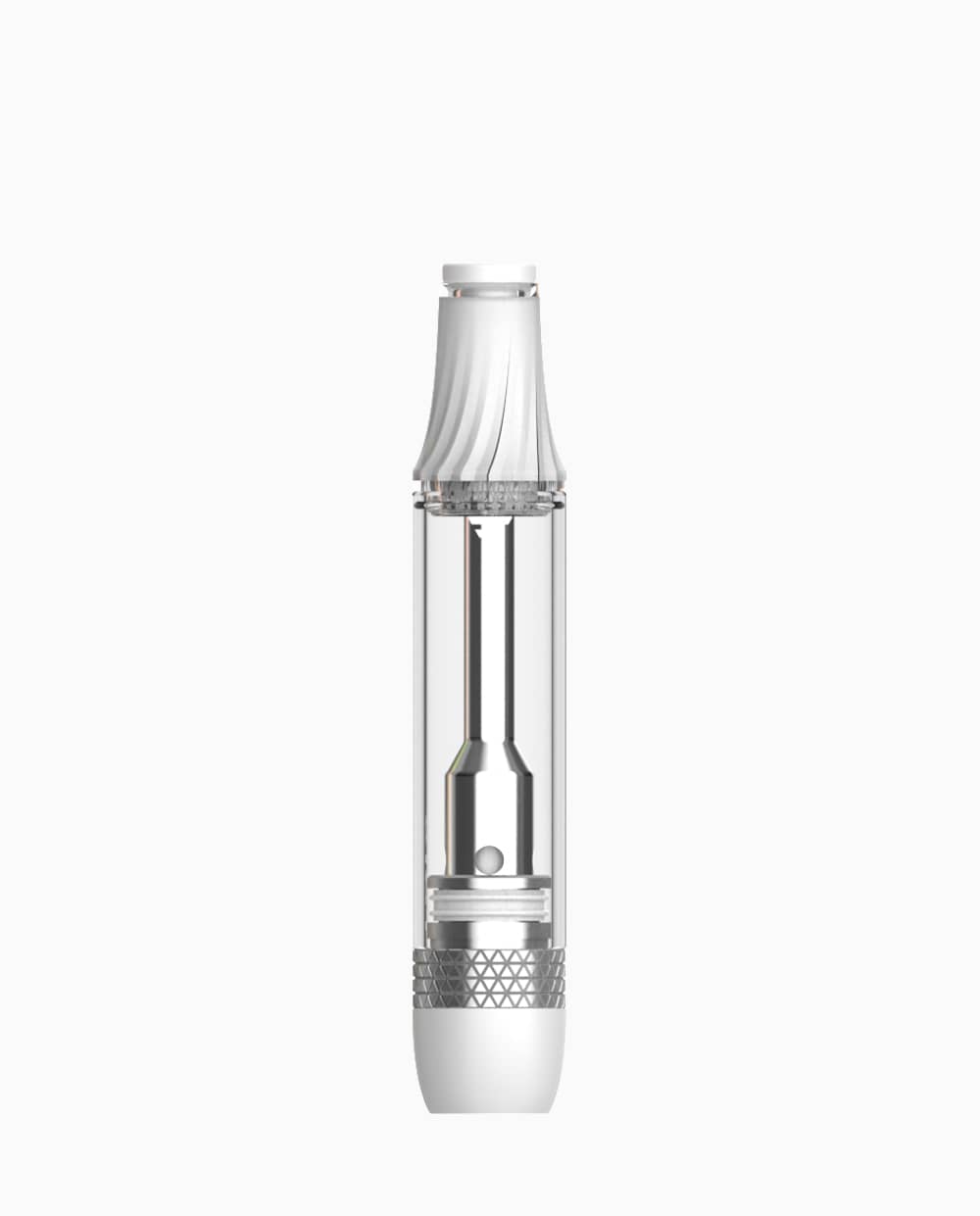
- Material science: Studies have found higher chromium, nickel, lead, and other metal levels in aerosol and tank samples than in source liquid, which suggests contact materials and heating components can contribute contamination. In practice, that is why reputable suppliers disclose wetted-path materials and why buyers often prefer corrosion-resistant materials such as 316L stainless steel or engineered ceramics over vague “metal alloy” claims. The key is not the material name alone, but whether the finished assembly has been tested for heavy-metal safety.
-
- Heating control: Overheating can increase formation of unwanted carbonyl compounds. One study found formaldehyde and acetaldehyde rose once common e-liquid solvents were heated to higher temperatures, and another cannabis-focused study found PEG 400 and PG produced especially high formaldehyde and acetaldehyde when heated. Smart voltage settings, stable coils, and oil-matched temperature control help reduce the chance of pushing the formulation into that zone.
Minimum safety standards for hardware shopping:
-
- Documented evaluation to UL 8139 or another recognized electrical safety framework for the device
-
- Disclosed wetted-path materials rather than unnamed alloys
-
- Heavy-metal test data on the finished hardware-and-oil pairing, not just raw material marketing claims
-
- Stable, oil-matched heating control instead of one aggressive default setting
-
- Clear charging guidance and no improvised chargers or damaged cables

Strategy 2: Assessing the Oil — Additives and Lab Testing
The oil deserves the same skepticism as the device. If the formulation relies on questionable diluents, mystery terpenes, or weak documentation, it does not matter how polished the cartridge looks. A safer cannabis oil is one whose ingredients make sense and whose test report can actually be checked.
Red-flag additives: Vitamin E acetate should be an immediate no. The CDC says it was strongly linked to the EVALI outbreak and should not be added to vaping products. PEG should also raise concern in cannabis vape oils because cannabis-focused research found PEG 400 produced significantly higher formaldehyde and acetaldehyde when heated; PG also produced higher formaldehyde than MCT and VG in the same study.
The next checkpoint is the COA, or Certificate of Analysis. In regulated markets such as California, official guidance says testing labs must test cannabis goods for residual solvents, pesticides, heavy metals, and other contaminants, and the COA must show whether the batch passes or fails each substance tested. If a brand cannot provide a current, batch-linked COA, that is not a minor paperwork issue. It is a sourcing problem.
| COA Item | Safer Sign | Red Flag |
|---|---|---|
| Batch identity | Lot number on product matches lot number on COA | No batch number or a generic PDF that could belong to anything |
| Heavy metals | Pass result clearly shown for metals such as lead and cadmium where required by the jurisdiction | Missing metals panel or incomplete testing language |
| Pesticides | Pass result and full panel appropriate to the market | Only potency shown, no contaminant screening |
| Residual solvents | Pass result with solvent panel listed | No solvent data for an extract that clearly required processing |
| Residual processing chemicals | Pass result and method details available on request | “Tested” claim with no lab identity or no date |
| Lab credibility | Licensed or accredited lab with report date and product details | Unbranded report, no signature, no issue date, or no way to verify |
Strategy 3: Sourcing Strategy — Licensed Stores vs. Traceable Tech
“Buy from a reputable source” is good advice, but it is too vague to be useful. A better rule is this: buy where legality, testing, and traceability overlap. Cannabis laws vary by jurisdiction, and in California, for example, adult-use purchases are limited to people 21 and older, with cities and counties able to impose stricter rules. California retailers must verify age and can sell only cannabis goods that passed testing and quality-assurance review.
That matters because the CDC’s EVALI investigation found that most patients using THC-containing products with source data reported getting them only from informal sources rather than commercial ones. A licensed store does not make a product perfect, but it does improve accountability: there is a supply chain, a testing framework, a recall path, and a real business tied to the item in your hand.
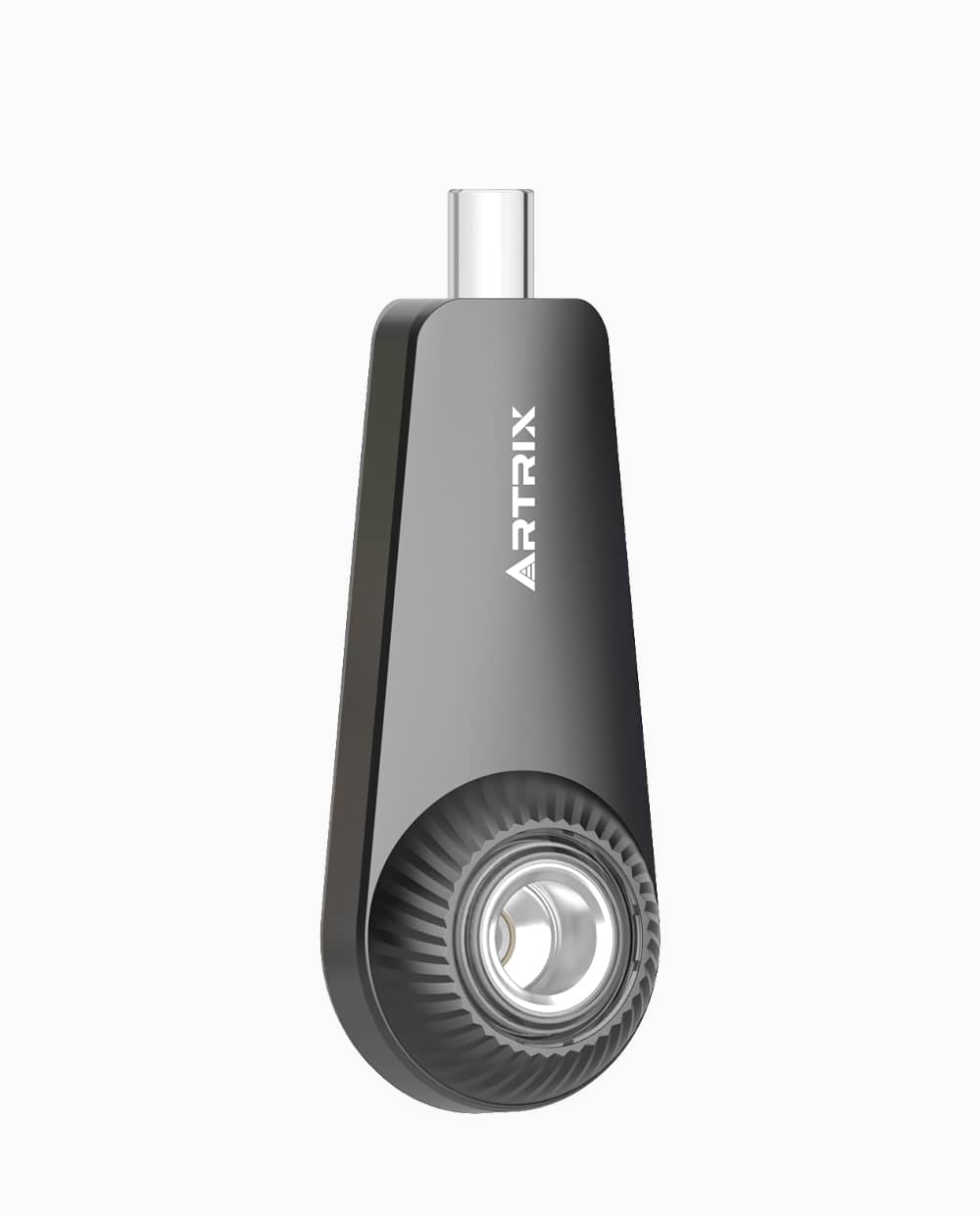
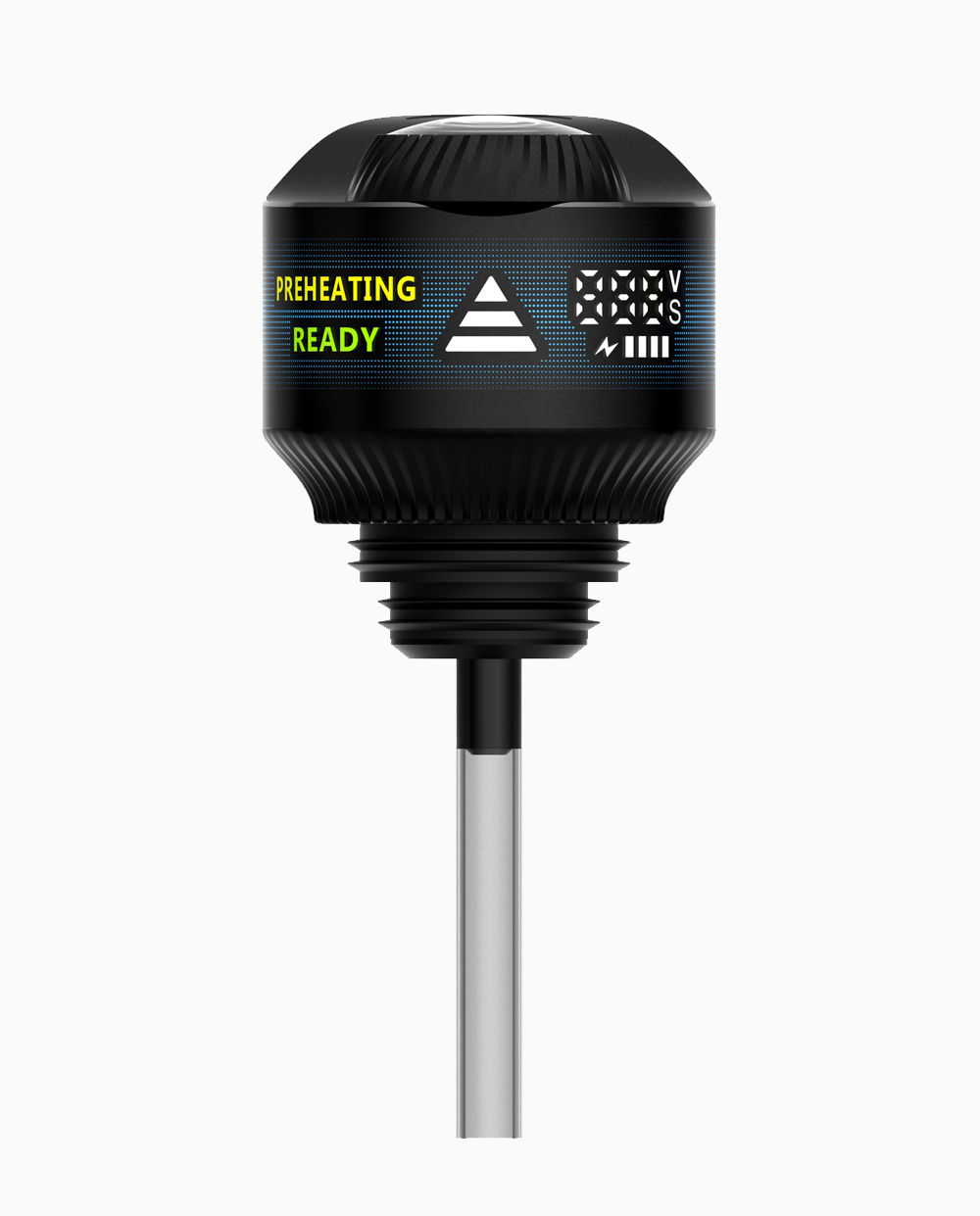
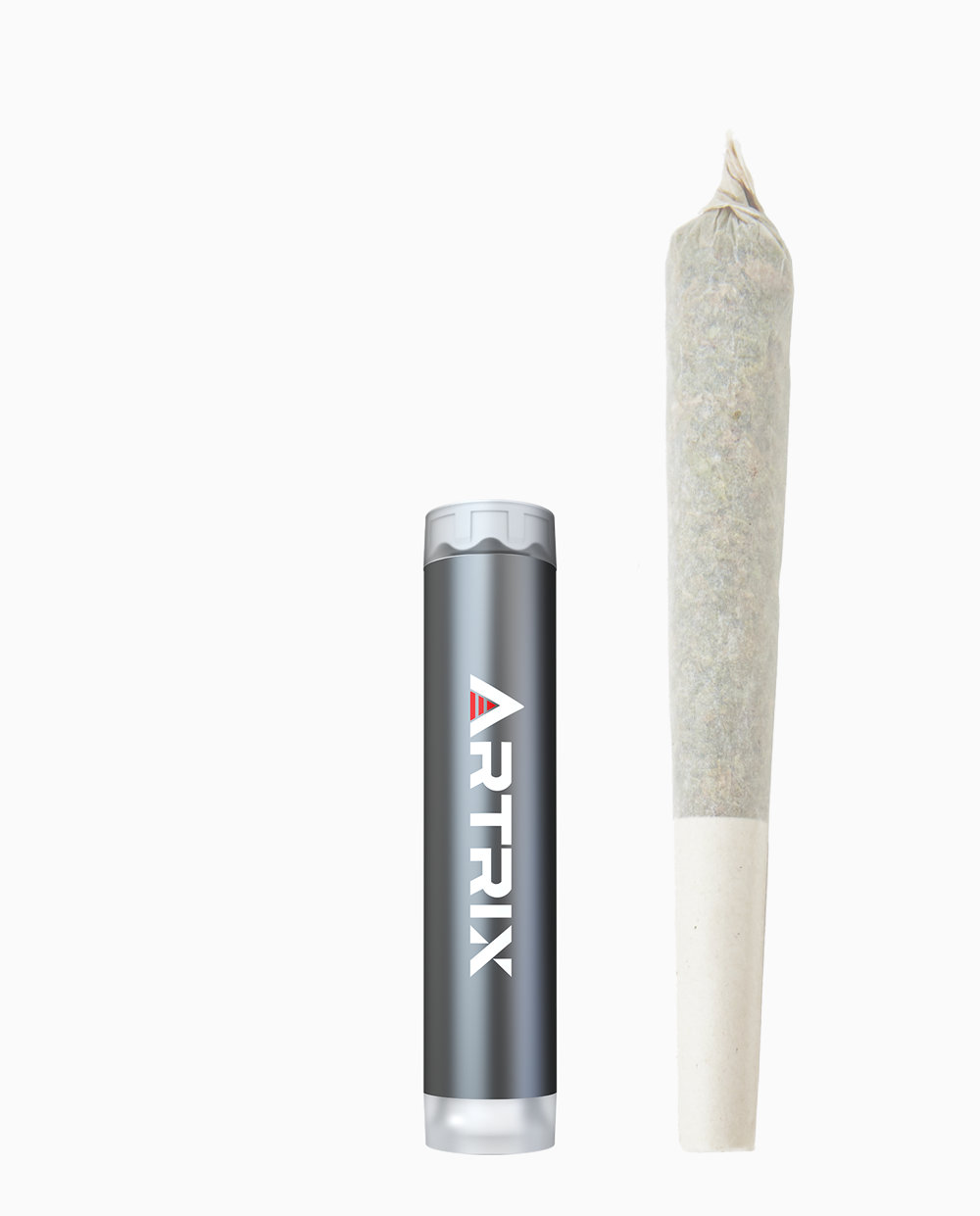
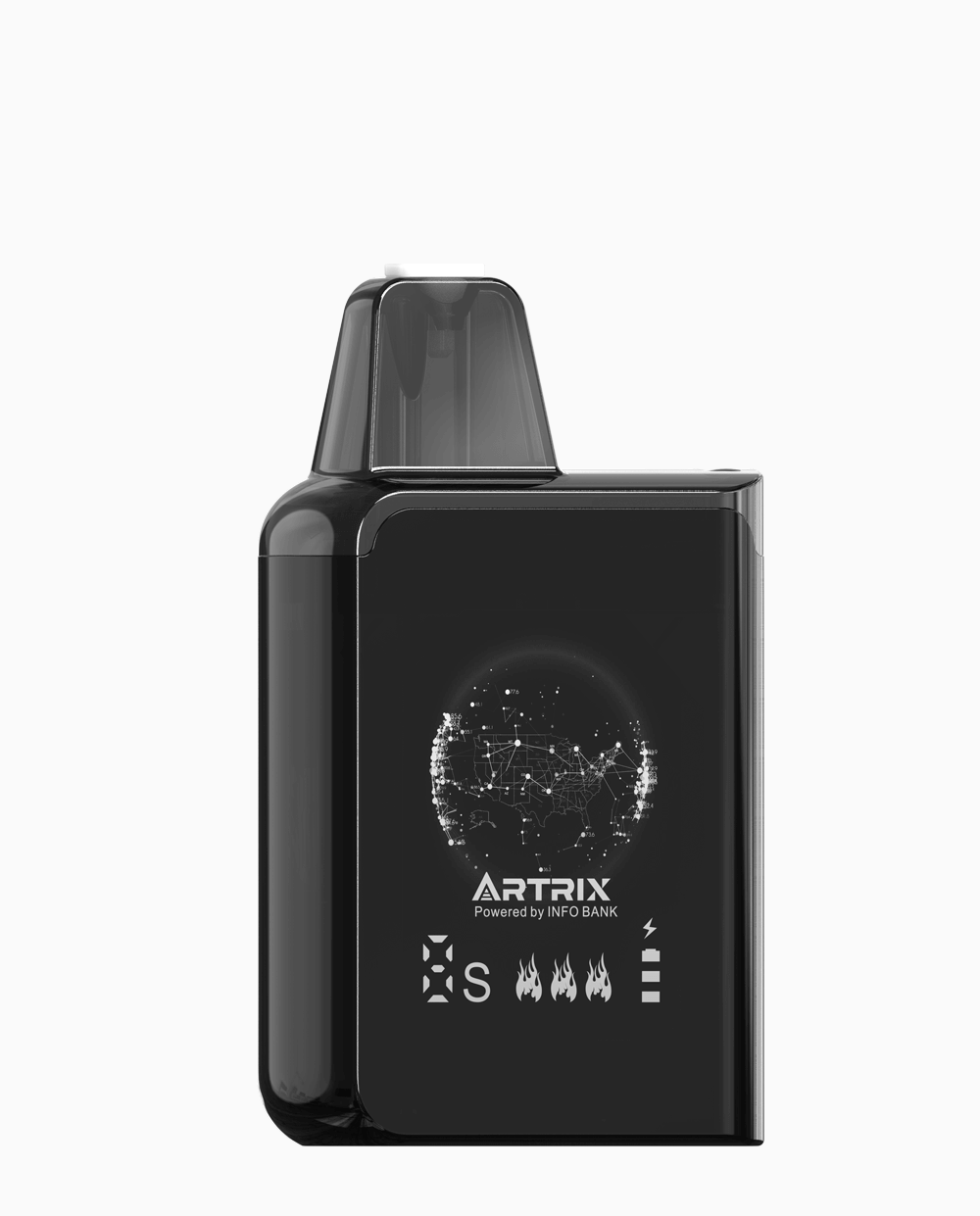
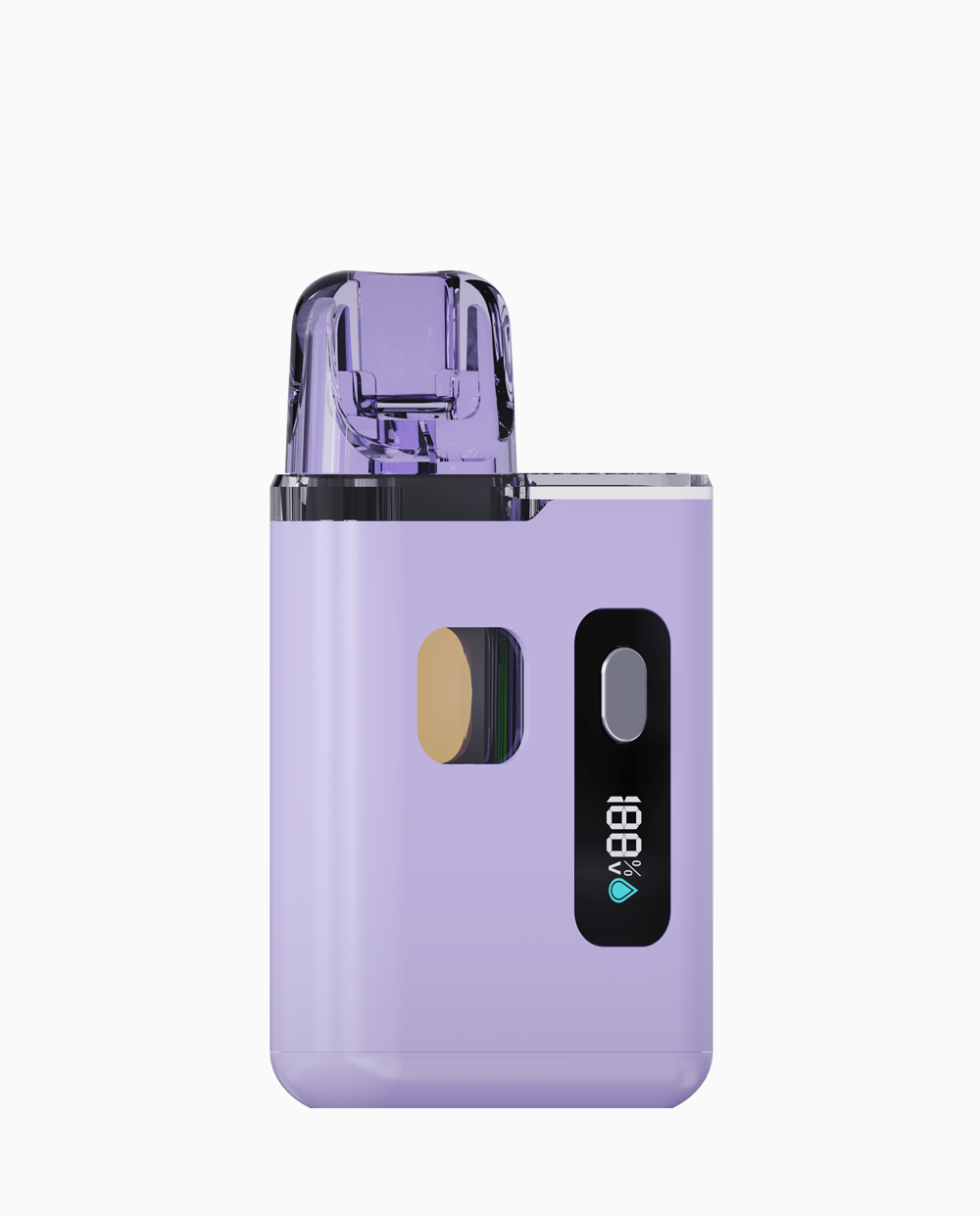
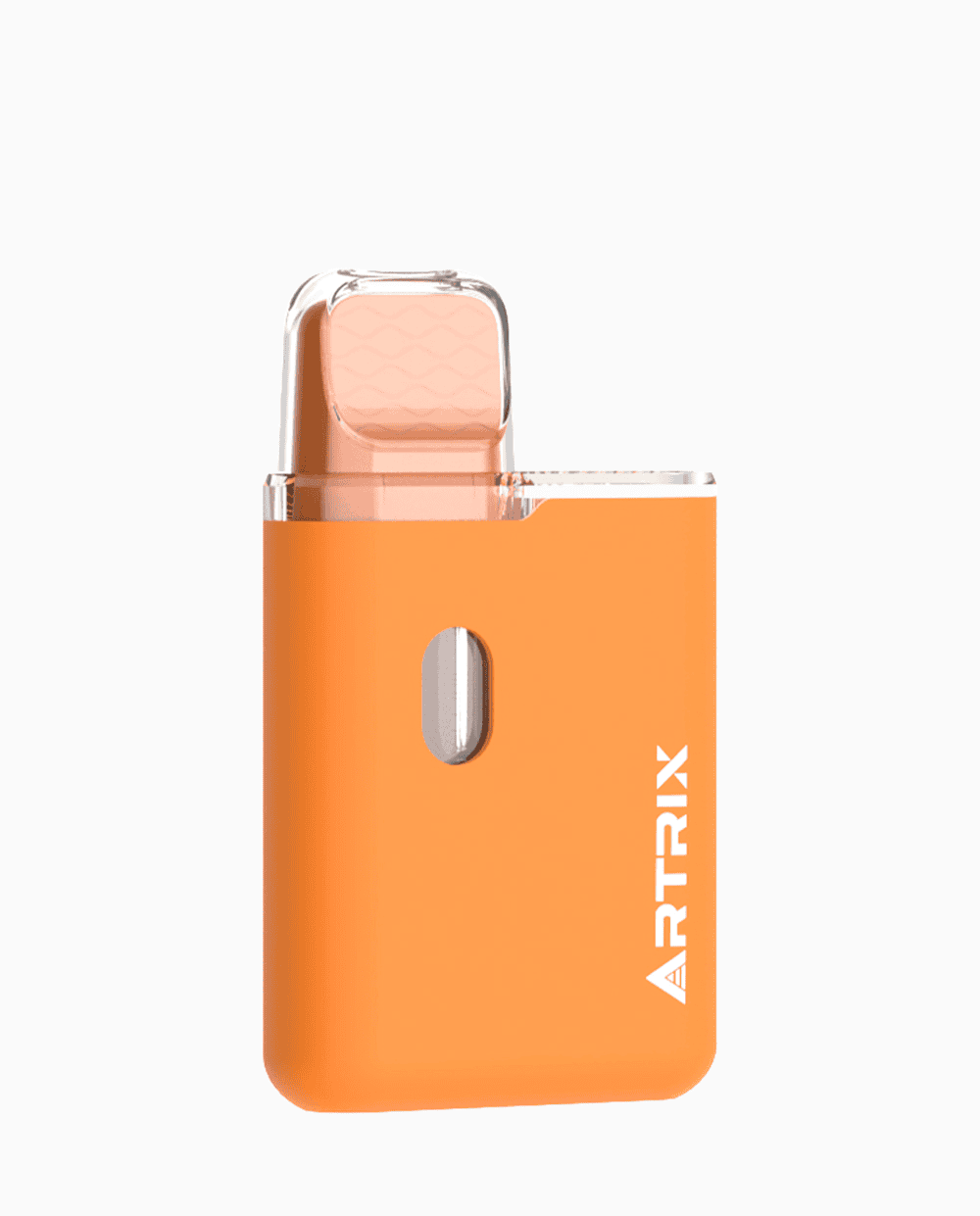
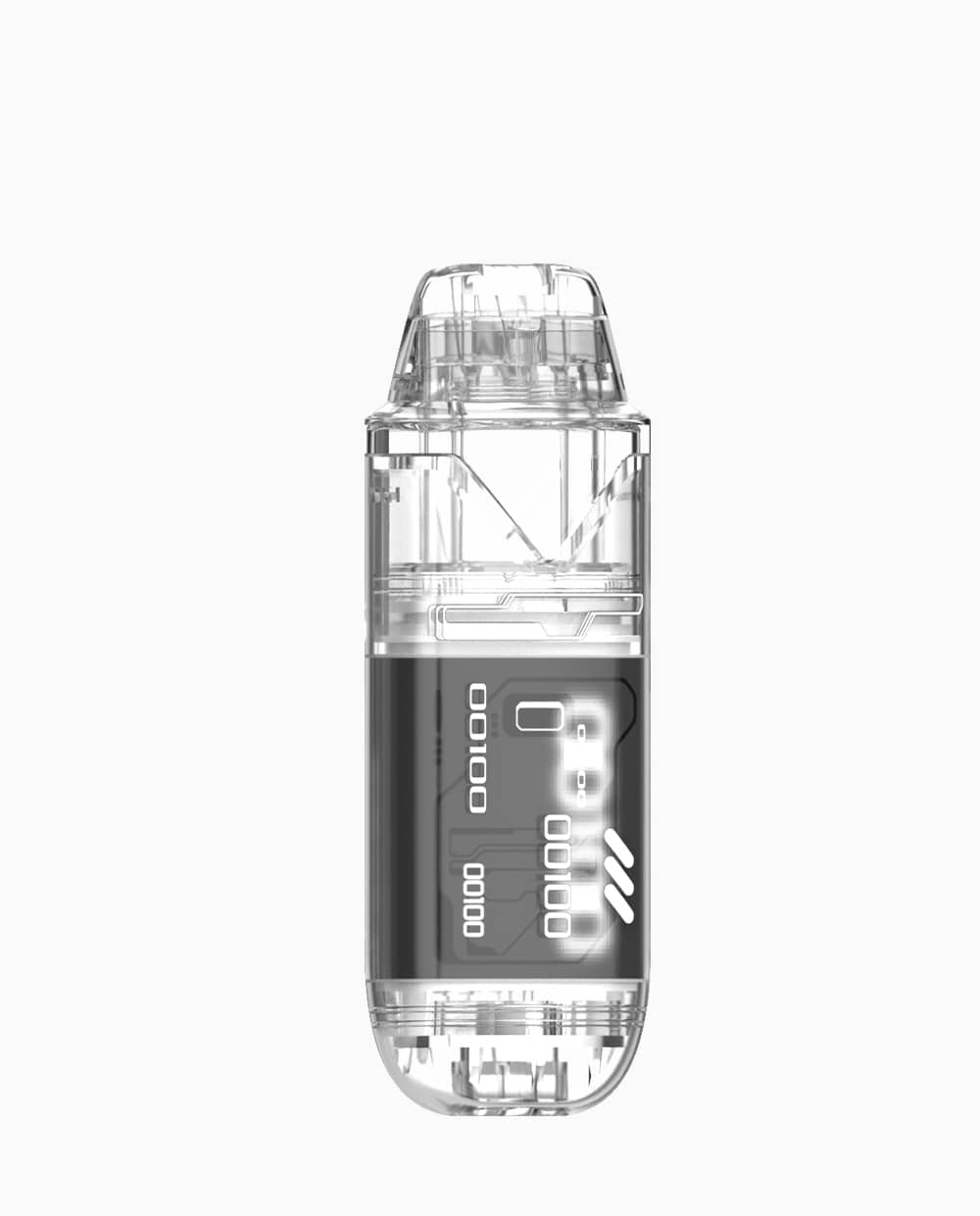
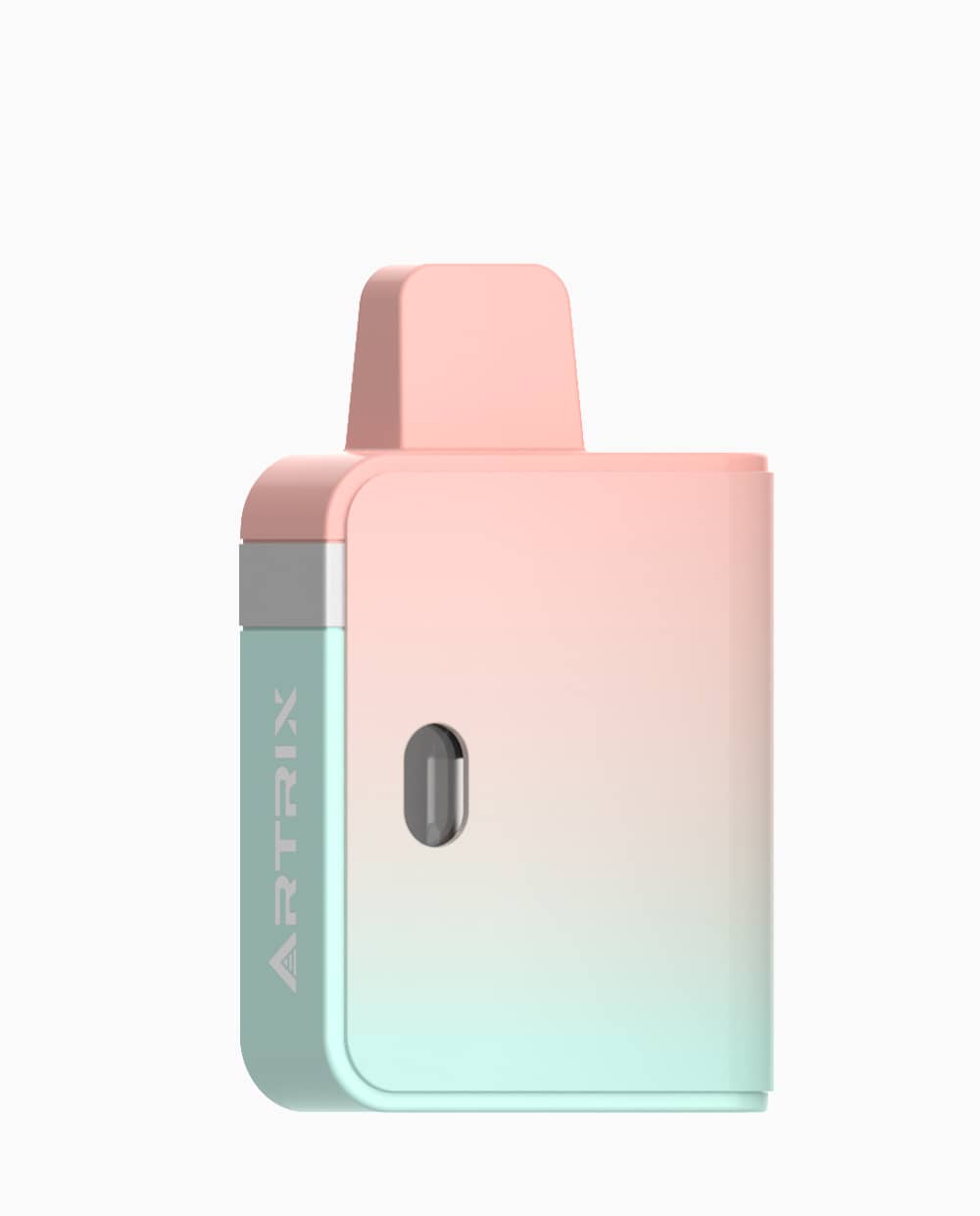
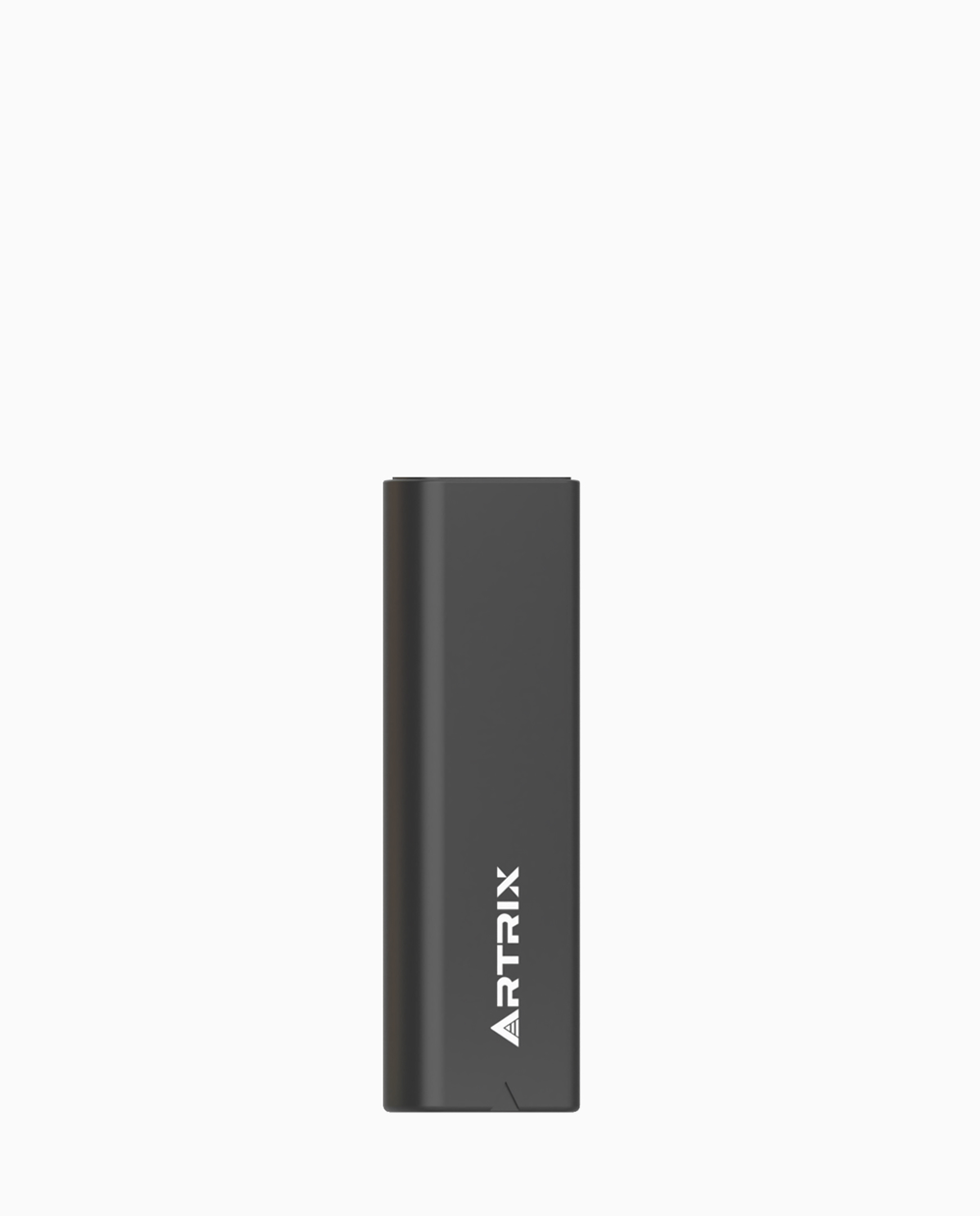
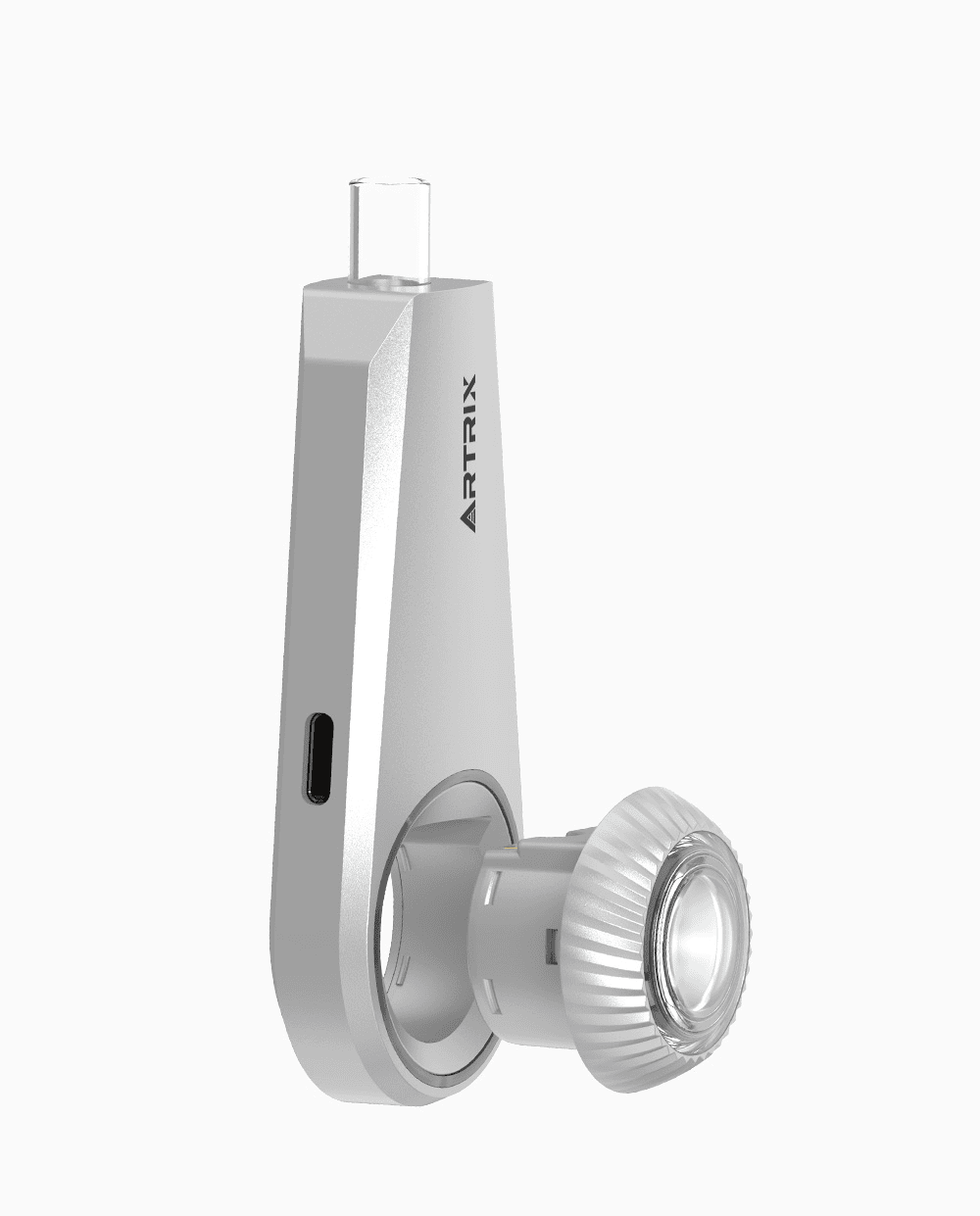
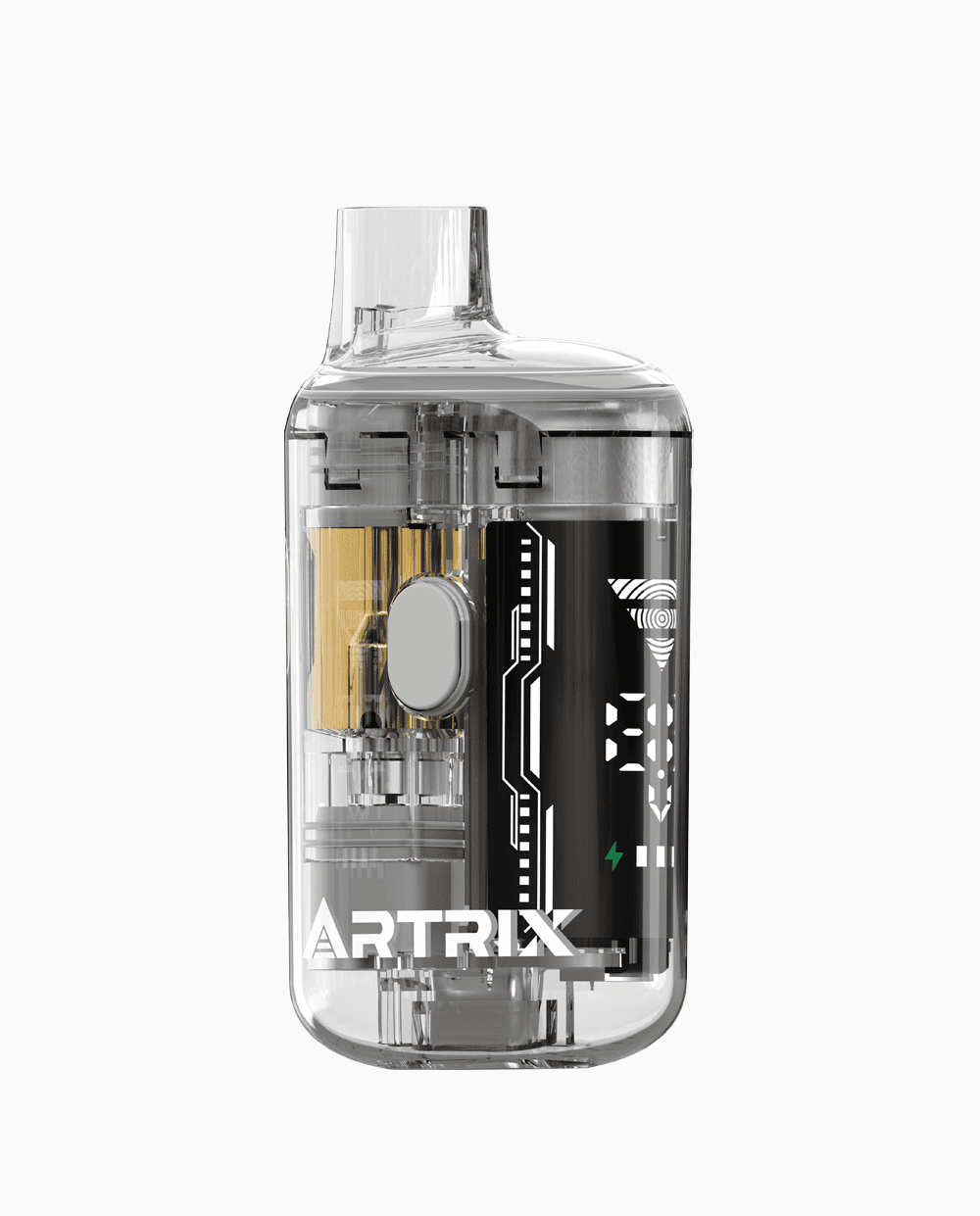
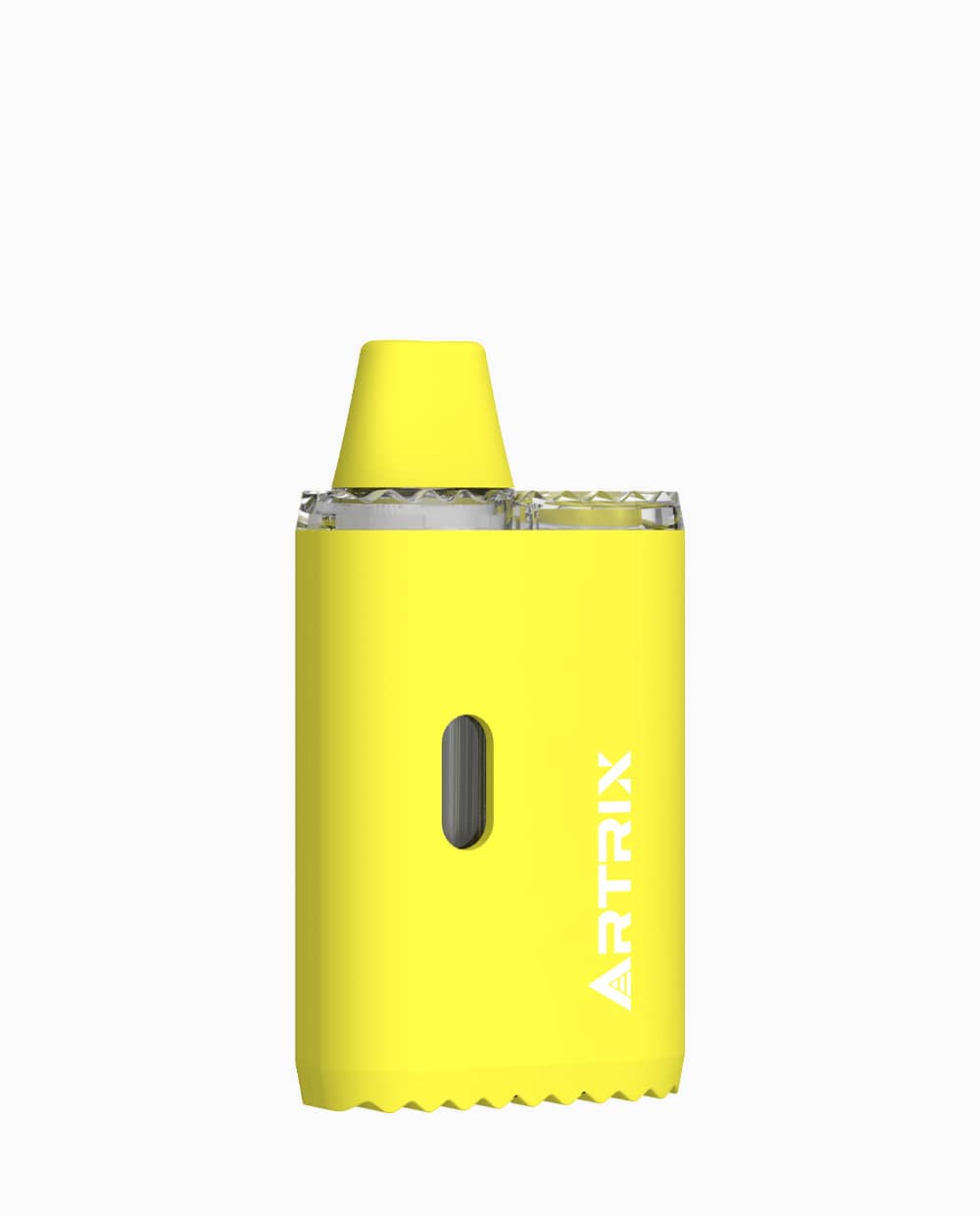
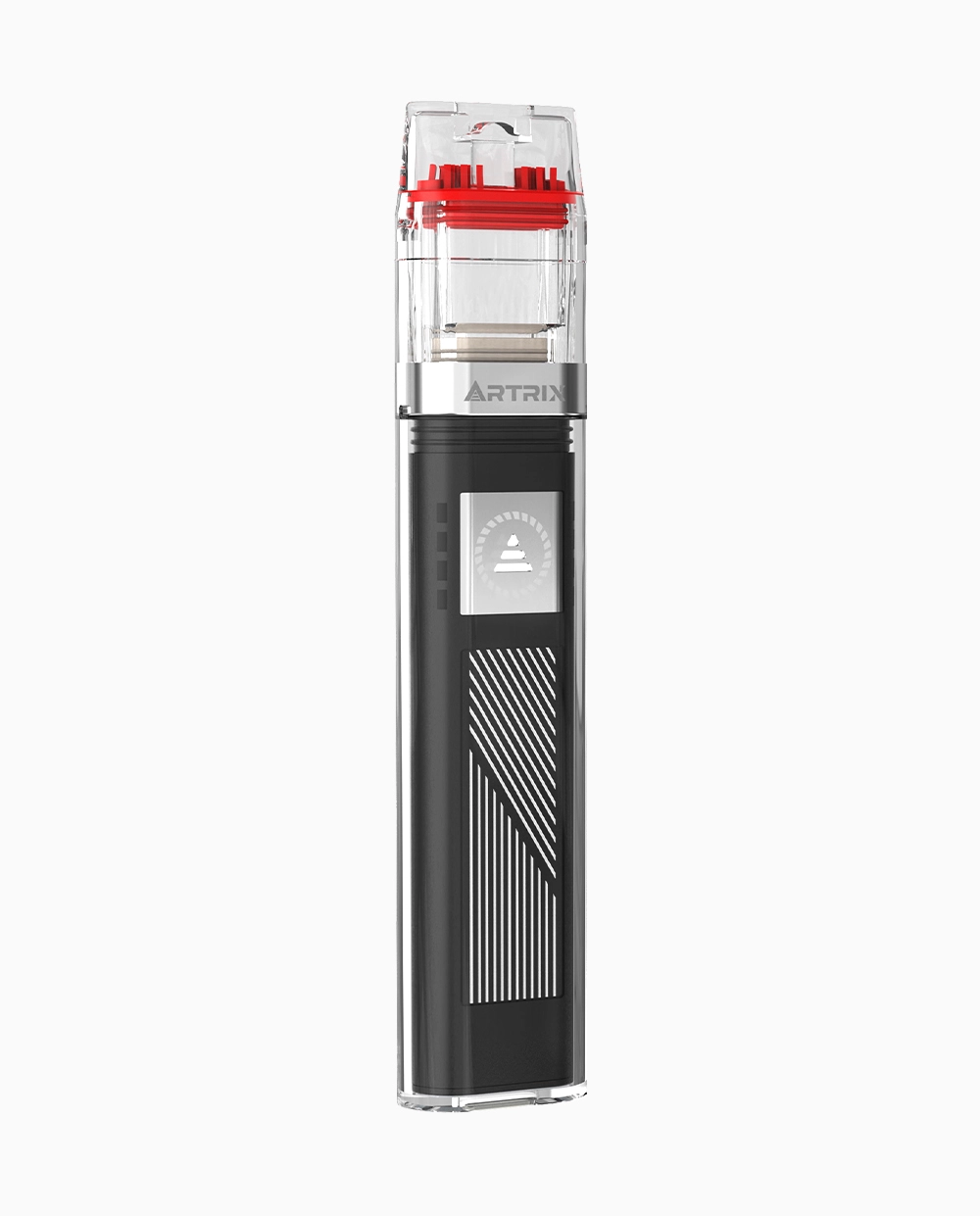
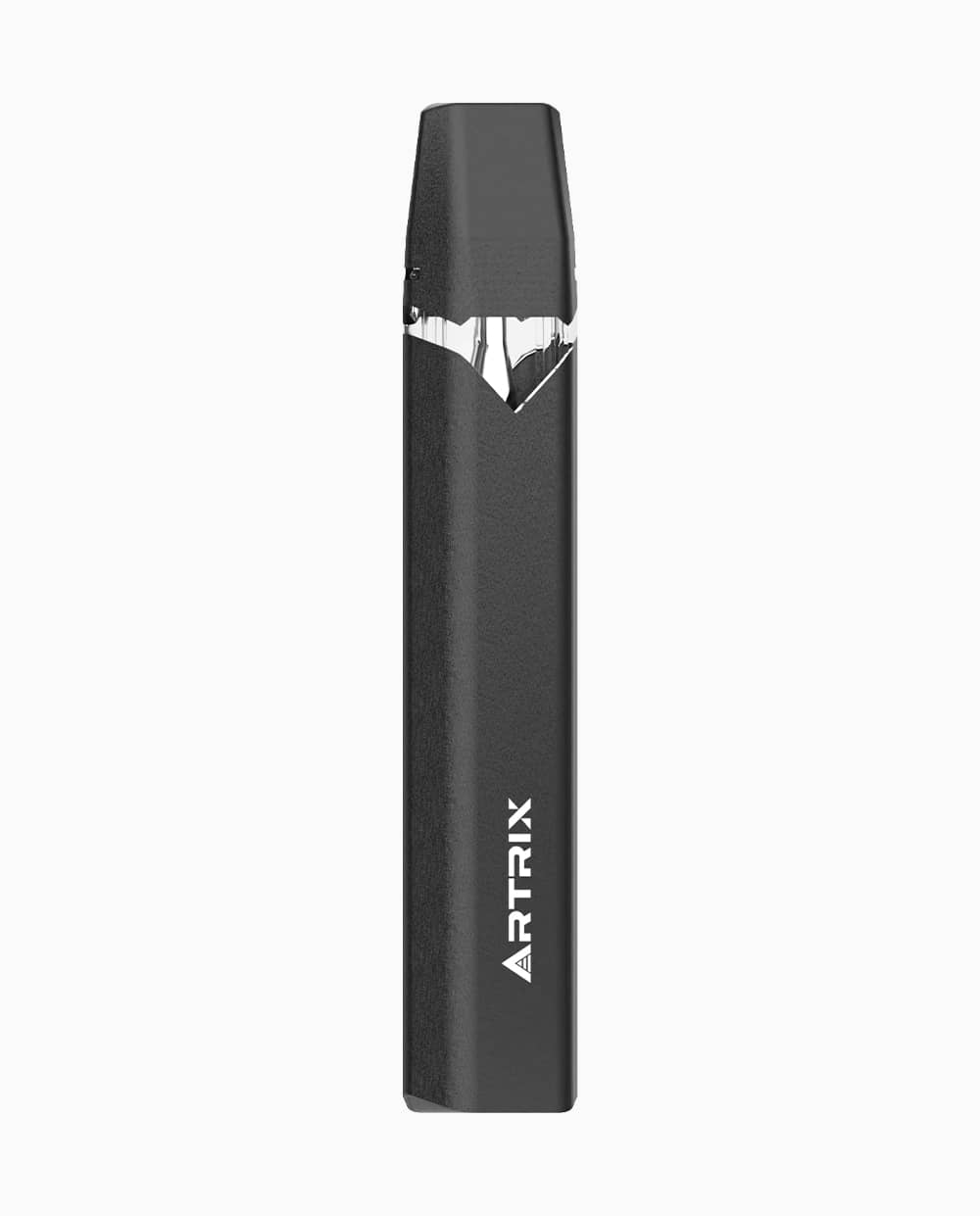
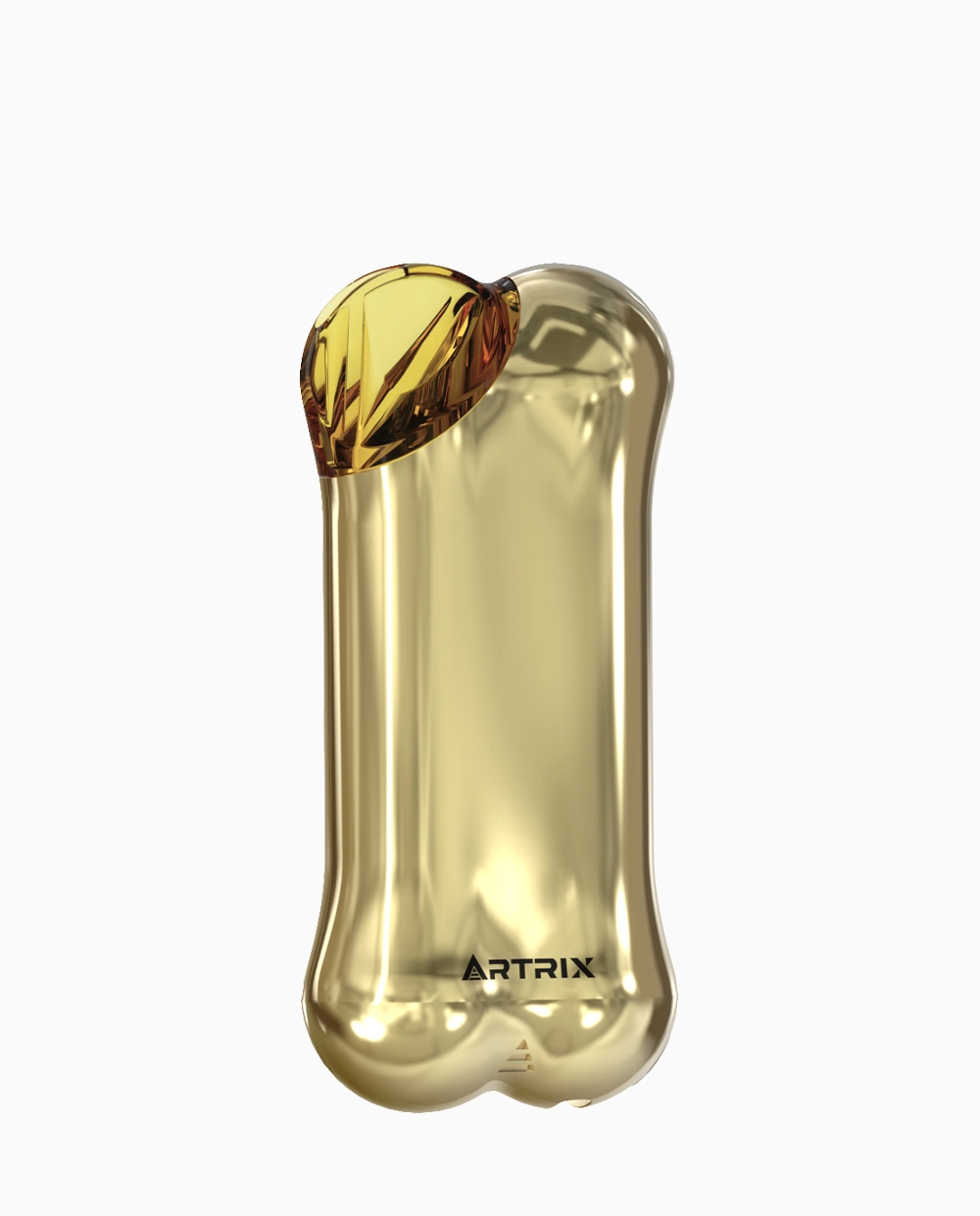
Hardware traceability matters too. Official programs such as Real California Cannabis let consumers verify licensed dispensaries before buying. On the hardware side, brands such as Artrix add an anti-counterfeit step through product-verification pages that let users enter a code or scan a QR code to confirm authenticity Artrix. That kind of traceable tech is not a gimmick when counterfeits exist. It is part of the safety stack.
Responsible Usage: Storage and Longevity
Safety does not end at checkout. Storage affects both accidental access and product condition. In California, state guidance says cannabis goods must be sold in child-resistant packaging, defined as packaging that is hard for children under five to open; vape cartridges may use single-use child-resistant packaging under the state framework. Even so, the best real-world habit is still simple: store devices and cartridges high, out of sight, and locked away from children and pets.
For hardware longevity, store cartridges upright when possible to reduce leak risk and keep the wick area stable. Keep devices away from direct sunlight, hot cars, and radiators. Storage research has found light exposure and air oxidation accelerate cannabinoid loss, so cool, dark storage is the better default for preserving oil quality over time. Clean contacts gently, use the correct charger, and do not keep using a device that tastes burnt, runs unusually hot, or shows swelling or battery damage.
Conclusion: Making Safety a Second Nature
Safe Vaping with Cannabis is not about chasing one miracle feature. It is about building a habit of verification. Choose tested oil, insist on credible hardware, prefer licensed and traceable channels where lawful, and treat anti-counterfeit tools as part of the buying process rather than an optional extra.
That is why safety is both a consumer right and a brand responsibility. Brands such as Artrix can help by making authenticity easier to verify and by treating materials, heating behavior, and battery design as serious engineering decisions. As a buyer, your most valuable question may also be the simplest one: Where did this hardware come from, and what proof do you have?
For adults only where permitted by local law. Cannabis rules vary by jurisdiction, so always check your local requirements before purchase or use.
FAQ: Your Safety Questions Answered
Why are branded vaporizers more expensive than cheap ones?
Because the real cost is often hidden in what you cannot see: better materials, safer electronics, certification work, verification systems, and more testing. A low-priced device may skip recognized battery safety screening, use poorly documented contact materials, or provide no finished-device heavy-metal data at all. When you pay more for a serious device, part of that price is usually going toward testing, compliance, and quality control rather than pure aesthetics.
How do I know whether my device is leaching heavy metals?
You usually cannot tell by taste, smell, or appearance. Metal contamination is often invisible to the user, which is why peer-reviewed studies rely on laboratory analysis rather than visual inspection. The practical answer is to ask for documentation: heavy-metal testing on the finished hardware system, a current COA for the oil, and clear disclosure of the materials that contact the extract.
Is secondhand vapor harmful to other people?
The cautious answer is yes, it can be. The EPA says secondhand vape aerosol can contain potentially harmful chemicals including formaldehyde and metals, and a recent cannabis-vaping aerosol study found non-users can be exposed to secondhand pollutants indoors. Long-term real-world cannabis-specific risk estimates are still developing, so the reasonable rule is to avoid vaping around others in enclosed spaces.