
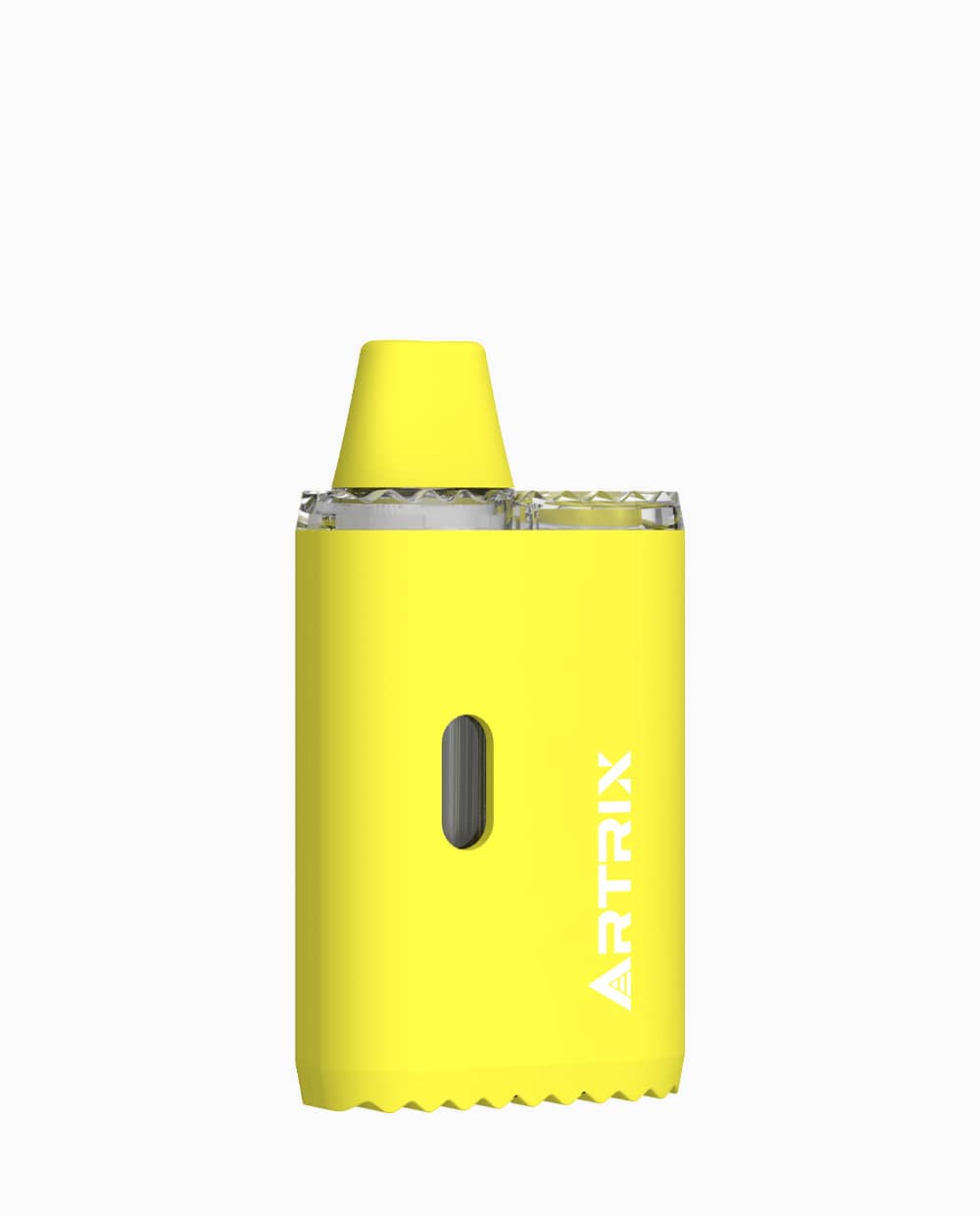
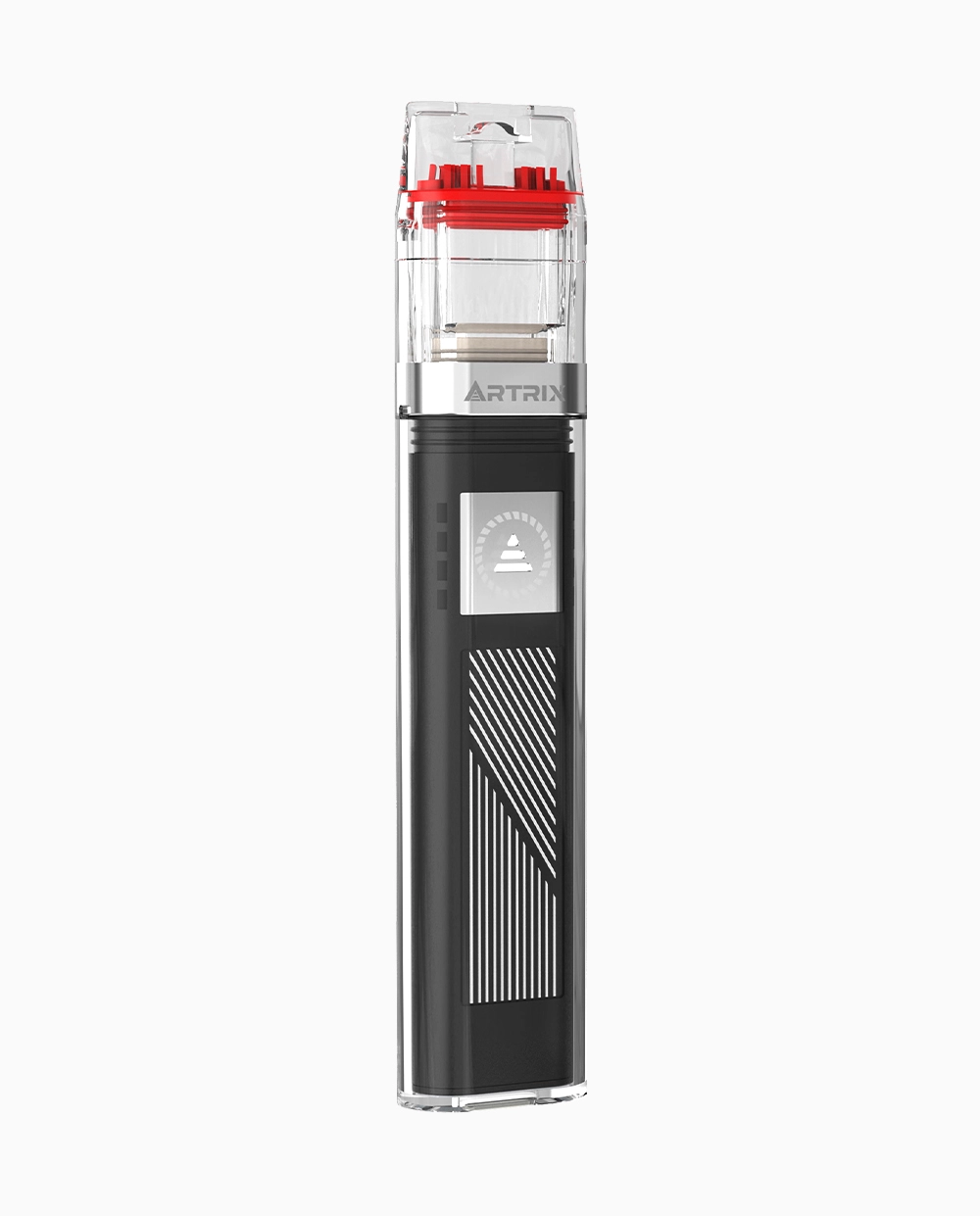
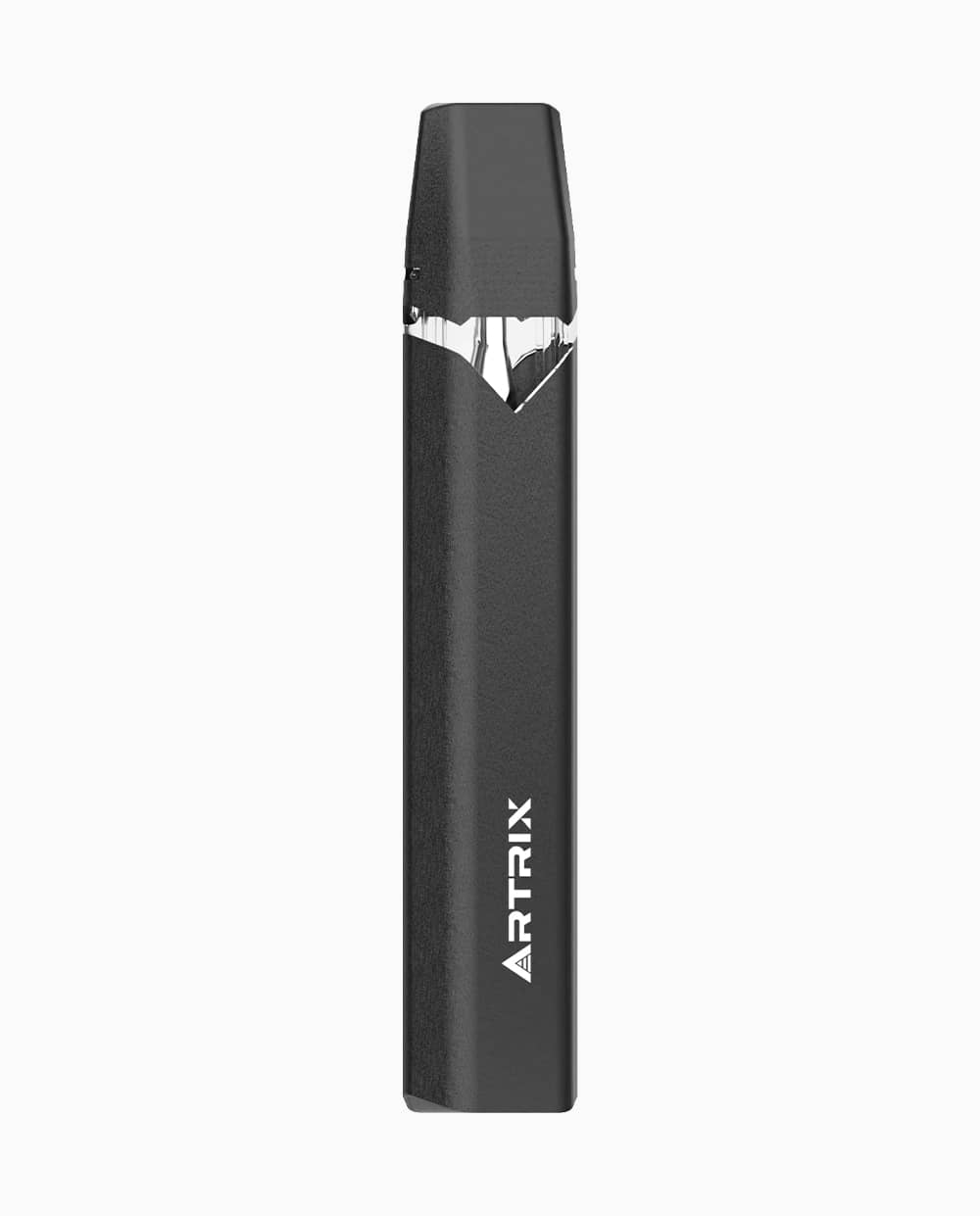
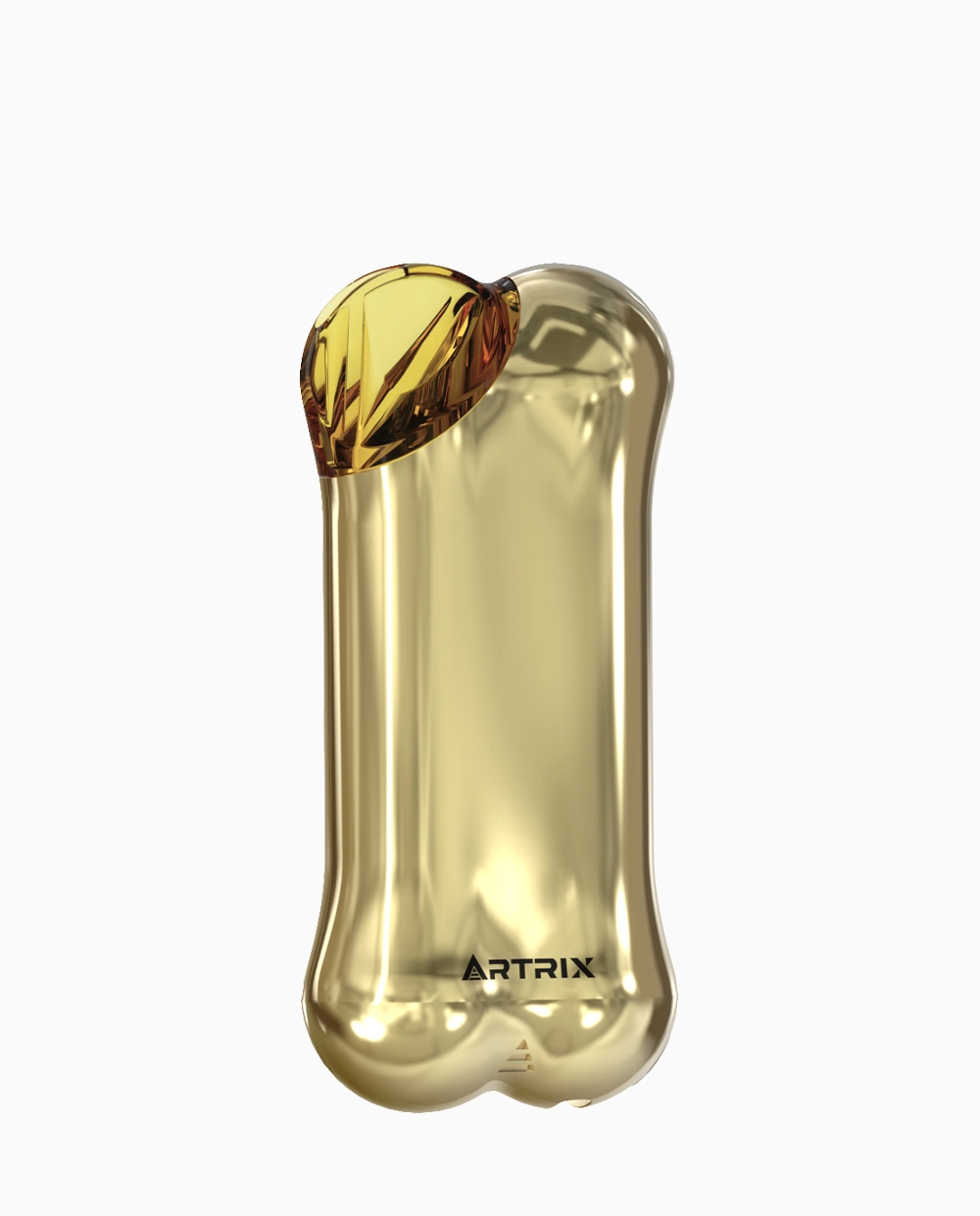
-1.webp)
-1.webp)
-2.webp)





























Liquid Diamond Vapes: Understanding Carts and All-in-One Formats
Last Updated: Sep 4, 2026
This content is for informational purposes only and does not constitute medical or legal advice. Please consult a licensed healthcare provider before using cannabis products. Comply with your state’s regulations.
This content is intended for audiences 21 years and older, as required by U.S. law.
Cannabis regulations vary by state. Please verify the legal status of products in your area before purchase.
A liquid diamond vape label combines two different kinds of information: a description of the contents and a reference to the device carrying them. It does not, by itself, identify the hardware, establish compatibility, or verify the contents. Understanding those distinctions helps readers recognize what a label actually explains and what still needs documentation.
What Does “Liquid Diamond Vape” Describe?
In the terminology discussed here, “liquid diamond” refers to how the cannabis contents are described, while “vape” refers to the device category. Two products can carry the same contents label and have different hardware structures. Conversely, similar-looking hardware does not establish that two products contain the same formulation.
For background on the terminology, see the liquid diamonds overview. A category description cannot verify an individual product’s ingredients, cannabinoid concentration, or contaminant testing. Those questions require records for the specific product and, where relevant, its batch.
Keep three records separate: the formulation label, any corresponding laboratory report, and the hardware documentation. A device specification is not evidence of oil purity. Equally, a report about the contents does not establish the device’s electrical characteristics.
Cartridges, All-in-One Devices and the Word “Pen”
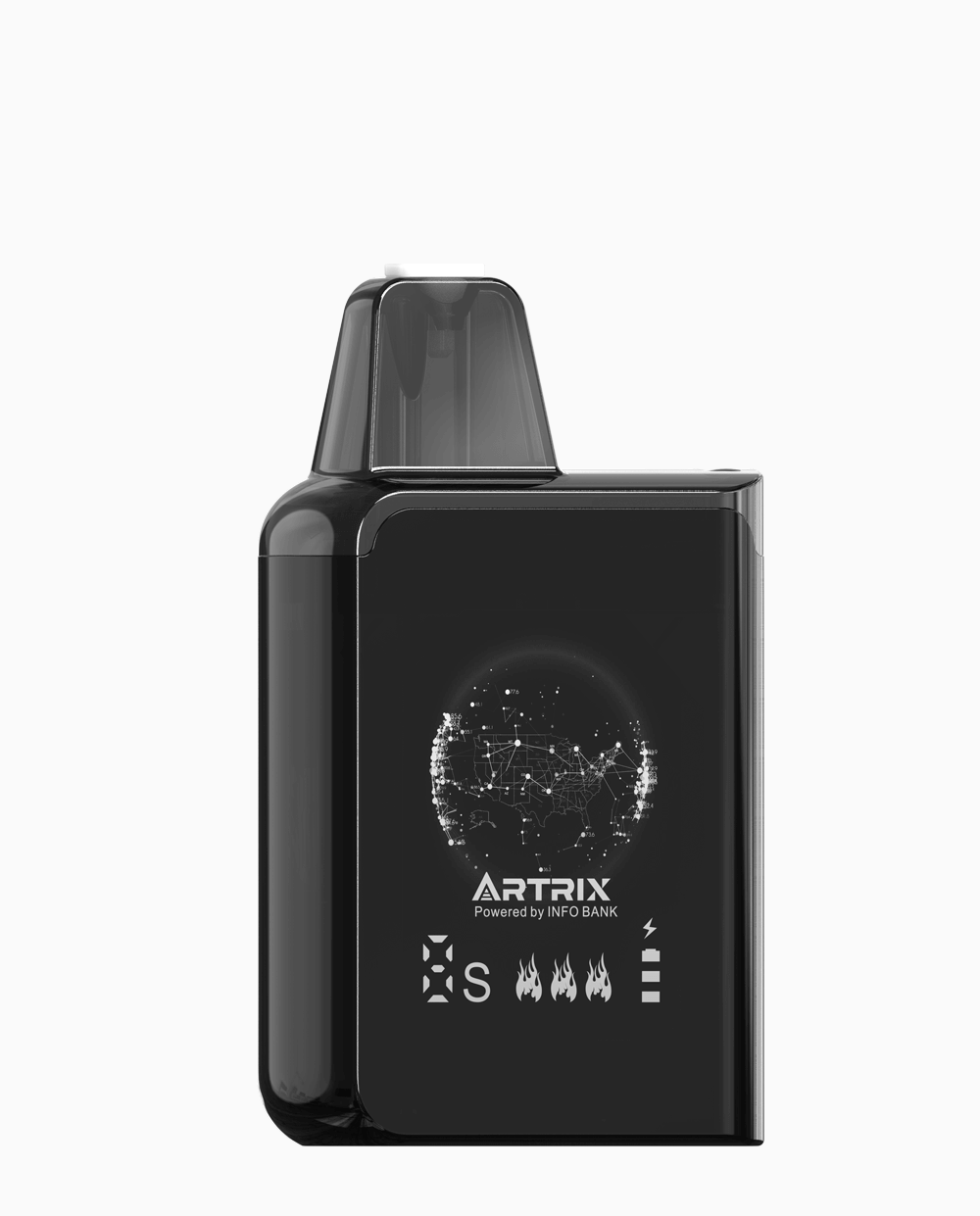
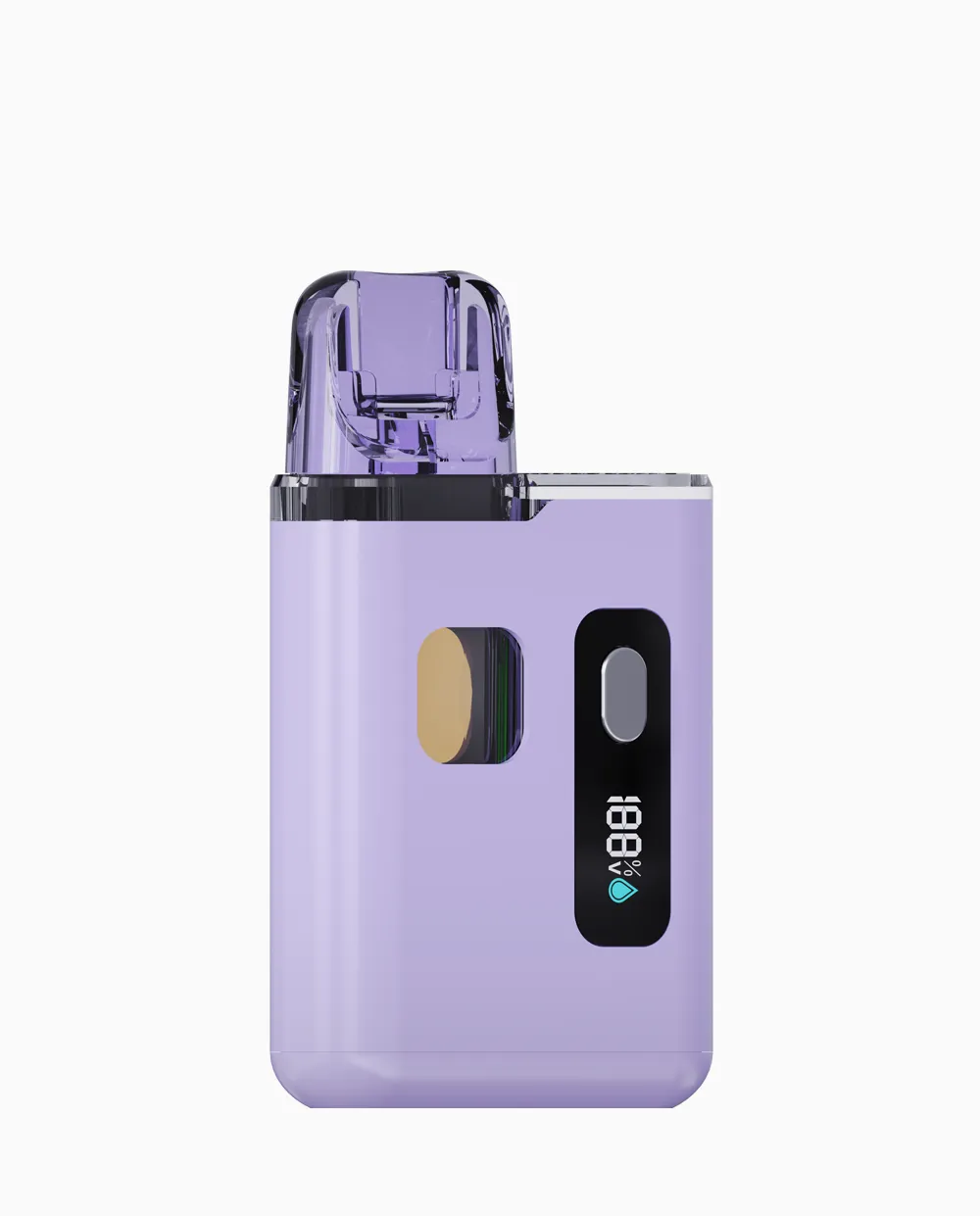
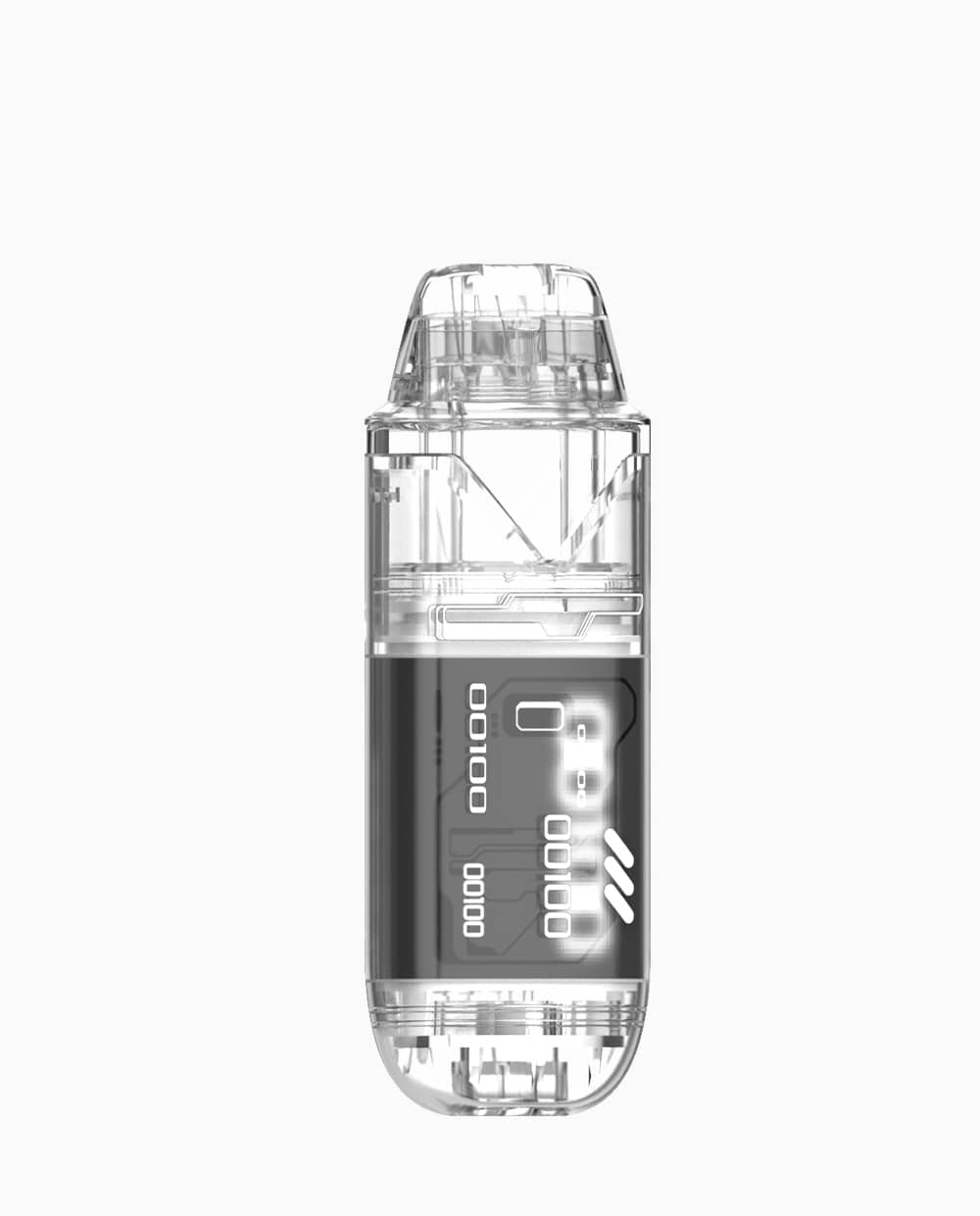
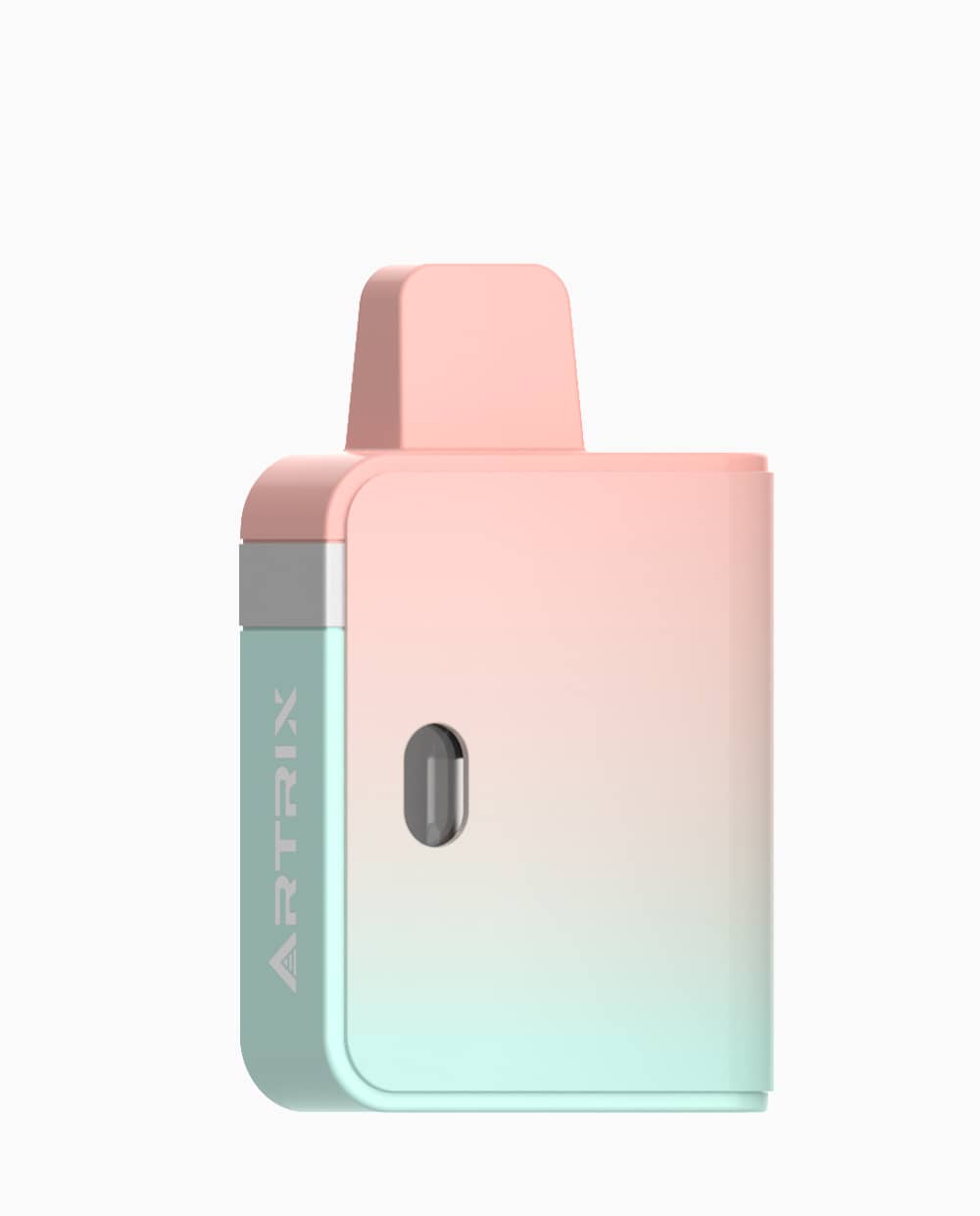
A cartridge and an all-in-one device describe different component arrangements. “Pen” is less precise: it can describe an elongated shape without explaining whether the reservoir and power source are separate. Treating all three words as equivalent, mutually exclusive categories creates confusion.
Cartridges: A Separate Component
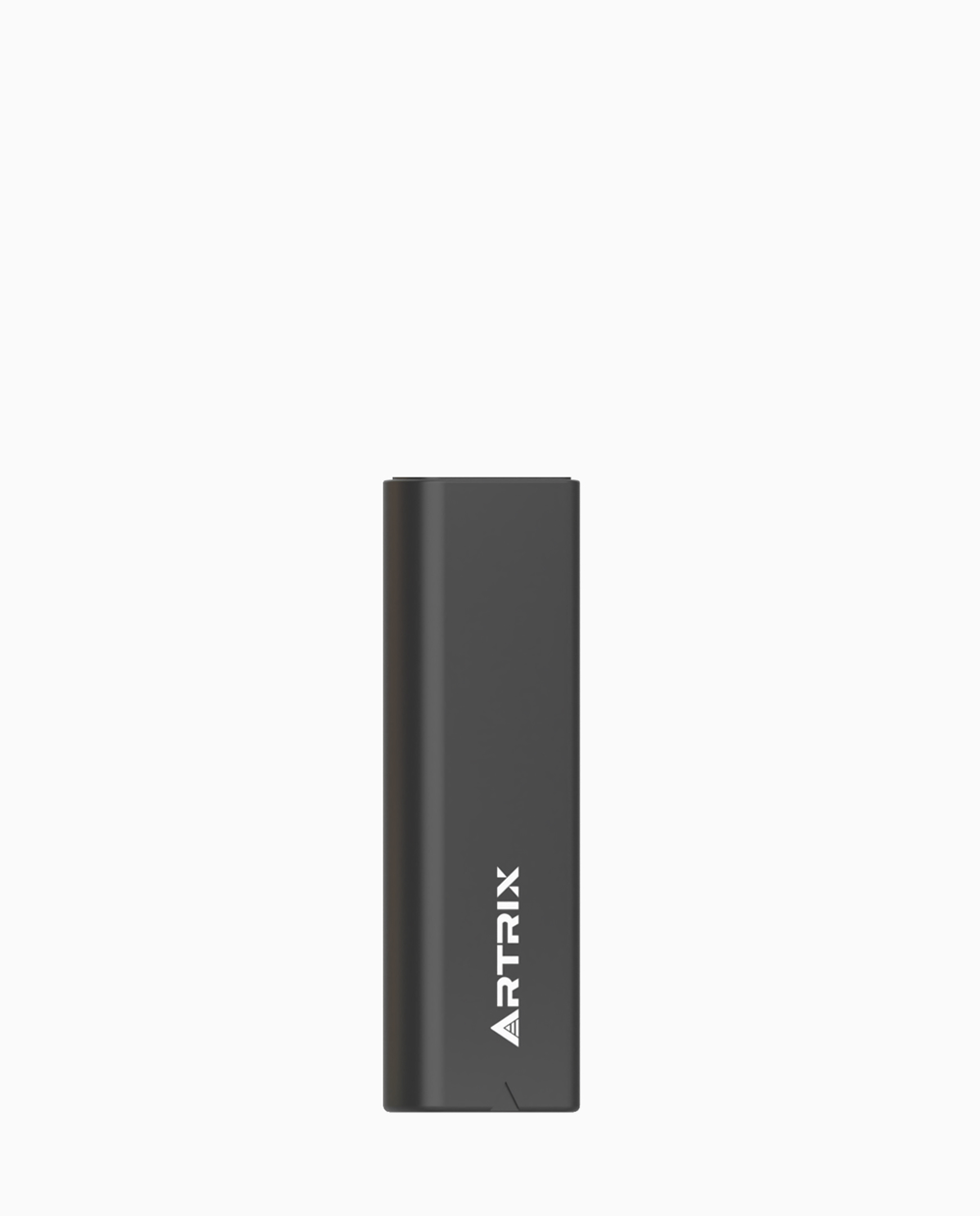
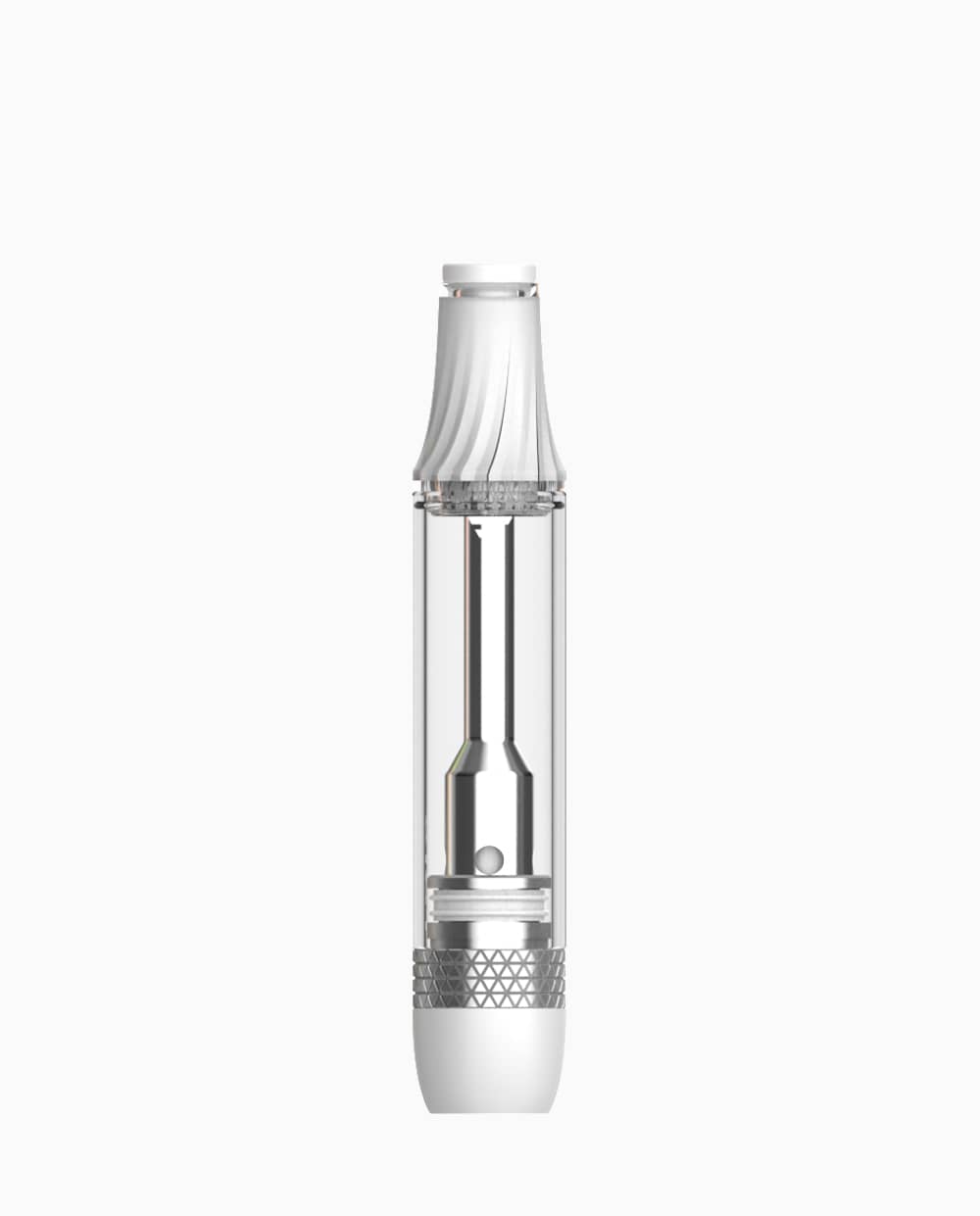
A cartridge is the reservoir and atomizing component of a system with a separate power source. The term “510” refers to a connection type; it is not a complete compatibility statement.
All-in-One Devices: Integrated Hardware
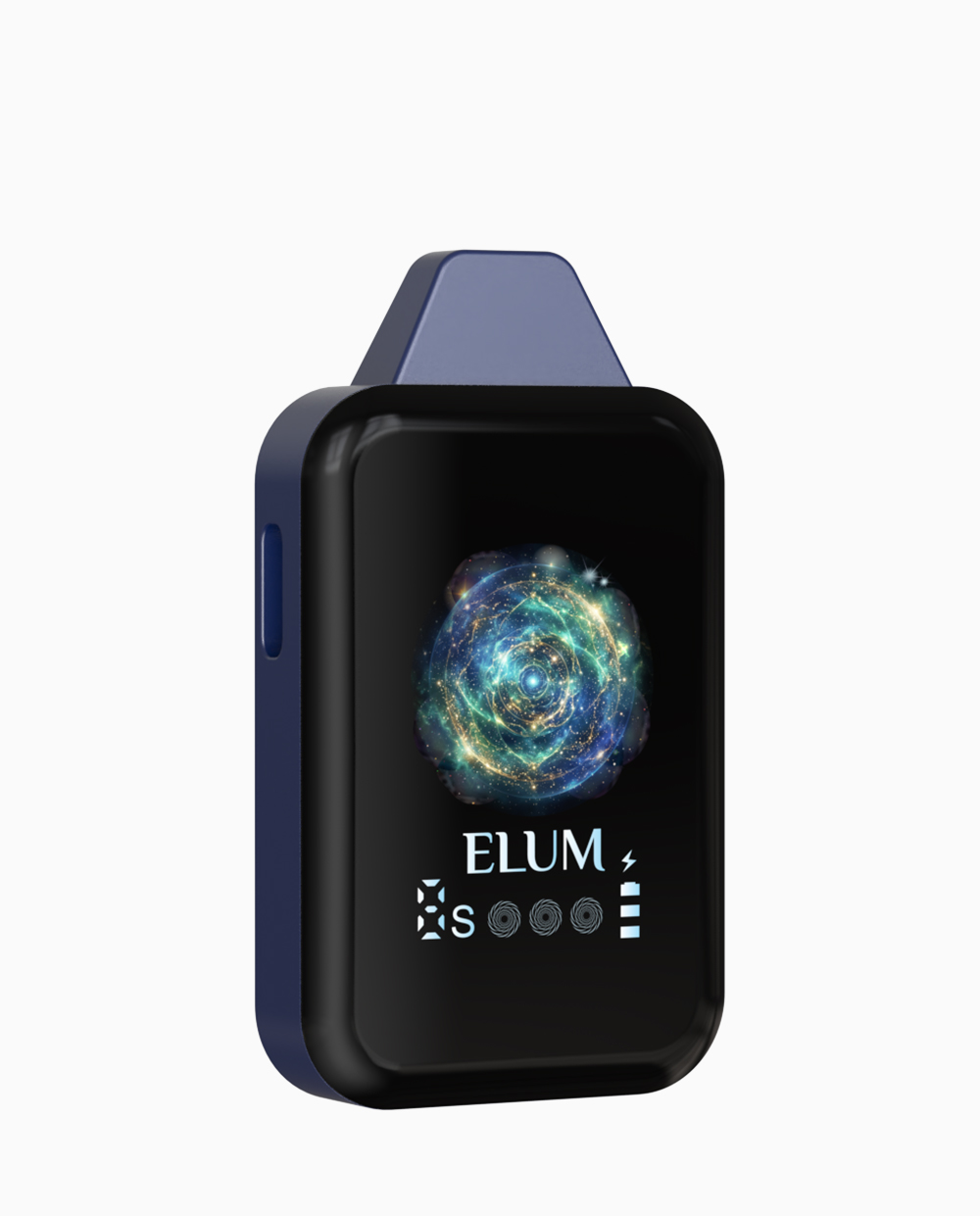
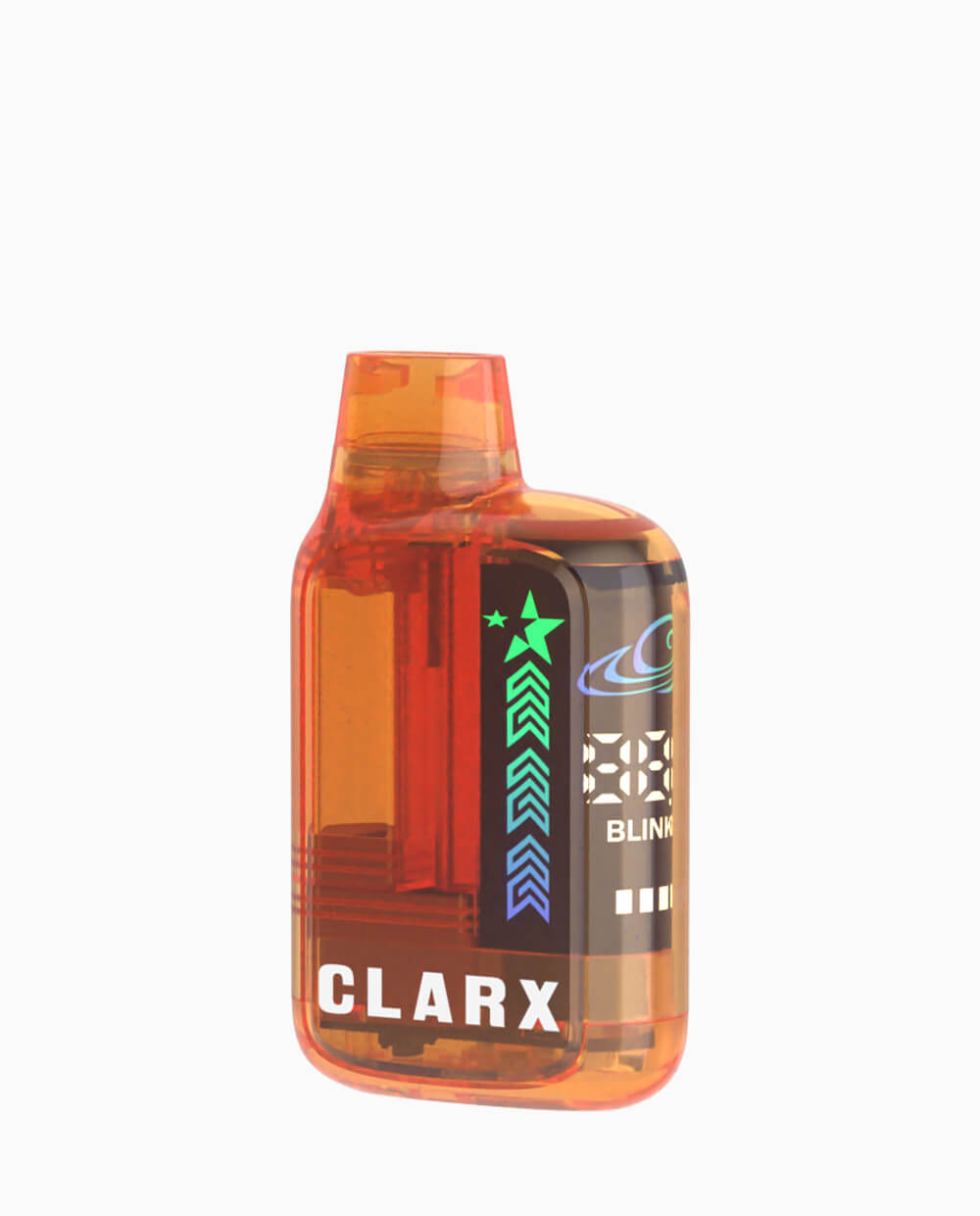
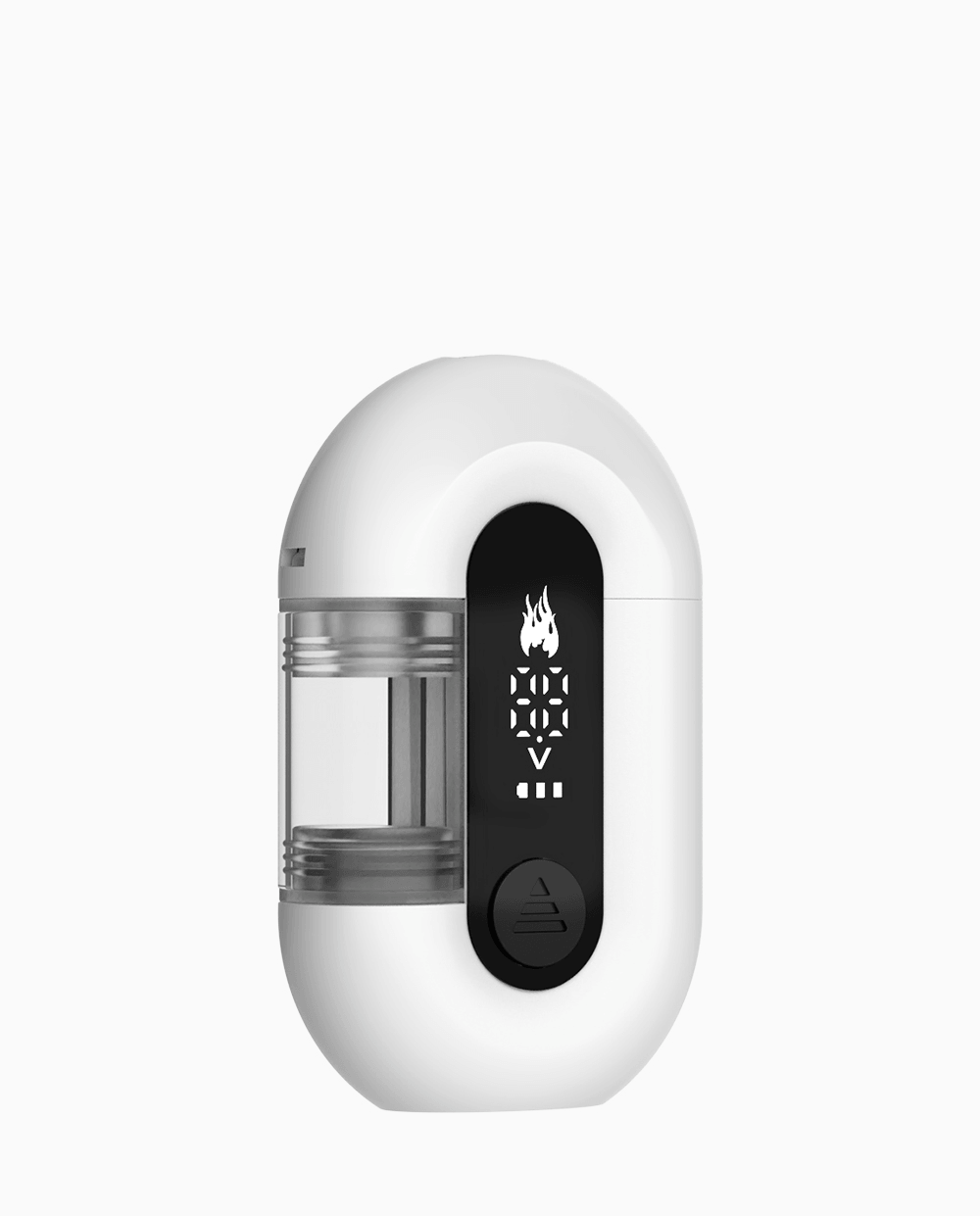
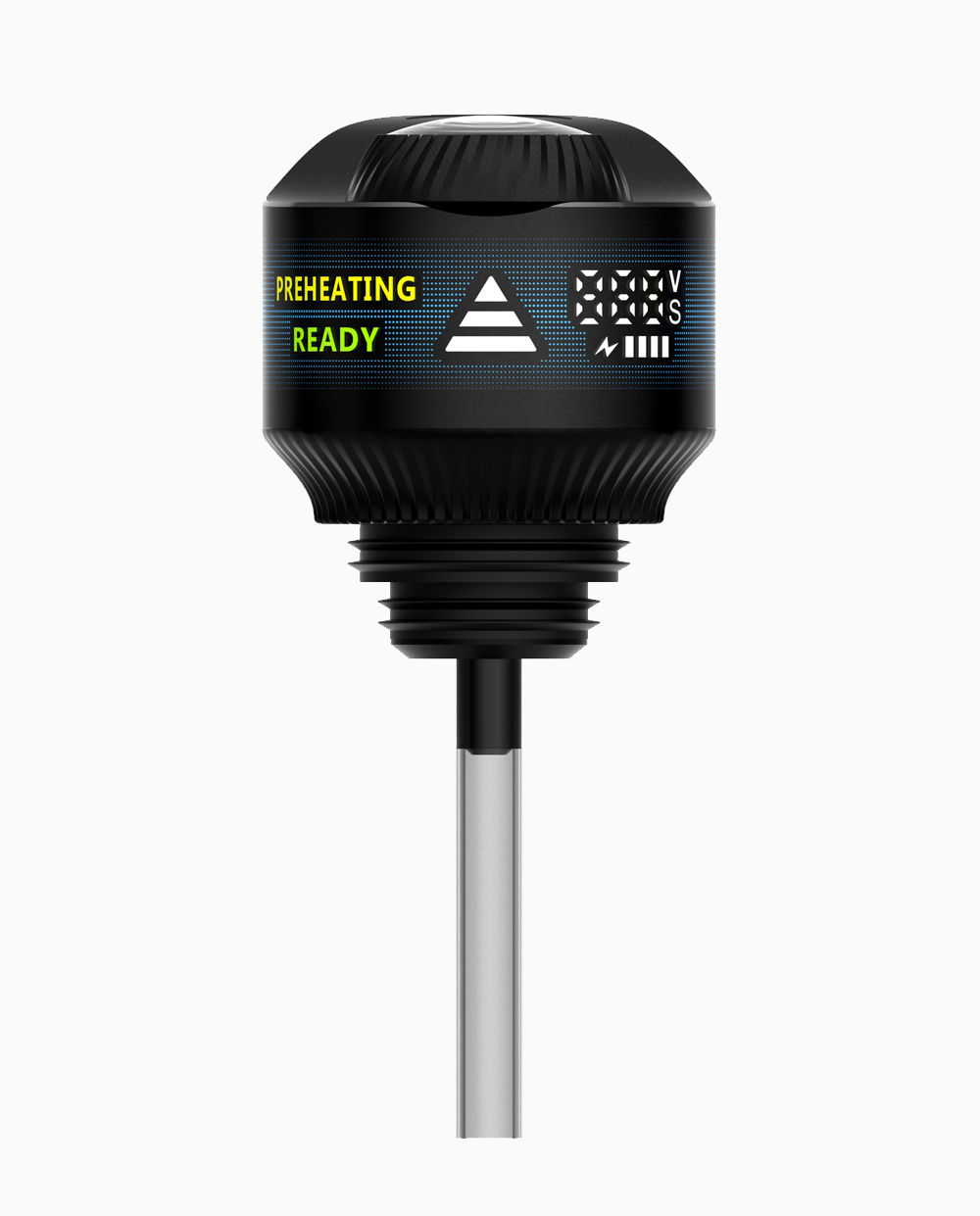
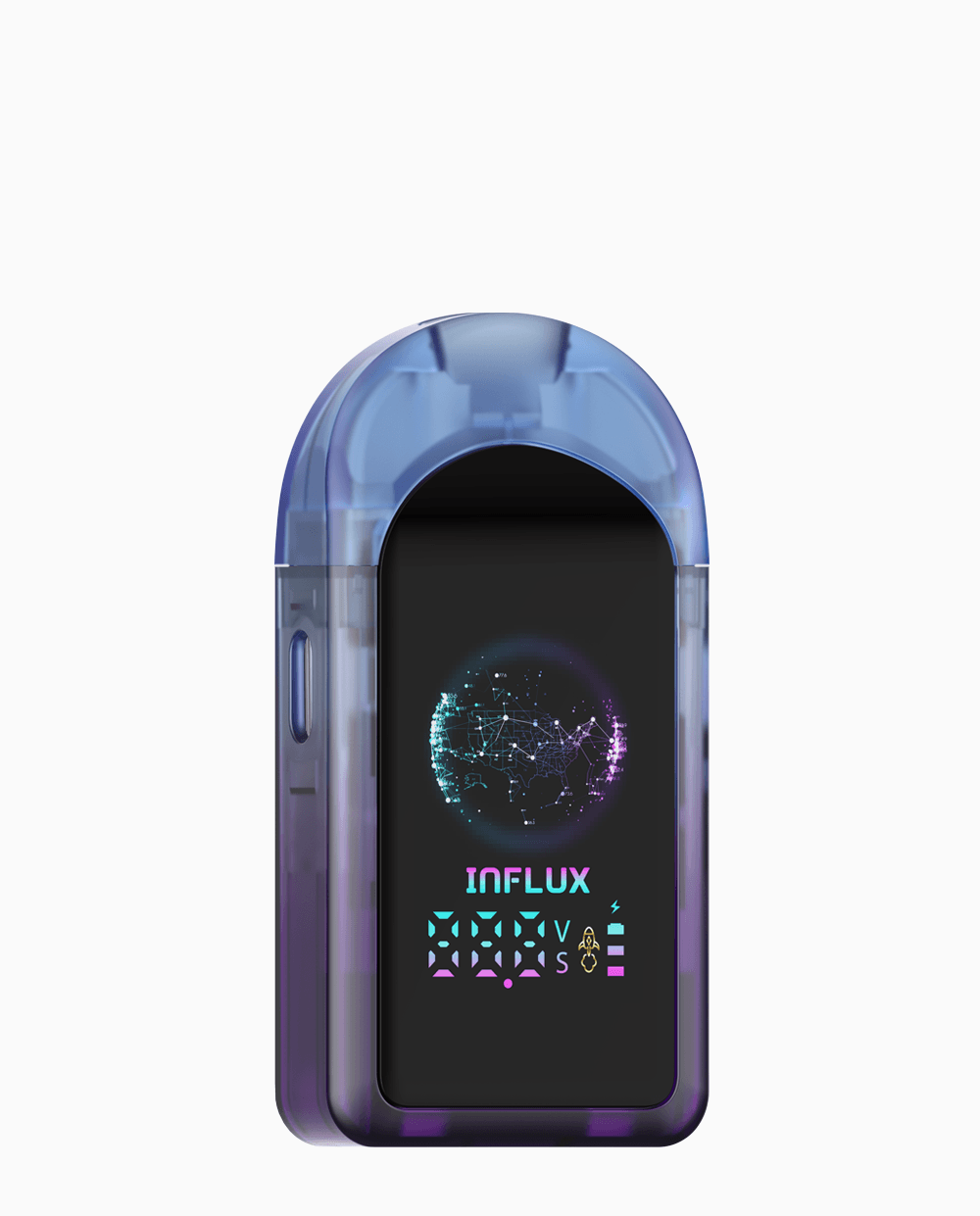
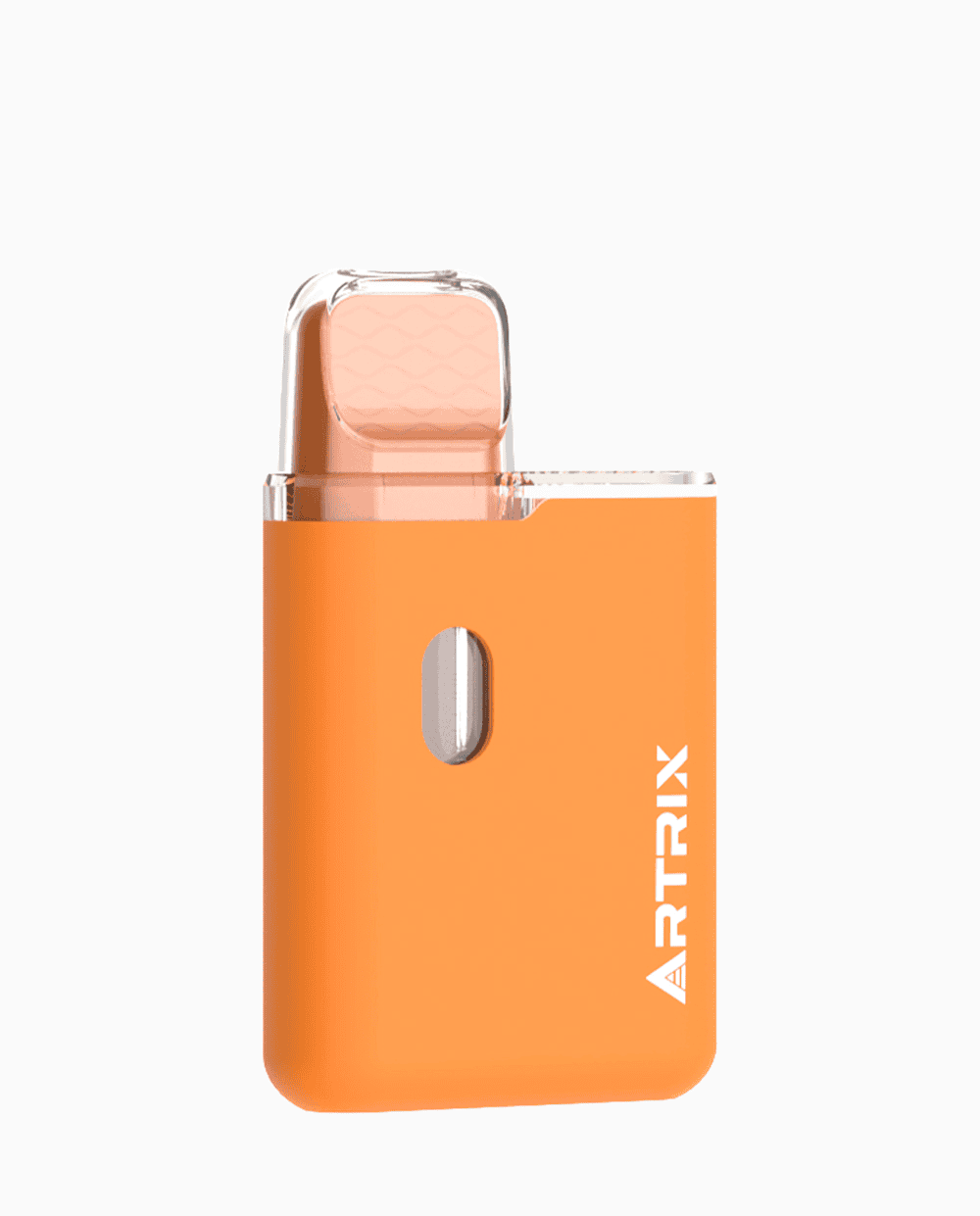
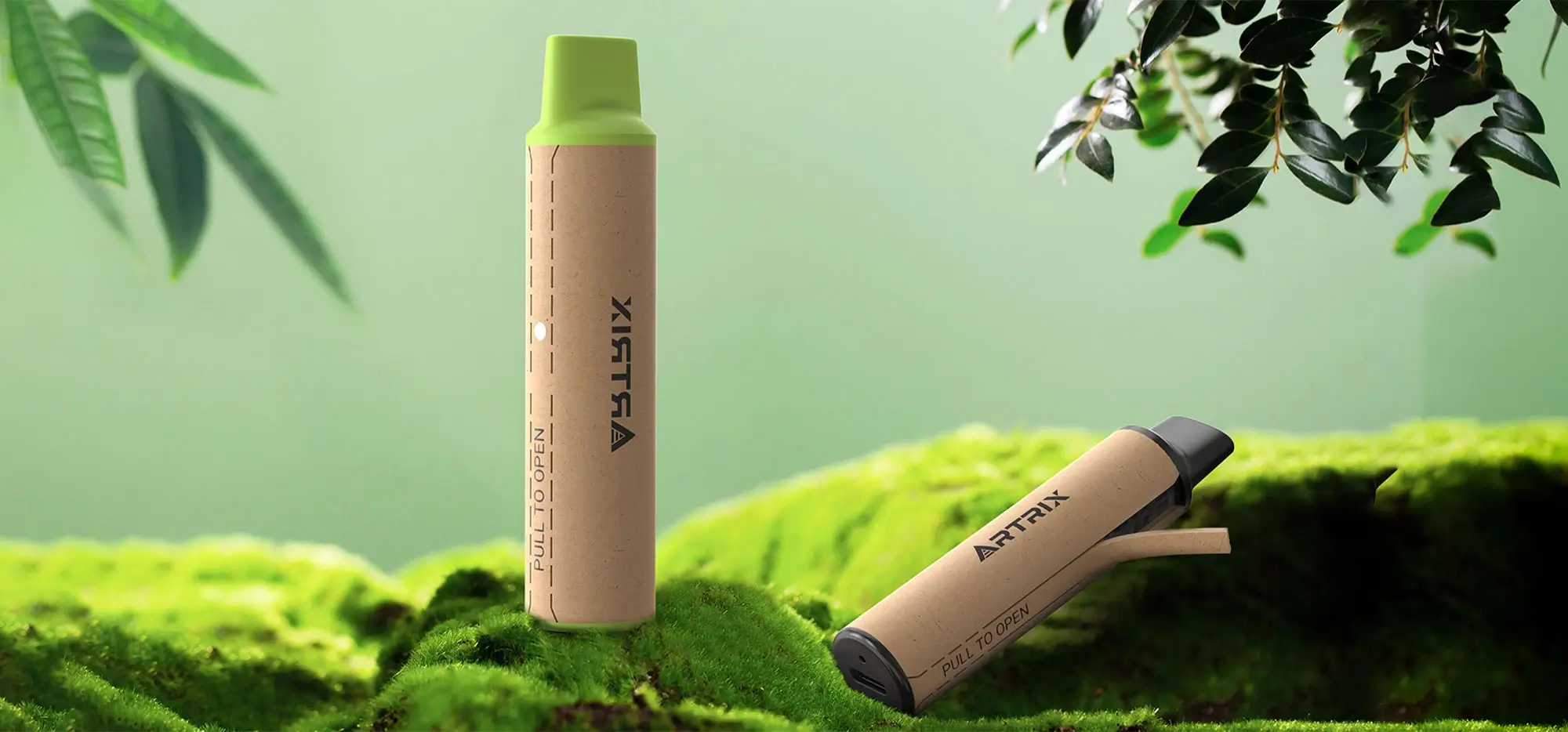
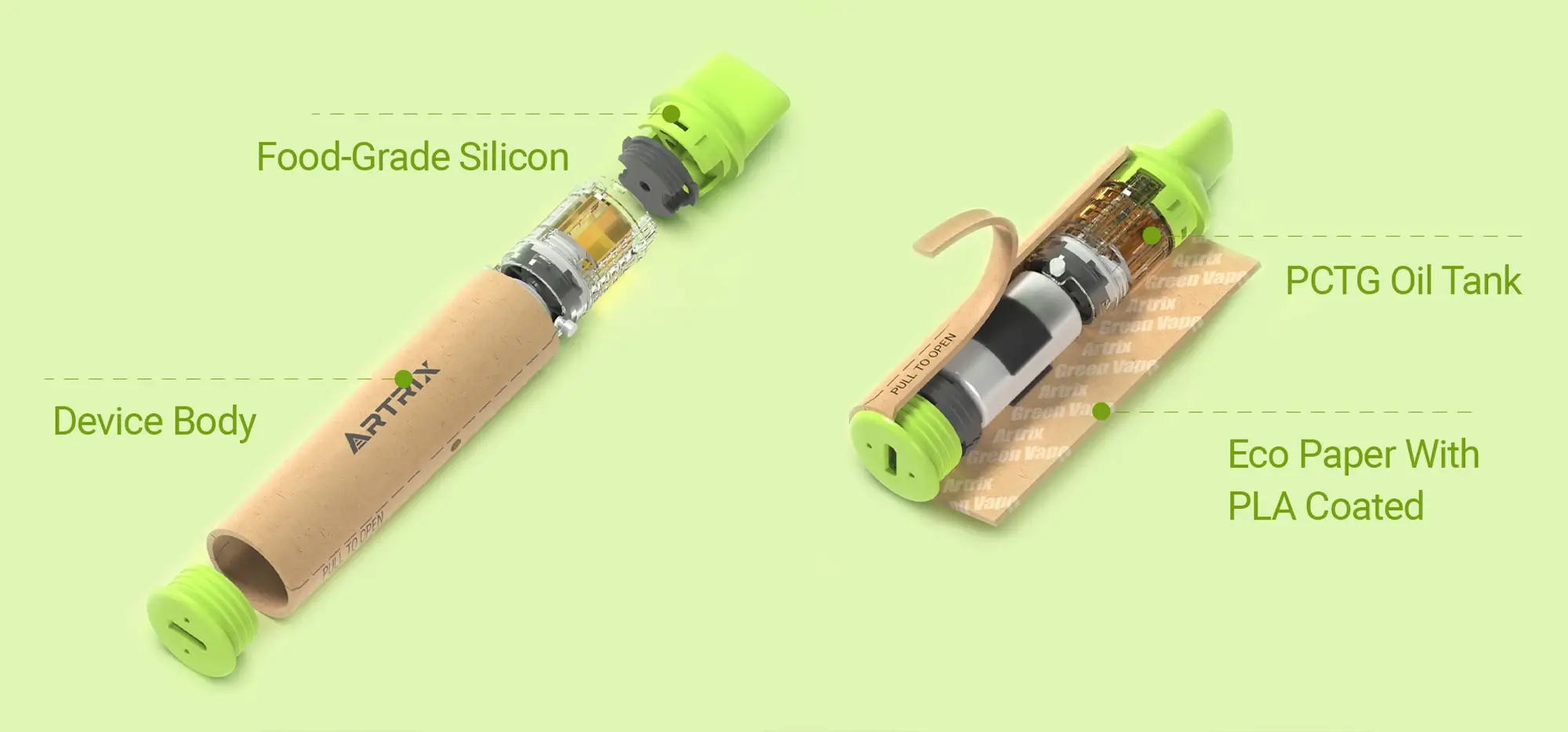
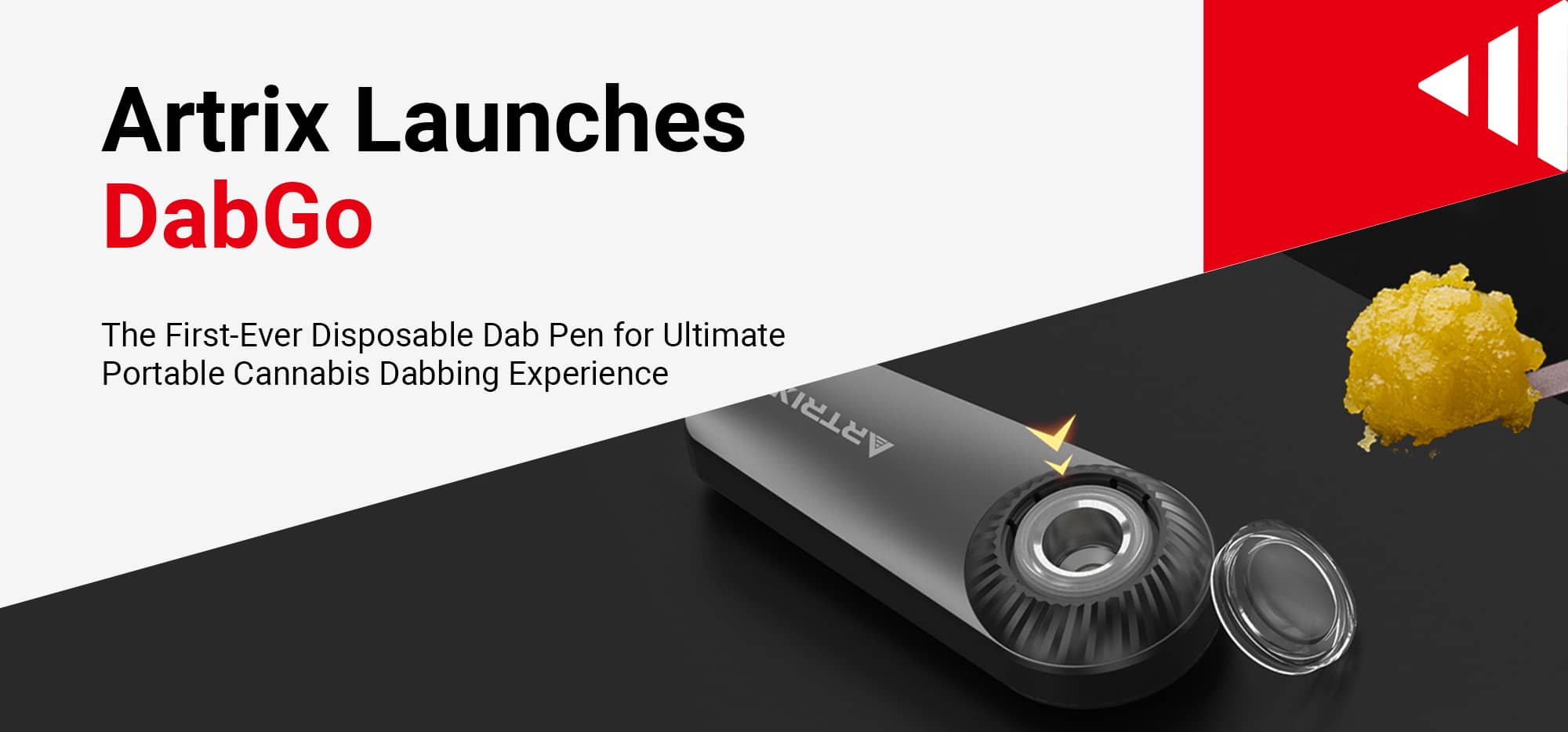
An all-in-one device combines the reservoir, heating assembly, and battery within one unit. “Disposable” describes an intended replacement or end-of-life arrangement, but does not settle every feature.
Pen: An Incomplete Description
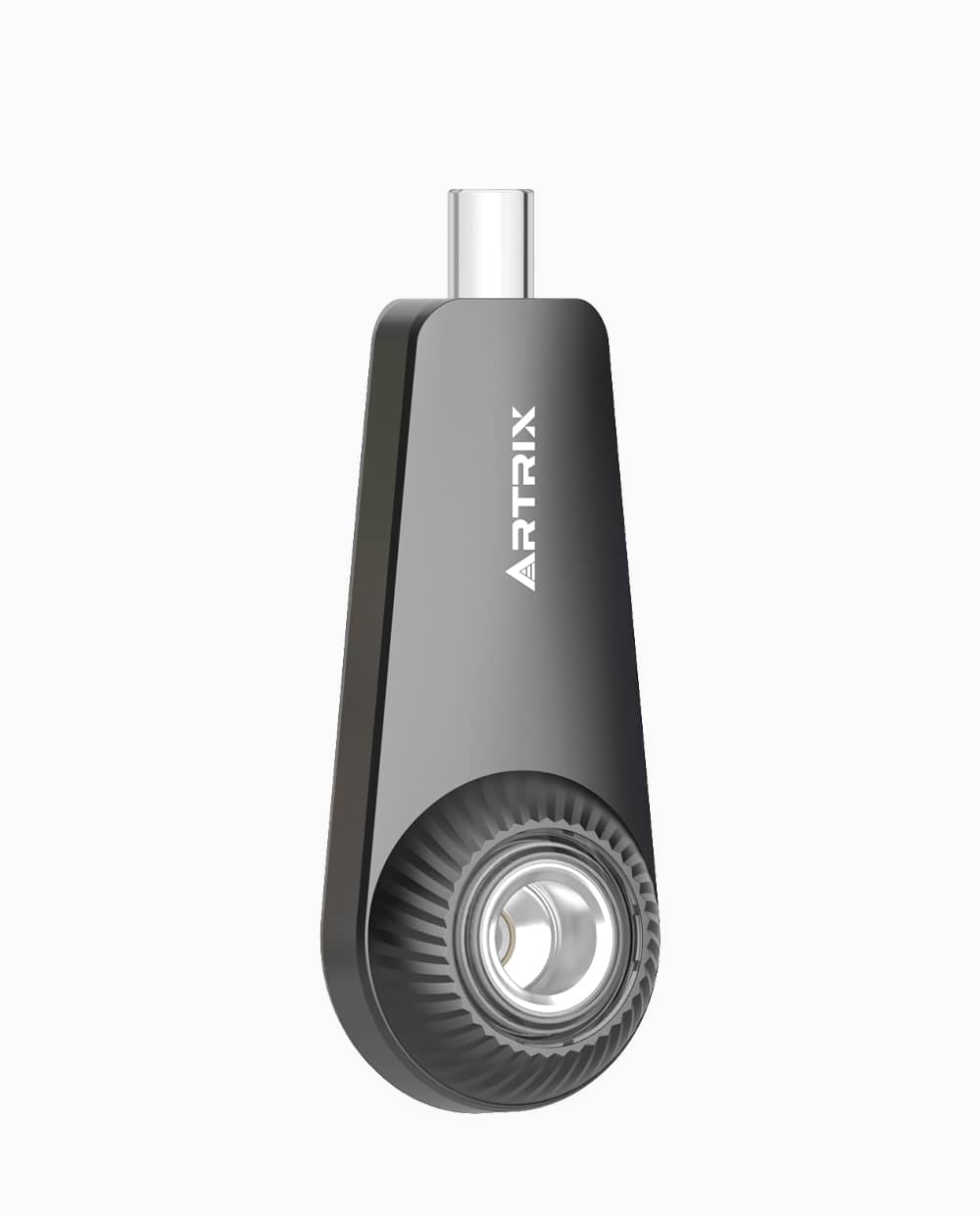
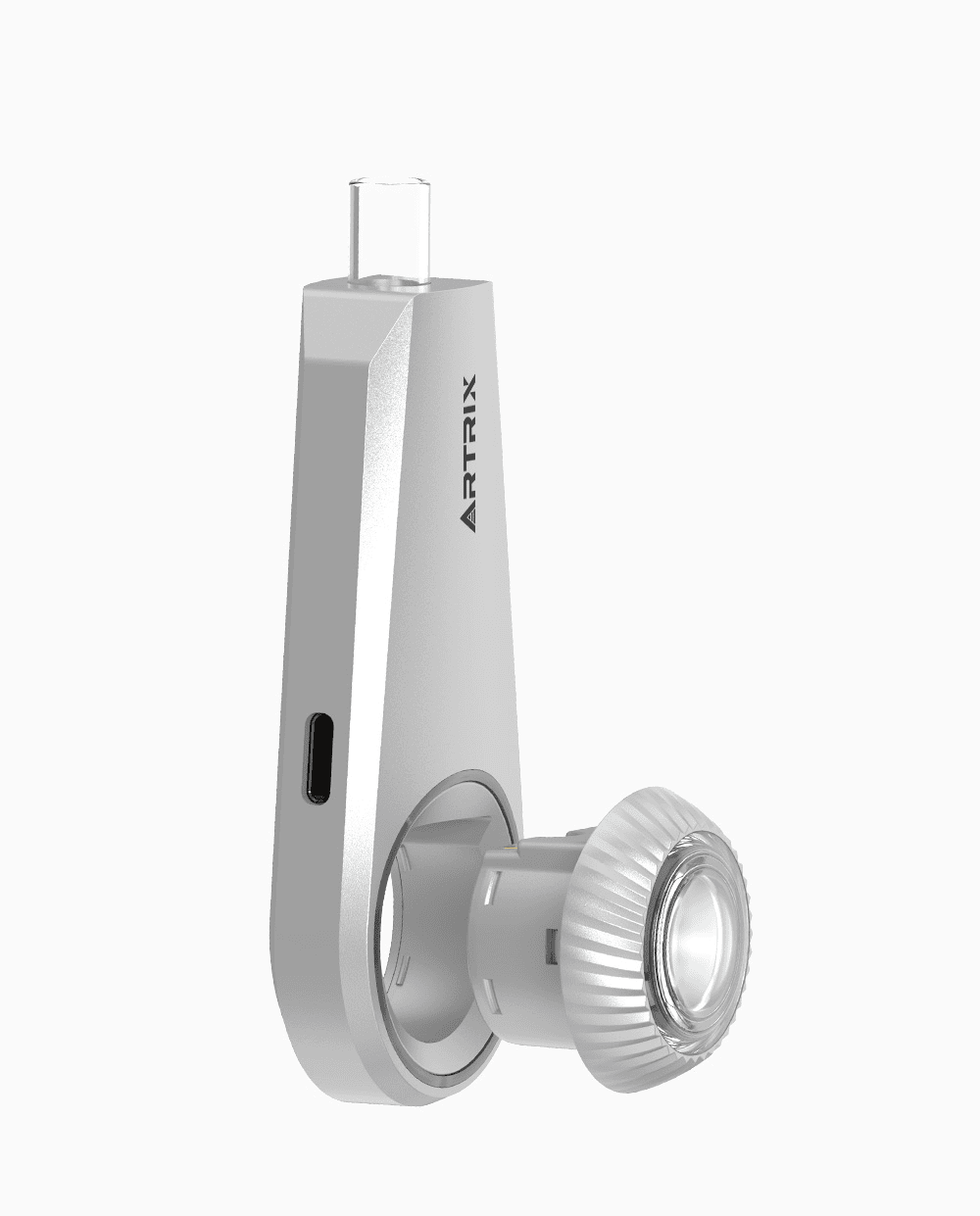
A listing that says only “vape pen” leaves the component arrangement unresolved. A photograph may suggest a shape, but the model description is needed to distinguish an integrated unit from a separate battery or a complete kit. A familiar appearance cannot replace that information.
What Information Is Available for Your Situation?
The useful distinction is between a general category question and an identifiable product. Knowing which information is available prevents a broad description from being mistaken for confirmation about a particular device.
If You Are Reading About Formats
Keep the comparison at the level the evidence supports: separate versus integrated components, documented rechargeability, and stated replacement arrangements. Without an exact model, there is no basis for claiming a particular charging method, operating control, or compatible accessory.
If You Already Have Hardware
Record the brand, model name, and any version identifier on the packaging. Separate components can have separate documentation. For instance, identifying an existing battery does not resolve the identity or specifications of a different cartridge. That remains an unanswered documentation question.
If Model Information Is Missing
An unmarked device remains unidentified, even when it resembles an online photograph. Ask the manufacturer for help identifying it. Do not fill missing information with instructions copied from a similarly shaped product, or treat a broad marketing name as a model number.
Understand the Whole Product Life Cycle
Hardware architecture explains where components are located; it does not establish total cost, lifespan, or environmental impact. Those conclusions require additional information about the specific product and its end-of-life arrangements.
| Question | Separate cartridge system | All-in-one device | What remains model-specific? |
|---|---|---|---|
| Where is the battery? | Separate from the cartridge. | Integrated into the device. | Exact construction and serviceability. |
| What is included? | A cartridge listing may not include a battery. | The hardware is integrated, but accessories may vary. | The package contents list. |
| Is it rechargeable? | A property of the separate power source. | A property of the integrated model. | The manufacturer’s stated charging capability. |
| What is replaceable? | Cartridge and power source are distinct components. | Integration does not establish user-replaceable parts. | The documented replacement arrangement. |
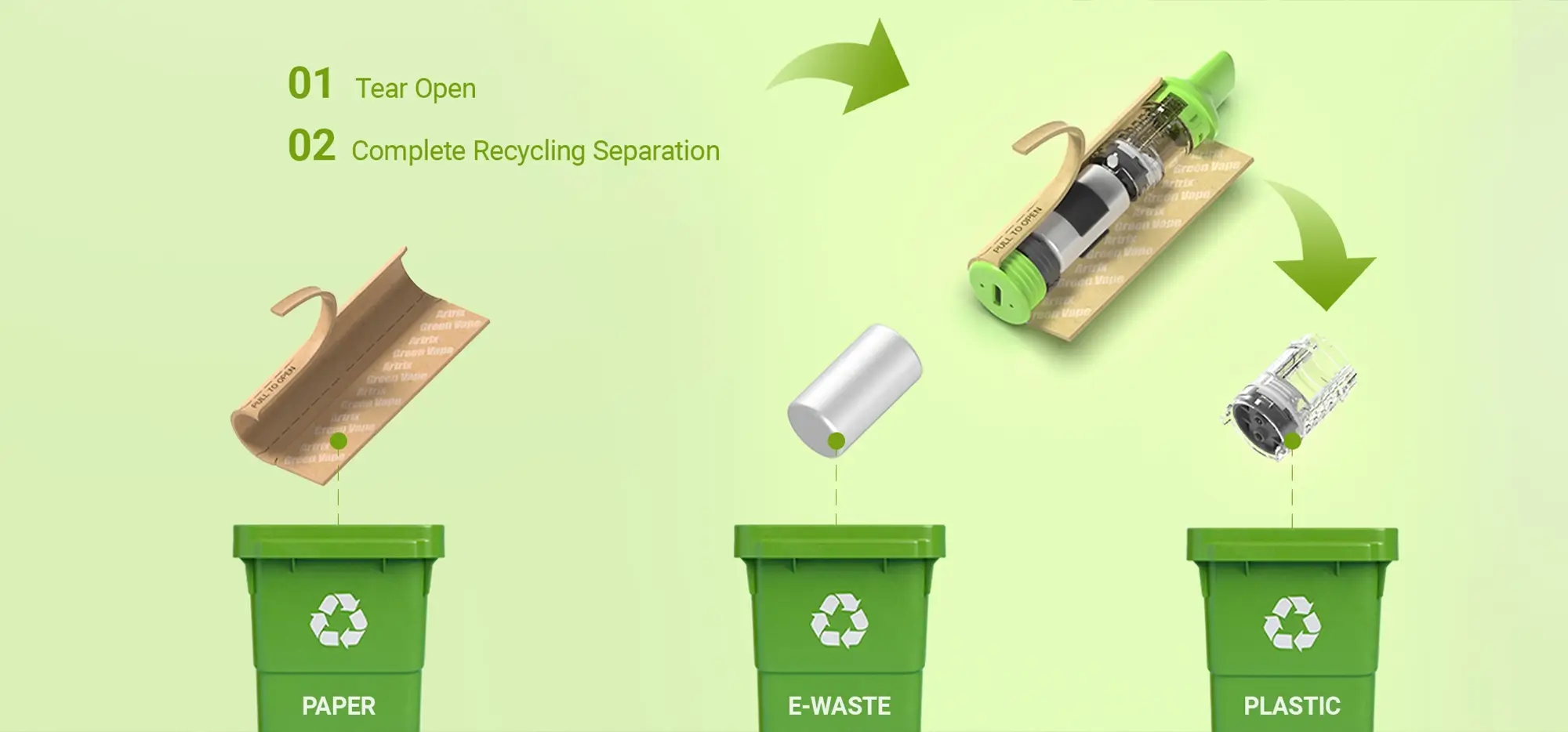
| What happens at end of life? | Different components may need different collection routes. | Battery-containing waste may remain within the unit. | Local acceptance rules and product construction. |
A displayed price cannot establish lifetime cost when the package contents and replacement assumptions differ. Likewise, an unspecified “puff count” cannot provide a dependable common denominator. This guide does not assign a universal lifespan or cost per draw to either format.
For devices containing lithium-ion batteries, the US EPA advises against disposal in household trash or municipal recycling bins. Its battery disposal guidance directs consumers to appropriate collection options. Ask the local waste program whether it accepts intact devices containing cannabis residue; general battery guidance does not establish acceptance of every finished product.
Already Have a Product? Identify the Right Documentation
The relevant documentation should match the product’s identity and component arrangement. A general article can explain vocabulary, but it cannot validate a device or substitute for its manufacturer’s documentation.
-
- Separate cartridge: keep the cartridge identity and the separate power-source identity distinct.
-
- Integrated device: identify the complete model and version.
-
- Unclear identity: ask the manufacturer to identify the product before relying on model-specific claims.
Keep any instructions for one format within their stated scope. A reference to attaching a cartridge does not apply to every device called a vape. Neither a contents label nor the word “pen” establishes an operating procedure.
Frequently Asked Questions
Is a vape pen always a disposable?
No. “Pen” alone does not establish whether the hardware is integrated, replaceable, or rechargeable. Look for a model description that identifies the component arrangement.
Does every cartridge work with every 510 battery?
Universal compatibility cannot be established from “510” alone. The connector term does not replace documentation addressing the specific components.
Are all disposables rechargeable?
The word “disposable” does not establish rechargeability. Some models explicitly document that feature; do not assume an unidentified device has it.
Does the format determine potency?
A hardware format does not establish the cannabinoid concentration of its contents. Composition claims need product-specific evidence, independently of the housing or connector.
Where should I look if a device stops working?
Contact the manufacturer’s support service with the model identifier and a description of the problem. A category name alone is insufficient to diagnose a fault.
Keep the Label and the Hardware Separate
“Liquid diamond,” “cartridge,” “all-in-one,” and “pen” answer different questions. Distinguishing them makes product descriptions easier to interpret and exposes missing information. Use category articles for terminology, product records for composition claims, and exact-model documentation for hardware facts.