-1.webp)
-1.webp)
-2.webp)





What is Liquid Diamonds: THC Potency, Purity & Consumptions
Amid the hype of the cannabis industry, many suppliers have innovatively introduced new methods to consume cannabis. One of these innovations is liquid diamonds.
Key Takeaways
Liquid diamonds are among the strongest cannabis concentrates, with Delta 9 THC percentages that can hit above 90% for some peak potency, providing robust, enduring effects.
Tying it all together, there are THCA crystals suspended in sauce rich in terpenes.
Dab it, vape it, roll it, add it to flower and smoke it – a customizable experience to fit each user Liquid diamonds.
THCA and terpenes work in tandem to create an entourage effect, amplifying the Total Cannabis experience.
Liquid diamonds are made through specific extraction techniques, which gives you the most purity/ the most potency before crystallization and recombination.
What is a liquid diamonds?
It combines THCa diamonds and highly viscous, high-terpene cannabis extract, resulting in a clear and potent concentrate.
How to make liquid diamonds?
To understand how it is made, a short lesson on the live resin is needed:
Live Resin Extraction:
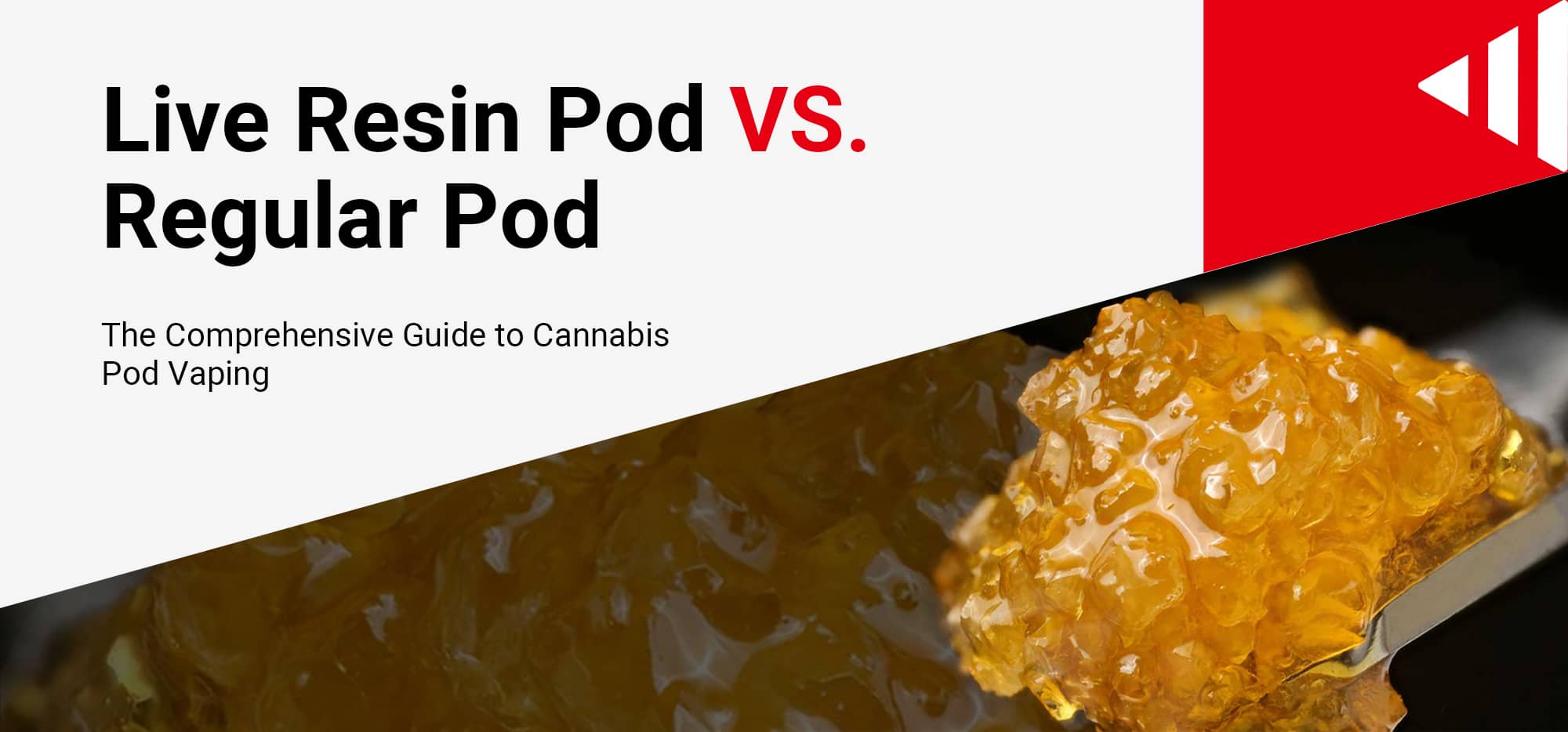
Live resin is produced using raw, frozen cannabis flowers. The final product has a more fulfilling structure of terpenes, flavors and cannabinoids by using living plants. They are then flash-frozen with dry ice or liquid nitrogen to accomplish this.
Crystallization & Growth of Diamonds:
After extraction, the live resin is crystallized. Over this process, a tiny amount of solvent remains in the extract and after purging this for long enough, THCa will form crystals. These diamonds or crystals can be pure ranging from 95% to 99%.
Separation & Decarboxylation:
After crystallization, the solid THCa diamonds need to be separated from the live resin sauce. Each of those diamonds must then undergo decarboxylation. It is a heat-driven conversion from THCa to its active compound Delta 9 THC. THCa diamonds melt into a liquid state when exposed to heat. THCa converts to Delta 9 THC with heat and the longer the heat is applied the more THCa that converts into Delta 9 THC which remains liquid at room temperature.
Now that you know what liquid diamond is, let’s look at its benefits, forms, and consumption methods!
Why Should You Choose Liquid Diamonds?
It offers several benefits worth considering before making a purchase.
#1 High Potency
As mentioned, the mixture concentrate is high in THC. How potent is it? Its THC content can exceed 97%! In comparison, distillates, another potent cannabis form, typically hover around 93%. This makes it perfect for those seeking a highly potent cannabis form.
#2 Free from Impurities
Although made from live resin, the advanced production process of liquid diamonds ensures their purity. The double purging process results in a pure liquid diamond form, retaining the terpene profiles, making it extremely flavorful and favorable.
#3 Tailored Experience
The unique structure of the it allows for composition with THCA crystals and terpene-rich sauce, providing the ability to tailor an experience. Users can modify the effects by modifying the ratio of the crystals to the aromatic sauce.
#4 Strength
Liquid diamonds are very potent, so a little bit goes a long way. Despite the usually higher price tag, that efficiency can translate into a cost-effective solution for some users.
#5 Cannabinoids and Terpene Preservation
The extraction method utilized to produce liquid diamonds retains a wide array of cannabinoids and terpenes. This preservation may then allow for a more layered and perhaps impactful experience to occur through the entourage effect.
#6 Consistent and Dependable
Liquid diamonds can often offer a more uniform and reliable experience than alternative wax products. Such strain reliability can be important to medical users or those chasing certain effects.
#7 Versatile
It is consumed in a variety of ways. Whether you prefer using a liquid diamond disposable, a liquid diamond cart, or another form of liquid diamond vape, the next section will discuss various ways to get your best dose in consumption.
How To Use Liquid Diamonds?
Using liquid diamonds requires heat to trigger decarboxylation, which activates the THC content and turns it into liquid form. Here are the different consumption methods.
#1 Liquid Diamond Vape
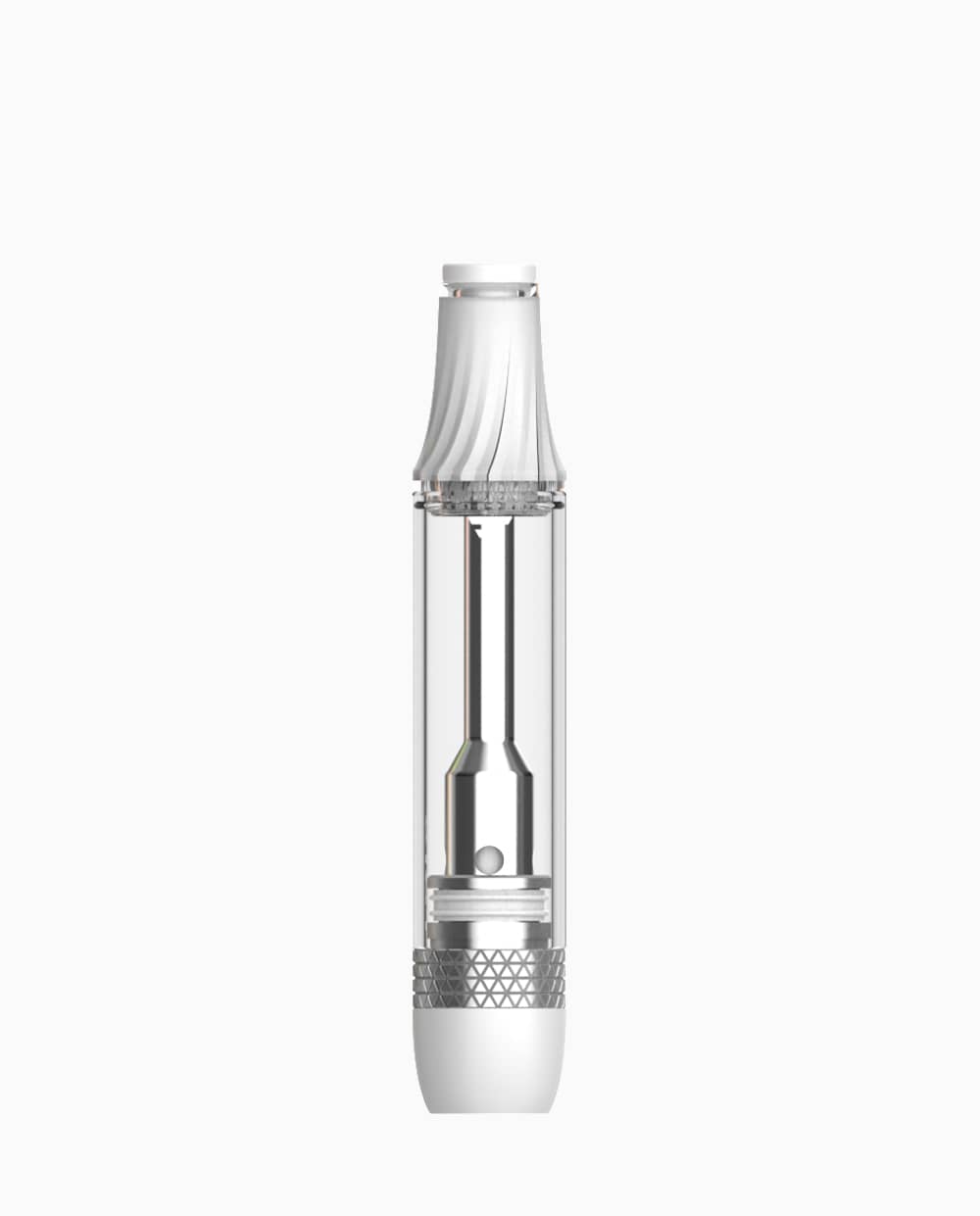
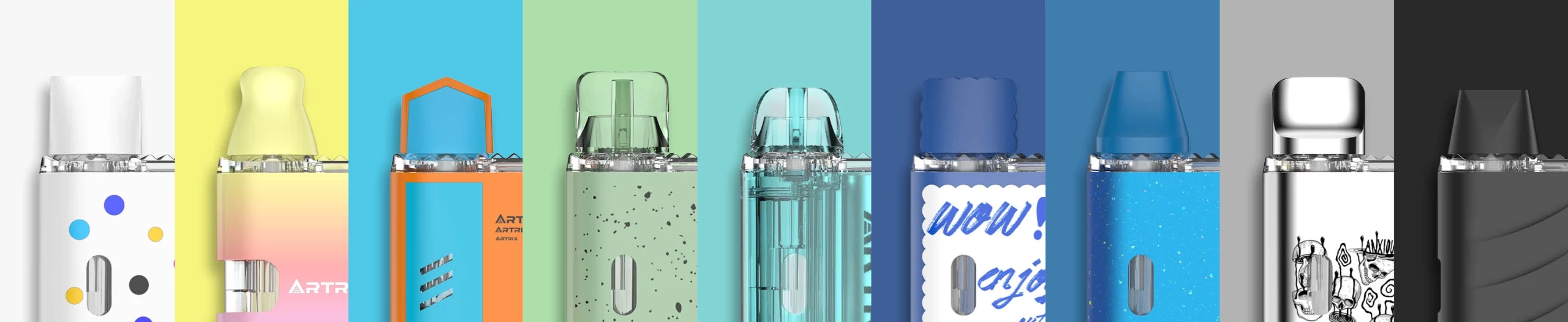
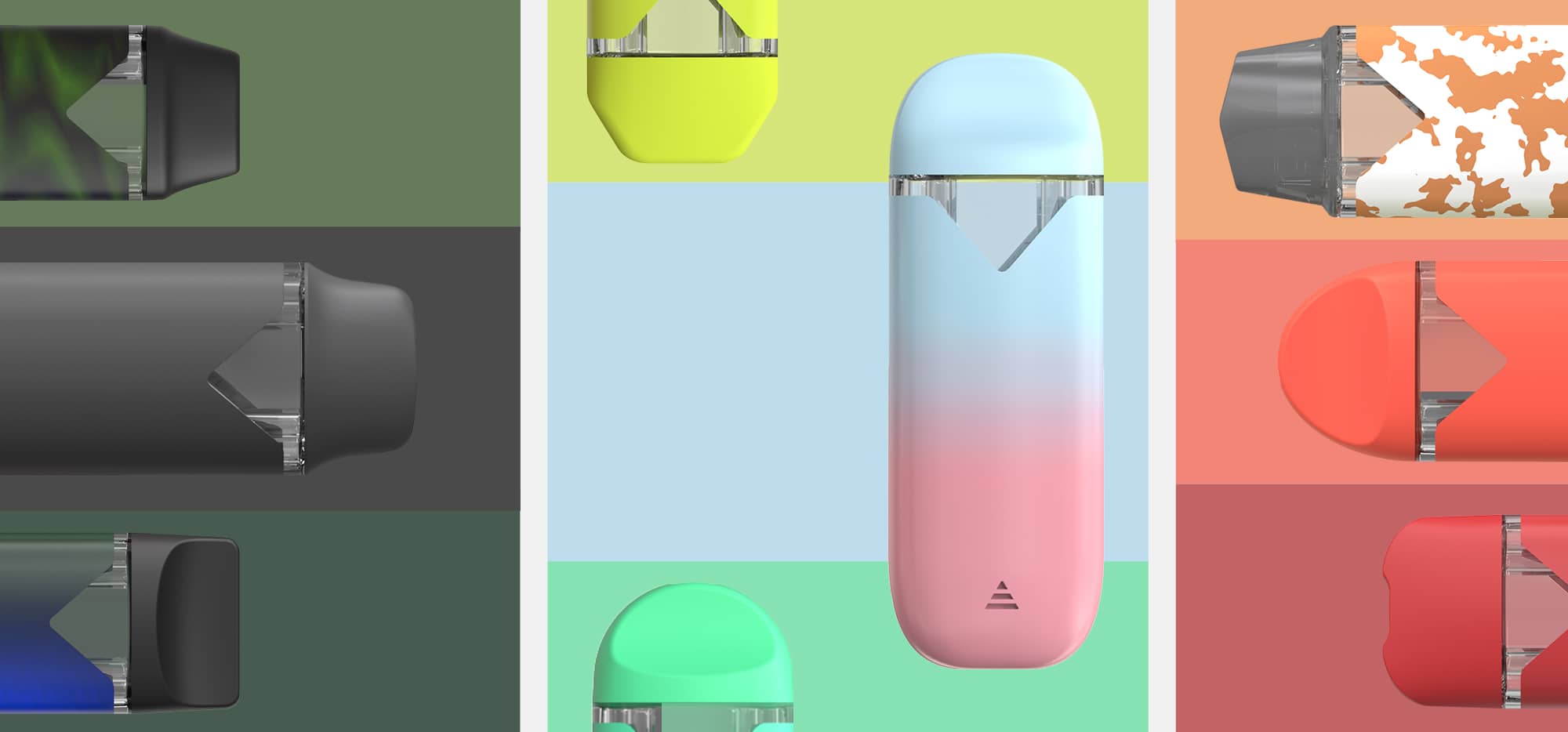
Liquid diamond vapes have become a popular choice for enjoying this premium concentrate. For instance, it comes in the liquid diamond cart, which are convenient and easy to carry. Ensure your vape battery is fully charged, attach your cart, and inhale wherever you go!
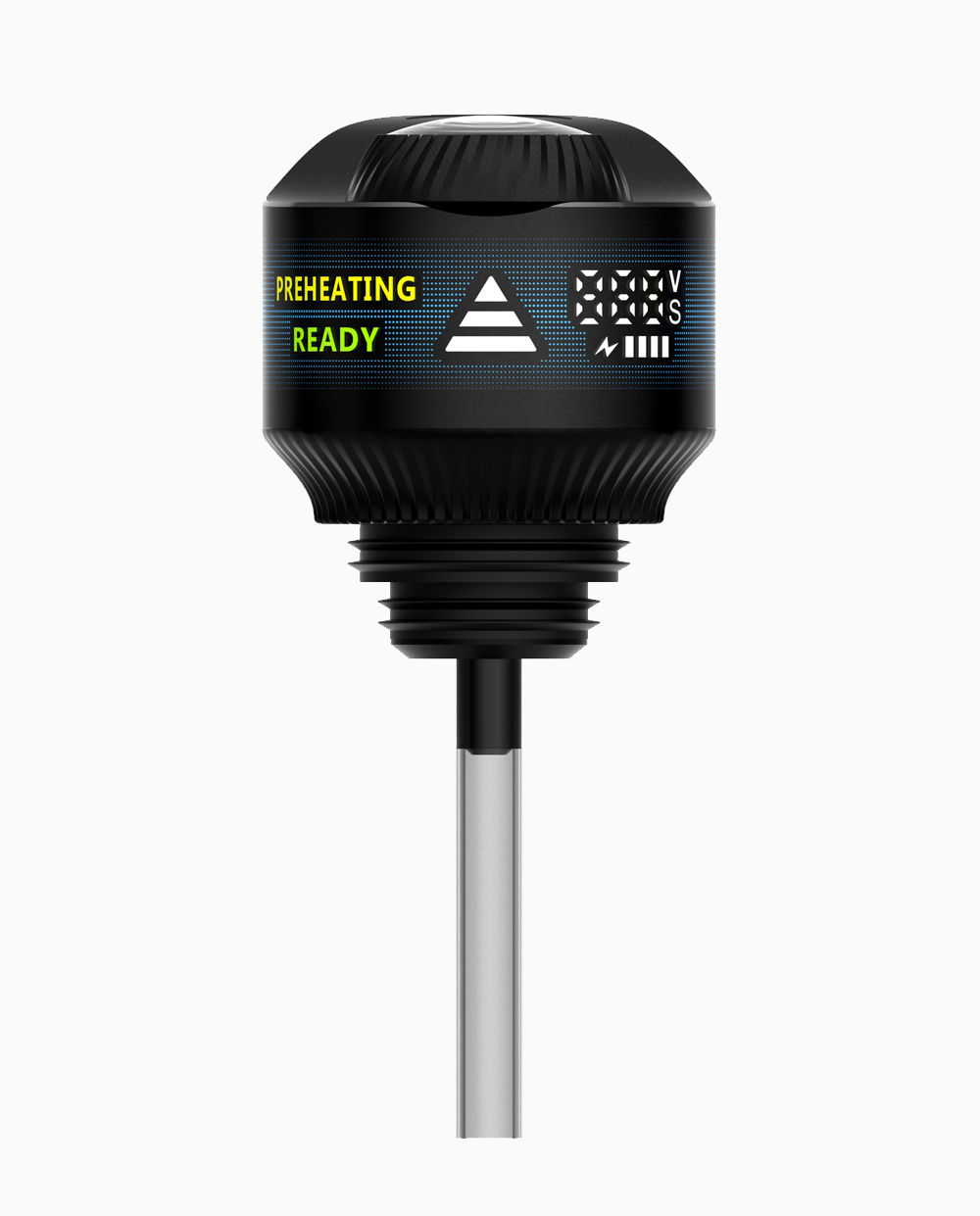
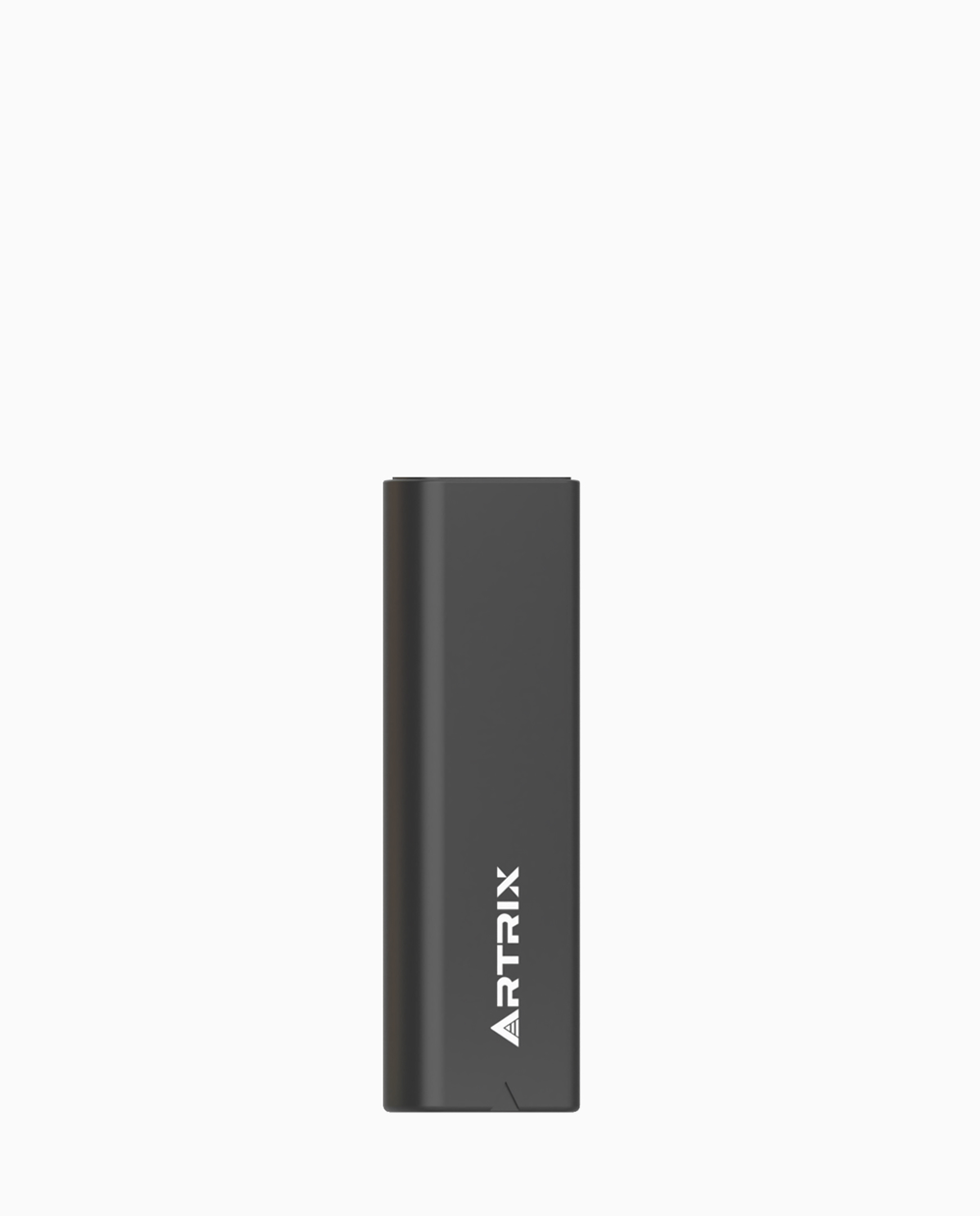
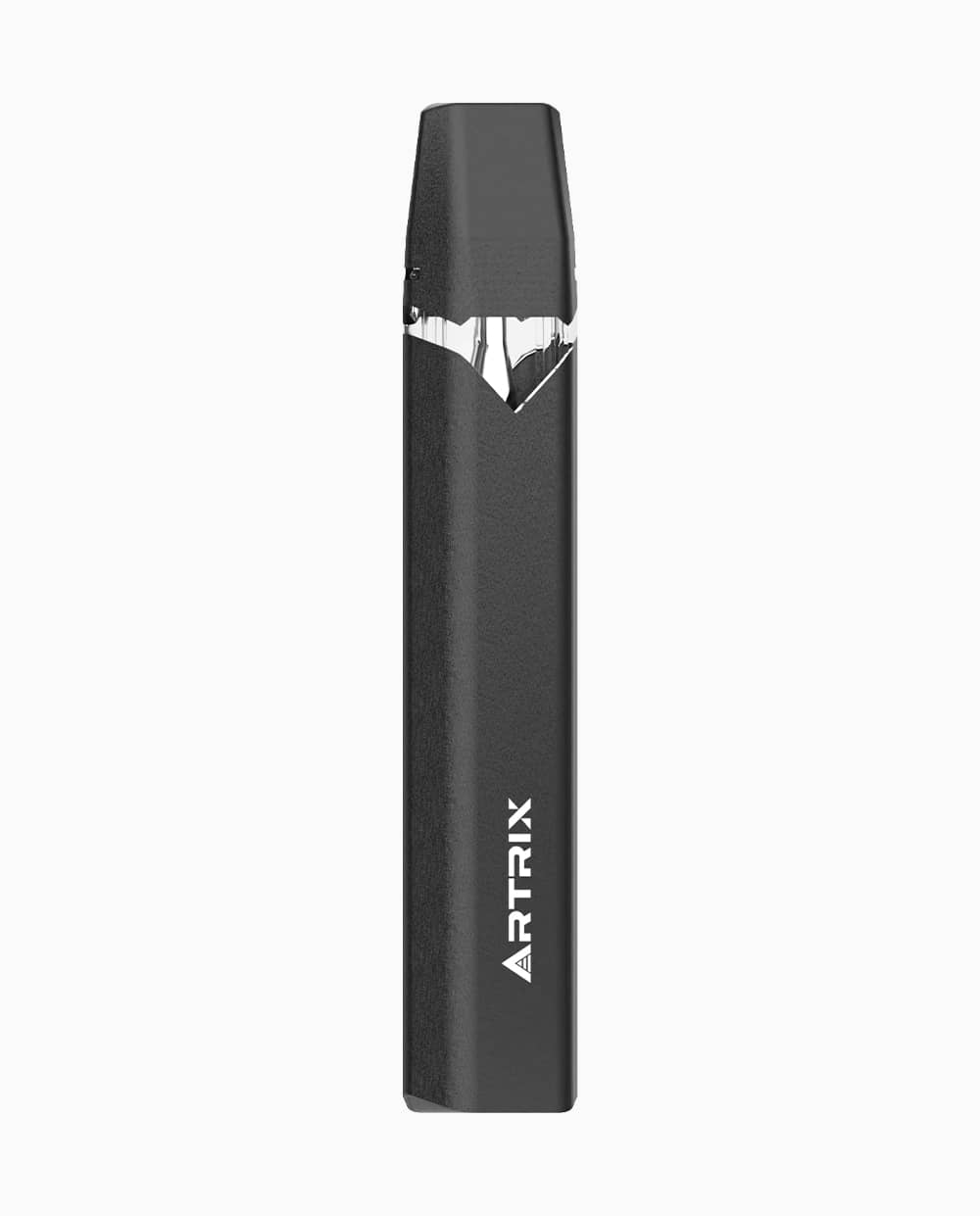
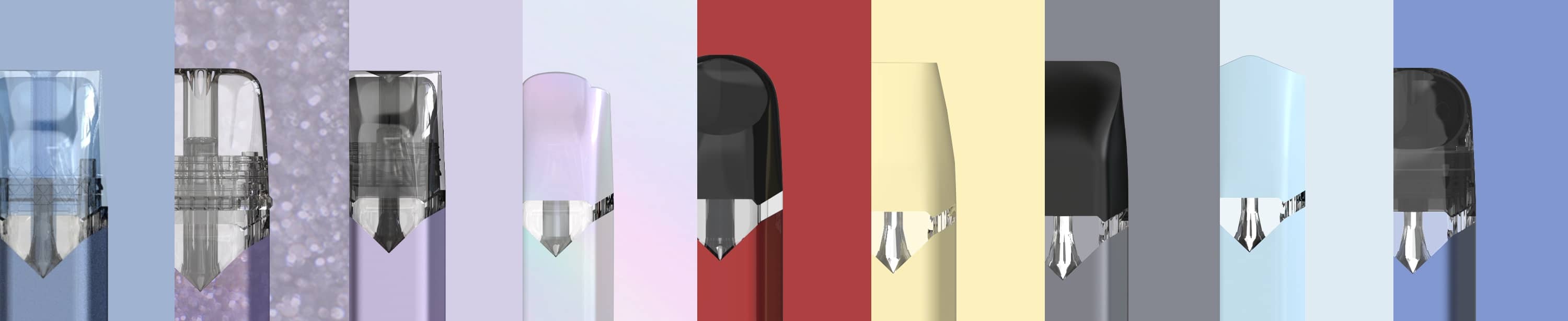
We recommend reliable vape carts like the Artrix Drillor™ postless cart . This sleek, ergonomic design offers exceptional vaporization capacity, perfectly suited to extract the full flavor of liquid diamonds. With its extended battery life, it’s ideal for portability and on-the-go enjoyment.
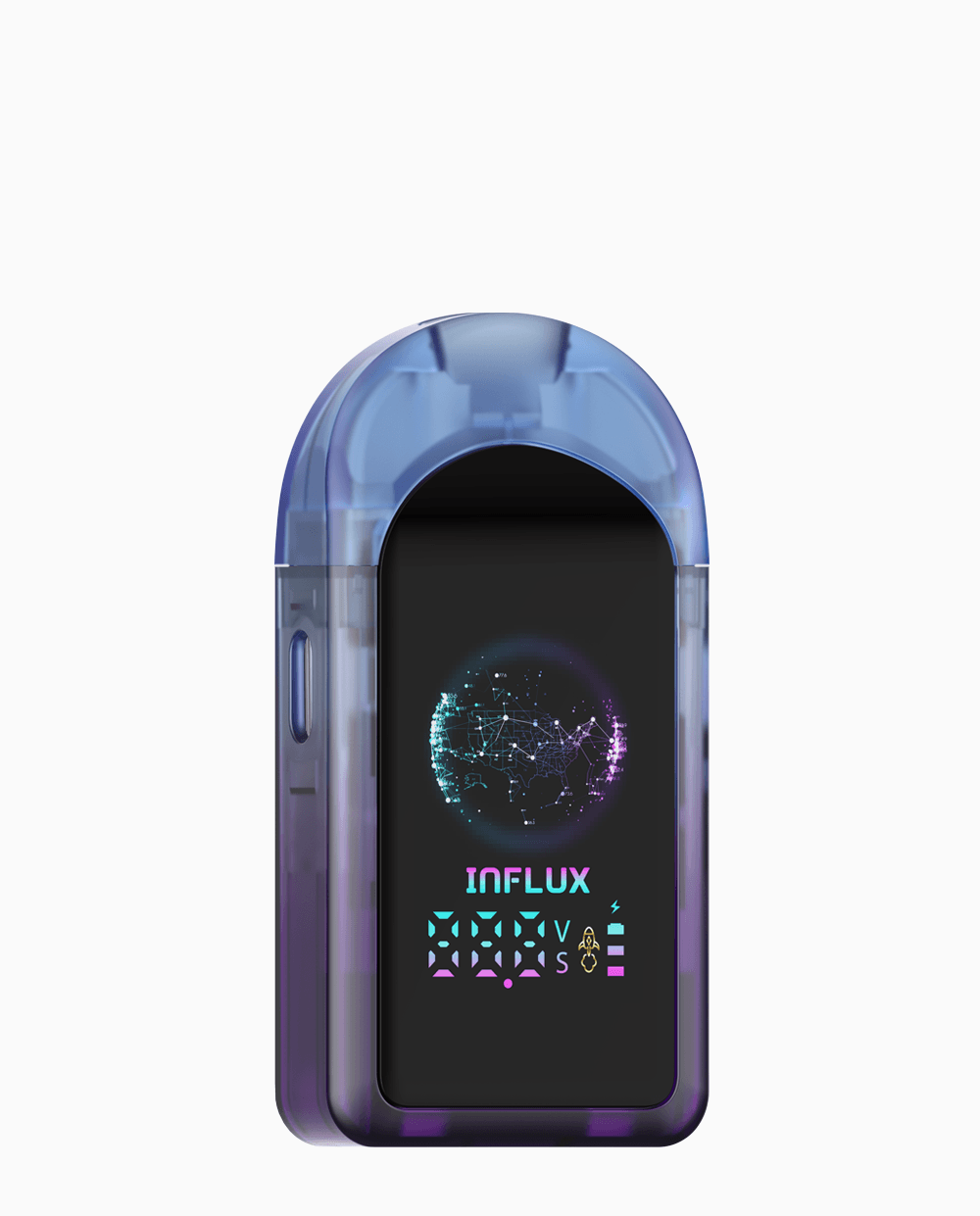
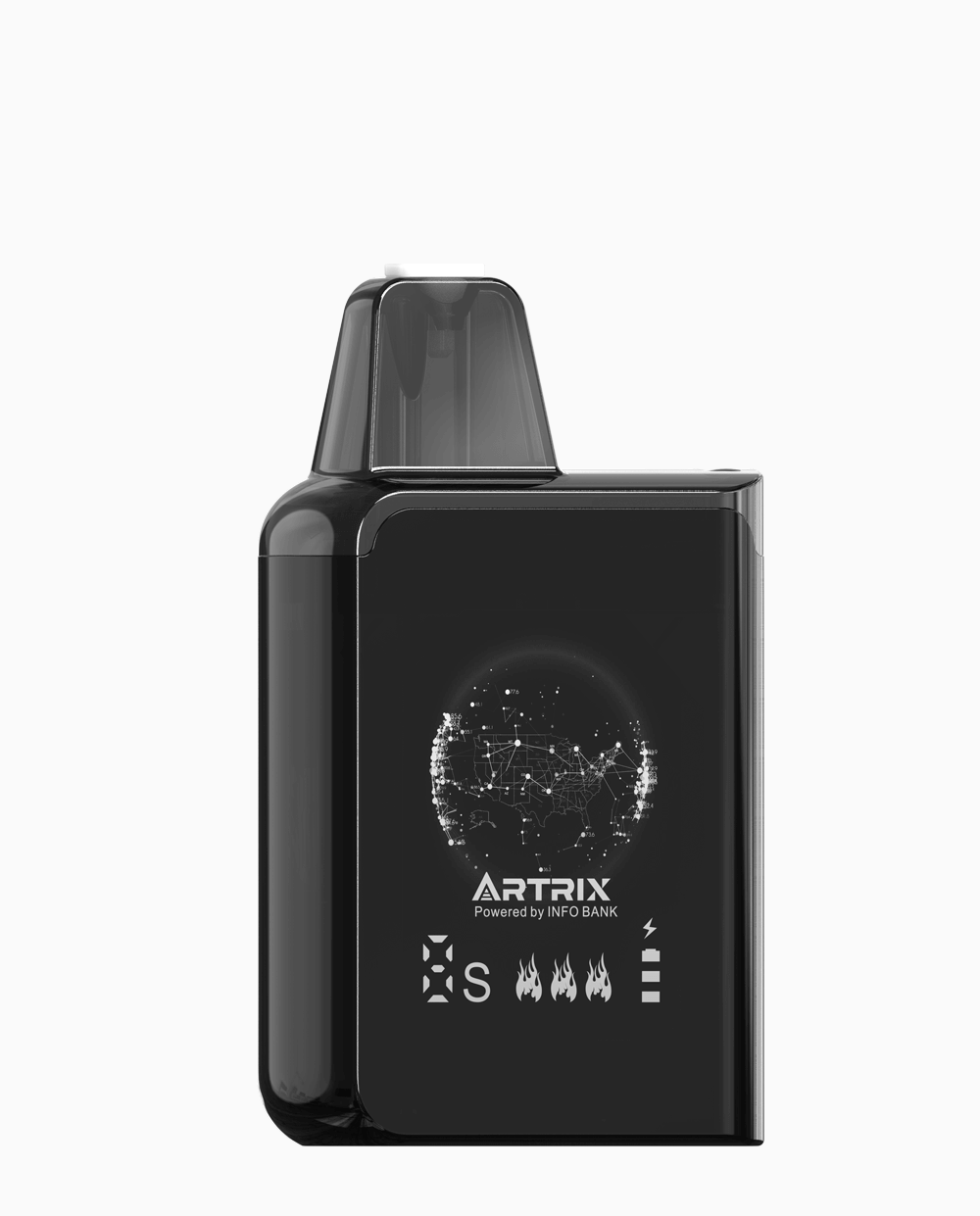
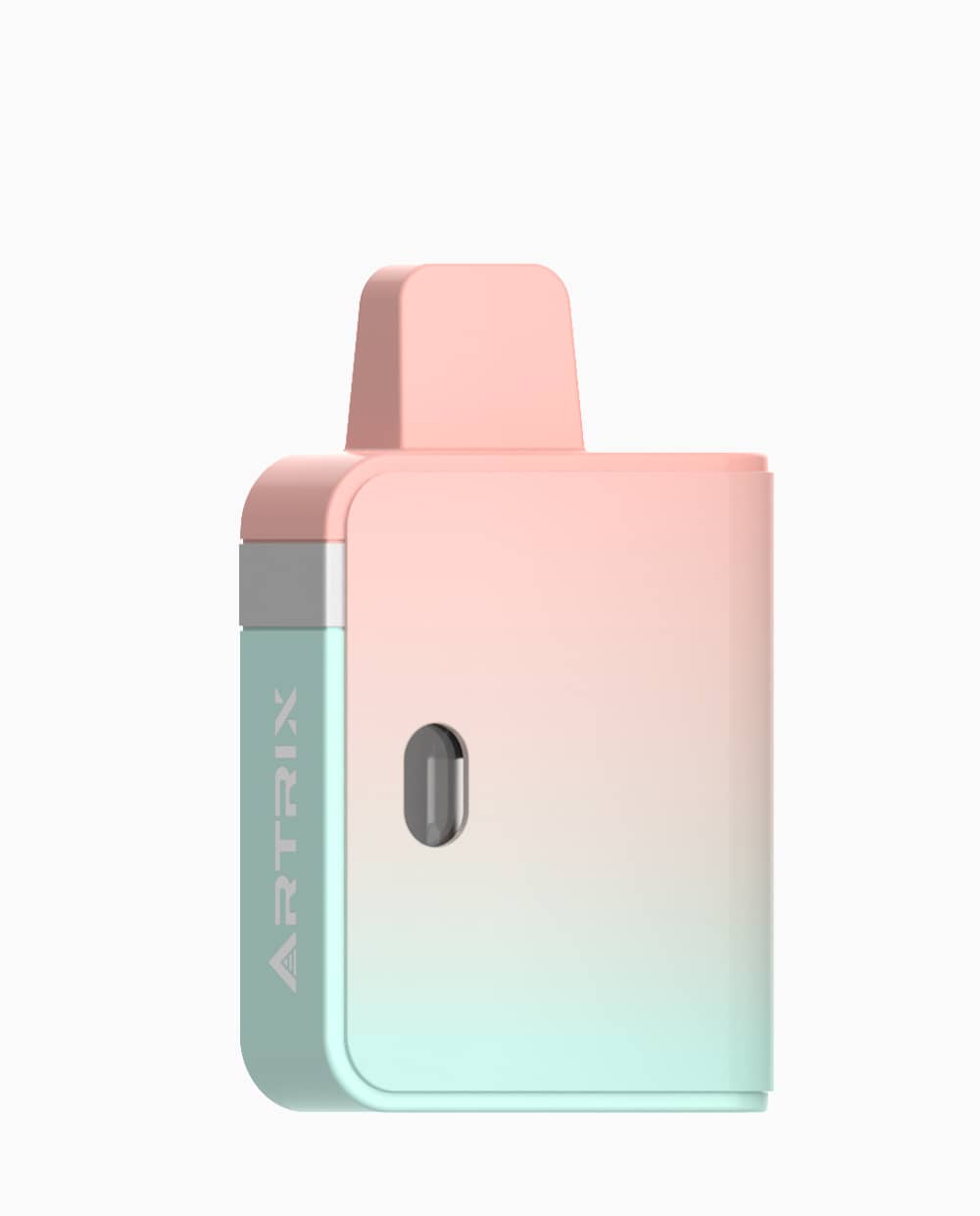
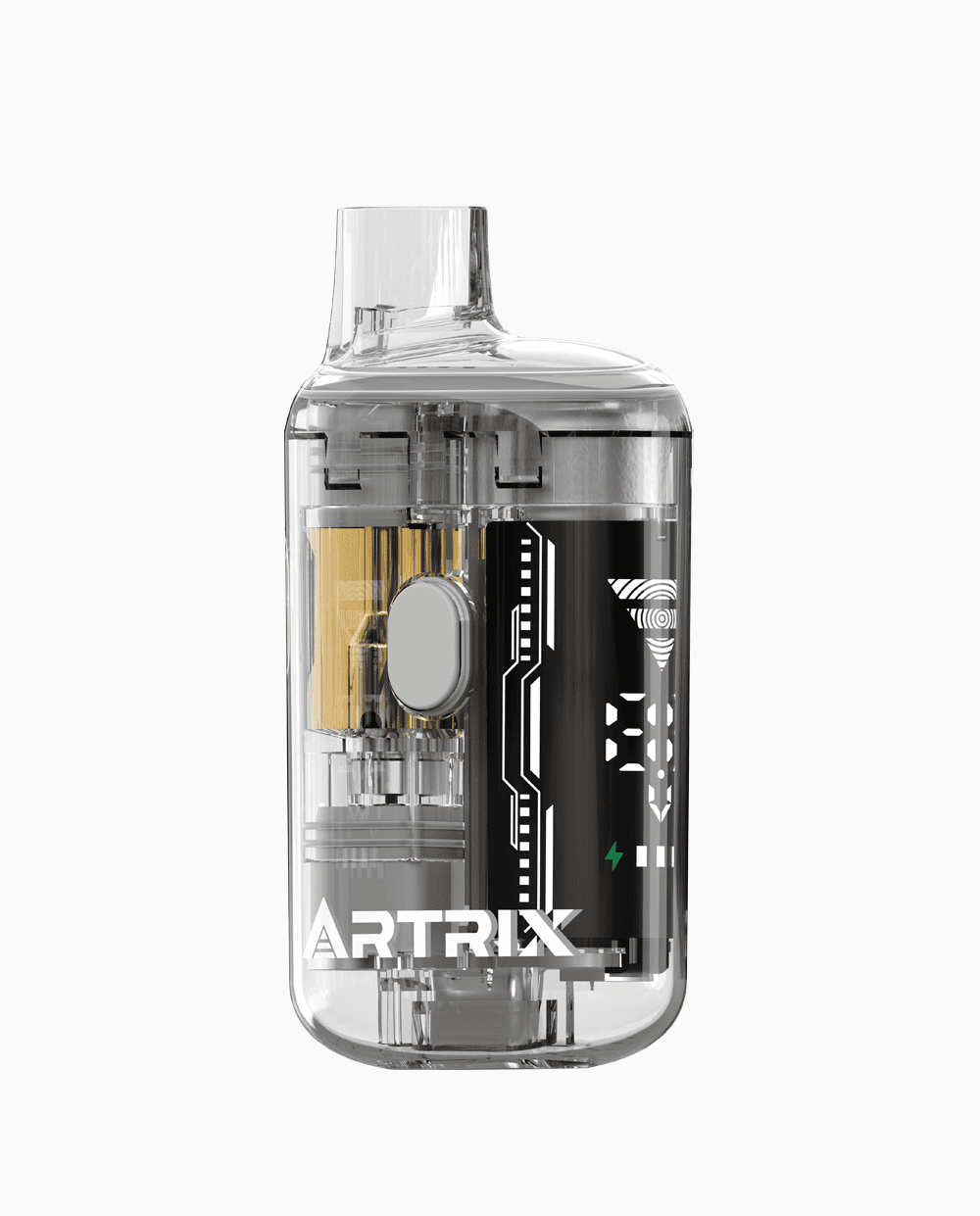
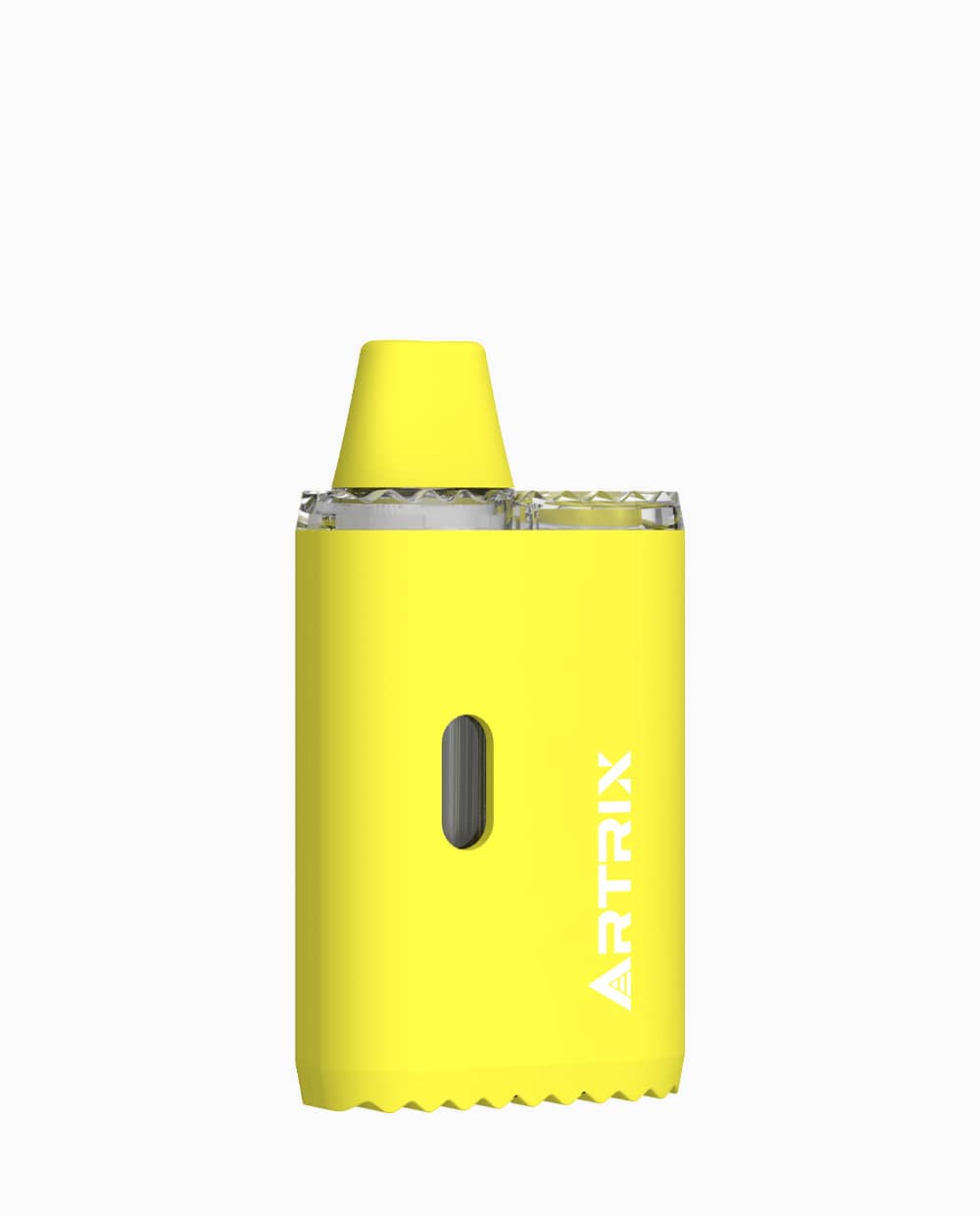
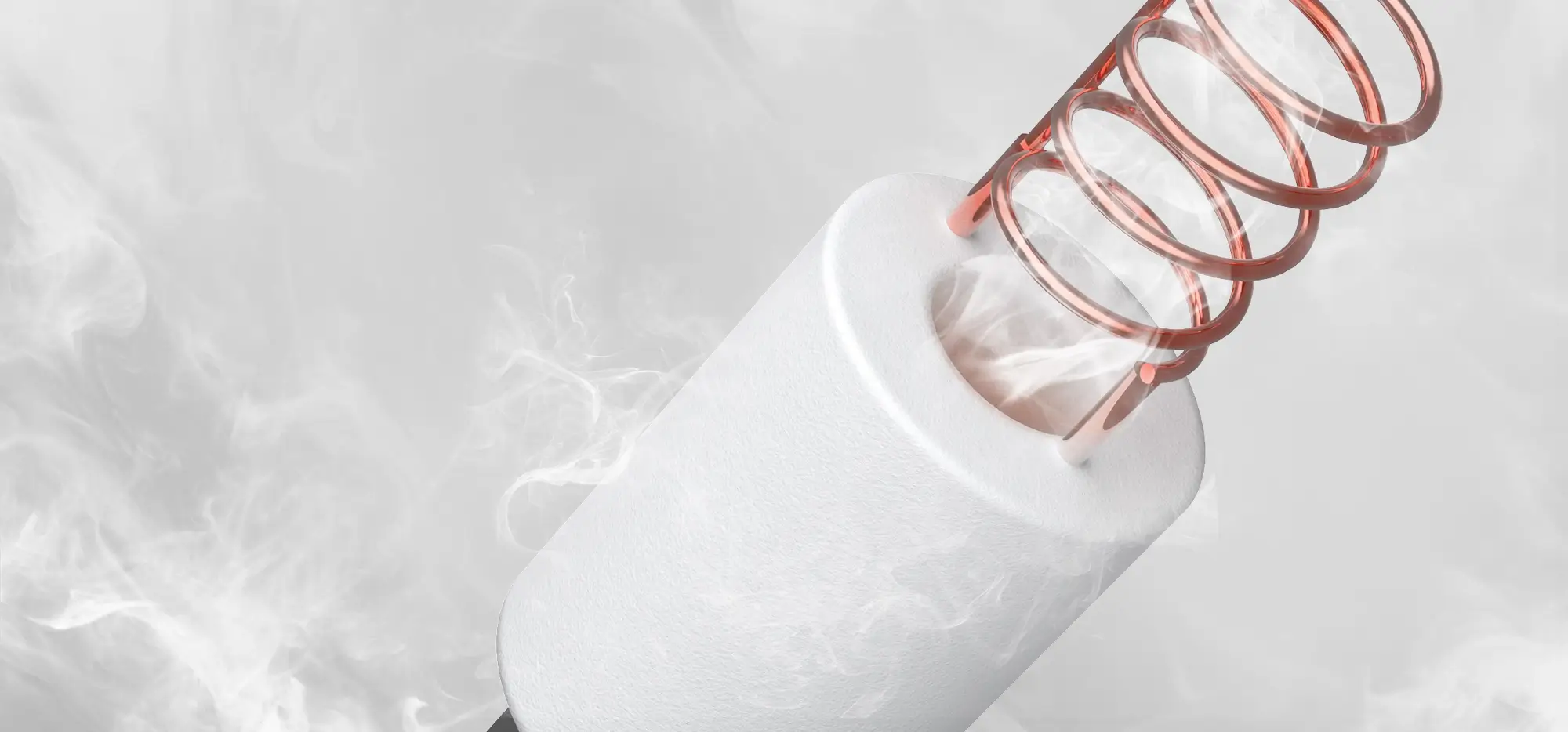
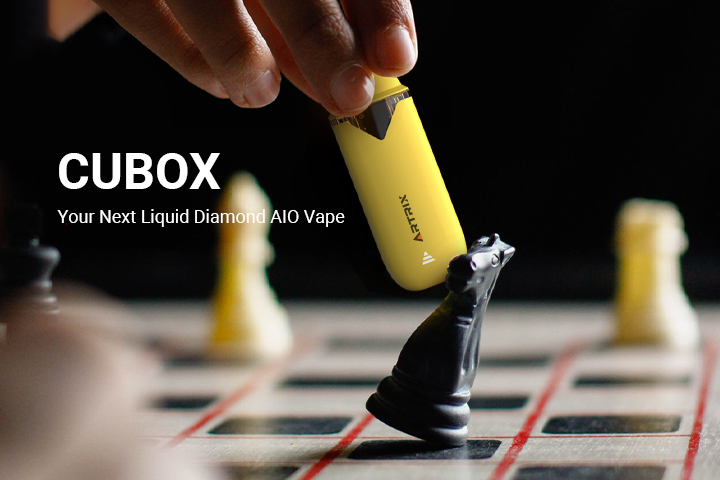
For beginners, try single-use disposable products. Artrix Cubox™ box vape is a sought-after compact-sized disposable. Featuring a cutting-edge mesh ceramic heating core and dual air pathway, it ensures you get the most flavorful experience and highest times with your liquid diamond vape.
#2 Liquid Diamond Dabbing
Dabbing is a traditional but highly effective method of consuming cannabis concentrates, including liquid diamonds. To dab, you need essential tools like a dab rig, nail, torch, and dabber.
How do you dab liquid diamonds? First, heat the nail with the torch until it’s red hot, then let it cool slightly. Use the dabber to apply a small amount of the cannabis concentrate onto the nail. The dabbing device will vaporize it instantly, allowing you to inhale the potent vapor through the mouthpiece of the dab rig.
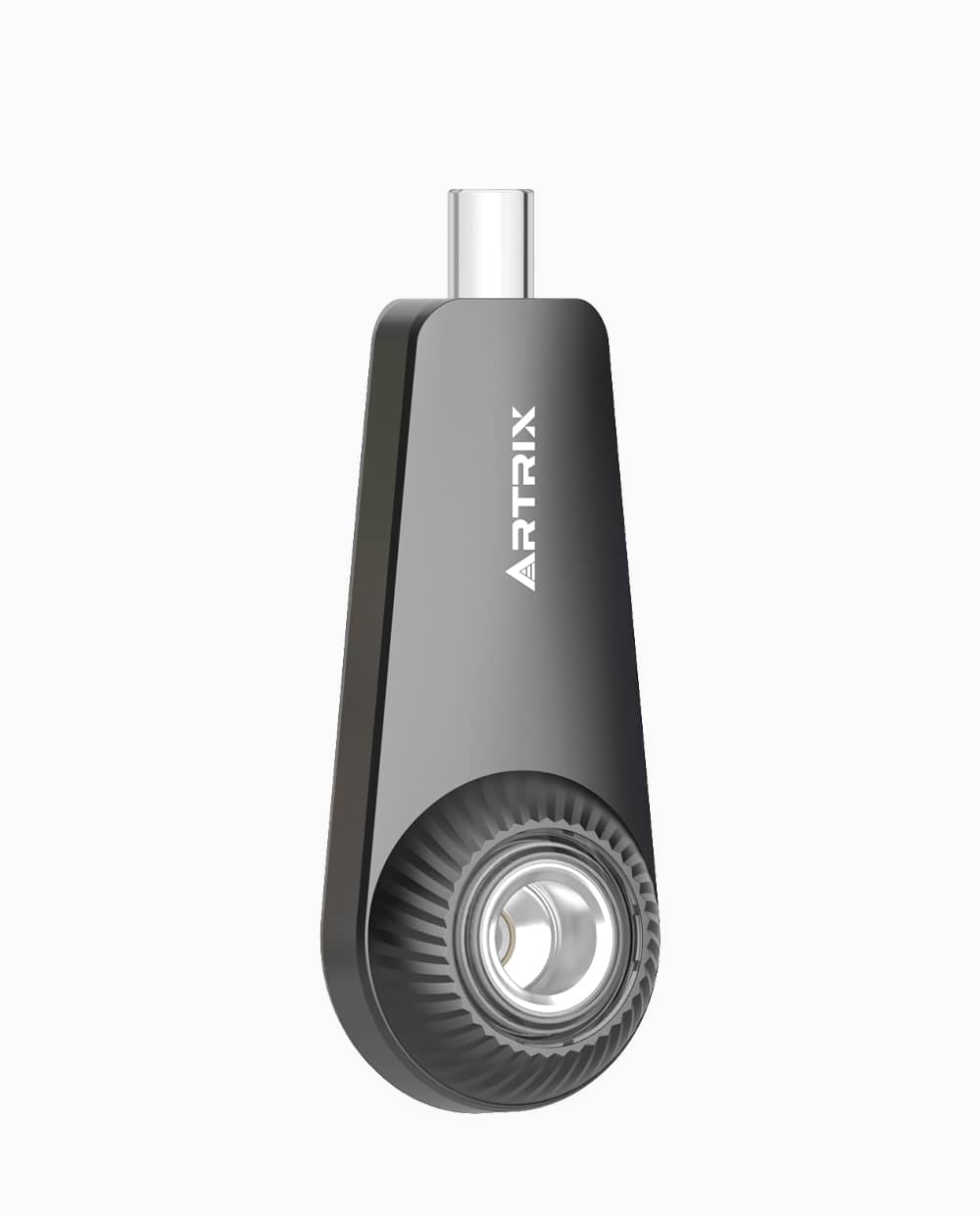
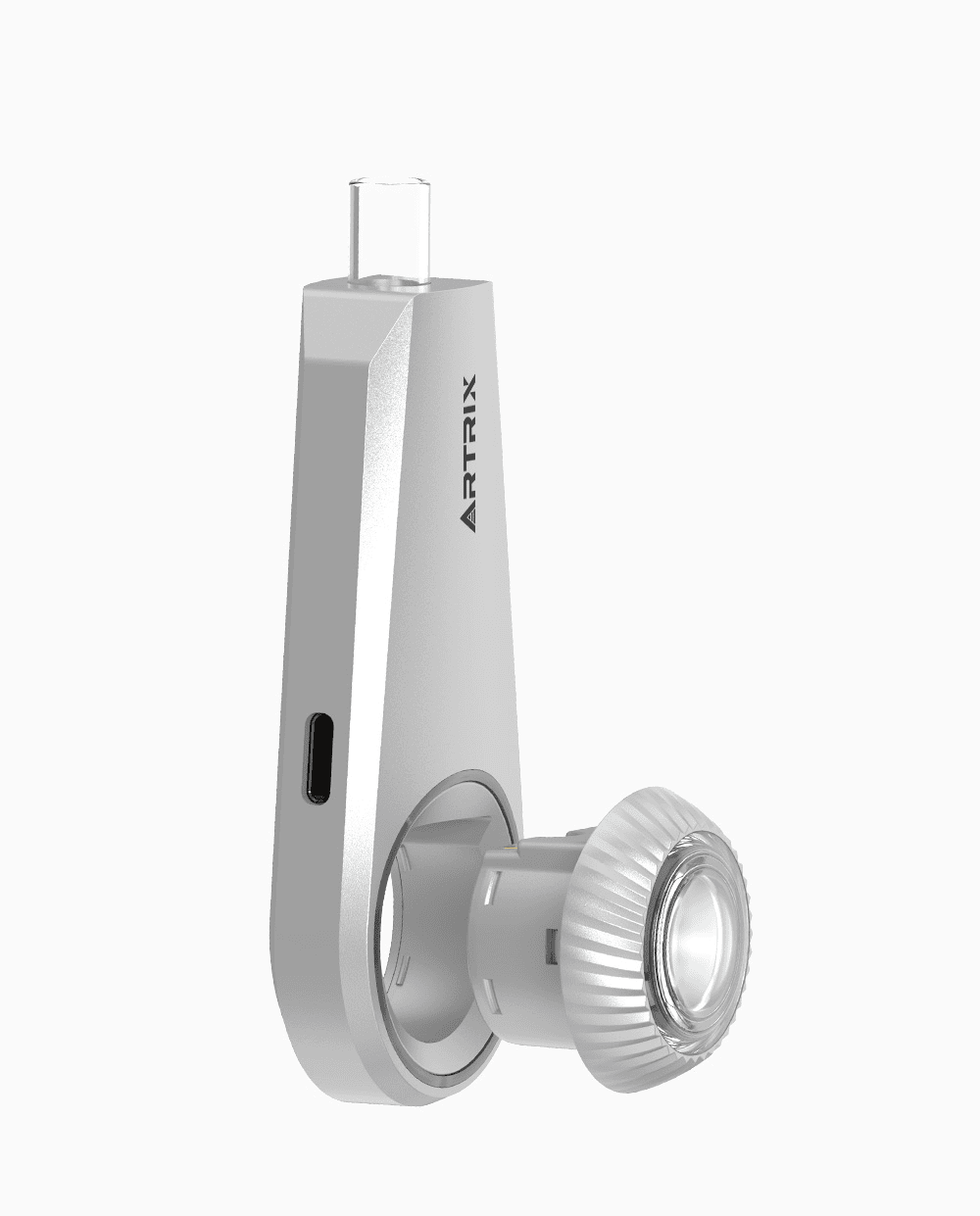
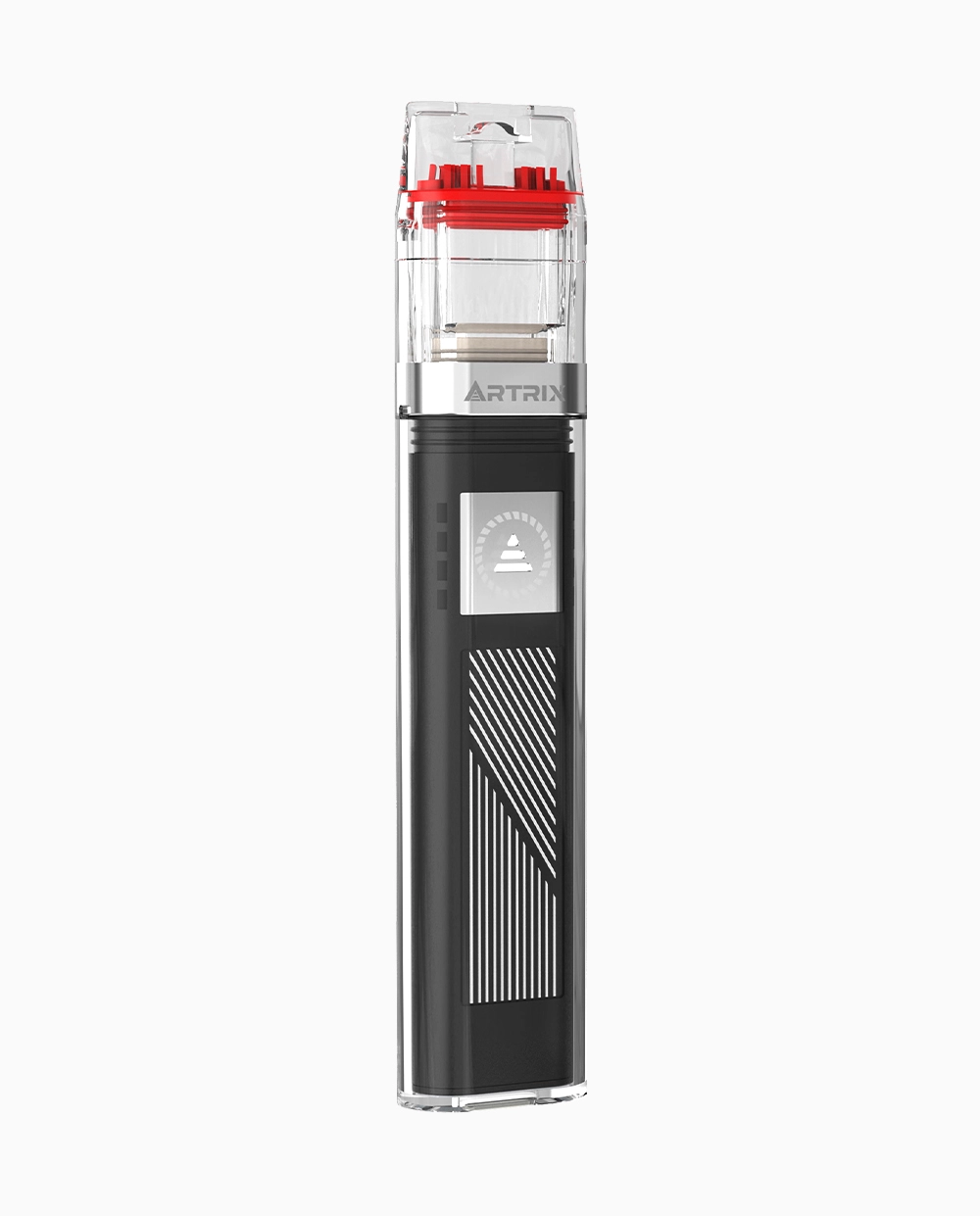
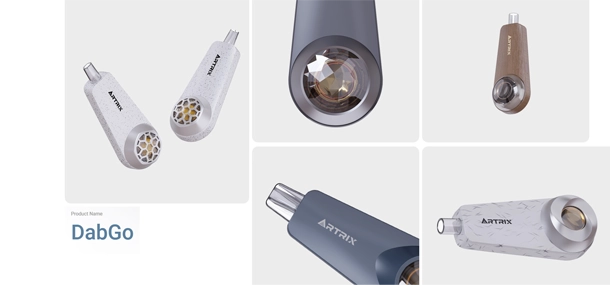
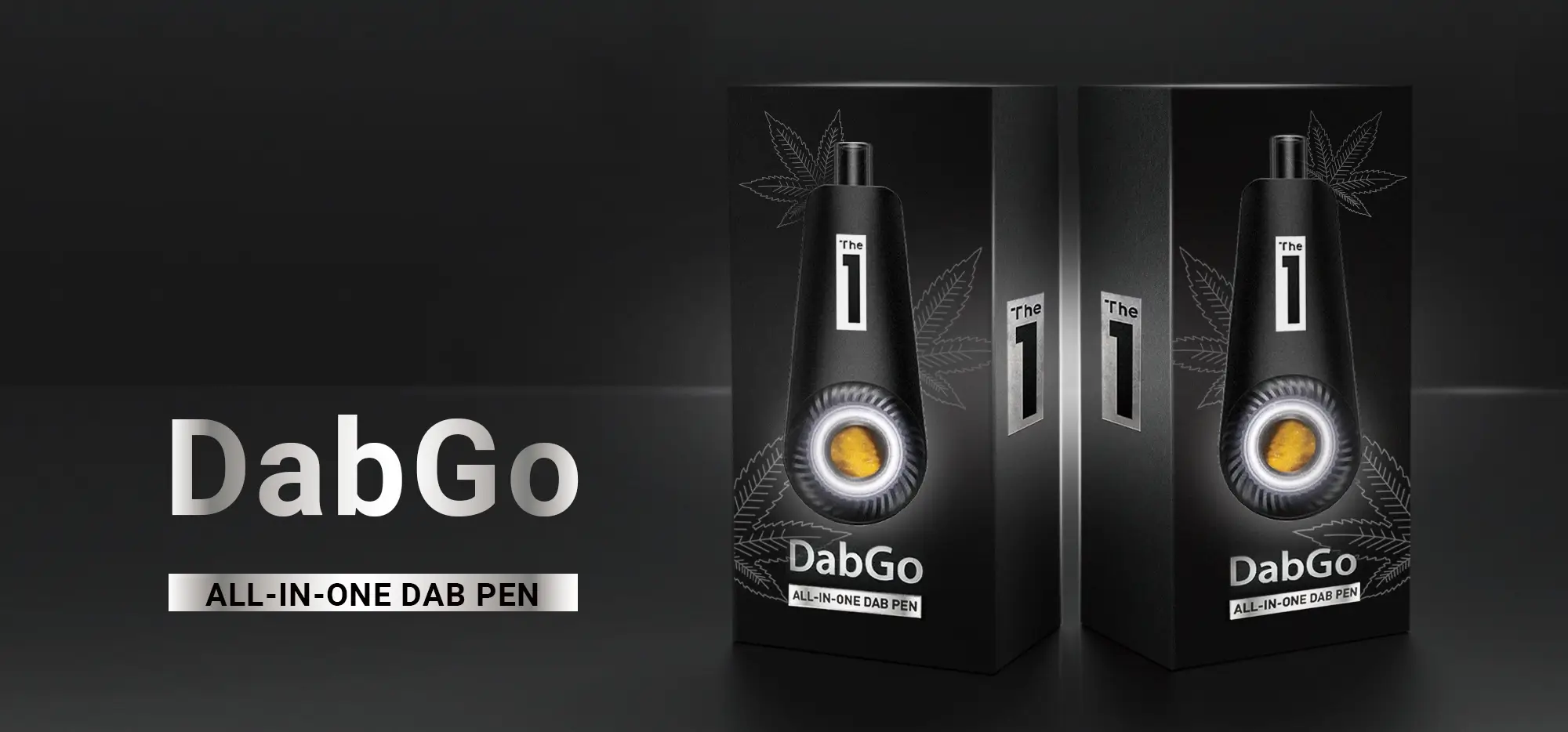
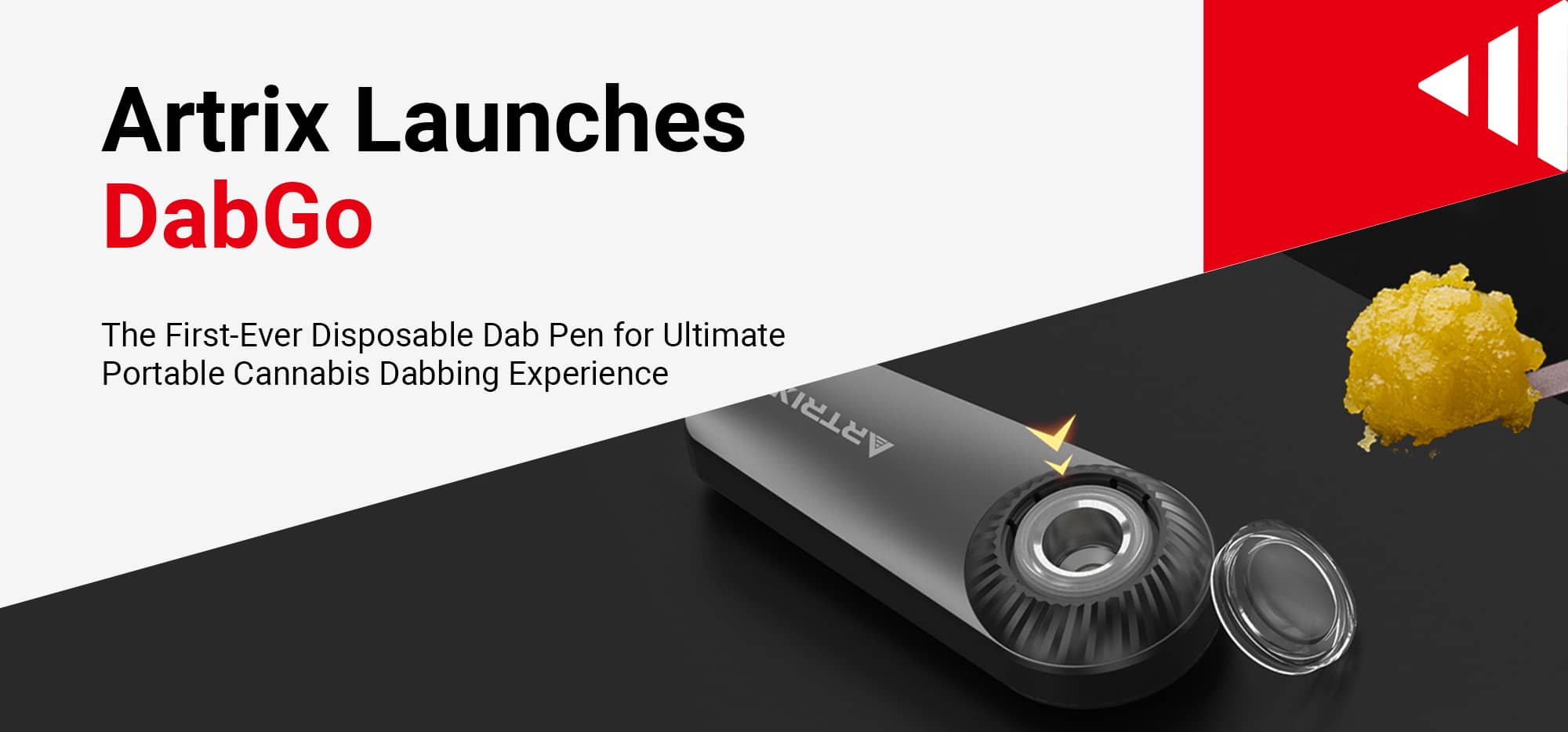
If you’d rather avoid the mess, a more modern alternative is a dab pen like the Artrix DabGo™. Pioneering the dab pen market, the DabGo™ boasts several unique features, including its cutting-edge SegmHeat™ heating core, specifically designed to vaporize liquid diamond effectively, and its user-friendly filling system. This compact dab pen allows for effortless on-the-go consumption.
#3 Infused Liquid Diamond
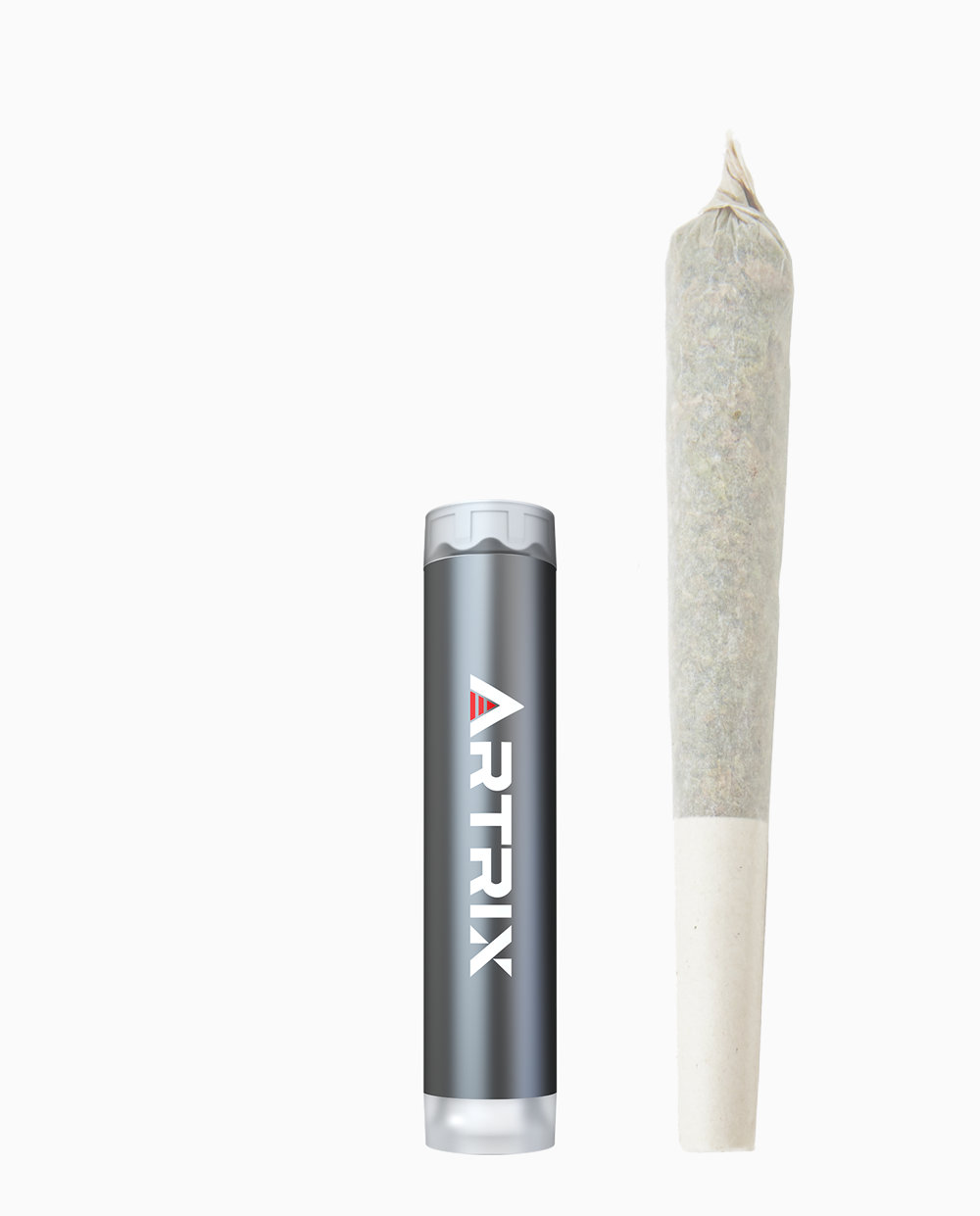
There are two primary types of liquid diamond infused products: pre-rolls and edibles. Infused pre-rolls are perfect for those who enjoy smoking without the need to roll their joints.
Alternatively, infused edibles like gummies, butter, or other food forms offer a discreet consumption method. While smoking pre-rolls produce smoke, edibles are consumed directly, entering your digestive system. Puff LA gummies are a good choice to enjoy the high time in a safe and easy way.
Precautions Before Consuming Liquid Diamonds
Before consuming it, it’s crucial to consider a few precautions to ensure a safe and enjoyable experience:
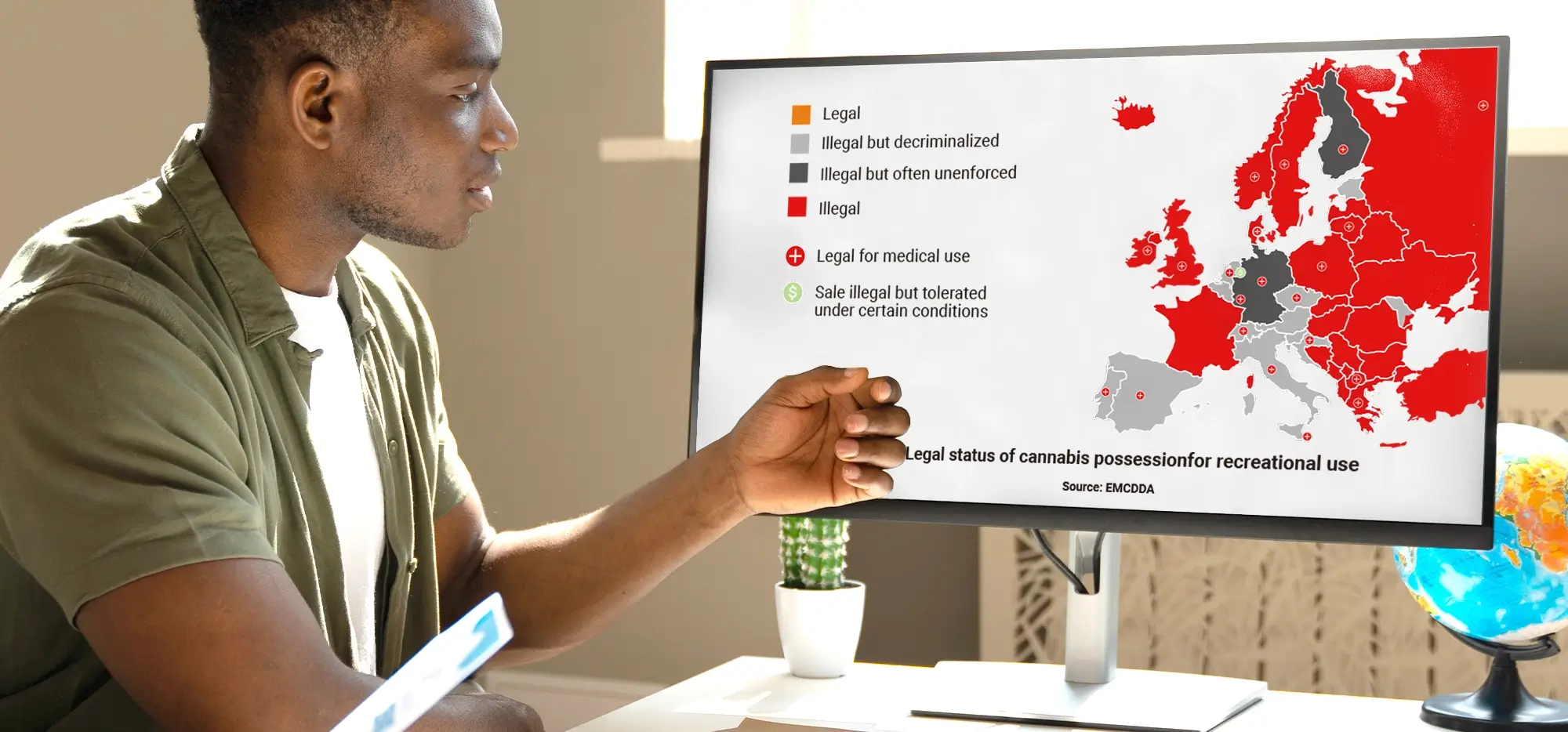
#1 Legal Considerations
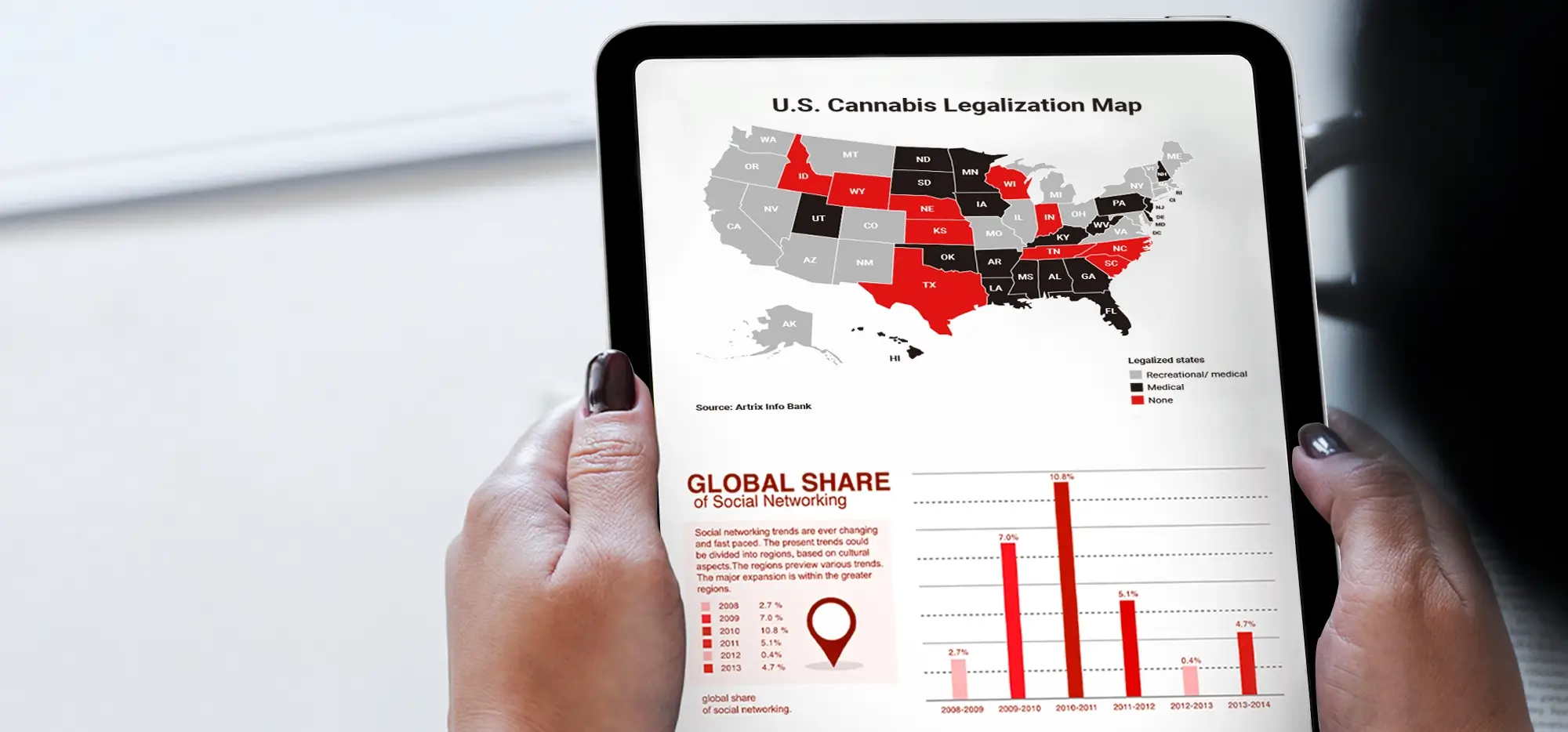
Ensure that the cannabis concentrate is legal in your area. Cannabis laws vary by region and can change over time. Stay informed about the current legal status in your location to avoid any legal issues.
#2 Choosing Reputable Suppliers
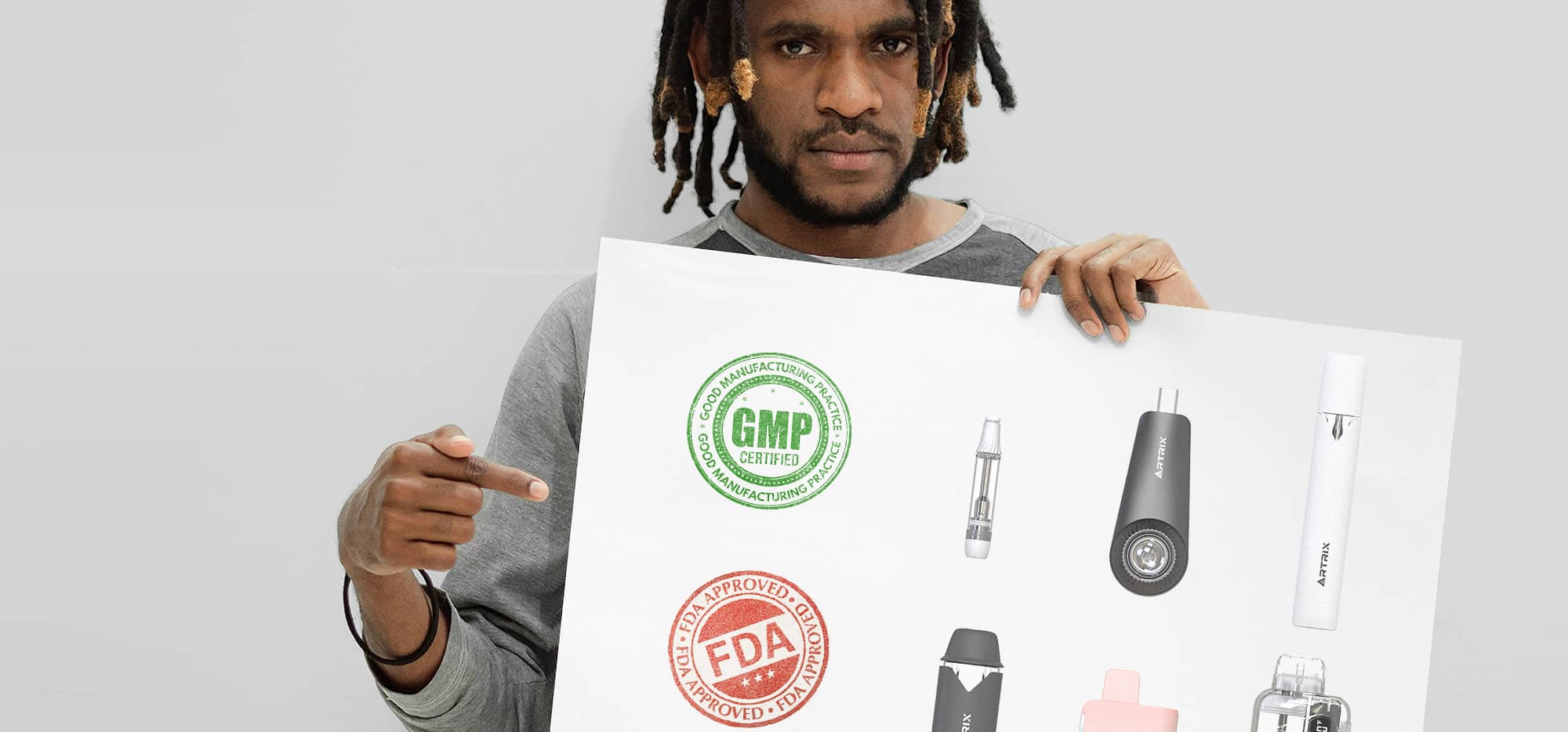
Purchase liquid diamonds only from reputable vape hardware suppliers. This ensures that you receive high-quality products free from contaminants. Trusted suppliers adhere to strict production standards, guaranteeing purity and potency.
#3 Understanding Potency
The mixture of cannabis concentrate is extremely potent. Start with a small dose, especially if you are new to cannabis concentrates. This allows you to gauge your tolerance and understand how your body reacts to the high THC content.
#4 Consumption Method
Choose a consumption method that suits your experience level and lifestyle. Whether vaping, dabbing, or using infused products, ensure you are comfortable with the chosen method and follow the recommended guidelines.
Your Potential Next Best Cannabis Concentrate
Liquid diamonds are praised for their purity, potency, and versatility, making them a standout choice in the cannabis market. Thanks to their advanced extraction and production processes, they offer a concentrated form of cannabis that can be consumed in various ways, including vaping, dabbing, and infused products like pre-rolls and edibles.
The advantages of liquid diamonds are large in potency and purity; however, they do pose risks and disadvantages. Liquid diamonds are not without their disadvantages, and consumers, especially those who are new to cannabis and even concentrates, should proceed with caution and keep their shortcomings in mind. It’s always good advice to start slowly in small amounts and be aware of personal tolerance levels and your local state laws and seek guidance from a healthcare professional before embarking on this type of use.
With their remarkable characteristics and multiple consumption methods, liquid diamond infusion might just be your next favorite cannabis concentrate. Enjoy their benefits responsibly and make the most out of this innovative cannabis product.