



-1.webp)
-1.webp)
-2.webp)



































Last Updated: July 28, 2026
Should Cannabis Brands Launch a Pod System? Market Evidence, Business Models, and Decision Criteria
A cannabis pod system can be a practical growth platform for brands that already have differentiated extracts, reliable distribution, sufficient hardware-launch capital, and the ability to validate oil-device compatibility. It is not automatically the right format for every operator. Brands without those capabilities may face lower execution risk with established 510 cartridges or all-in-one disposables.
The distinction matters because growth in the wider cannabis vapor-pen category does not prove that proprietary pod systems are replacing 510-thread products. A pod strategy should therefore be evaluated as a specific business model—one built around a reusable device, an installed battery base, repeat pod purchases, and tighter control over the relationship between hardware and extract.
1. The Market Reality: Vapor Pens Are Large, but Proprietary Pods Remain a Niche
1.1 Vapor Pens Have a Meaningful Position in Legal Cannabis Markets
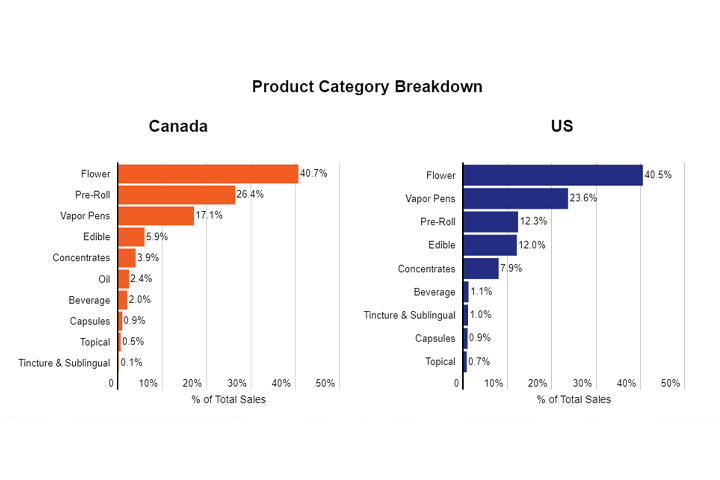
Vapor pens are an established cannabis category in the markets tracked by Headset. For the period from June 2025 through May 2026, Headset lists approximately $4.8 billion in U.S. vapor-pen sales and $884.4 million in Canadian sales. The category ranked second in the United States and third in Canada during that reporting window.
Those figures describe the entire vapor-pen category, not proprietary pod systems alone. The distinction includes 510-thread cartridges, all-in-one disposables, and smaller proprietary hardware ecosystems. A brand should not use total vapor-pen sales as a direct estimate of the addressable market for a new pod platform.
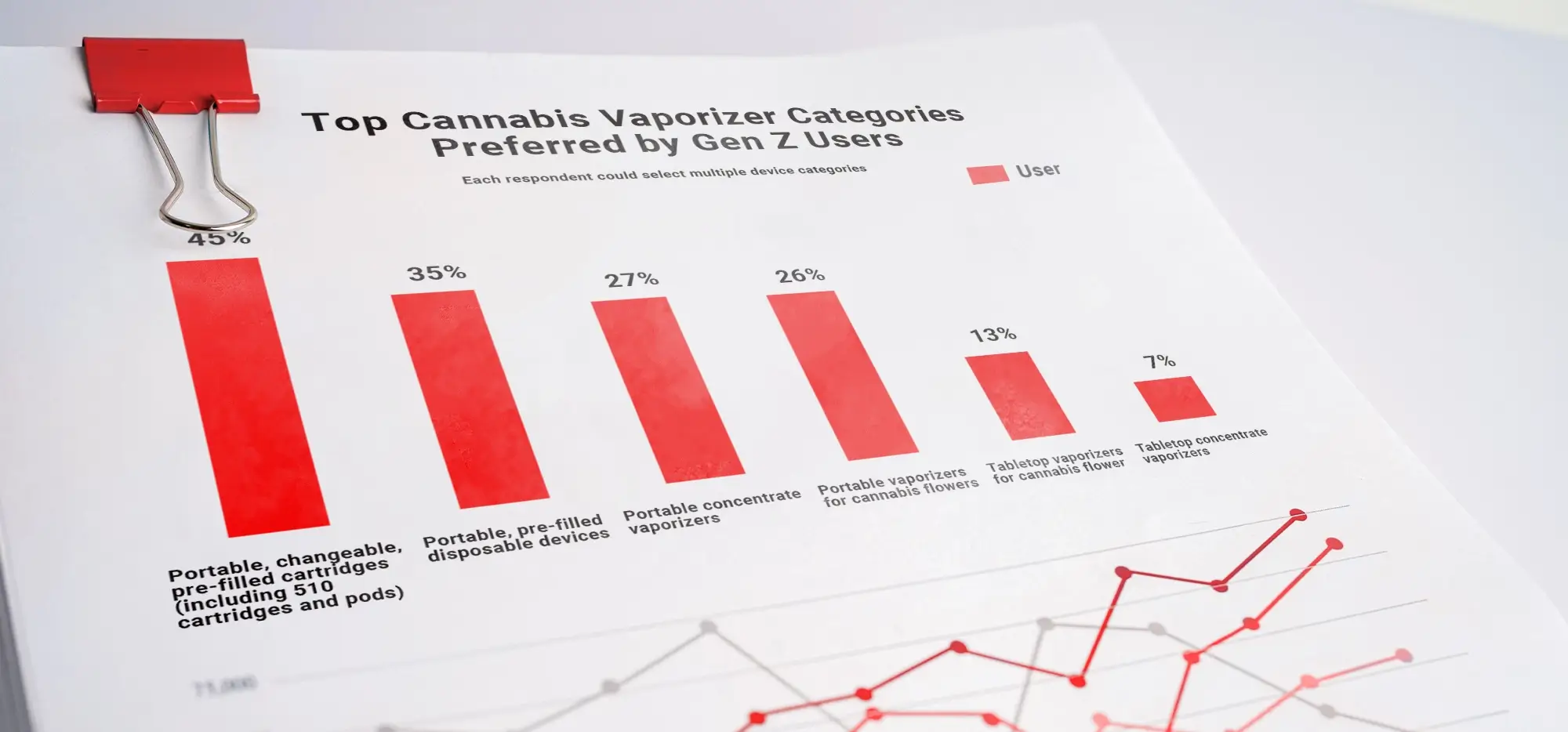
Headset’s Q4 2025 analysis provides a more useful view of product architecture. Vapor pens represented 25.5% of tracked U.S. cannabis sales and 20.7% of tracked Canadian sales. Within the U.S. vapor-pen segment, cartridges held 53.1% share and all-in-one disposables held 46.7%. More importantly for a pod-system decision, 510-thread hardware accounted for 91.3% of U.S. sales, while Stiiizy-led proprietary systems remained a much smaller segment.
The evidence therefore supports a balanced conclusion: vapor pens are commercially important, but a proprietary pod system is a differentiated ecosystem strategy rather than the market’s default hardware standard.
1.2 Disposable Vapes Remain a Strong Competitive Format
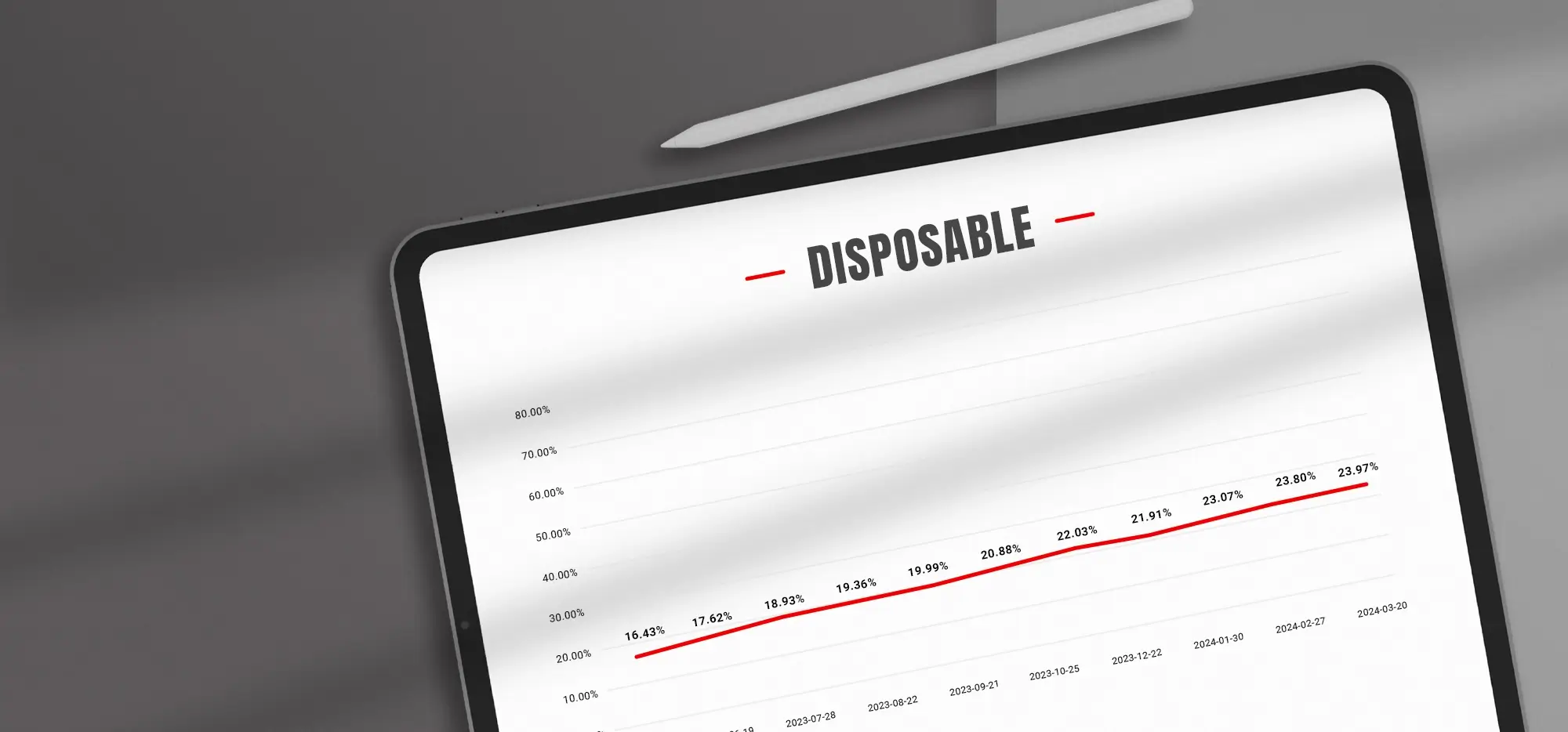
Disposable products have gained substantial ground within cannabis vaping. Between Q1 2022 and Q1 2024, disposables increased their share of vape dollar sales by 92%, reaching approximately one-quarter of vape sales across BDSA-tracked markets. The period and market coverage should remain attached to this figure; it should not be presented as a universal or current global growth rate.
More recent Headset data shows the same competitive direction: all-in-one disposables captured almost half of tracked U.S. vapor-pen sales in Q4 2025. Their growth does not eliminate the opportunity for pods, but it raises the standard a pod system must meet. A reusable platform needs a clear reason for consumers and retailers to accept an additional battery purchase, a defined compatibility ecosystem, and a continuing pod assortment.
1.3 Market Conditions Are Regional, Not Uniform
Cannabis laws, permitted product formats, retail structures, testing requirements, and distribution channels vary by jurisdiction. Market potential should therefore be assessed at the state, province, or country level rather than described as a single global opportunity.
Germany illustrates why legal-status wording needs precision. Its Cannabis Act took effect on April 1, 2024 and permits limited adult possession, private cultivation, and non-commercial cultivation associations. It did not create a conventional nationwide commercial recreational-cannabis retail market. The German Federal Ministry of Health’s Cannabis Act summary should be consulted before making market-entry claims about the country.
For a pod-system launch, the practical regional questions include whether the format is permitted, whether filled pods can move through the intended licensed channels, what product and packaging tests apply, how retailers classify the device, and whether the brand can support warranty or return obligations in that market.
2. Cannabis Pods vs. 510 Cartridges vs. All-in-One Disposables
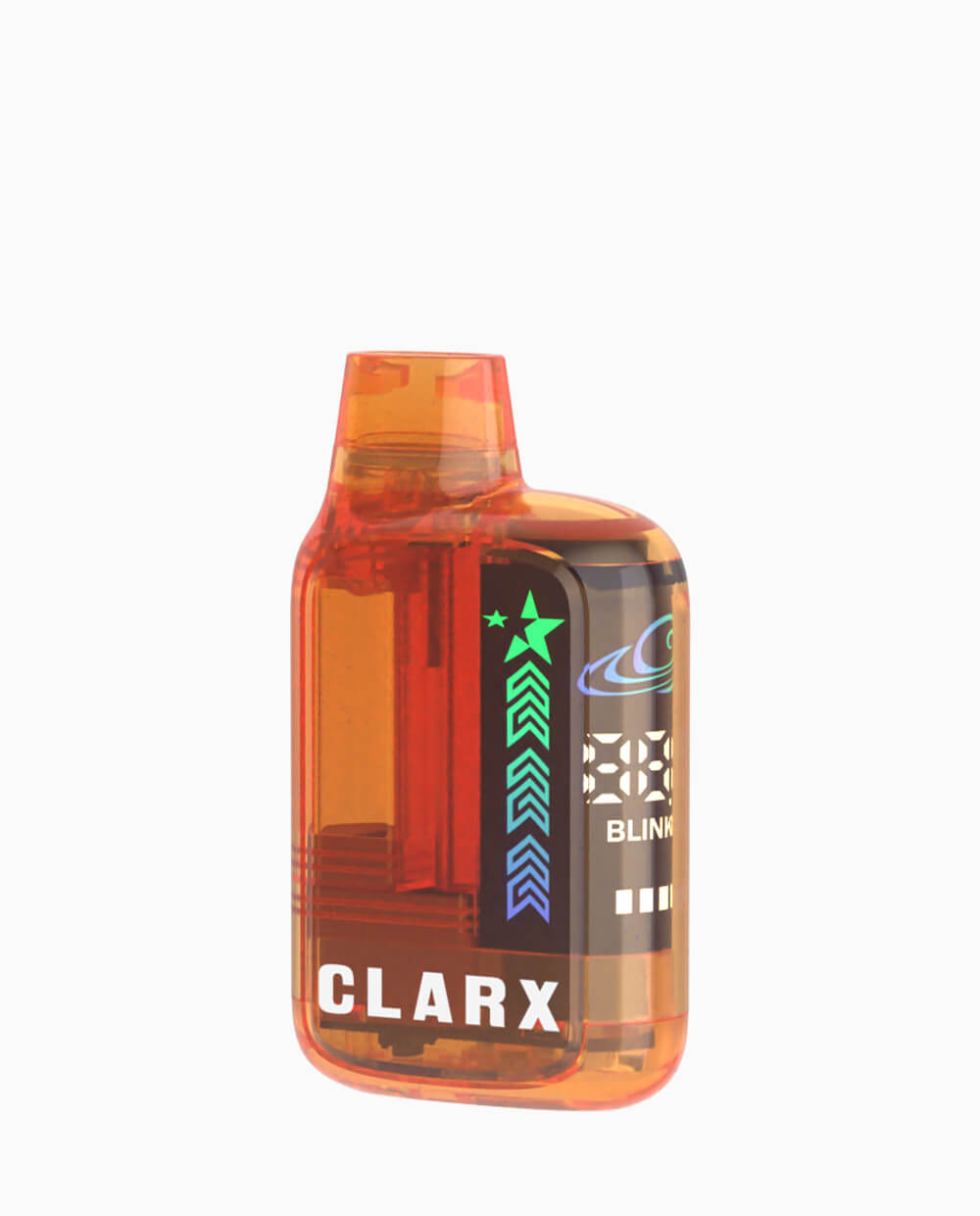
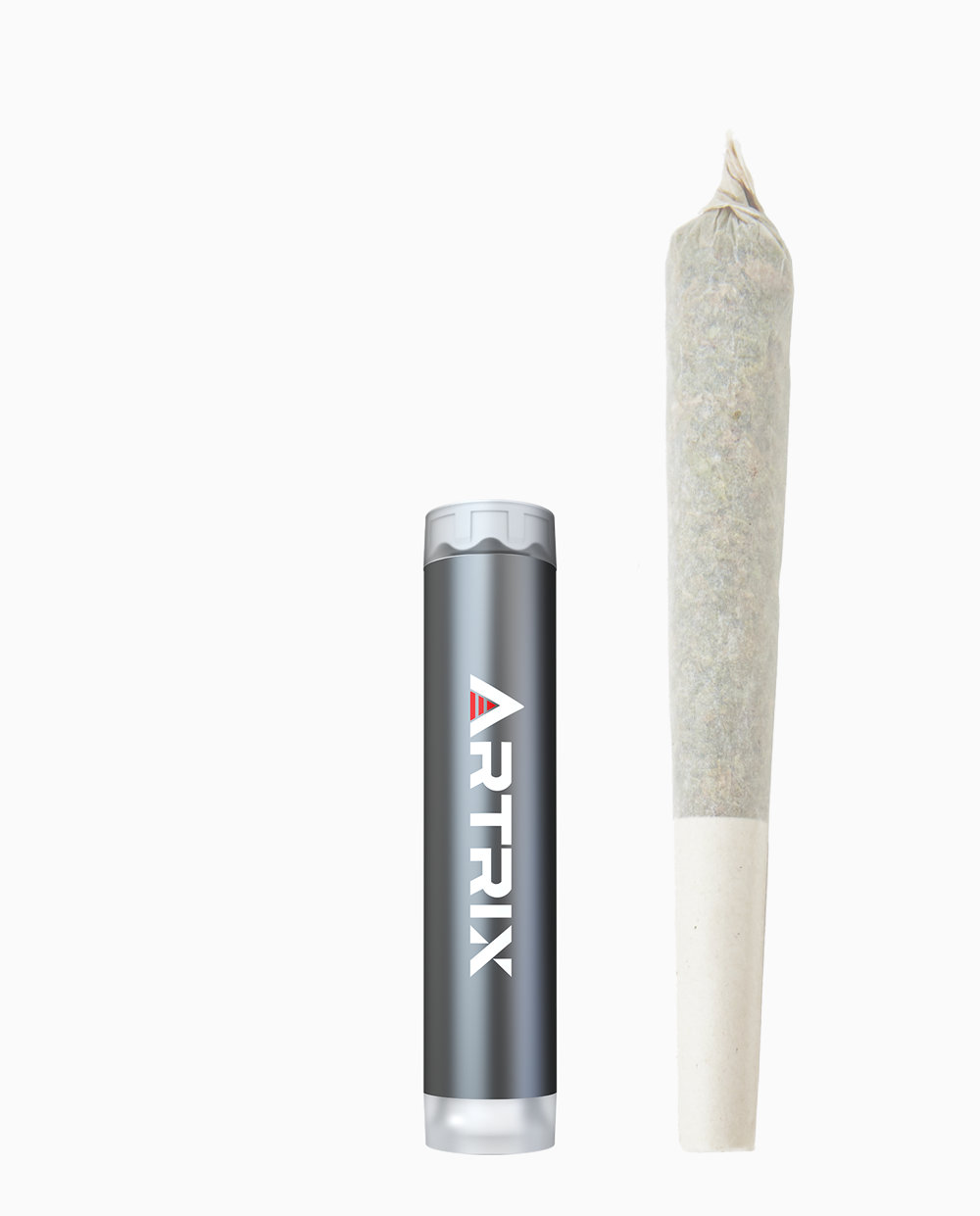
The cannabis market currently offers three main types of vapes: 510 cartridges, disposable vapes, and pod system vapes.
Each format solves a different combination of consumer, retail, and brand-management problems. The following comparison describes common architecture rather than guaranteed performance; actual cost, reliability, waste, and user experience depend on the specific device, extract, manufacturing process, and local market.
| Decision Factor | 510 Cartridge | Proprietary Pod System | All-in-One Disposable |
|---|---|---|---|
| Hardware standard | Broad 510-thread compatibility | Brand-specific or platform-specific fit | Battery and oil container integrated in one unit |
| First-purchase friction | Usually lower when the consumer already owns a 510 battery | Usually higher because a compatible battery may be required | Low because no separate device is required |
| Brand control | Lower hardware control across an open standard | Potentially tighter control over battery, pod, heating configuration, and fit | High control over each complete unit, but no reusable installed base |
| Switching cost | Relatively low across compatible cartridges | Potentially higher in a closed ecosystem | Low at the next purchase because every unit is self-contained |
| Operational burden | Cartridge validation and general battery compatibility | Device development, battery seeding, pod validation, warranty, and ecosystem support | Complete-unit validation and a higher number of battery-containing units |
| Best strategic fit | Reach, interoperability, and lower adoption friction | Differentiation, controlled hardware-oil pairing, and repeat ecosystem engagement | Convenience and immediate use without a separate battery purchase |
No format is universally superior. The right choice depends on the brand’s target consumer, extract portfolio, distribution model, hardware-support capability, and tolerance for upfront investment.
3. How the Pod-System Business Model Works
3.1 The Installed Battery Base Comes Before Repeat Pod Revenue
The sales of pods depend on the number of batteries already sold in the market. Early promotion of pod batteries requires a significant capital investment.
This observation is central to pod economics. The commercial chain is:
battery acquisition or subsidy → activated devices → pod attachment → repeat pod purchase → contribution margin after support and returns.
A brand cannot assume that distributing batteries automatically creates profitable pod demand. Some batteries may never be activated, some users may make only one pod purchase, and device failures or limited pod availability may interrupt repeat behavior. The business case therefore needs measured conversion data rather than a general promise of “long-term stable profits.”
3.2 The Metrics That Matter
Before scaling, a cannabis company should define and track:
-
- Battery acquisition cost: the total device, promotion, discount, and distribution cost required to place an activated battery with a user.
-
- Activation rate: the percentage of distributed batteries that are actually paired with a pod and used.
-
- Pod attach rate: the number of pod units sold per active battery during a defined period.
-
- 30-, 60-, and 90-day repeat-purchase rate: the share of first-time buyers who purchase another pod within each window.
-
- Gross margin after device subsidy: pod contribution after the cost of battery promotions is allocated.
-
- Warranty and return rate: the share of devices and pods returned for connection, charging, leakage, clogging, or other failures.
-
- Retail availability: the percentage of target stores that maintain both compatible batteries and the intended pod assortment.
These metrics turn the pod ecosystem from a loyalty theory into a testable operating model. They also help the brand identify whether weak performance comes from the device, extract, assortment, retail execution, or consumer proposition.
3.3 Repeat Purchase Is Possible, but It Is Not Guaranteed
A closed system can increase switching friction, but it does not ensure loyalty. Consumers may stop using the platform if the battery is unreliable, preferred pods are unavailable, prices are uncompetitive, or the extract experience does not meet expectations. A more defensible statement is that a reliable installed device can reduce friction for a subsequent pod purchase when the product remains available and satisfactory.
4. Where Pod Systems Can Create Value
4.1 More Controlled Hardware–Extract Pairing
A proprietary platform allows the brand to validate a narrower combination of battery output, heating element, airflow, pod geometry, and extract characteristics. In a practical launch scenario, this can make the test program more controlled than releasing an oil cartridge for use across a wide range of third-party batteries.
The potential business outcome is more consistent product behavior across the intended platform. However, that outcome should be described as a design objective until product-specific tests disclose the oils, device versions, storage conditions, operating conditions, sample sizes, and acceptance thresholds.
4.2 A Distinctive Brand Ecosystem
Pod system products provide an excellent opportunity to reach consumers with different cannabis extract flavors.
A shared battery can organize multiple compatible pod SKUs into one recognizable product family. This can help retailers merchandise the range and can give existing device owners a clear path to explore additional extracts. The benefit depends on maintaining sufficient assortment and stock; a proprietary battery loses value when compatible pods are difficult to find.
4.3 Modular Use Without Replacing the Battery Every Time
Throughout the life of the battery, consumers only need to change the Pod to enjoy a variety of cannabis extracts.
This modular architecture separates the rechargeable device from the filled pod. It may reduce the number of batteries required across repeat purchases compared with an all-in-one format, but environmental superiority should not be claimed without a lifecycle assessment that considers battery life, pod materials, charging, failure rates, recycling access, and actual user behavior.
4.4 Differentiation From the Open 510 Standard
A proprietary shape, insertion method, airflow system, and device interface can give a pod platform a more distinctive identity than a standard cylindrical cartridge. The commercial value of that identity depends on whether the design solves a user or operational problem—not appearance alone.
Useful differentiation could include simpler pod insertion, clearer connection feedback, a validated extract-specific configuration, or a portfolio architecture that makes compatible products easy to understand. Each benefit should be evaluated against added tooling, inventory, warranty, and education costs.
5. The Main Challenges of Launching a Cannabis Pod System
5.1 Higher Upfront and Working-Capital Requirements
Launching a pod platform generally requires more than filling a new cartridge. The brand may need device and pod tooling, engineering samples, compatibility testing, packaging, battery inventory, retail displays, consumer education, warranty reserves, and market-specific documentation. Capital is committed before the repeat-purchase model has been proven.
The risk is especially high when batteries are discounted or supplied to accelerate adoption. A financial model should include inactive devices, replacement costs, retailer margins, marketing expenditure, inventory write-downs, and the time required to build a usable installed base.
5.2 Hardware and Extract Quality Must Be Validated Together
Some pod system products may have compatibility issues. For example, the magnetic pod can easily shake or become loose when inserted into the battery. These may be due to improper reserved space dimensions. However, it can negatively impact the vaping experience for cannabis users.
That scenario illustrates a full parameter-to-outcome chain: dimensional tolerance and contact design affect mechanical fit and electrical connection; in normal handling, a loose pod may produce intermittent contact; the user may experience inconsistent activation or return the product. The exact failure rate cannot be stated without a defined sample, method, and acceptance criterion.
A pre-launch validation plan should consider:
-
- pod retention and insertion consistency across production tolerances;
-
- electrical-contact stability during normal handling;
-
- charging behavior and battery-cycle expectations under defined conditions;
-
- leakage and clogging after storage, transport, and temperature exposure;
-
- airflow and heating behavior across each intended extract formulation;
-
- packaging integrity and traceability;
-
- failure classification, warranty handling, and corrective-action procedures.
“High quality,” “stable quality,” and “high compatibility” should only appear in published copy when the brand can define what was tested, against which requirement, under what conditions, and with what result.
5.3 Distribution Must Support Both Sides of the Ecosystem
A pod ecosystem depends on simultaneous availability of devices and compatible pods. A store with pods but no batteries cannot efficiently acquire new users; a store with batteries but an incomplete pod range weakens the reason to adopt the platform. Distribution planning should therefore measure paired availability rather than count device and pod placements separately.
5.4 Marketing Has to Overcome the First-Device Decision
The vape battery of a pod system is relatively expensive. Convincing customers to purchase the vape battery and continue repurchasing pods presents a significant test for brands in terms of marketing and customer engagement.
The first purchase asks the consumer to commit to a platform rather than a single filled unit. Marketing must explain the pod assortment, compatibility boundary, replacement process, warranty, and reason to keep the battery. Claims about savings, performance, sustainability, or retention should be supported by product-specific evidence rather than assumed from the architecture.
6. Open, Closed, or Brand-Compatible: Define the Architecture First
“High compatibility” can describe three materially different strategies:
| Architecture | Potential Advantage | Main Trade-Off |
|---|---|---|
| Open or cross-brand compatibility | May reduce adoption friction when users already own a compatible device | Less control over the total user experience and weaker platform lock-in |
| Closed proprietary system | Tighter control over intended hardware and pod combinations | Higher battery-acquisition burden and a smaller starting user base |
| Compatibility across one brand’s models | Can preserve ecosystem continuity while allowing device choice | Requires disciplined version control and clear compatibility communication |
A brand should choose one primary strategy and document the compatibility matrix. Ambiguous compatibility language creates operational risk for retailers, support teams, and consumers.
7. Which Cannabis Businesses Are Ready for a Pod Platform?
7.1 Strong Candidates
A pod system may fit a cannabis brand or MSO that can answer “yes” to most of the following questions:
-
- Does the brand have a differentiated and repeatable extract portfolio?
-
- Can it place batteries and pods together across a meaningful group of licensed retailers?
-
- Can it fund the device-acquisition period before repeat pod revenue is established?
-
- Can it validate each intended oil-device combination and manage version changes?
-
- Can it support returns, warranties, retailer training, and replacement inventory?
-
- Does the brand have a clear reason for consumers to choose its ecosystem instead of 510 or disposable products?
7.2 Higher-Risk Candidates
A proprietary platform may be premature for a company with limited distribution, uncertain extract supply, no device-support process, weak working capital, or a product range too narrow to support repeat ecosystem use. In these cases, a 510 cartridge or a limited all-in-one launch may provide a simpler way to test extract demand before committing to a dedicated battery platform.
8. A Lower-Risk Pilot Process
Instead of treating a pod launch as a single national rollout, brands can structure it as a measured pilot:
-
- Select one clearly defined legal market and retail cohort.
-
- Choose a limited extract assortment with documented hardware-fit requirements.
-
- Validate production samples across defined fit, contact, charging, leakage, clogging, storage, and transport conditions.
-
- Place batteries and pods together in participating stores.
-
- Train retail and support teams on compatibility, setup, returns, and version identification.
-
- Track activation, pod attachment, repeat purchase, stock availability, failure classifications, and warranty cost.
-
- Compare the results with the brand’s 510 or disposable benchmarks before expanding.
The brand should set its acceptance thresholds before the pilot begins. Without predefined thresholds, a positive-looking sales result can obscure excessive battery subsidies, device replacements, poor repeat behavior, or inconsistent retail availability.
9. How a Hardware Partner Can Support the Evaluation
Once a brand has established the commercial case, a hardware supplier should help translate the strategy into documented product requirements. The supplier evaluation should cover compatibility scope, oil characteristics, target markets, quality-control documentation, change management, packaging, production capacity, warranty responsibilities, and the evidence available for any performance statement.
9.1 Start With a Written Product Requirement
Artrix can begin the discussion by helping the brand organize the inputs that affect platform selection. These inputs include the intended pod capacity, extract categories, preferred battery architecture, desired compatibility boundary, industrial-design direction, target retail price position, planned markets, launch volume, and support model. Establishing these requirements early reduces the risk of selecting hardware first and trying to force the commercial strategy around it later.
The requirement should also define what the brand means by “compatible.” For one project, compatibility may mean that every pod works across several batteries within the same branded family. For another, it may mean that a new pod is intended for an existing third-party device architecture. These paths require different verification, intellectual-property review, version control, market education, and risk management. Artrix and the brand should document the intended device–pod combinations before samples proceed to commercial validation.
9.2 Compare Platform Directions Against the Same Criteria
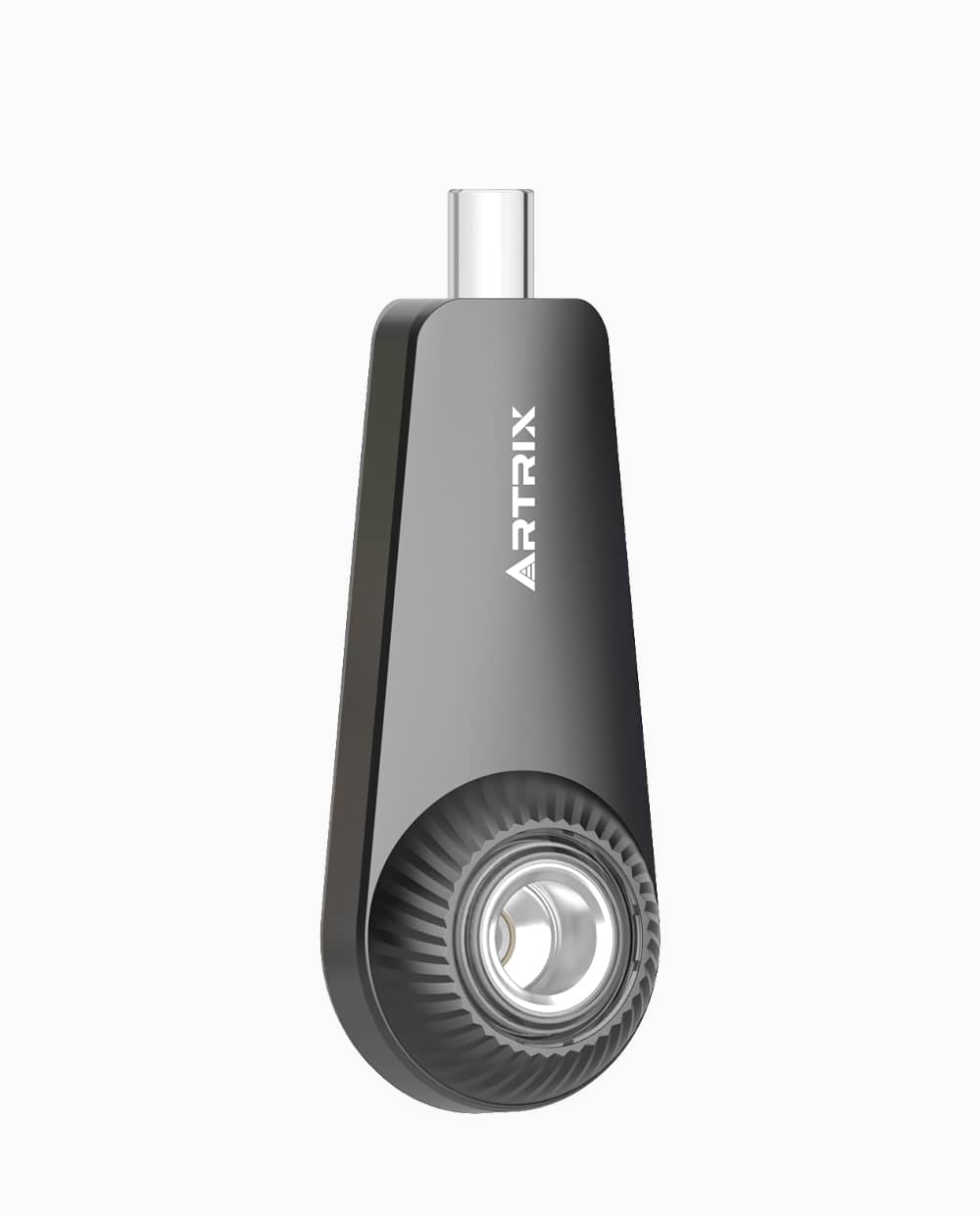
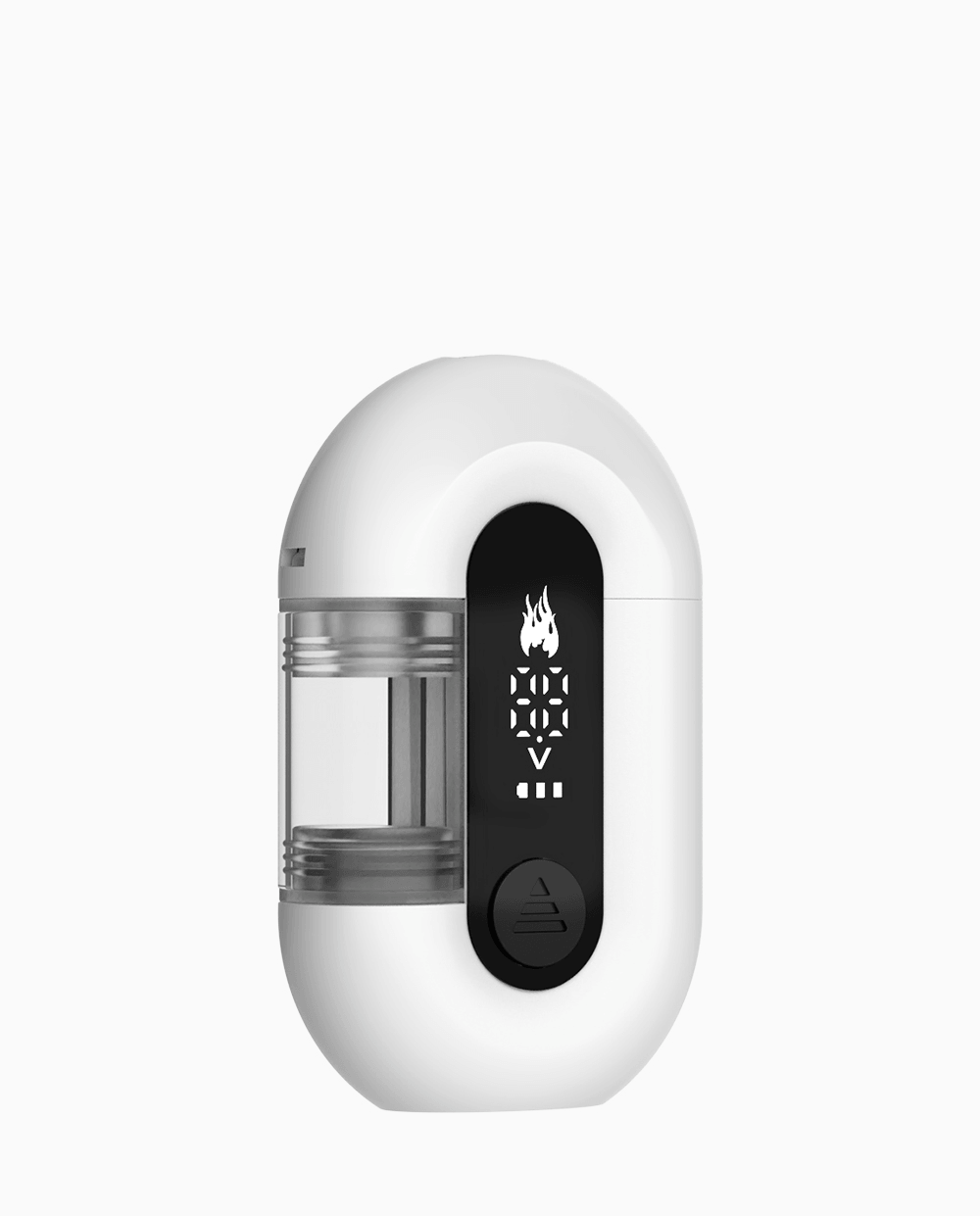
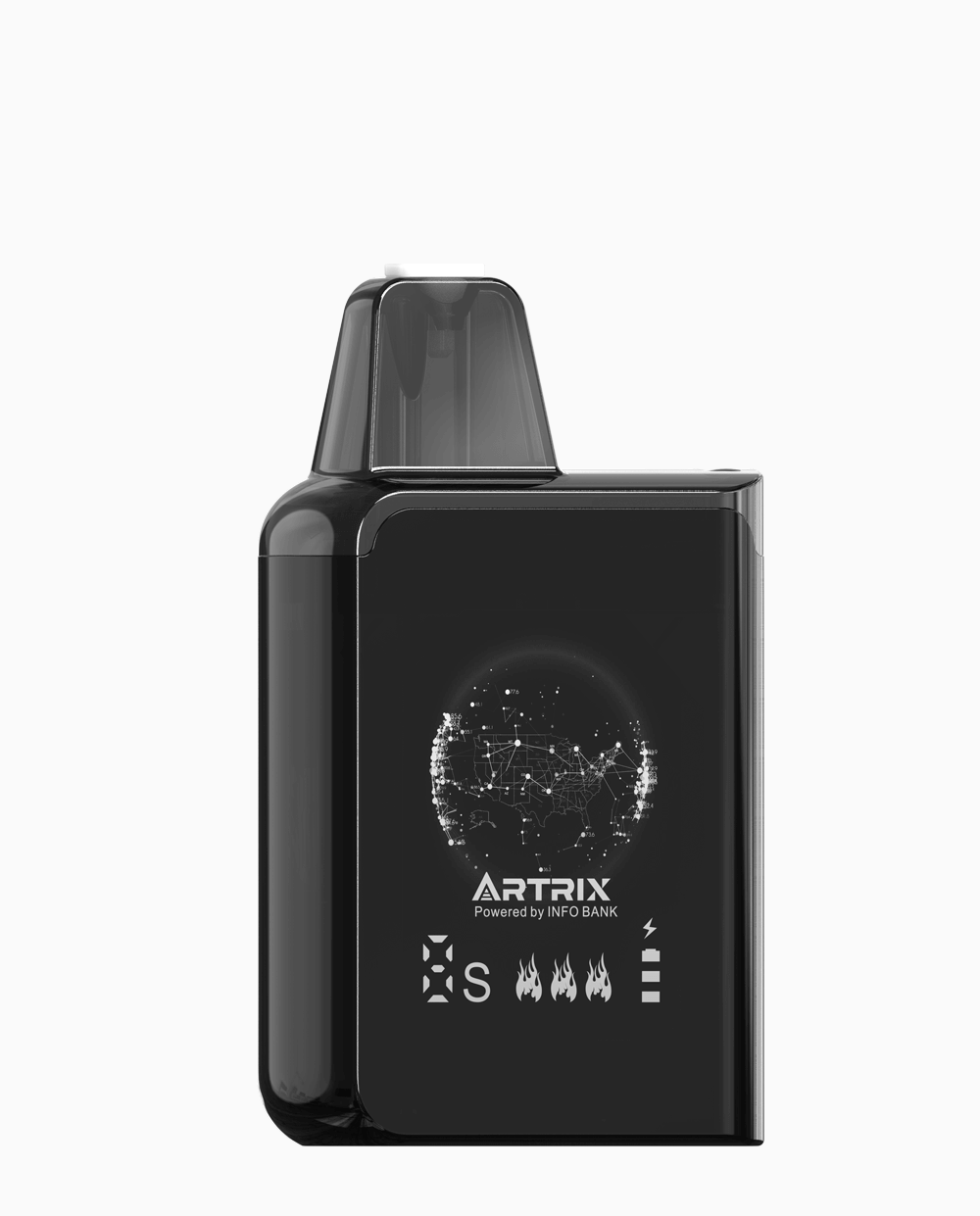
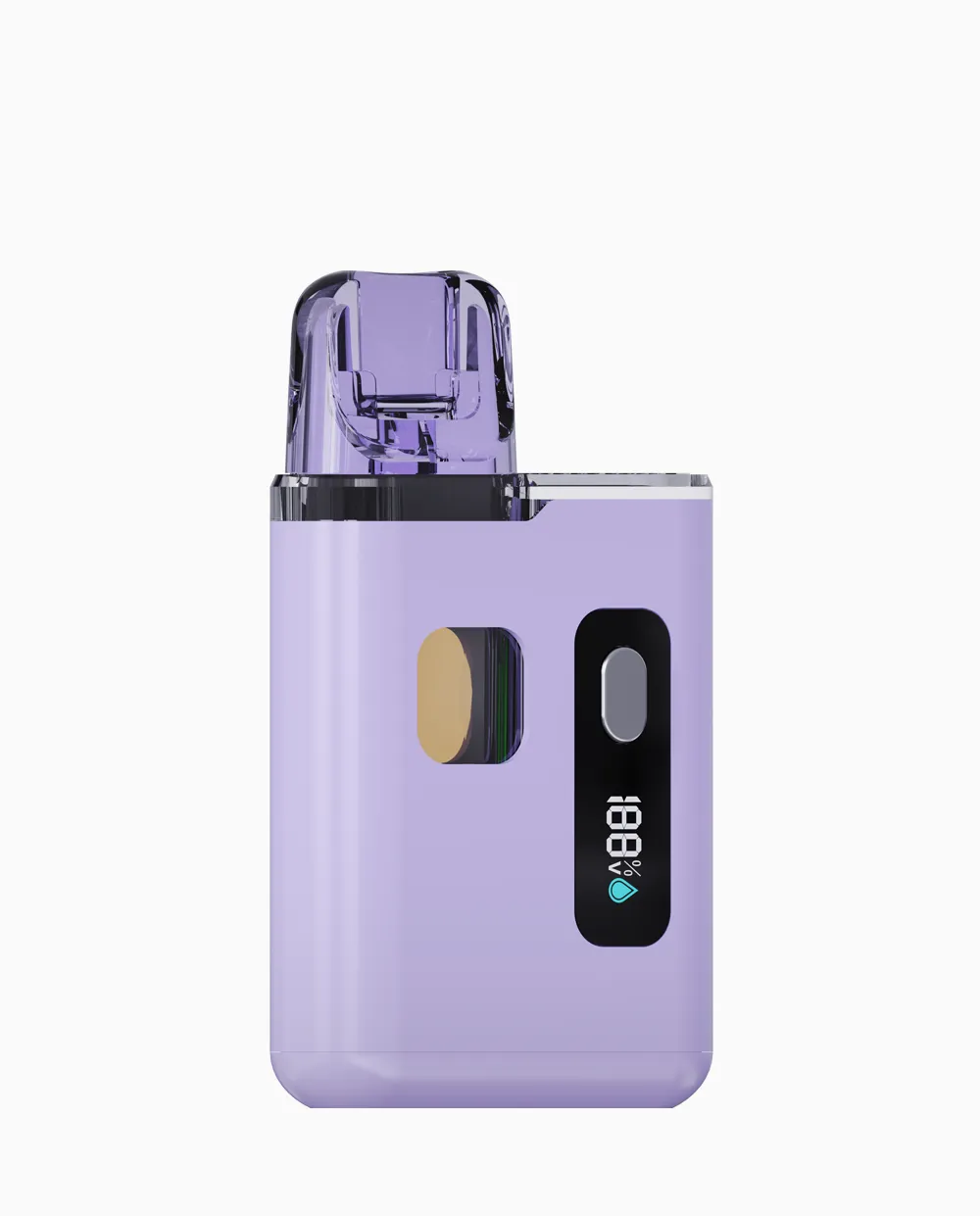
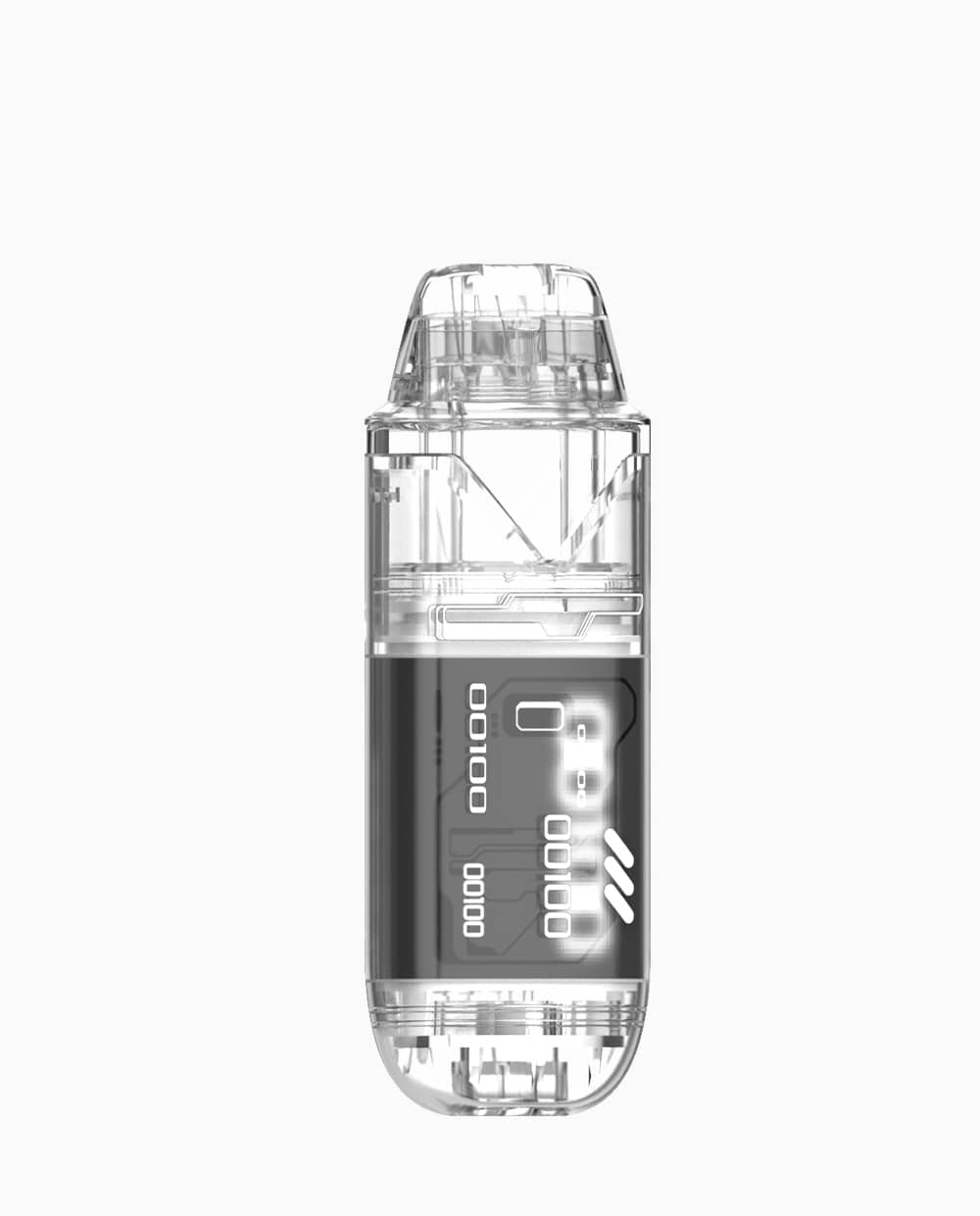
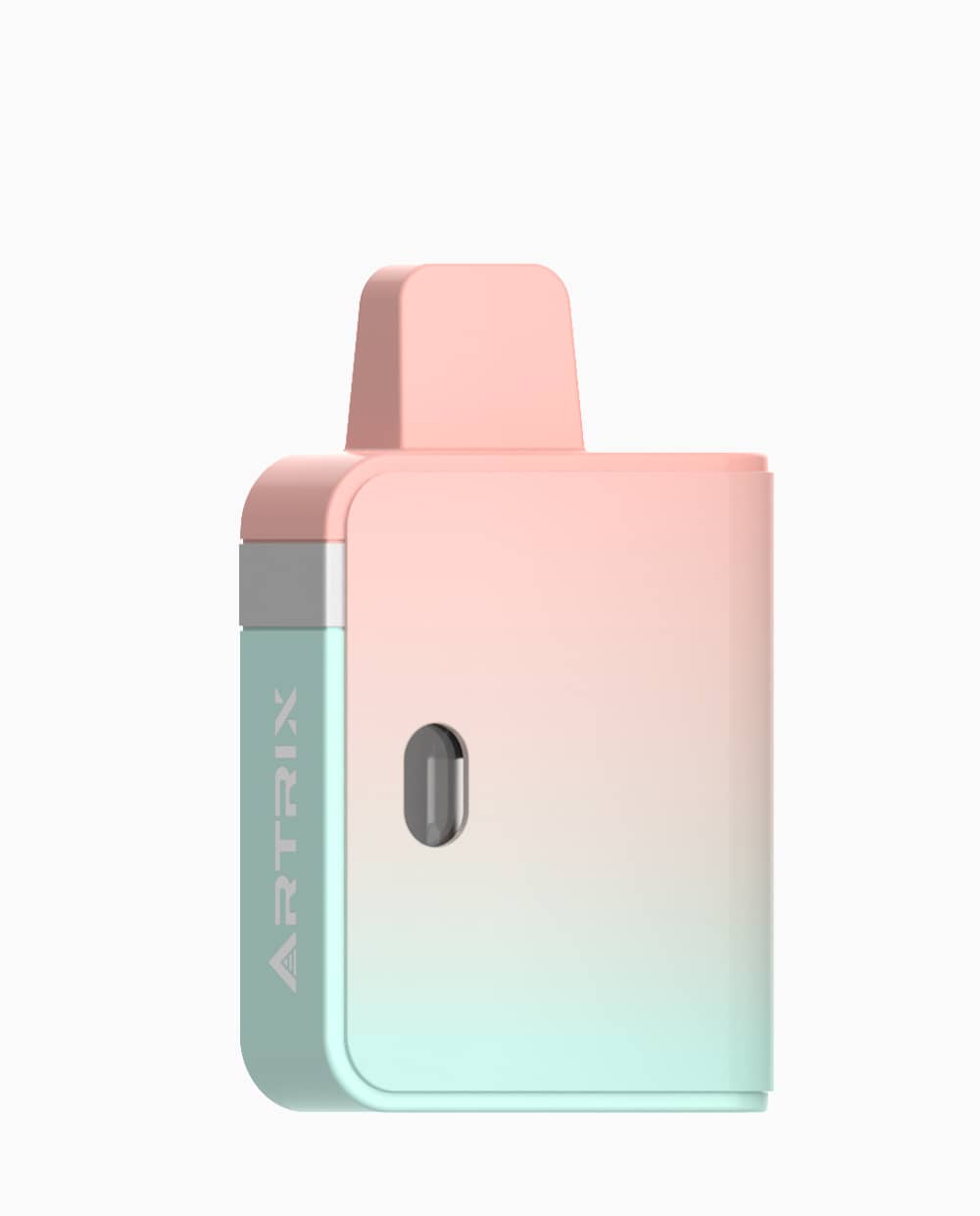
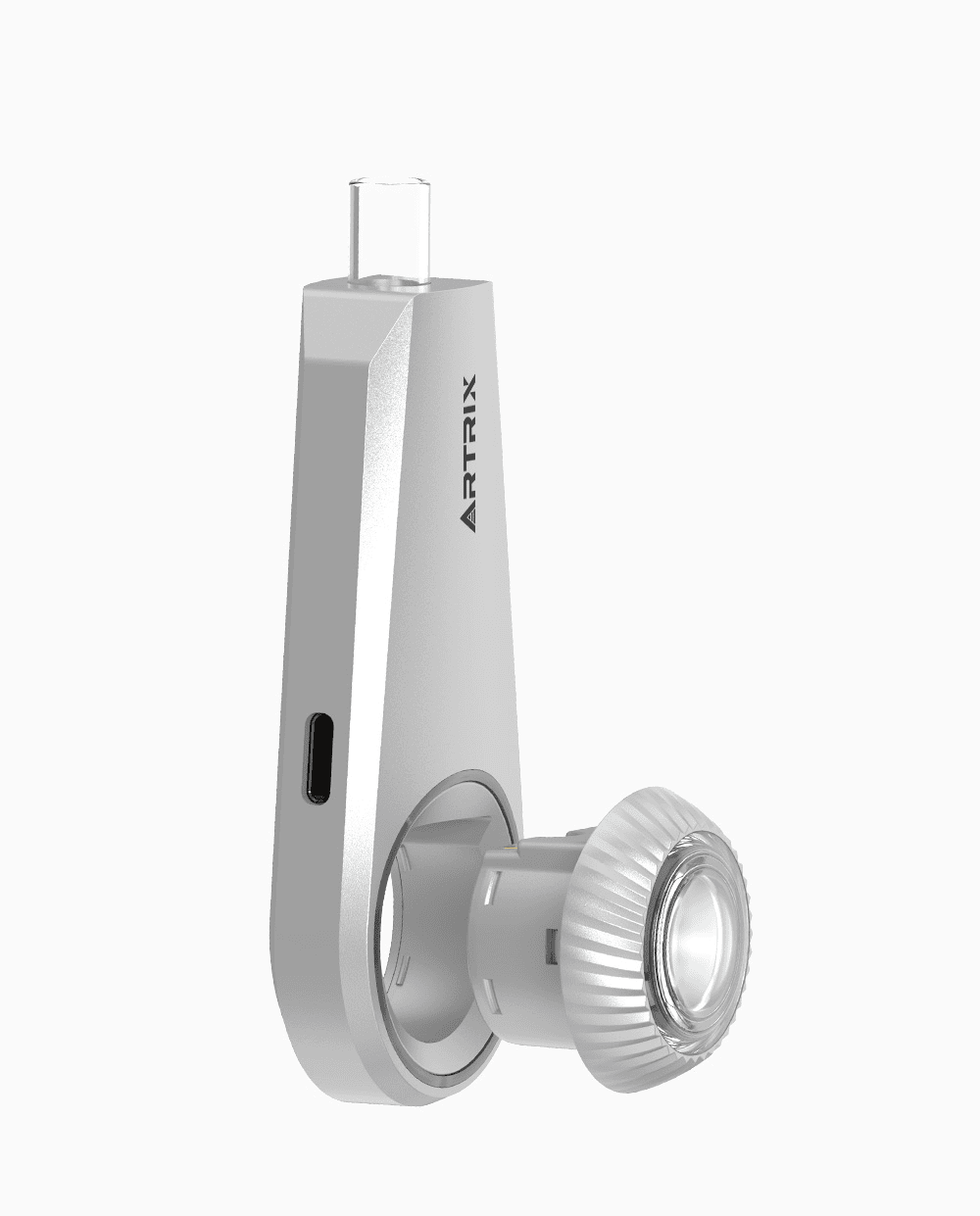
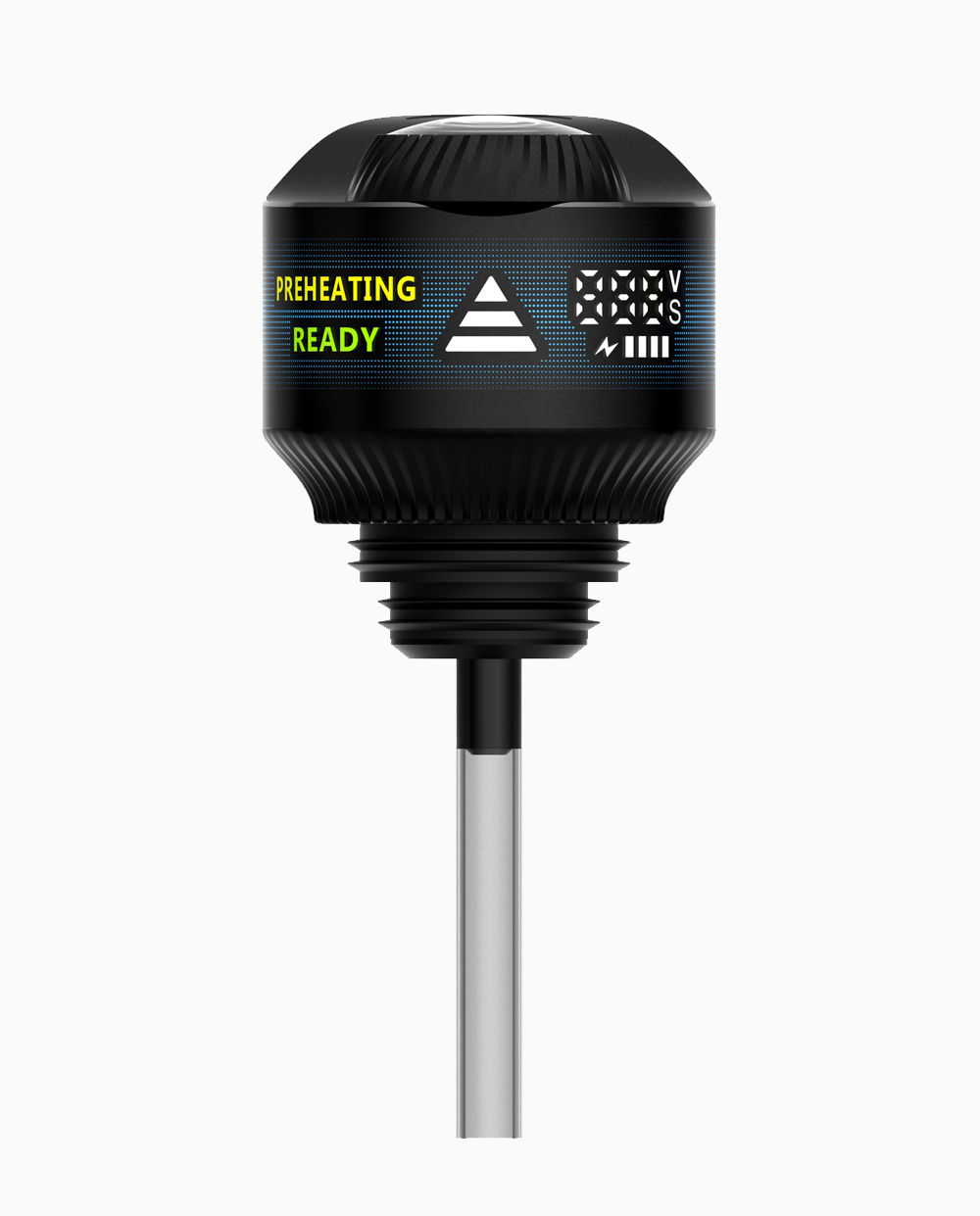
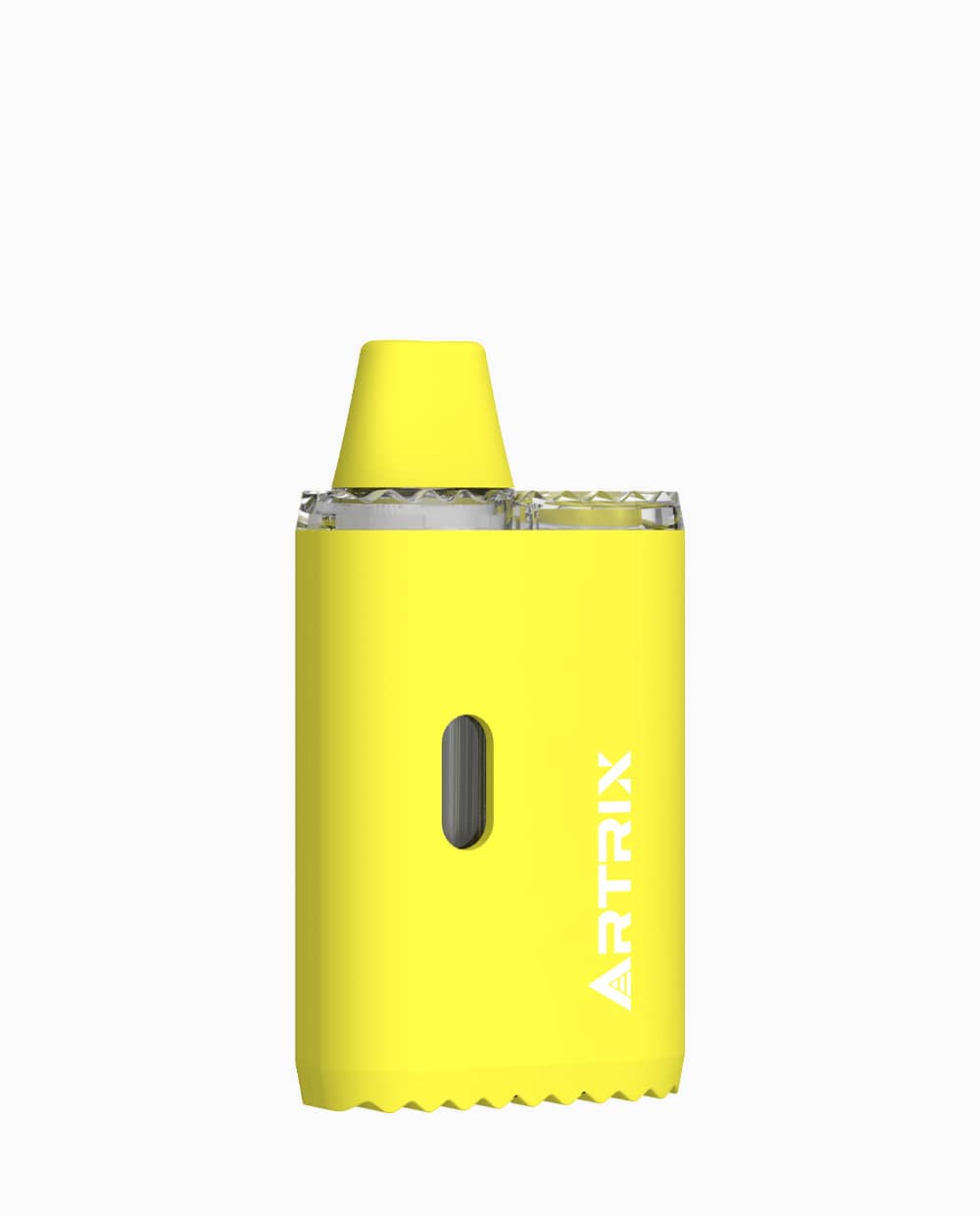
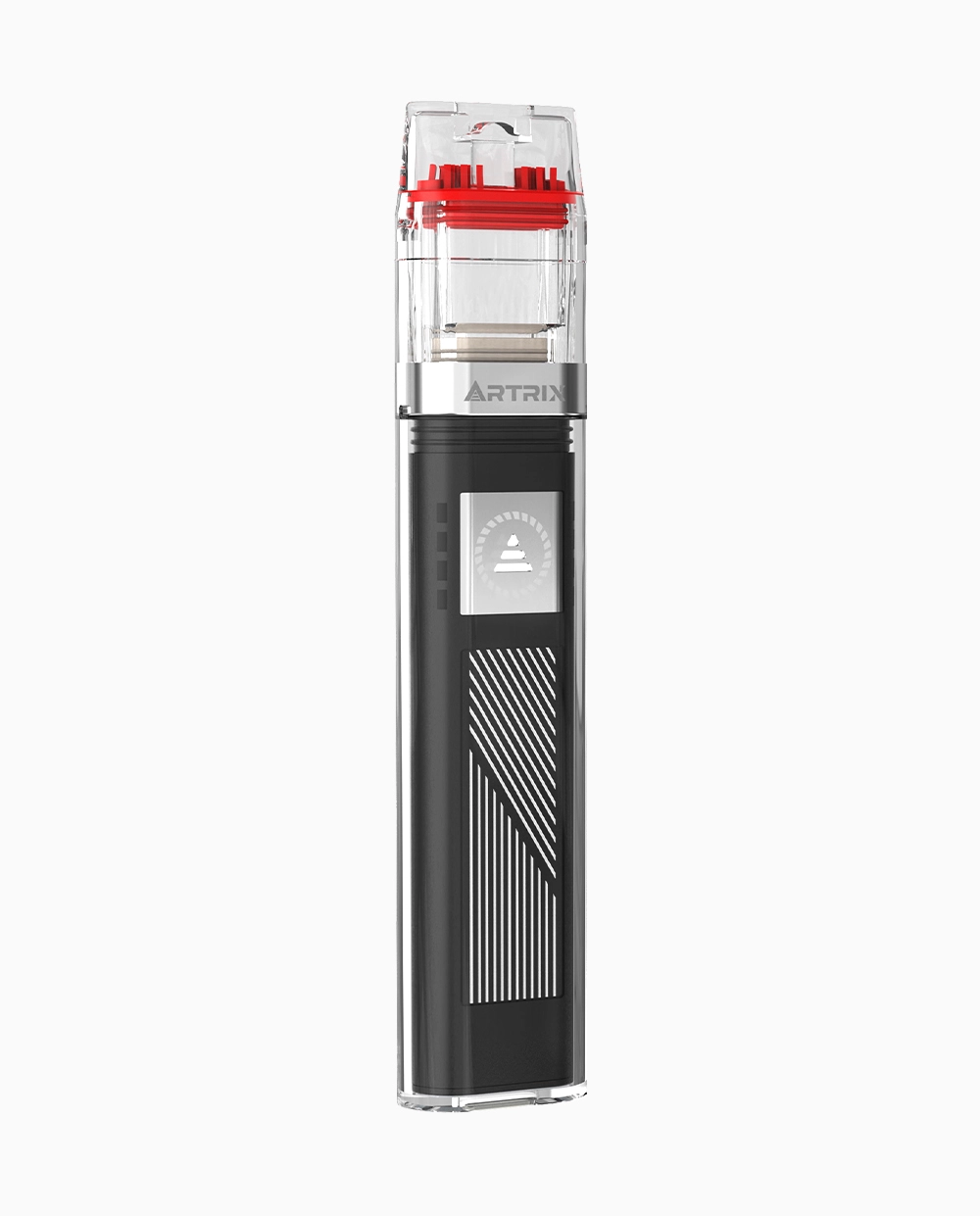
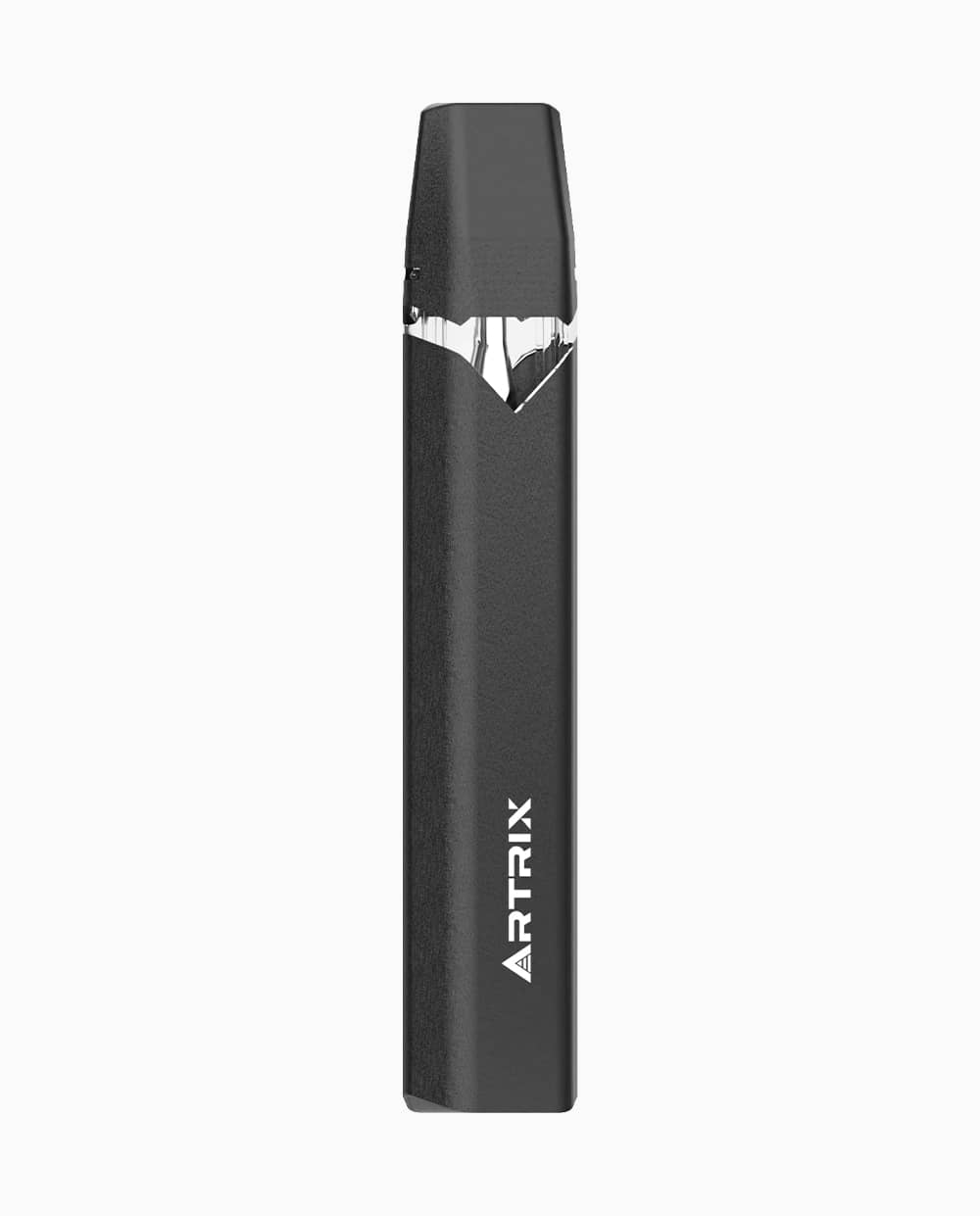
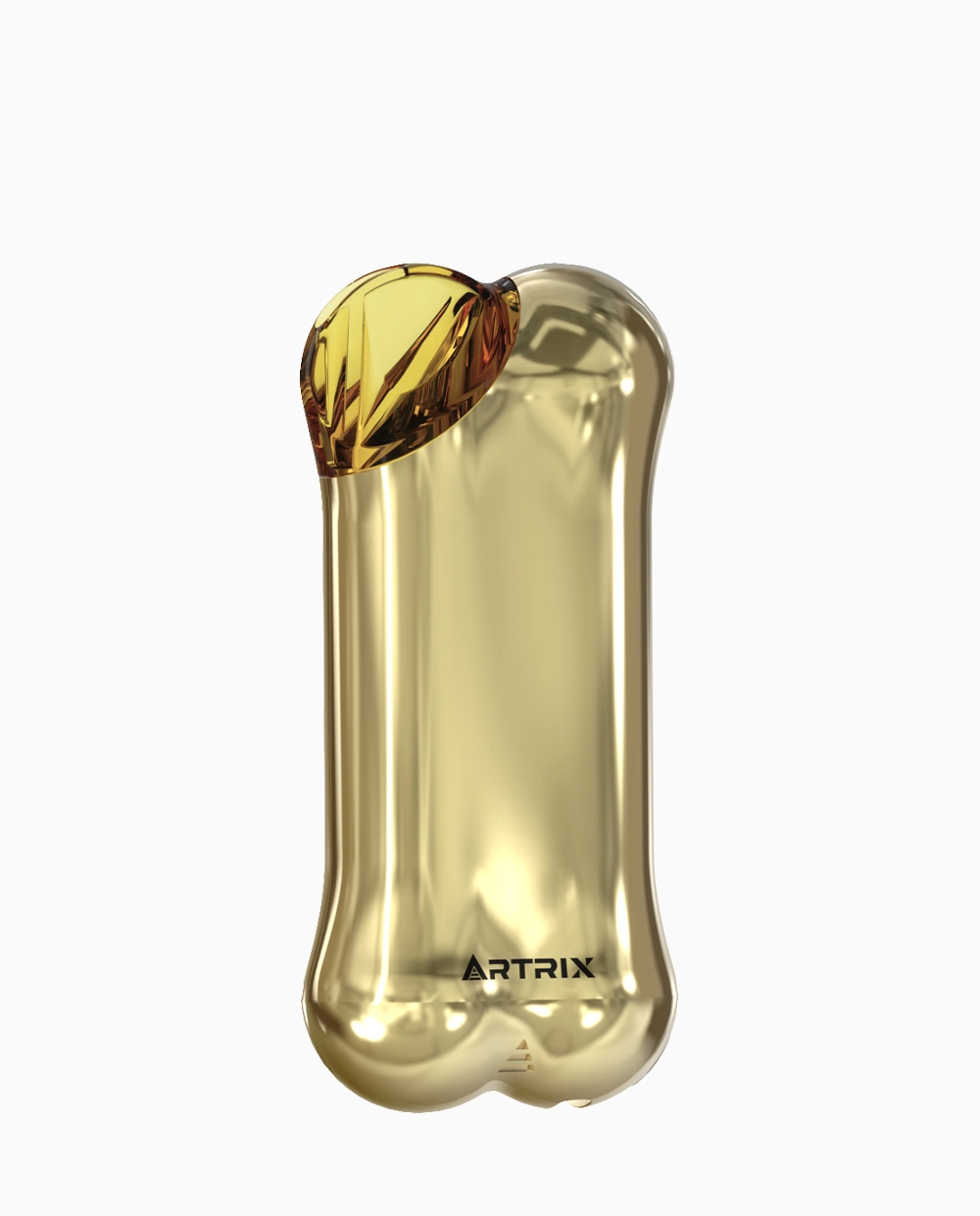
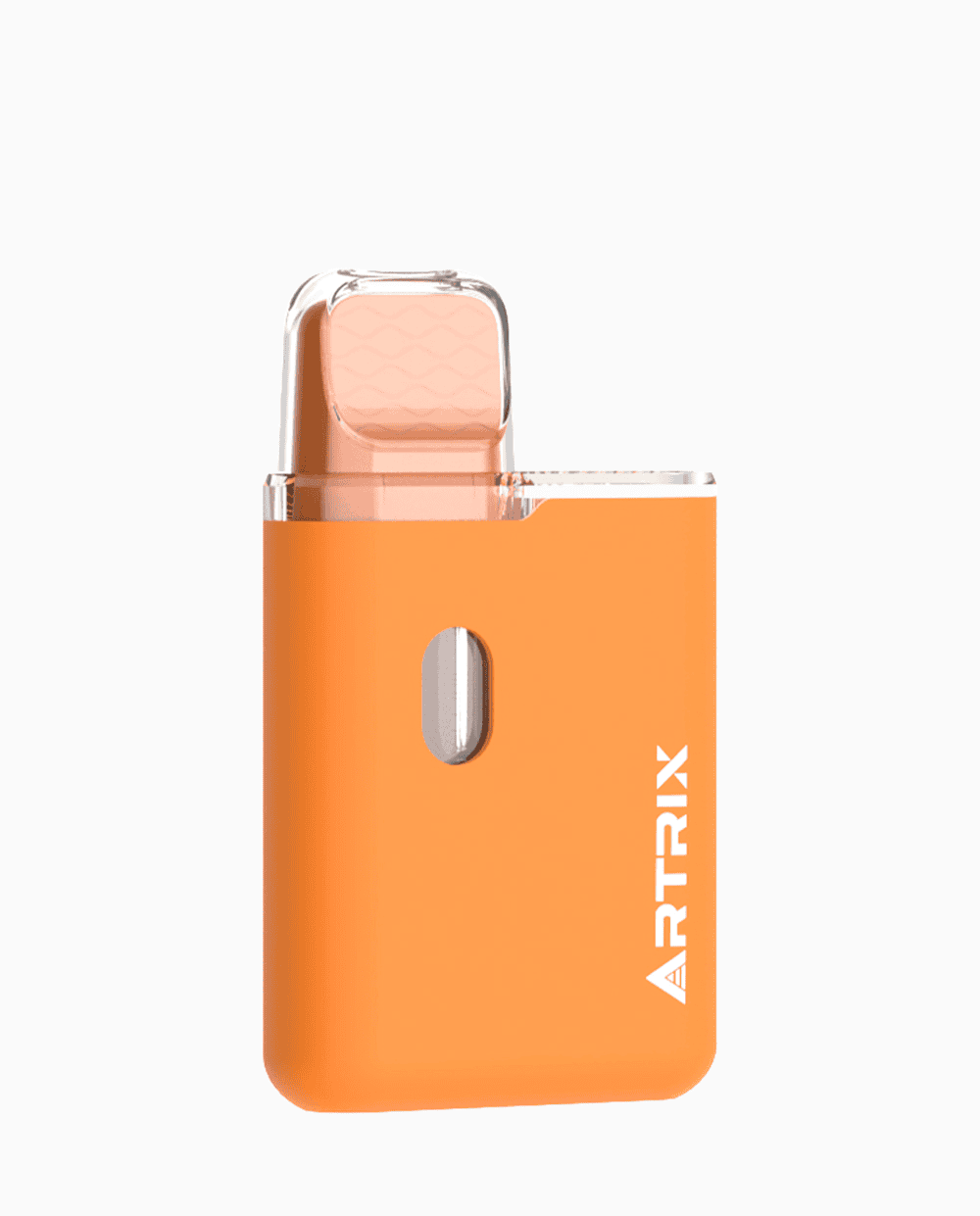
Artrix offers pod-system hardware options for cannabis brands evaluating reusable device ecosystems. The XLITE platform can be included when the project emphasizes compatibility architecture, while TOPOP provides another direction for brands comparing cost, positioning, and market-entry requirements.
A product page should be the starting point for comparison, not the final proof of fit. The brand should request current specifications and evaluate each platform against the same matrix: intended oil range, device and pod version, physical interface, electrical configuration, charging design, packaging requirements, customization scope, order conditions, lead time, validation documents, and warranty responsibilities. This creates a more defensible selection process than choosing primarily by appearance or unit price.
9.3 Use Samples to Build the Pilot, Not to Skip Validation
After narrowing the platform, the next commercial step is to align samples with the actual extract portfolio and intended market. A successful demonstration sample does not establish production-wide performance. The brand and supplier should agree on sample versions, oil identification, fill and storage conditions, evaluation methods, observed issues, corrective actions, and the criteria required before moving to the next stage.
This collaboration can also support a clearer sales story. Instead of publishing broad statements such as “high compatibility” or “stable quality,” the brand can explain the exact platform scope, the intended use case, the validation completed, and the limitations that still apply. More precise claims give distributors and retail teams information they can use while reducing the risk of setting expectations that the final product cannot consistently meet.
9.4 Discuss the Project With Artrix
Brands can contact Artrix to discuss the intended extract range, compatibility model, validation needs, customization scope, launch market, and pilot scale. A productive first discussion should include the business objective as well as the hardware request: the target consumer, planned retail channels, current product formats, reason for considering pods, and the metrics that will determine whether the pilot advances.
Before publication or procurement, any product-specific performance, test, certification, environmental, or compatibility claim should be confirmed against current documentation for the exact device version. Where measured evidence is not available, Artrix and the brand can use narrower mechanism-based wording and identify the validation needed before making a stronger claim.
Conclusion: A Pod System Must Earn Its Ecosystem
The cannabis vapor-pen category is large, but current evidence does not show proprietary pod systems replacing 510-thread hardware at market scale. Pods are better understood as a focused strategy for brands that want a reusable ecosystem, controlled hardware-extract pairing, and a measurable repeat-purchase model.
The opportunity is strongest when the brand has differentiated extracts, dependable distribution, sufficient capital, a credible validation program, and the operational capacity to support both batteries and pods. The decision should be based on pilot data—activation, attachment, repeat purchase, availability, failures, returns, and contribution margin—not on generalized promises of loyalty or stable profits.