


-1.webp)
-1.webp)
-2.webp)





































How Cannabis Brands Can Build the Next Smart Pod Success Beyond PAX
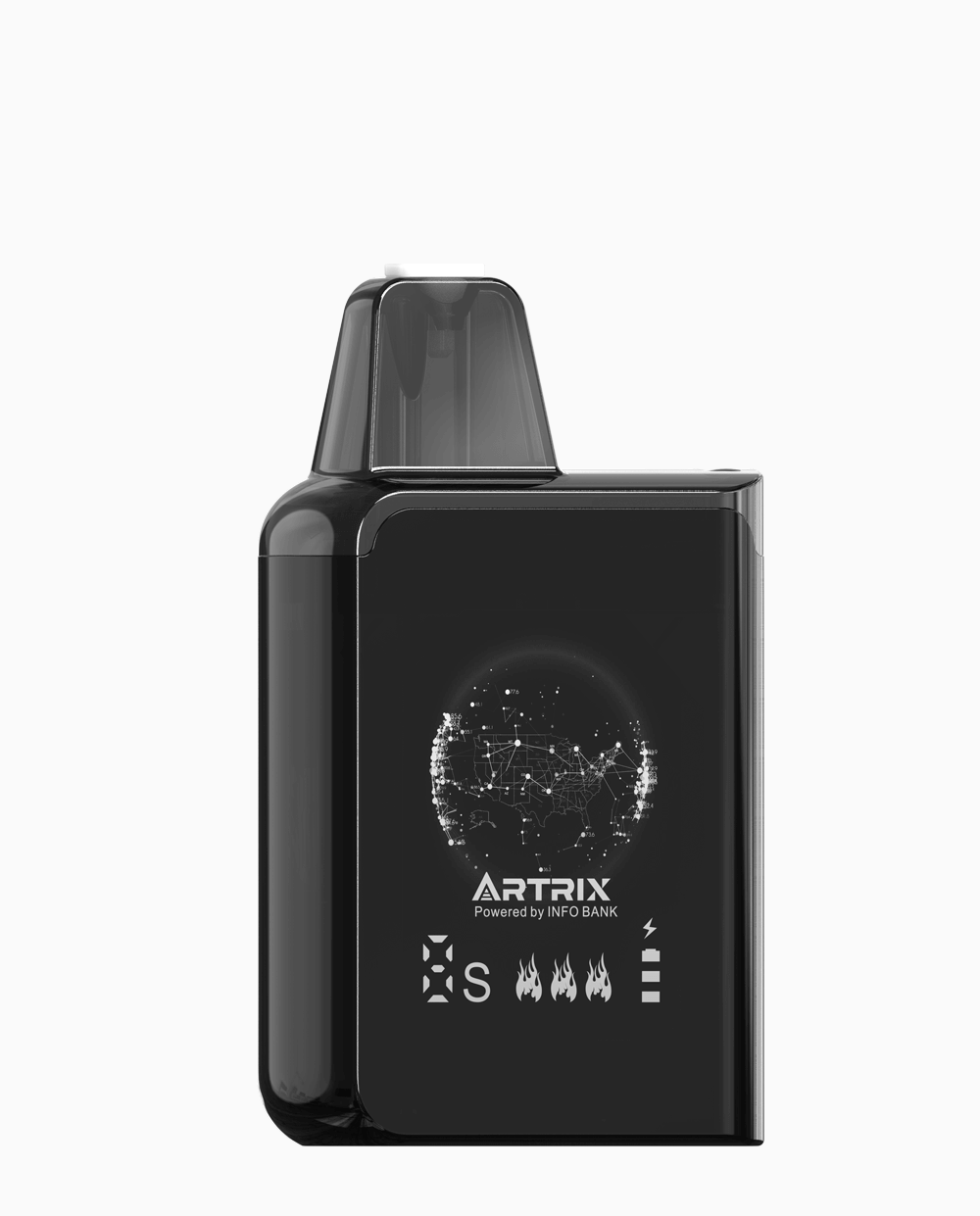
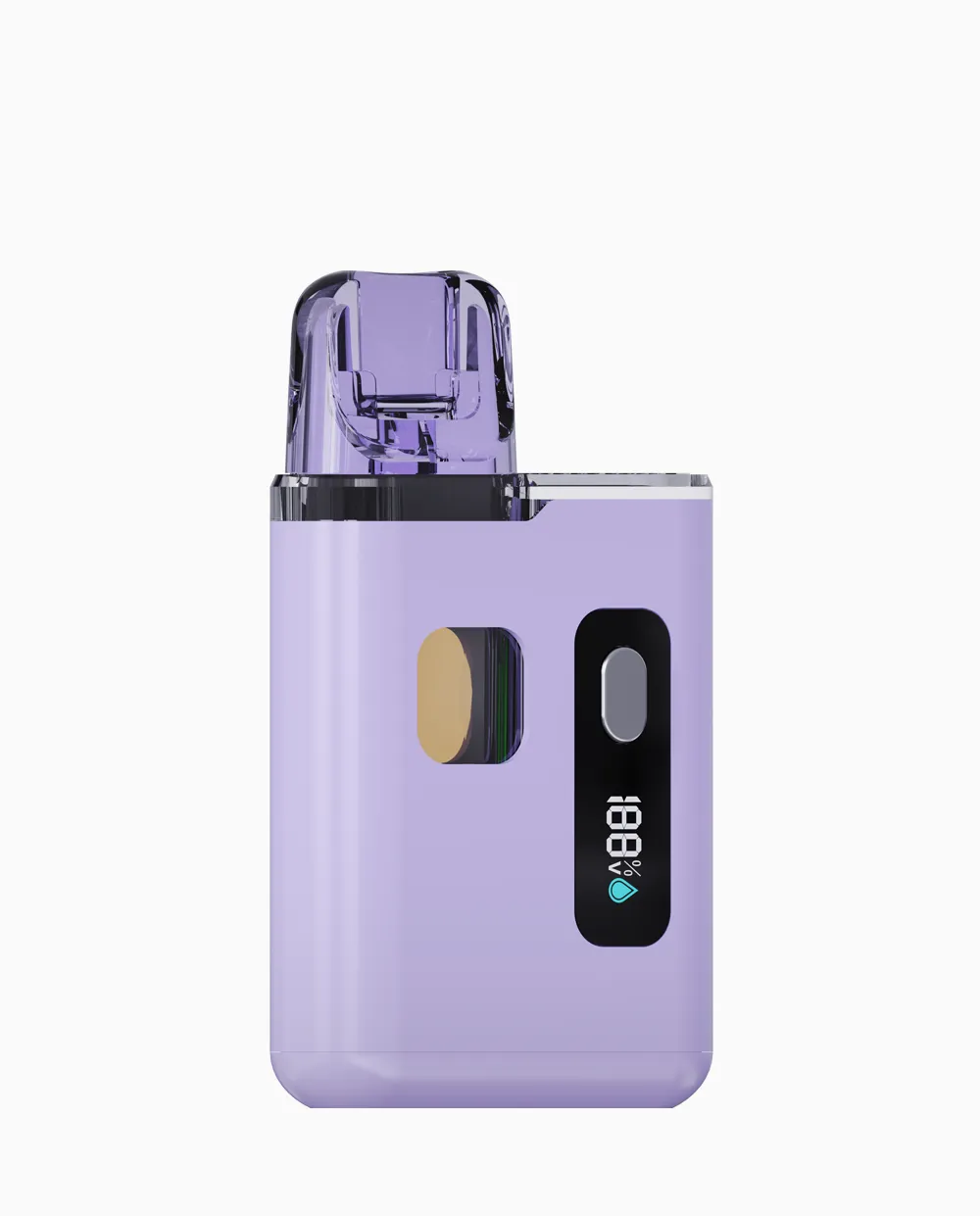
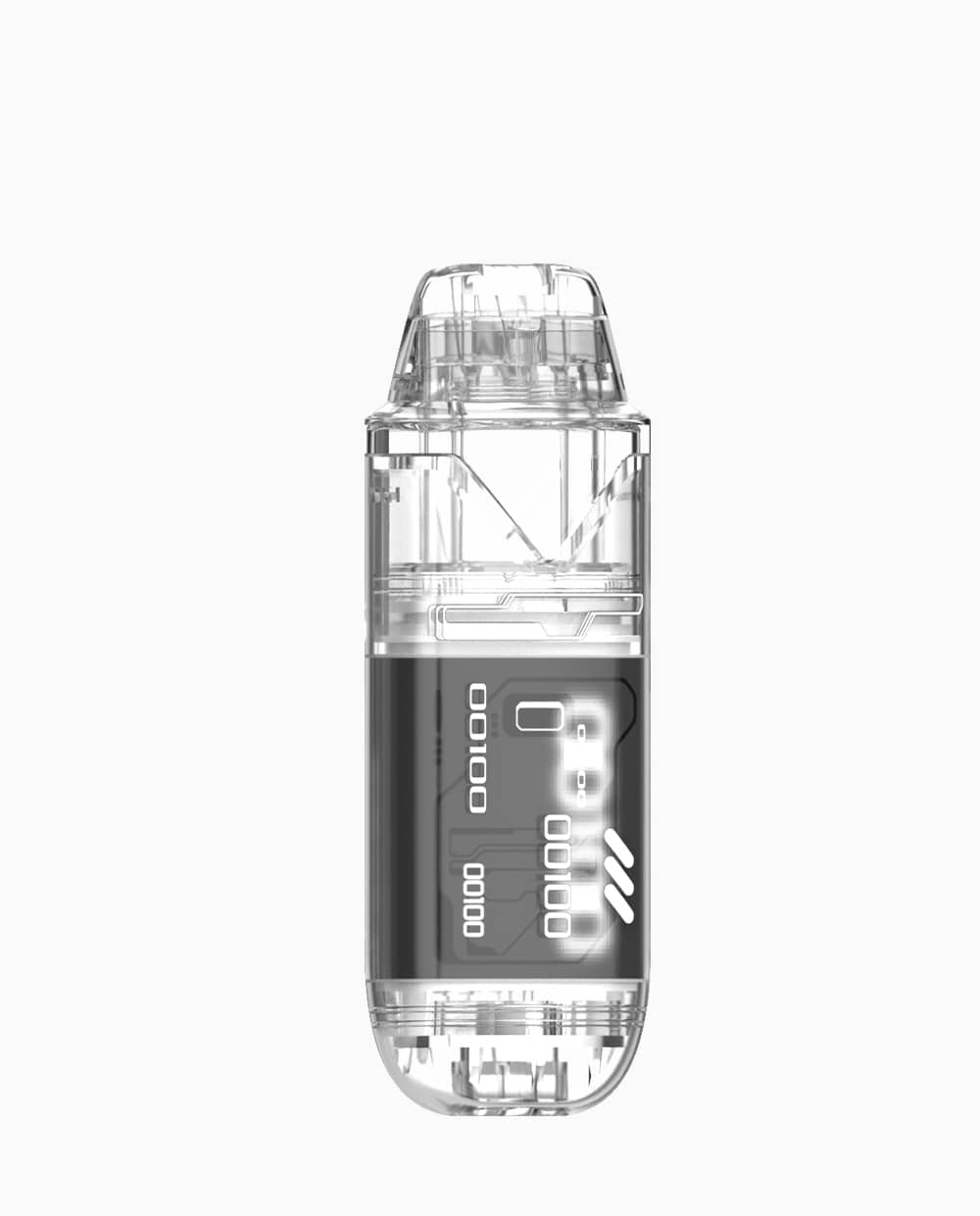
With the ongoing global trend of cannabis legalization, the market for cannabis vaporization is indeed gaining momentum. At the same time, smart technology has become increasingly popular in recent years. Smart products have permeated all aspects of life, from smartphones and smartwatches to smart homes. In the cannabis vaporization market, smart pod products are also attracting more and more attention. Cannabis brands like PAX, leading smart pod brands, have been successful in the cannabis vaporization market. And they have been garnering substantial commercial benefits. For cannabis brands trying to enter or upgrade the pod segment, the real opportunity is not to copy PAX feature for feature. It is to identify where the premium smart pod model creates friction, then build a product and brand story that lowers adoption barriers while still feeling meaningfully more advanced than a basic pod. That is the more practical pathway to building the next cannabis smart pod success.
The market opening is real, but it is not in every direction
The vapor-pen category is large enough to matter, but it is no longer a blank-slate market. Headset reported that Vapor Pens represented 25.5% of U.S. cannabis sales in Q4 2025, making them the number-two category in the market, while Pens also continued gaining importance across multiple North American markets. That is the good news for brands looking at cannabis smart pod expansion: there is still meaningful demand in inhalable formats, and the category remains strategically important.
But the structure inside the category matters even more than the headline size. Headset found that cartridges still held 53.1% of U.S. vapor-pen segment share in Q4 2025, while all-in-one disposables had risen to 46.7%, continuing to take share year over year. In other words, the category is not simply moving toward “more advanced” hardware. It is also moving toward convenience, immediacy, and lower-friction formats.
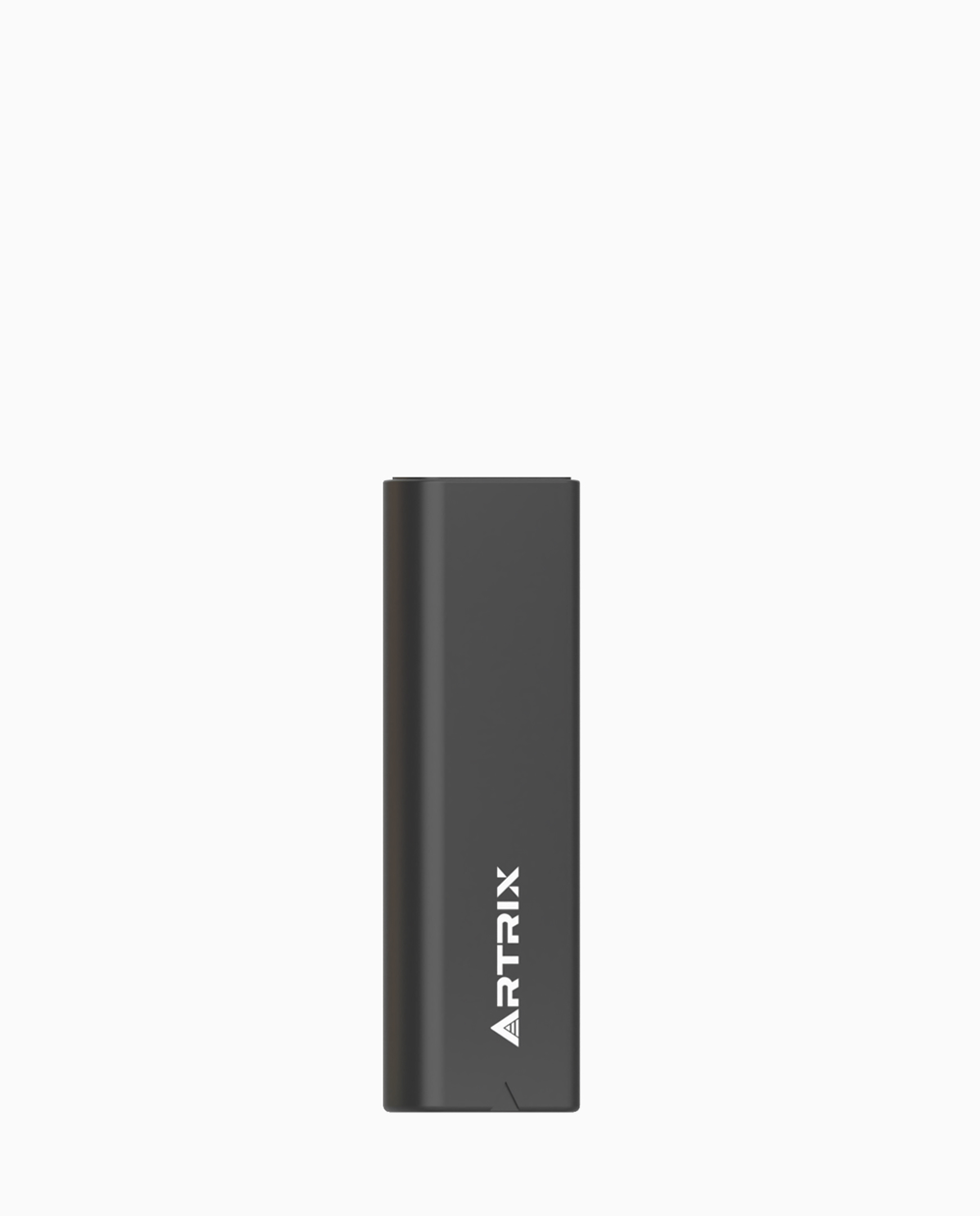
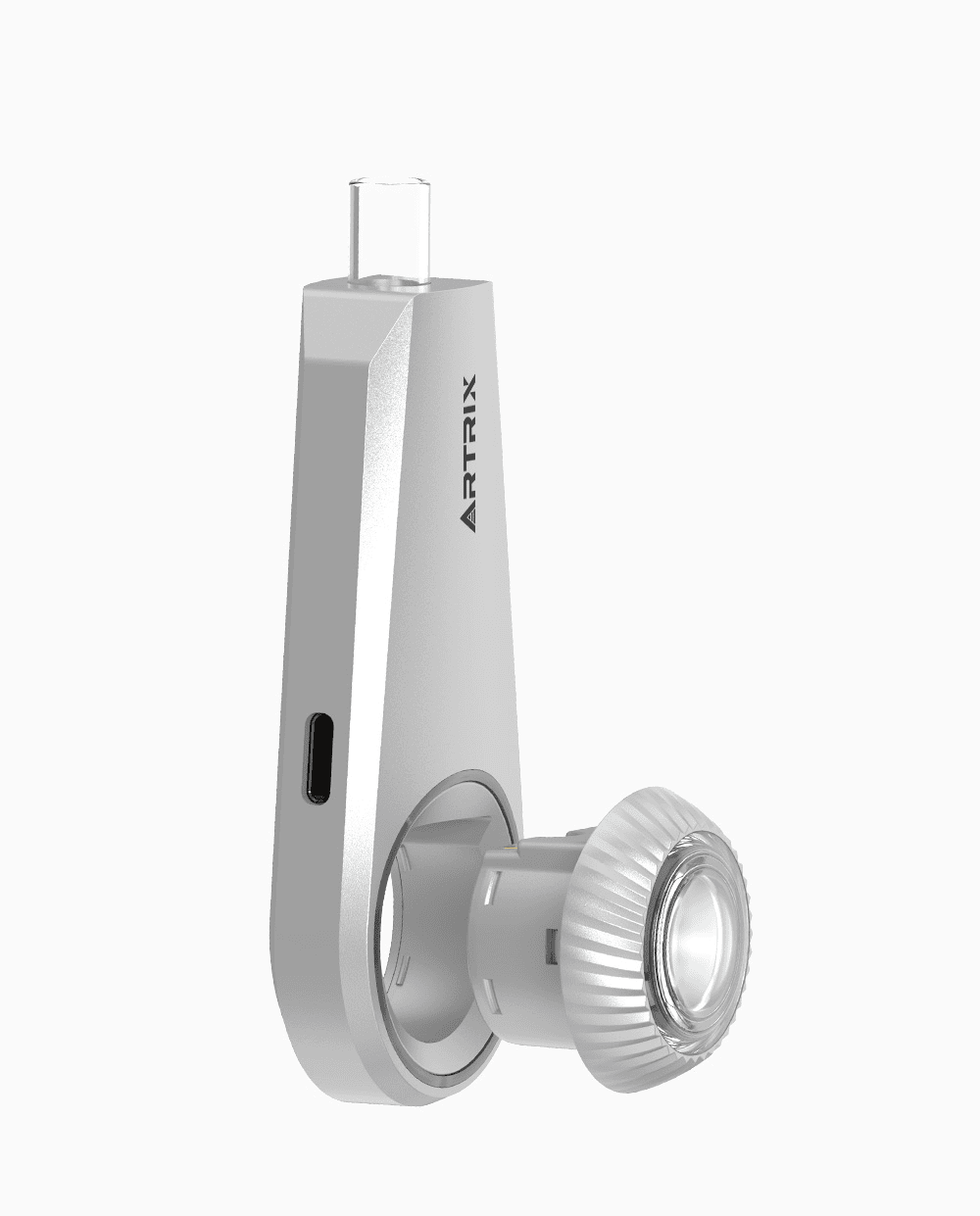
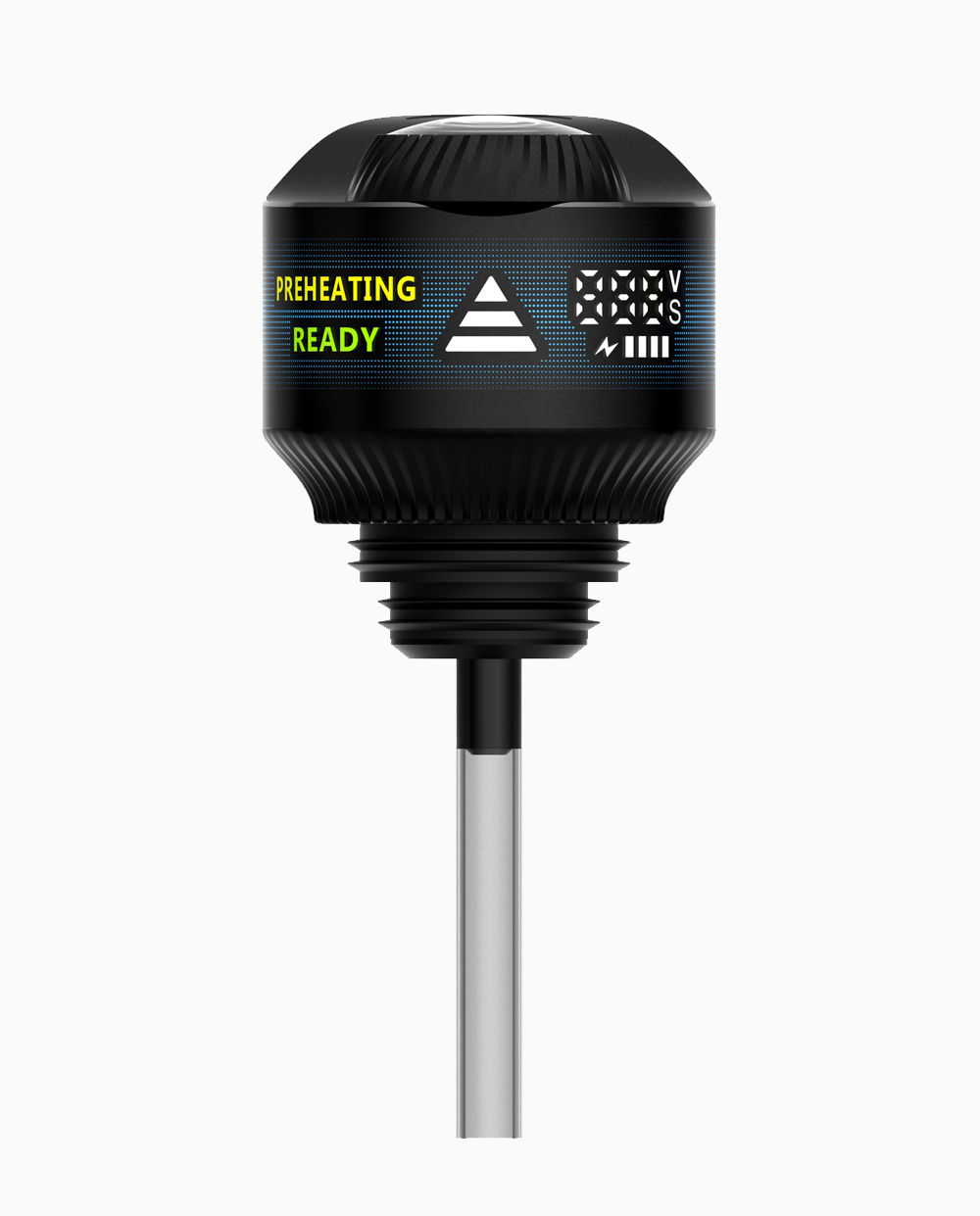
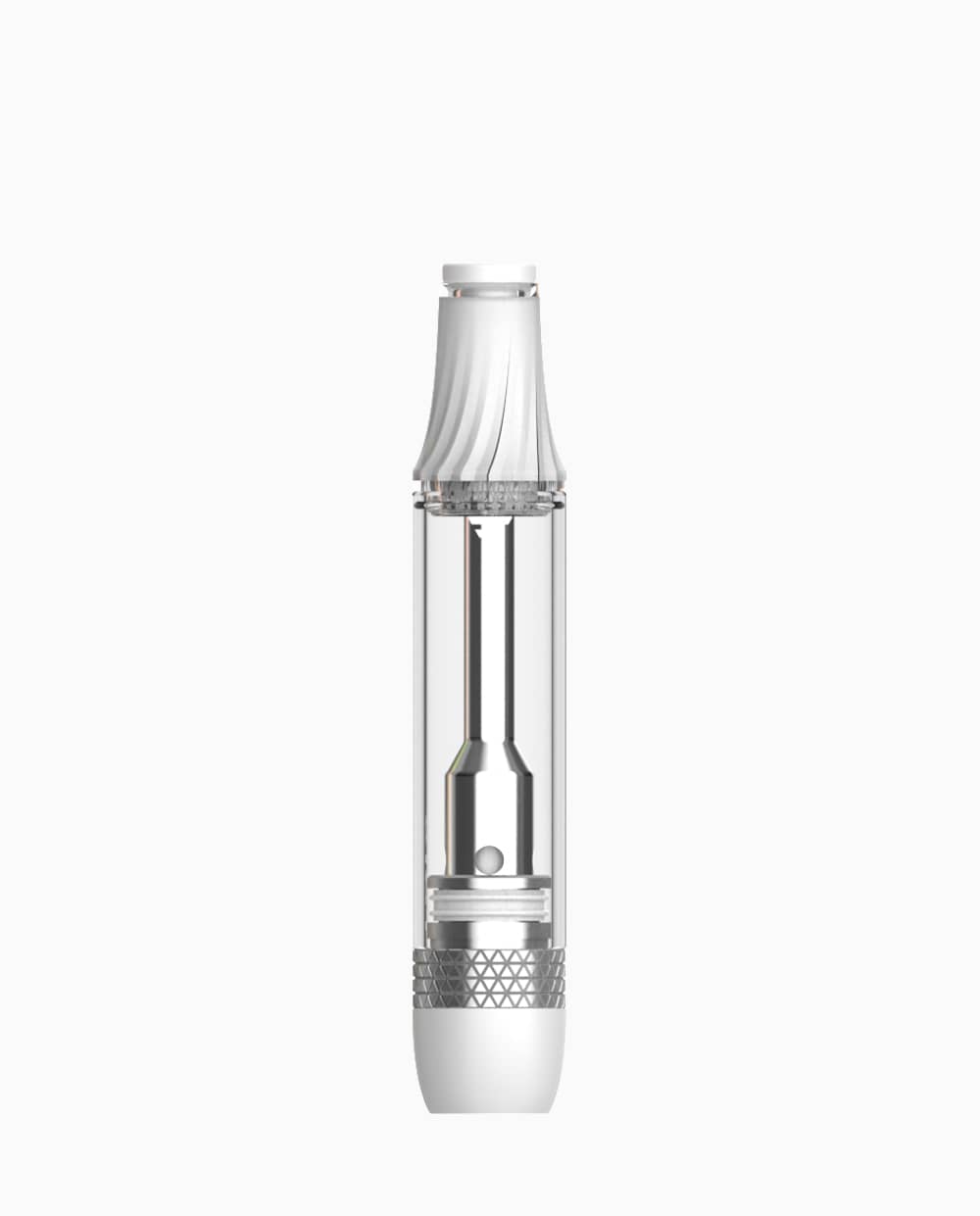
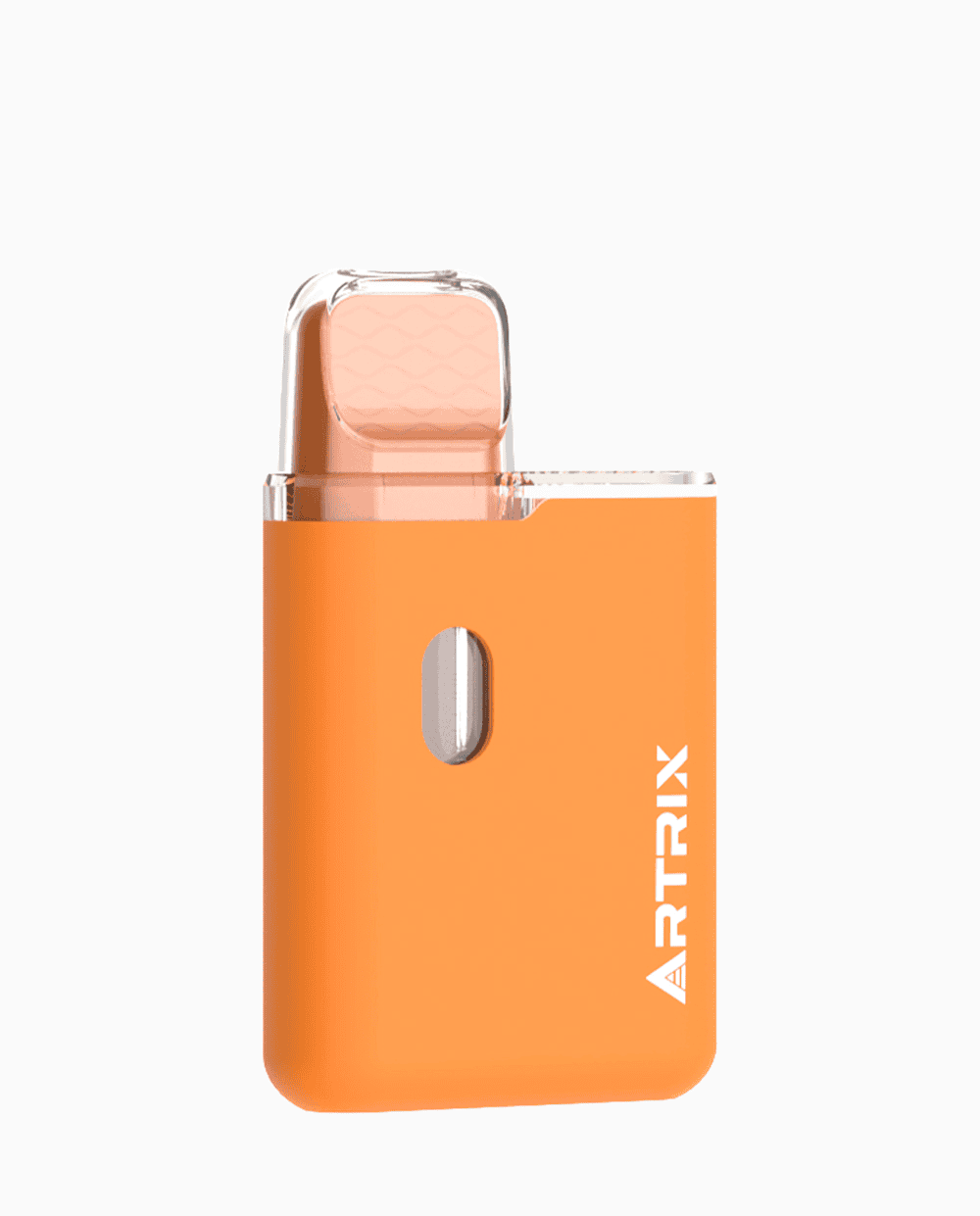
cannabis smart pod
That tension is central to smart pod strategy. A premium cannabis smart pod may promise better control, stronger differentiation, and a deeper brand ecosystem. However, it must compete in a category where many buyers still reward convenience, familiarity, and fast onboarding. To succeed, operators must carefully evaluate the financial viability and market capture of these more complex devices compared to high-volume disposables. The opportunity is real, but it belongs to brands that can make smart features feel useful rather than burdensome.
| Market signal | What it suggests | Strategic implication |
|---|---|---|
| Vapor Pens were 25.5% of U.S. cannabis sales in Q4 2025 | The category is large enough to justify focused investment | Smart pod entry can be meaningful if the positioning is clear |
| Cartridges led at 53.1% while disposables reached 46.7% | Convenience still shapes demand | Smart products must reduce setup friction |
| 1g held 75.1% of U.S. vapor-pen sales | The market is standardizing around familiar formats | Innovation should fit existing buying behavior where possible |
Why copying PAX is not enough
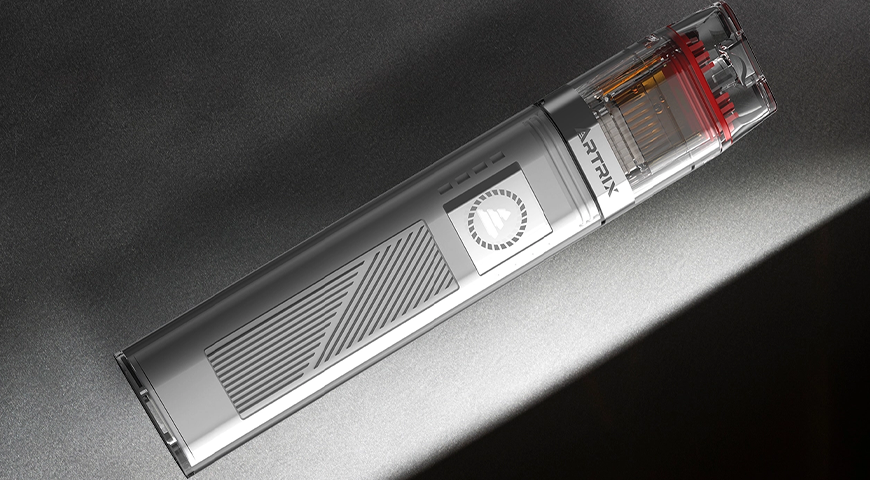
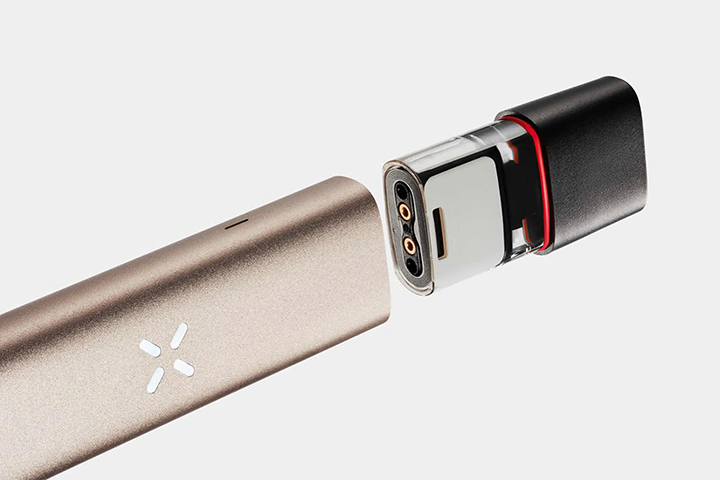
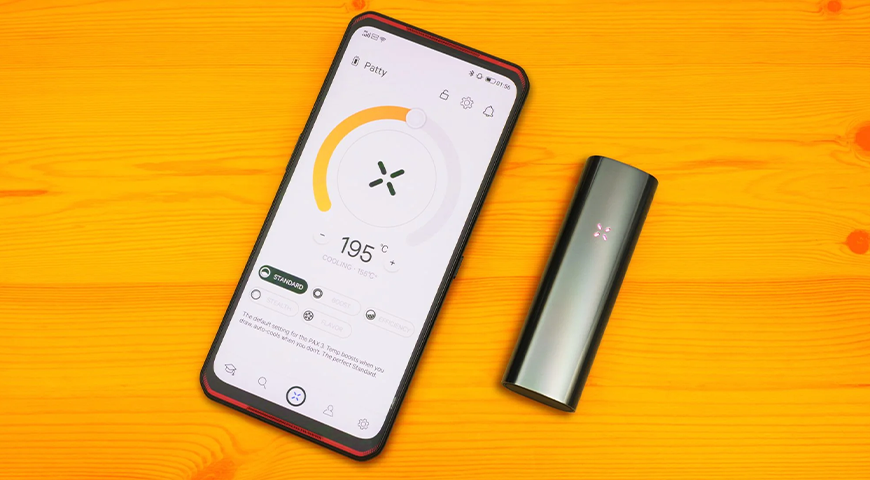
PAX remains a useful reference point because it shows what a premium smart pod proposition can look like. On its official product page, PAX describes ERA PRO around temperature control, four temperature modes, haptic feedback, and extended battery life, while its launch article framed the device around transparency, control, and smart connected pod functionality. That is a strong premium story, but it does not mean every ambitious brand should build the same type of system.
One reason is hardware standardization. 510-threaded hardware accounted for 91.3% of U.S. vapor-pen sales in Q4 2025, while proprietary systems represented only a small minority of the market. The strategic takeaway is straightforward: when a brand asks retailers and consumers to move into a more closed or more specialized ecosystem, that brand needs a very strong reason for the switch. Premium branding alone is often not enough.
The second reason is economics. U.S. vapor-pen equivalent pricing fell from $28.30 in January 2024 to $21.70 by December 2025, reflecting sustained price compression across the category. In a compressing market, brands need clearer commercialization logic. They cannot rely on “smart” as a label. They have to prove that the added complexity either creates stronger brand distinction, better repeat behavior, easier budtender storytelling, or a more defendable price ladder.
Three differentiation paths that matter more than copying features
1. Differentiate through product architecture
The first question is not whether a cannabis smart pod has more features. It is whether the feature set matches the user journey. If a device asks too much from first-time users, requires too much explanation at retail, or makes the pod experience feel like software setup rather than inhalation convenience, many brands will lose the very consumers they hoped to attract.
A stronger approach is selective intelligence: keep the features that visibly improve control or personalization, and remove the layers that create learning cost without improving daily use. In a market where disposables keep gaining share, simpler interaction is not a compromise. It can be the differentiator.
2. Differentiate through price-ladder logic
Not every brand should attack the premium tier directly. In many cases, the better opportunity is the transition zone between a standard pod and a fully premium smart ecosystem. That middle space matters because it can bring smart-pod curiosity into the category without forcing buyers to pay the full cost, accept higher switching friction, or learn a more complicated operating model on day one.
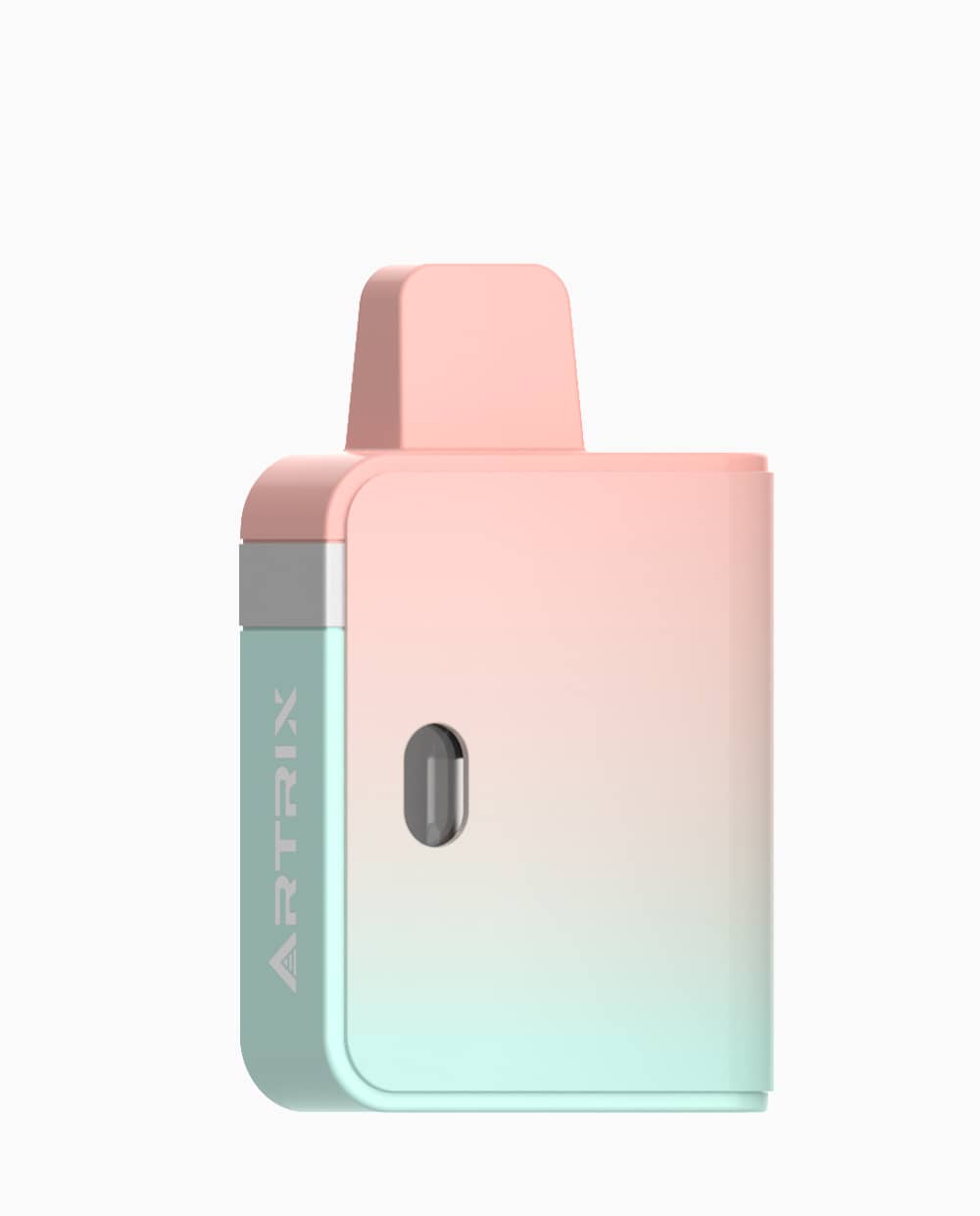
This is where an entry-level or “light smart” concept can work well. Instead of promising maximum intelligence, it promises a more approachable upgrade path. That is often easier for retailers to explain, easier for consumers to try, and easier for brands to scale.
3. Differentiate through brand narrative
Feature lists are rarely enough to build lasting brand advantage. A successful cannabis smart pod also needs a narrative that answers a commercial question: why should this hardware make the brand more memorable, more discussable, or more ownable in the eyes of buyers and channel partners?
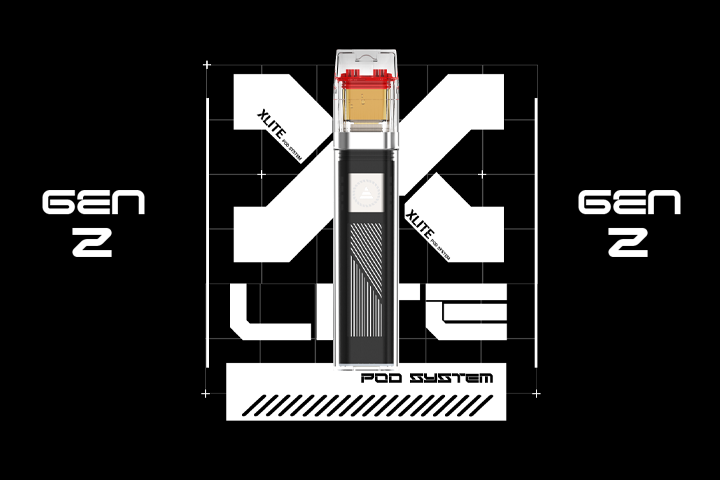
Headset noted that preference for Vapor Pens is strongly correlated with age, with Gen Z showing the highest affinity for the category. That does not mean every youth-oriented visual cue will work, but it does suggest that design language, interaction clarity, and visible identity can matter as much as raw technical depth when a brand is trying to create recall.
Where entry-level smart pods can win
The strongest opening for a new cannabis smart pod vape is often not the top end of the category. It is the point where a brand can offer a more advanced experience than a basic pod, but without forcing users into the full complexity of a premium closed system. That positioning can help a brand reduce onboarding friction while still claiming a meaningful innovation story.
There is also a compliance angle to this strategy. In California, the Department of Cannabis Control states that guidance effective November 7, 2022 limits which components may be included in inhaled cannabis products and reiterates ingredient, labeling, and marketing restrictions for products intended for inhalation. For brands, this means smart-pod development is not only about adding functions. It is also about building a cleaner commercialization path around product claims, packaging discipline, and marketability in regulated channels.
That is why the best entry-level smart pod offers more than “cheaper than premium.” It should give brands a retail story that is easy to repeat, a feature set that is easy to demonstrate, and a product identity that still feels more aspirational than ordinary hardware. The goal is not to underbuild. The goal is to remove unnecessary friction from adoption.
Conclusion
The pathway to building the next cannabis smart pod success does not start with copying the most visible premium device in the category. It starts with understanding where the market is standardizing, where pricing is compressing, and where consumers still reward simplicity. Brands that win will not necessarily be the ones with the most complex feature stack. They will be the ones that make smart features feel commercially relevant and operationally easy to adopt.
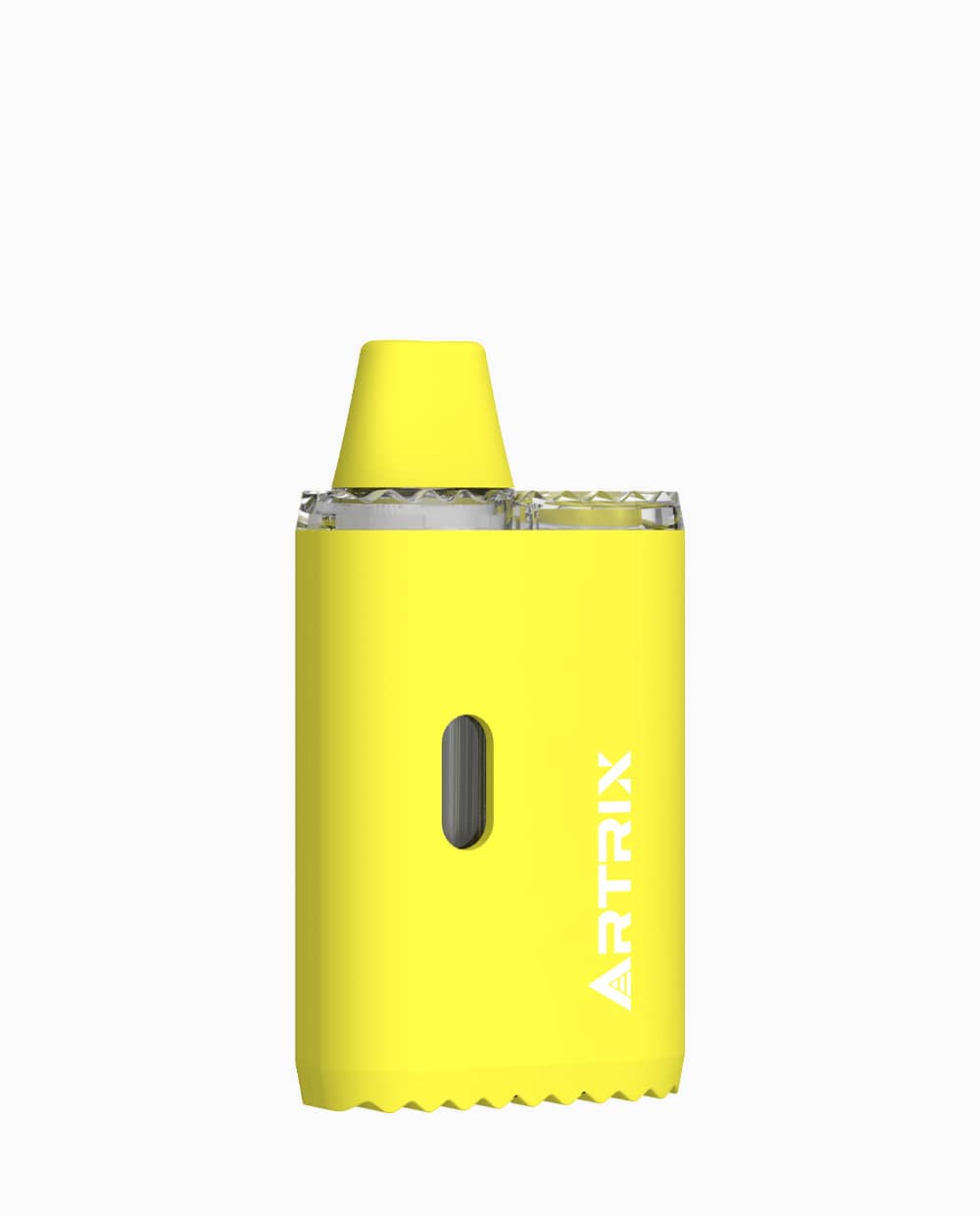
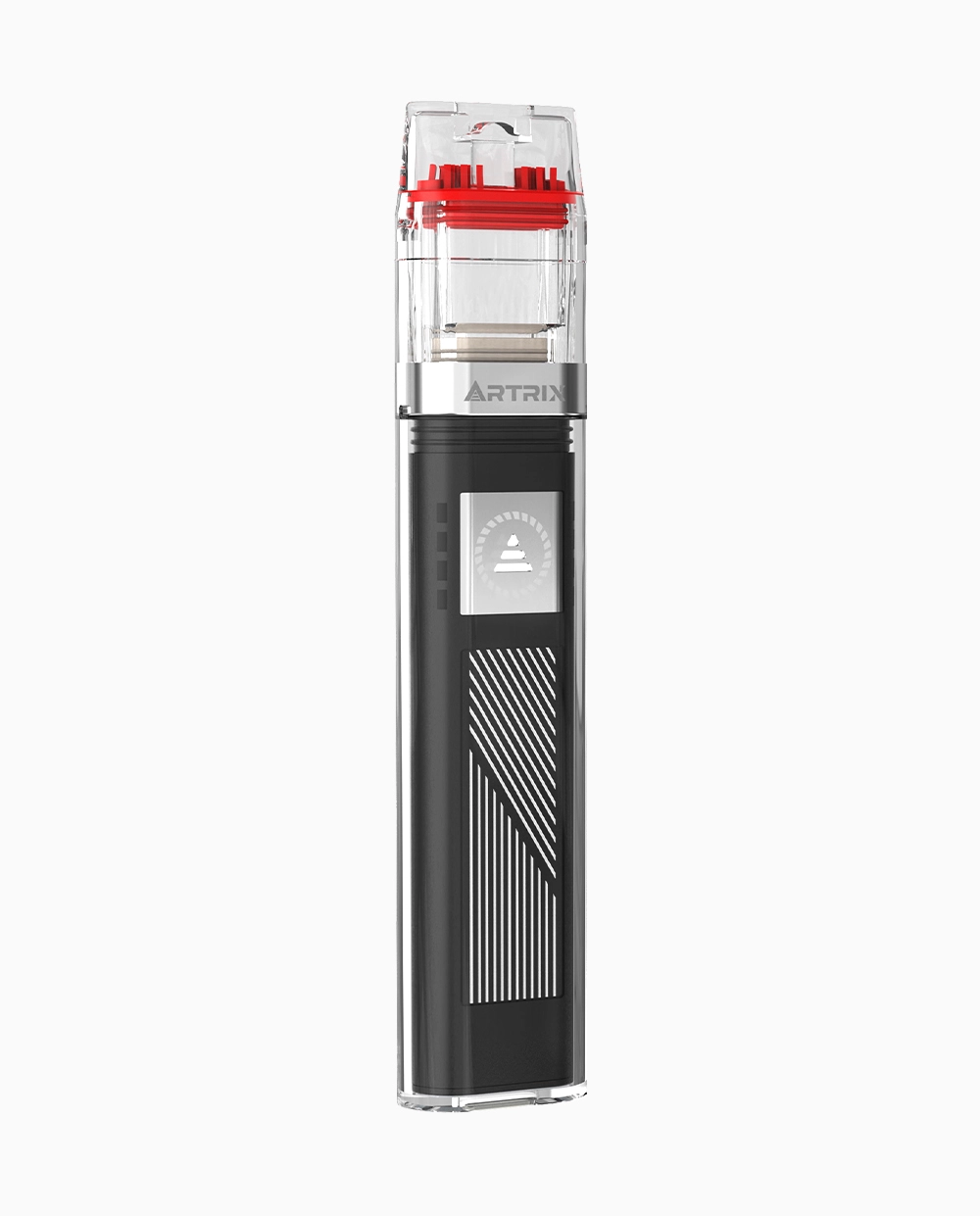
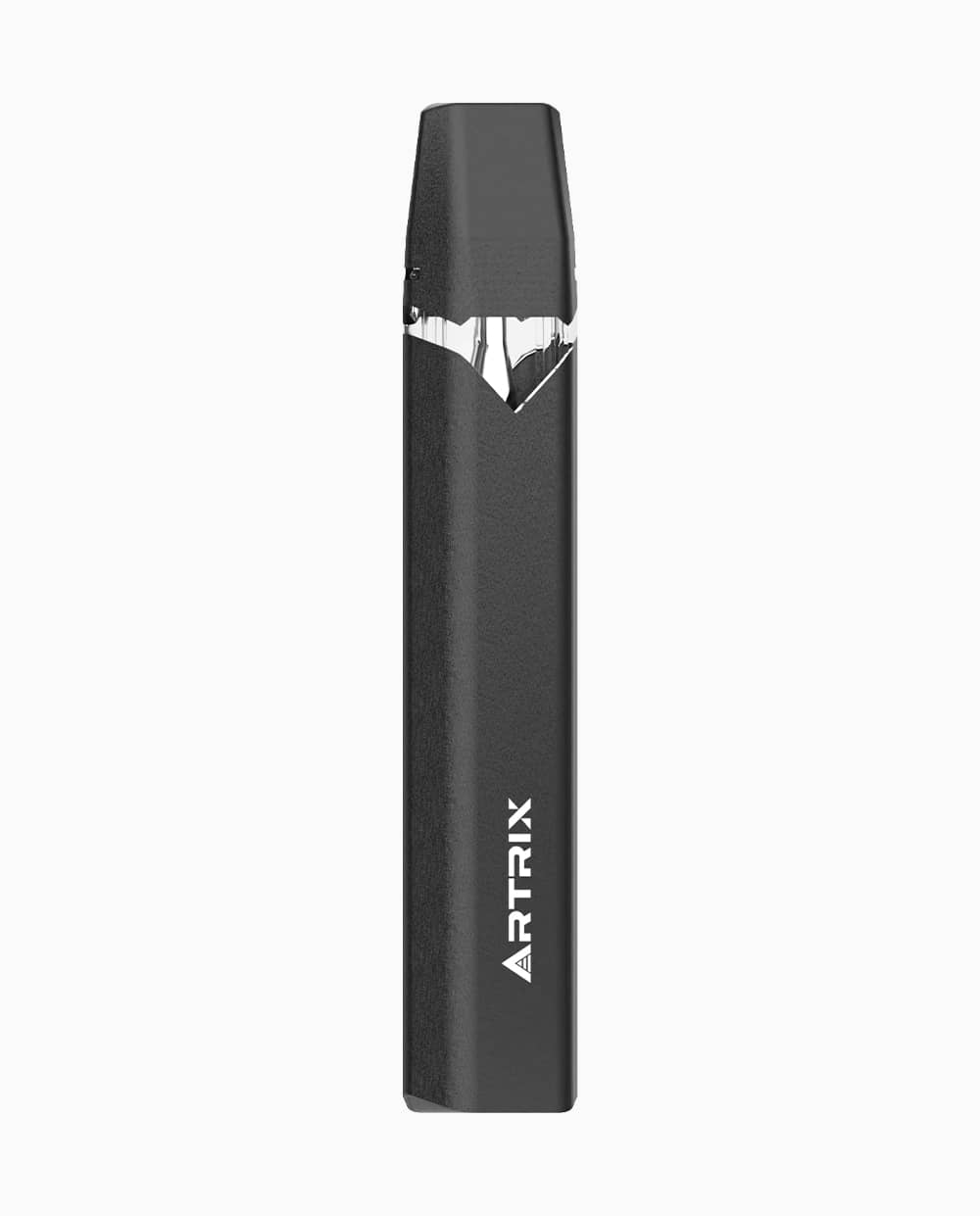
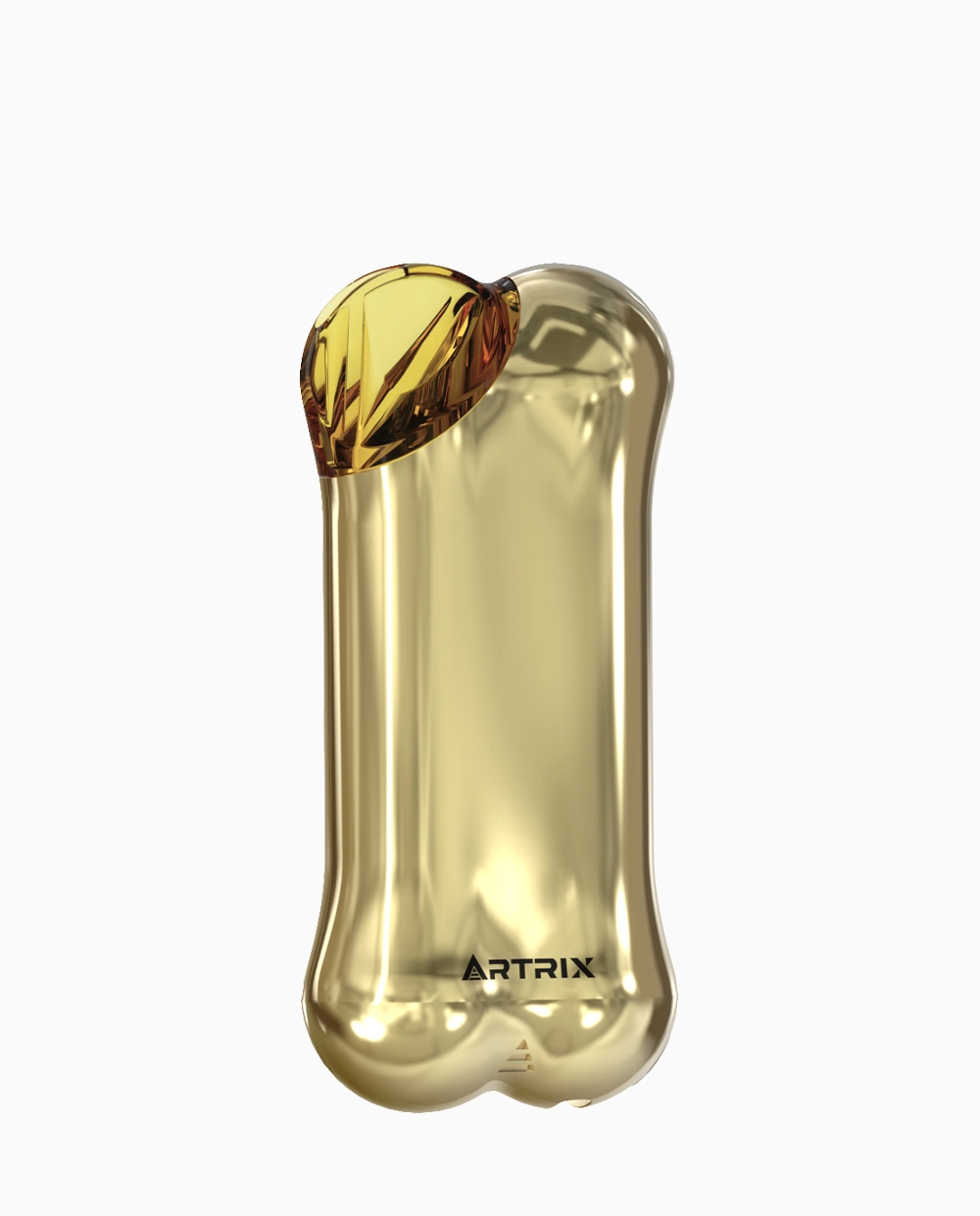
If a brand wants to compete beyond PAX, the strongest move may be to own the transition space between ordinary pods and fully premium ecosystems. That is where an entry-level smart pod, a clearer retail story, and a more disciplined brand narrative can create real differentiation. For companies evaluating how to position that kind of product, Artrix can be introduced naturally near the end of the journey as a hardware and strategy partner rather than the premise of the entire article.