
-1.webp)
-1.webp)
-2.webp)














Does THCA Show Up on a Drug Test?
Last Updated: July 30, 2026
This content is for informational purposes only and does not constitute medical or legal advice. Please consult a licensed healthcare provider before using cannabis products. Comply with your state’s regulations.
This content is intended for audiences 21 years and older, as required by U.S. law.
Cannabis regulations vary by state. Please verify the legal status of products in your area before purchase.
THCA products can lead to a positive drug test. Standard workplace tests generally do not target THCA itself, but heating THCA can produce delta-9 THC, and some products may already contain measurable THC. After exposure, a test may detect THC or its metabolites without identifying whether the THC originally came from a THCA-labeled vape, another cannabis product, or a different route of use.
No online detection window can guarantee an individual result. The outcome depends on the product, dose, frequency of use, route of administration, specimen type, laboratory method, test cutoff, collection timing, and individual physiology. If a negative result is essential for employment, transportation work, probation, athletics, or medical monitoring, a “THCA,” “hemp,” or “CBD” label should not be treated as evidence that a product is drug-test safe.
Quick answer
THCA itself is not the main target of standard workplace drug tests. However, vaping or smoking a THCA-containing product applies heat, which can convert THCA into delta-9 THC. Urine testing commonly looks for a THC metabolite, while oral-fluid testing may look for THC itself; either pathway can produce a positive result when the applicable cutoff is met.
-
- Do not assume that legal status and drug-test risk are the same question.
-
- Do not rely on a product name or front-label claim alone; review the batch-specific certificate of analysis when one is available.
-
- Do not use a general detection-window chart as a guarantee that a laboratory test will be negative on a particular day.
What is THCA?
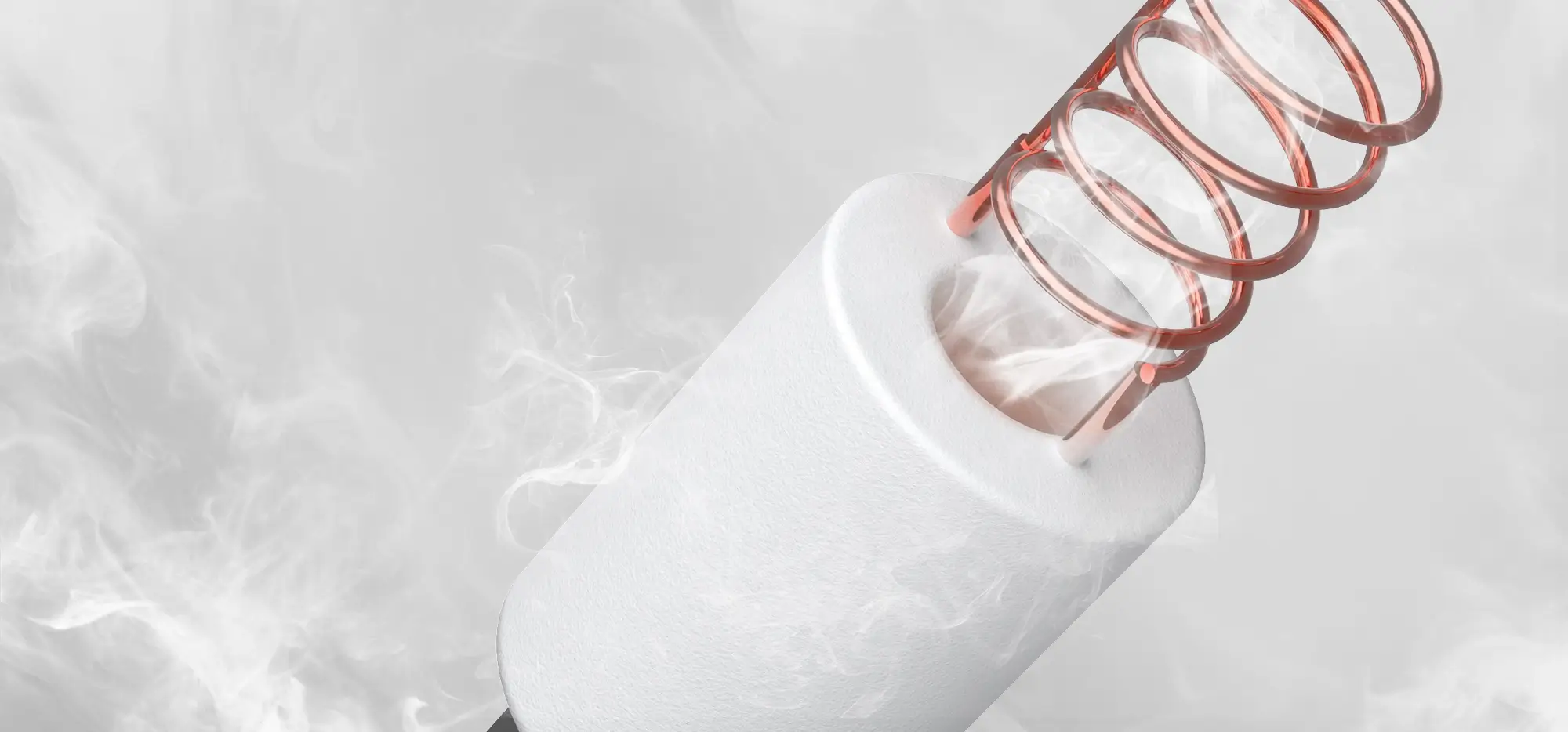
THCa (tetrahydrocannabinolic acid) is the non-psychoactive precursor to THC found in raw cannabis plants. Unlike THC, THCa doesn’t produce a “high” in its natural state because it hasn’t undergone decarboxylation – the process where heat removes a carboxyl group and transforms THCa into psychoactive THC. This transformation occurs naturally over time or rapidly when cannabis is heated through smoking, vaping, or cooking.
In more precise terms, THCA is generally described as non-intoxicating rather than completely “non-psychoactive.” Decarboxylation is also not a simple on-off switch at one universal temperature. Research shows that conversion depends on both temperature and time, and that incomplete conversion, evaporation, or degradation can occur under different conditions. A peer-reviewed THCA decarboxylation study demonstrates why a single temperature cannot predict how much THC a specific device and formulation will produce.
For vape users, the practical issue is straightforward: heating a THCA-containing formulation may create inhalable THC. The amount actually delivered can vary with the starting cannabinoid profile, device temperature, heating duration, aerosol generation, puff pattern, and losses within the device. Without product-specific testing under disclosed conditions, it is not defensible to promise a conversion percentage or predict the resulting drug-test concentration.
Why a THCA Product Can Produce a Positive Result
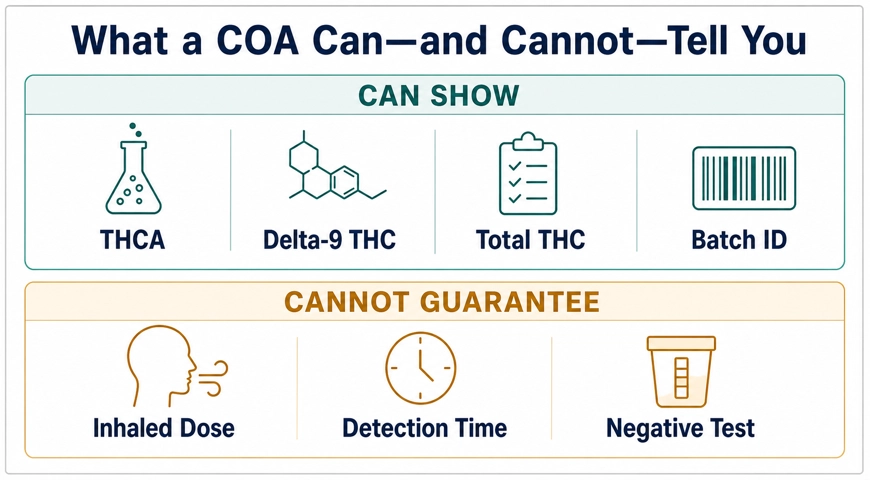
A positive result can arise through more than one route. A THCA product may contain some delta-9 THC before use, heating may convert part of its THCA into THC, and batch composition may differ from what a shopper assumes from the product name. Once delta-9 THC enters the body, its later detection does not preserve a simple record of the label printed on the product.
The most useful document for evaluating composition is a batch-specific certificate of analysis, or COA. A relevant COA should identify the tested batch and report THCA and delta-9 THC separately; a “total THC” value may also be shown. A COA can describe the tested sample, but it still cannot guarantee an individual drug-test outcome because exposure, metabolism, collection timing, and laboratory cutoffs remain variable.
| Product information | What it can tell you | What it cannot tell you |
|---|---|---|
| THCA result | How much acidic cannabinoid was measured in the tested sample | The exact amount converted during a particular vaping session |
| Delta-9 THC result | How much delta-9 THC was already measured in the sample | Whether a user will remain below a drug-test cutoff |
| Total THC calculation | An estimate that accounts for THCA’s potential contribution after conversion | A product-specific inhaled dose or a personal detection window |
| Batch identifier | Whether the report appears to correspond to a particular production batch | That every unit was independently tested or is identical |
How Do Drug Tests Detect Cannabis Exposure?
Understanding how different drug tests work is essential for anyone using THCa products, especially vape users who regularly convert THCa to THC through heating.
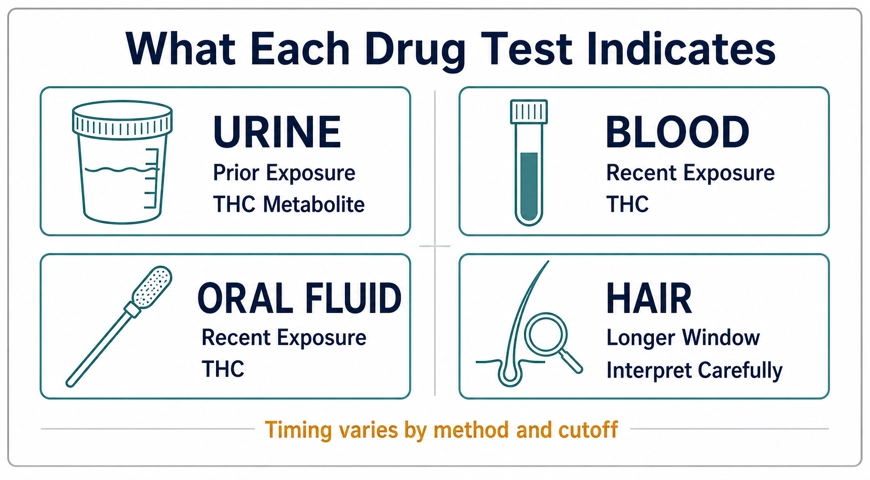
Different specimen types answer different questions and use different analytical targets. Under the current U.S. federal workplace framework, urine testing reports delta-9-tetrahydrocannabinol-9-carboxylic acid, often shortened to THC-COOH or THCC, while oral-fluid testing reports delta-9 THC. The SAMHSA testing guidance applies to a defined federal program; private, clinical, athletic, forensic, and non-U.S. programs may use different panels, cutoffs, or procedures.
| Test type | Typical analytical focus | What it means in practice | Main limitation |
|---|---|---|---|
| Urine | Primarily THC-COOH in common workplace programs | Useful for identifying prior THC exposure after metabolites have formed | Cannot reliably determine the exact time of use or current impairment |
| Blood | THC and, depending on the panel, related analytes | More closely associated with recent exposure than urine testing | Concentration does not translate into a universal impairment rule |
| Oral fluid | THC in the U.S. federal workplace framework | Generally emphasizes more recent exposure | Collection method, oral contamination, cutoff, and timing affect interpretation |
| Hair | THC and/or metabolites, depending on the method | May provide a longer retrospective exposure window | External contamination and very low metabolite concentrations complicate interpretation |
What Drug Tests Actually Detect?
No single statement describes every drug test. In standard workplace programs, the relevant targets are usually THC or a THC metabolite rather than THCA from the original product. Specialized forensic or research testing may analyze additional cannabinoids, so “no test can detect THCA” would be too broad.
Primary Detection Targets:
-
- THC (Delta-9-tetrahydrocannabinol): The psychoactive compound your body recognizes
-
- THC-COOH: The primary metabolite stored in fat cells and eliminated through urine
-
- 11-OH-THC: An active metabolite that contributes to psychoactive effects
These compounds do not all have the same role in every testing program. For example, the U.S. federal urine program focuses on THC-COOH rather than using 11-OH-THC as its routine marijuana marker. The applicable panel and cutoff should therefore be confirmed before interpreting any result.
How Long Can THC From a THCA Product Be Detected?
There is no universal number of days that applies to every person or test. Detection may extend from a relatively short period after limited exposure to much longer periods after frequent use, especially when urine metabolites are involved. A peer-reviewed review of human cannabinoid pharmacokinetics emphasizes that the long excretion pattern of THC-COOH makes the timing of past use difficult to predict from urine results.
Inhalation produces rapid THC exposure, but rapid onset does not mean urine metabolites disappear equally quickly. Peak plasma concentrations after inhalation can occur within minutes, while reported inhaled bioavailability varies substantially with the person, product, device, and inhalation behavior. That variability is why a fixed claim such as “vaping has 30–40% bioavailability” should not be used as a personal detection calculator.
-
- Frequency and amount of use can affect how much THC and THC-COOH accumulate before testing.
-
- Body composition, individual metabolism, health status, and time since last exposure may influence concentrations, but they do not yield a reliable personal countdown.
-
- Product composition, device behavior, heating conditions, and inhalation pattern can affect THC exposure from a THCA vape.
-
- The specimen type, analytical method, cutoff, and collection procedure determine how the laboratory classifies the sample.
These factors may influence exposure or elimination, but they should not be converted into unsupported personal percentages. Claims that a particular age group clears THC 25–40% faster, that women remain positive 20–30% longer, or that a fixed share of the population tests positive two to three times longer require direct evidence matched to the test, population, dose, and cutoff. Without that evidence, the responsible conclusion is simply that individual variability can be substantial.
False Positives, Product THC, and Inconsistent Results
Pure CBD is unlikely to produce a positive urine result for marijuana under the standard federal panel, but a CBD- or THCA-labeled product may expose the user to THC. SAMHSA notes that commercially available hemp products can contain enough delta-9 THC to produce a positive result in some circumstances. The distinction is important: a confirmed result caused by THC in the consumed product is a true detection of exposure, not a false positive caused by CBD itself. See the SAMHSA cannabidiol advisory.
This distinction matters: an initial screening result and a laboratory-confirmed result are not identical stages. Screening assays can be affected by cross-reactivity, while confirmation uses a more specific analytical method. At the same time, exposure to THC that was present in a mislabeled or misunderstood product is not a laboratory false positive.
Product labels also do not override the rules of a testing program. The U.S. Department of Transportation states that CBD use is not accepted as an explanation for a confirmed marijuana-positive result in DOT-regulated testing and warns that product labeling may not reliably predict THC exposure. That DOT notice is specific to DOT-regulated safety-sensitive workers, but it illustrates why users must check the policy that actually applies to them.
What This Means for Cannabis Vape Brands
For a responsible vape brand, drug-test education should reduce ambiguity rather than turn uncertainty into a sales promise. Product pages and packaging should avoid phrases such as “drug-test safe,” “THC-free” without a clearly matched test basis, or “legal loophole.” A better approach is to provide accessible batch documentation, distinguish THCA from delta-9 THC, explain what total THC represents, and state that heating and individual test conditions prevent a guaranteed outcome.
Hardware and formulation businesses can also make COA access easier by connecting the report to a batch or lot identifier. That supports a buyer or brand partner who needs to compare the document with the actual product in hand. It does not prove what dose a consumer will inhale, but it provides a more useful qualification step than relying on a generic product-category claim.
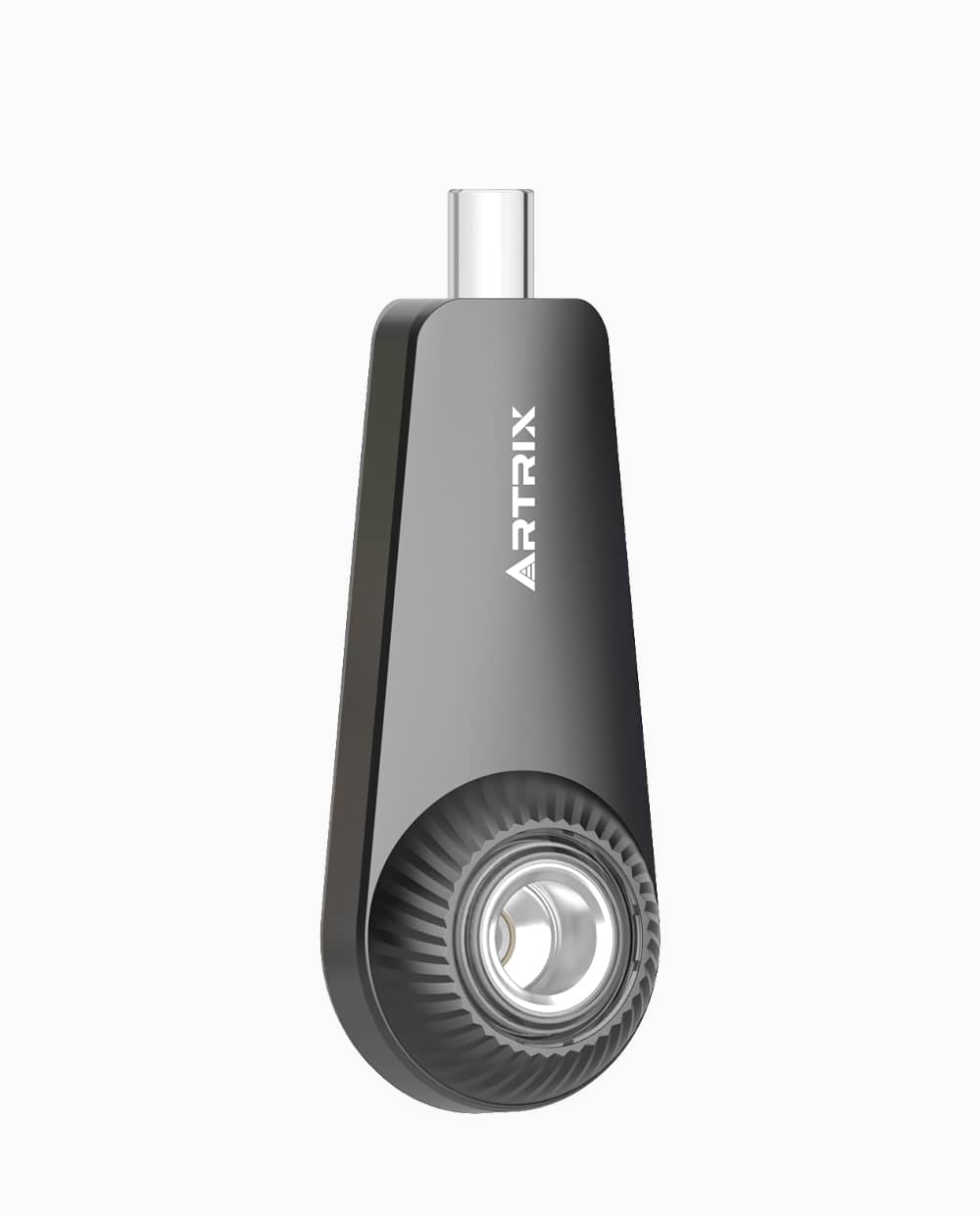
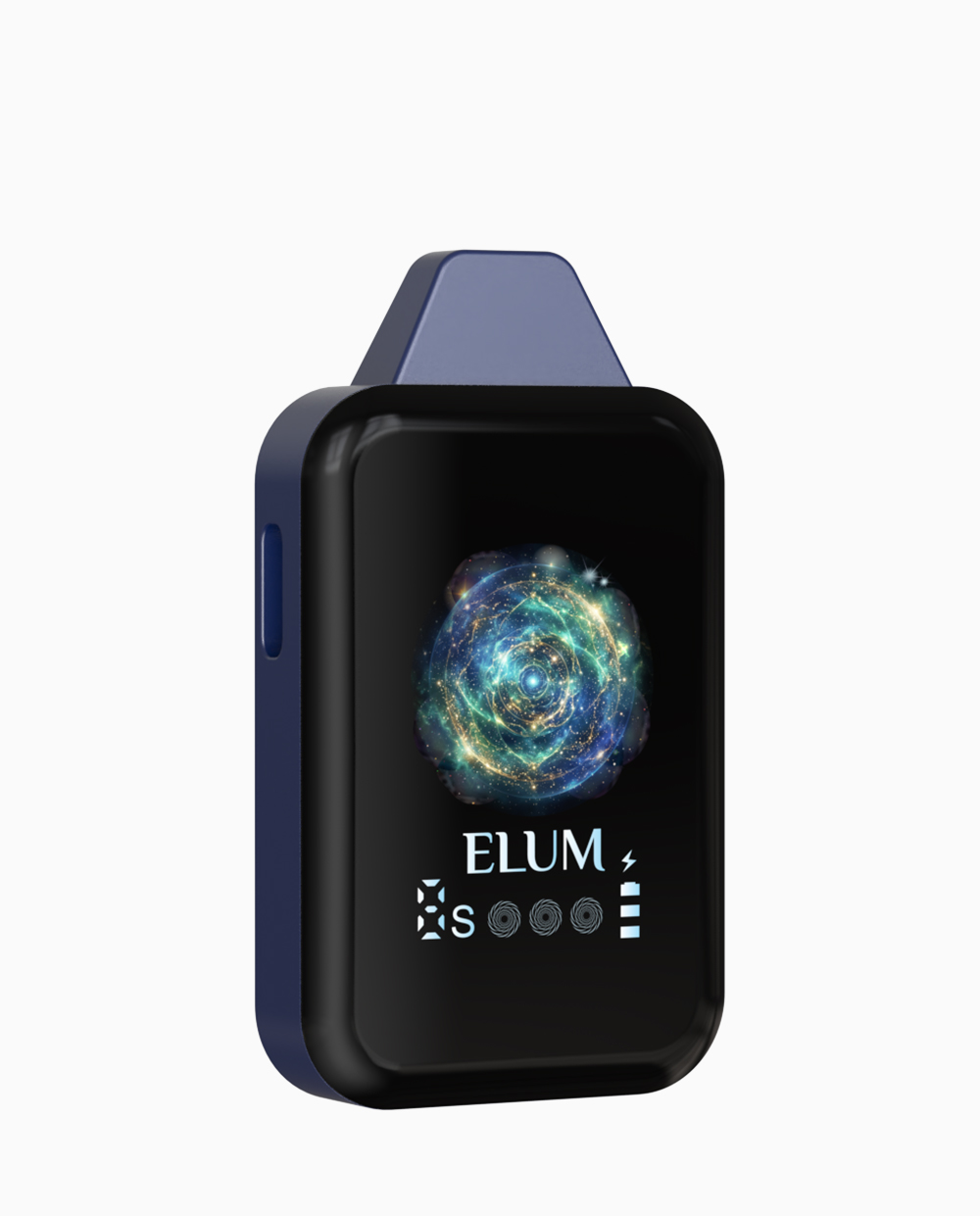
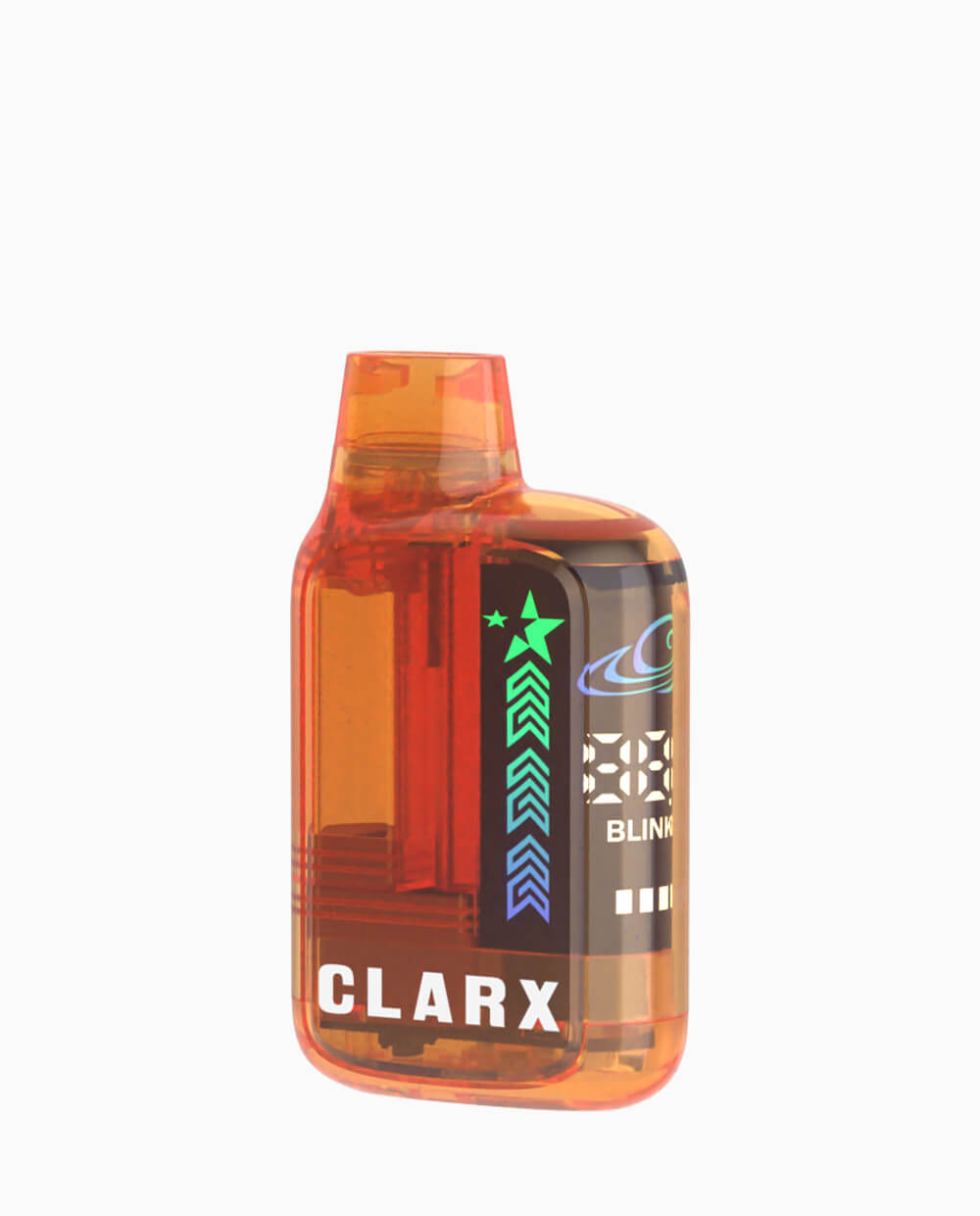
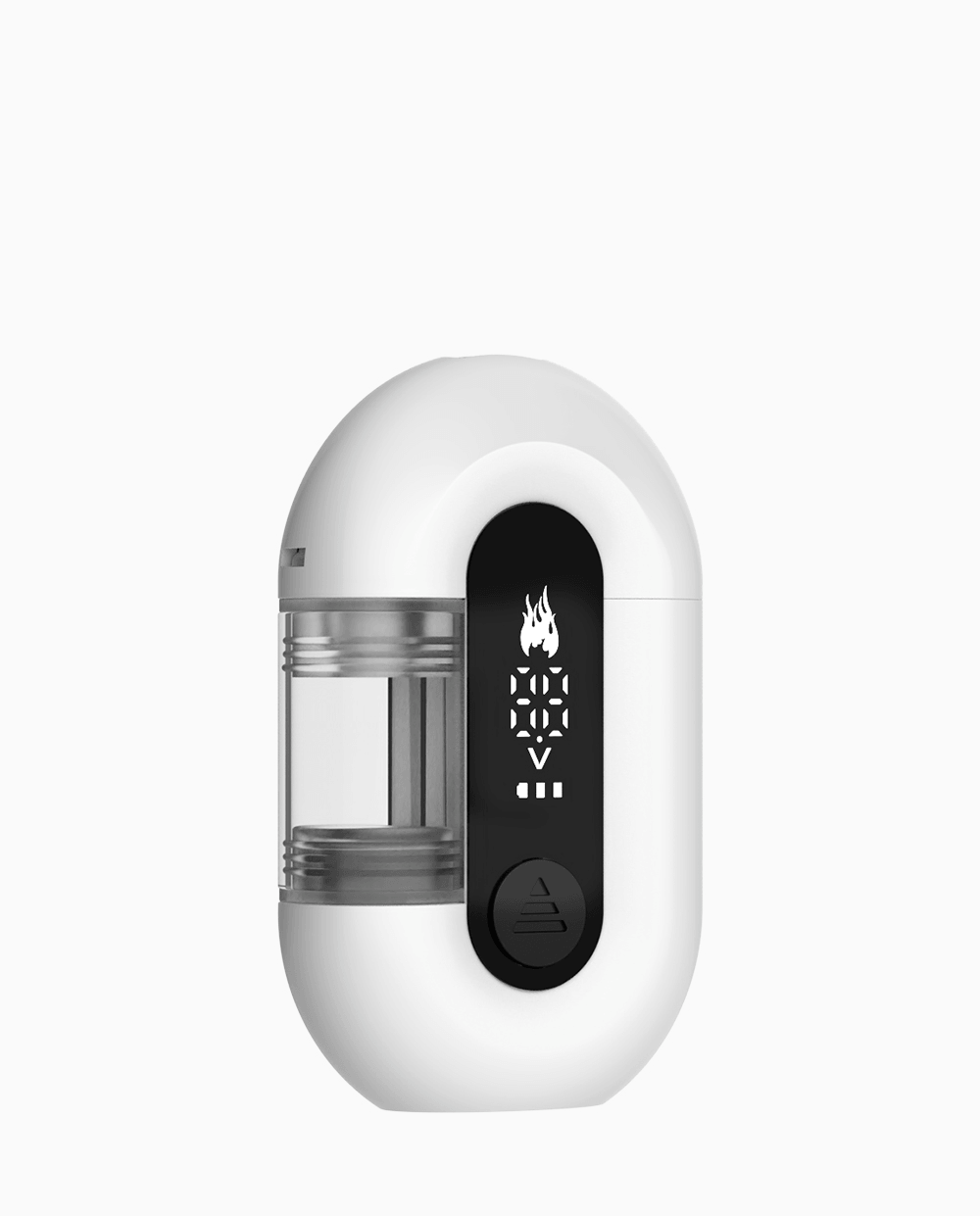
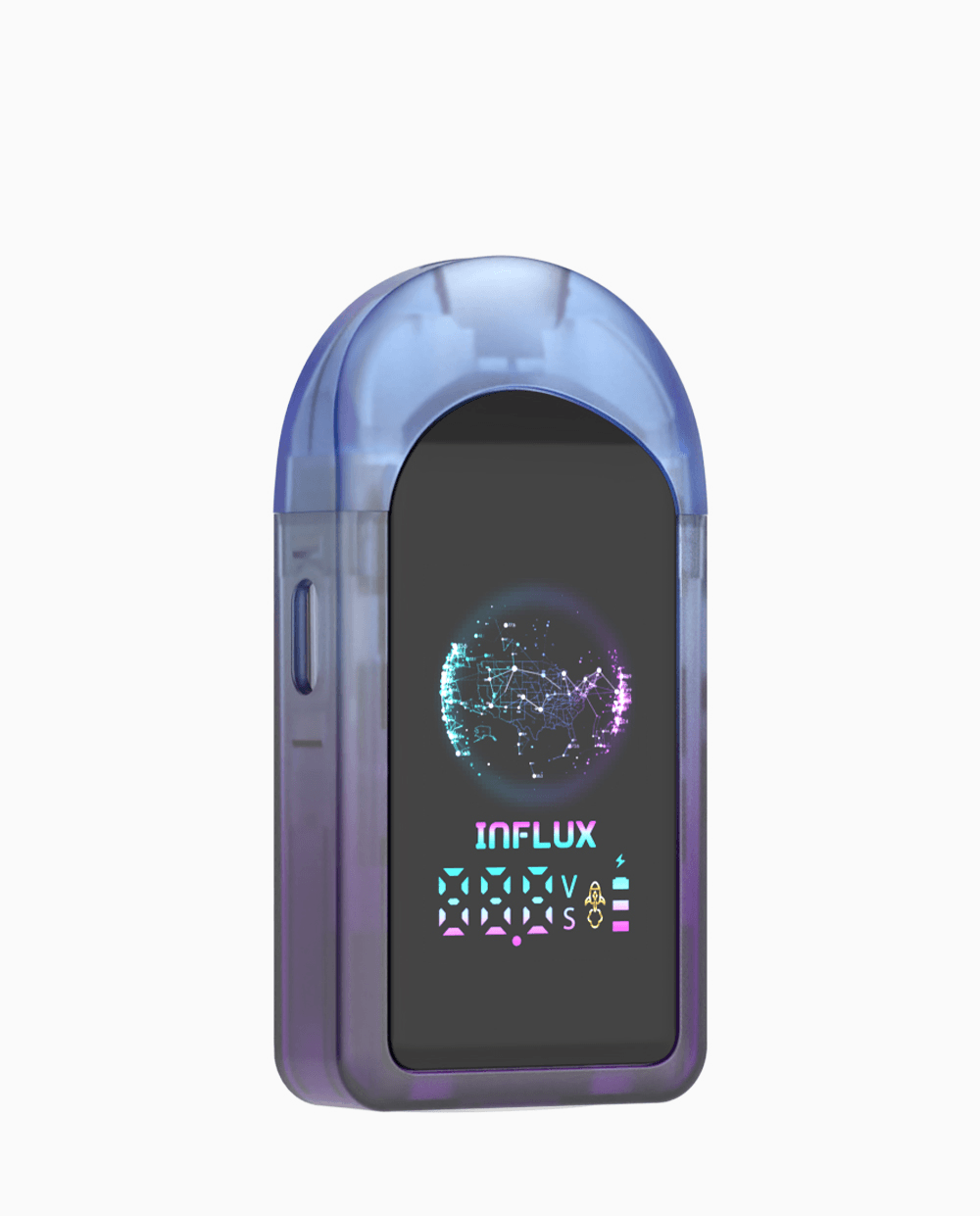
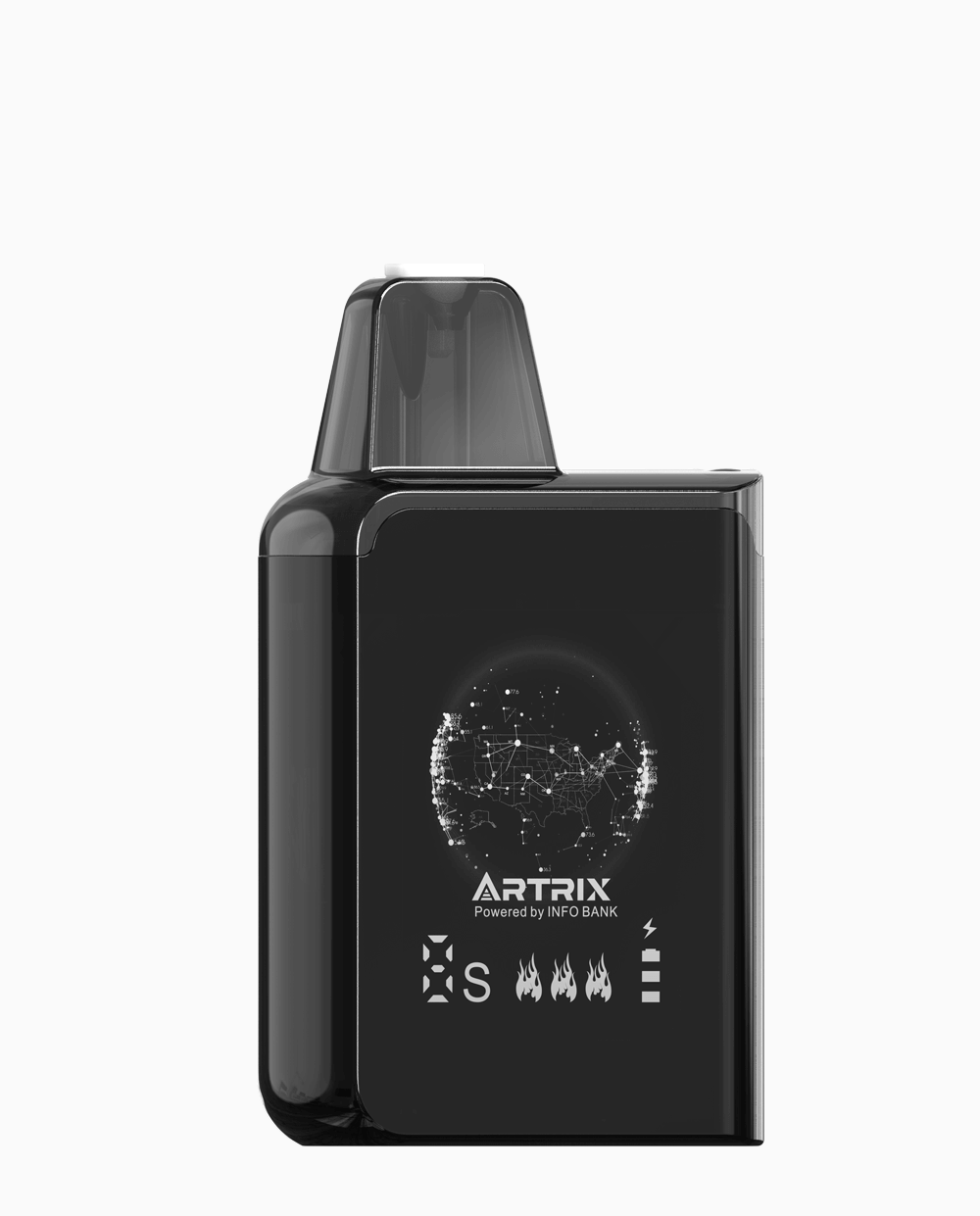
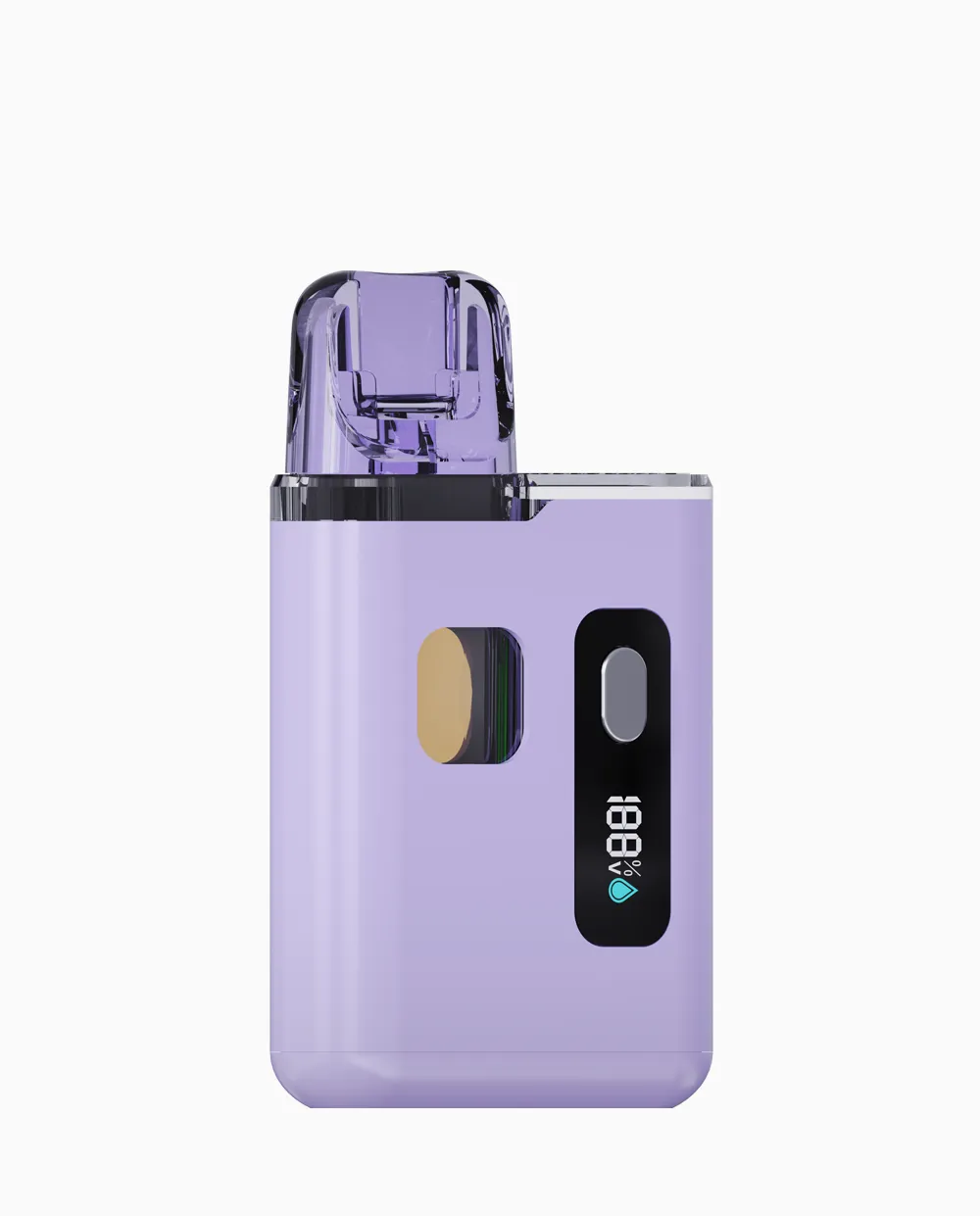
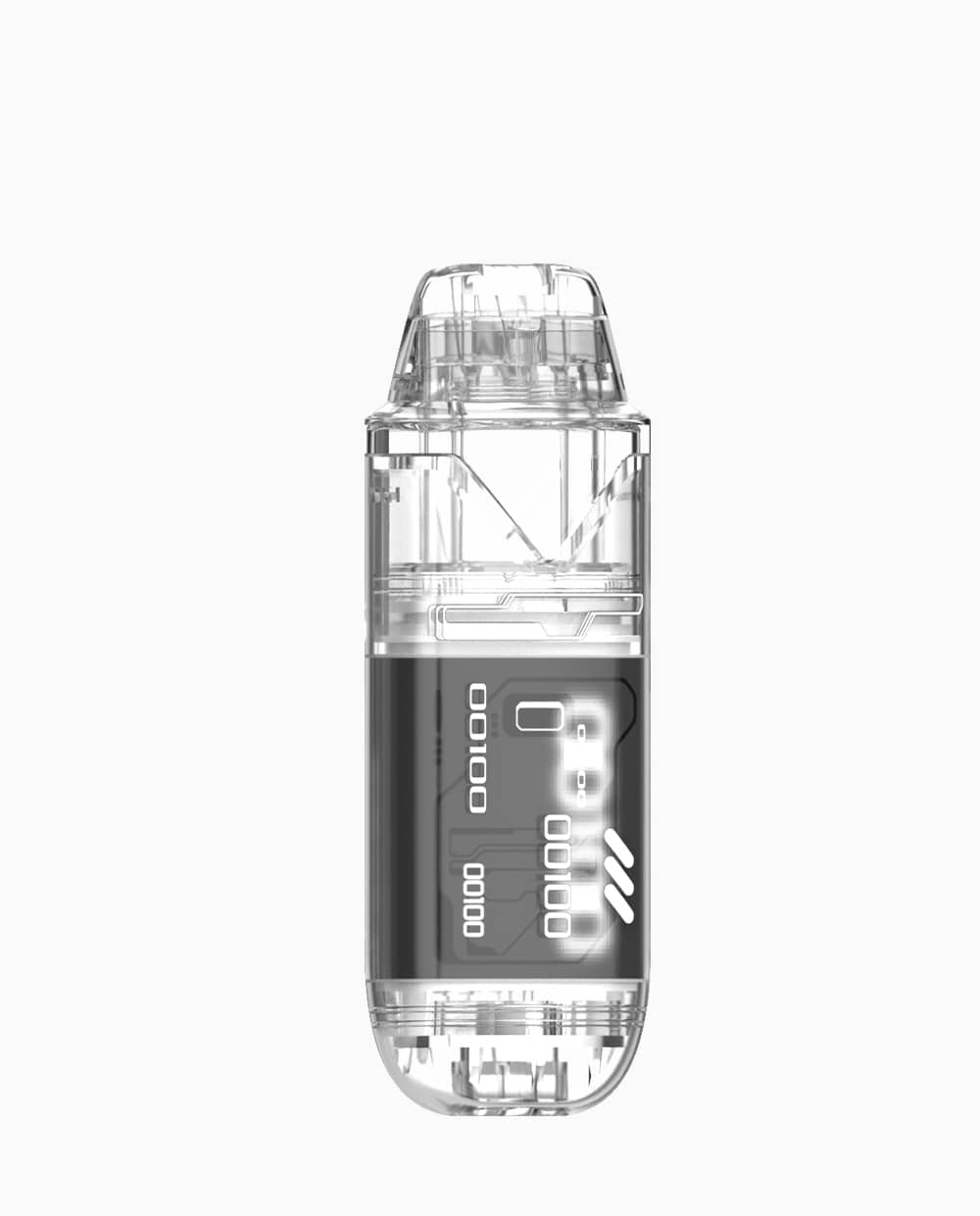
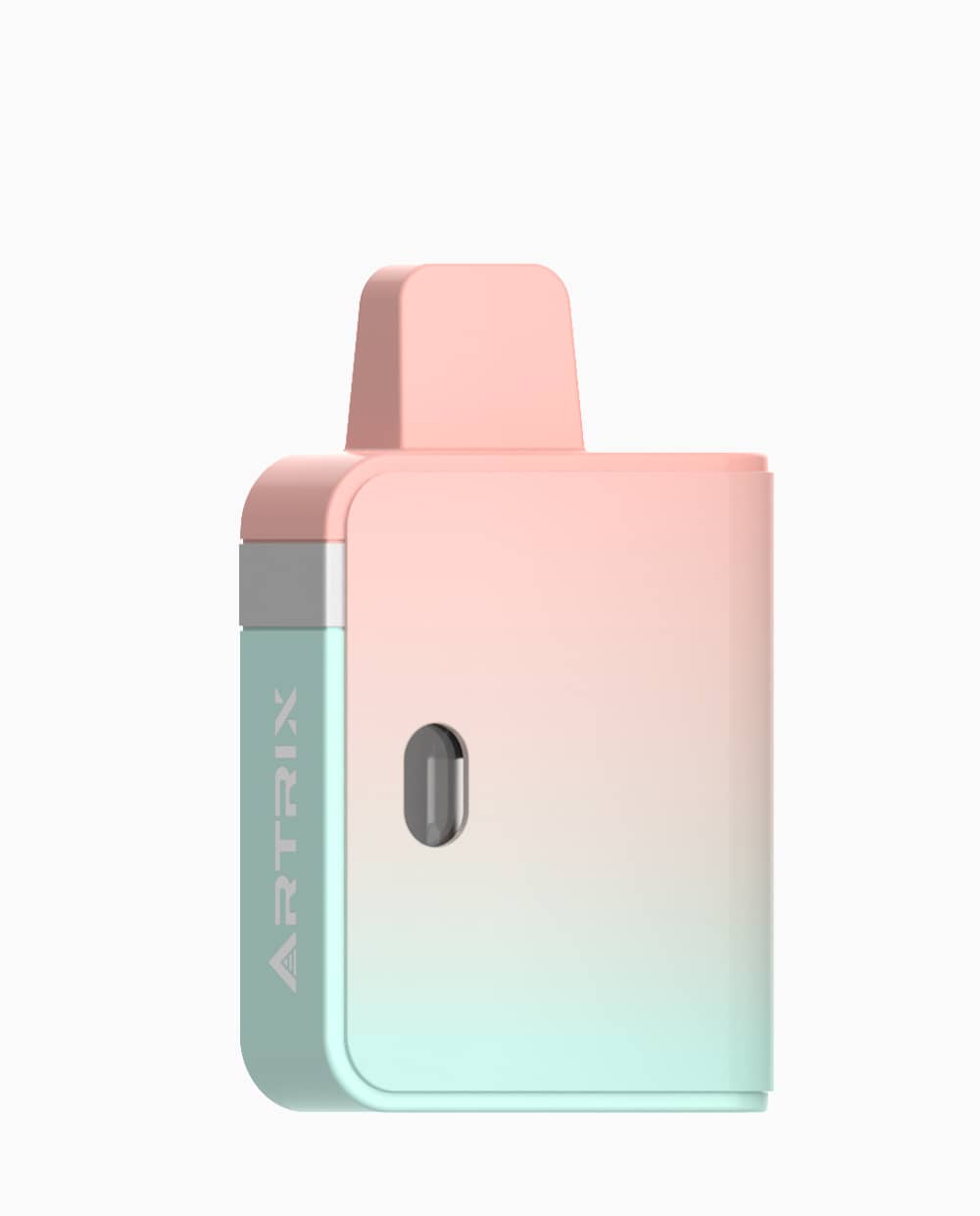
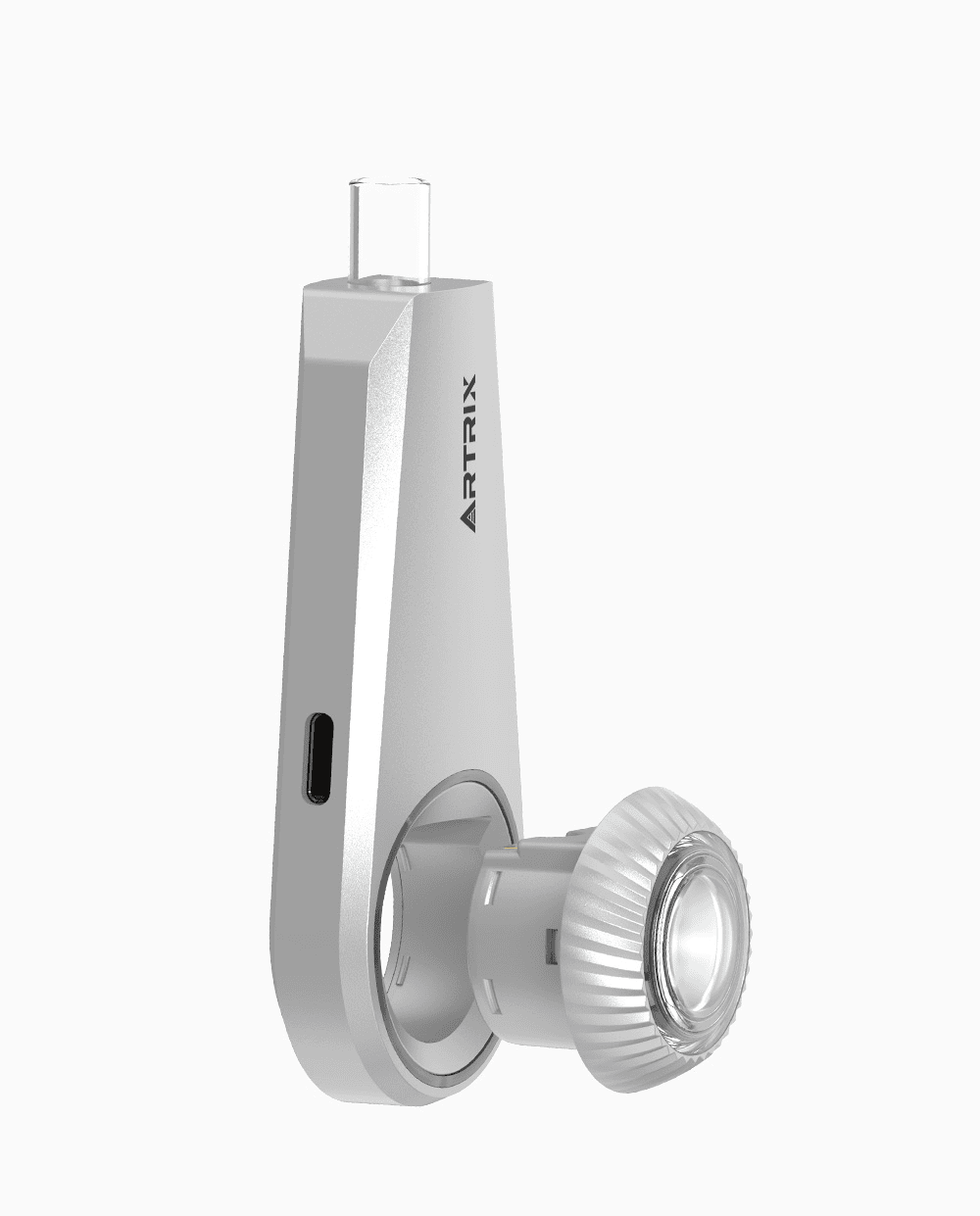
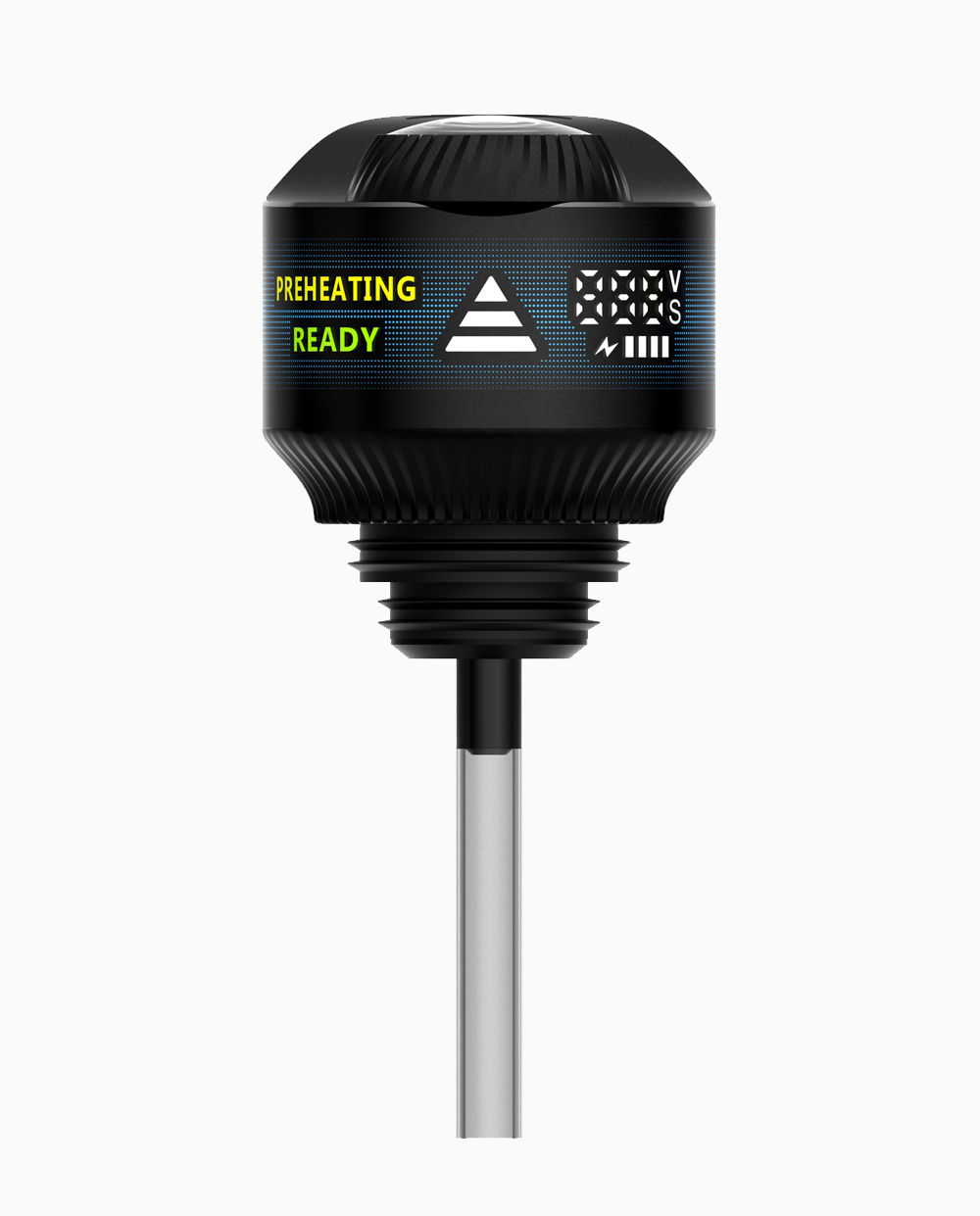
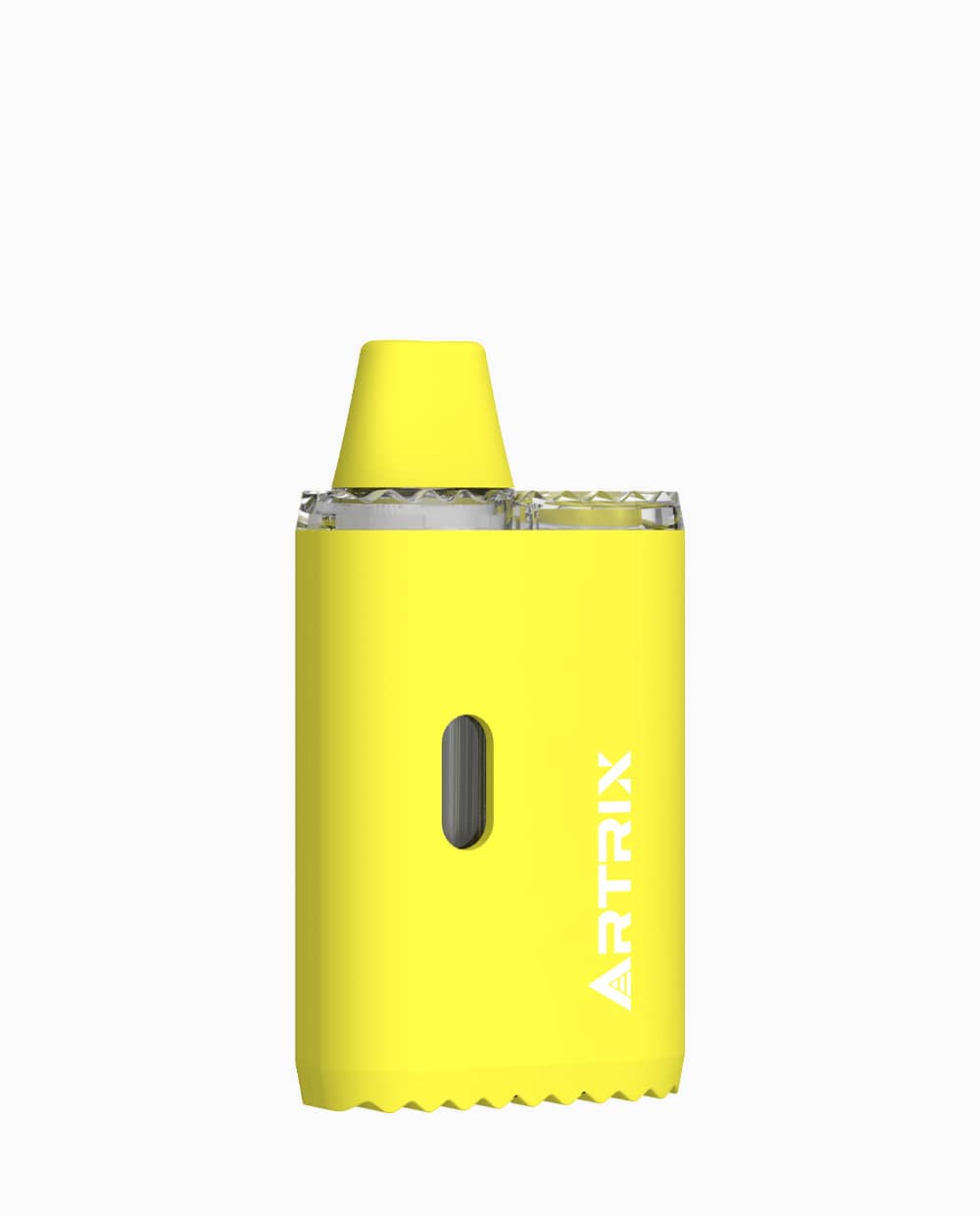
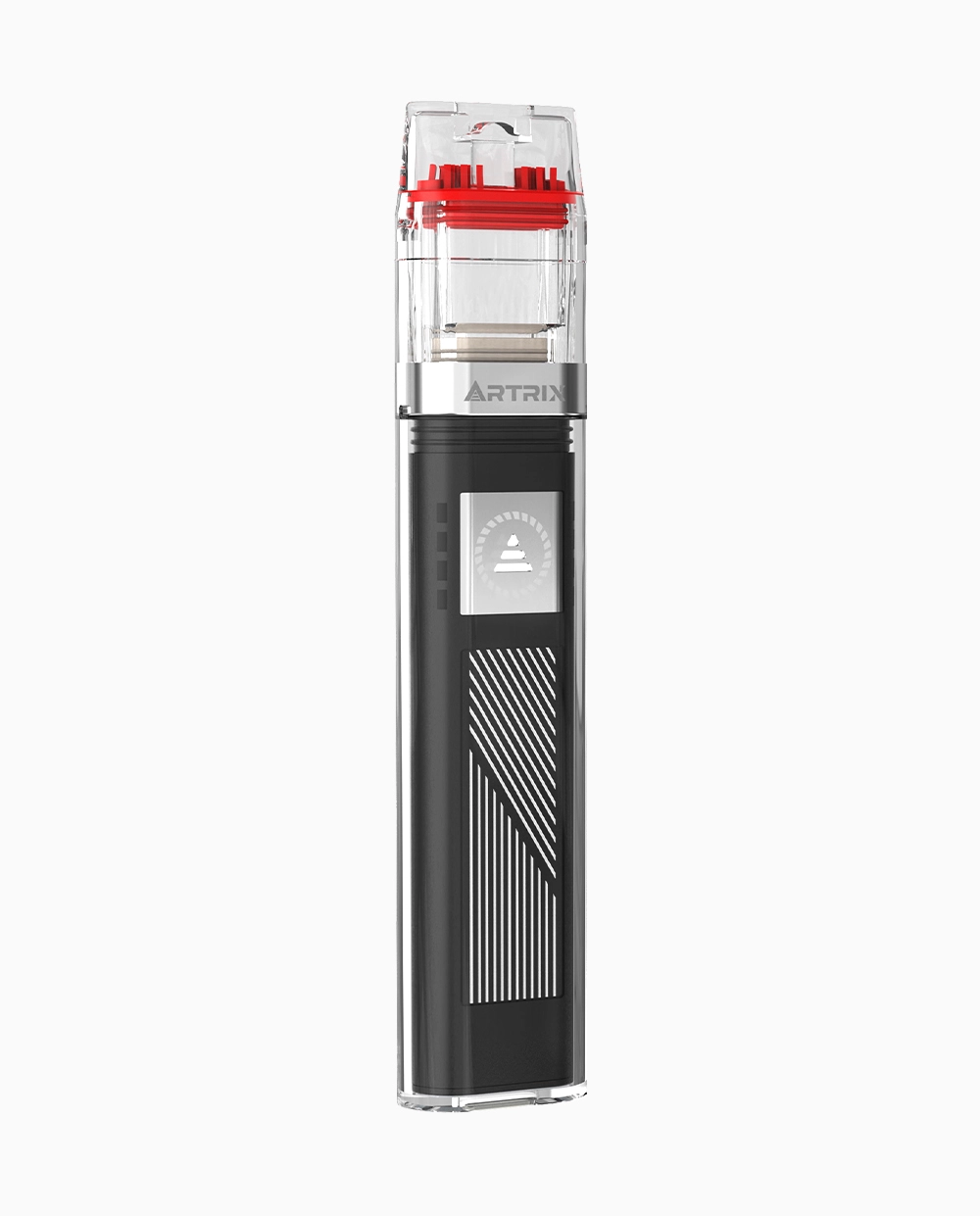
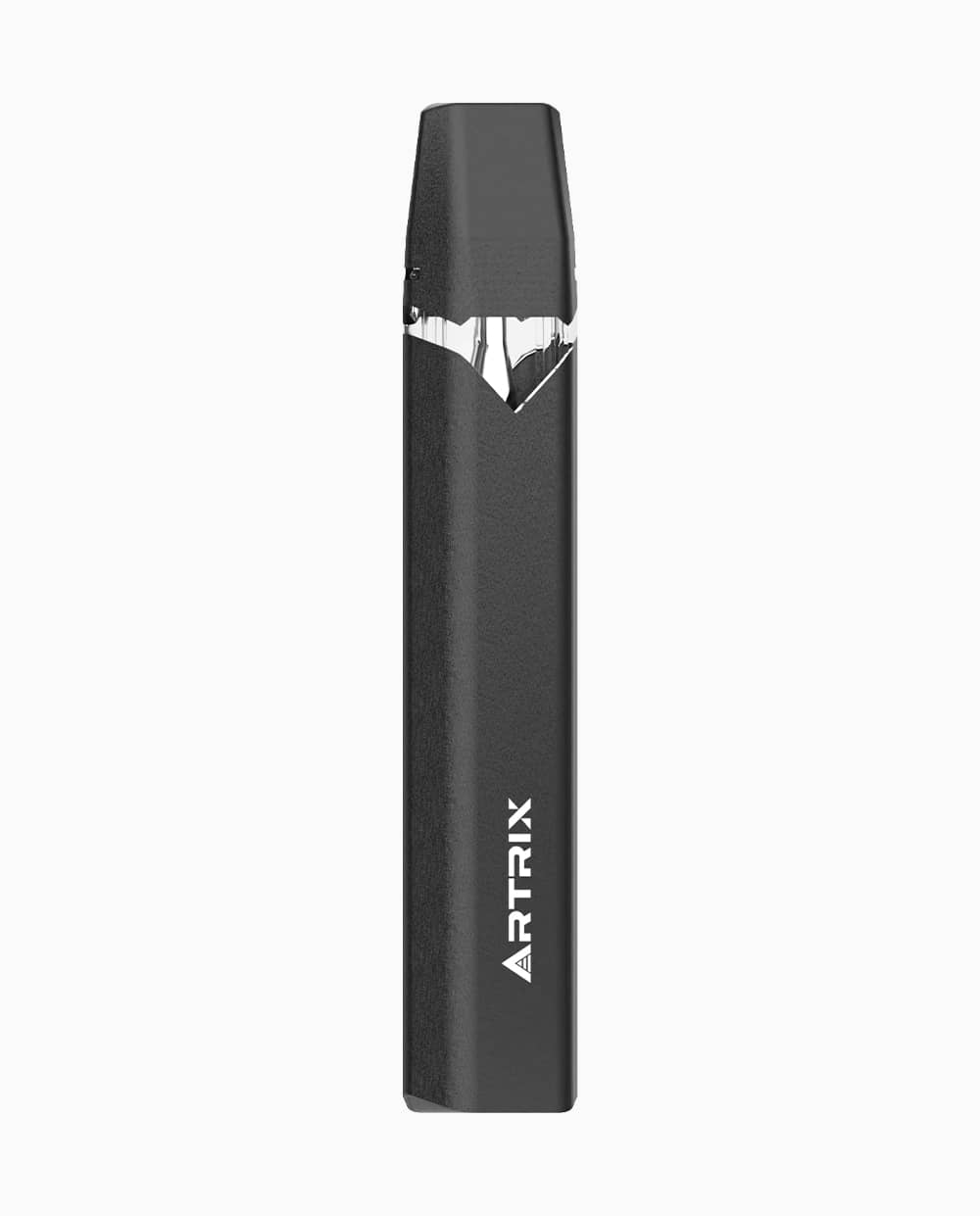
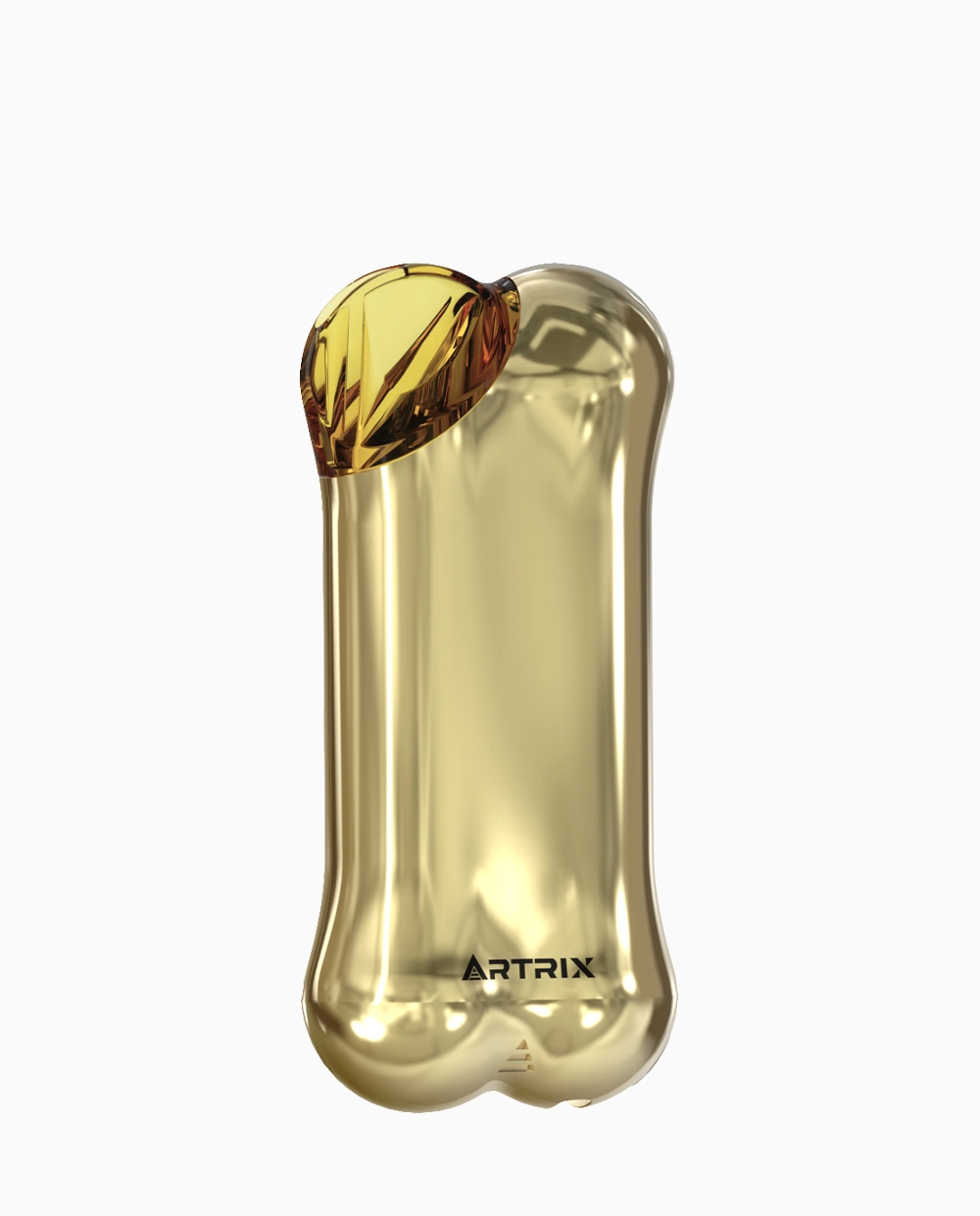
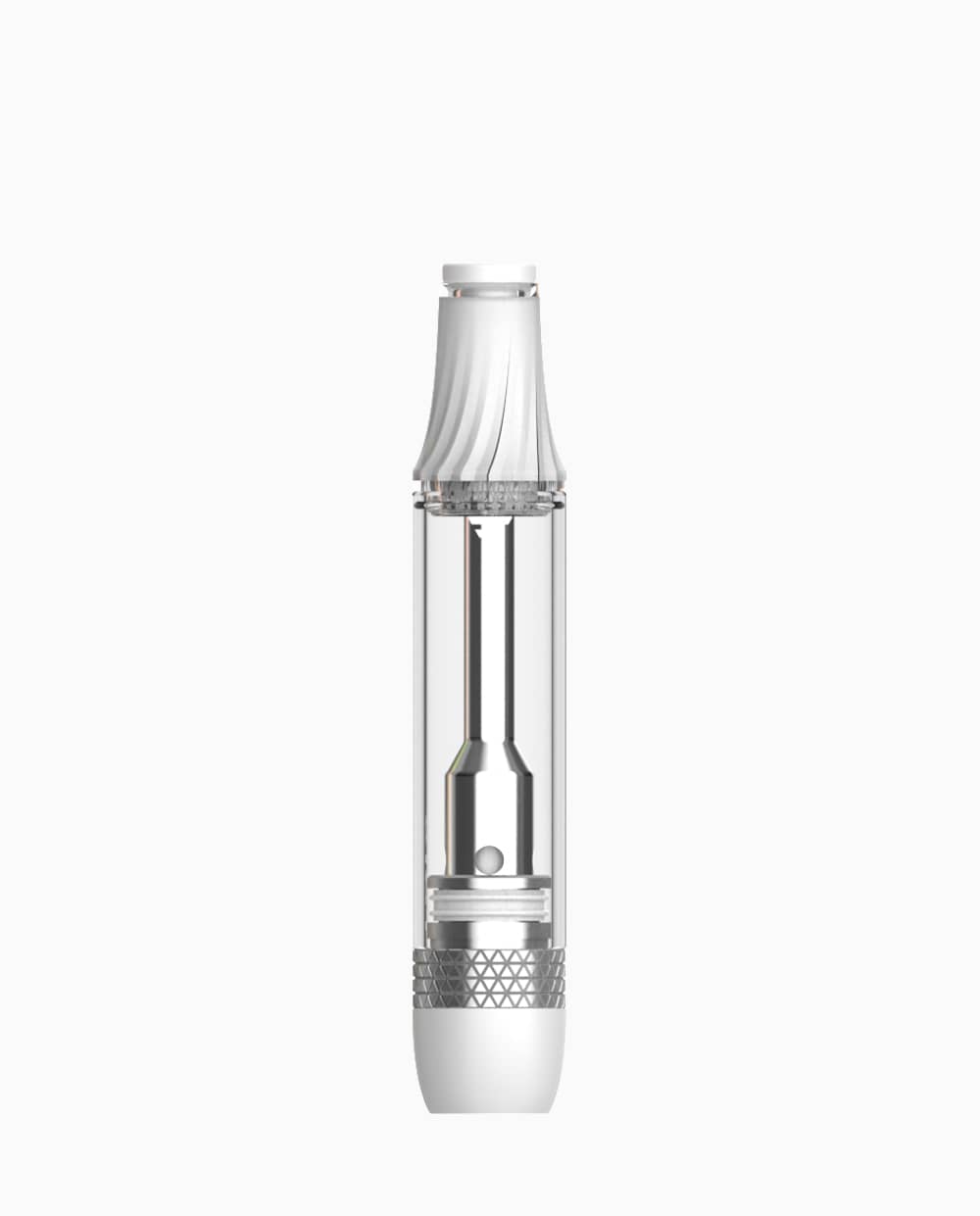
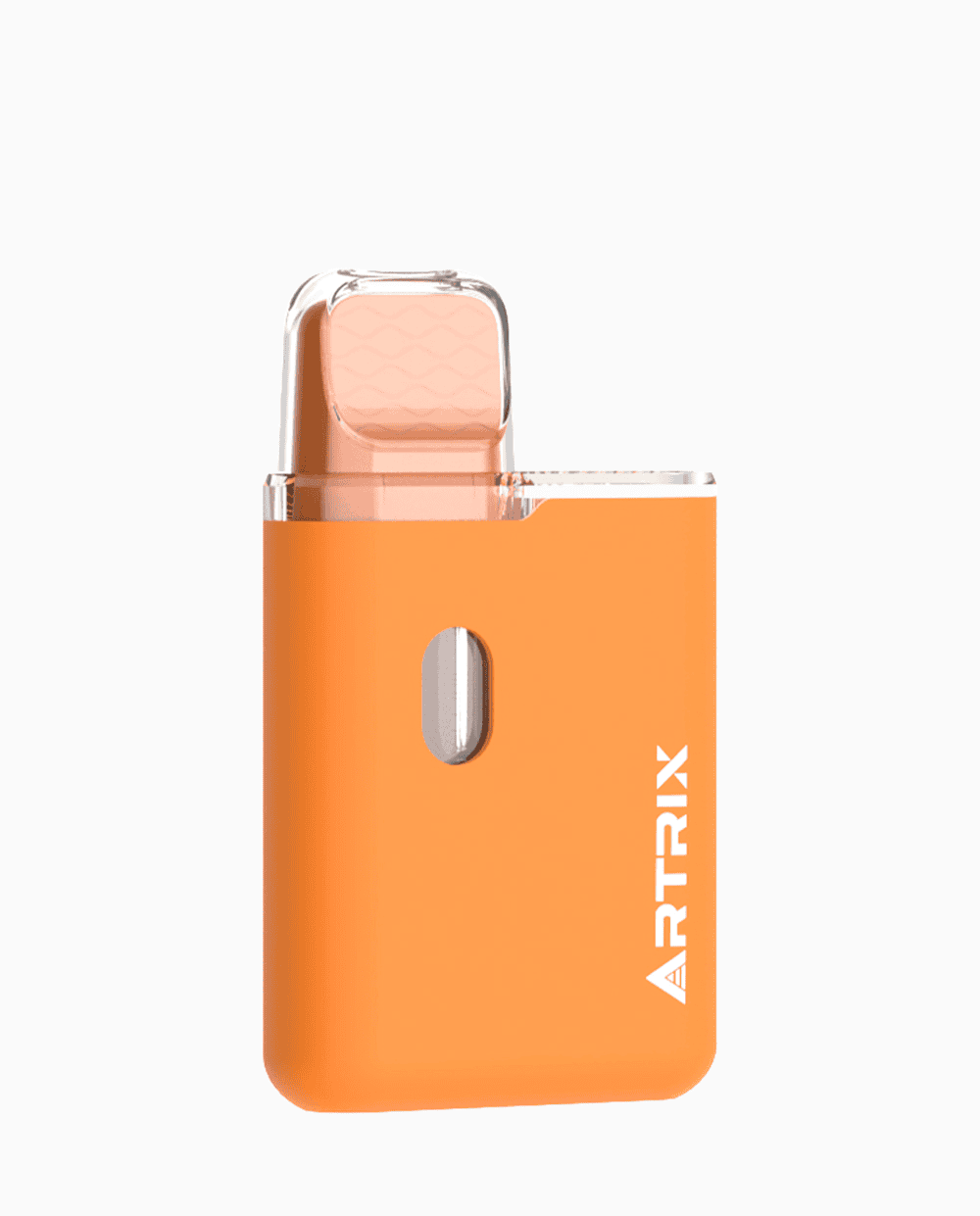
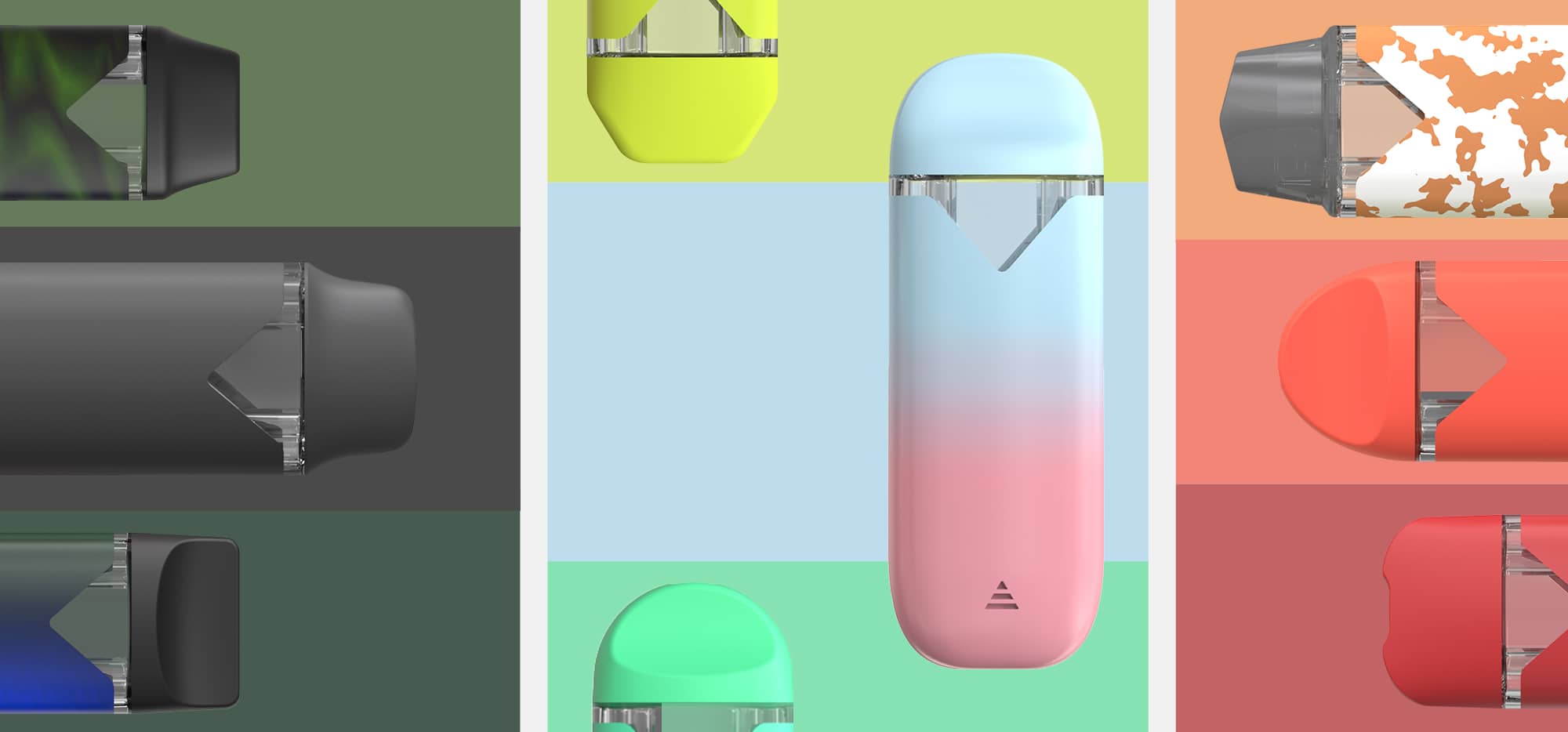
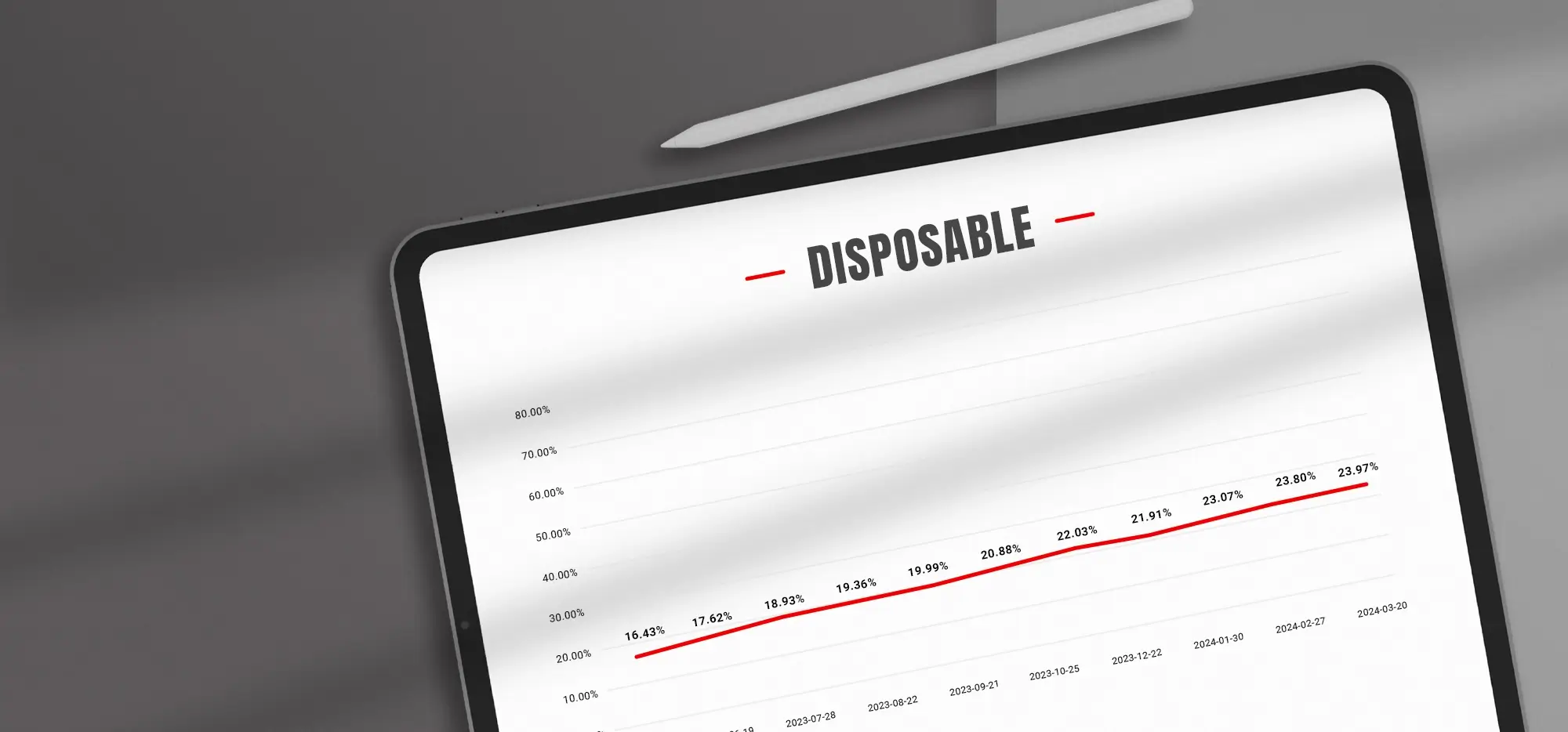
Artrix works with cannabis vape brands on hardware and product-format requirements. For commercial discussions, the relevant conversation should focus on documented specifications, oil and hardware compatibility evaluation, quality-control expectations, and the evidence available for any performance claim—not on promising a drug-test outcome. Brands exploring disposable formats can review Artrix disposable vape hardware and request product-specific documentation before making downstream claims.
For procurement teams, a useful first conversation should define the intended device format, target market, formulation characteristics, filling process, order requirements, and documentation expectations. Those inputs help separate a real hardware brief from a generic request for a “THCA vape”. They also give both parties a clearer basis for discussing samples, compatibility evaluation, production planning, packaging, and the claims that the finished brand may or may not be able to support.
If your business is developing a THCA-related vape line, contact the Artrix team with the intended oil profile, device format, market, and project stage. The commercial goal should be to identify an appropriate evaluation path and the evidence still required before launch. That is more credible than presenting a device choice as proof of cannabinoid conversion, consumer exposure, legal status, or a guaranteed drug-test outcome.
Commercial takeaway: transparent documentation can support trust, but no device, formulation category, COA, or marketing label can guarantee that a user will pass a drug test. Keeping that boundary explicit protects the reader while giving qualified business buyers a clearer basis for discussion.
What to Do If Drug Testing Matters to You
If the consequences of a positive result are significant, the lowest-risk assumption is that a THCA-containing product may create detectable THC exposure. Do not treat a home test, a waiting-period estimate, heavy hydration, exercise, or a detox product as a guarantee. This article explains testing concepts; it is not a method for evading a test and cannot replace advice from the applicable testing program, a qualified healthcare professional, or a lawyer familiar with the relevant jurisdiction.
-
- Identify the testing program, specimen type, and applicable policy.
-
- Review the product’s batch-specific COA, including THCA, delta-9 THC, and total THC where reported.
-
- Assume that heating a THCA product may result in THC exposure.
-
- Avoid relying on a detection-window chart to select a guaranteed test date.
-
- Seek qualified guidance when employment, licensing, medical care, or legal consequences are involved.
Bottom Line
Standard drug tests may not target THCA itself, but using a THCA vape can still lead to a positive result. Heating can convert THCA into delta-9 THC, products may contain THC before use, and common tests detect THC or its metabolites rather than reconstructing the label or origin of the exposure.
The most defensible answer is therefore not “THCA never shows up” or “you will be clear after a fixed number of days.” It is that THCA products carry a real drug-test risk, detection varies by product, use pattern, test, cutoff, and individual, and no responsible seller or article should promise a negative result.