

-1.webp)
-1.webp)
-2.webp)







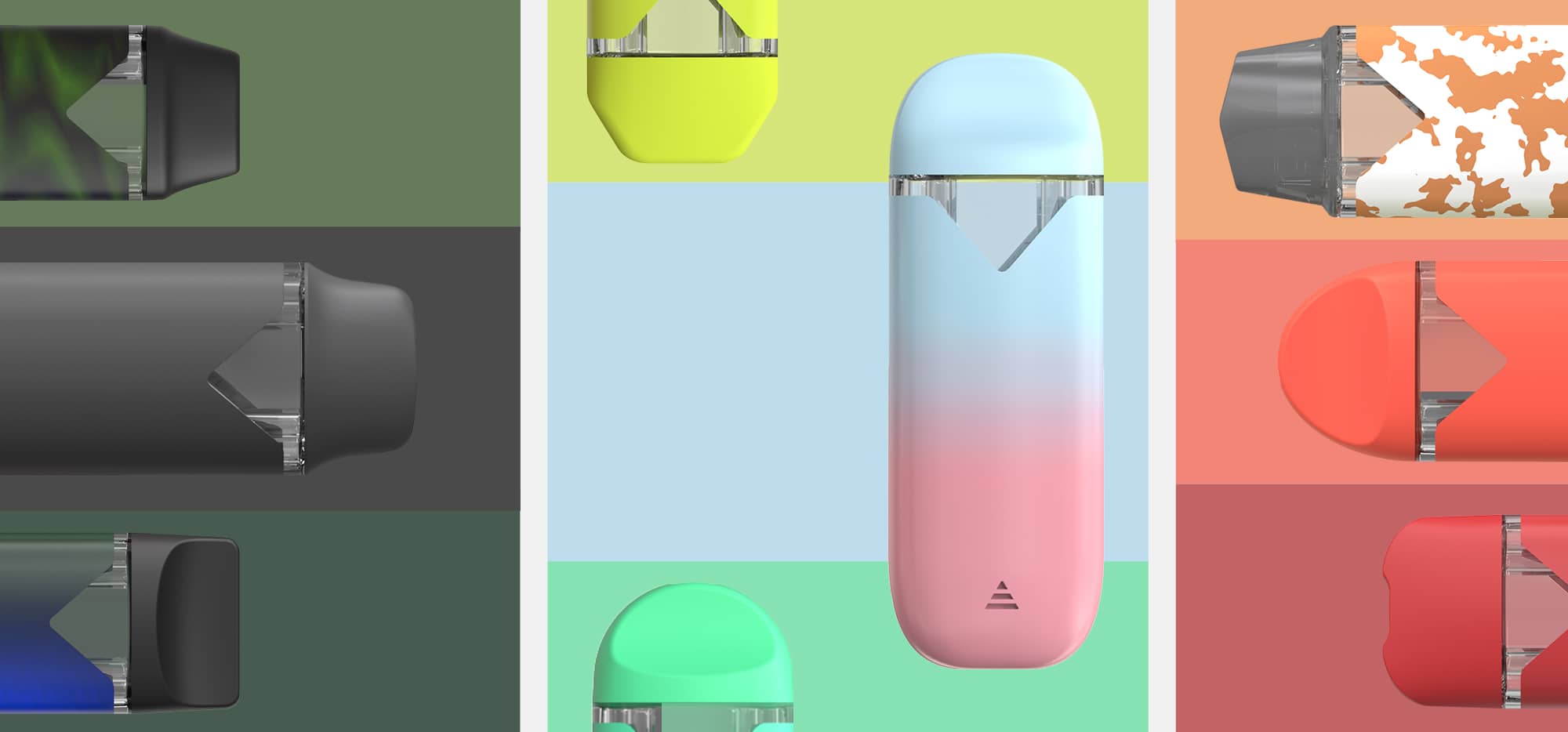

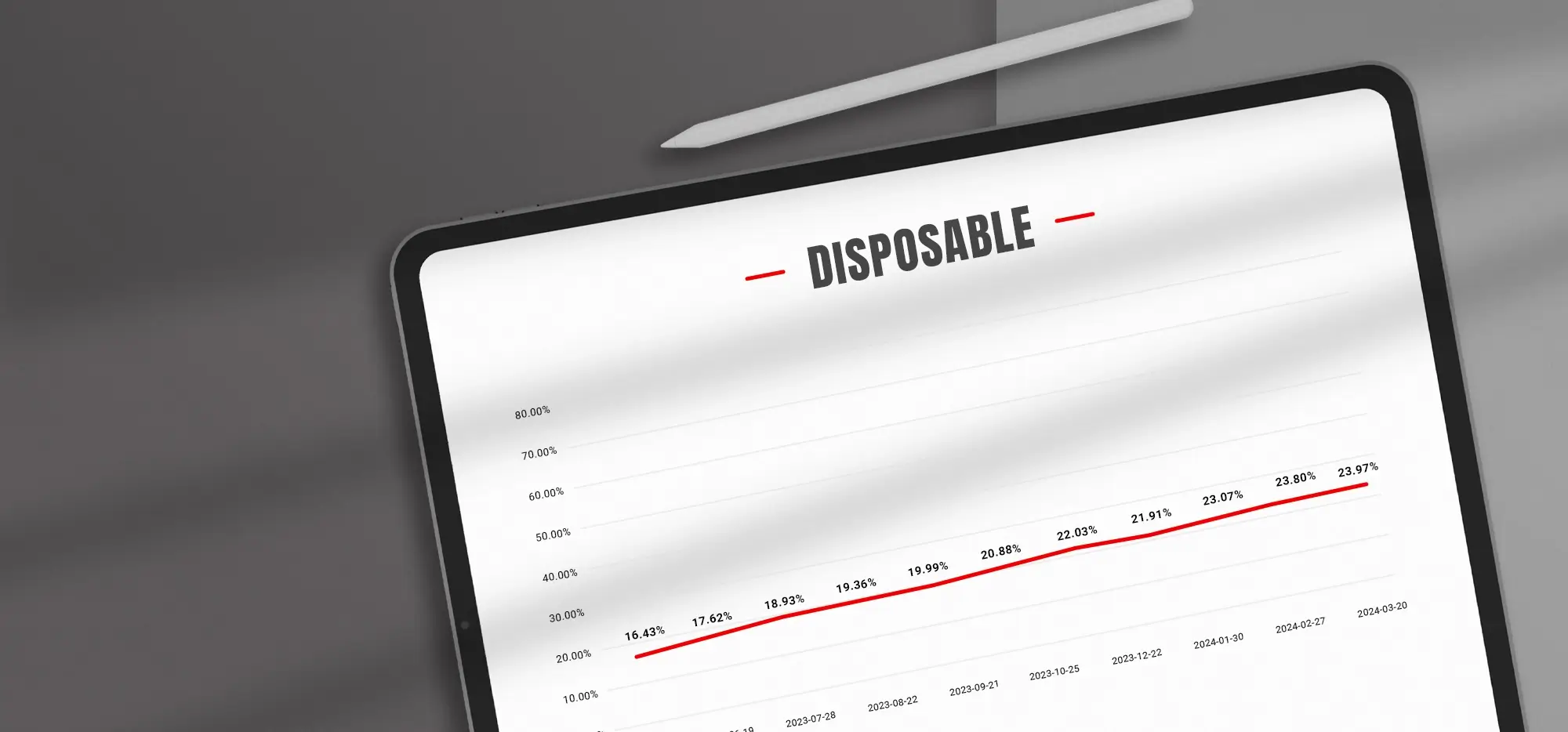

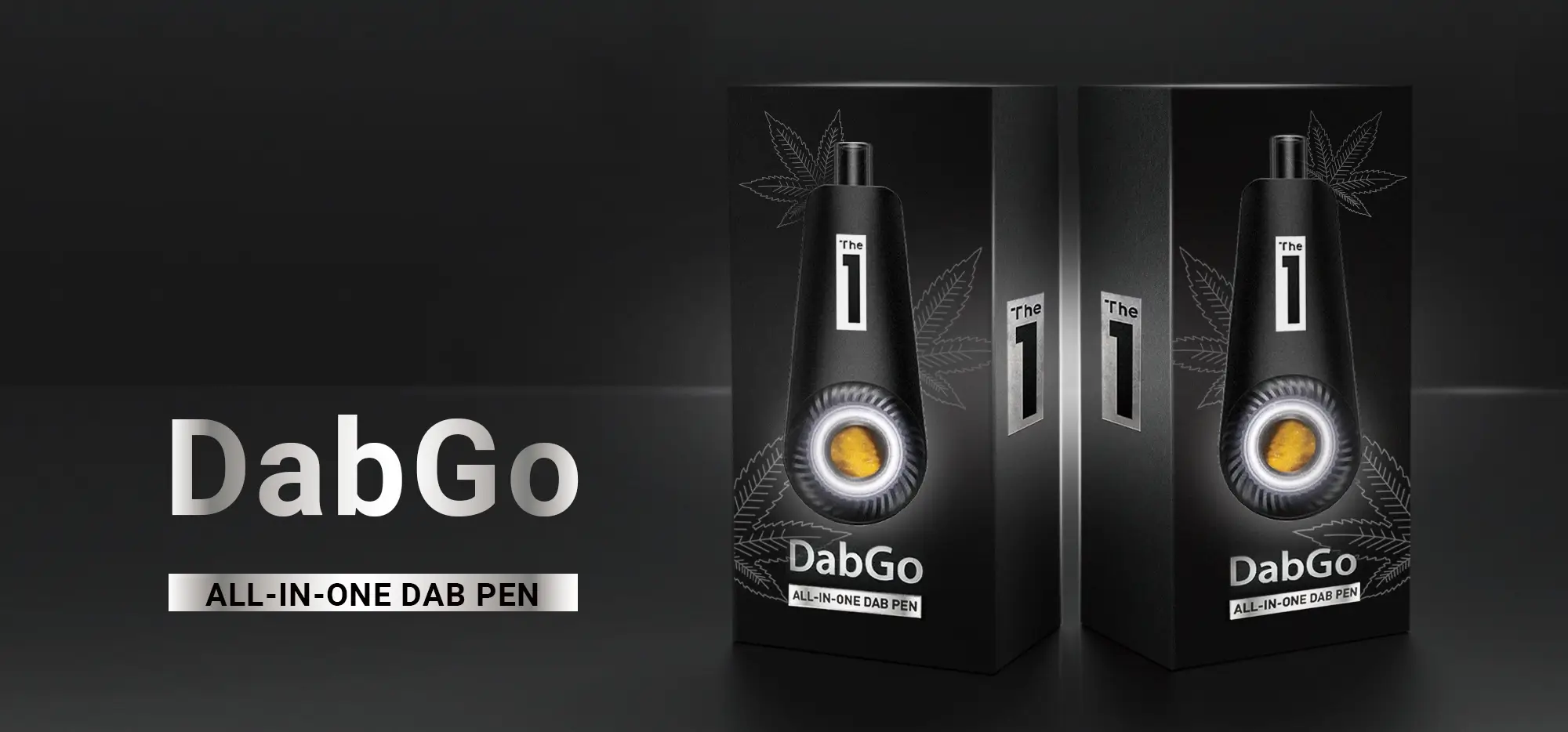




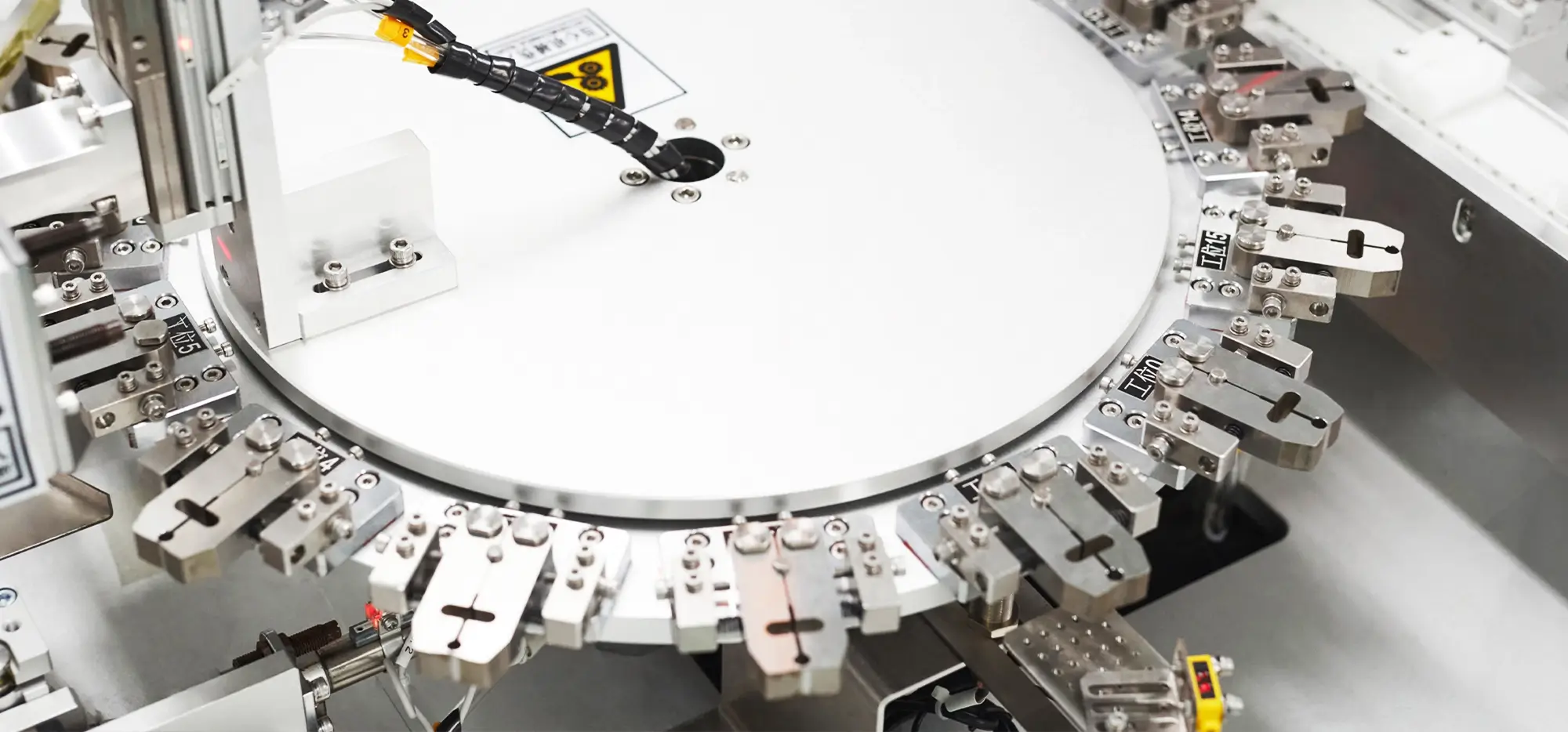
















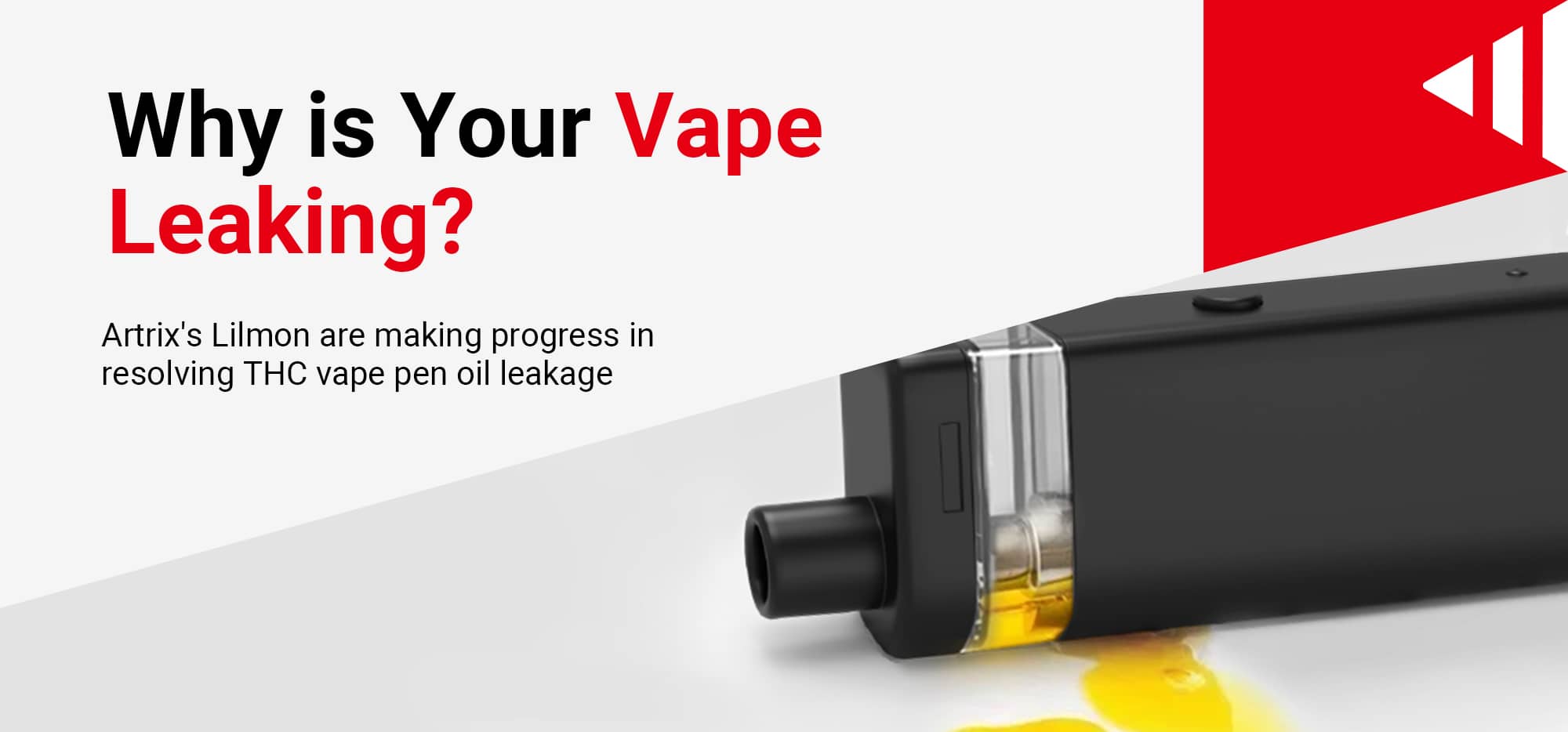




For cannabis vape brands, the difference between Delta-8 and Delta-9 is not only a cannabinoid story. It is also a hardware story. Two oils may look similar in a cartridge, use the same mouthpiece, and run through the same battery platform, yet perform very differently once they meet the ceramic core, intake holes, seals, and heating curve.
This is why Delta-8 and Delta-9 oil cartridge hardware should not be selected by cartridge appearance alone. A cartridge that works well with one formulation can clog, leak, discolor, underperform, or taste harsh with another. The problem is rarely one single component. It usually comes from the interaction between oil viscosity, terpene ratio, ceramic absorption, power output, airflow, filling conditions, and storage environment.
The short answer is that the cannabinoid label does not determine the hardware. Product teams should characterize the finished formulation, select candidate hardware, reproduce realistic filling and distribution conditions, and validate performance across the intended product life. Delta-8 and Delta-9 oils may use the same platform, but that decision should follow testing rather than assumption.
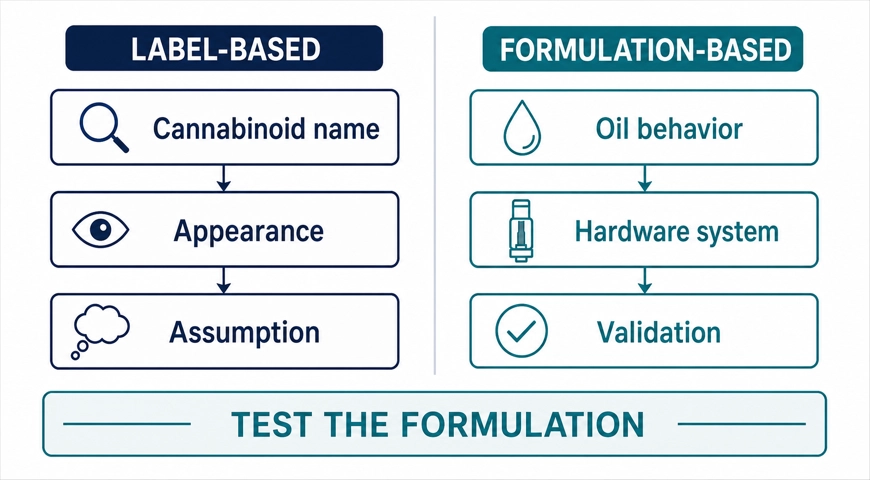
1. Start With the Finished Oil, Not the Delta-8 or Delta-9 Label
Delta-8 and Delta-9 Are Not Just Cannabinoid Choices
Delta-8 THC and Delta-9 THC are closely related cannabinoids, but commercial oil products built around them often have different formulation profiles. Delta-8 products are commonly associated with hemp-derived distillate systems, while Delta-9 vape oils may appear in broader extract formats, including terpene-rich or strain-specific blends in licensed markets.
Those market patterns are not reliable engineering specifications. A Delta-8 formulation is not automatically thicker, and a Delta-9 formulation is not automatically more mobile or more terpene-forward. The relevant input is the measured behavior of the final oil at the temperatures and conditions it will encounter during filling, storage, shipping, and use.
That difference matters for hardware. A cartridge does not respond to marketing language such as “milder,” “stronger,” or “full-spectrum.” It responds to physical behavior: how fast the oil moves, how easily it enters the core, how it reacts to heat, and how stable it remains after filling.
What Product Teams Should Characterize Before Hardware Selection
Before comparing cartridges, create a formulation profile that covers the variables the hardware will actually encounter. Where possible, use measured values and documented methods instead of visual judgments such as “thick” or “thin.”
| Formulation input | Why it matters | What to document |
|---|---|---|
| Flow behavior | Influences how quickly oil can reach and replenish the heating area. | Measurement method, temperature, batch, and any change after storage. |
| Terpene and extract profile | Can change volatility, flavor behavior, and formulation mobility. | Final composition, supplier documentation, and batch tolerances. |
| Filling conditions | Affect bubble formation, saturation, seal exposure, and process repeatability. | Fill temperature, cap timing, equipment settings, pressure or torque controls. |
| Distribution conditions | Temperature, orientation, and transport can expose weaknesses missed by a fresh-fill bench check. | Expected temperature range, storage orientation, shelf period, and transport simulation. |
| Use profile | Puff duration, interval, and battery output affect heating and replenishment demand. | Battery, voltage or power setting, activation method, puff pattern, and endpoint. |
This profile gives the cartridge supplier a reproducible starting point and prevents the cannabinoid name from becoming a substitute for engineering data.
2. Treat the Cartridge as One Interconnected System
The same cartridge platform can behave differently because the oil’s full profile changes the stress placed on the device. A thicker oil may feed too slowly through the intake structure. A terpene-heavy oil may move faster but challenge seals or produce a sharper vapor experience if the power curve is too aggressive.
This is where many product teams misread the problem. They may blame the cartridge, the battery, or the consumer’s usage habit, when the real issue is oil-hardware mismatch. Before scaling production, brands need to test the exact oil blend in the exact cartridge, with the exact battery output and filling process planned for launch.
Ceramic Core Compatibility: Where Feeding Problems Can Begin
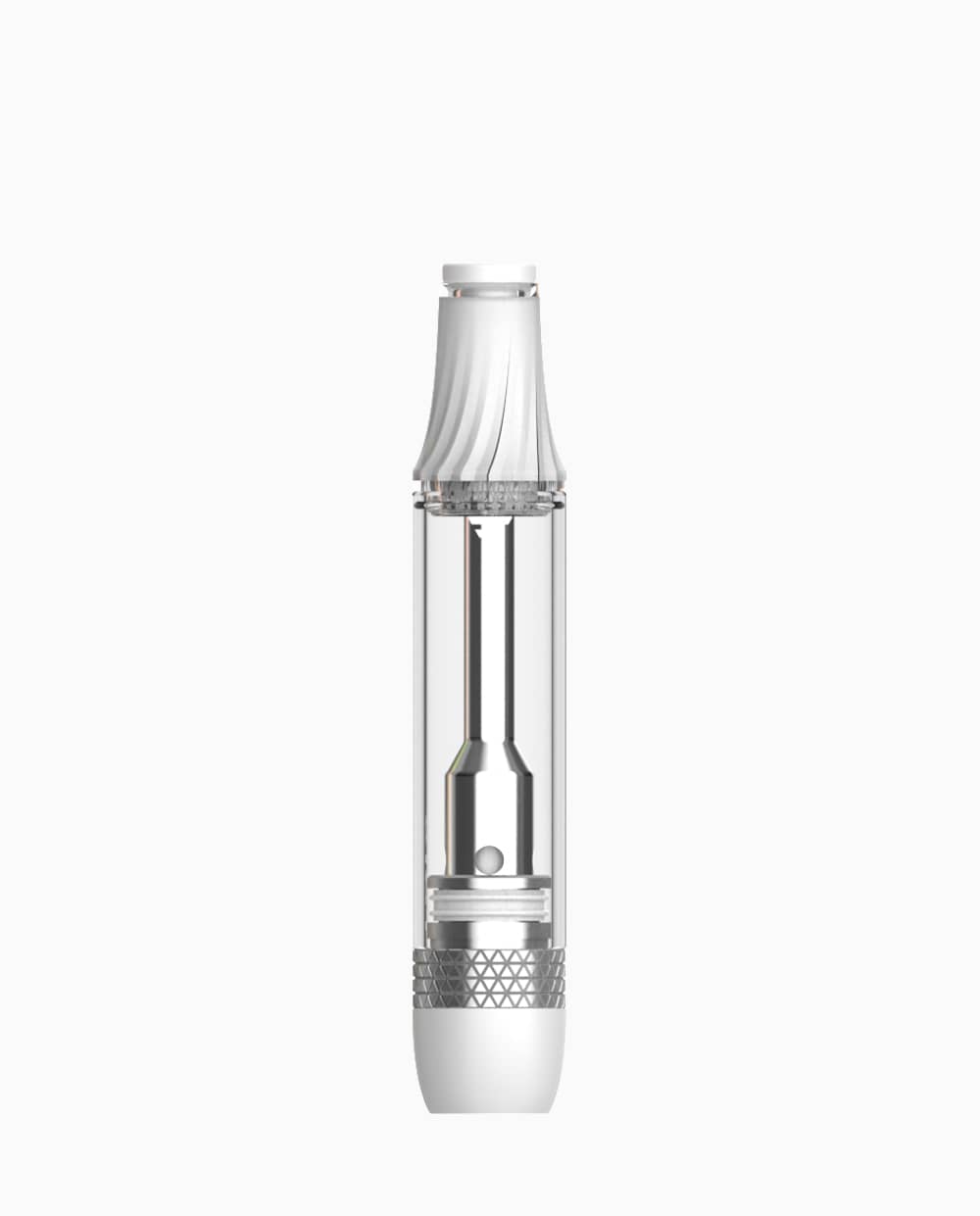
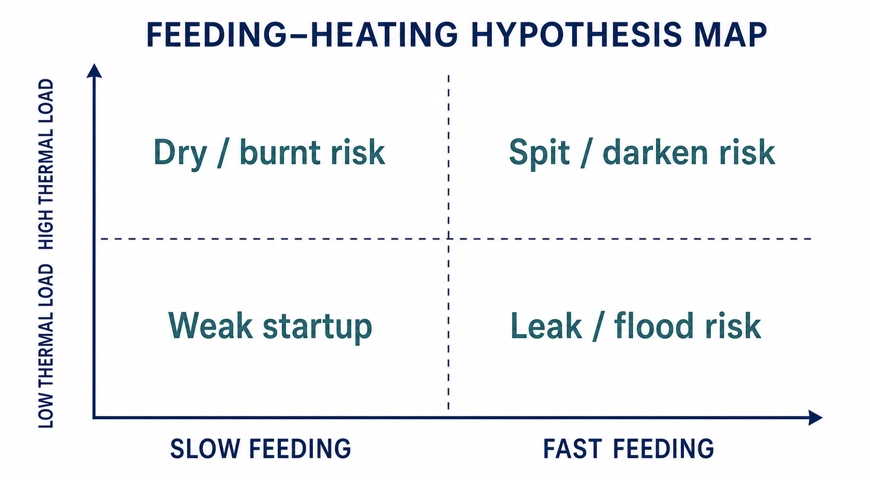
The ceramic core is one of the most important parts of Delta-8 and Delta-9 oil cartridge hardware. Its pore structure affects how oil enters the heating zone and how evenly heat transfers into the formulation. If the pores are too tight for a thick oil, the cartridge may not replenish quickly enough after each puff.
This is a mechanism-based expectation, not a universal product result. Core composition, pore distribution, intake geometry, oil properties, temperature, puff interval, and power delivery interact. A core should therefore be evaluated inside the intended cartridge and battery system rather than approved from a porosity value alone.
For Delta-8 distillate-heavy formulas, this can create a mismatch between consumer behavior and oil movement. The user may take repeated puffs before the core has refed properly. The result can be dry heating, flavor loss, or a burnt note that looks like a coil problem but actually started as a feeding problem.
When this symptom appears, compare repeated-puff performance with longer recovery intervals under the same conditions. If performance changes with the interval, insufficient replenishment becomes one plausible hypothesis, but teams should still inspect the battery, airway, core condition, fill process, and formulation before assigning the root cause.
Heating Curve: Why Power Settings Cannot Stay the Same
If power output is too low for a thick Delta-8 oil, the device may feel slow and underpowered. The oil does not vaporize efficiently, airflow can feel tight, and residue may build around the airway over time. Some consumers describe this as clogging, even when the root cause is incomplete vaporization and poor thermal matching.
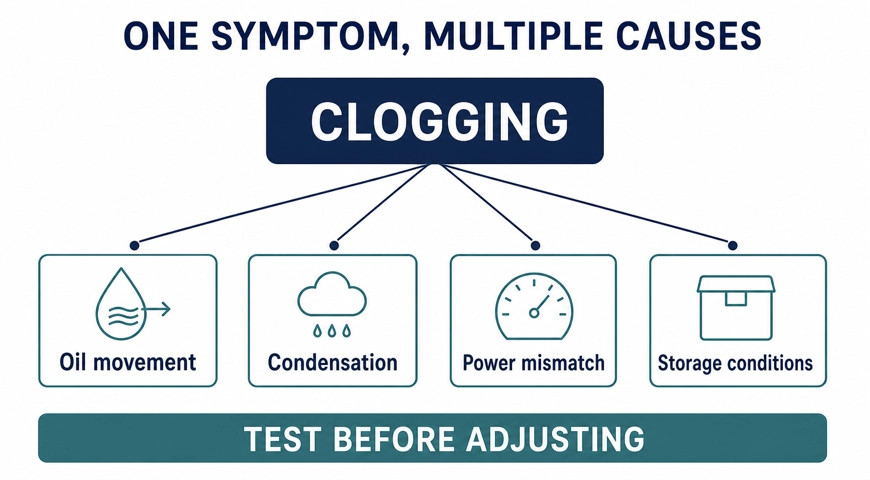
Low power should not automatically be diagnosed as the cause of clogging. Condensation, formulation movement, airway geometry, storage temperature, user behavior, and incomplete vaporization may produce similar complaints. Use controlled comparisons instead of increasing voltage as a default response.
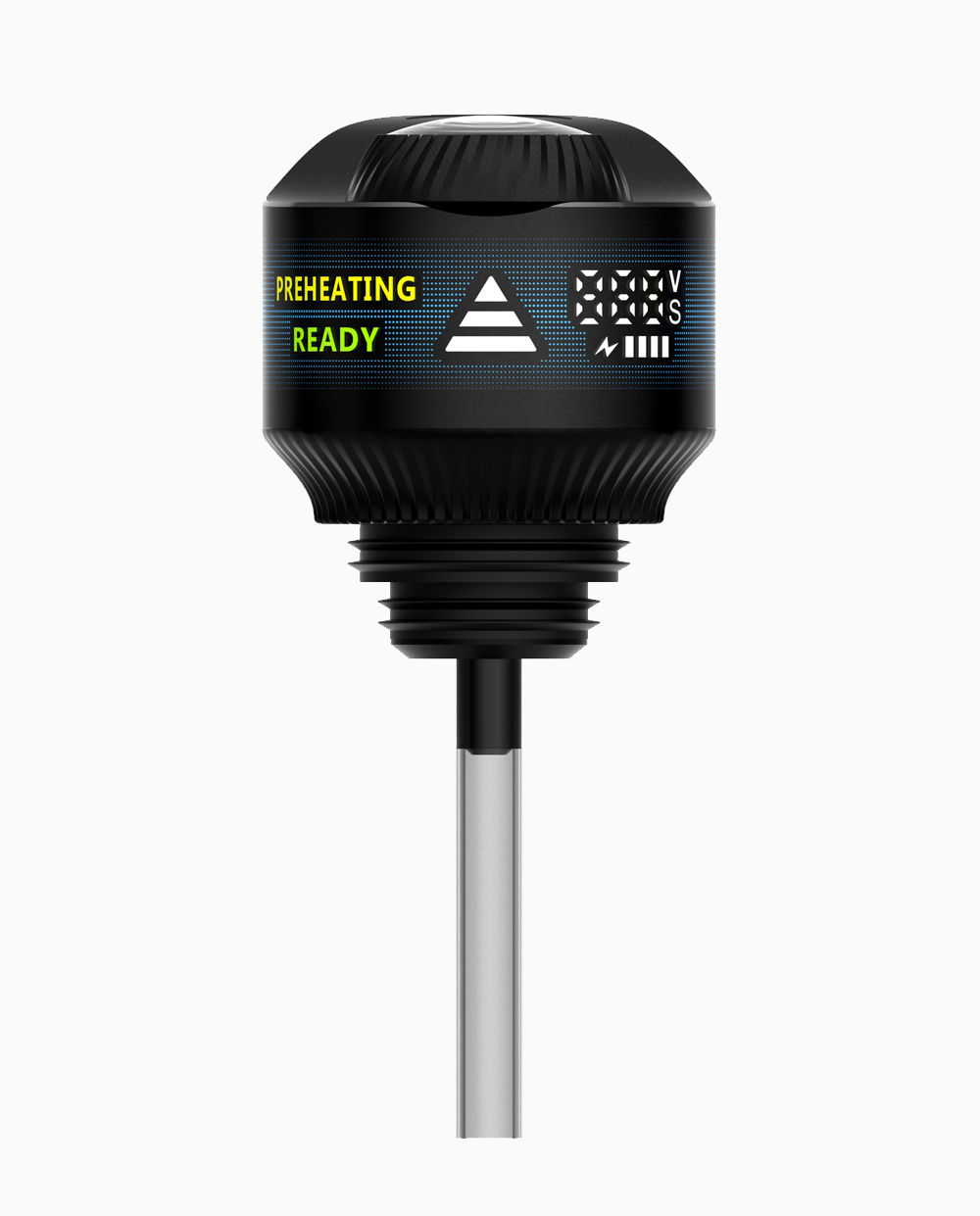
Preheat functions may help in some designs, but they are not a universal fix. Too little preheat may do nothing. Too much may darken the oil, stress flavor compounds, or create a harsh first draw. Brands should test preheat duration, voltage, and user flow under realistic conditions before turning it into a selling point.
Delta-9 formulations with more volatile flavor components may need a different thermal approach. If the battery output is too high, the first few puffs may feel strong, but the product can lose flavor stability faster. Harshness, oil darkening, and a burnt aftertaste can appear before the cartridge is finished.
Laboratory studies have shown that cannabis-vape cartridge temperatures vary with device design and operating conditions, and that higher temperatures can increase thermal-degradation concerns. These findings support temperature control as a general design consideration, but they do not establish the correct setting for a specific oil or cartridge. Product teams should define their own test conditions and acceptance limits using the intended device and formulation. See research on cartridge heating temperatures and terpene-related aerosol chemistry.
Airflow, Intake Geometry, and Pressure Behavior
Airflow design influences how the product feels and how the oil behaves. If airflow is too restricted, users may pull harder, which can increase pressure changes inside the cartridge. If airflow is too open, the vapor may feel thin or less satisfying, especially when paired with a slower-feeding oil.
Oil intake geometry is just as important. Larger intake holes may support thicker oils, but they can also increase leakage risk if the oil becomes more mobile during heat exposure. Smaller intake holes may improve containment but struggle with dense Delta-8 blends. The right balance depends on oil viscosity, storage conditions, and expected user behavior.
Treat these statements as design hypotheses to validate, not fixed sizing rules. Intake count, hole dimensions, internal pressure, seal design, core structure, and formulation mobility work together. Comparing only intake-hole diameter can hide the actual cause of a feeding or leakage problem.
3. Reproduce Filling and Distribution Conditions
Fill Temperature, Bubble Formation, and Cap Timing
Not every cartridge complaint starts with the cartridge. Filling-line conditions can create problems that later look like hardware failure. If the oil is filled too cold, bubbles may remain trapped and affect feeding. If it is filled too hot, the oil may behave differently around seals or accelerate early color change.
Cap timing also matters. A cartridge capped too late may allow more exposure to air. A cartridge capped with the wrong pressure or torque may create sealing stress. These details can be especially important when switching between Delta-8 and Delta-9 oil blends because the ideal filling window may not be the same.
Do not assign one universal fill temperature, capping delay, pressure, or torque across formulations. Establish a process window using the oil supplier’s handling data, the cartridge supplier’s assembly requirements, the filling equipment, and validation samples from the intended production line.
Establish a Product-Specific Rest and Inspection Window
After filling, oil needs time to settle into the ceramic core and cartridge structure. Shipping too soon can increase the risk of uneven saturation, bubble movement, and early leakage signals.
The required rest period should come from formulation- and hardware-specific validation; a fixed 24-to-72-hour period should not be treated as universal. Evaluate saturation, trapped bubbles, mass change, leakage, draw behavior, and vapor performance at predefined intervals under documented temperature and storage-orientation conditions.
Brands should define a post-fill inspection protocol before mass production. That protocol can include visual checks, weight checks, draw testing, leak testing, and sample puff testing after rest time. This helps teams separate real hardware defects from process-related instability.
Storage Temperature, Orientation, and Shelf Stability
A cartridge may pass a short factory leak test and still fail in distribution. Temperature changes during shipping and storage can alter oil movement and pressure behavior. If seals, gaskets, or assembly tolerances are not matched to the oil, leakage may appear after the product leaves the production line.
This is especially important for brands selling across regions or seasons. Summer warehouse heat, winter delivery conditions, and long retail shelf time can all expose different weaknesses. Stability testing should include upright and side storage, warm and cool conditions, and post-transport inspection.
Oil darkening does not always mean a product is unsafe or defective, but it can damage customer trust. Delta-8 and Delta-9 formulations may respond differently to heat, oxygen exposure, and time inside the cartridge. Hardware that allows too much thermal stress or poor sealing can make the issue more visible.
Color should be tracked with flavor, leakage, clogging, aerosol consistency, storage condition, and time. A color change alone cannot identify the root cause or establish safety. If safety or chemical stability is in question, the appropriate next step is qualified analytical evaluation rather than visual diagnosis.
4. Run a Pre-Production Validation Matrix
Before launching a Delta-8 or Delta-9 cartridge, brands should test the final oil with multiple hardware variables. The matrix should include ceramic core type, resistance, intake design, battery output, mouthpiece structure, seal material, and storage conditions. Testing only one prototype under one condition is not enough for a reliable launch.
A practical test should measure first-puff startup, vapor consistency, flavor stability, clogging rate, leakage, oil color, and end-of-cartridge performance. The goal is not to find a cartridge that works once. The goal is to find a system that performs across the product’s full shelf life and real consumer use.
Before testing begins, define the sample identity, test method, environment, puff profile, inspection interval, endpoint, and pass/fail criteria. Without those controls, a result such as “no leakage” or “good flavor” is difficult to reproduce or compare.
| Test dimension | Example controlled variables | Outputs to record |
|---|---|---|
| Formulation | Batch, composition, flow behavior, fill condition | Batch-to-batch consistency and compatibility observations |
| Hardware | Core, intake, resistance, seal, airway, mouthpiece | Startup, replenishment, leakage, draw, residue location |
| Power and use | Battery, setting, puff duration, interval, sequence | Aerosol consistency, flavor, harshness, oil color, device behavior |
| Storage and transport | Temperature, duration, orientation, transport simulation | Mass change, leakage, bubbles, blockage, post-storage startup |
| End-of-life | Defined use endpoint and remaining oil level | Usable oil, output change, flavor change, residue, failure mode |
A matrix does not need to test every theoretical combination. Use formulation risk, intended market conditions, previous failures, and design differences to select representative and worst-reasonable cases. Record limitations so the results are not extended beyond the conditions actually tested.
5. Diagnose Symptoms Without Jumping to a Single Cause
Condensation is often treated as a normal vape issue, but the pattern of buildup can reveal a hardware mismatch. A formulation that does not fully vaporize may leave more residue in the airway. A heating curve that is too aggressive may increase splatter, darkened residue, or reclaim near the mouthpiece.
Teams should inspect returned cartridges rather than only counting complaint types. Where the oil collects, how dark it looks, whether the airway is blocked, and whether residue appears near the center post can all point to different root causes. A good return analysis can turn customer complaints into better hardware specifications.
| Observed symptom | Plausible mechanisms to investigate | Do not assume |
|---|---|---|
| Dry or burnt note | Slow replenishment, aggressive power, repeated puffs, incomplete saturation, damaged core | The coil alone is defective |
| Leakage | Seal condition, assembly, pressure change, storage orientation, heat exposure, formulation mobility | A larger or smaller intake is the only fix |
| Clogging or restricted draw | Condensation, residue, airway geometry, storage temperature, incomplete vaporization, formulation movement | More voltage will solve every case |
| Oil darkening | Heat exposure, oxygen, time, formulation chemistry, localized residue | Color alone proves a defect or safety outcome |
| Weak or inconsistent vapor | Power delivery, battery state, feeding, activation, airflow, oil level, component variation | The cannabinoid type determines output |
For returned units, record the product batch, formulation batch, hardware lot, battery, storage history when available, residue location, airway condition, seal condition, remaining mass, and repeat-test result. This turns a complaint category into a testable failure hypothesis.
6. Safety and Quality Boundaries
Hardware compatibility does not establish the chemical quality, regulatory status, or safety of the oil. Delta-8 products have raised concerns related to variable formulations, labeling, synthesis by-products, and manufacturing controls. The FDA Delta-8 consumer update states that these products have not been evaluated or approved by the agency for safe use and describes contamination and manufacturing concerns.
Use legally compliant, age-restricted product controls and qualified analytical testing appropriate to the intended market. Do not use hardware testing as a substitute for formulation review, contaminant testing, labeling review, or jurisdiction-specific regulatory assessment.
Likewise, a general study on cartridge temperature or aerosol chemistry cannot prove that a specific product is safe, compliant, or optimized. Product claims should be limited to the exact configuration, conditions, samples, and endpoints that were evaluated.
7. How to Qualify a Cartridge Hardware Partner
Brands should ask suppliers for test support, not only catalog options. A strong hardware partner should be able to discuss oil viscosity, filling method, voltage range, leak testing, and failure analysis.
During supplier qualification, ask for a clear answer to five questions:
-
- What formulation and process information is required before hardware is recommended?
-
- Which core, intake, resistance, seal, airflow, and battery variables can be compared?
-
- How will filling, storage, transport, puffing, and end-of-life conditions be reproduced?
-
- What measurements and pass/fail criteria will appear in the validation record?
-
- How are failed samples inspected and translated into specification or process changes?
A useful partner should also separate what has been verified from what is only expected based on a mechanism. This helps product teams avoid converting a catalog specification into an unsupported performance claim.
What a Product Team Should Bring to the First Hardware Discussion
A productive supplier conversation begins with more than a request for a cartridge sample. Prepare a concise technical brief covering the oil category, available composition and flow data, target fill volume, intended device format, battery or power plan, filling equipment, storage and shipping markets, expected launch schedule, and known failure concerns. If some data is not yet available, label it as an open item instead of replacing it with an assumption.
This brief allows a hardware supplier to identify which questions can be answered from existing documentation and which require a controlled comparison. It also helps the brand distinguish a sample-selection exercise from a formulation-specific development project. The commercial value is not a promise of zero failures; it is a clearer scope, a more traceable decision path, and fewer unsupported conclusions during product qualification.
How Artrix Can Enter the Qualification Process
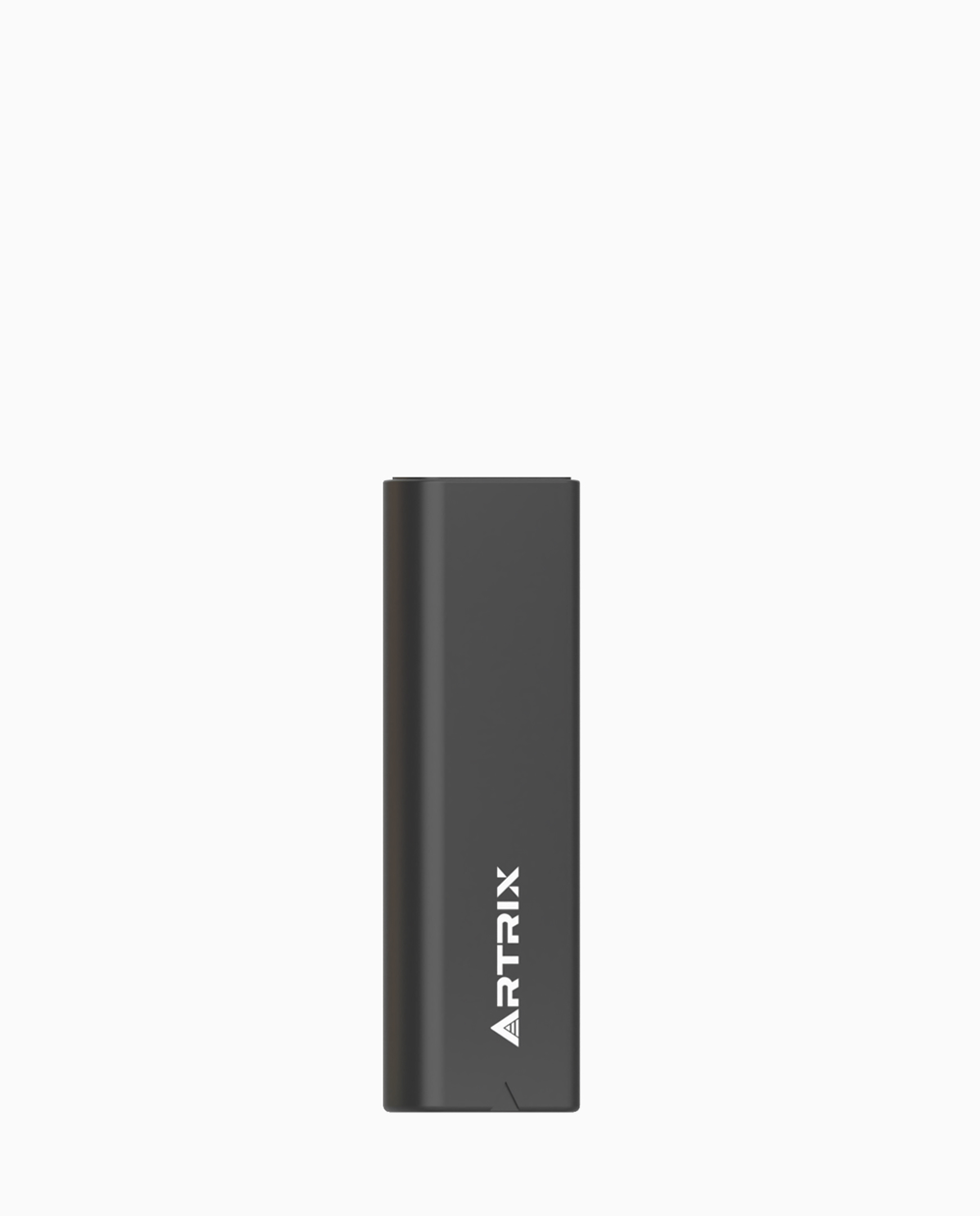
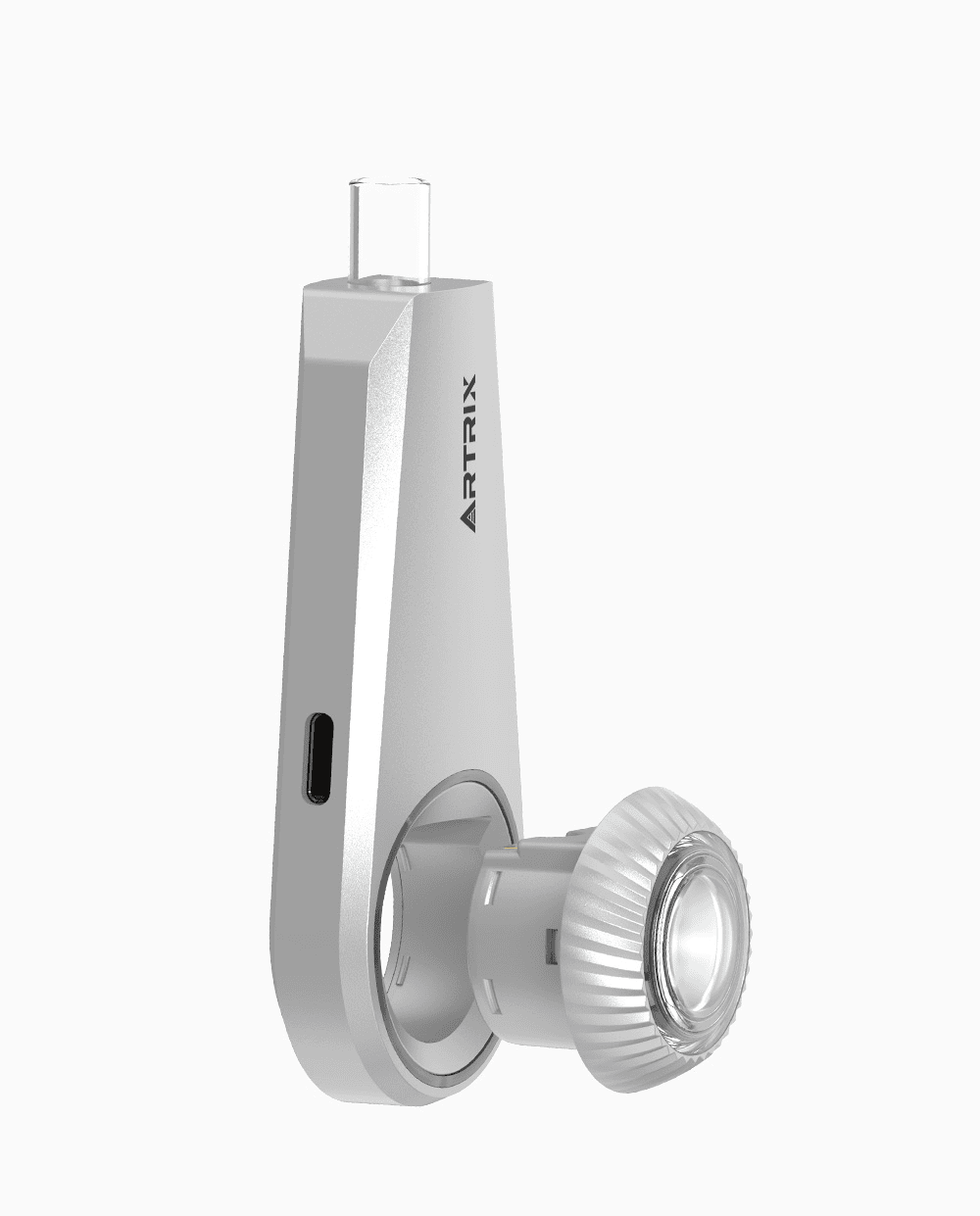
Brands evaluating Artrix can use the first discussion to confirm whether the available hardware formats, adjustable variables, manufacturing requirements, and test-support scope fit the project. The team should request written confirmation of the proposed configuration, samples, responsibilities, evaluation conditions, reporting format, revision process, and production handoff. These items should be reviewed before compatibility or performance language is used in marketing.
A staged engagement can keep the project focused:
-
- Share the formulation and process brief under the appropriate confidentiality controls.
-
- Identify candidate hardware and the variables that differ between candidates.
-
- Agree on the test matrix, samples, conditions, endpoints, and decision criteria.
-
- Review failures and determine whether the next change belongs to the hardware, process, power plan, or formulation.
-
- Document the approved configuration before scale-up and revalidate material changes.
This process gives procurement, engineering, quality, and marketing teams a shared record. It can also make later discussions about changes, complaints, or additional formulations more specific because the approved configuration and its limitations are documented.
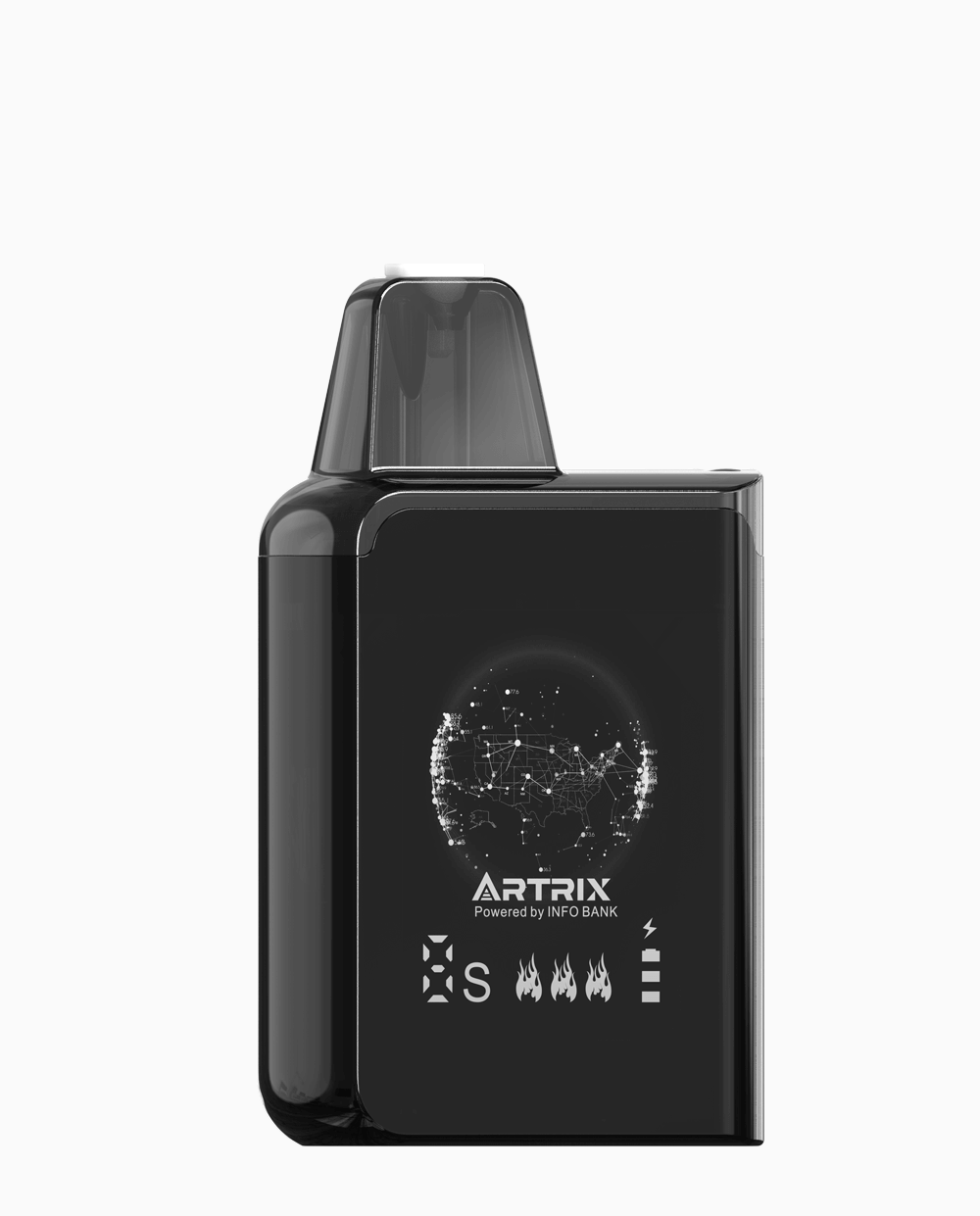
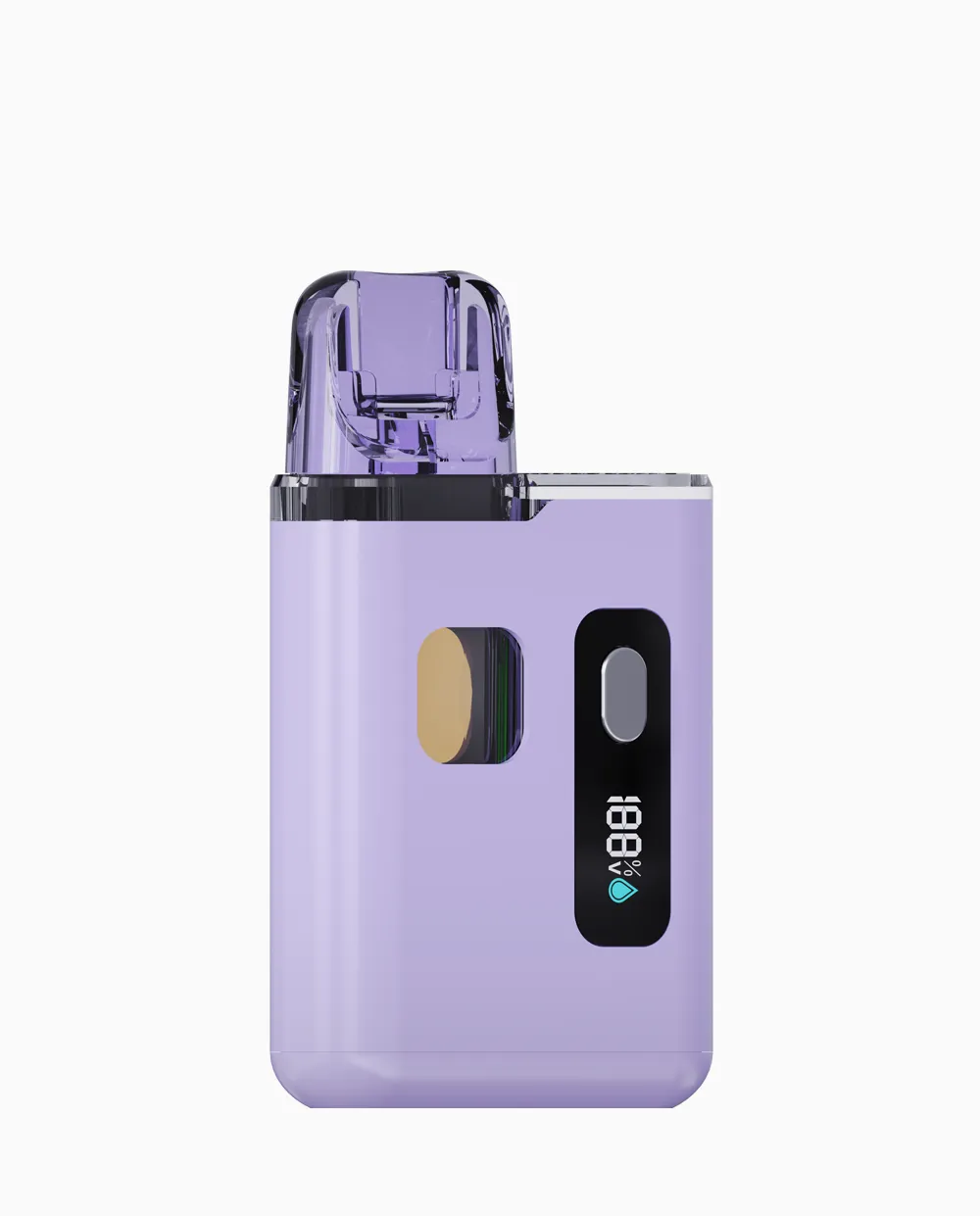
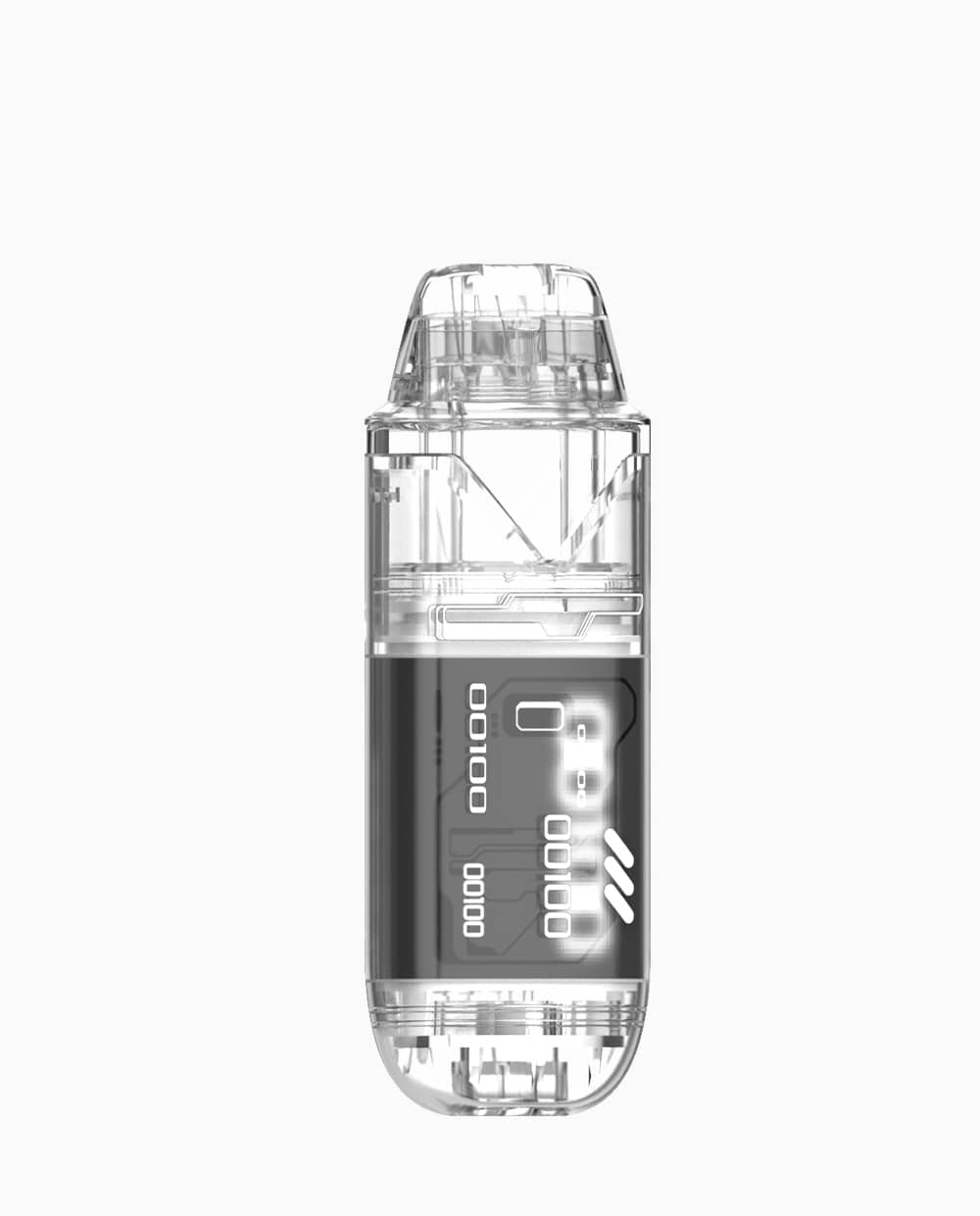
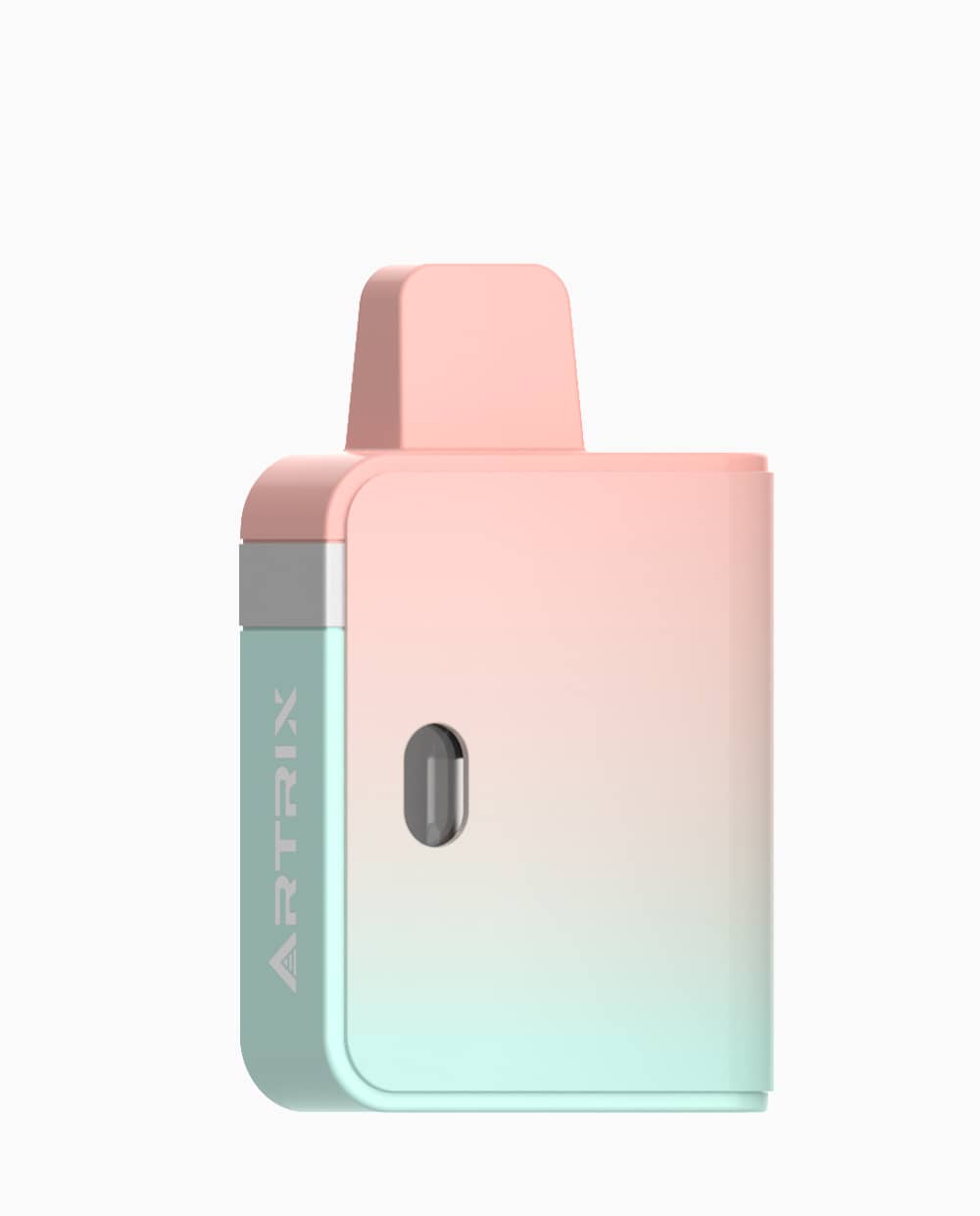
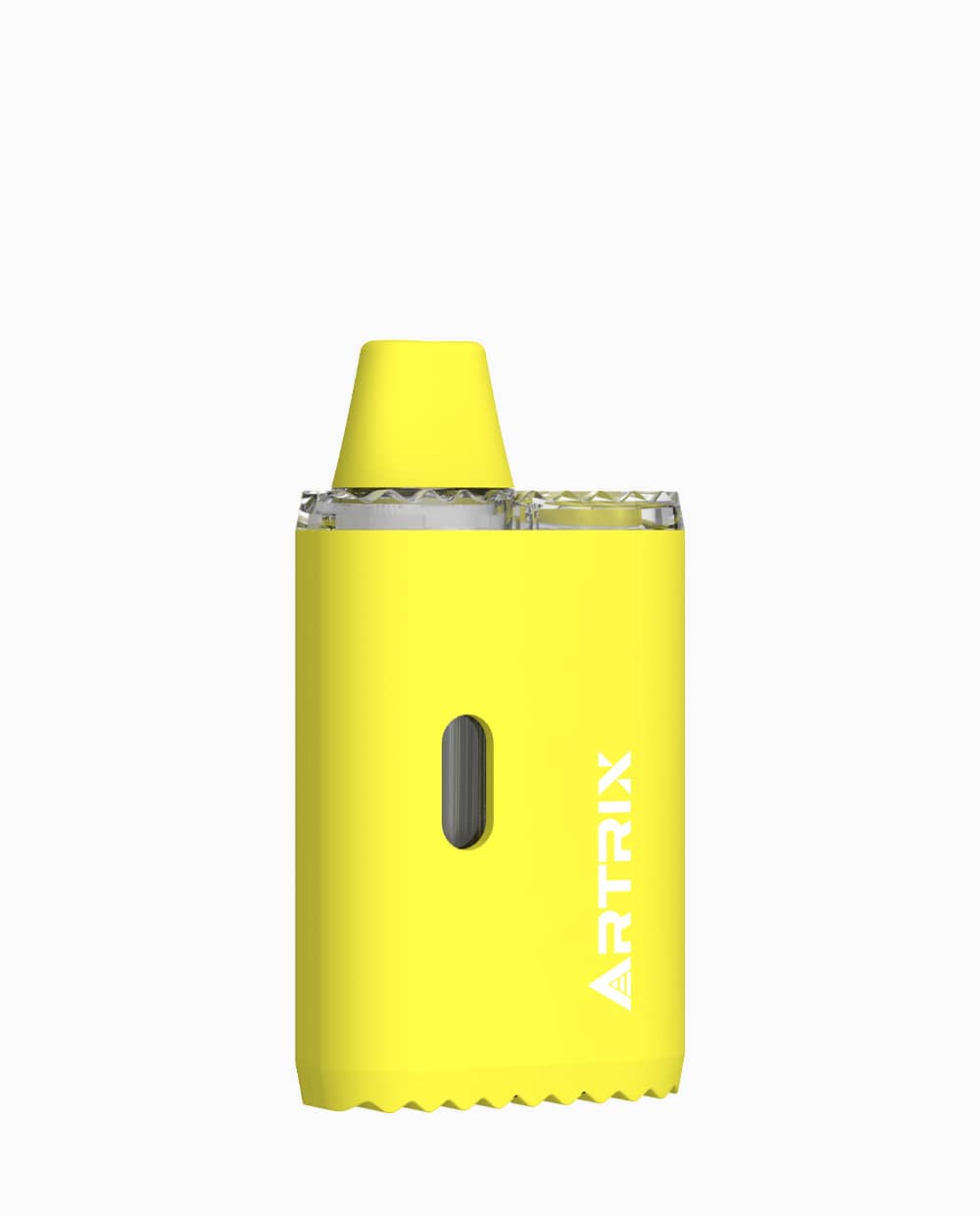
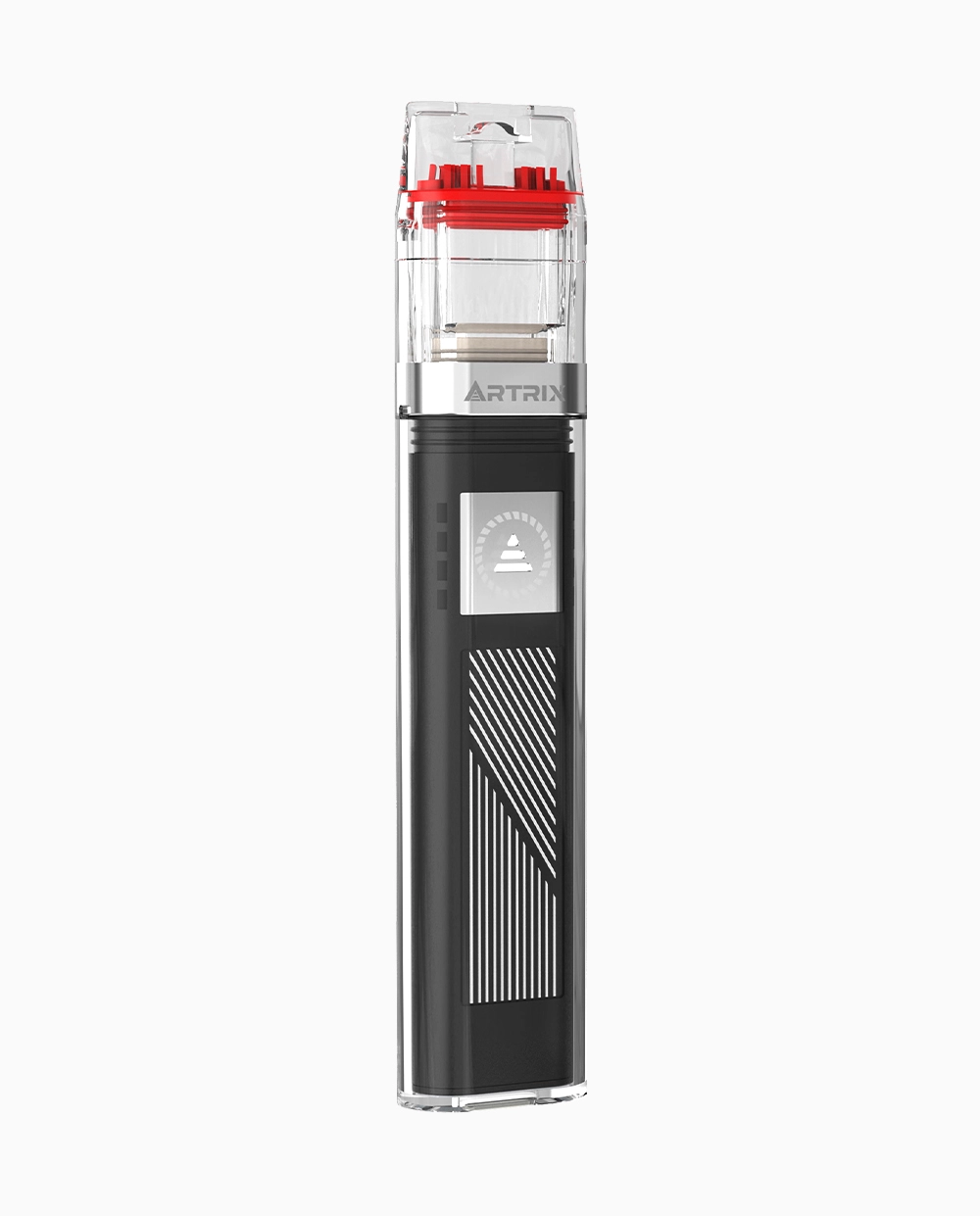
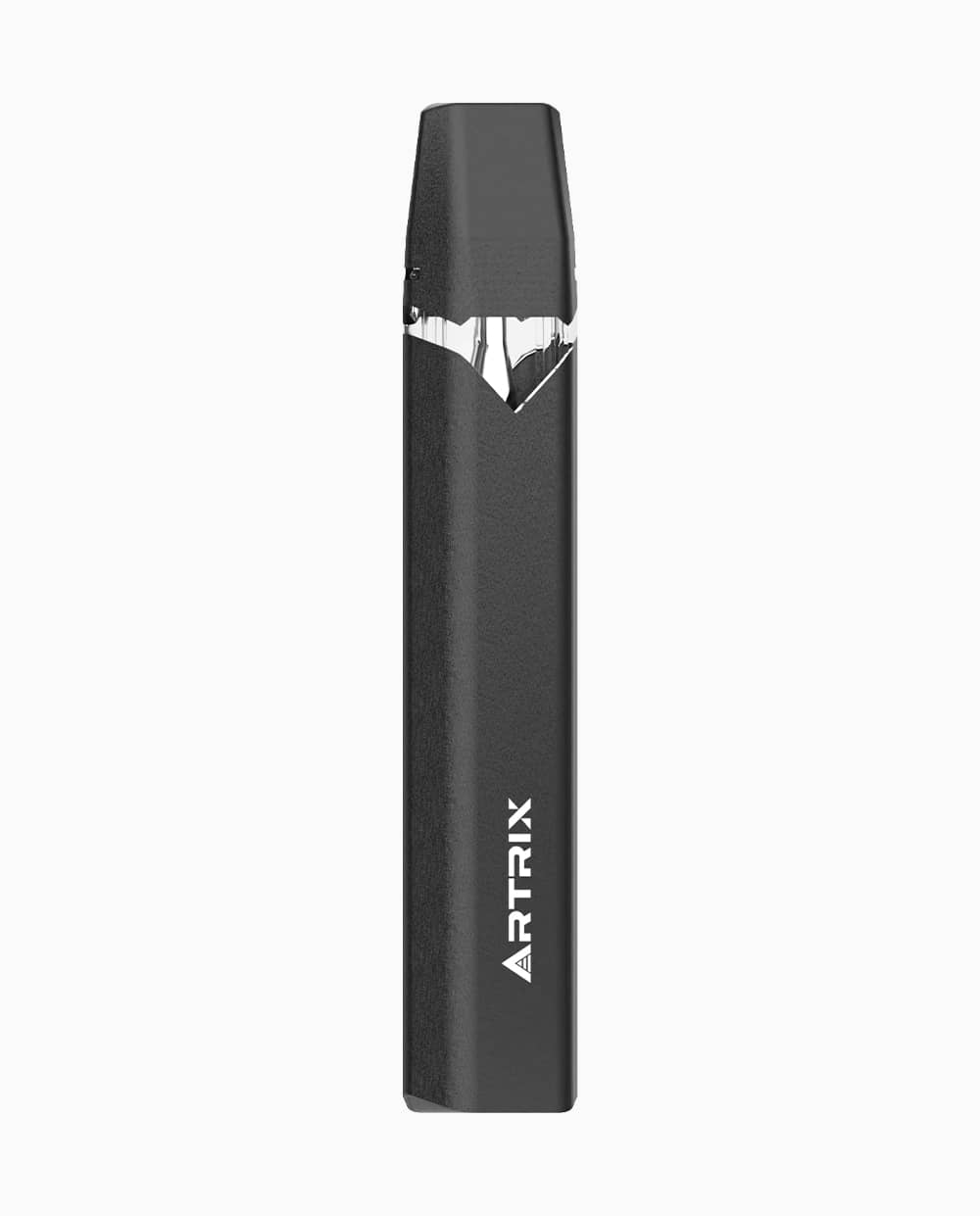
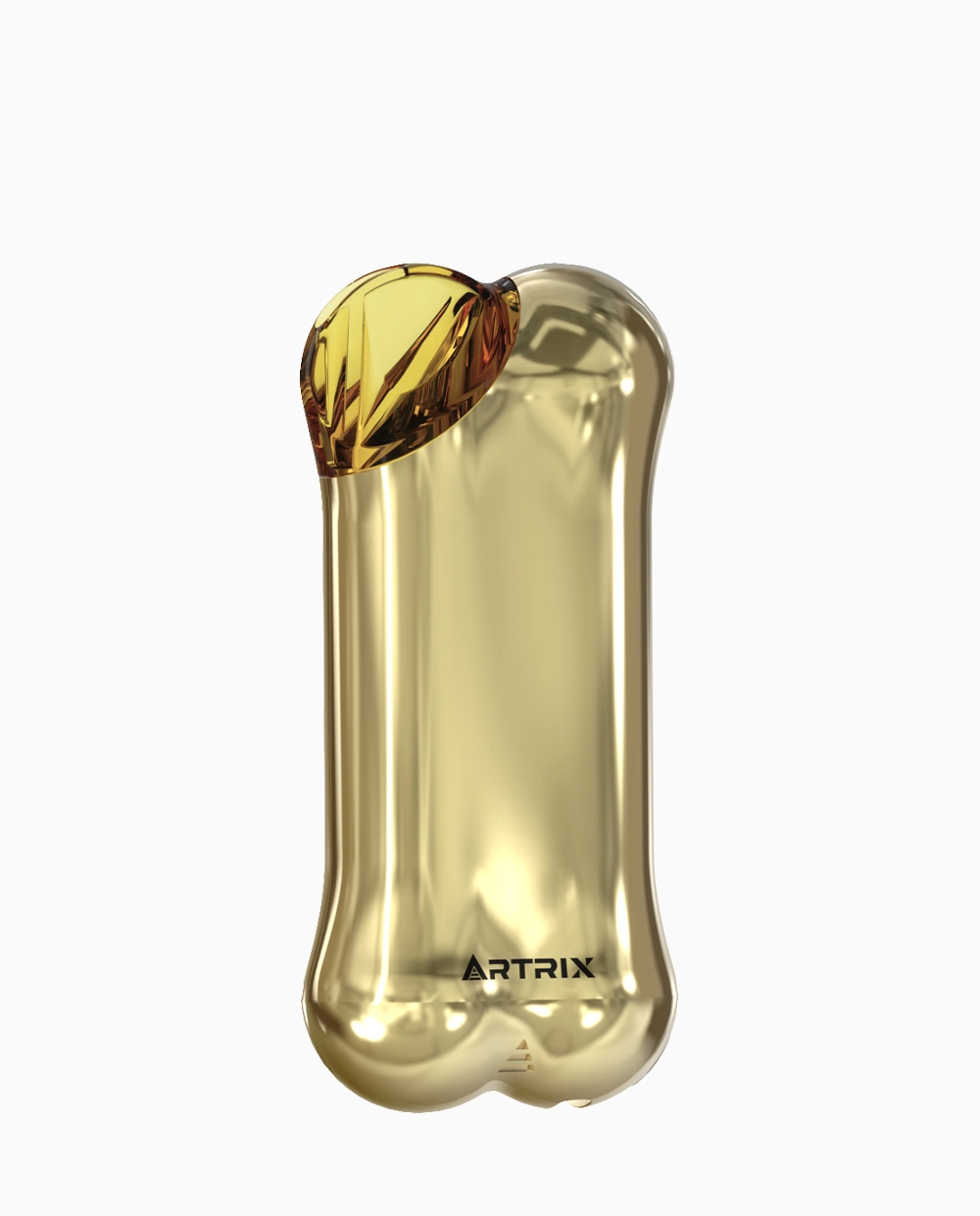
Artrix can be considered when a project requires a conversation that connects hardware design, manufacturing control, filling conditions, and formulation-specific validation. Brands should confirm the exact test scope, deliverables, applicable products, and evidence before publishing any compatibility or performance claim. Explore Artrix cannabis vape hardware or review its disposable hardware categories to begin a project-specific qualification discussion.
8. Conclusion: Validate the Oil and Hardware as One System
Delta-8 and Delta-9 oils can share the same cartridge platform, but they should not automatically share the same tuning strategy. The cannabinoid name is only the starting point. What matters more is the complete oil profile and how that profile behaves inside the device.
If the oil is thicker, the hardware may need stronger feeding support and carefully controlled heating. If the oil is more mobile or terpene-forward, the hardware may need tighter leakage control and a gentler power curve. The same visual design can hide very different engineering requirements.
Use those relationships as hypotheses, then validate them. Characterize the finished oil, compare candidate systems, reproduce filling and distribution conditions, define acceptance criteria, inspect failures, and freeze the specification only after the intended configuration has been tested. That process is more reliable than choosing hardware from a Delta-8 or Delta-9 label alone.