


-1.webp)
-1.webp)
-2.webp)































Sk8 Vape Design: When Skate-Inspired Hardware Adds Real Product Value
In a category where many devices still look interchangeable, skate-inspired hardware is becoming a recognizable direction in cannabis vape design. A sk8 vape stands out not because the shape is novel on its own, but because it gives brands a new way to combine portability, visual identity, and functional engineering in one compact device. For cannabis operators competing in crowded retail environments, that combination matters.
The conversation around skate-style devices is broader than appearance. Shape influences how a product feels in the hand, how internal space can be used, how a brand presents itself on shelf, and how clearly a device can be differentiated from conventional disposables. That is why skate vape design is better understood as an industrial design strategy, not just a cosmetic trend.
What Is a Sk8 Vape?

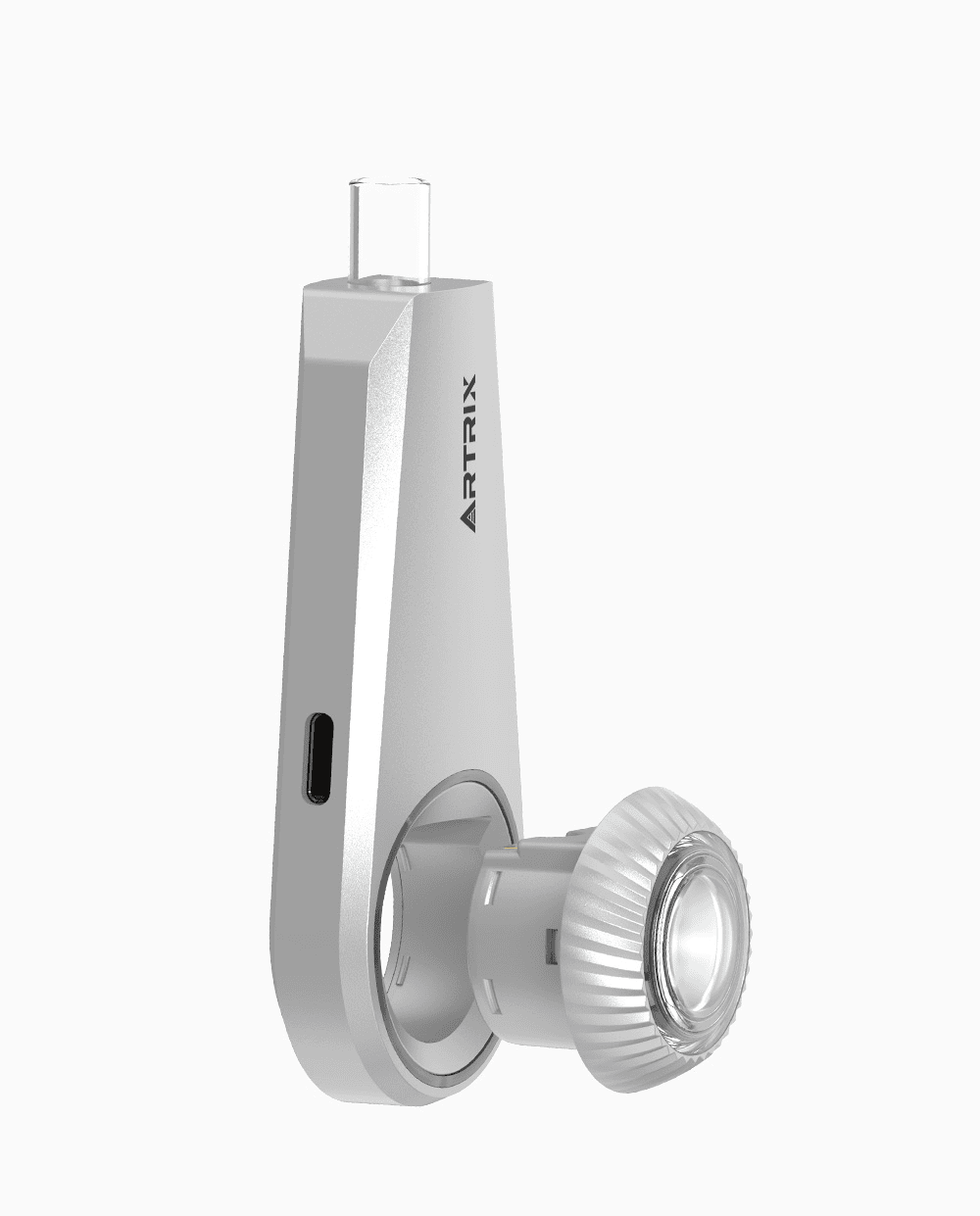
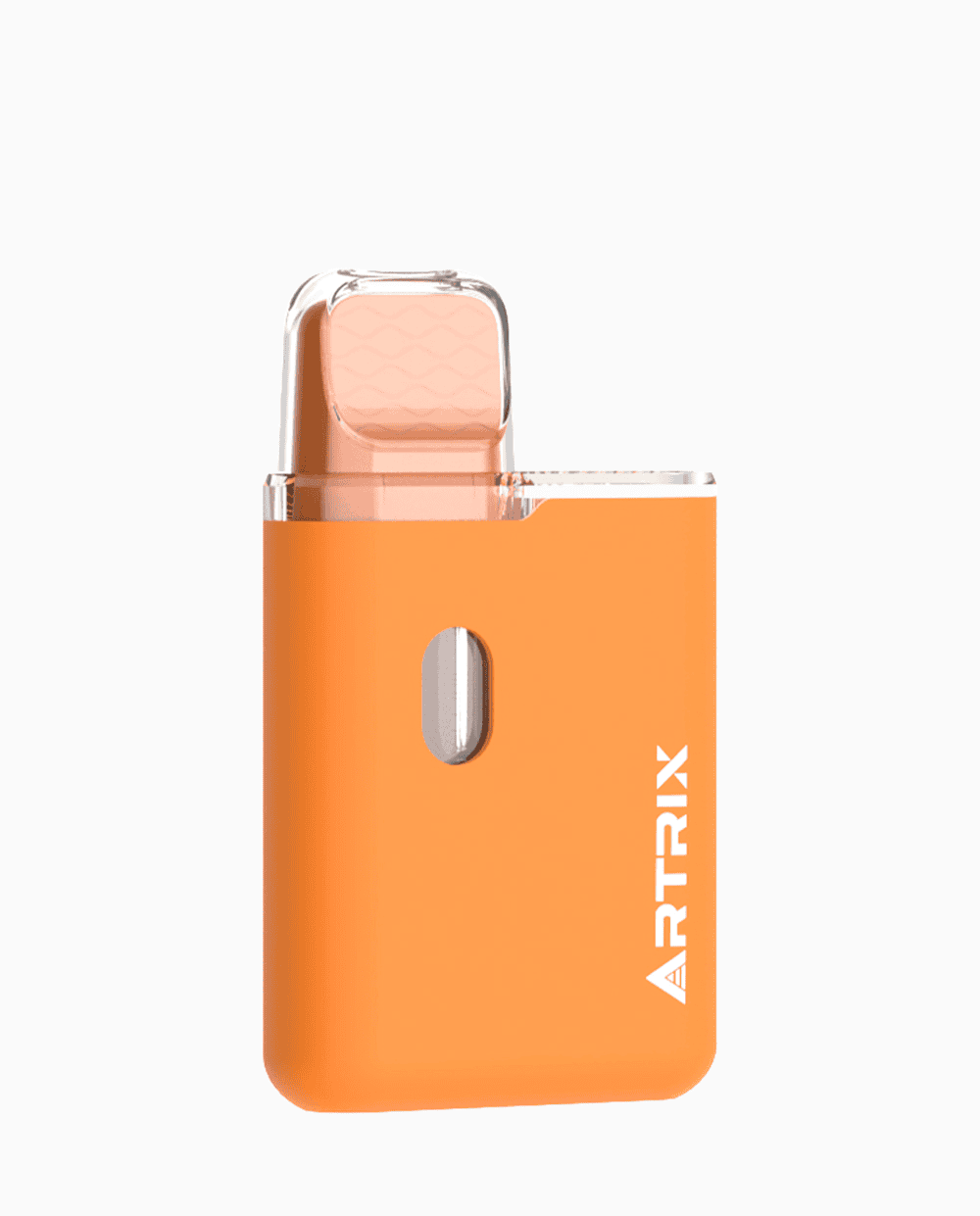
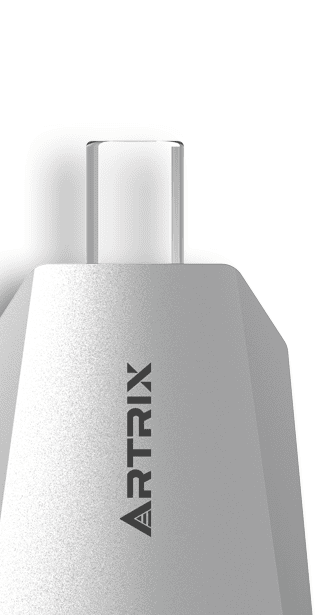
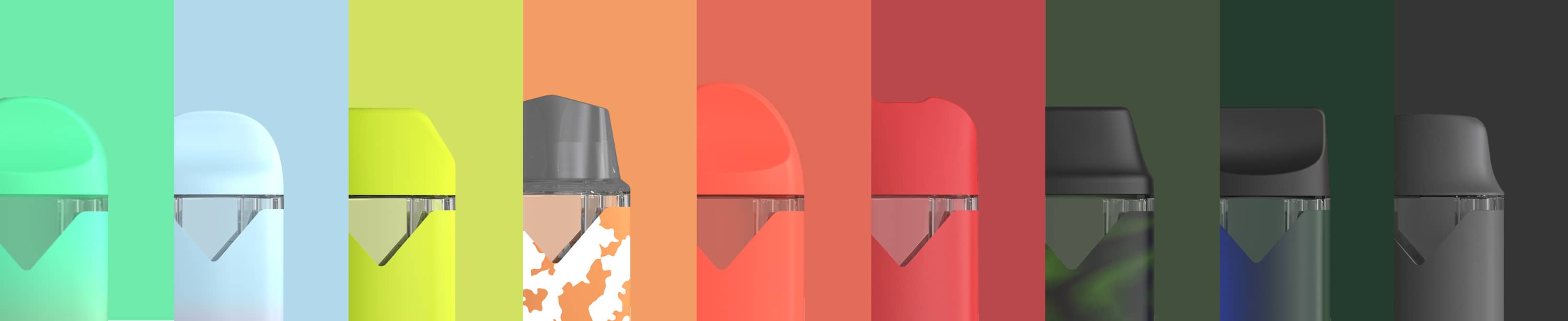
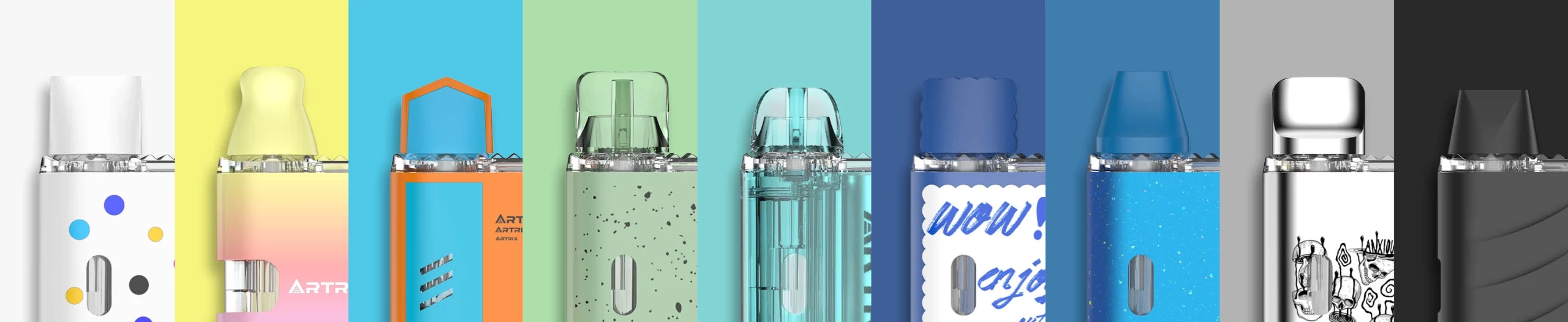
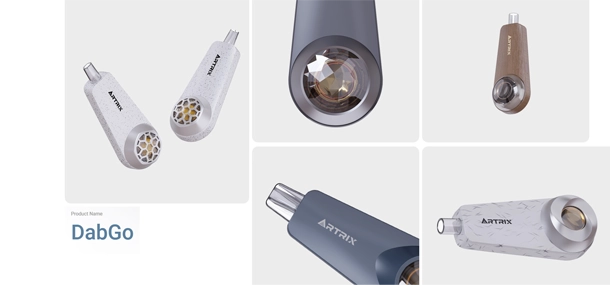
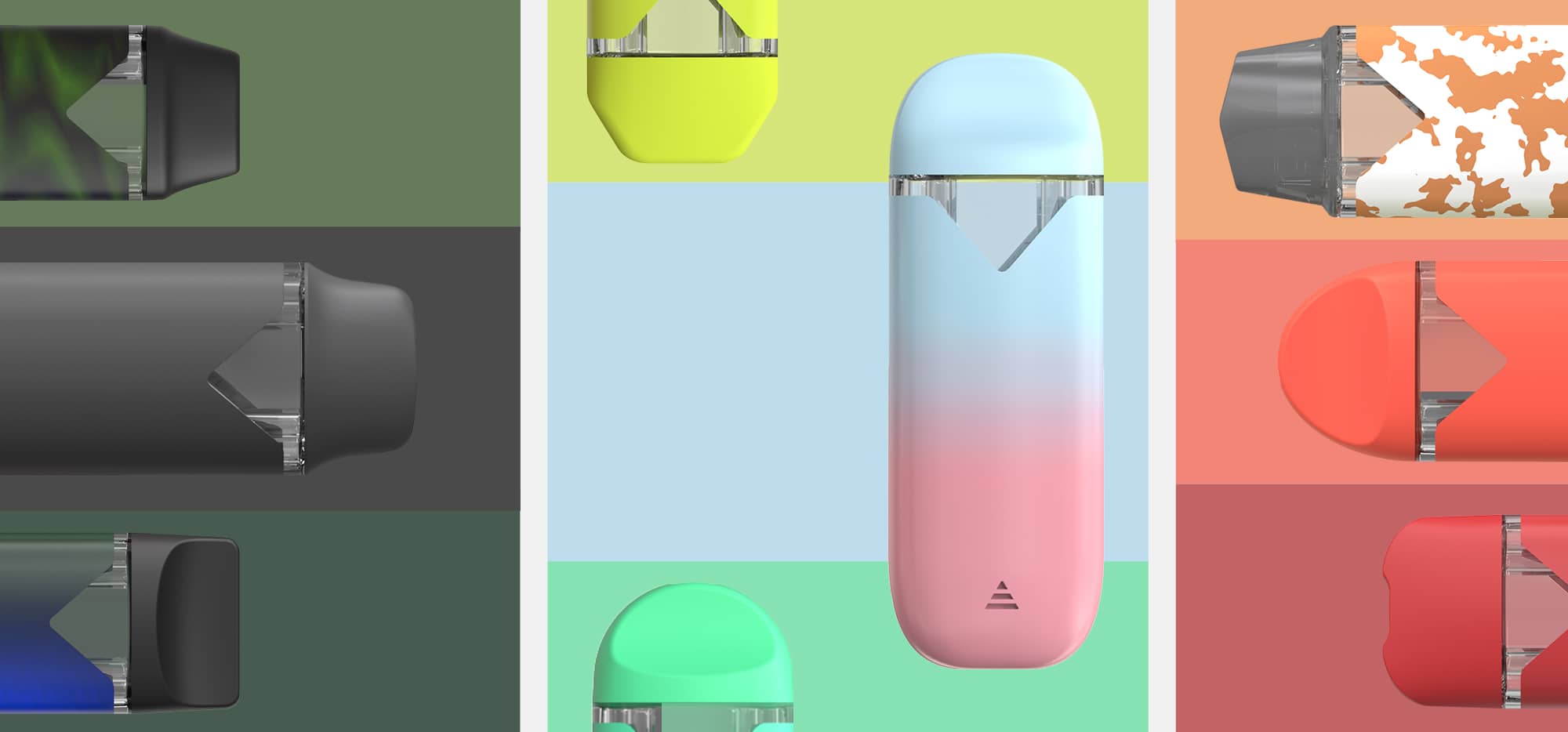
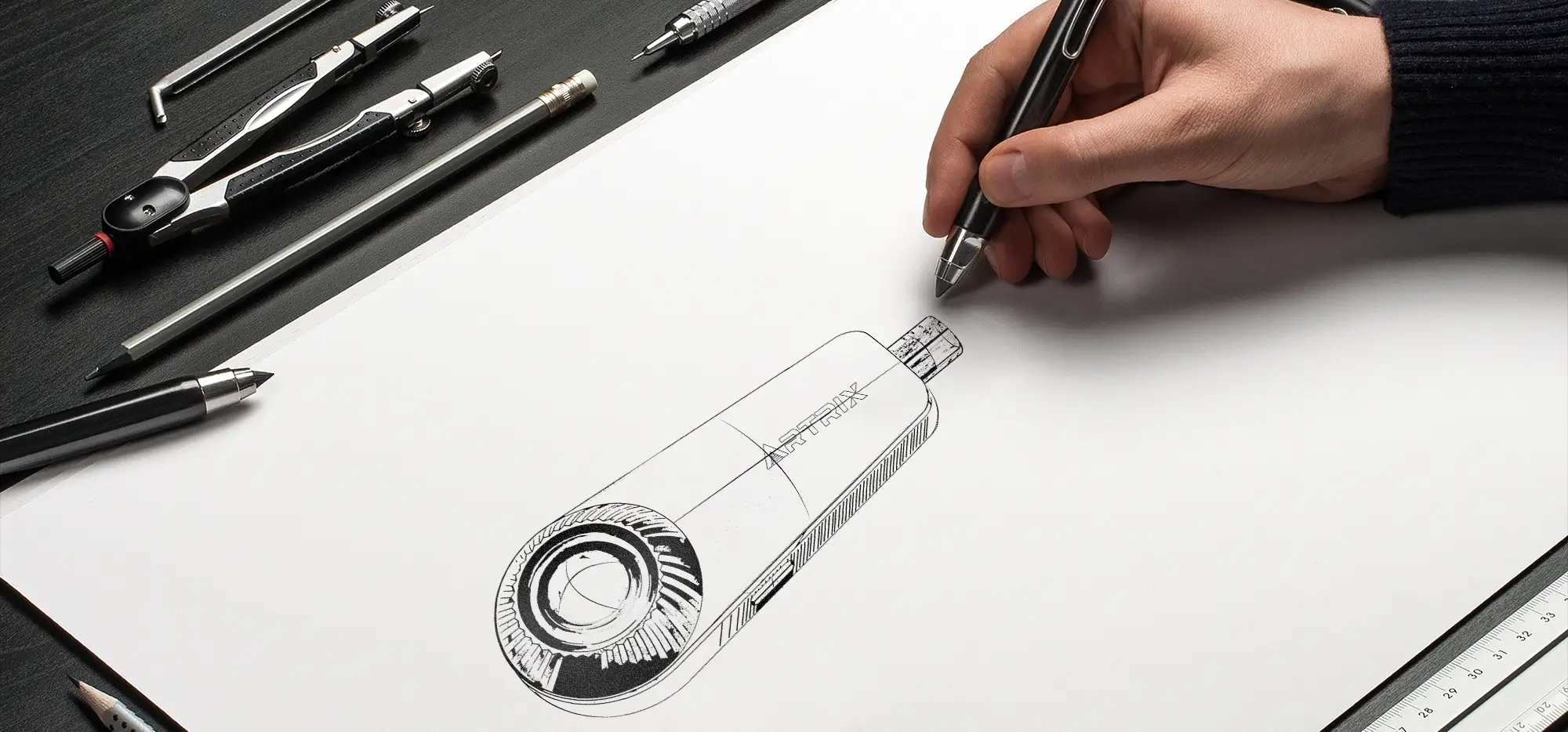
A sk8 vape is a cannabis vape device built around a skateboard-inspired silhouette. Depending on the design, that can mean a deck-like profile, a wider body with rounded edges, or a flattened, more sculptural form that departs from the standard pen-style shape. In most cases, the goal is to create stronger shelf recognition while keeping the product compact enough for everyday portability.
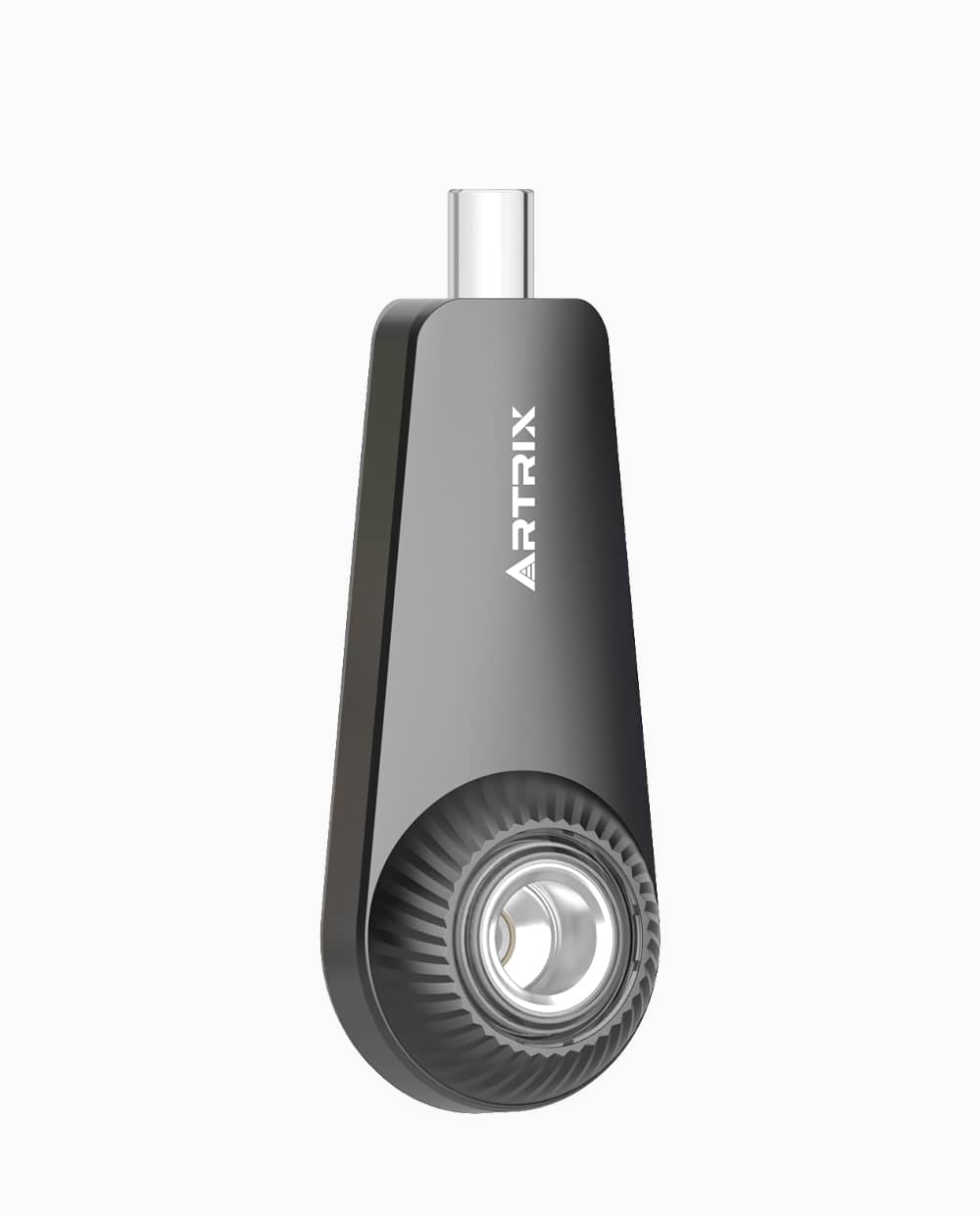
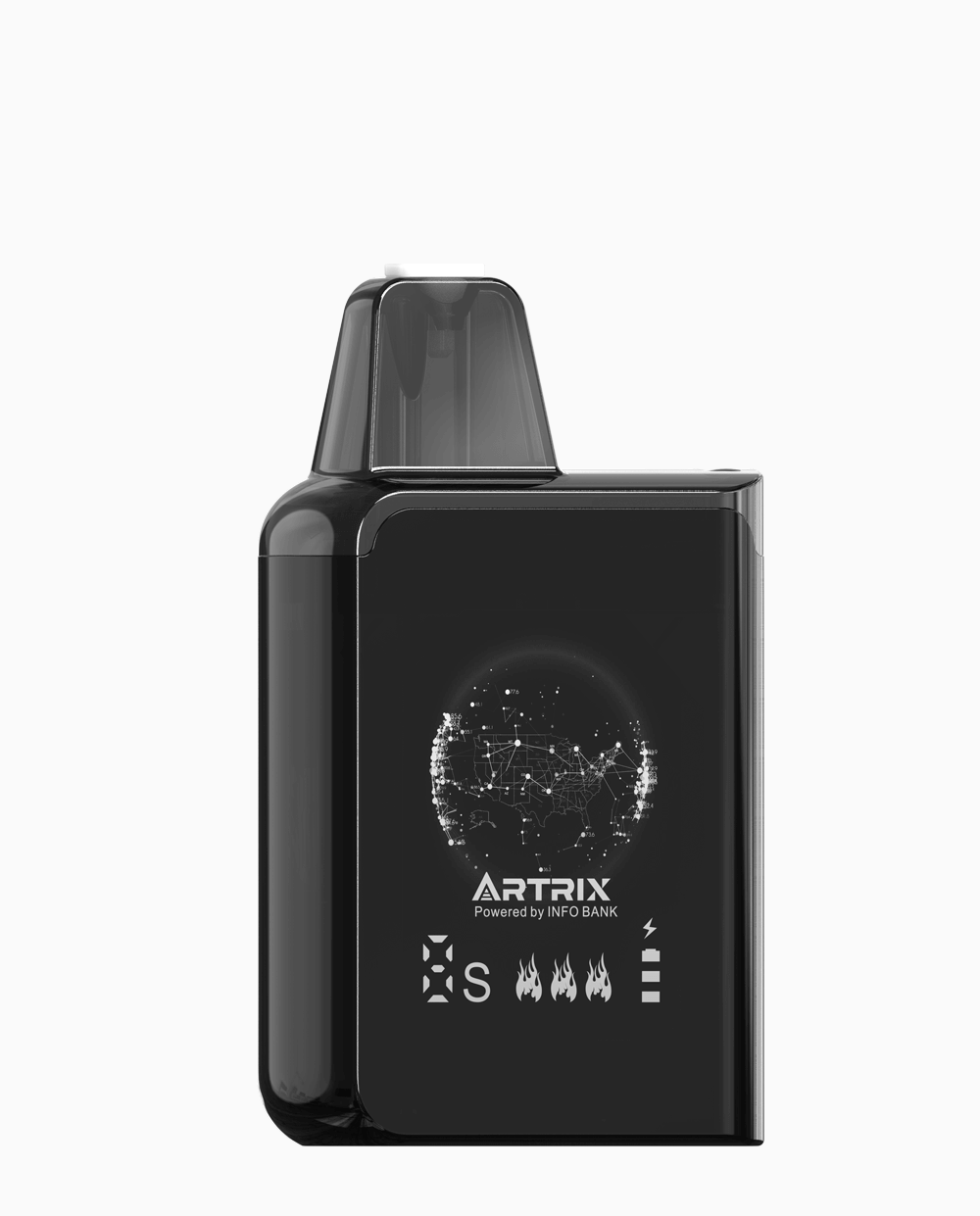
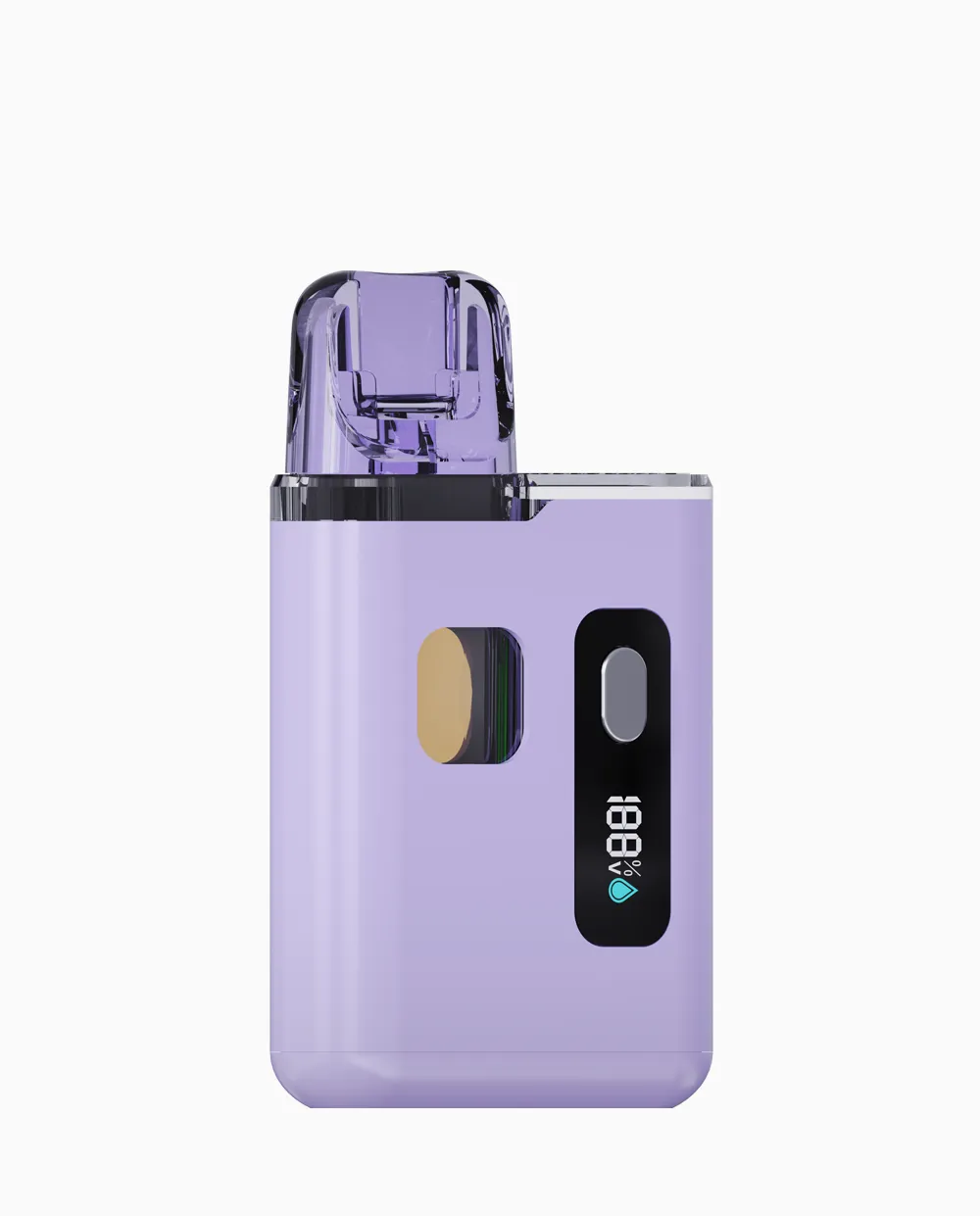
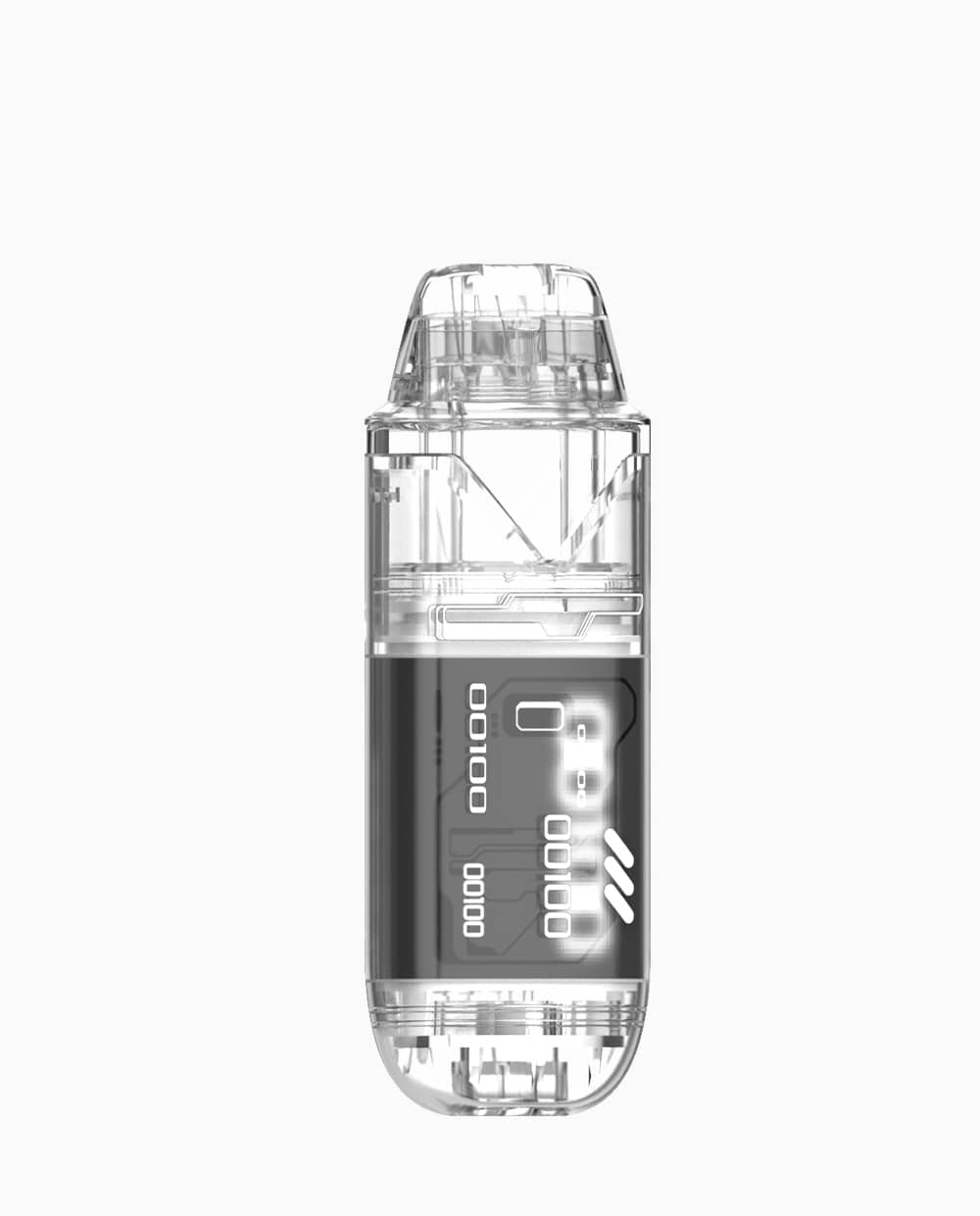
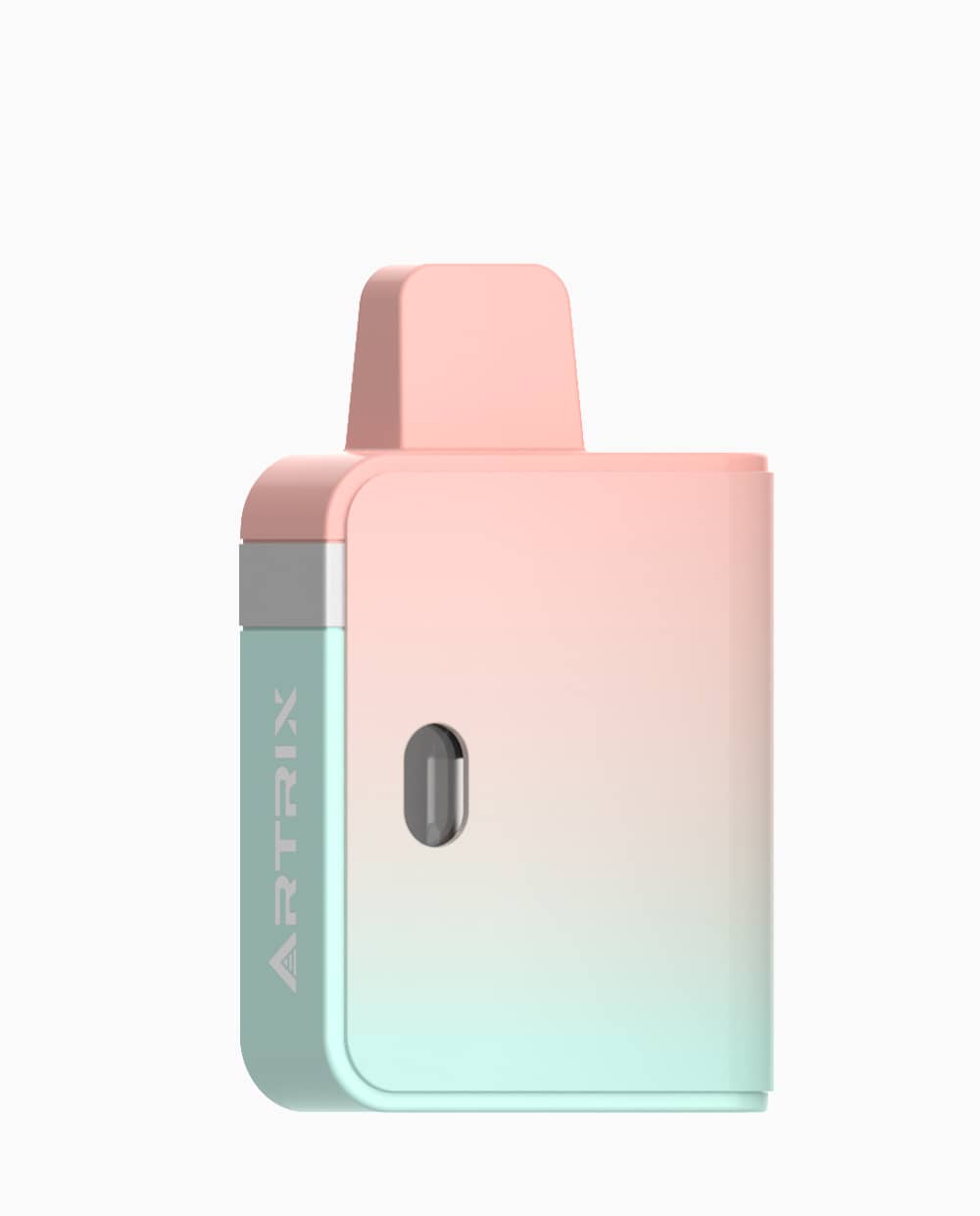
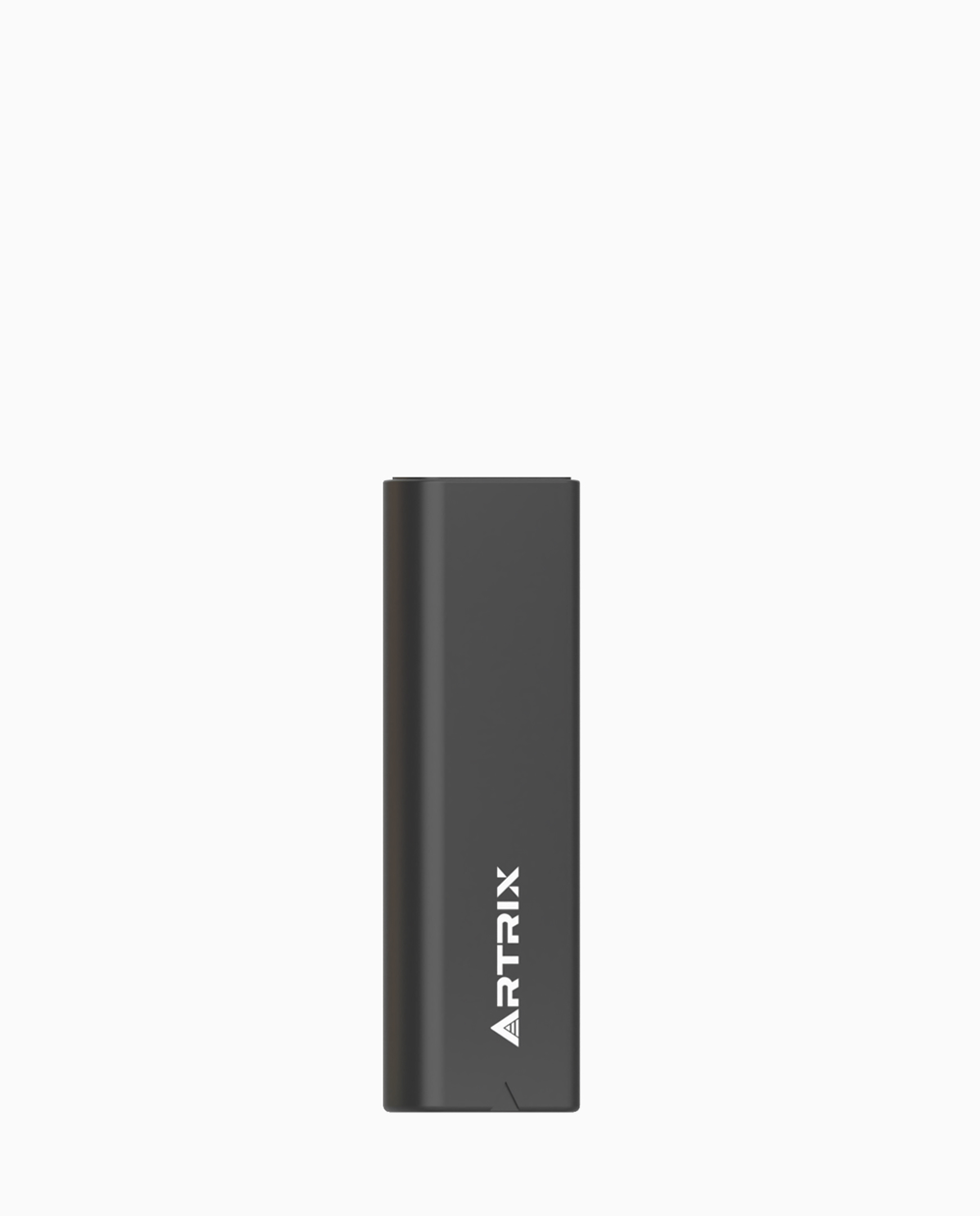
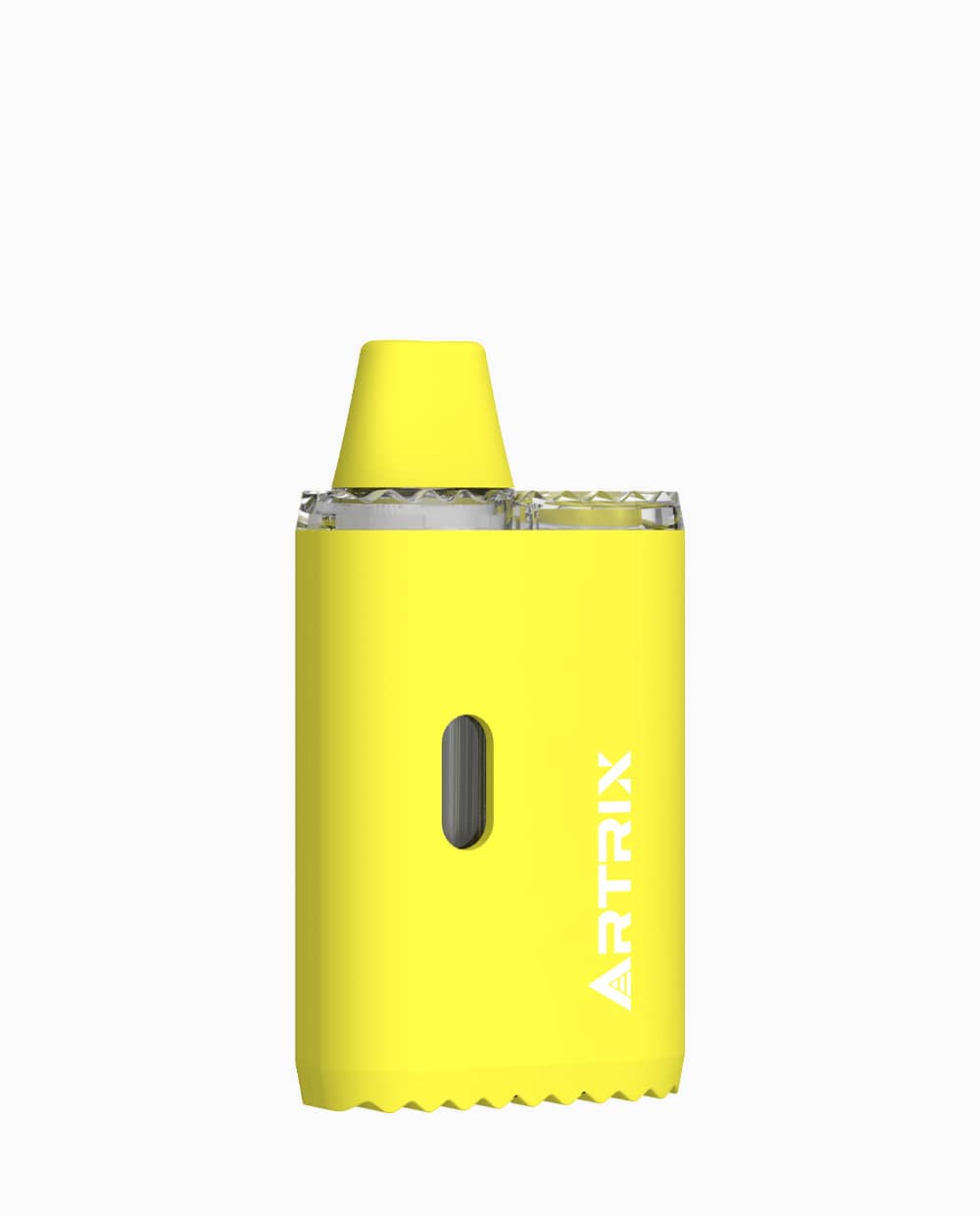
There is no universal size standard that defines every skate-inspired vape. As one product example, Artrix lists the SK8 at 83.7 × 30.2 × 9.7 mm with a product weight of 21 g. Those figures describe this model rather than the entire category, but they show how a relatively thin body can be combined with a broader visual profile.
However, a wide or flat body is not automatically easier to hold, carry, package, or display. Edge radius, surface finish, weight distribution, mouthpiece position, and the dimensions of the comparison device all affect the result. Buyers should therefore treat portability and ergonomics as characteristics to test with real prototypes, not guaranteed benefits of the silhouette.
Why Skate-Inspired Design Can Matter to Cannabis Brands
Another reason is ergonomic and storytelling flexibility. A broader, flatter shape creates a different grip from traditional pen-shaped devices and gives product teams more room to discuss structure, materials, and intended experience. For cannabis brands, hardware design often needs to communicate technical quality while remaining consumer-friendly.
Evaluate the Form Through Four Product Questions
The best way to evaluate a sk8 vape is to move from shape to mechanism, then from mechanism to a concrete use or procurement scenario. This prevents a visible feature from being mistaken for a verified outcome. Four questions cover the most important relationships: handling, internal space, heating and airflow, and brand presentation.
1. Does the shape support practical handling and portability?
A flatter body changes where the device contacts the hand and how it sits in a pocket, tray, or package. In a buyer evaluation, compare prototypes across different hand sizes, grip positions, clothing pockets, and one-handed pickup tasks. Record the comparison device, dimensions, weight, and method so any comfort or portability statement has a clear boundary.
Compact designs can be convenient to carry, while a wider body may offer a different grip from a thin pen. Those are plausible design effects, not universal performance results. Portability should also be framed for lawful storage and transport by adults of legal age, not as a way to encourage concealed use where consumption is prohibited.
2. Does the internal layout use available space effectively?
A strong skate-style device still has to perform. For buyers, distributors, and brand teams, the useful evaluation framework starts with the fundamentals: fill capacity, heating stability, airflow, leakage resistance, battery consistency, and how effectively the internal architecture uses available space. Shape may attract attention first, but performance determines whether the product holds up in market.
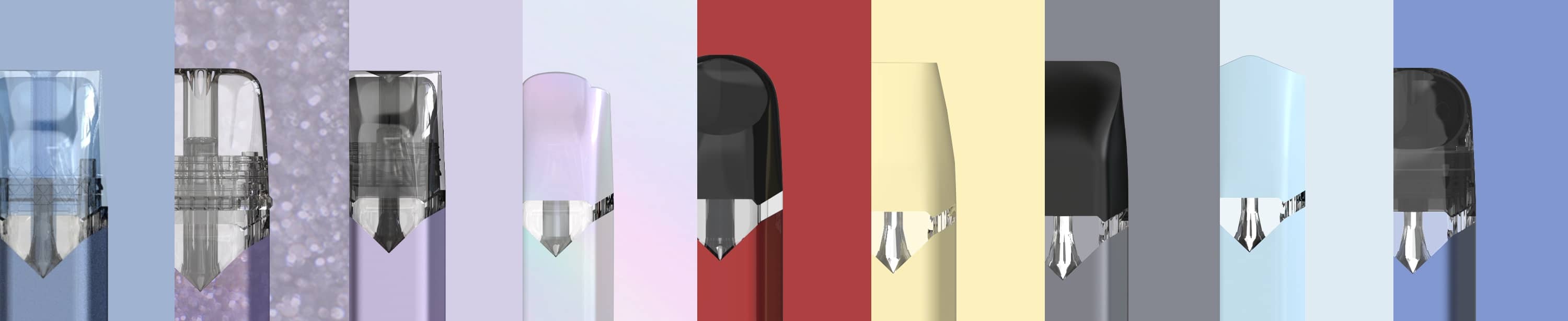
A postless layout removes the conventional center-post structure, which changes the geometry available for the tank and viewing window. That may support a more open internal arrangement, but it does not by itself prove lower residual oil, fewer leaks, or better yield. Buyers should define how fill volume and residual oil will be measured, then test the intended formulation under relevant storage orientations and environmental conditions.
3. Are heating and airflow matched to the intended oil?
If the form factor supports a compact body while accommodating meaningful oil capacity, a stable heating system, and dependable vapor output, the design becomes commercially rational rather than merely visual. In other words, the hardware has to justify the silhouette.
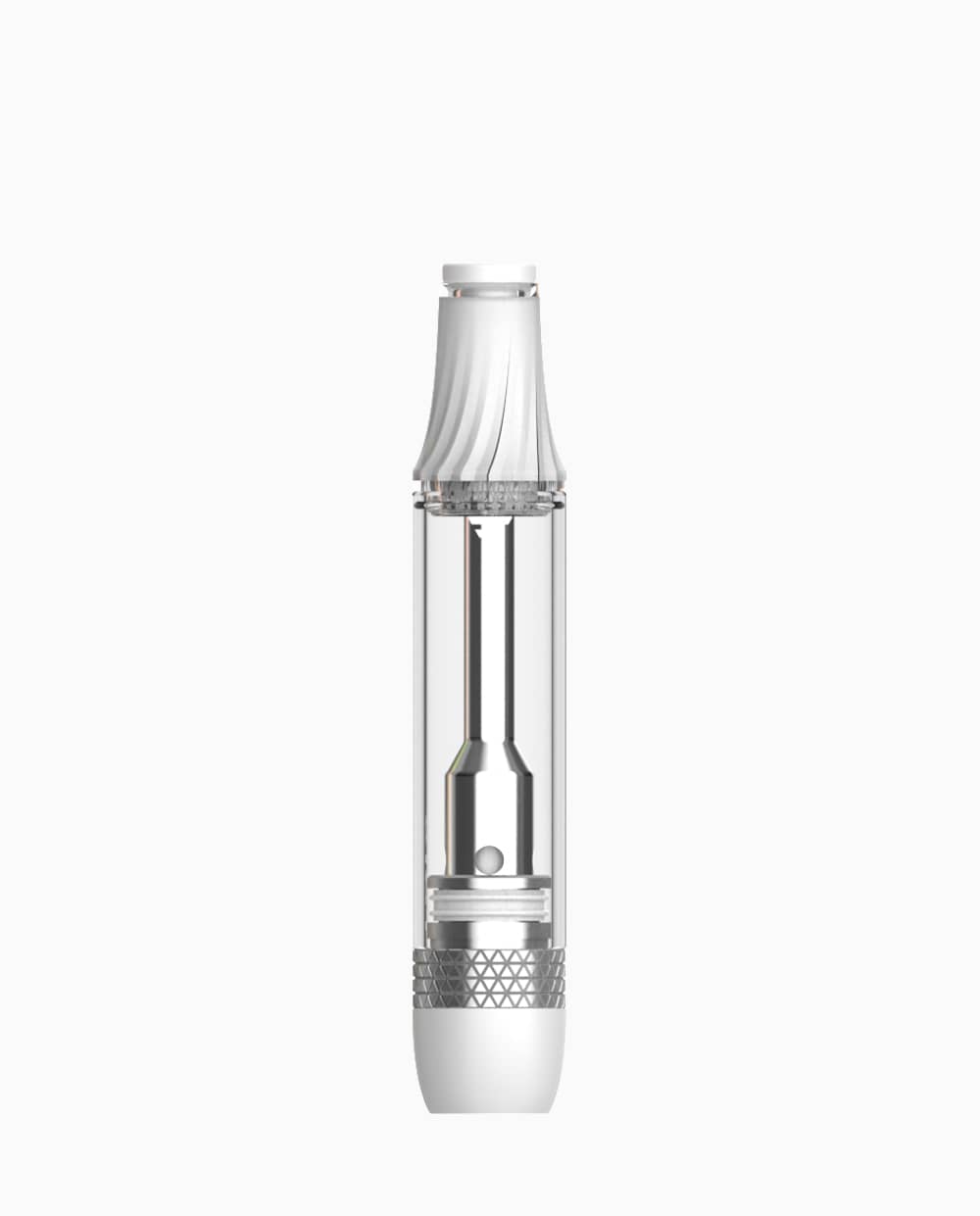
Ceramic type, resistance, output power, airflow, inlet geometry, and oil properties work as a system. A flat mesh ceramic core may distribute heat differently from another core design, yet its behavior still depends on the formulation, device control, draw pattern, and operating environment. Product teams should request a disclosed puff protocol and test the intended oil rather than using a general ceramic mechanism as proof of flavor consistency or temperature control.
4. Does the surface create useful brand and information space?
Shape can help communicate whether a product is minimal, expressive, premium, compact, or culture-aware without relying on loud graphics or exaggerated claims. That makes the sk8 vape format commercially interesting even before performance features enter the discussion.
A flat surface can also give CMF teams a different canvas for color, graphics, finishes, tactile details, and required product information. The practical value depends on the approved artwork area, printing process, coating, packaging system, and rules in the intended market. Before promising more branding space, request the current dieline and confirm which areas remain visible and printable after assembly.
Artrix SK8: Published Specifications and Questions to Validate
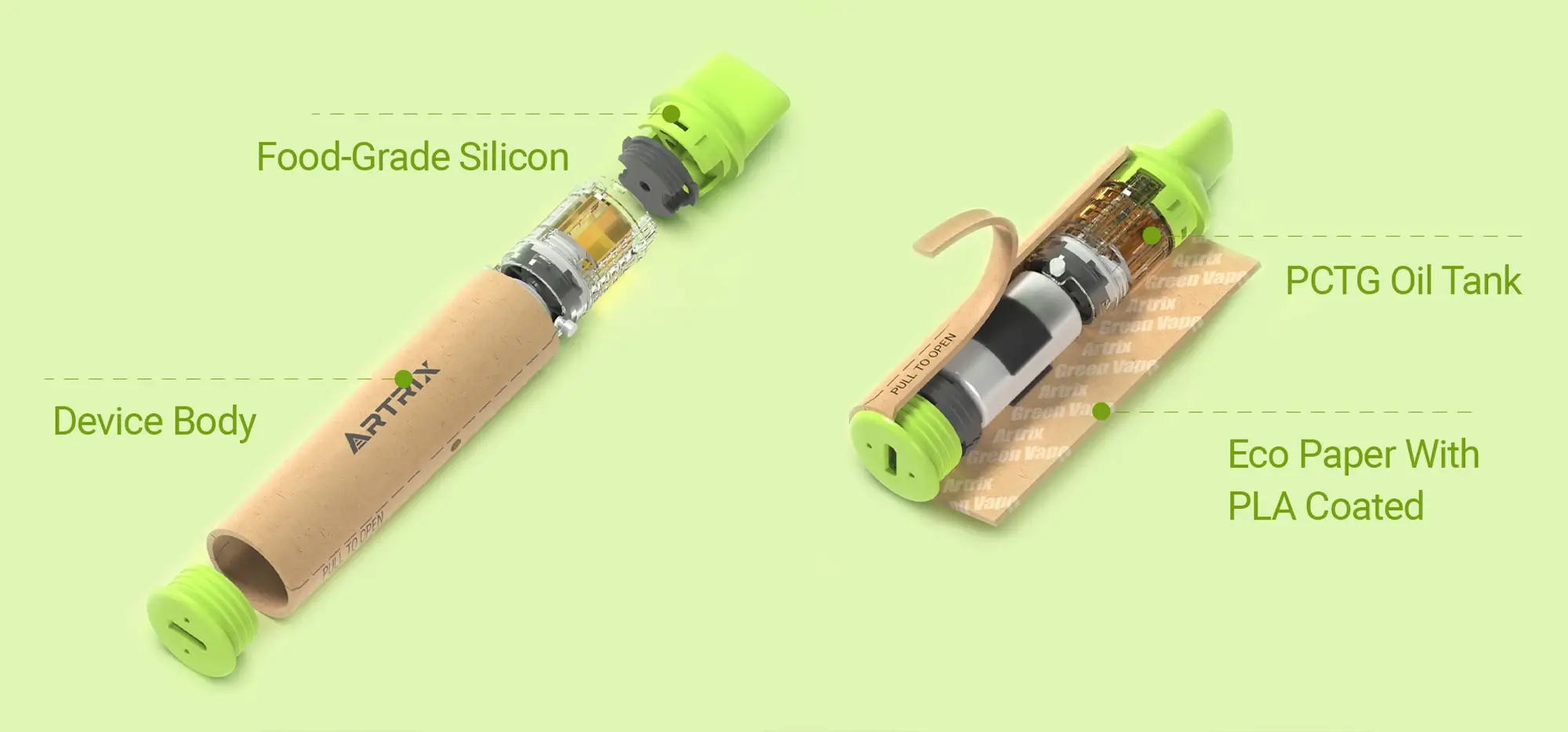
Artrix’s SK8 is a useful example of how skateboard-inspired hardware can be translated into a more structured product concept. The current SK8 product page lists 1 mL and 2 mL tank options, a postless design, and a flat mesh ceramic core. It also publishes an output power of 8.5 W, resistance of 1.1 Ω, a 220 mAh battery, Type-C charging, food-grade PCTG as the tank material, and PC as the mouthpiece material.
The distinction between published specification and verified performance is important in B2B sourcing. A product page can establish what components and nominal parameters a model uses. Performance claims require test evidence that identifies the sample version, oil formulation, conditioning process, environment, puff protocol, sample size, measurement method, and acceptance threshold.
| Published SK8 Information | Buyer Question That Still Requires Validation |
|---|---|
| 1 mL and 2 mL tank options | How is usable fill volume confirmed with the intended oil and filling process? |
| Postless design | What residual-oil and leakage results were recorded, using which method? |
| Flat mesh ceramic, 8.5 W, 1.1 Ω | How does output behave across the target formulation and expected conditions? |
| 220 mAh battery and Type-C charging | Does the battery support the planned filled-device lifecycle under a disclosed protocol? |
| 83.7 × 30.2 × 9.7 mm and 21 g | How does the decorated production sample fit the intended package, display, and handling scenario? |
A Practical Procurement Checklist for Sk8 Vape Hardware

A reliable sourcing decision should move from specification review to formulation testing, environmental validation, and controlled production approval. This sequence helps a team separate an attractive sample from a repeatable product platform. The following checklist can be adapted to the brand’s oil, market, packaging, and quality requirements.
-
- Confirm that drawings, specifications, samples, and quotations refer to the same hardware revision.
-
- Fill samples with the intended formulation and document the filling, capping, and conditioning process.
-
- Agree on definitions and measurement methods for leakage, clogging, residual oil, airflow, and output consistency.
-
- Evaluate storage orientation, temperature exposure, transport conditions, and the expected puff pattern without inventing pass rates.
-
- Review the production dieline, decoration limits, material declarations, packaging fit, and market-specific labeling requirements.
-
- Complete a controlled pilot run and define acceptance criteria before full production approval.
Trade-Offs: When a Skate-Style Device May Not Be the Right Fit
A differentiated silhouette is valuable only when it fits the rest of the product system. A wider body may require new packaging, display fixtures, artwork, filling-line checks, or shipping configurations. A brand that already has standardized pen-format packaging may find that these changes add complexity beyond the value of the new shape.
The hardware may also be a poor fit when a project is selected mainly on unit cost, when the formulation has not been tested with the heating system, or when the commercial team cannot explain the design in a way that matters to adult consumers. A familiar format with stronger validation may then be the more disciplined choice. Present specifications as specifications, engineering explanations as possibilities, and measured performance only when the test method and conditions are available.
FAQ
Is a sk8 vape only about appearance?
No. The strongest versions of the format combine appearance with practical decisions around grip, internal layout, capacity, and product differentiation. If the shape does not improve usability or brand clarity, it becomes much less valuable. Those improvements should be confirmed with samples and defined evaluation methods rather than assumed from the silhouette.
What should buyers evaluate before selecting a sk8 vape platform?
Focus on fill capacity, heating consistency, airflow, leakage control, ergonomics, and how well the device aligns with the intended market. Add formulation compatibility, battery behavior, decoration limits, packaging fit, sample revision control, and supplier test documentation to the review. Shape should be assessed only after the basic product requirements are defined.
Does a postless design always reduce residual oil?
No. Removing a center post changes the internal architecture, but residual oil also depends on tank geometry, oil properties, wick or inlet behavior, device orientation, temperature, and the test method. Request product-specific data and make sure “residual oil” is defined consistently before comparing suppliers.
How should buyers evaluate a flat mesh ceramic core?
Evaluate it as part of the complete device rather than as an isolated component. Use the intended formulation and a documented puff protocol, then examine output behavior, airflow, leakage and clogging, remaining oil, and relevant sensory observations. Any conclusion should identify the conditions and should not be generalized to oils or operating environments that were not tested.
Conclusion: Let the Hardware Justify the Shape
For brands, the real takeaway is straightforward. A skate-style device is not automatically a better cannabis vape, but it can become a better commercial platform when the form is supported by credible engineering and disciplined messaging. The next step is not to accept broad claims about comfort, waste, temperature, or market potential. It is to review the published specifications, test the intended oil in representative conditions, document the evidence boundaries, and decide whether the design creates value for the actual product program.
For companies such as Artrix, that opens a practical path forward: build devices that look distinctive, perform reliably, and communicate their value without overstated claims. That is a stronger long-term strategy than chasing attention alone.