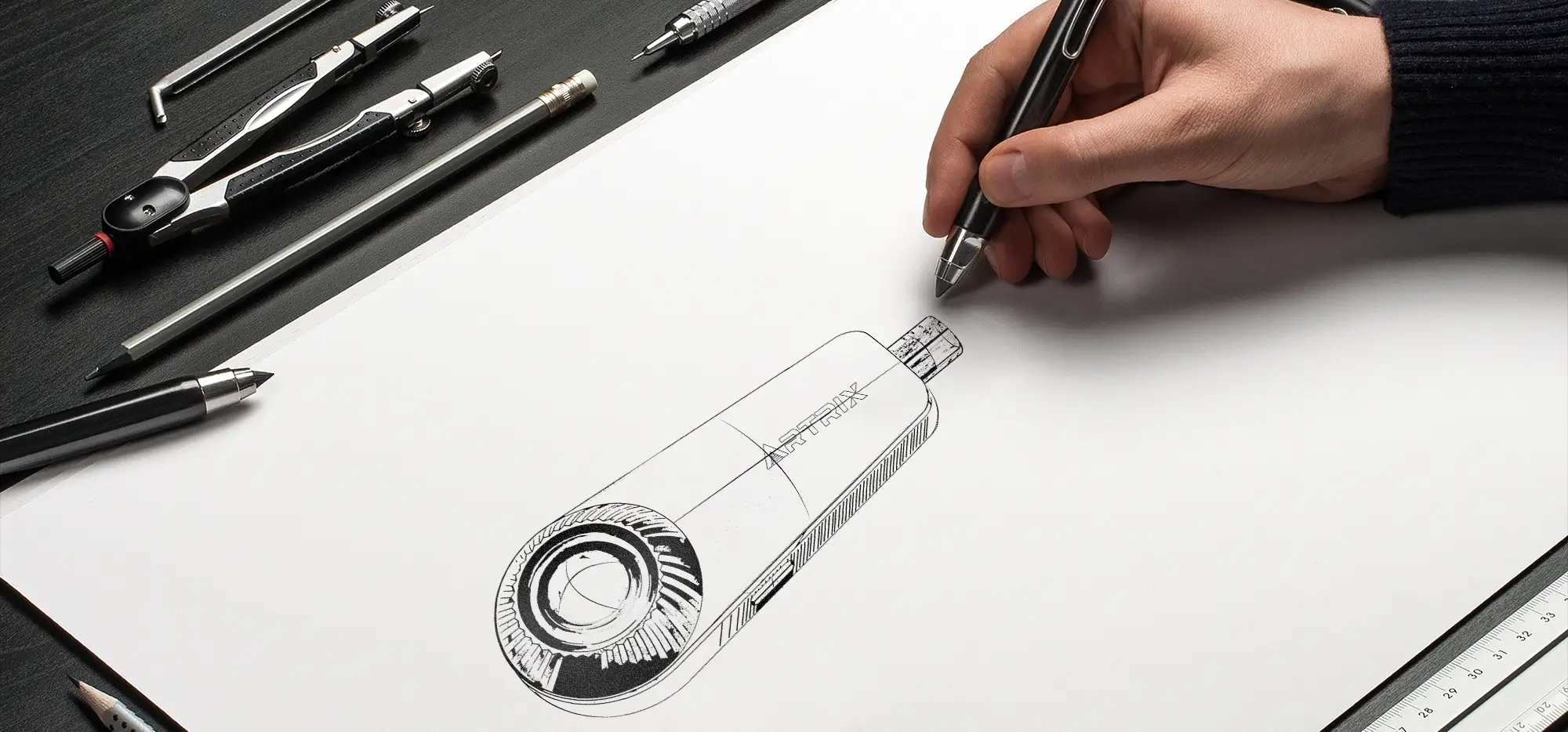
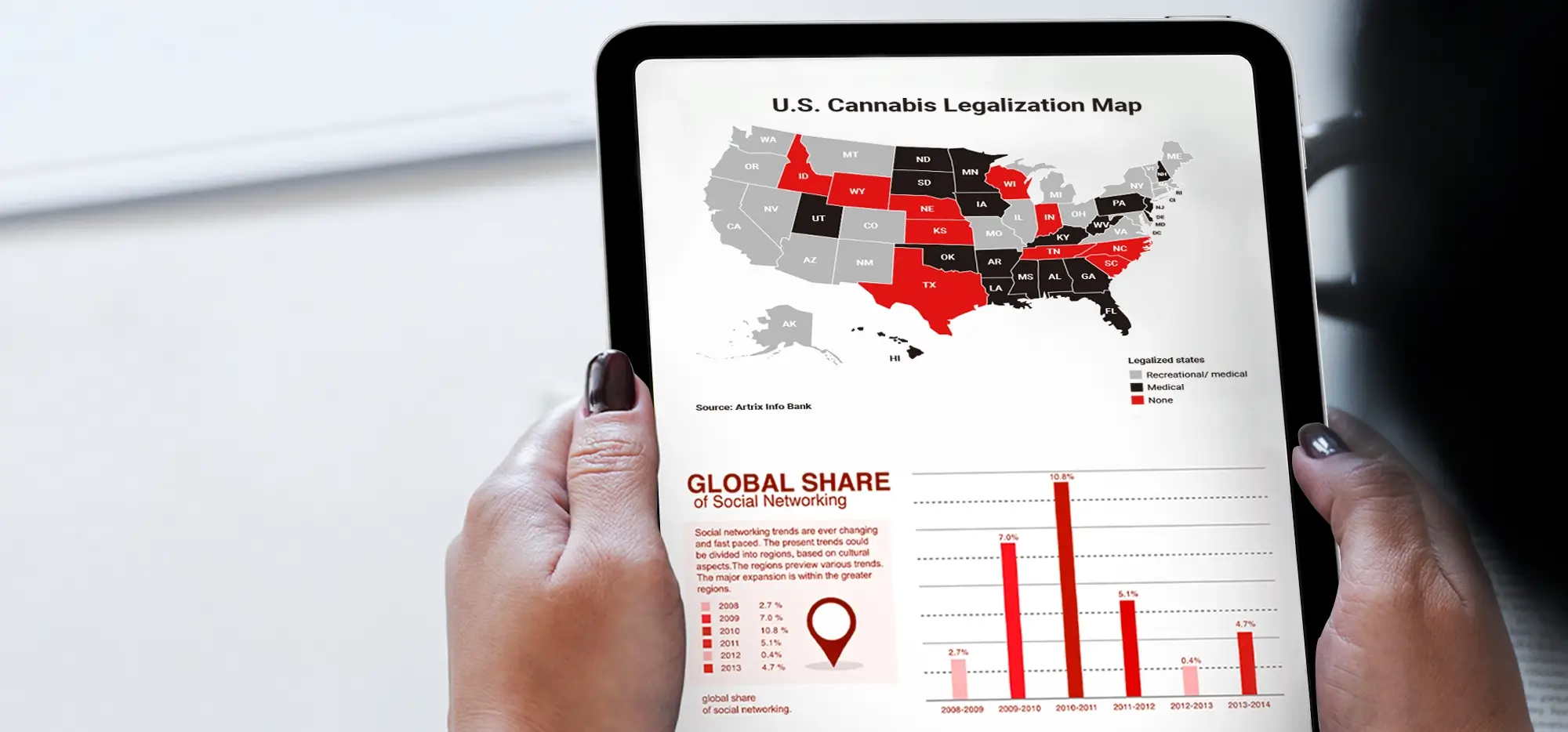
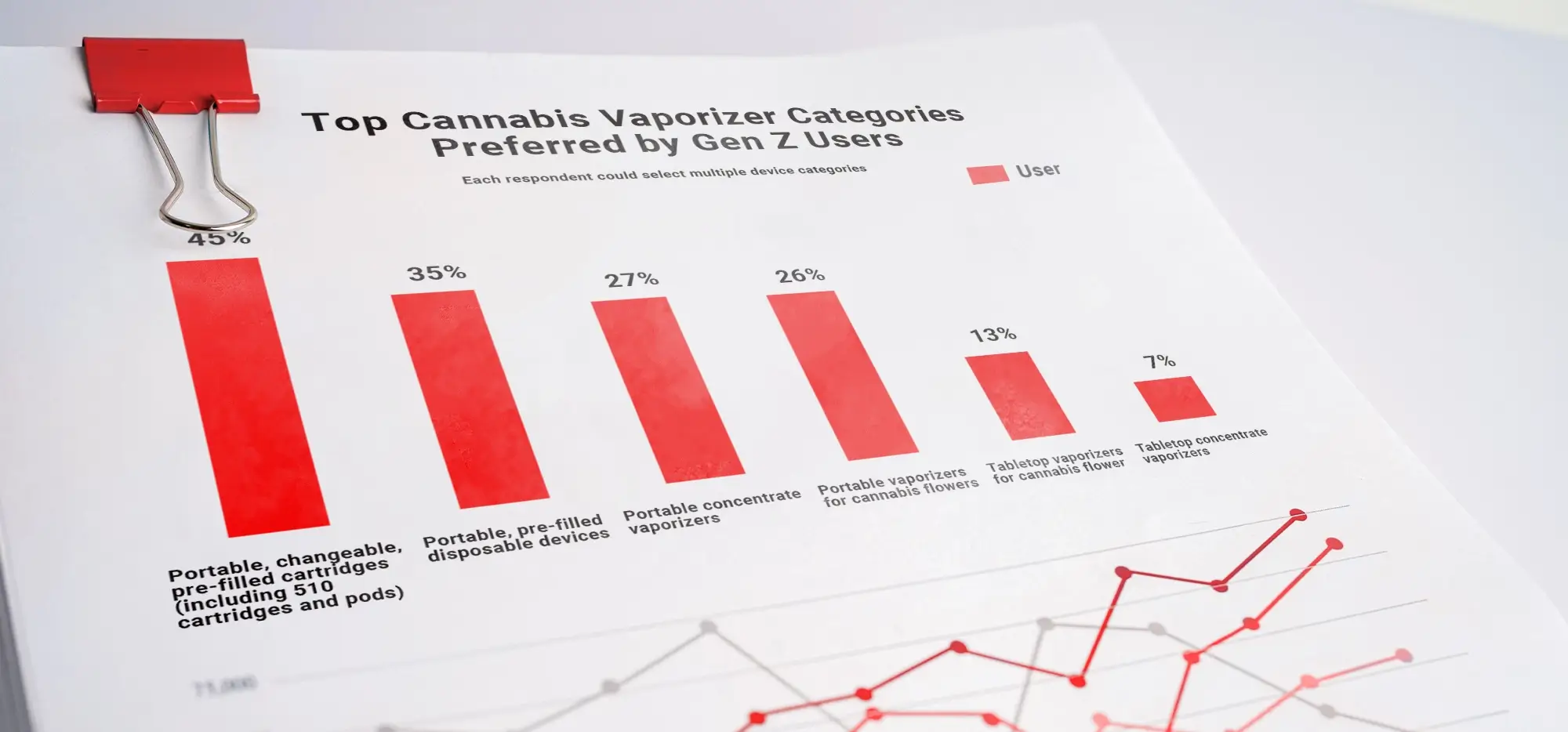
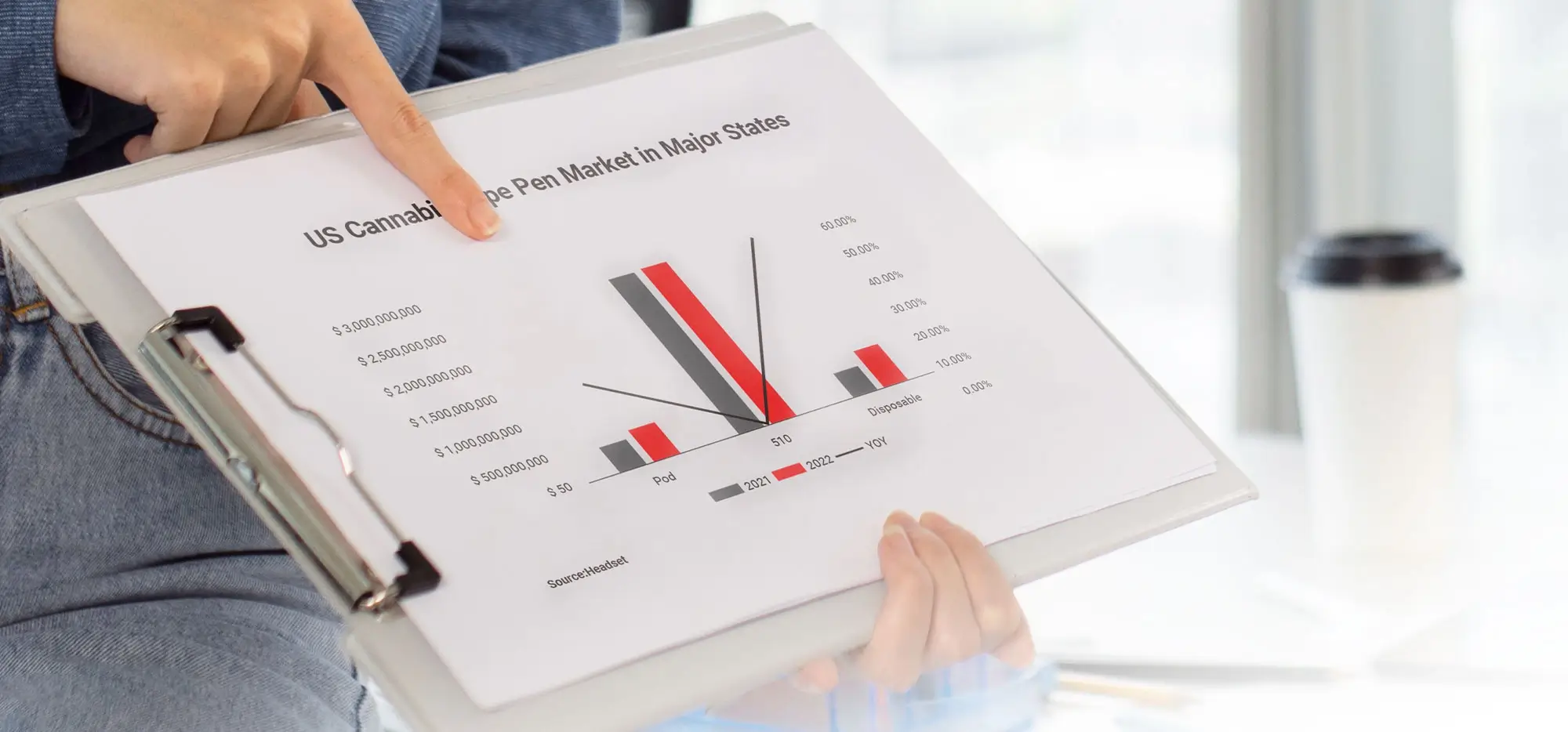
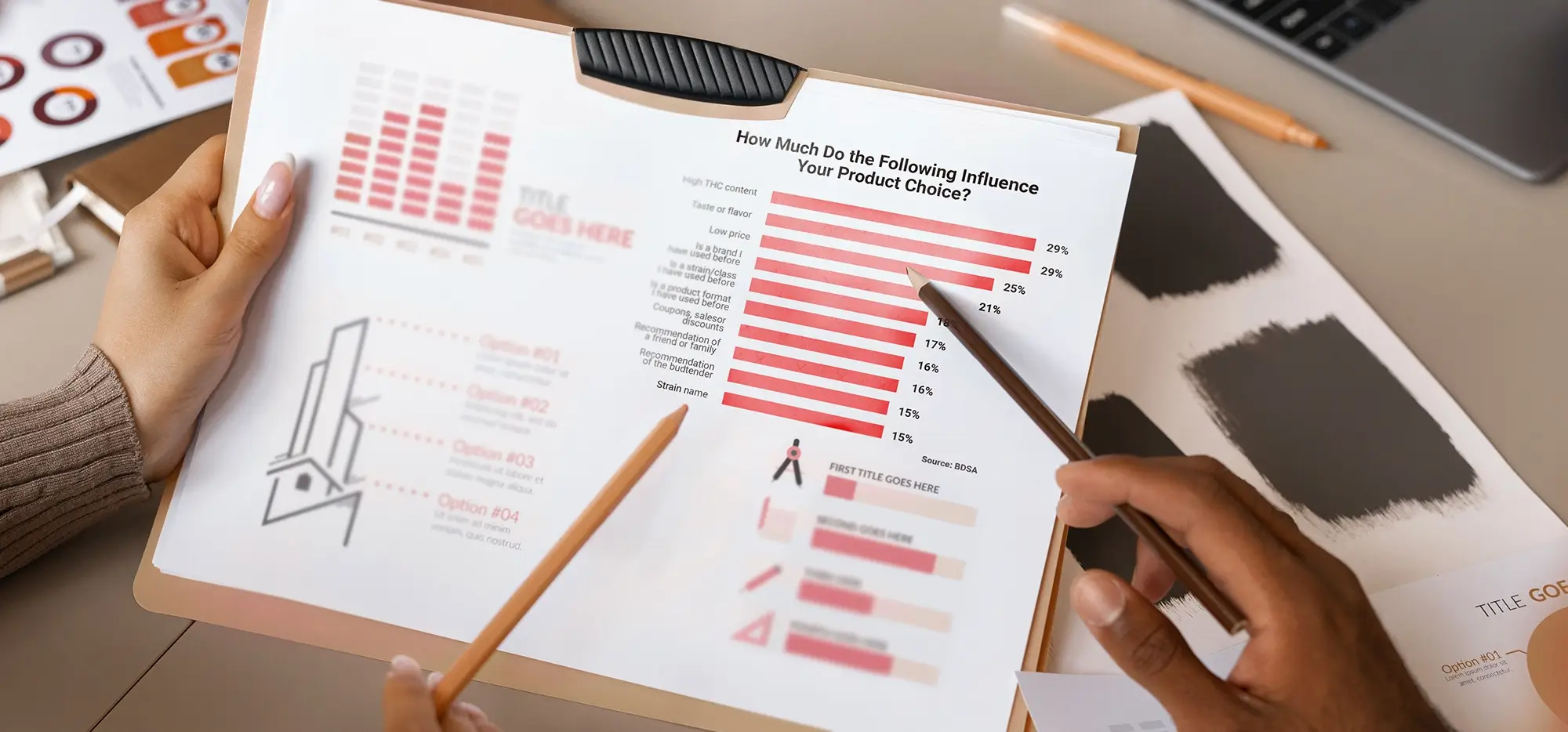
Successful product development connects two types of information: demand and solutions. Demand research identifies what consumers need; designers, engineers, and manufacturers translate those needs into product proposals.
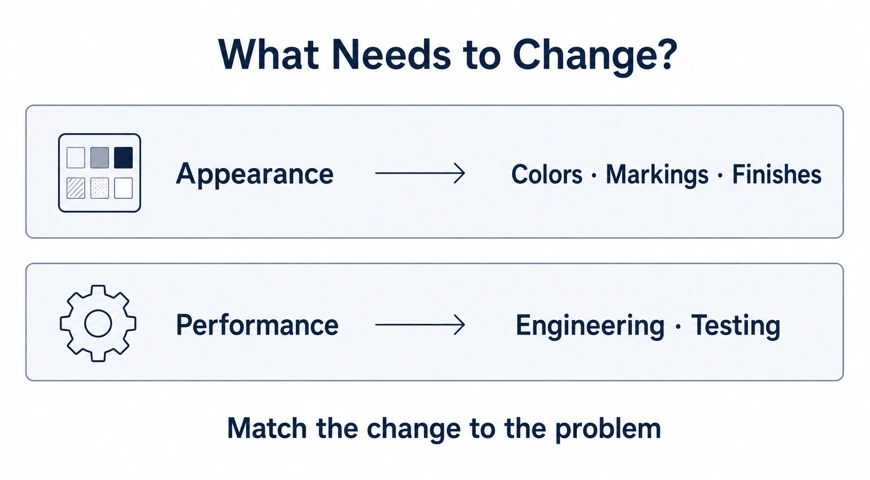
Start with market information, consumer trends, and direct customer feedback. Study competing products and ask what your proposed device would offer that existing options do not. Separate functional problems from styling preferences. A request for a different finish presents a different development challenge from a recurring compatibility complaint.
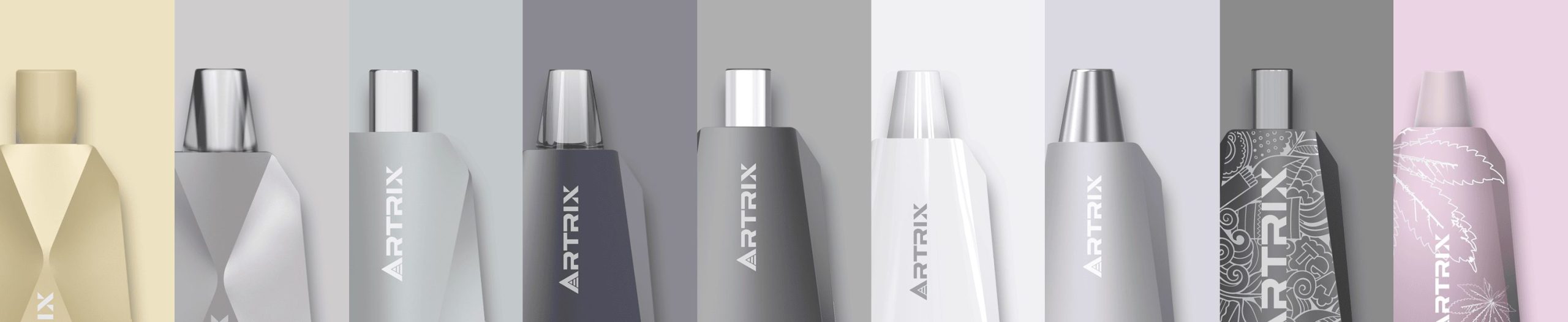
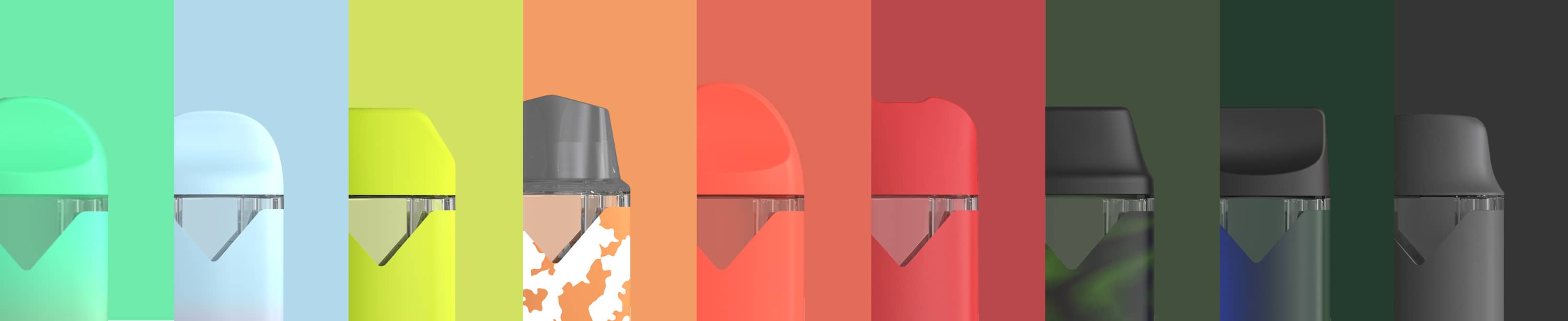
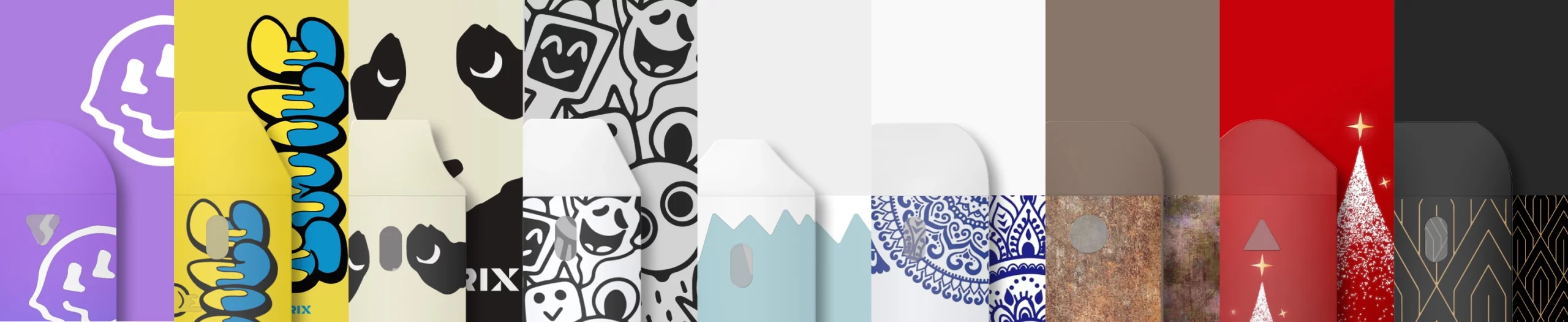
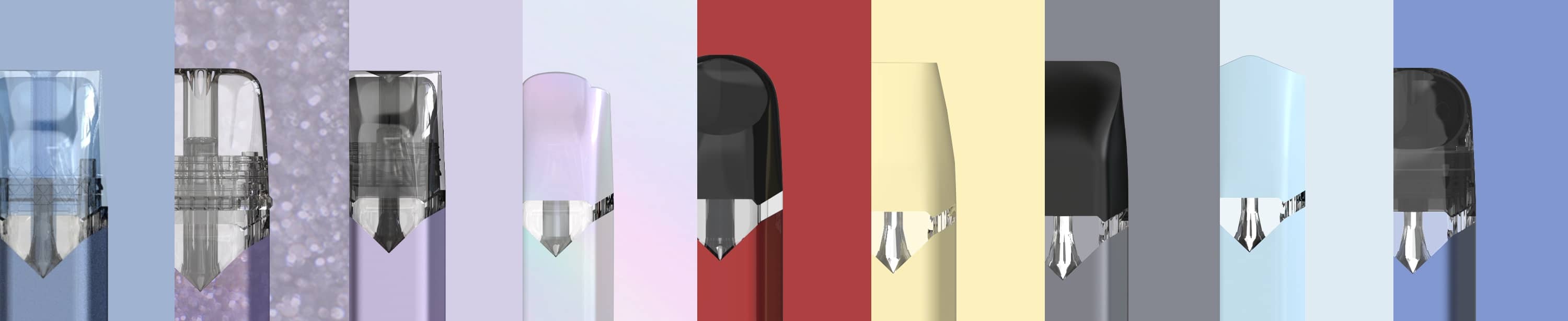
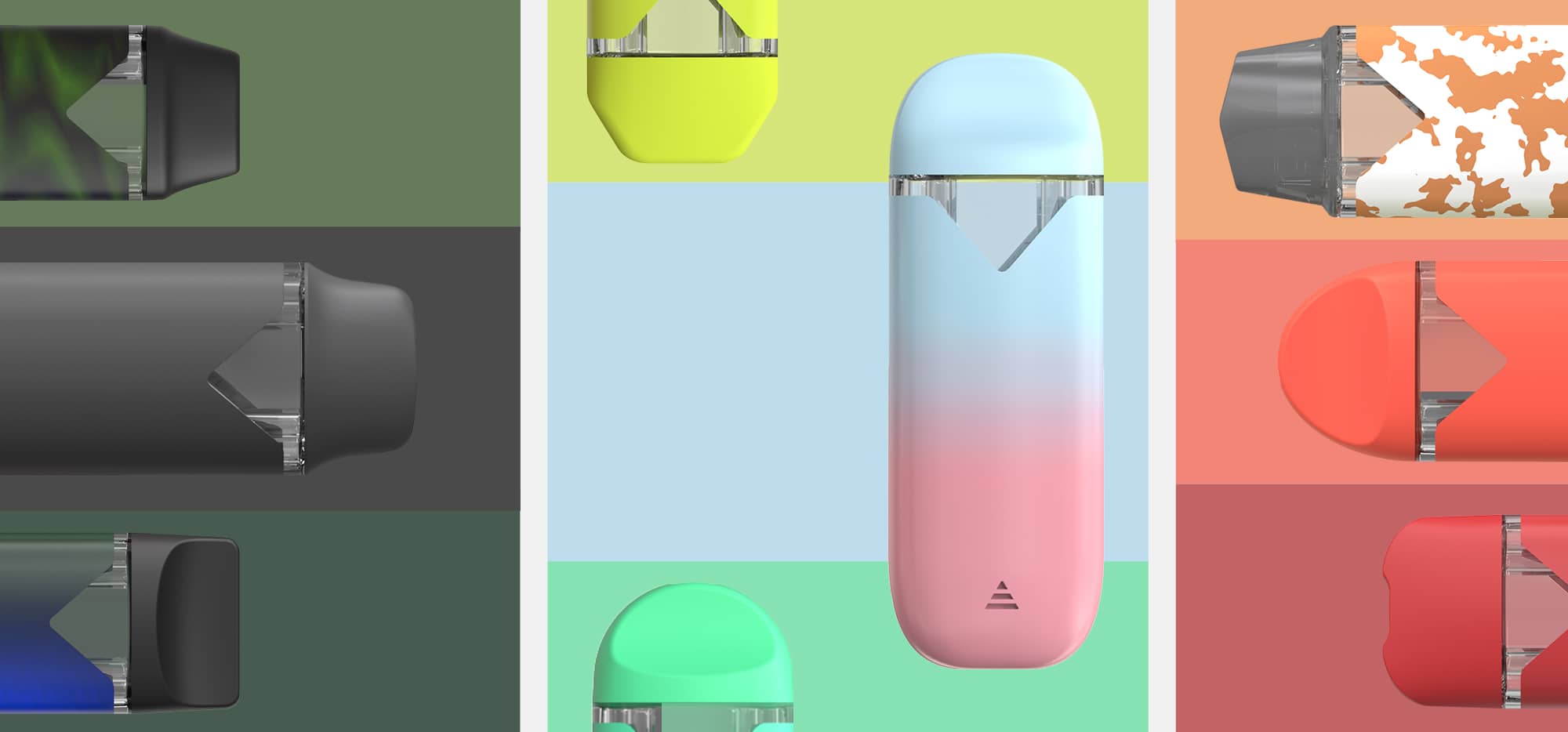
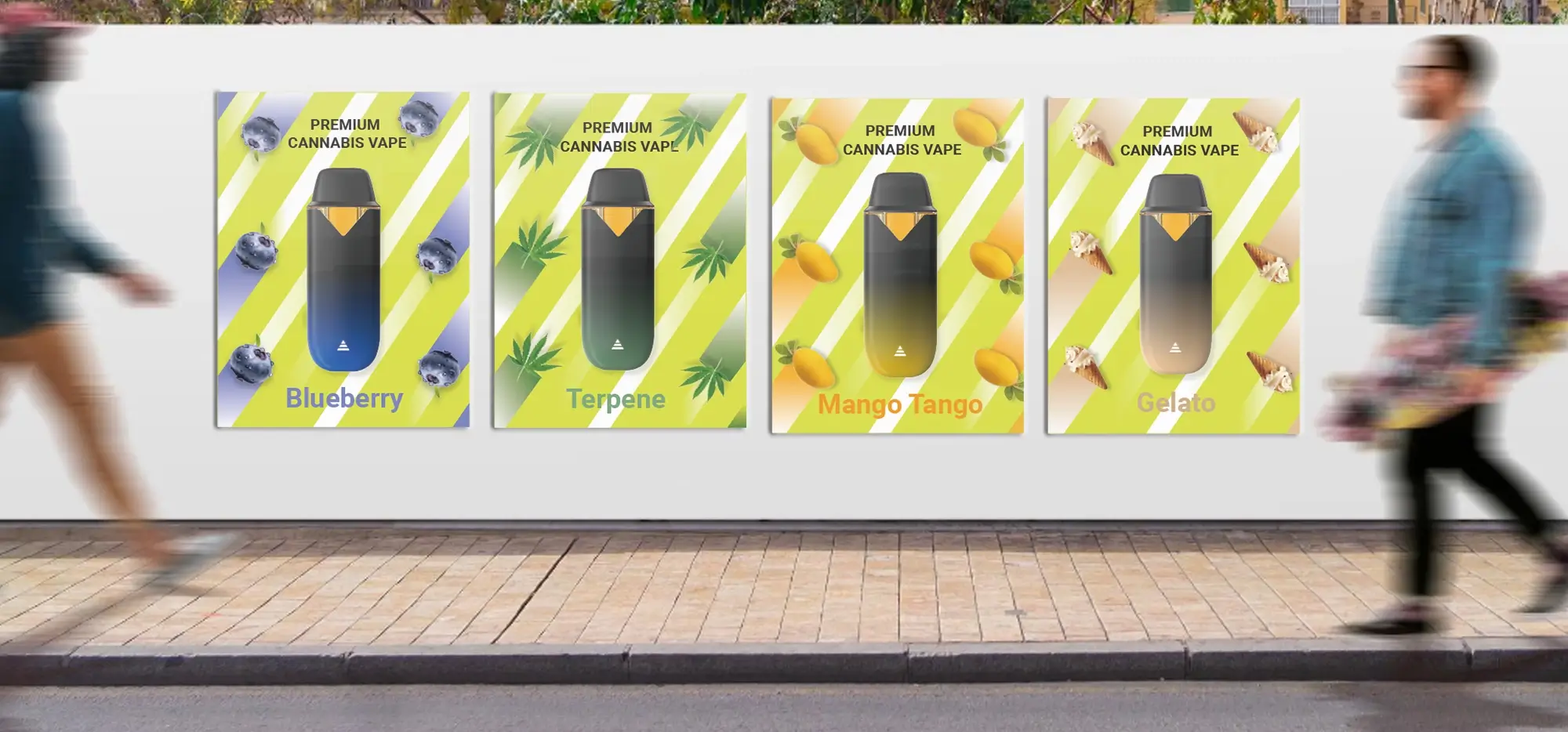
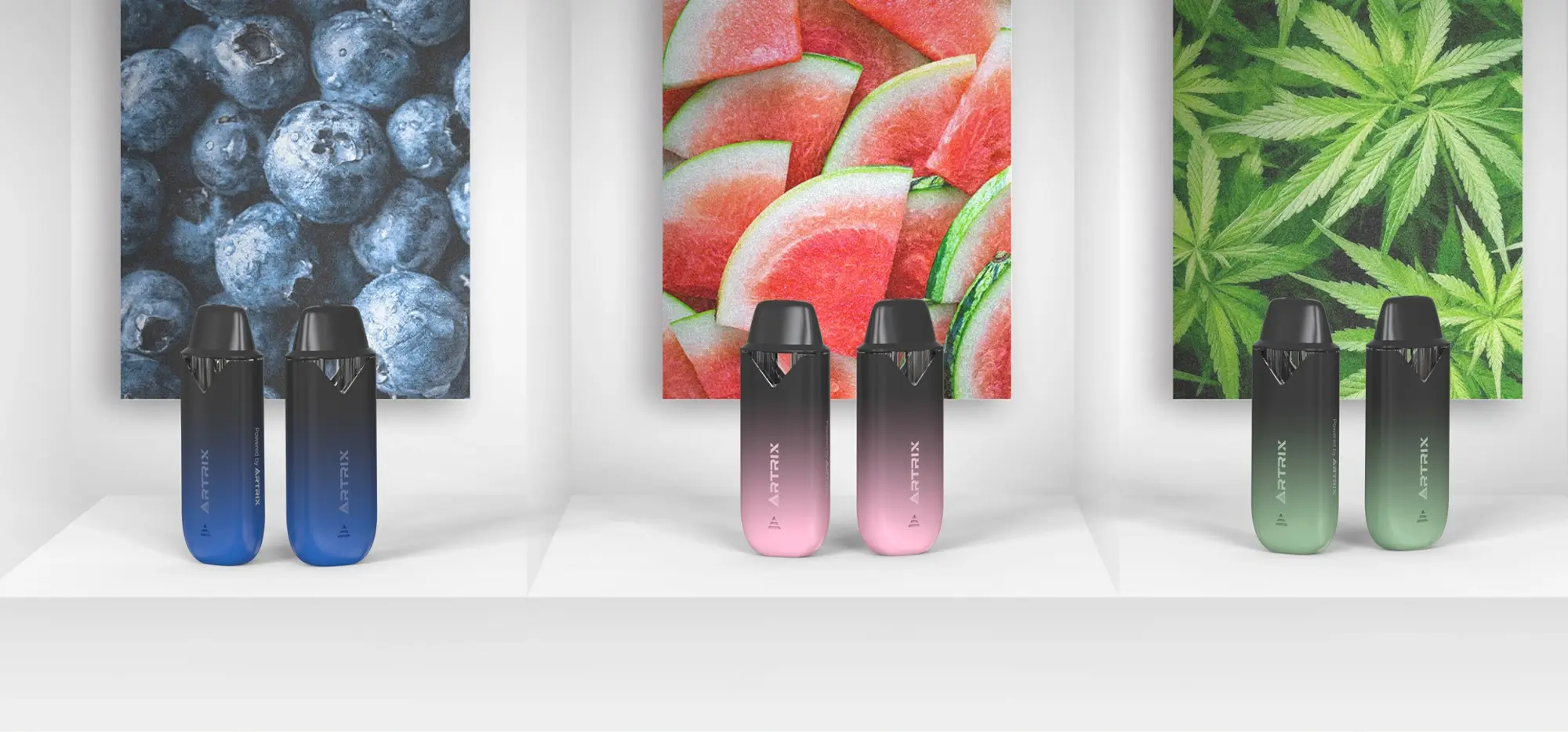
For example, imagine a brand whose customers like an existing device but struggle to distinguish its product lines. New colors or markings could be worth evaluating before commissioning new hardware. If the concern involves device performance, an appearance change alone does not address the requirement.
As the brand owner, describe your vision clearly. Replace vague requests such as “premium” or “better performance” with a specific problem, the circumstances in which it occurs, and the evidence needed to judge an improvement.
Turn Your Concept into a Product Brief
Your development team needs a detailed explanation of the concept and its reasoning. A written brief gives prospective suppliers the same starting point and makes their proposals easier to compare. Include:
-
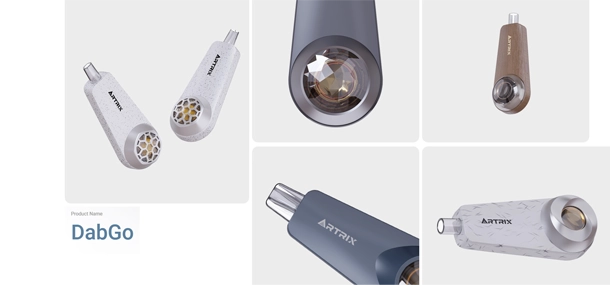
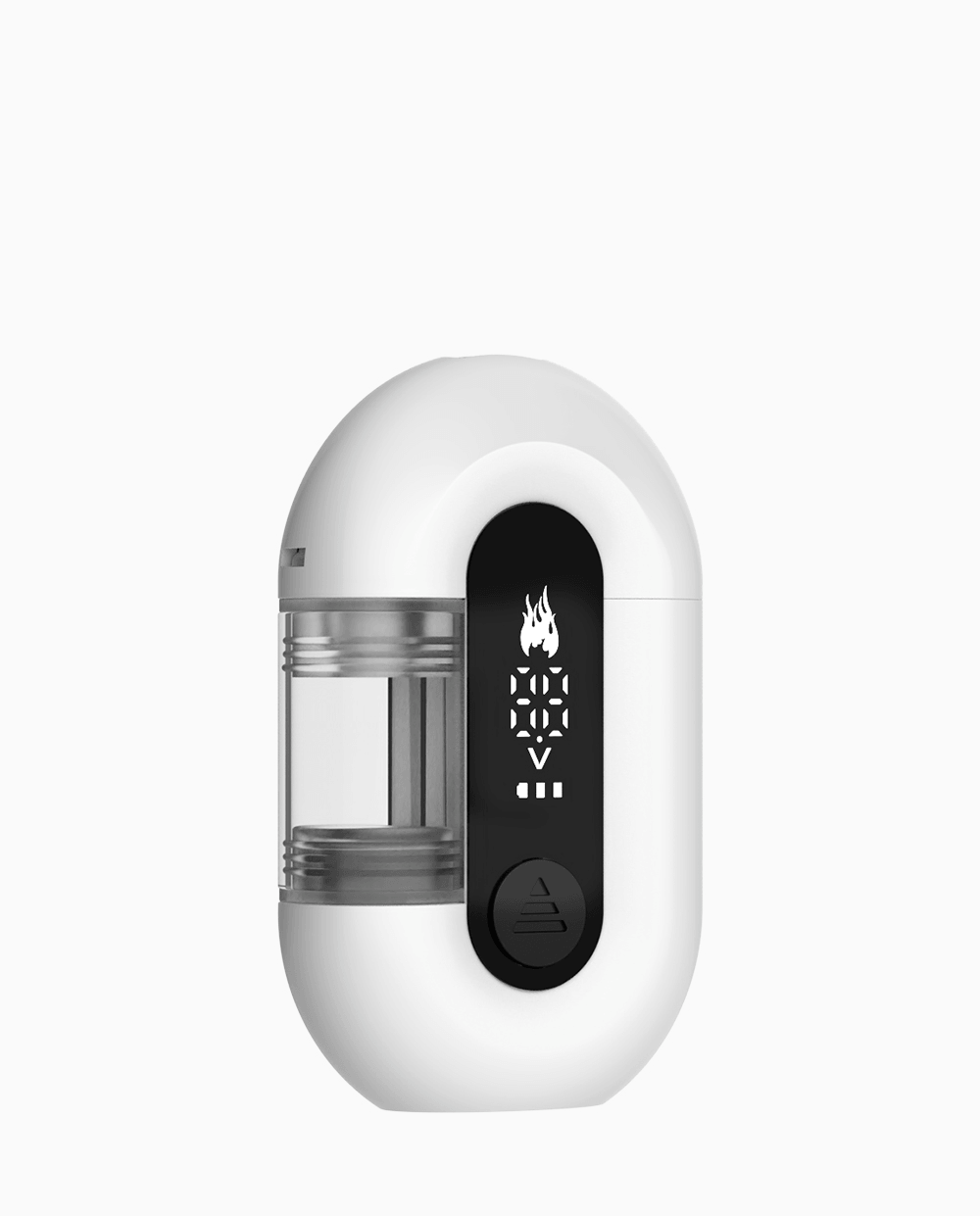
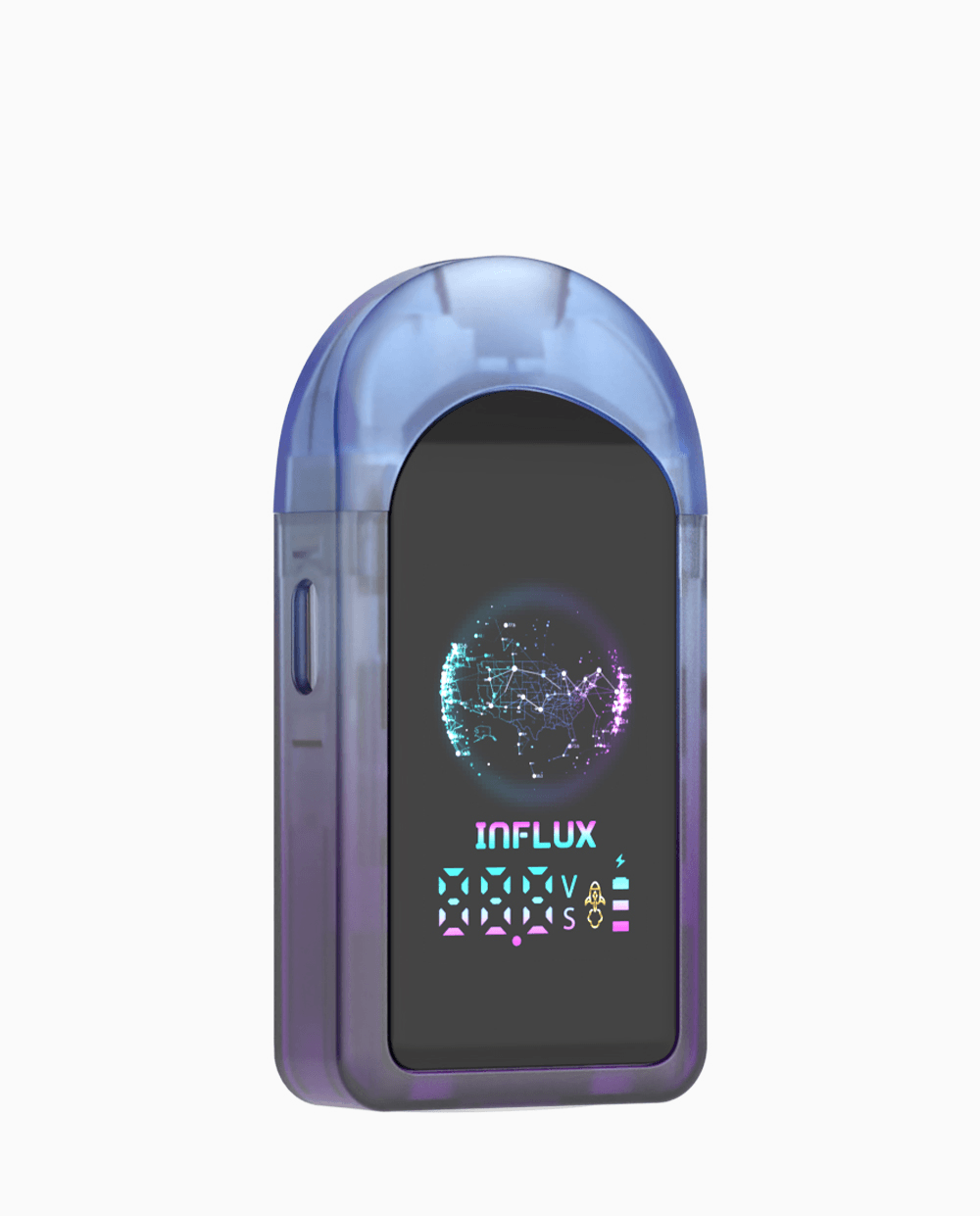
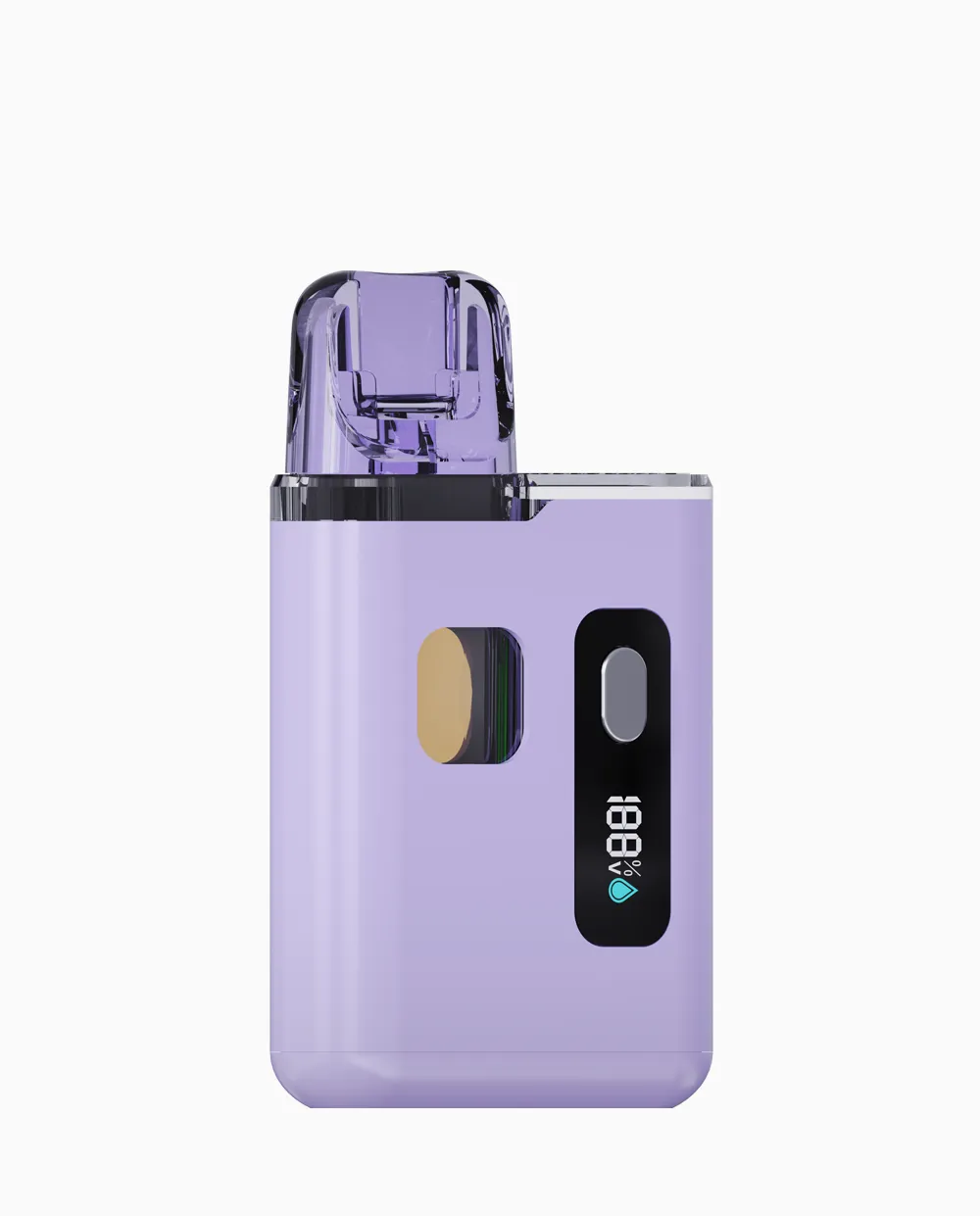
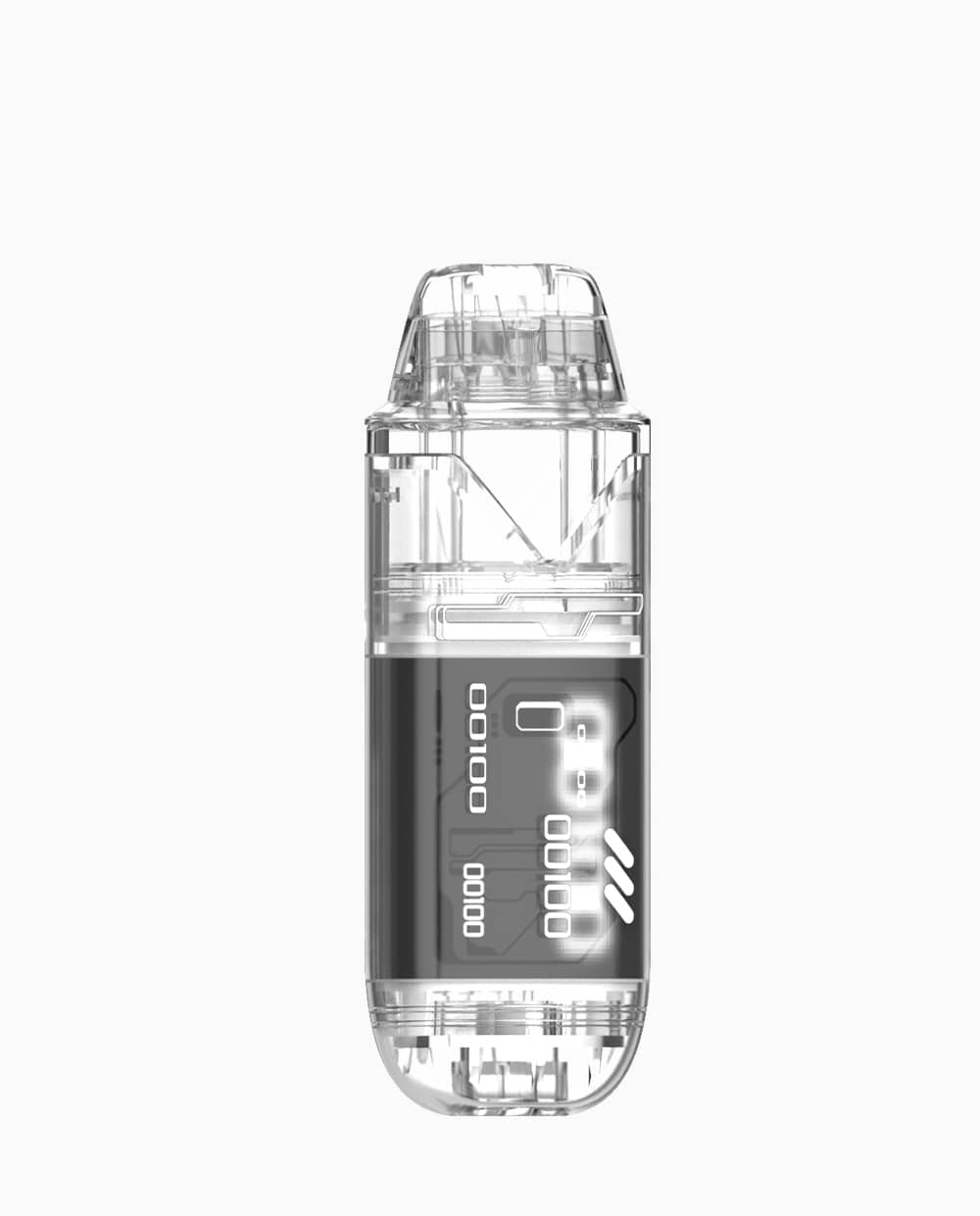
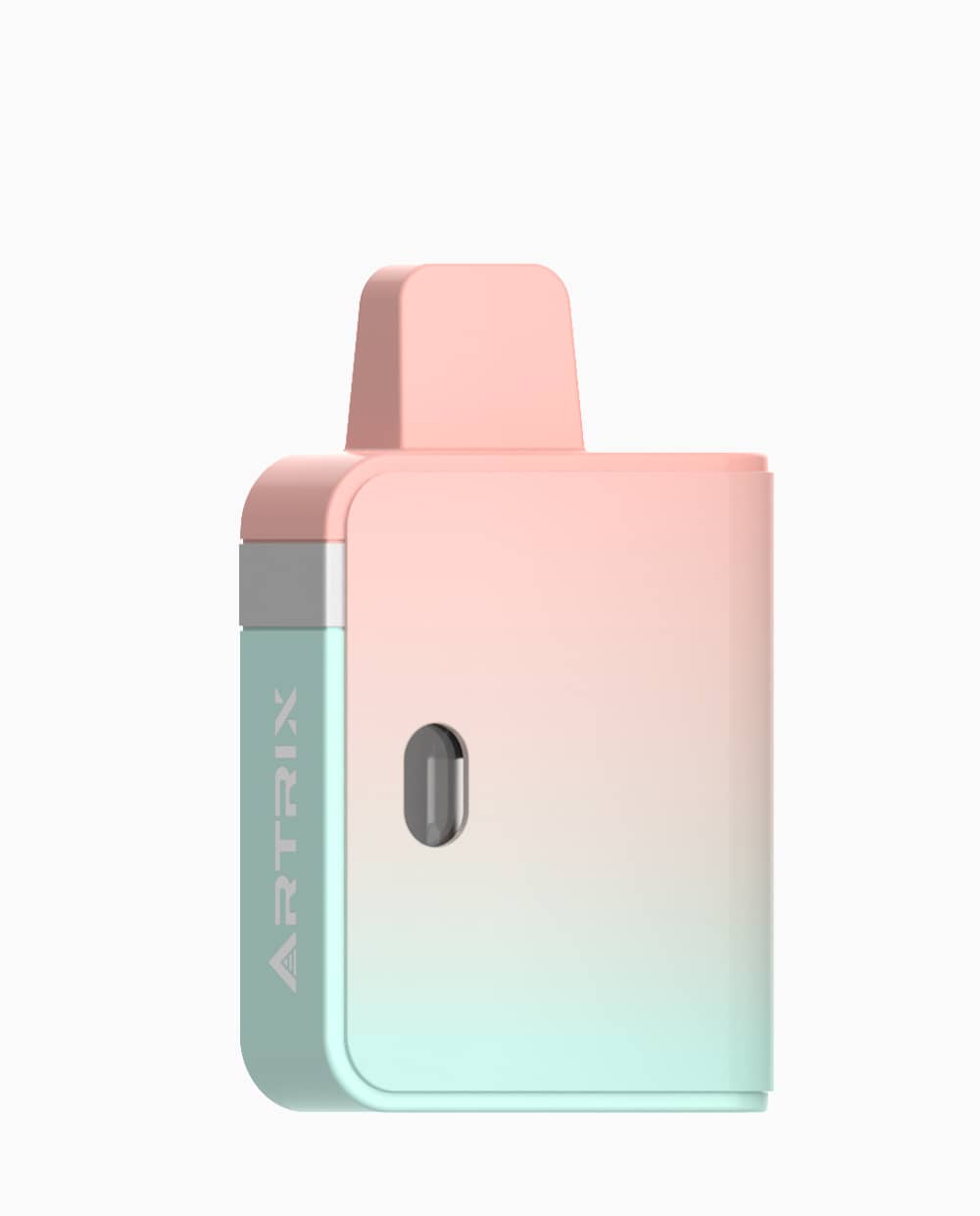
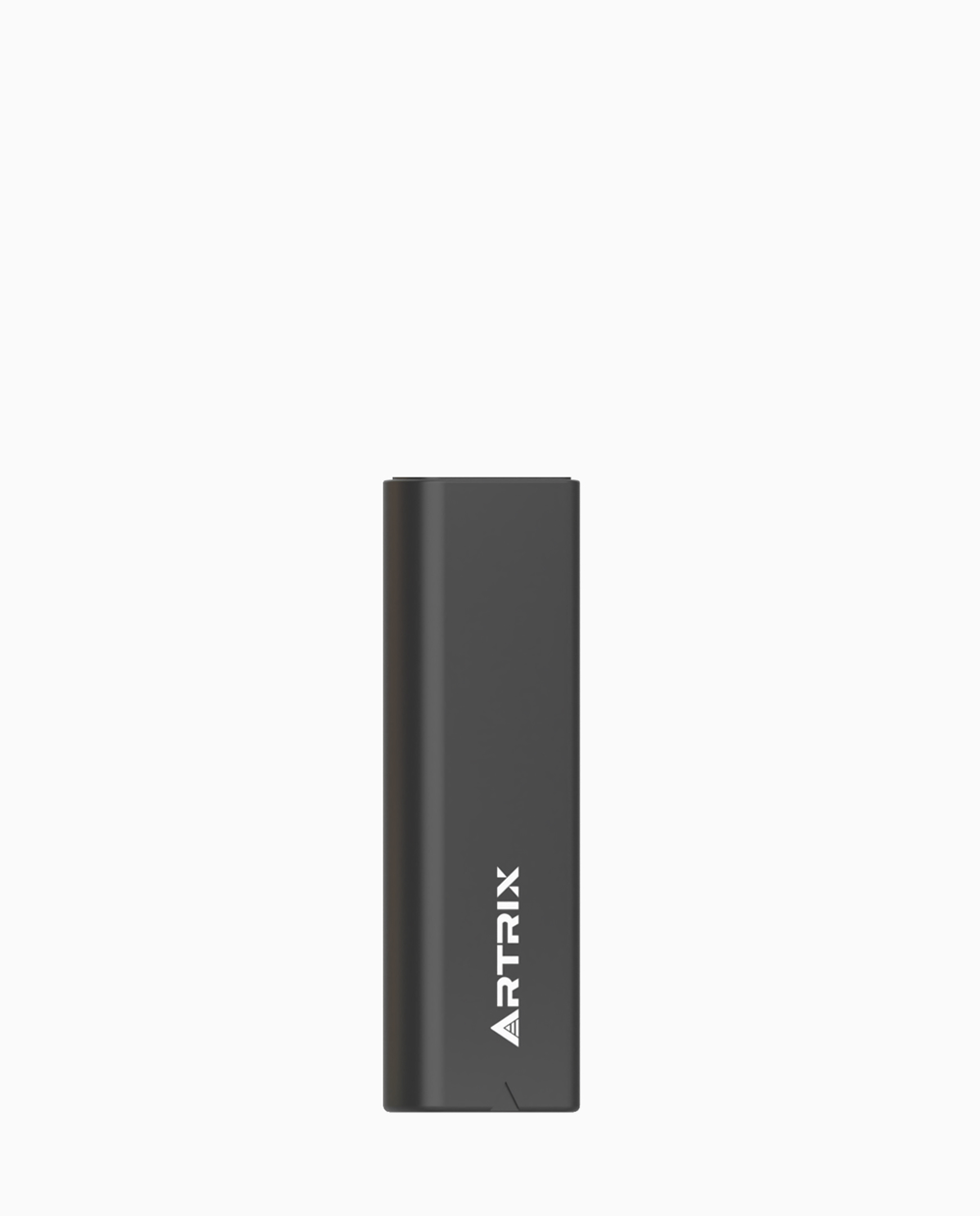
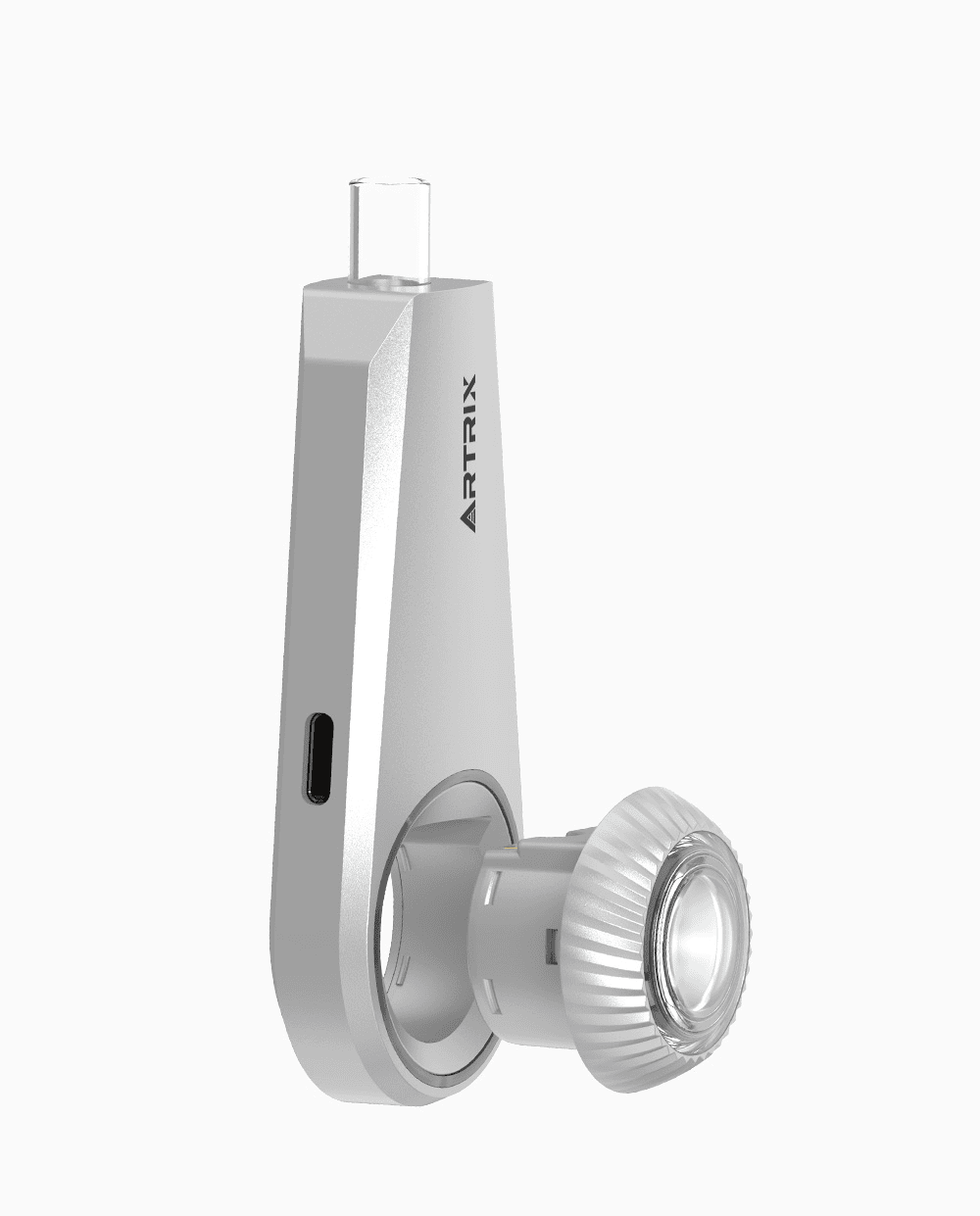
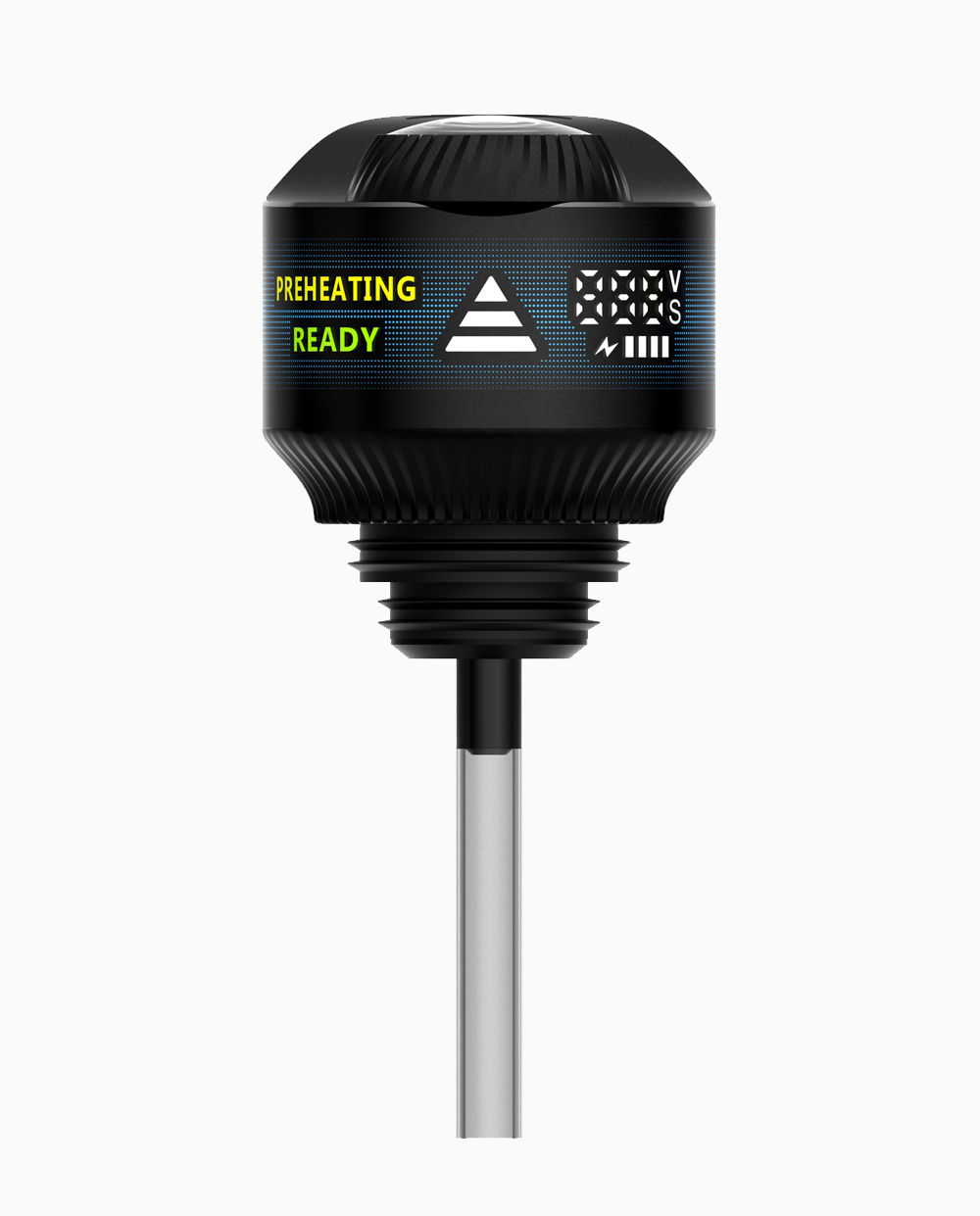
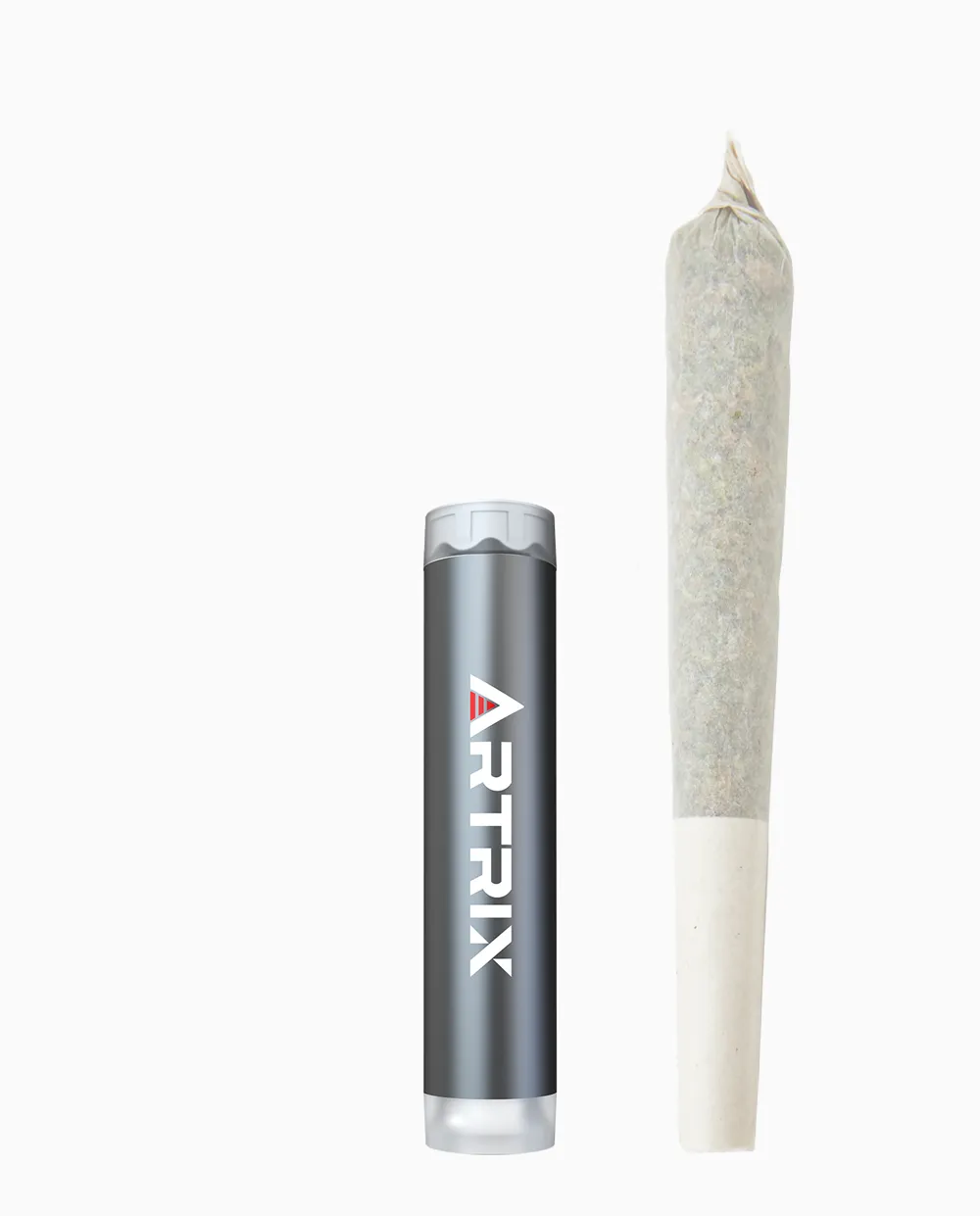
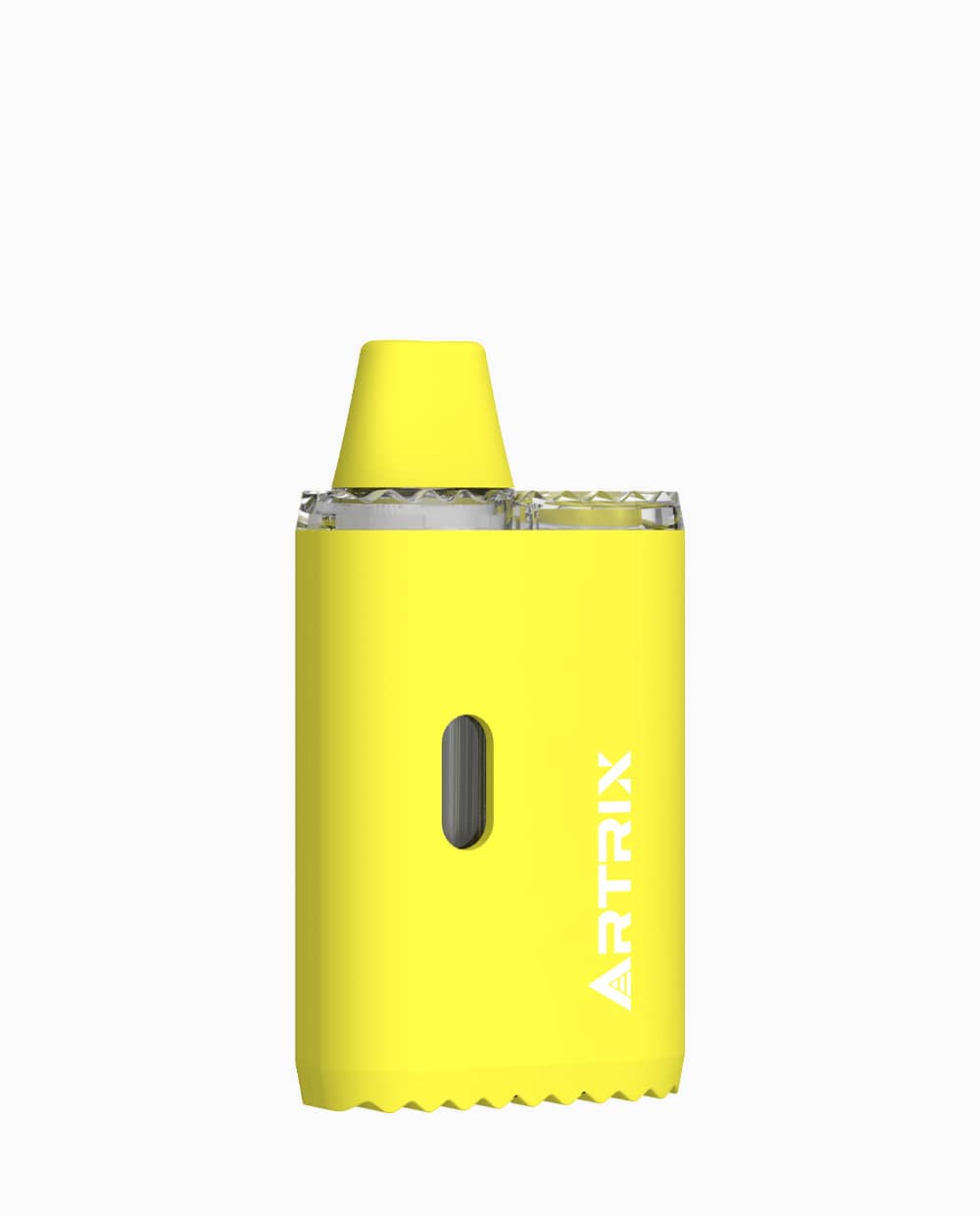
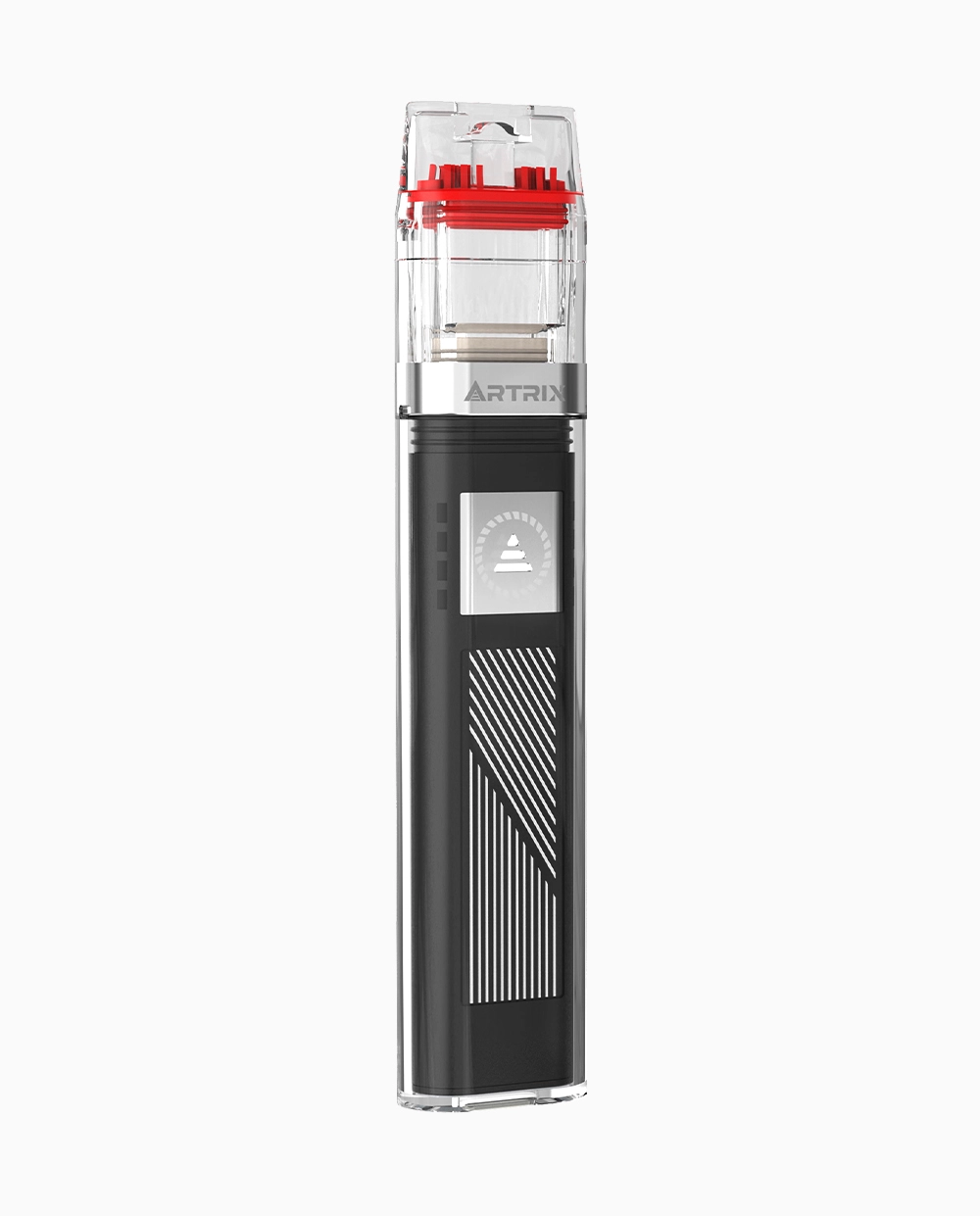
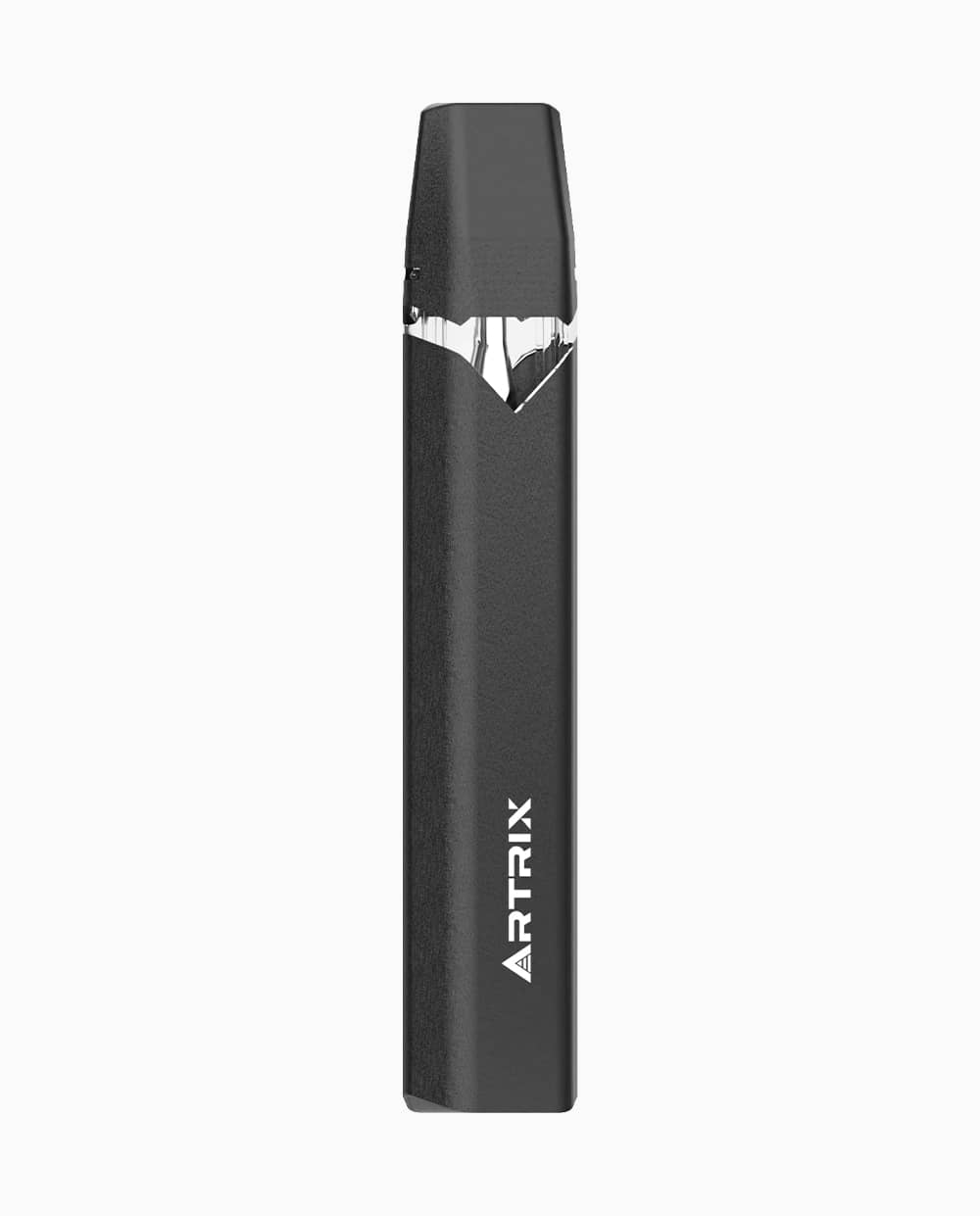
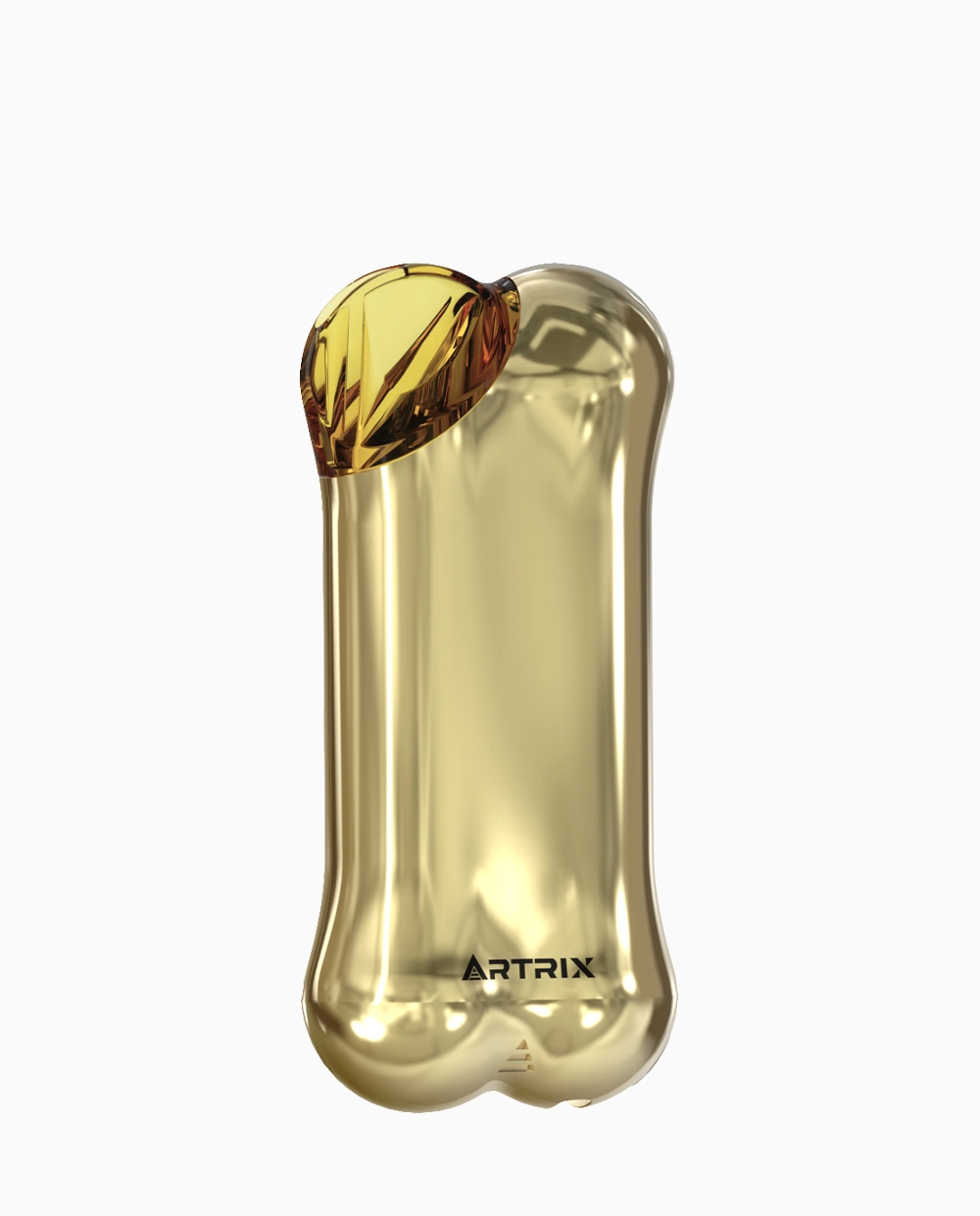
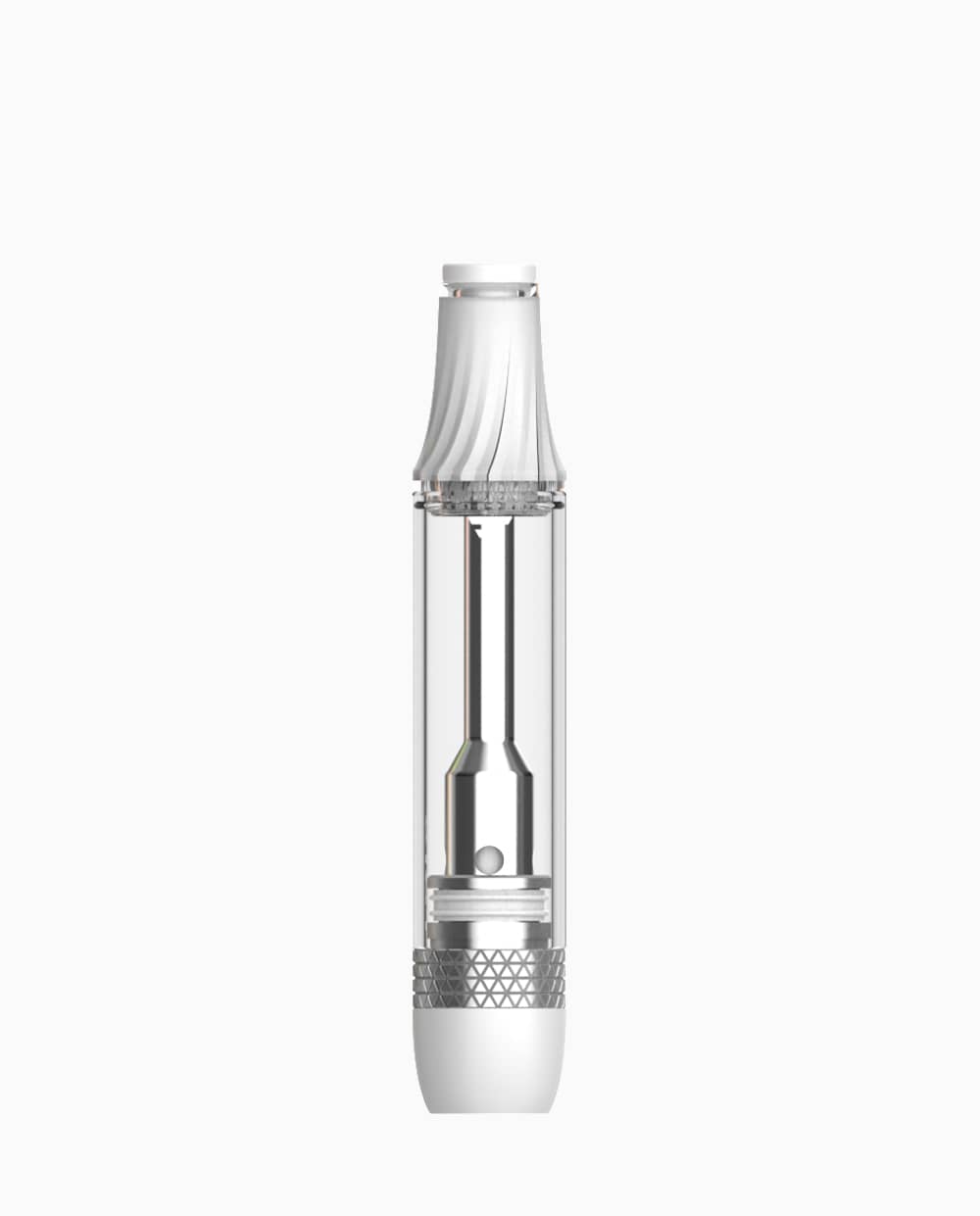
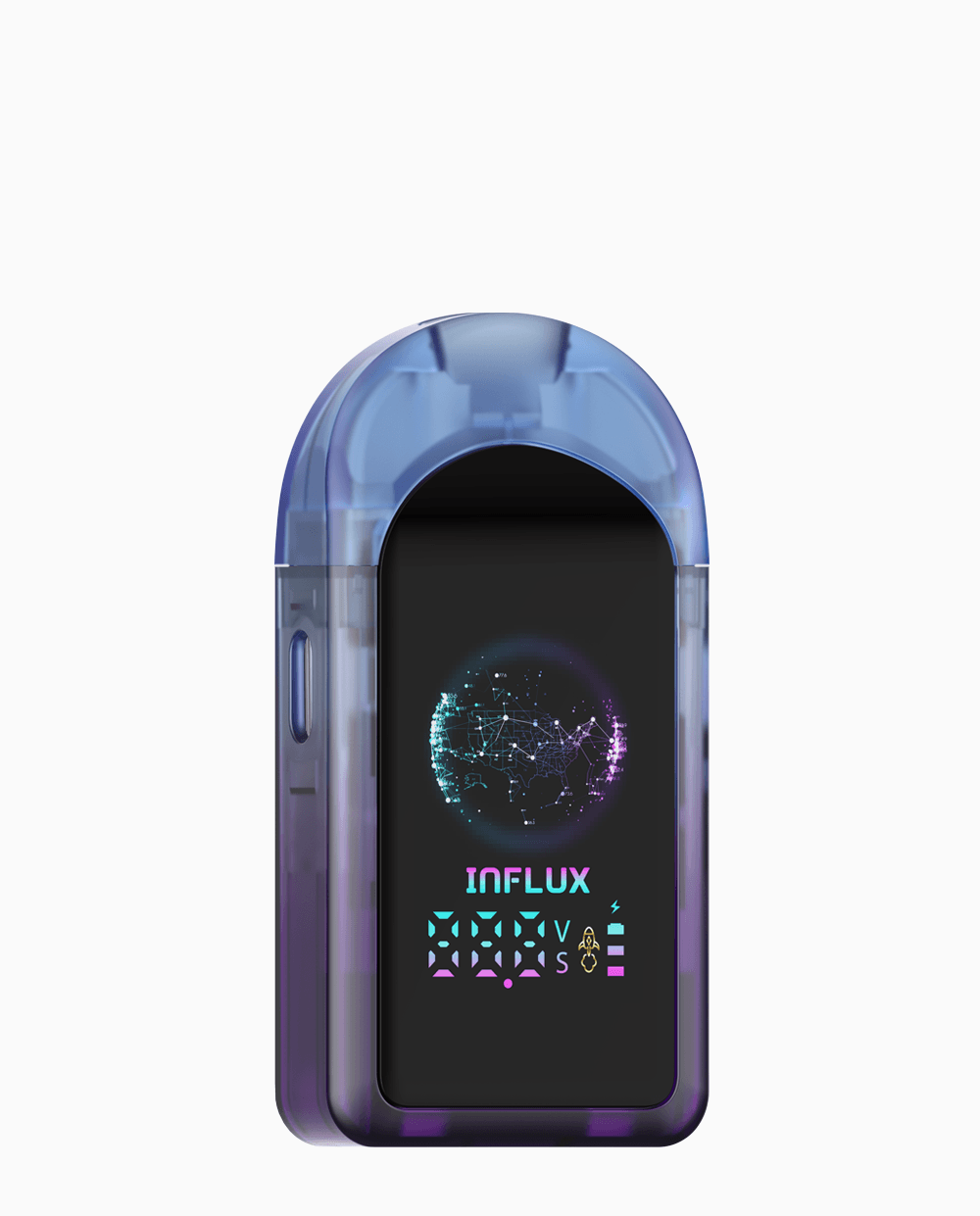
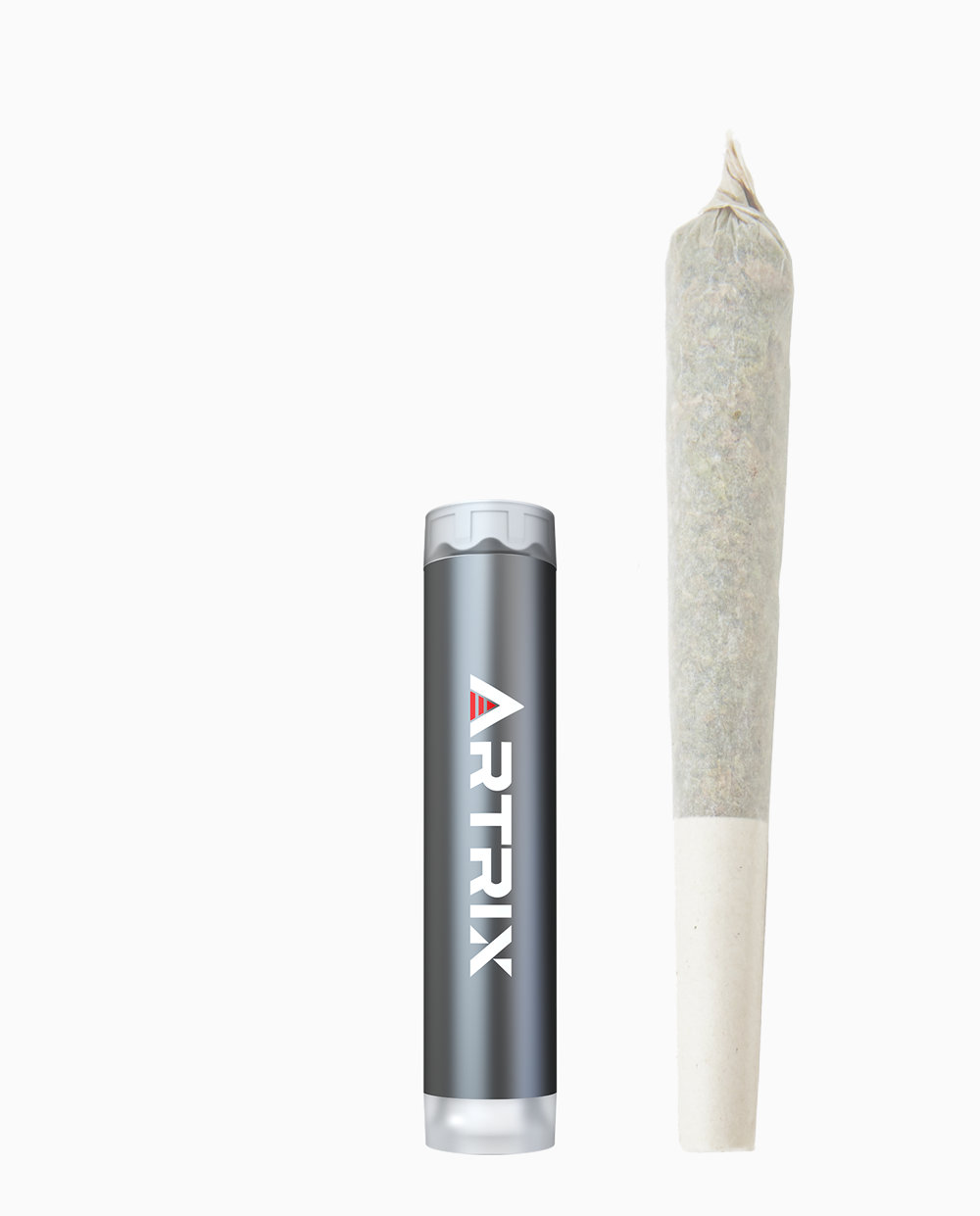
- Product format: cartridge, all-in-one device, or dab device.
-
- Intended extract and relevant information for compatibility evaluation.
-
- Target customer, intended market, and specific use scenarios.
-
- Required functional, structural, appearance, or packaging changes.
-
- Expected order quantity, budget constraints, and launch target.
-
- Proposed acceptance criteria, deliverables, and approval responsibilities.
Distinguish essential requirements from preferences. If a requested feature cannot be achieved within the budget or available manufacturing capabilities, the team can then discuss alternatives without losing the project’s main purpose.
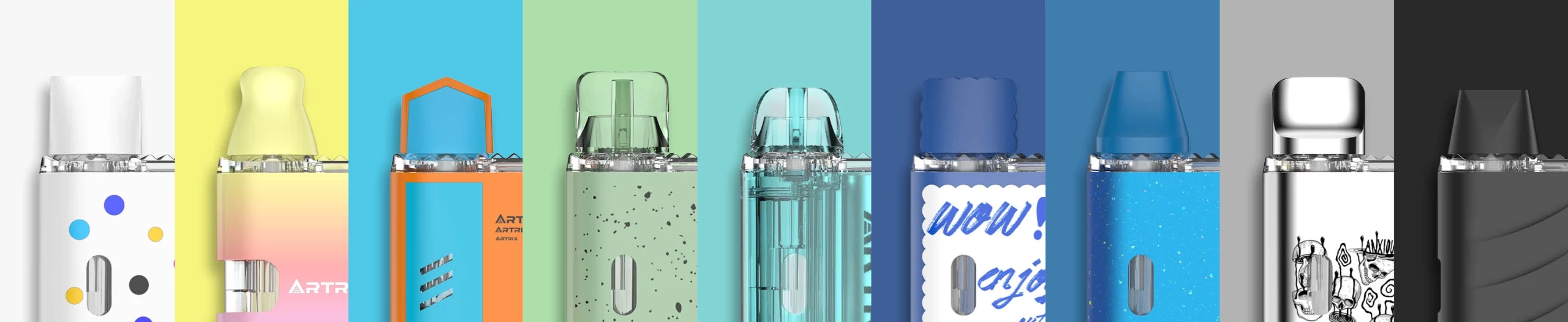
For a useful brief, pair each requirement with a decision. If the brand requests a different mouthpiece, describe the handling concern or visual goal, then ask the supplier which parts would change. The response should identify what can be sampled, what needs engineering review, and how approval will be recorded. This turns an abstract preference into a discussion about scope and evidence.
Choose the Right Manufacturing Collaboration
Cannabis hardware suppliers offer design and manufacturing support under labels such as ODM and OEM. ODM stands for Original Design Manufacturer; OEM stands for Original Equipment Manufacturer.
In common sourcing usage, ODM includes supplier-led design and manufacturing, while OEM arrangements often involve production to a buyer’s design or specifications. A manufacturer’s OEM and ODM service descriptions illustrate this distinction. Terminology varies, so compare actual responsibilities rather than assuming either label guarantees lower costs or complete originality.
Existing products can be customized through color, finishing, and branding. More extensive changes require a separate assessment of engineering work, tooling, and validation.
| Project scope |
Suitable starting point |
What to confirm |
| Appearance customization |
An existing platform meets functional requirements. |
Available finishes, approved samples, fees, and design restrictions. |
| Platform modification |
An existing device needs specific engineering changes. |
Affected components, tooling, testing, and revision responsibilities. |
| New product development |
The concept requires a new design or buyer-supplied drawings. |
Who designs, manufactures, validates, and approves each deliverable. |
Assess Feasibility, Costs, and Exclusivity
Innovation requires money, people, and time. Evaluate whether your concept offers meaningful differentiation and whether the available supply chain can produce it. Adjust ideas that exceed practical manufacturing capabilities.
Request a quotation separating engineering, tooling, samples, testing, packaging, hardware purchases, and delivery. Compare minimum order quantities and payment milestones alongside unit prices. A lower quoted unit price may cover a different scope of work.
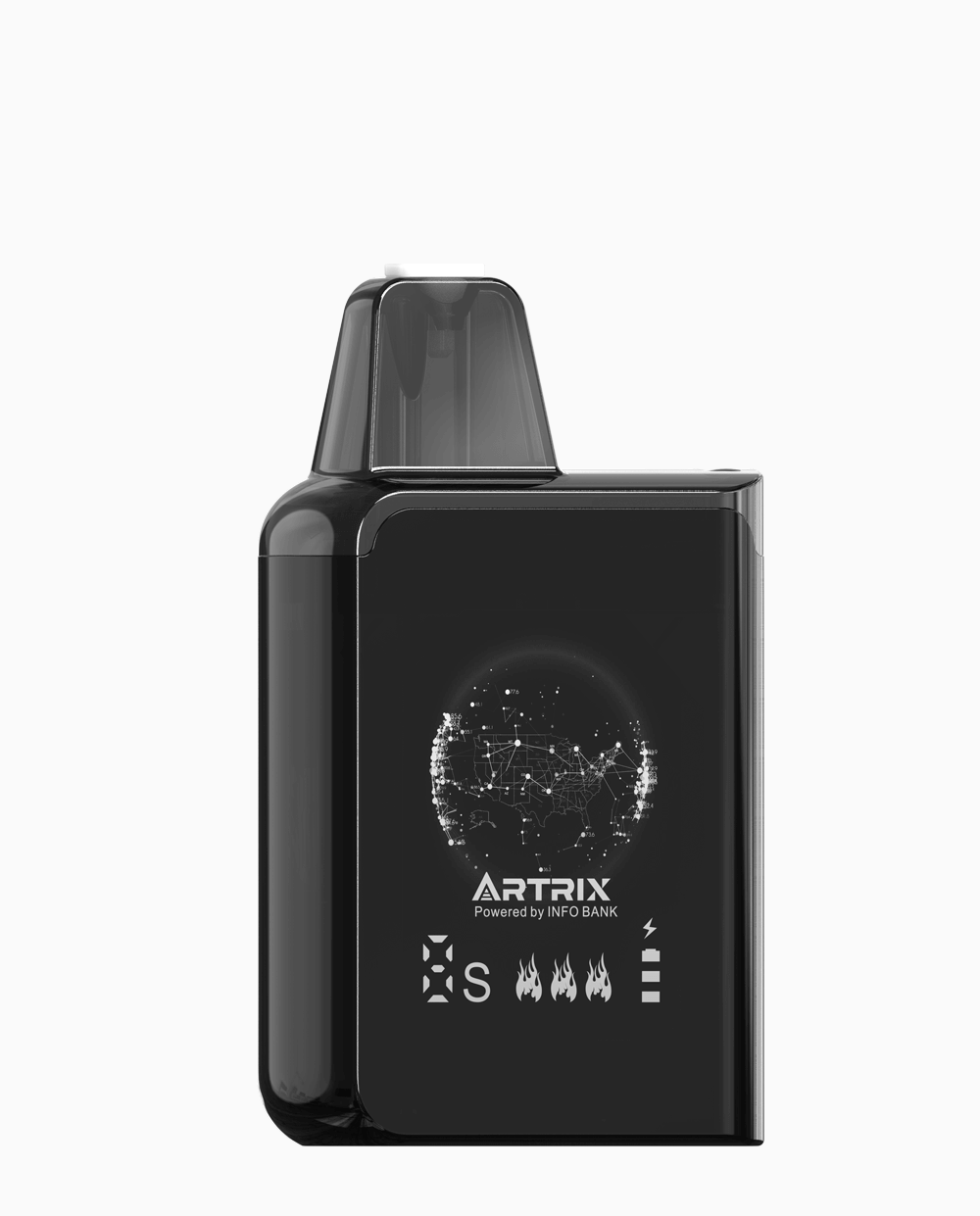
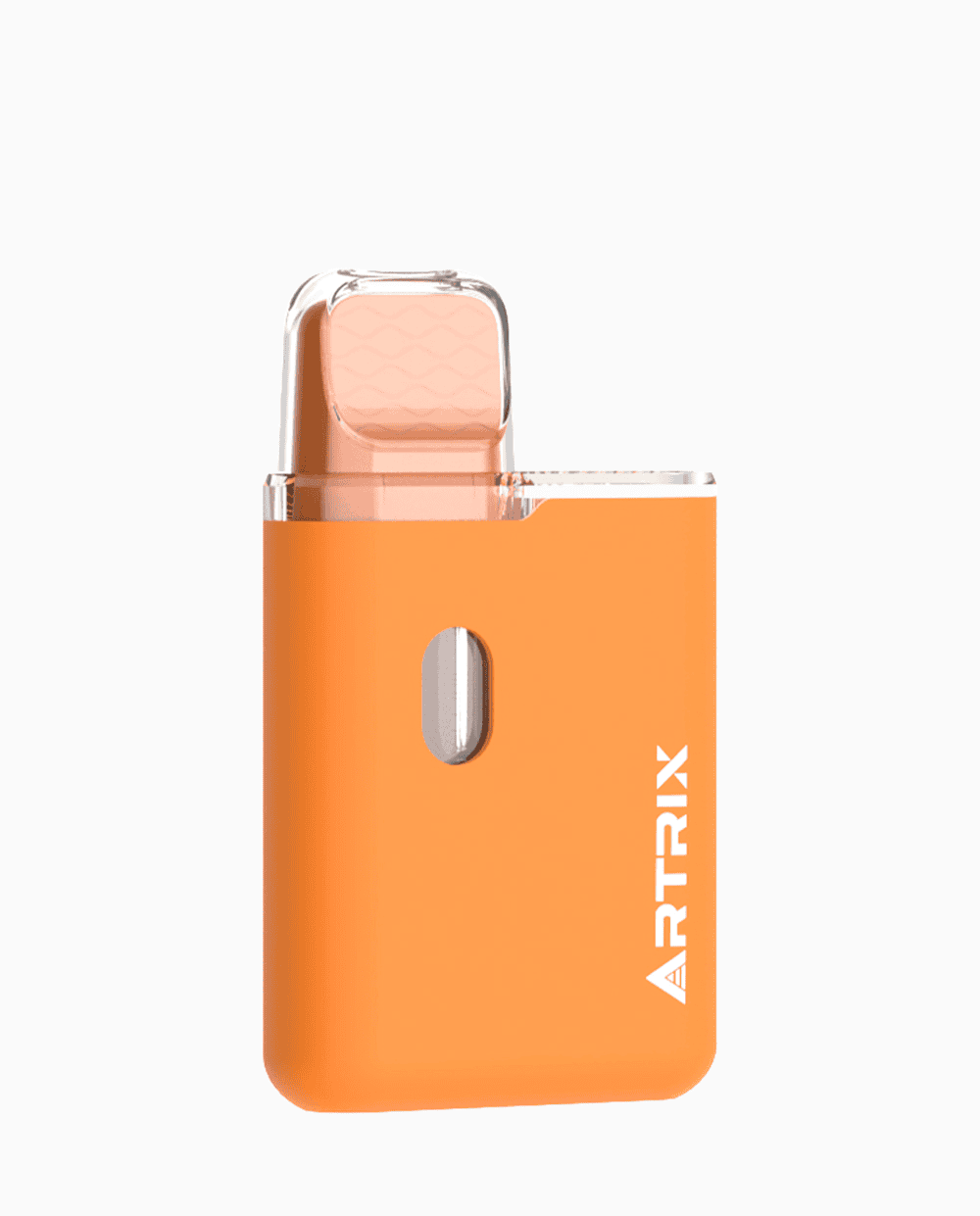
Artrix offers an exclusive product design program. The published offer includes order requirements and fee waivers that depend on the selected plan or design. “Free design” should not be interpreted as free hardware or a project without purchasing commitments.
Before selecting a scheme, confirm its eligibility and current terms in writing. Ask which design is exclusive, where the arrangement applies, how long it lasts, and what conditions maintain it. Custom branding alone does not establish ownership of the underlying design.
Also ask what happens when requirements change after a quotation is accepted. Identify which revisions are included, which need a new estimate, and who authorizes additional work. Keep launch dates tied to agreed milestones, including design approval, sample evaluation, and production readiness, rather than assuming the initial target will remain achievable.
Find a Hardware Supplier That Fits Your Project
Evaluate supplier authenticity, research and development capabilities, manufacturing expertise, quality assurance, and after-sales support. Turn these categories into requests for evidence rather than relying on a presentation or familiar brand name.
-
- Confirm the contracting company, production location, and any subcontracted work.
-
- Ask for relevant design deliverables and examples of documented revisions.
-
- Review how samples, inspections, and production batches are identified.
-
- Establish who approves changes and investigates reported defects.
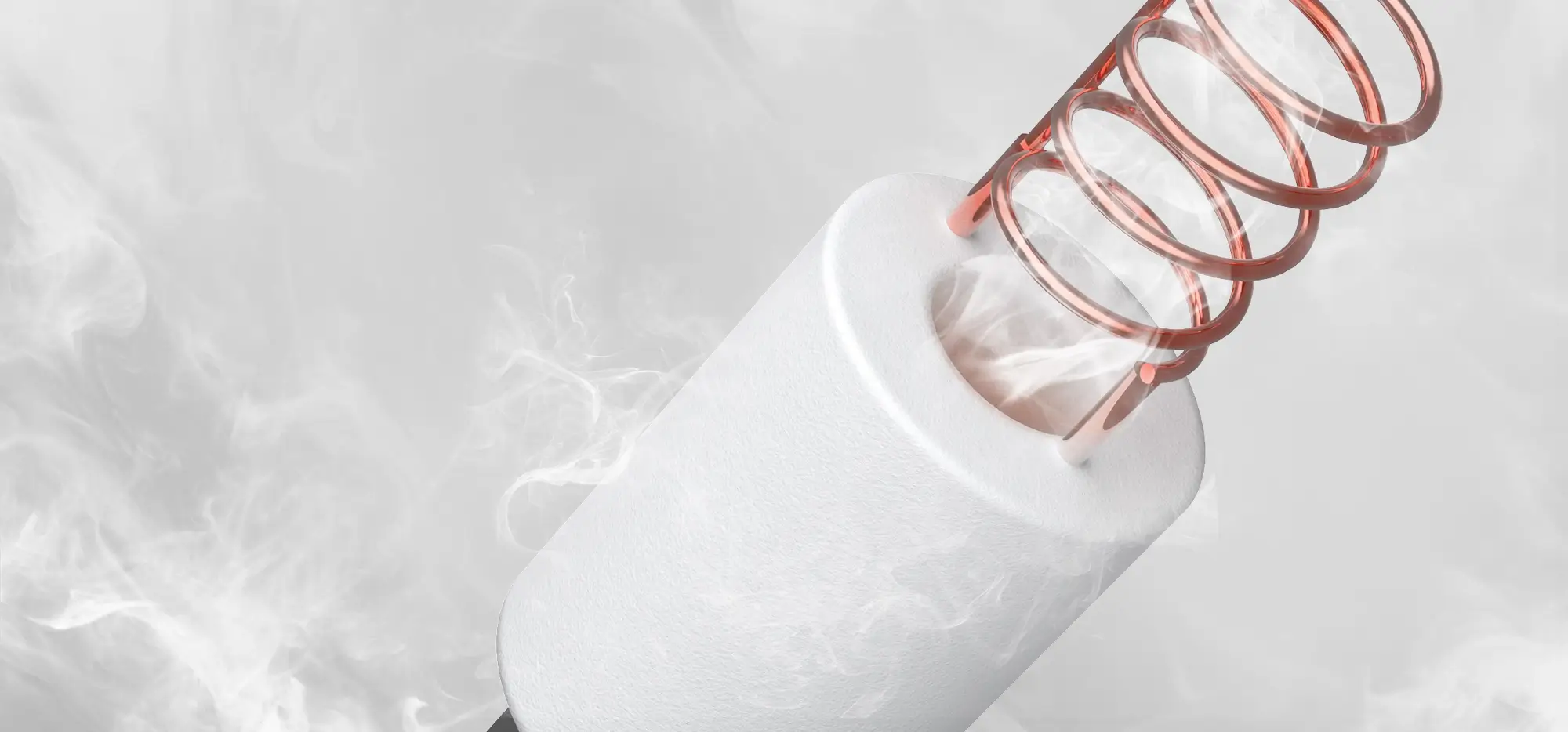
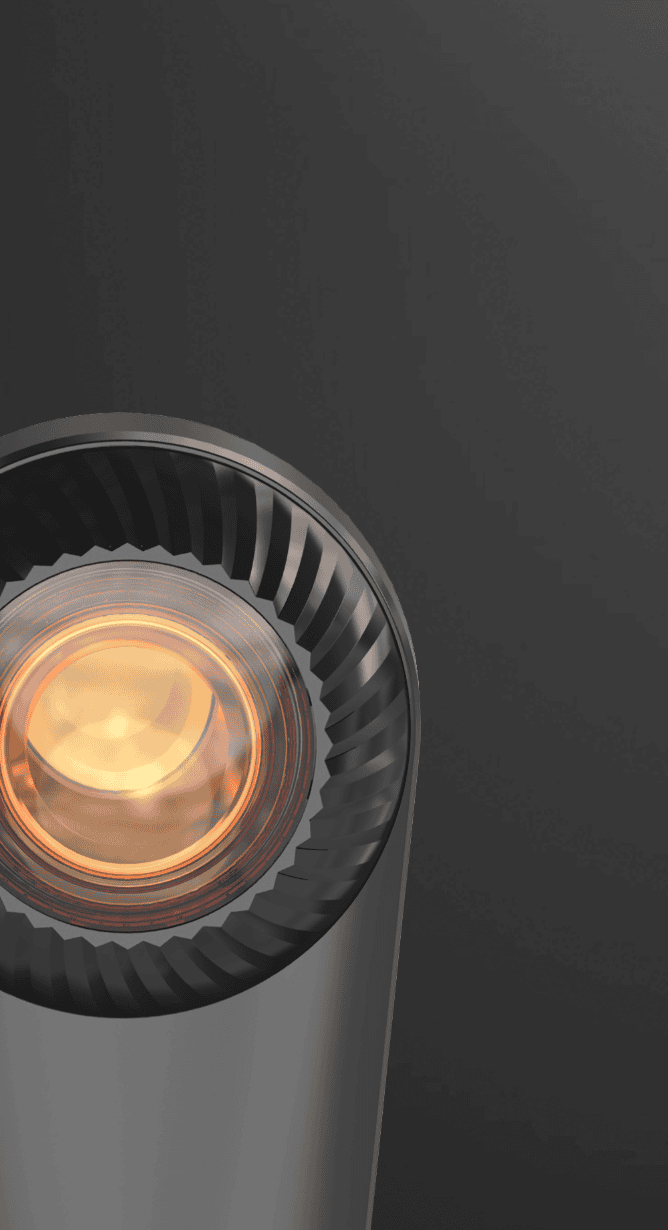
Ceramic vaporization technology may feature in a supplier’s capabilities. Ask why the proposed architecture fits your intended extract and what testing supports that recommendation. A material label alone does not establish performance for your formulation.
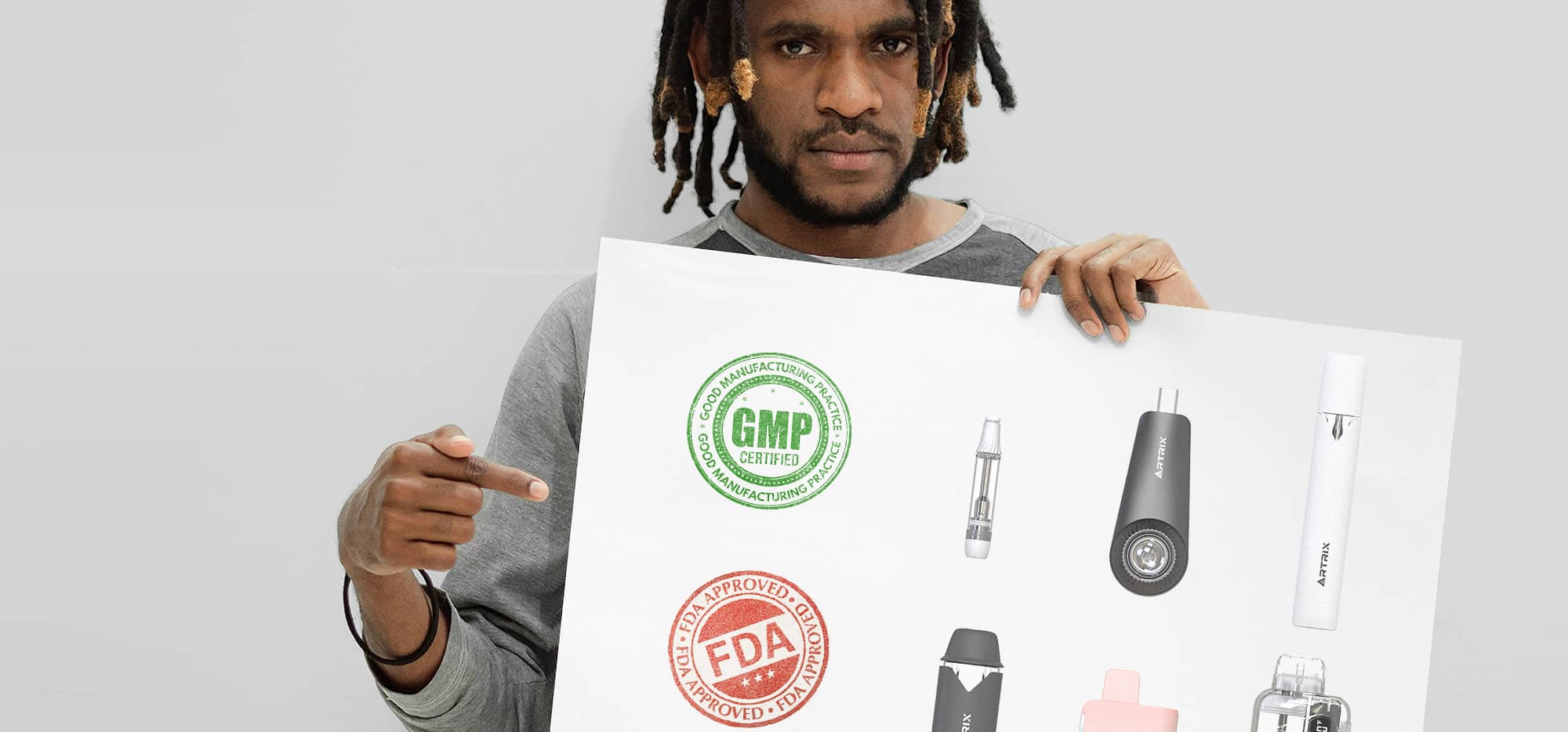
For certificates and test reports, check the named holder, covered model, issuing body, version, and validity. Ask which documents apply to the destination market and proposed configuration. Avoid treating a collection of certification logos as proof that every product claim has been verified.
When comparing two suppliers, send both the same brief and request responses against the same questions. Mark unanswered items as open issues. A proposal that explains its assumptions and exclusions gives you more to evaluate than a broad promise of complete support, even when the headline prices appear similar.
Validate Prototypes Before Approving Production
A manufacturing partner can help refine the product with your intended oil. Agree on the test plan before judging the results. Record the hardware revision, formulation information, sample size, procedures, duration, and acceptance criteria.
Evaluation should reflect agreed filling, storage, handling, and use conditions. Depending on the design, the team may need to investigate leakage, clogging, activation, or assembly issues. Treat these as questions to evaluate, not as problems a supplier’s technology has automatically solved.
Suppose a prototype works during a demonstration but has not been evaluated under the intended storage conditions. That demonstration supports a limited observation; it does not establish readiness for the full project. Document what remains untested before committing to the next stage.
Use the findings to revise the design, proceed to a pilot build, or stop development. A pilot build provides an opportunity to evaluate production against the approved design. It does not guarantee that every later batch or formulation will perform identically.
Before production approval, confirm the agreed specifications, approved sample, inspection requirements, and unresolved issues. Define how component substitutions and design changes will be reviewed. After launch, connect customer complaints to product versions and batches so the team can investigate specific problems.
Keep an issue log during prototype and pilot evaluation. Each entry should identify the observed problem, affected samples, test conditions, responsible reviewer, and next action. Record whether a revision resolved the issue under the agreed conditions or whether more work remains. This provides a clear basis for the next approval discussion and preserves the reasoning behind changes for colleagues who join the project later. Label each retained sample with its revision and approval status so later comparisons use the correct physical reference device.
Frequently Asked Questions
Does a custom device guarantee higher profit margins?
No. Differentiation may support a pricing opportunity, but profitability depends on demonstrated demand and project costs. Evaluate the proposed benefit alongside engineering expenses, purchasing commitments, and the cost of supporting the product.
Can you begin without a finished product design?
Yes. A supplier offering design and development support can help translate your concept into a proposed device. Bring a clear brief and confirm which drawings, prototypes, reports, and approvals the engagement includes.
Does changing the appearance require testing?
Agree on the review needed for the proposed change. Color and logo approval may involve appearance samples, while changes to materials, geometry, or components can require additional engineering evaluation. Do not assume every customization is purely cosmetic.
Prepare Your Next Development Discussion
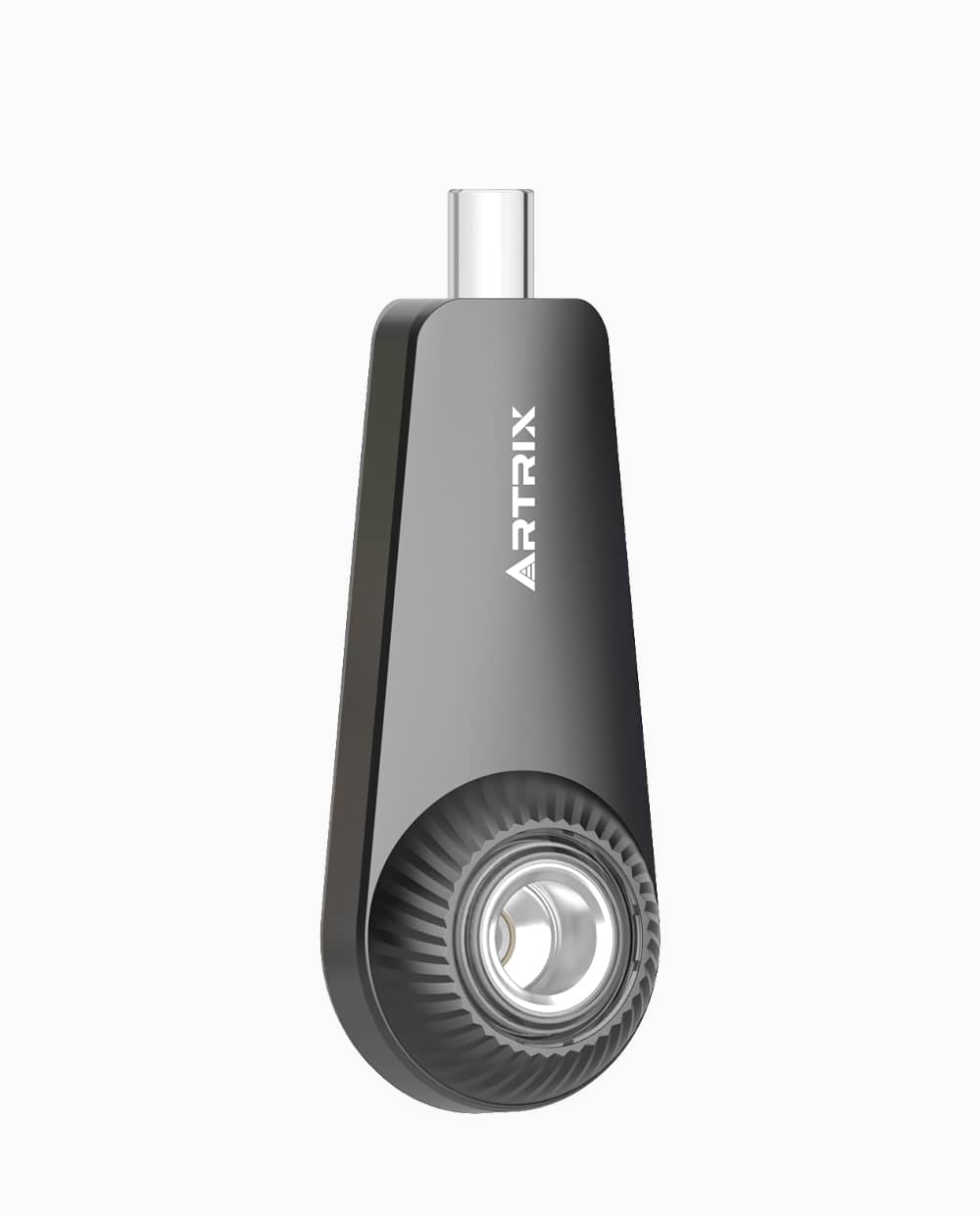
Artrix supports brands exploring original cannabis hardware through its ODM services. Share your product format, customer problem, intended extract, quantity range, and customization requirements to discuss feasibility. Ask for a proposal that identifies deliverables, costs, responsibilities, and the evidence needed before production approval.
-1.webp)
-1.webp)
-2.webp)