This content is for informational purposes only and does not constitute medical or legal advice. Please consult a licensed healthcare provider before using cannabis products. Comply with your state’s regulations.
This content is intended for audiences 21 years and older, as required by U.S. law.
Cannabis regulations vary by state. Please verify the legal status of products in your area before purchase.
In today’s fiercely competitive cannabis market, simply selling products similar to others and hoping to outpace competitors solely through pricing or advertising isn’t enough. The competition in the cannabis vape market is fiercer than many cannabis entrepreneurs imagine.
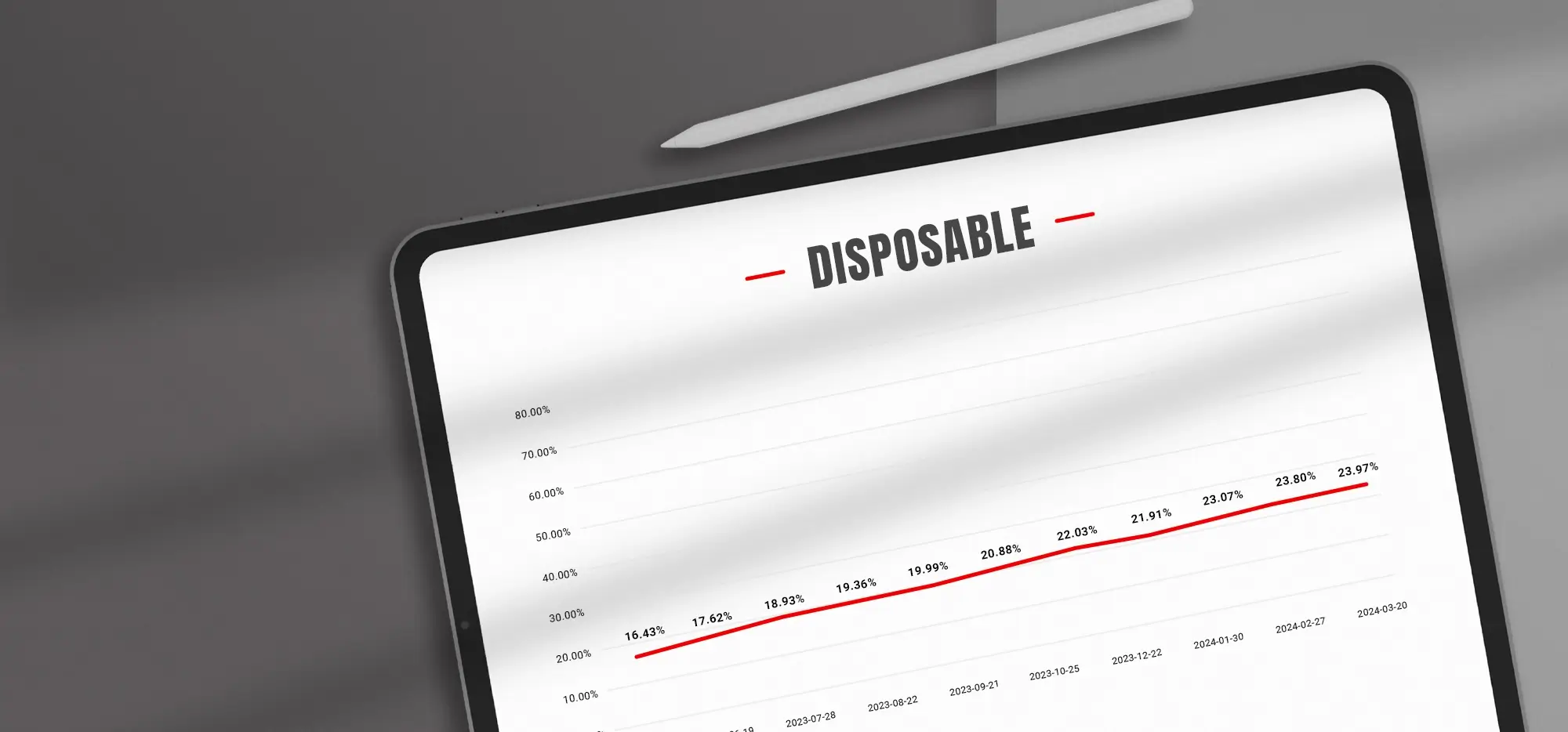
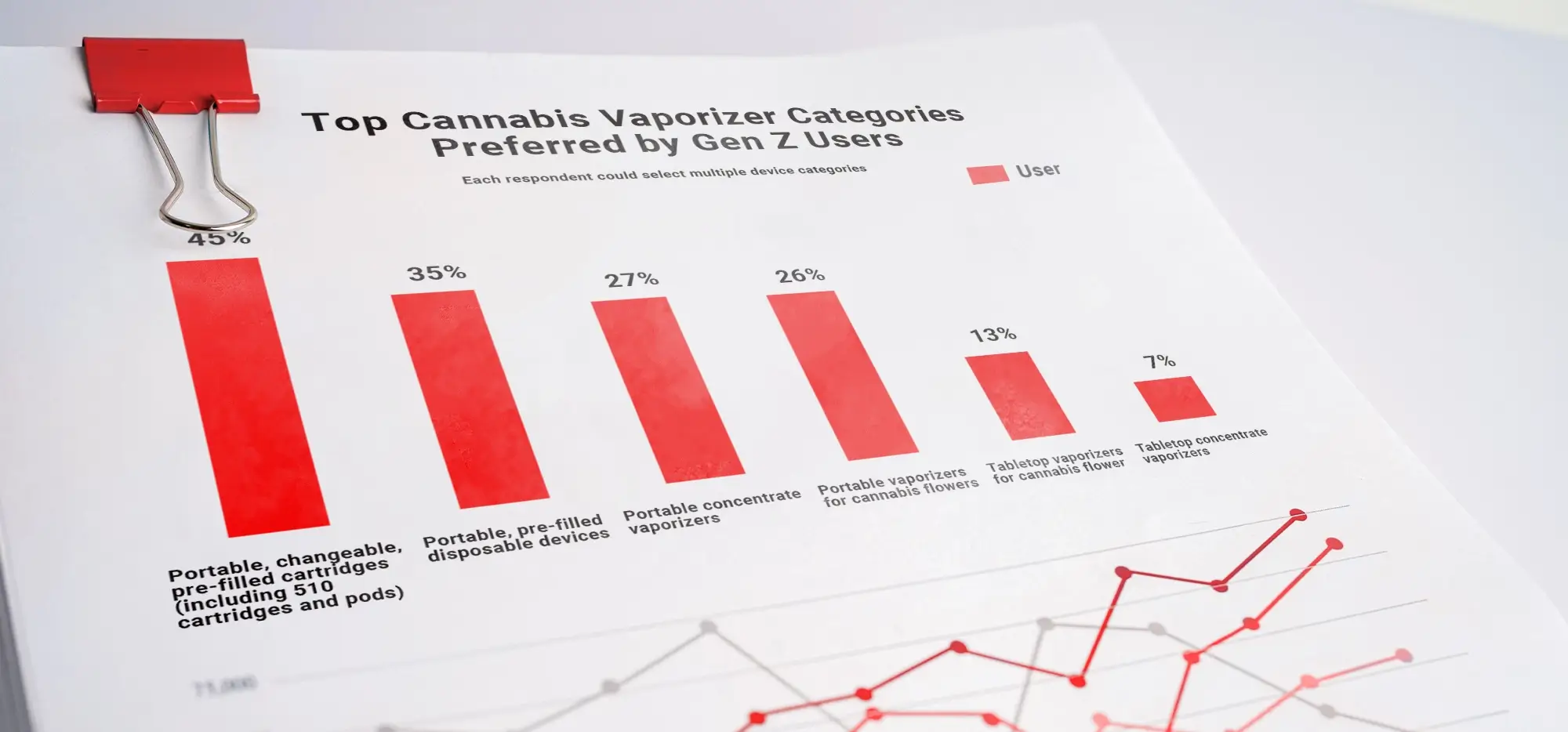
According to Headset’s latest Vapor Pens report, published on February 25, 2026 and based primarily on Q4 2025 sales data, Vapor Pens remain one of the largest cannabis categories in North America. They ranked second in the U.S. cannabis market with 25.5% of sales and third in Canada with 20.7% of sales. Inside the category, cartridges still led with 53.1% of U.S. Vapor Pen sales, but all-in-one disposables had grown to 46.7%, up 20.8% year over year. Headset also reported continued price compression, with U.S. Vapor Pen equivalent pricing falling from $28.30 in January 2024 to $21.70 by December 2025. These shifts show that cannabis vape brands are competing in a large but increasingly price-sensitive category, where originality must be balanced with manufacturing efficiency and clear product value.
For cannabis vape brands, this creates a practical question: how can a product look and feel original when the launch budget does not support a fully custom device from the ground up?
Many cannabis brands are confused by the concept of “originality.” “Originality” doesn’t necessarily mean 100% uniqueness. A simple innovation can unlock the enormous market value of the cannabis industry.
In hardware development, originality is often a sequence of smaller decisions: what to keep standardized, what to customize, and where to spend limited budget so the final vape line becomes recognizable without becoming too expensive to manufacture.
Originality Does Not Always Require a New Vape Platform
Product development is not a new concept. Many cannabis brands have attempted to develop their own vaporizer products, but have encountered obstacles and lacked the confidence to continue.
One common mistake is assuming that an original cannabis vape must begin with a completely new mold, a new internal structure, or a fully proprietary electronic system. In many launch situations, that approach adds tooling cost, extends development time, and increases testing risk before the brand has proven demand.
A more practical route is to start with a mature hardware platform and customize the visible, tactile, and brand-facing details. This allows the product to remain technically stable while still creating a stronger identity on the shelf and in the consumer’s hand.
The Product Challenge: Look Different Without Pushing Unit Cost Too High
If you aim to lead in the cannabis vape market, you must design unique products tailored to your business. This not only sets your product apart from the crowd but also increases your chances of attracting a loyal customer base.
The brand wants a device that feels ownable, fits its packaging system, supports its oil type, and gives retailers a reason to remember the line. At the same time, the brand may not want to raise the unit cost with unnecessary structural changes.
In this situation, the hardware decision is not “custom or stock.” The better question is: which custom details will customers actually notice, and which changes will only increase cost without improving recognition?
Decision 1: Keep the Core Platform Stable
The product forms, appearance designs, and core vaporization technologies of cannabis vapes are mature, and significant technological innovations are unlikely to occur in the short term.
That maturity can be an advantage. A brand can keep proven components such as the battery platform, ceramic heating structure, oil capacity, filling method, and basic airflow path, then focus customization on the areas that shape customer perception.
Keeping the core platform stable helps control risk in several ways: it reduces the need for new tooling, keeps assembly more predictable, shortens sample review, and avoids changing parts that directly affect vaporization reliability.
Decision 2: Customize the Visible Identity First
Innovating product design is one of the fastest ways for cannabis entrepreneurs to improve product visibility and one of the most cost-effective methods.
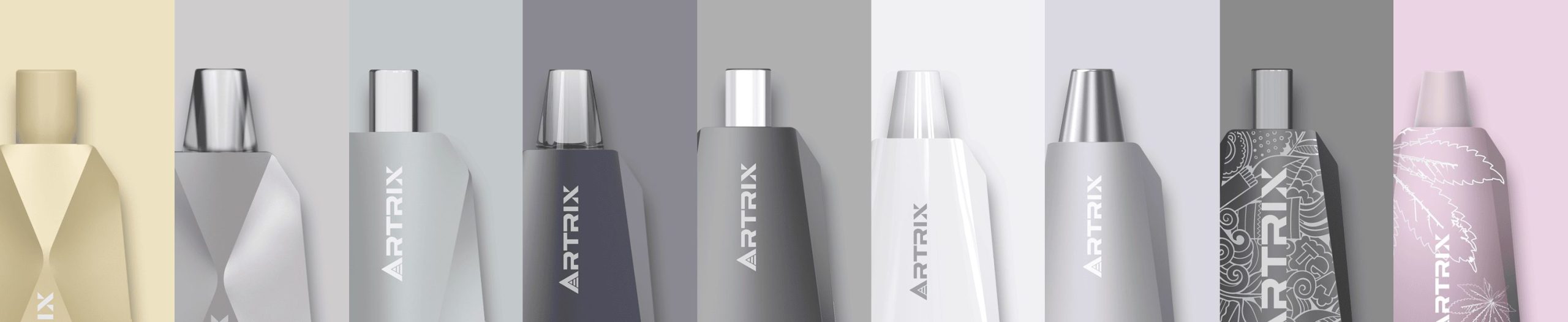
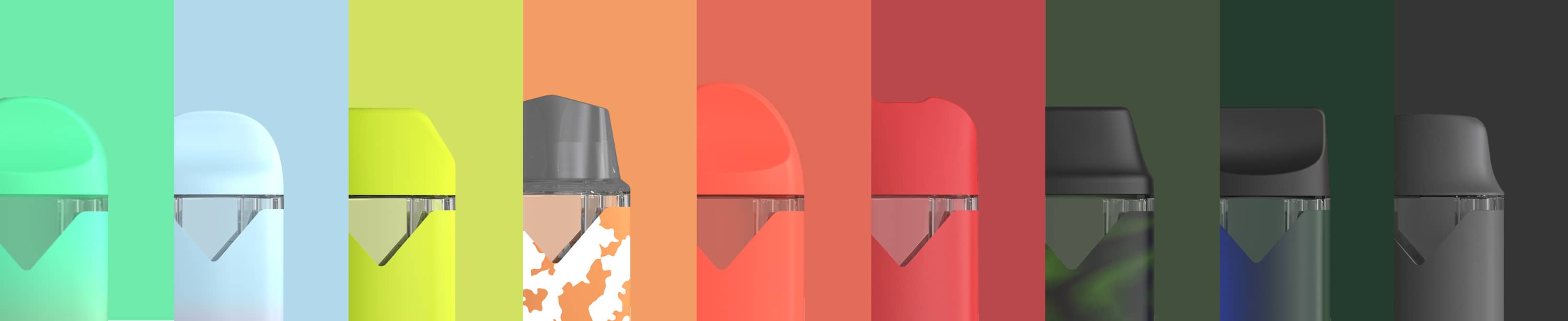
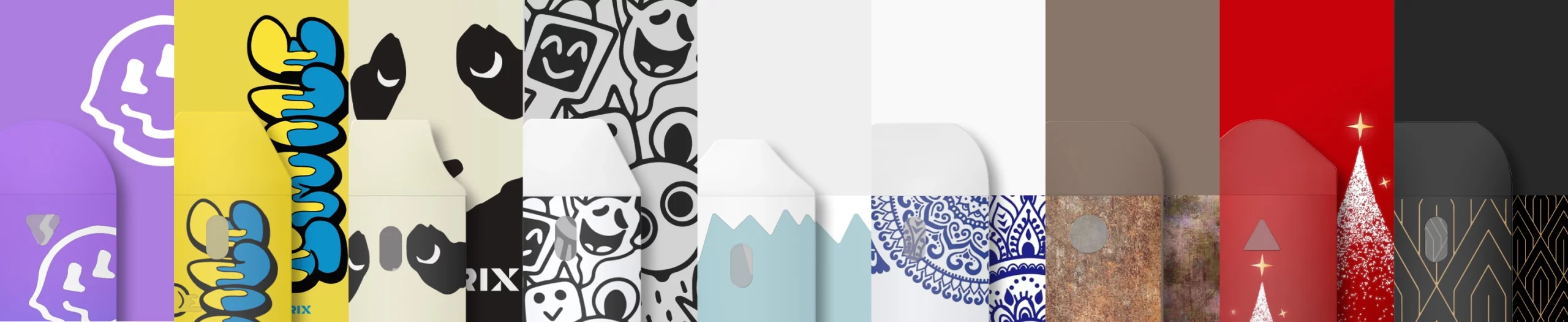
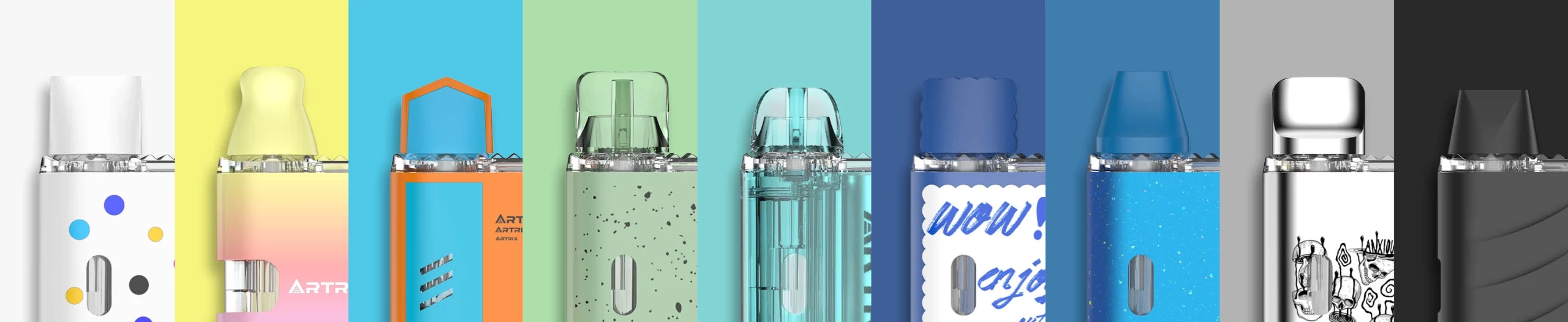
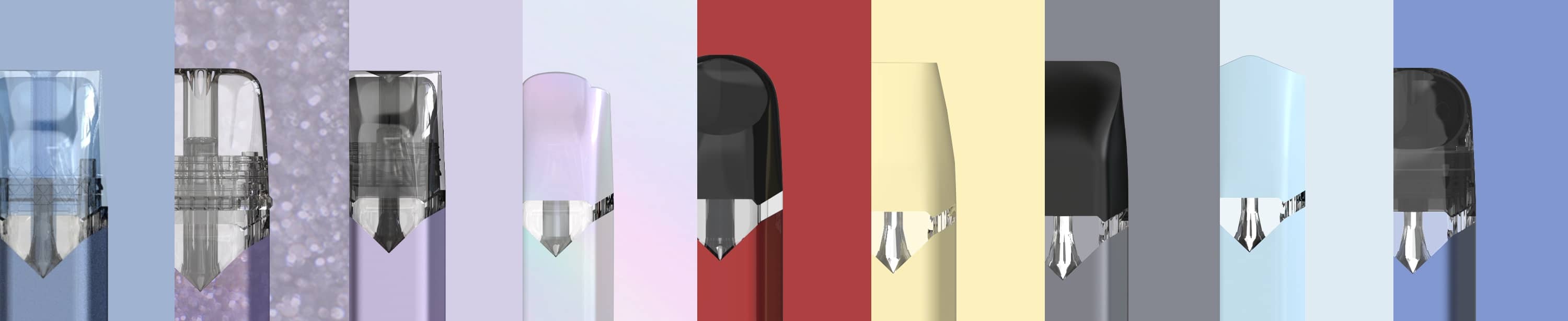
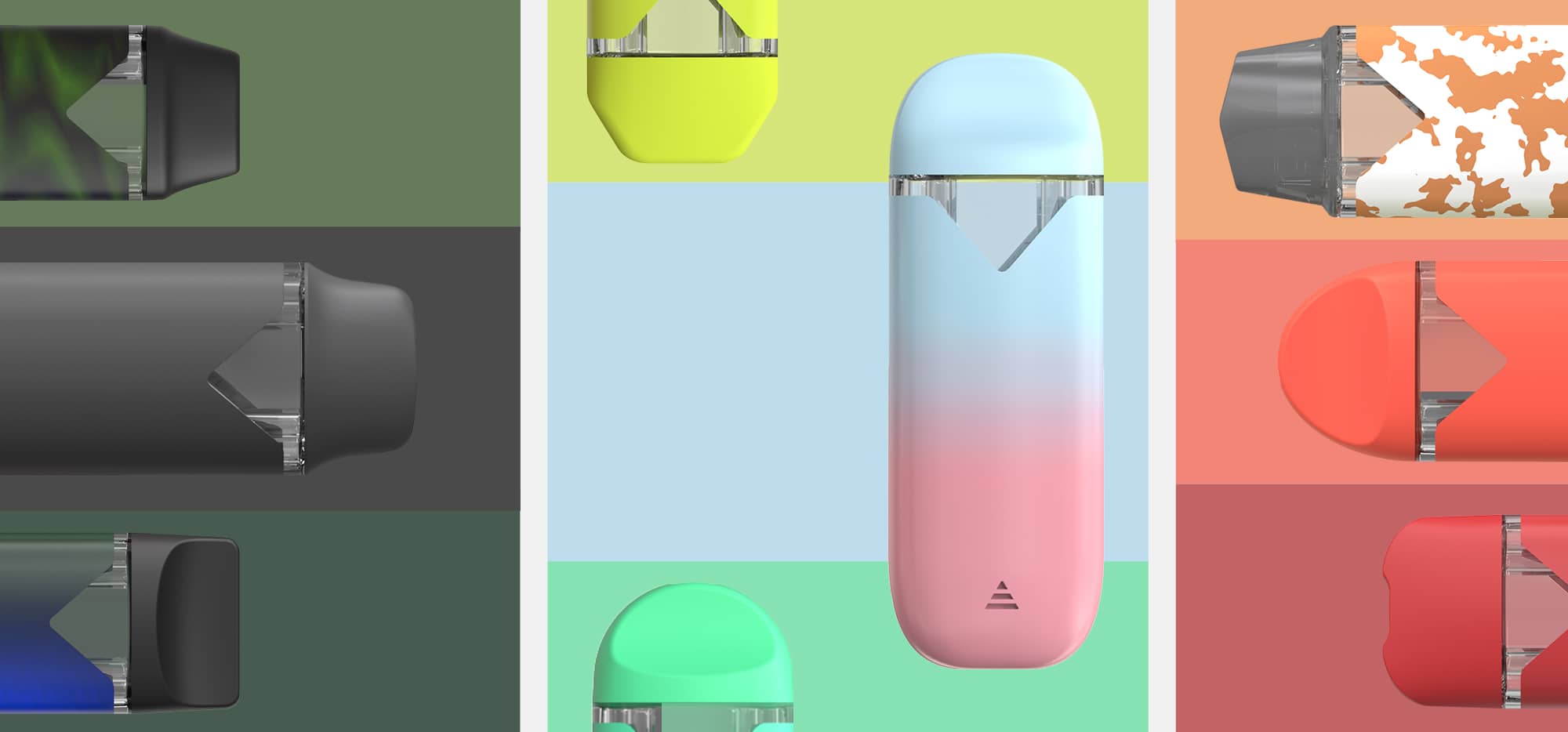
For a cannabis vape line with a controlled budget, the most efficient originality often comes from visible identity choices rather than deep structural changes. These include housing color, surface finish, logo placement, oil-window shape, mouthpiece styling, and how the device matches the outer packaging.
Hardware Decision
Brand Impact
Cost-Control Logic
Custom color system
Makes the device easier to recognize across SKUs
Usually lower risk than changing the internal platform
Matte, gloss, metallic, or soft-touch finish
Changes the perceived quality before use
Can create differentiation without new functional parts
Logo position and scale
Improves brand recall during handling and display
Often easier to adjust than structural geometry
Mouthpiece style
Creates a repeatable tactile memory
Can be selective rather than applied to the whole device
Oil-window shape or placement
Adds a product signature while keeping utility
Works best when it does not disturb filling or leakage control
Decision 3: Let the Mouthpiece Carry More Brand Memory
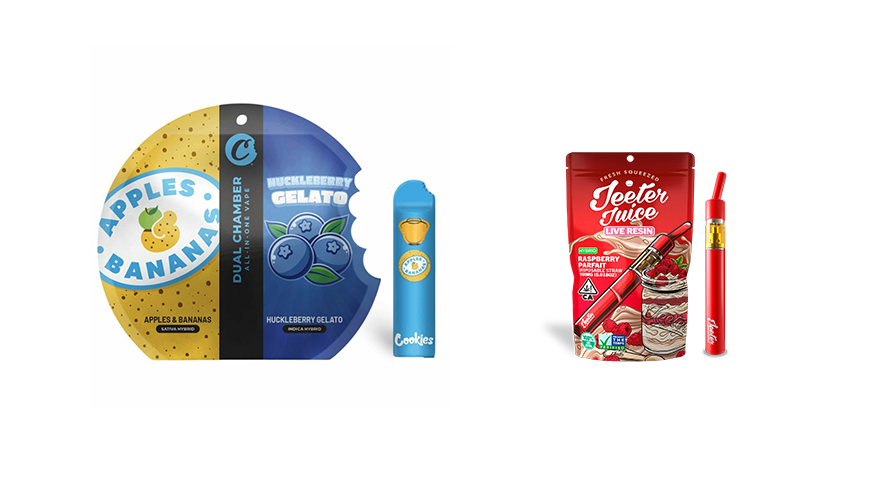
Picture Source: Cookies & Jeeter Official Website
Cookies has applied its iconic design to the mouthpiece of THC vapes, shaping brand visual consistency and deepening user memory points.
This is a useful lesson for cannabis vape brands: the mouthpiece is not only a functional part. It is one of the few areas the user repeatedly sees, touches, and associates with the brand experience.
A distinctive mouthpiece can support originality without requiring the whole device to be rebuilt. The key is to balance appearance with comfort, hygiene perception, oil compatibility, and packaging fit.
Decision 4: Use Surface Finish Before Expensive Tooling
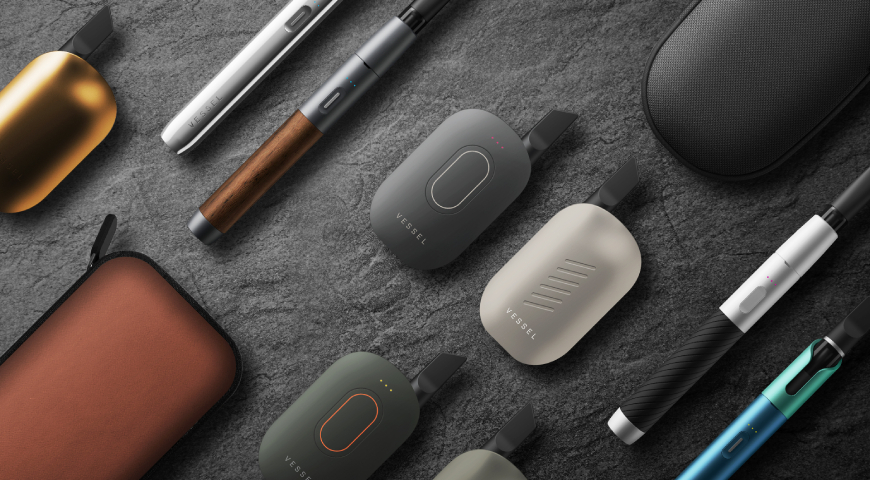
Picture Source: Vessel Official Web
Vessel’s high-end and exquisite product design are mainly reflected in the pursuit of color matching, material application, and finishing details. It also achieves a commanding appearance through the blend of anodized aluminum and knurled grip design.
For many brands, finish is the most practical first layer of customization. A familiar vape body can feel more premium or more playful depending on whether the surface uses matte coating, metallic color, transparent shell, soft-touch texture, or a high-contrast two-tone system.
This matters because consumers often judge hardware before they understand its internal structure. A finish strategy can help the product look intentional while avoiding the cost of redesigning every component.
Decision 5: Connect Hardware With Packaging and Retail Display
Customized vape hardwares will increase your brand’s visibility. People would rather have something unique than existing products flooding the market.
However, visibility is not created by the device alone. A vape line becomes easier to remember when the hardware color, package structure, strain labeling, display tray, and sales materials all repeat the same visual logic.
For example, if the device uses a specific color-blocking system, the packaging should not treat that color as decoration only. It should help buyers identify potency, extract type, flavor family, or product tier. This makes originality useful instead of merely aesthetic.
What Should Not Be Customized First?
Everyone knows the headaches and frustrations that come with product development. However, if you understand your customers and competitors, taking the time to develop and launch your own products has potential.
Cost-controlled originality also depends on knowing what to avoid. Not every custom request improves the product. Some changes may increase mold cost, complicate assembly, delay filling tests, or create a higher risk of leakage and returns.
Customization Request
Why It May Be Risky
Better First Step
Completely new body structure
Can require new tooling and longer validation
Start with finish, color, logo, and packaging alignment
Unusual oil-window shape
May affect housing strength or filling visibility
Test a modified window on a proven platform
Overly complex decorative parts
May add assembly steps without improving use
Focus on one memorable physical detail
New internal heating structure
Can affect vapor quality, oil compatibility, and reliability
Use proven vaporization technology unless the extract requires a change
A Cost-Control Framework for Original Cannabis Vape Hardware
Innovation means you have more freedom. You can freely reuse, remix, and recombine existing concepts and technologies. Additionally, you can conduct experiments quickly without starting from scratch.
That freedom becomes more useful when brands separate originality into three levels:
Customization Level
Typical Decisions
Best For
Low-cost identity customization
Color, finish, logo, packaging match, SKU system
Brands that need faster launch and stronger shelf recognition
Brands with clear positioning and repeat-order expectations
Full custom development
New mold, new structure, deeper functional redesign
Brands with stronger budgets, longer timelines, and validated demand
This framework helps cannabis vape companies avoid two extremes: launching generic products that no one remembers, or over-investing in customization before the market has proven the concept.
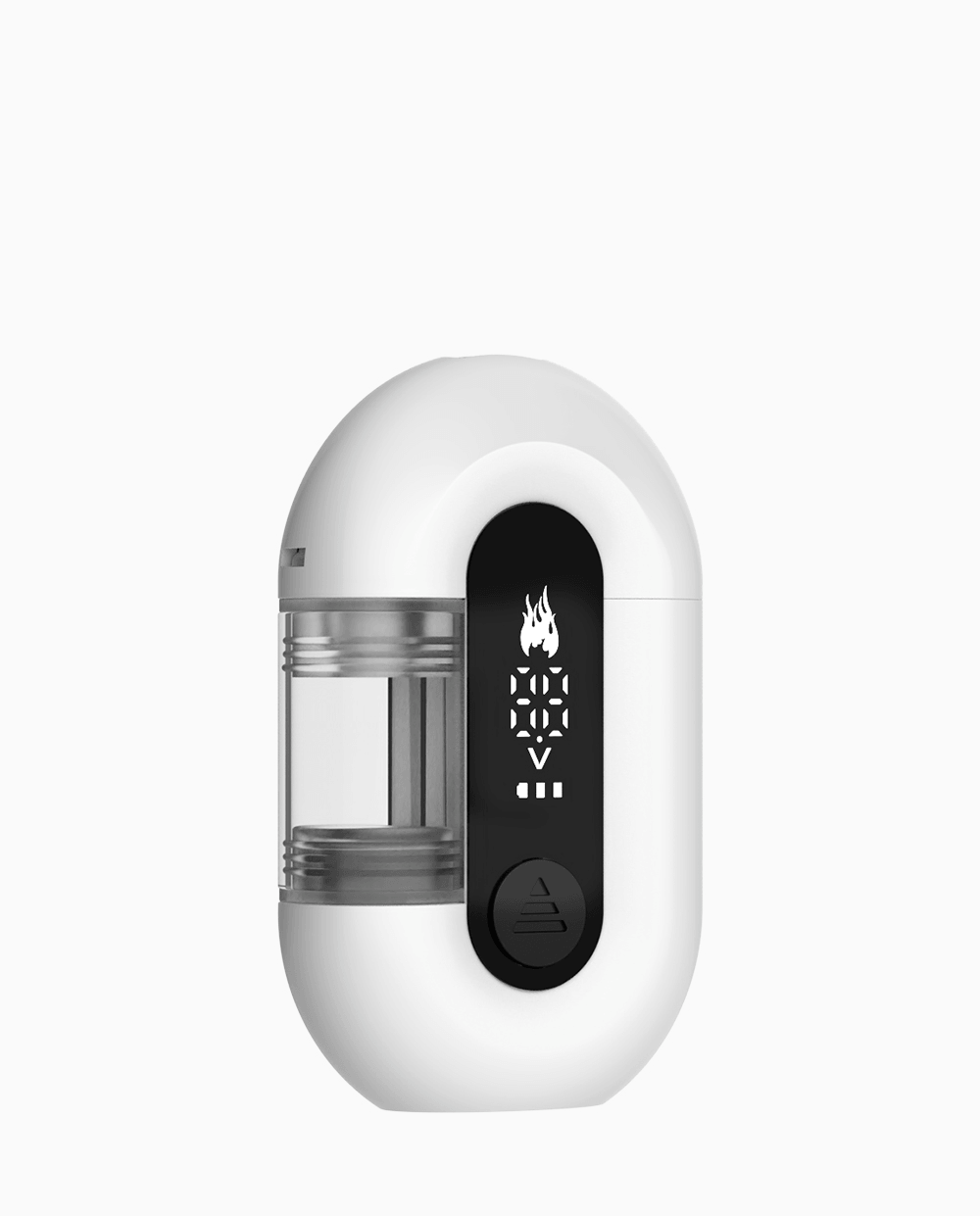
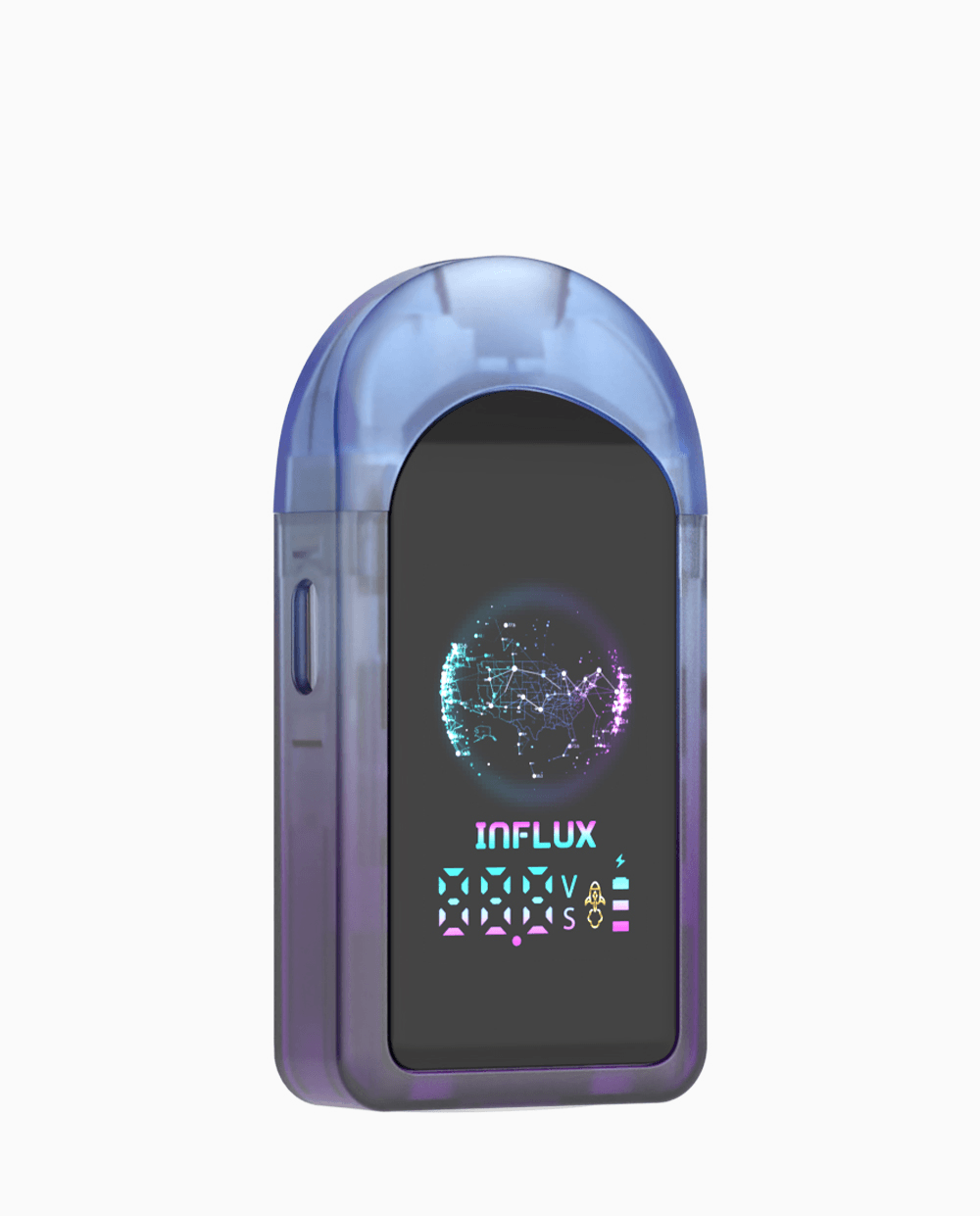
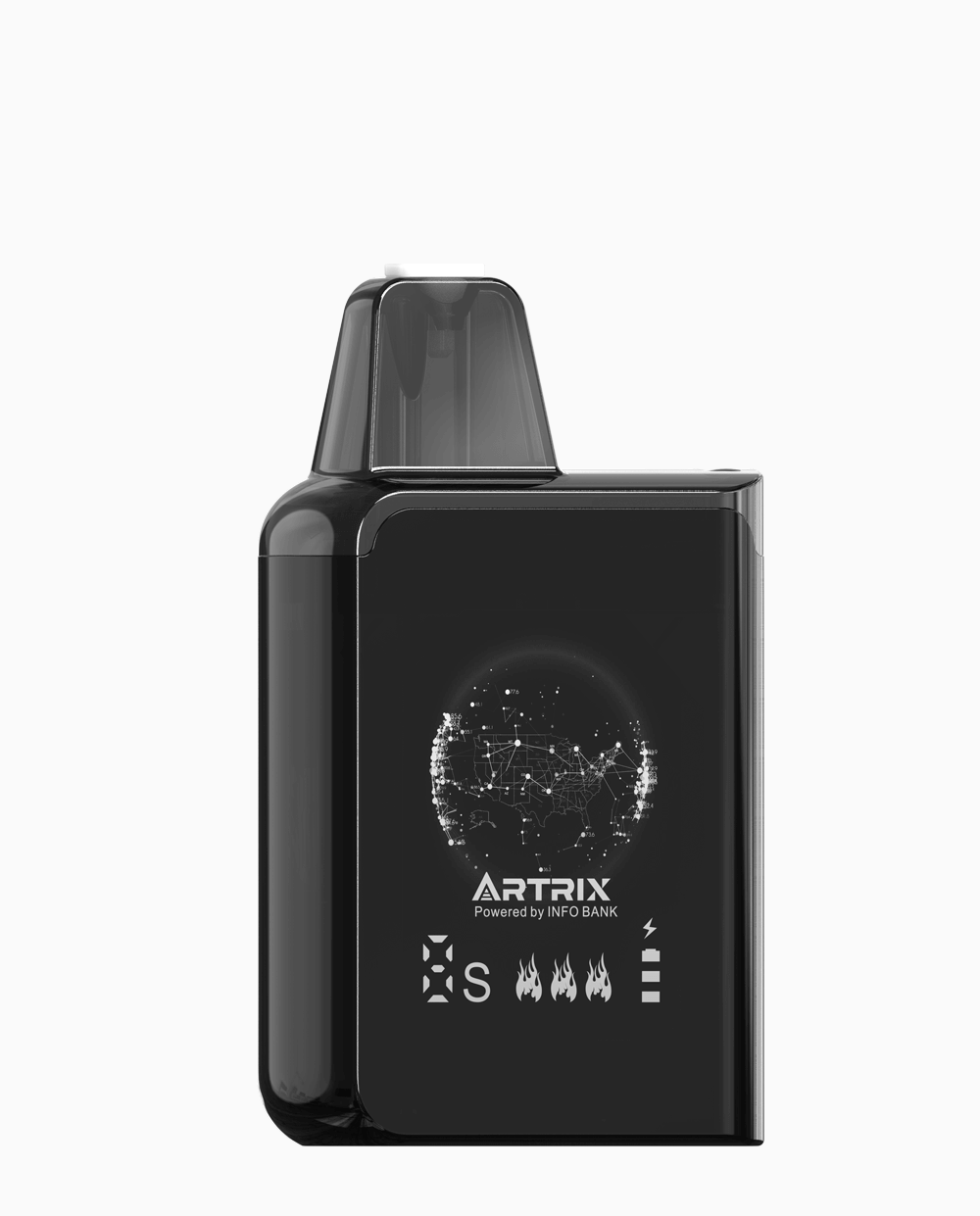
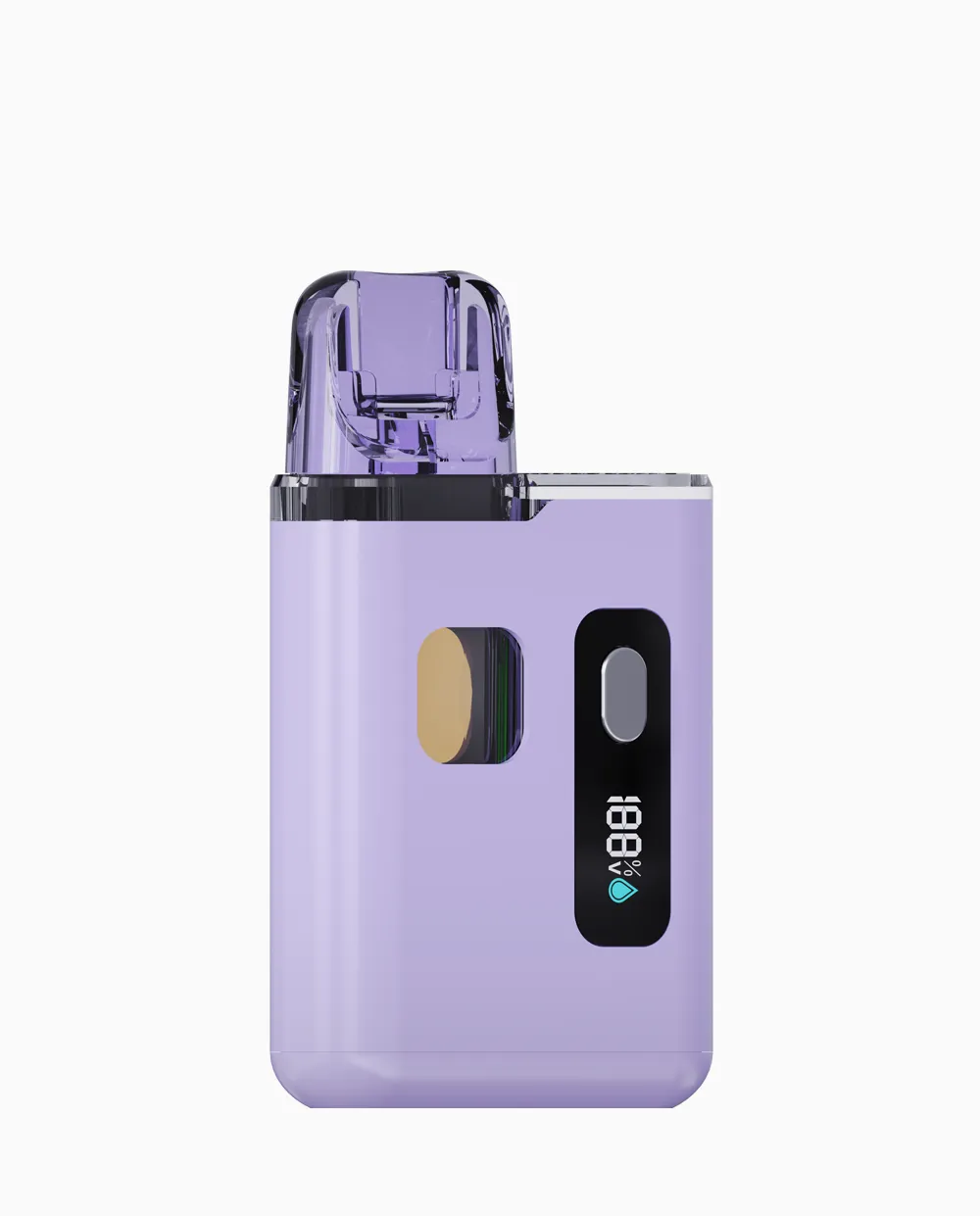
Build Your Unique Product with Artrix’s Original Product Solutions
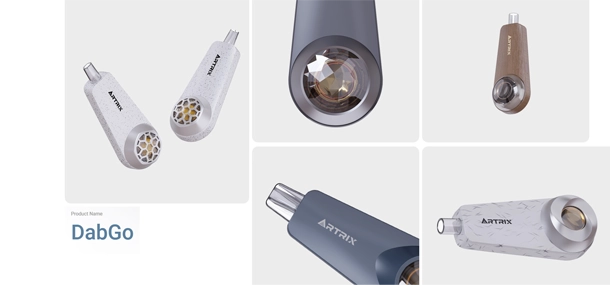
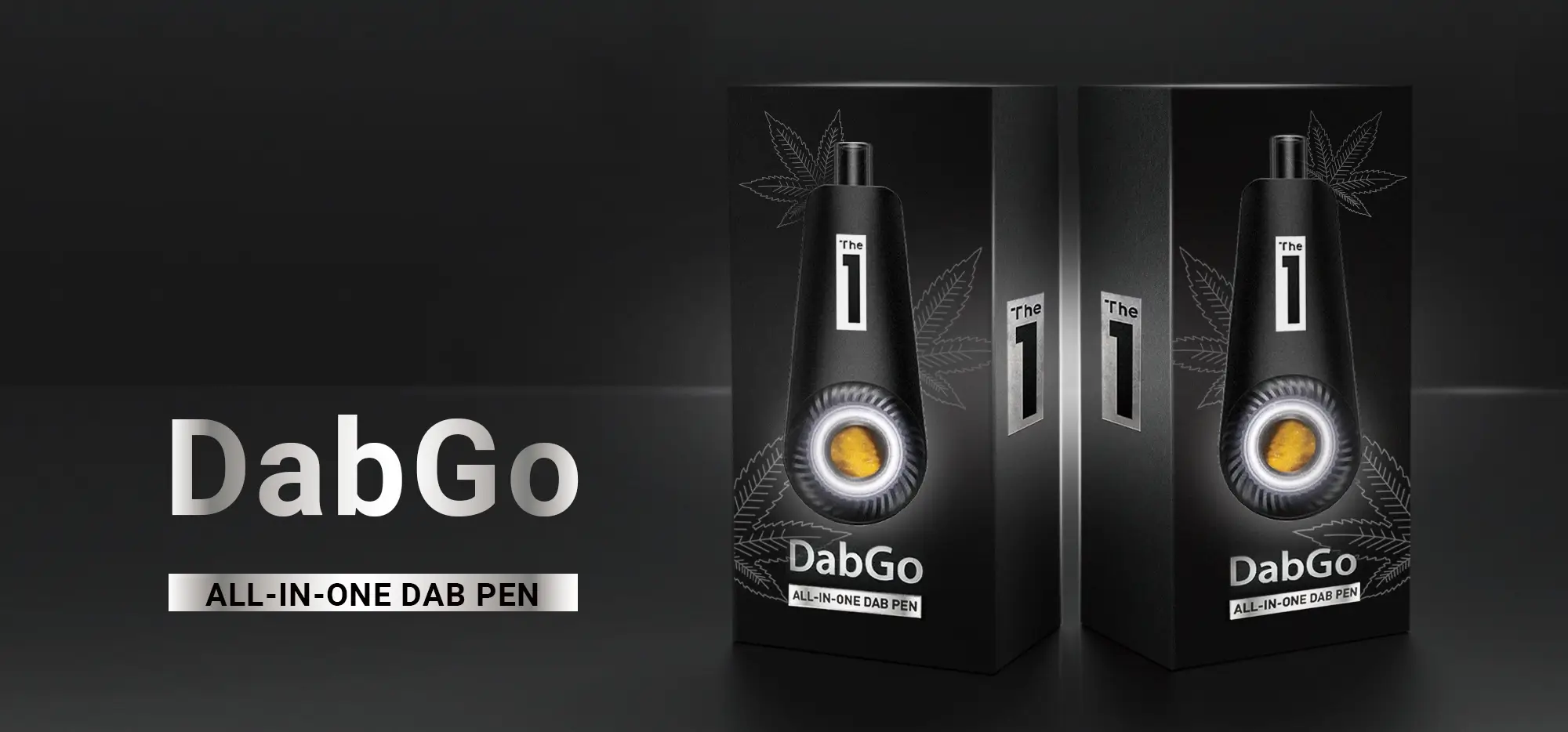
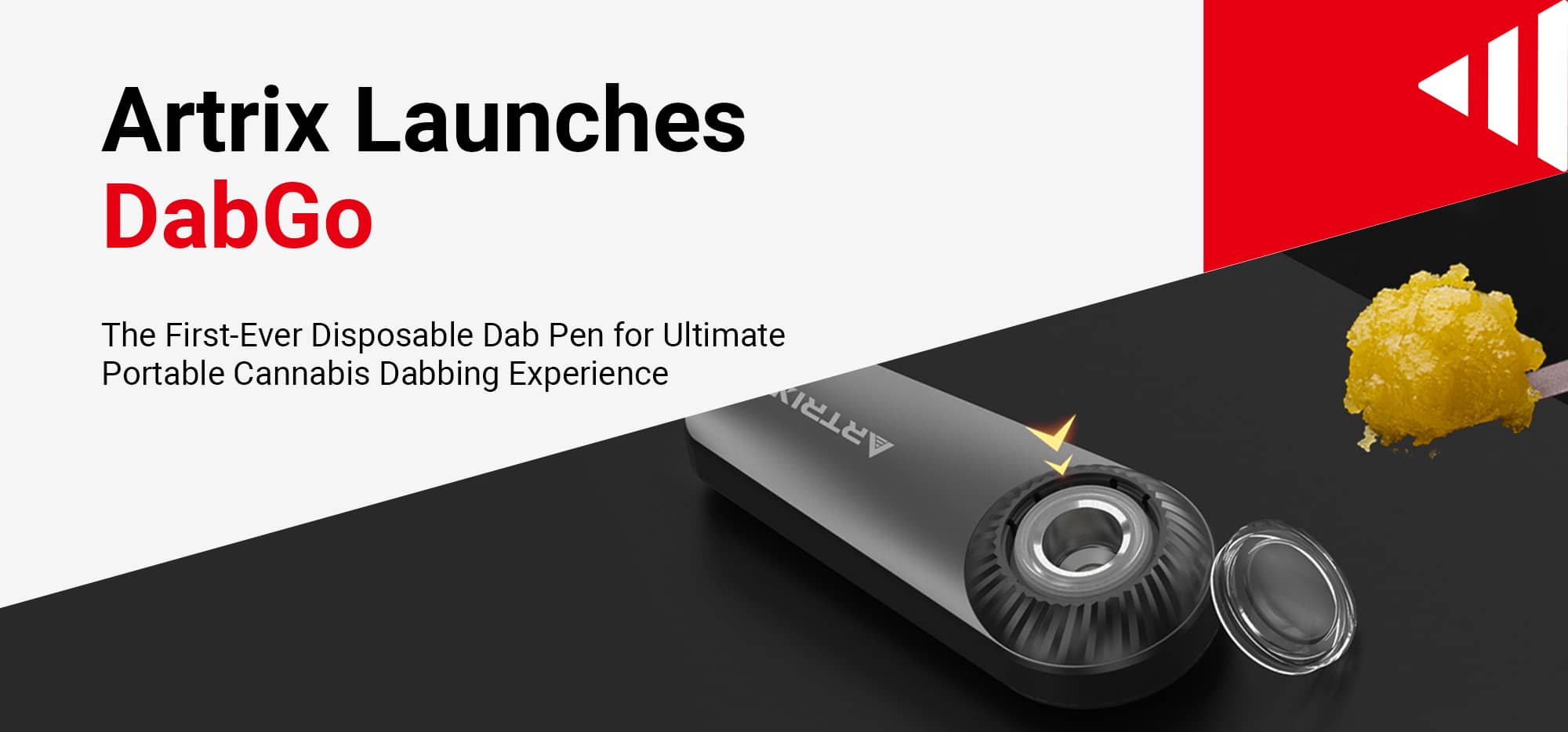
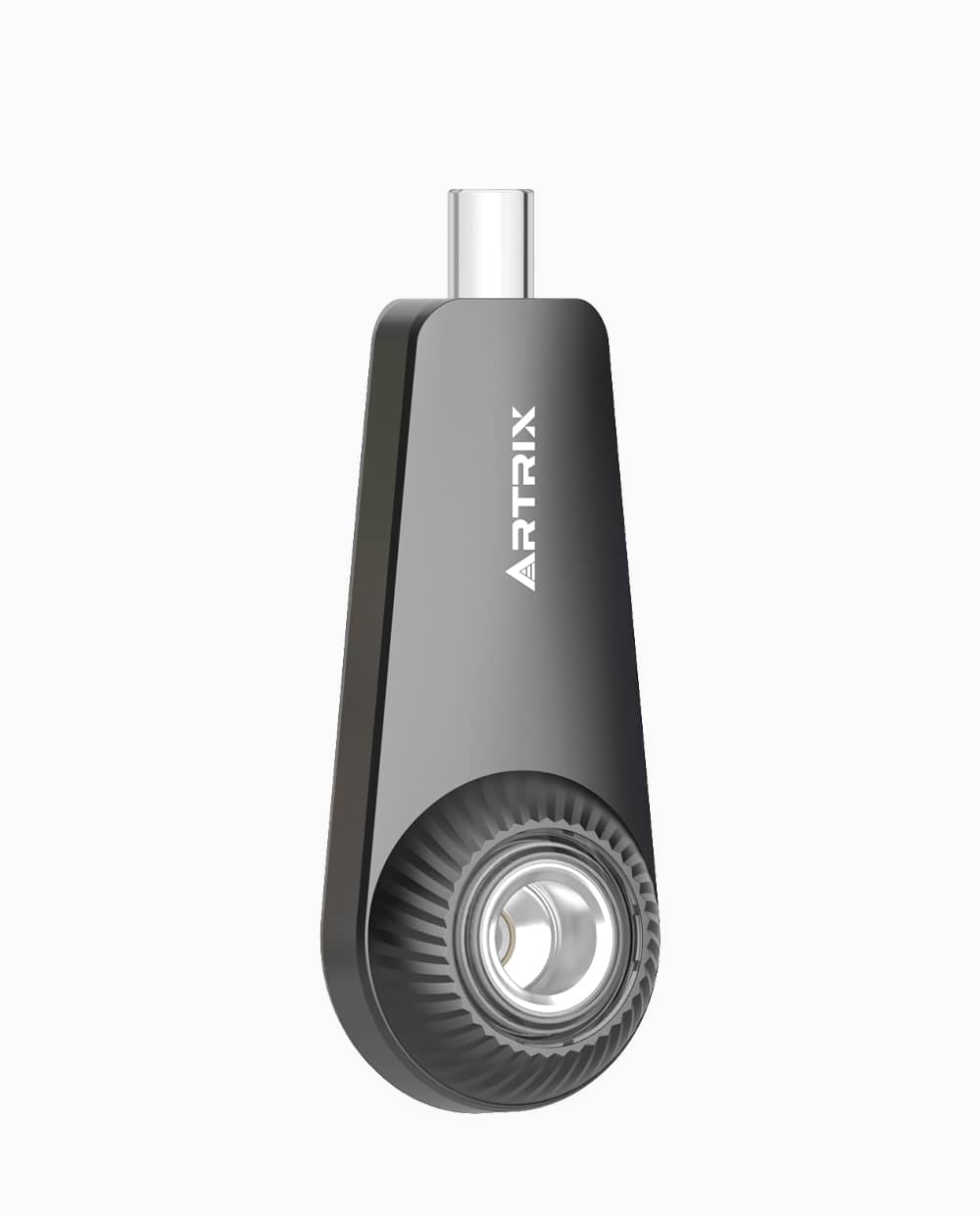
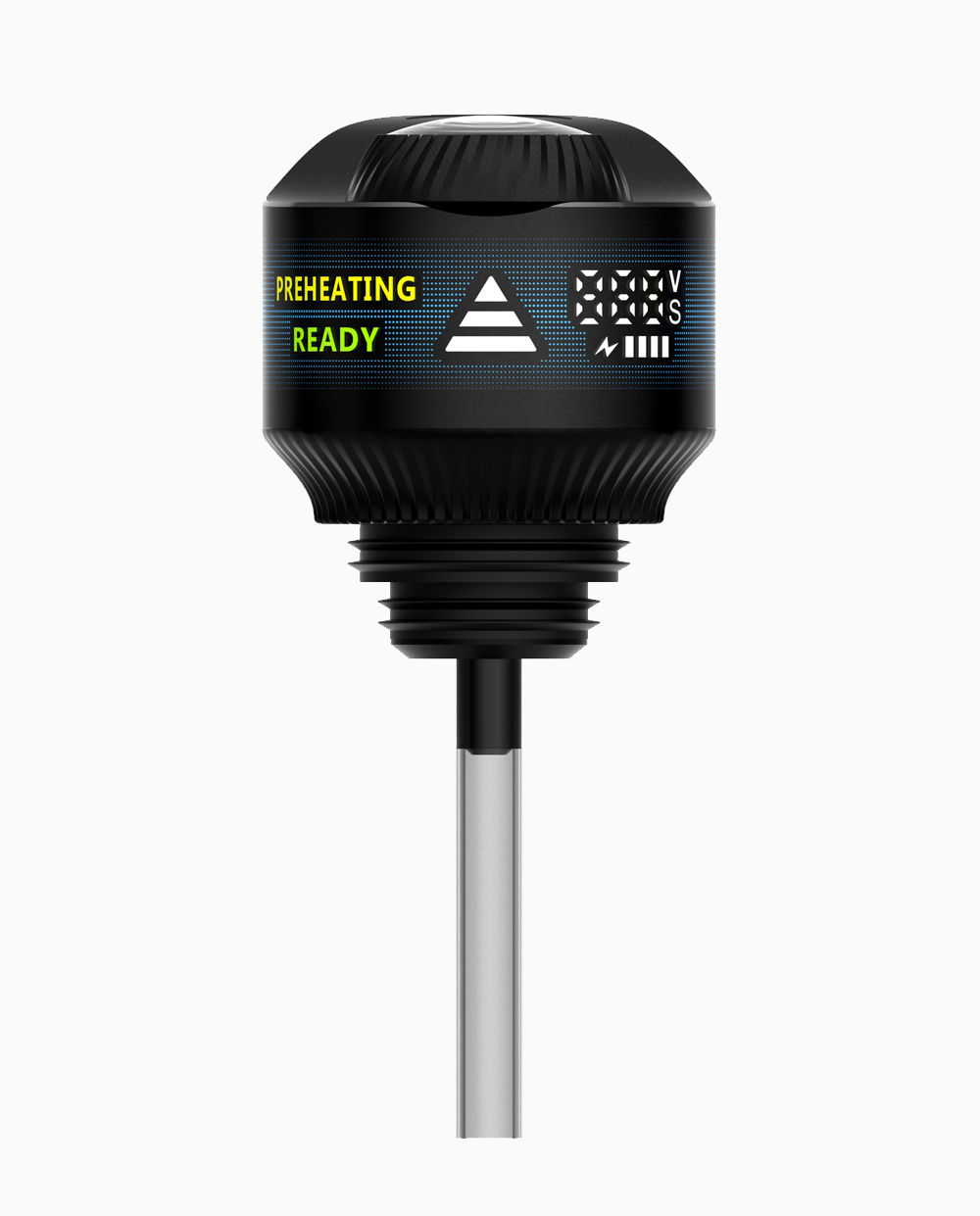
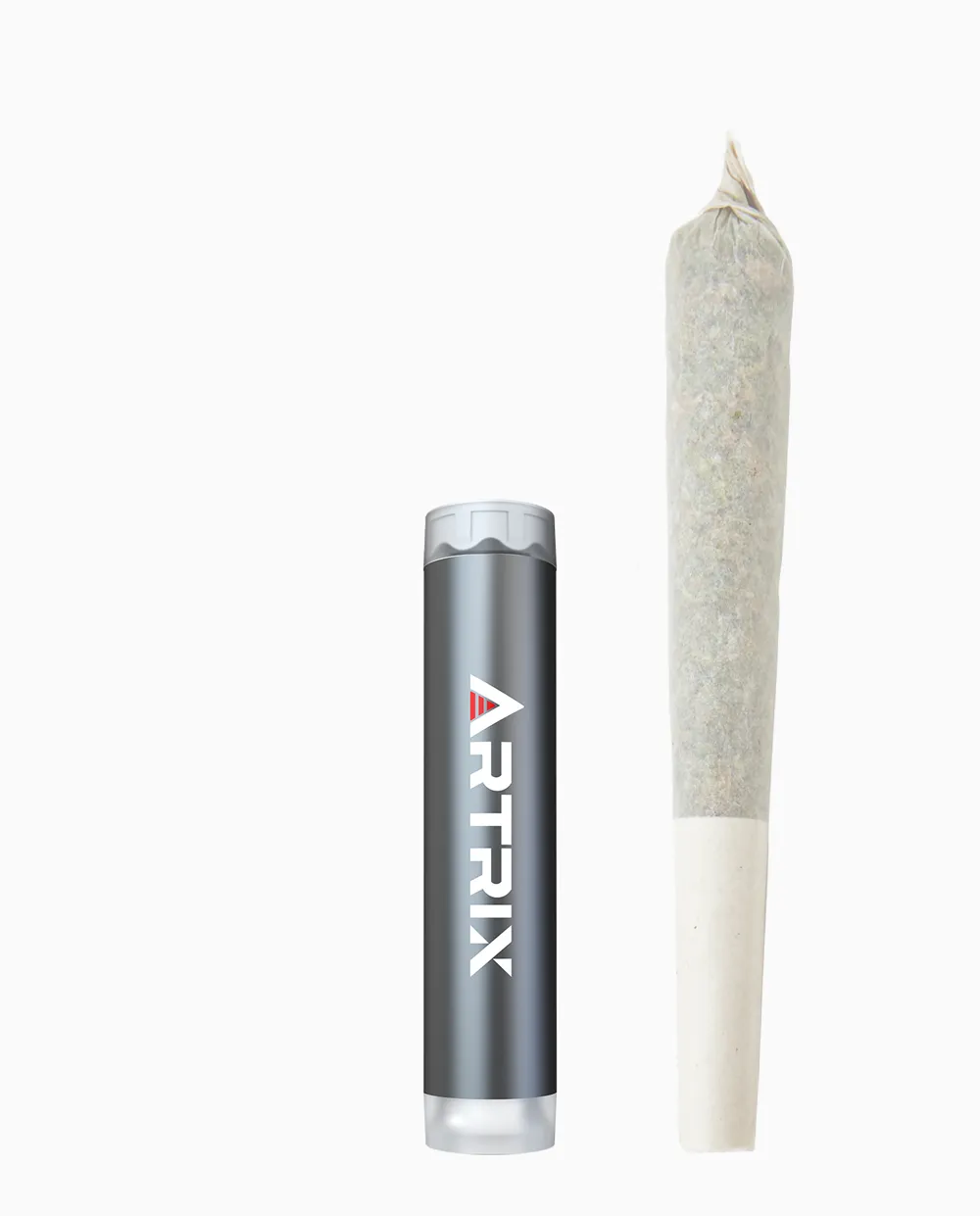
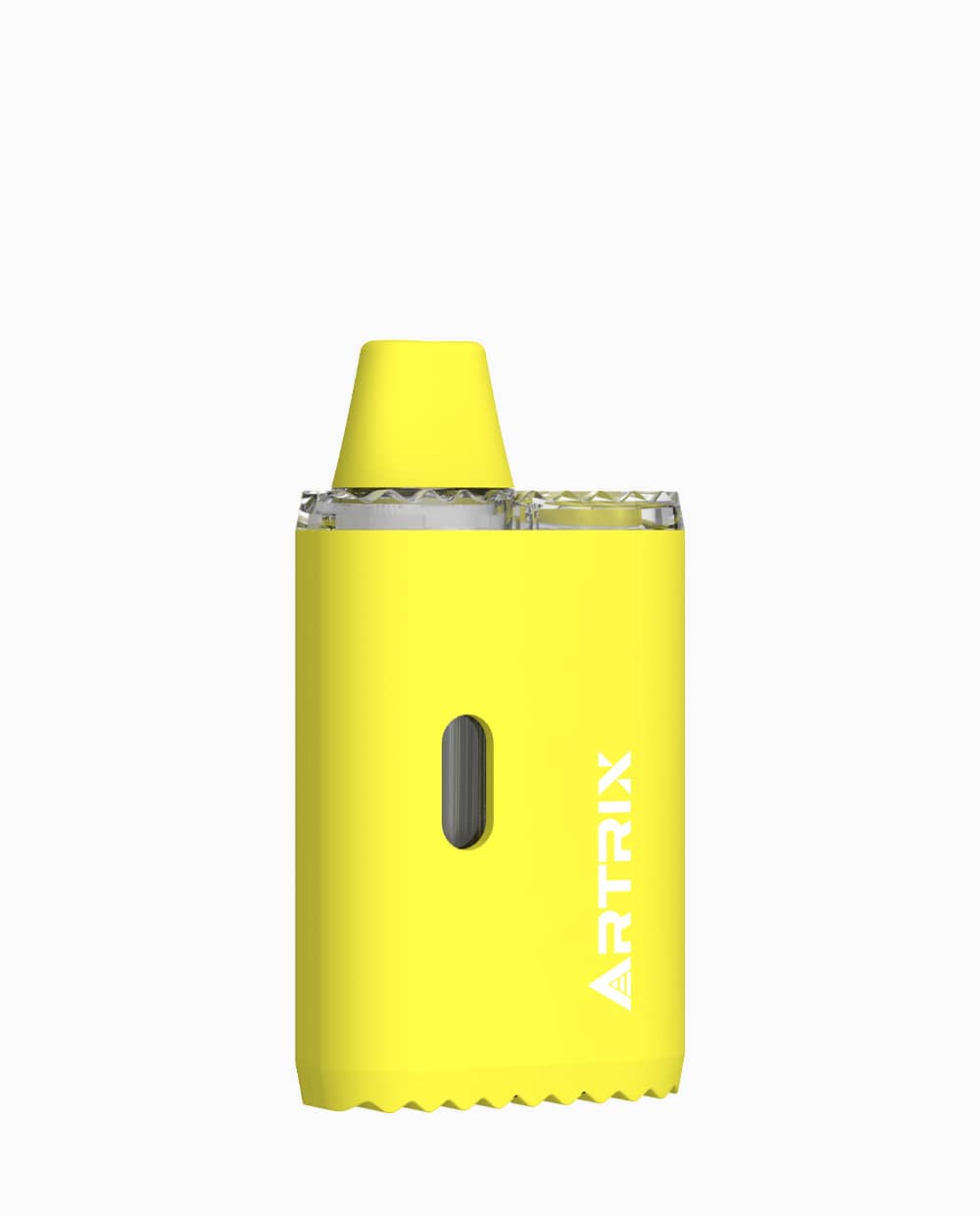
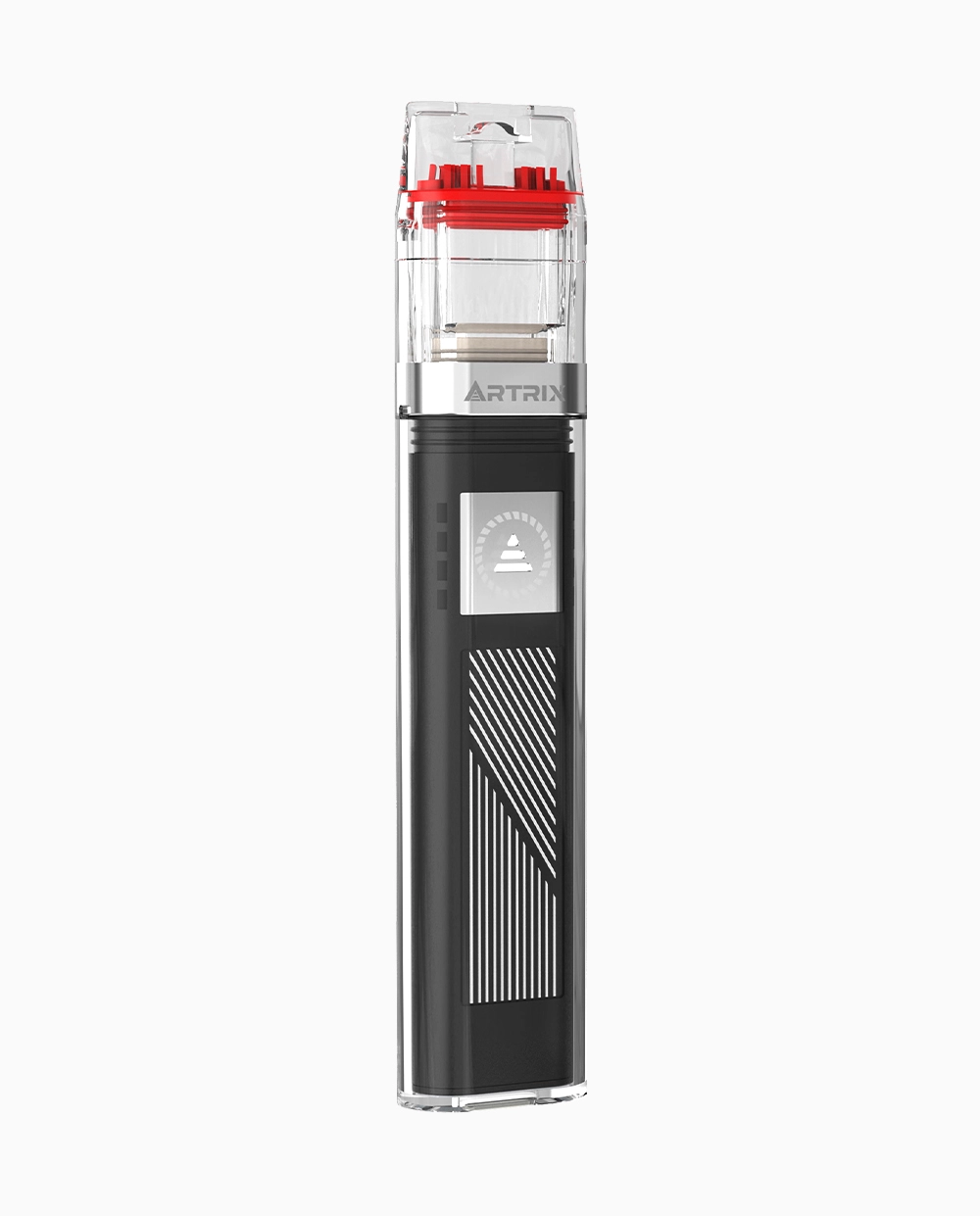
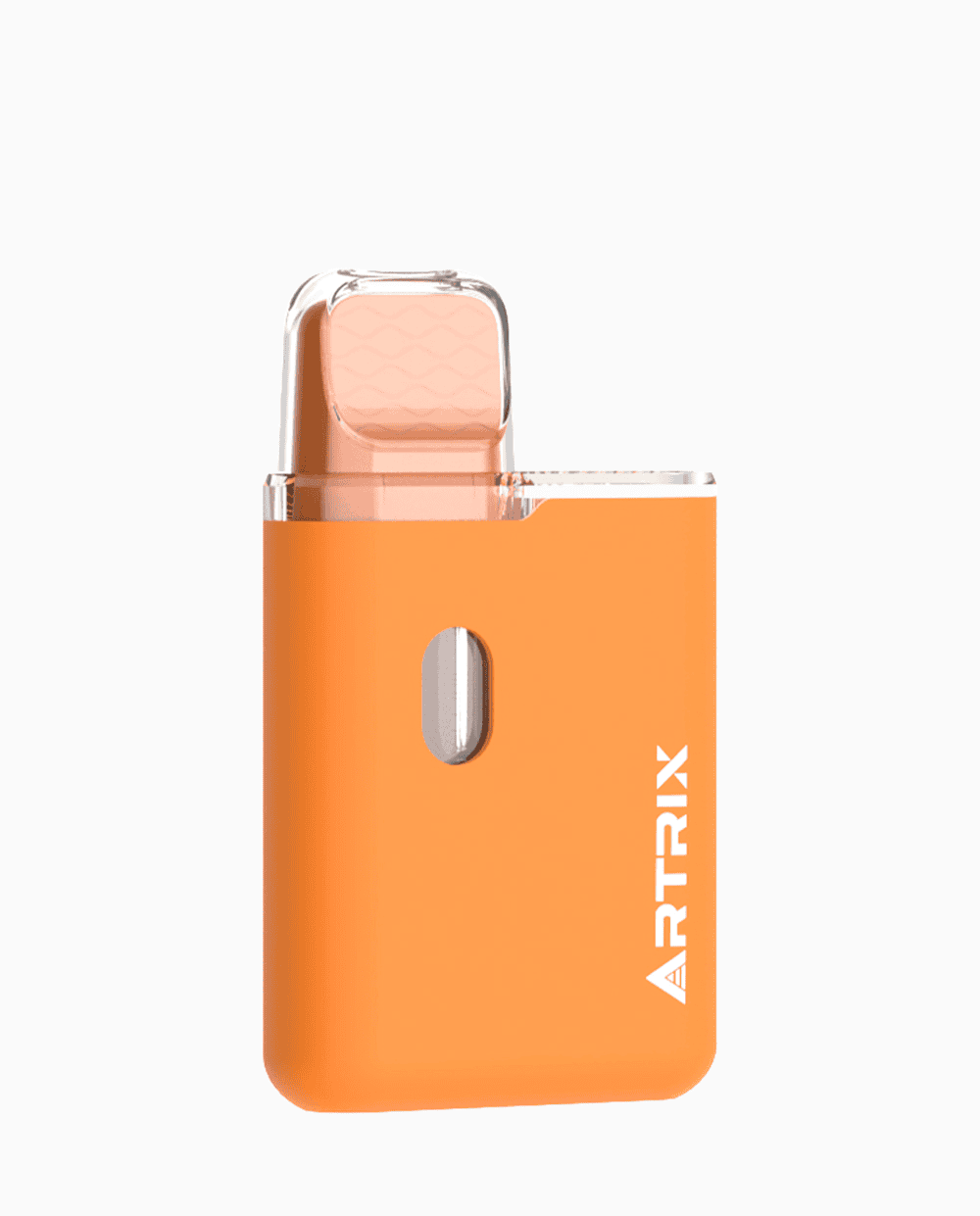
DabGo™️- The first-ever disposable dab pen
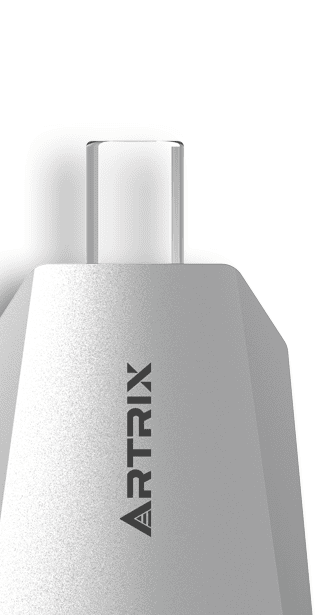
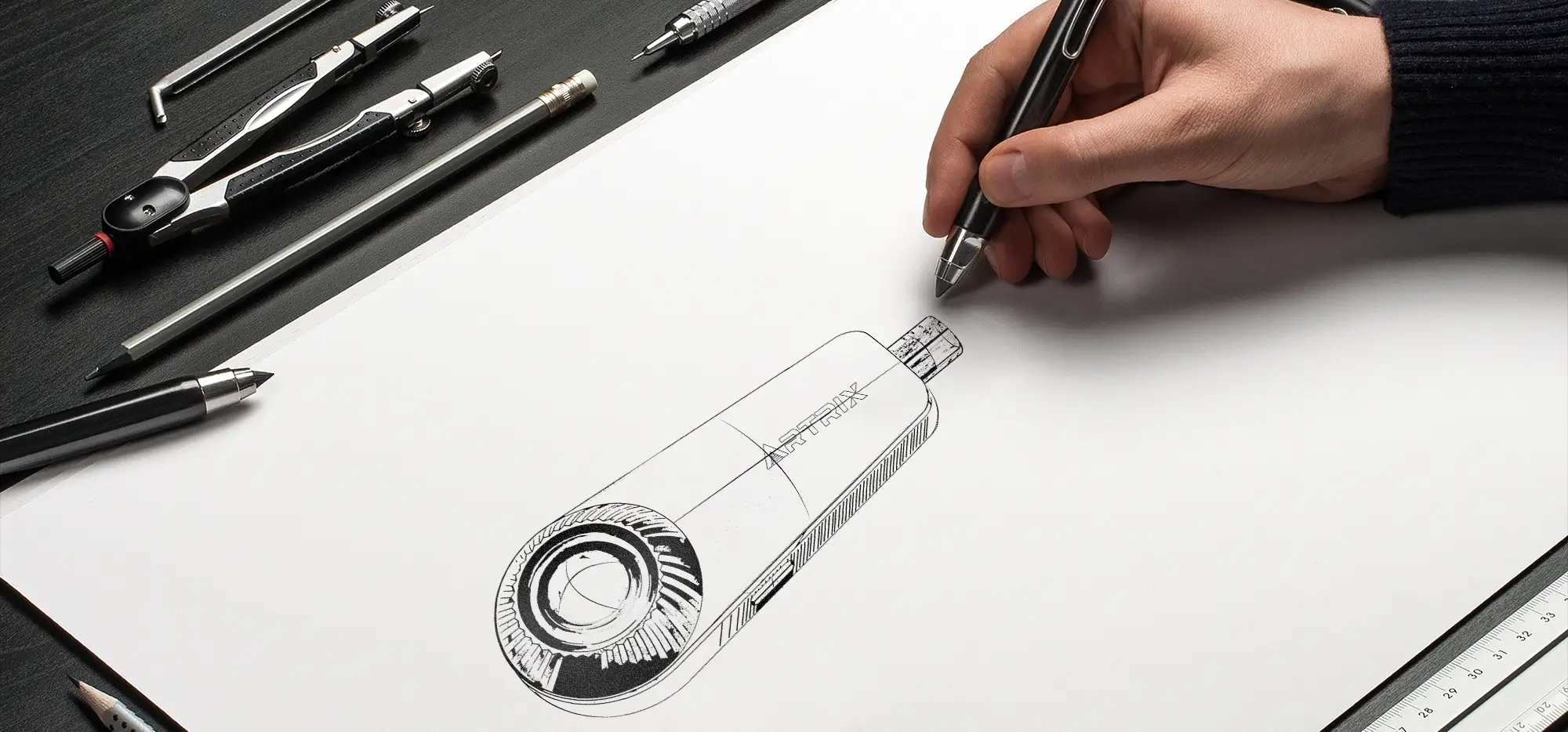
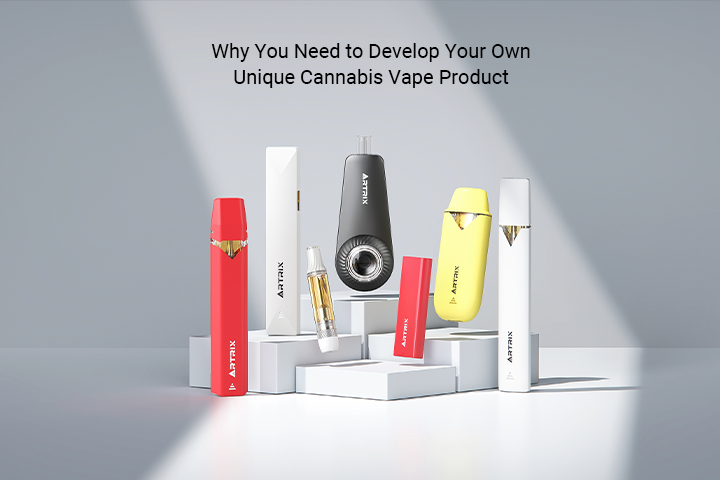
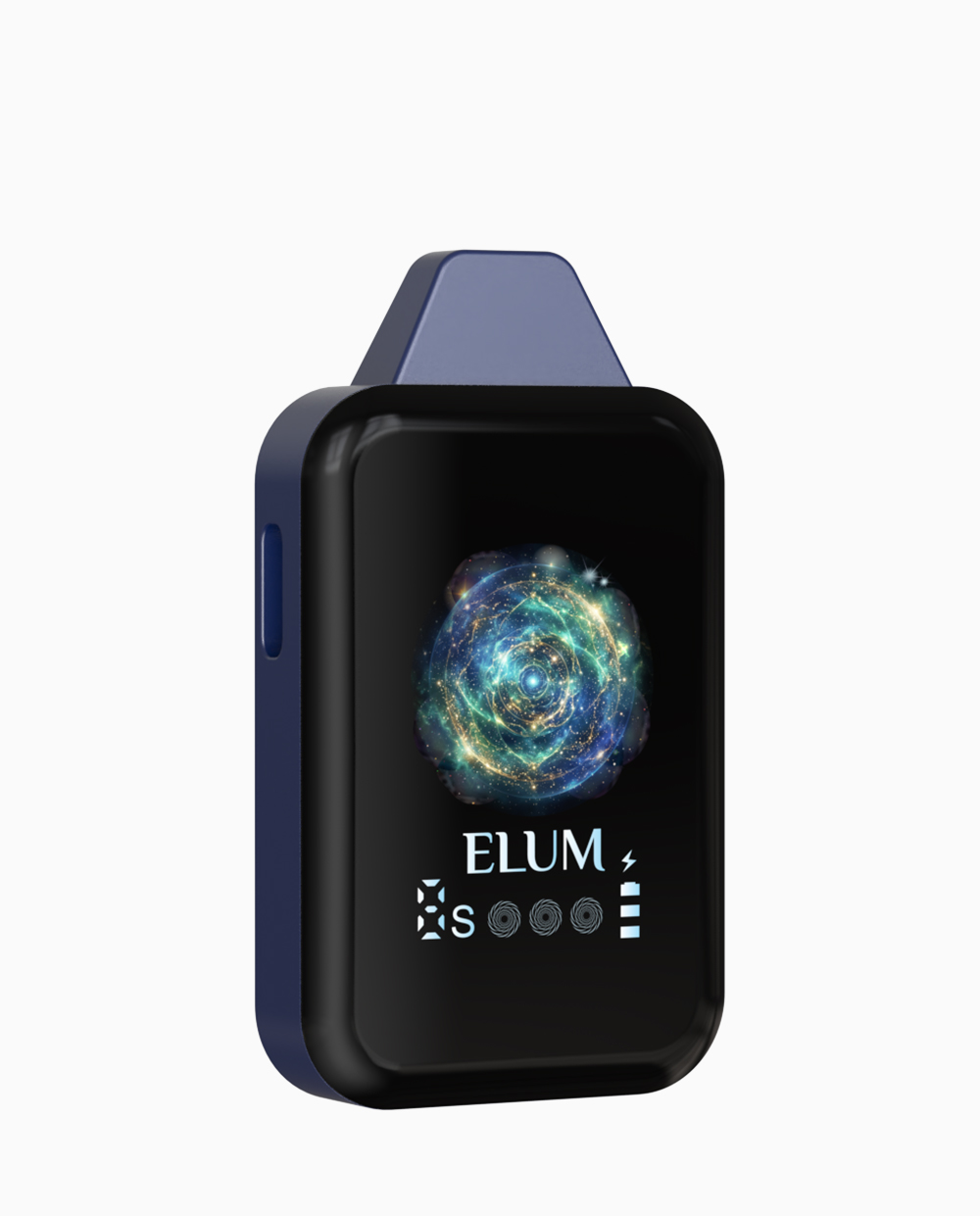
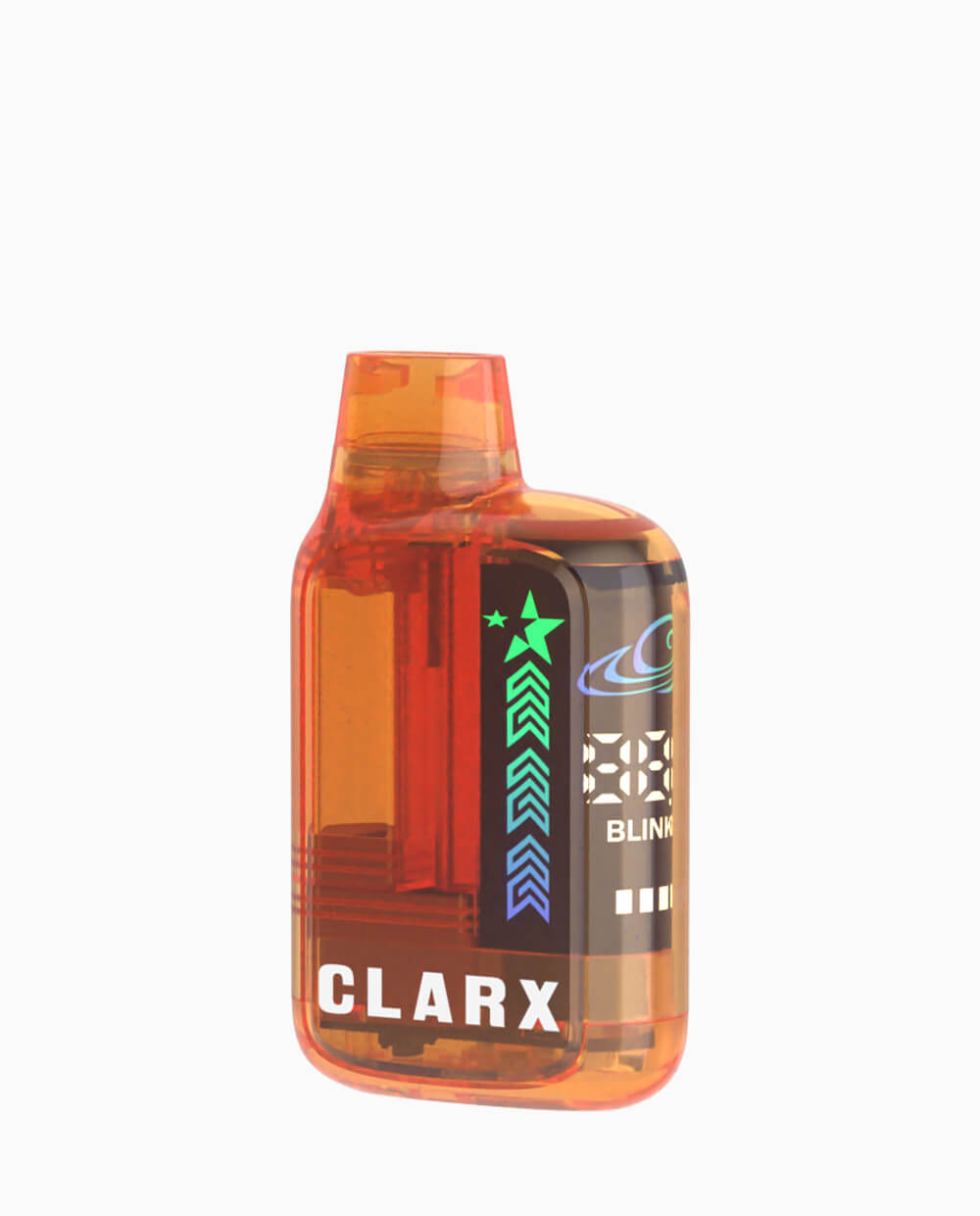
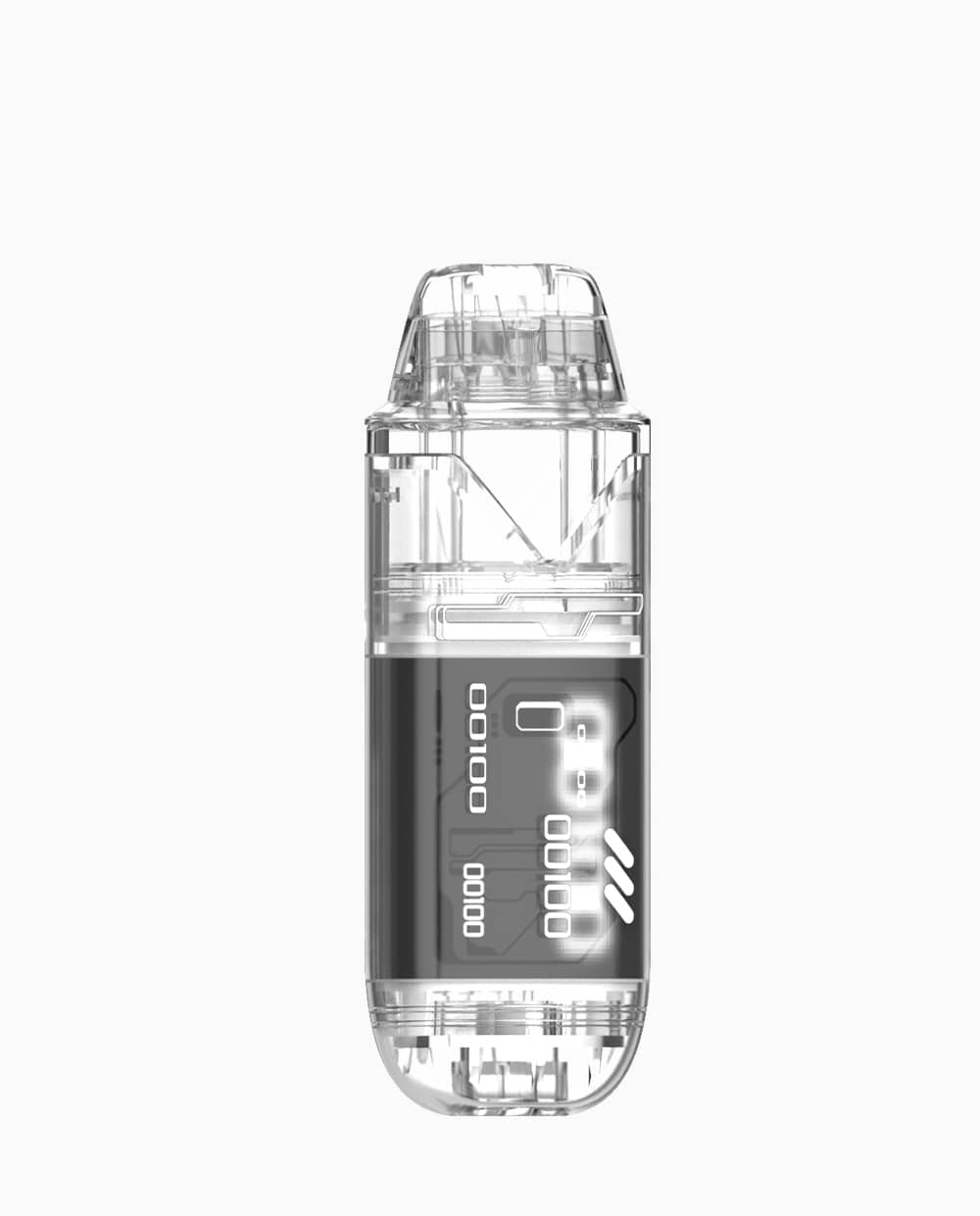
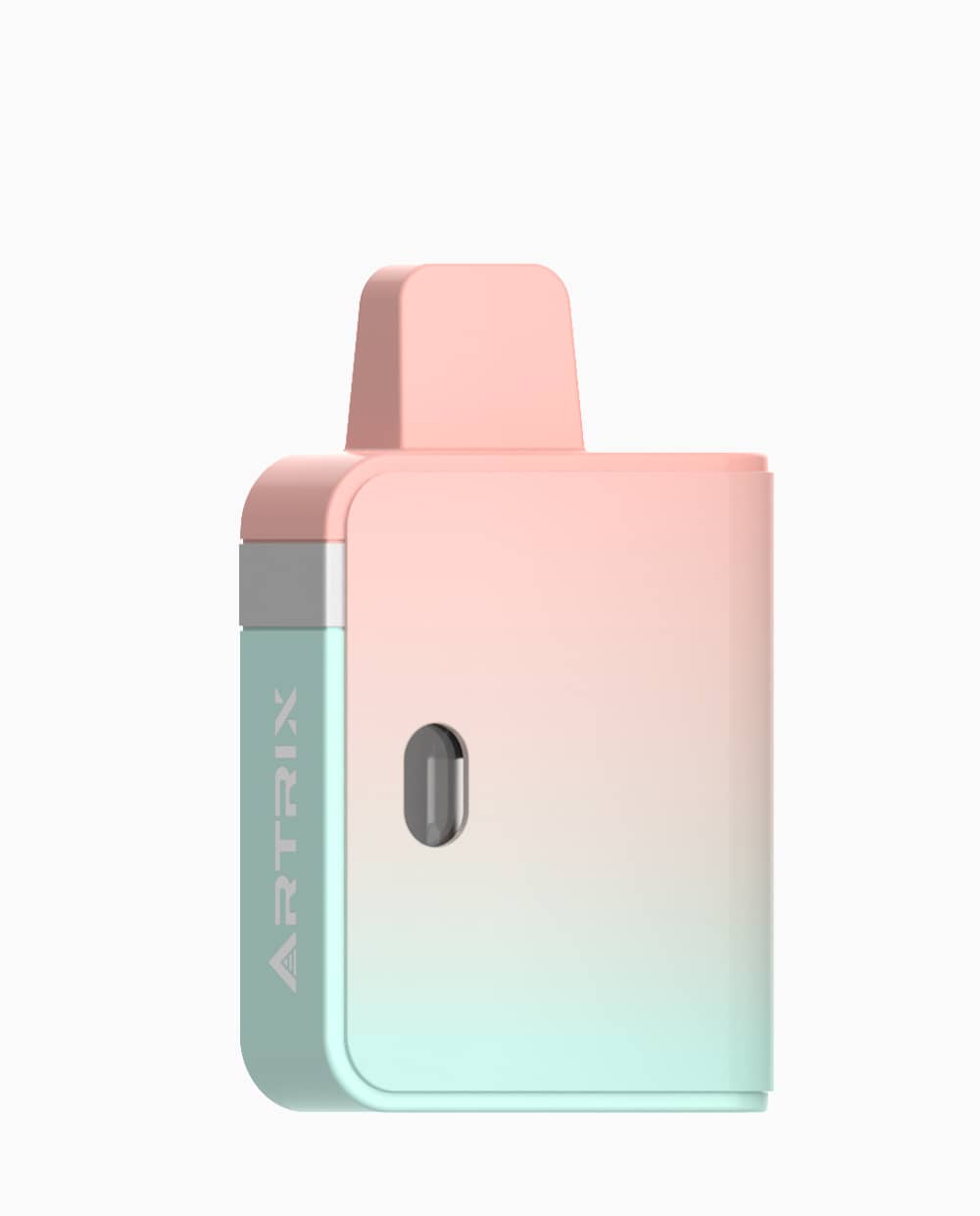
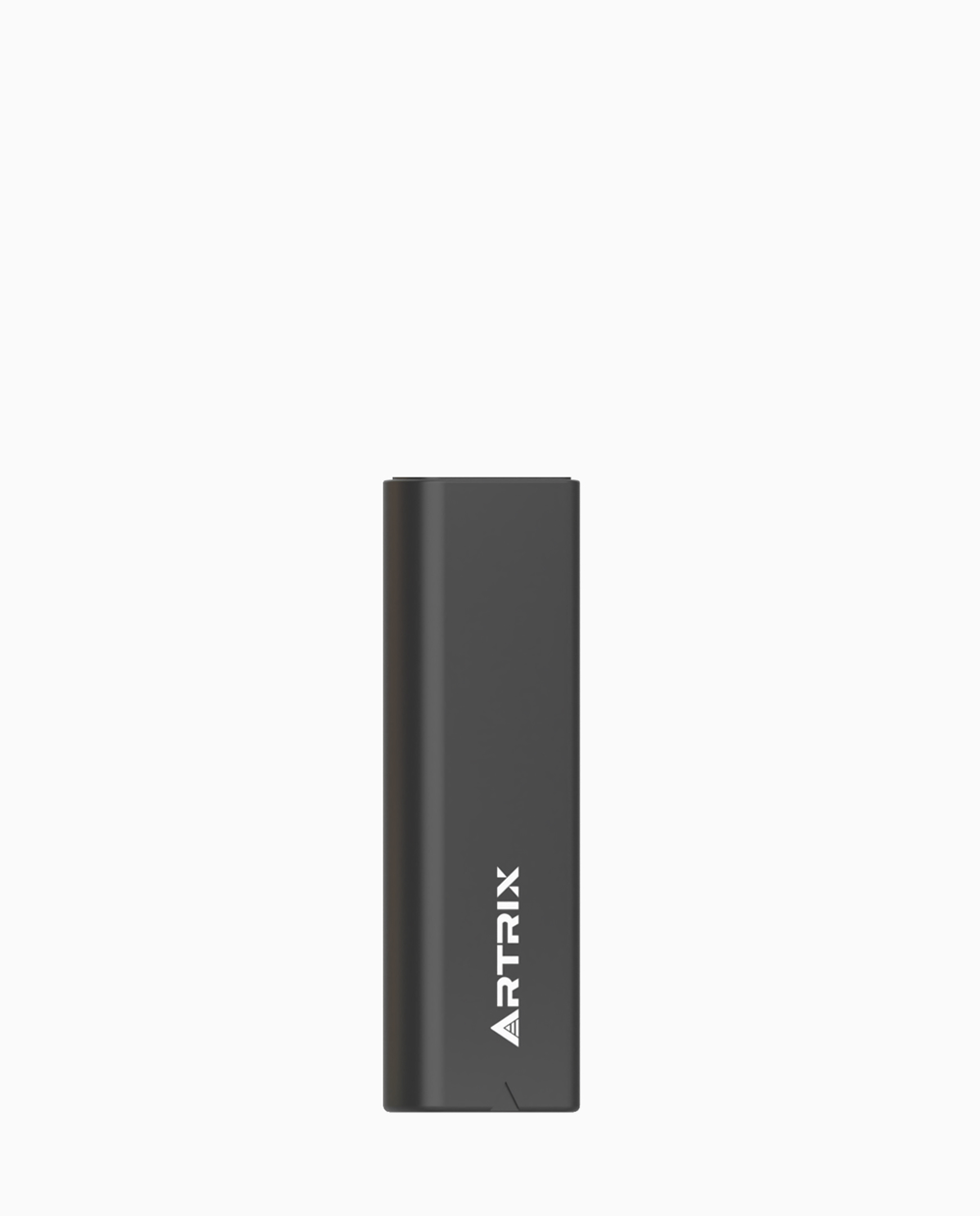
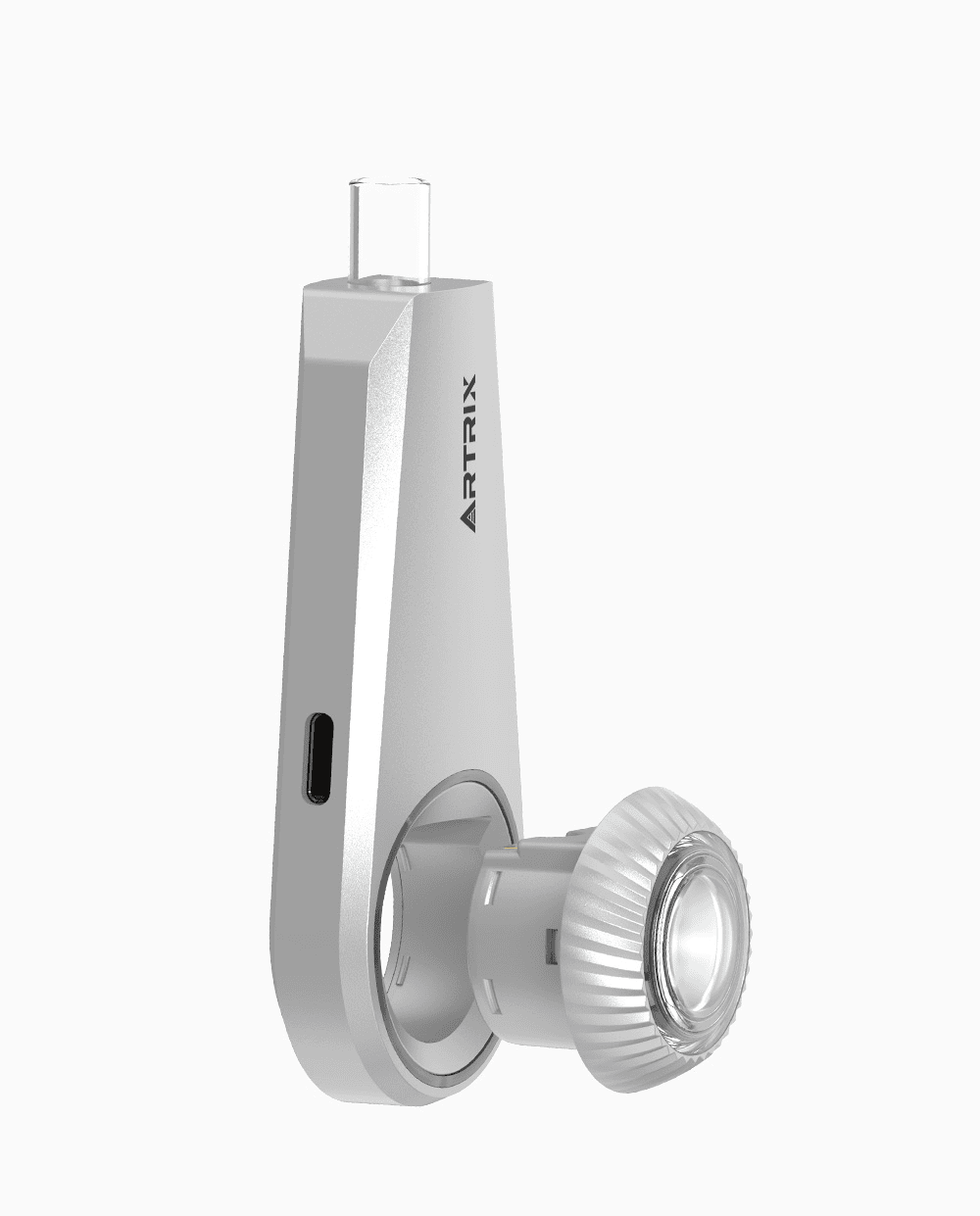
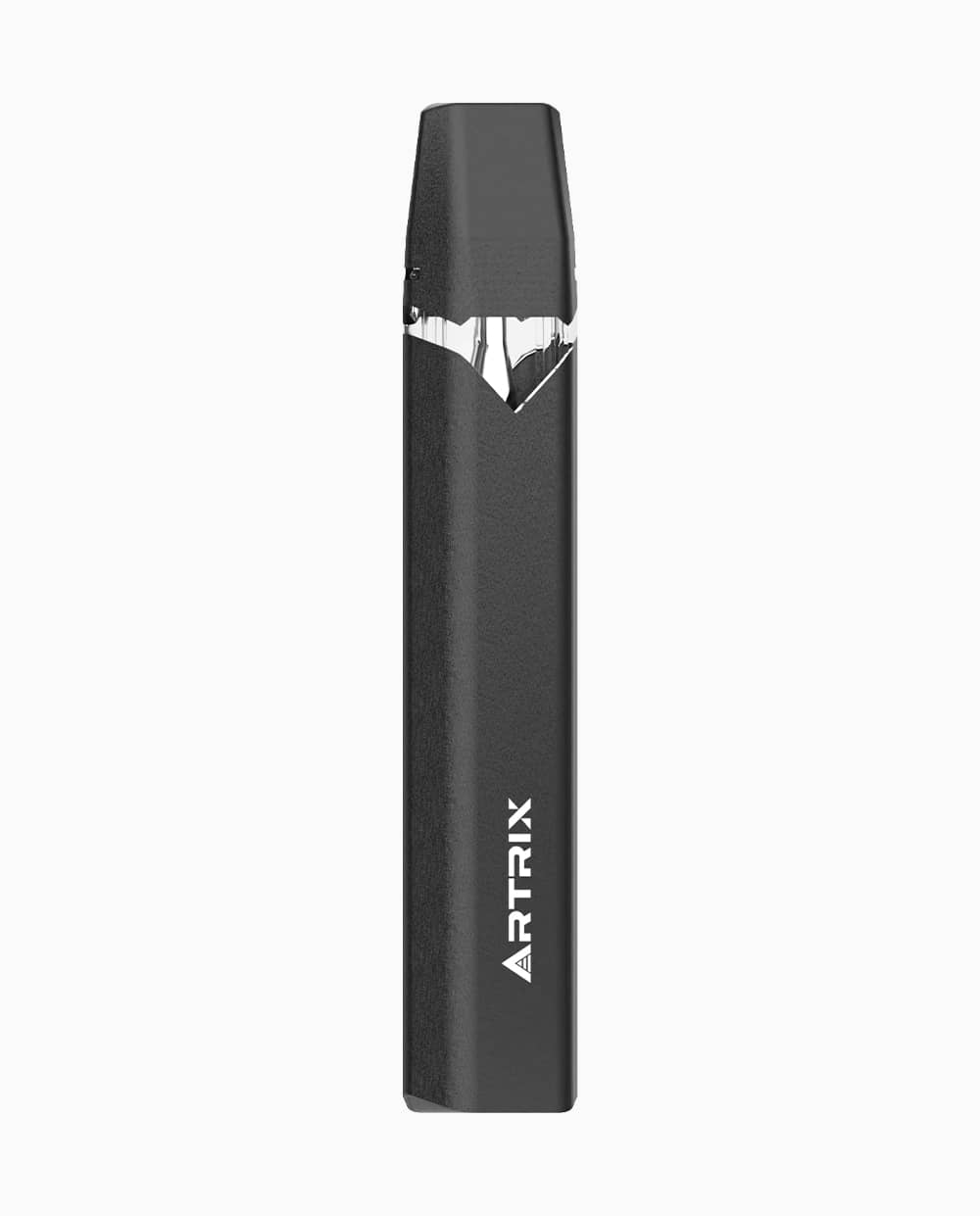
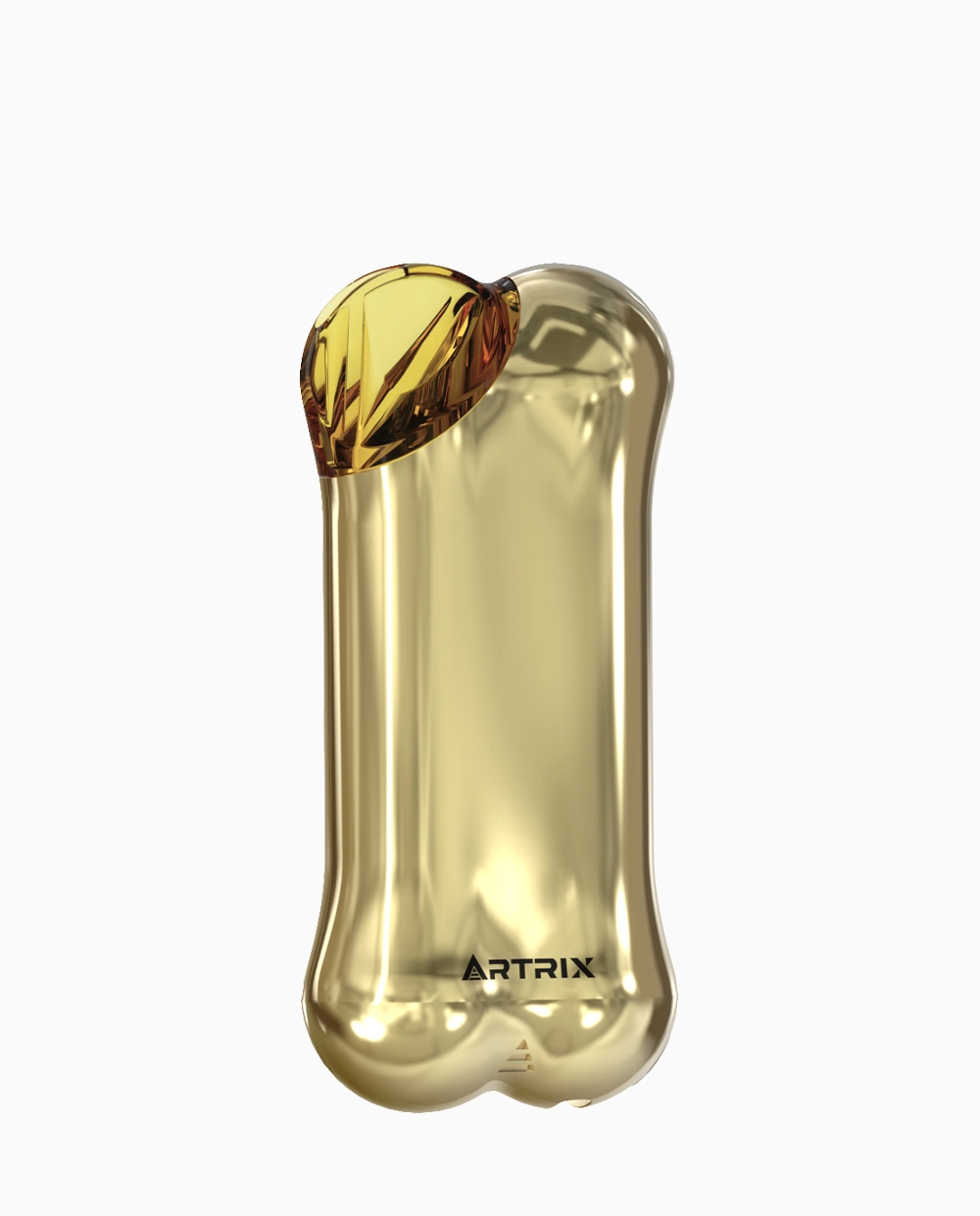
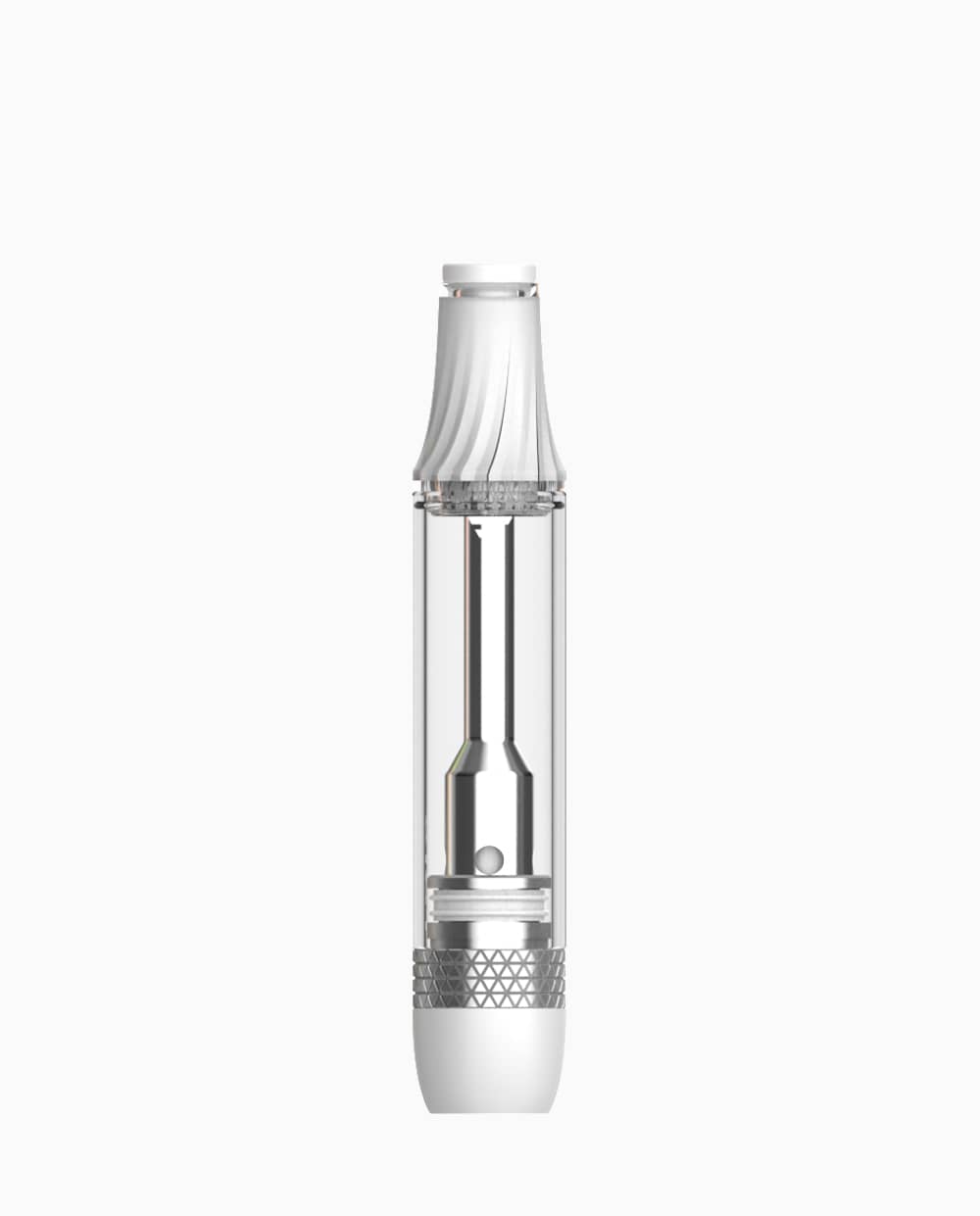
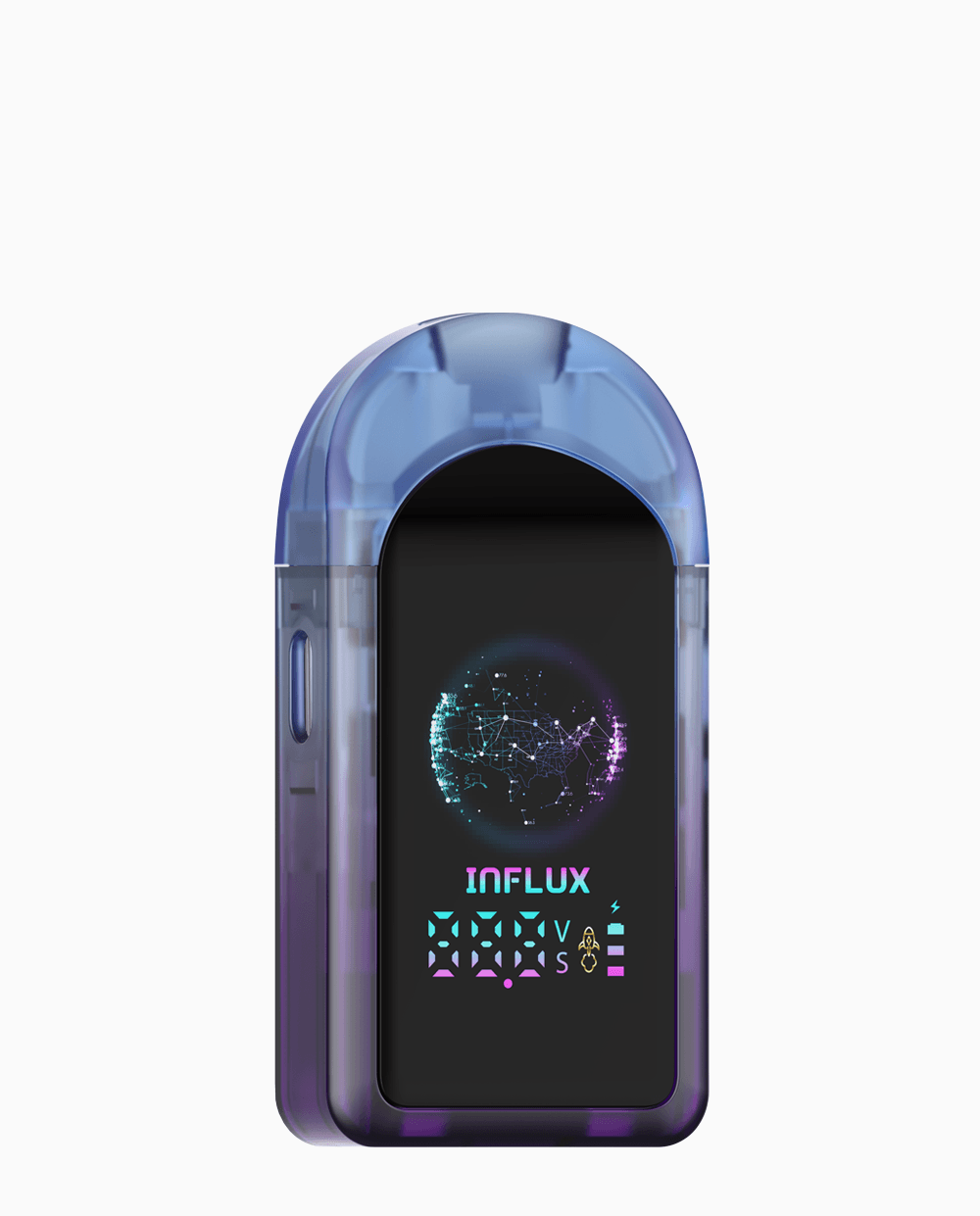
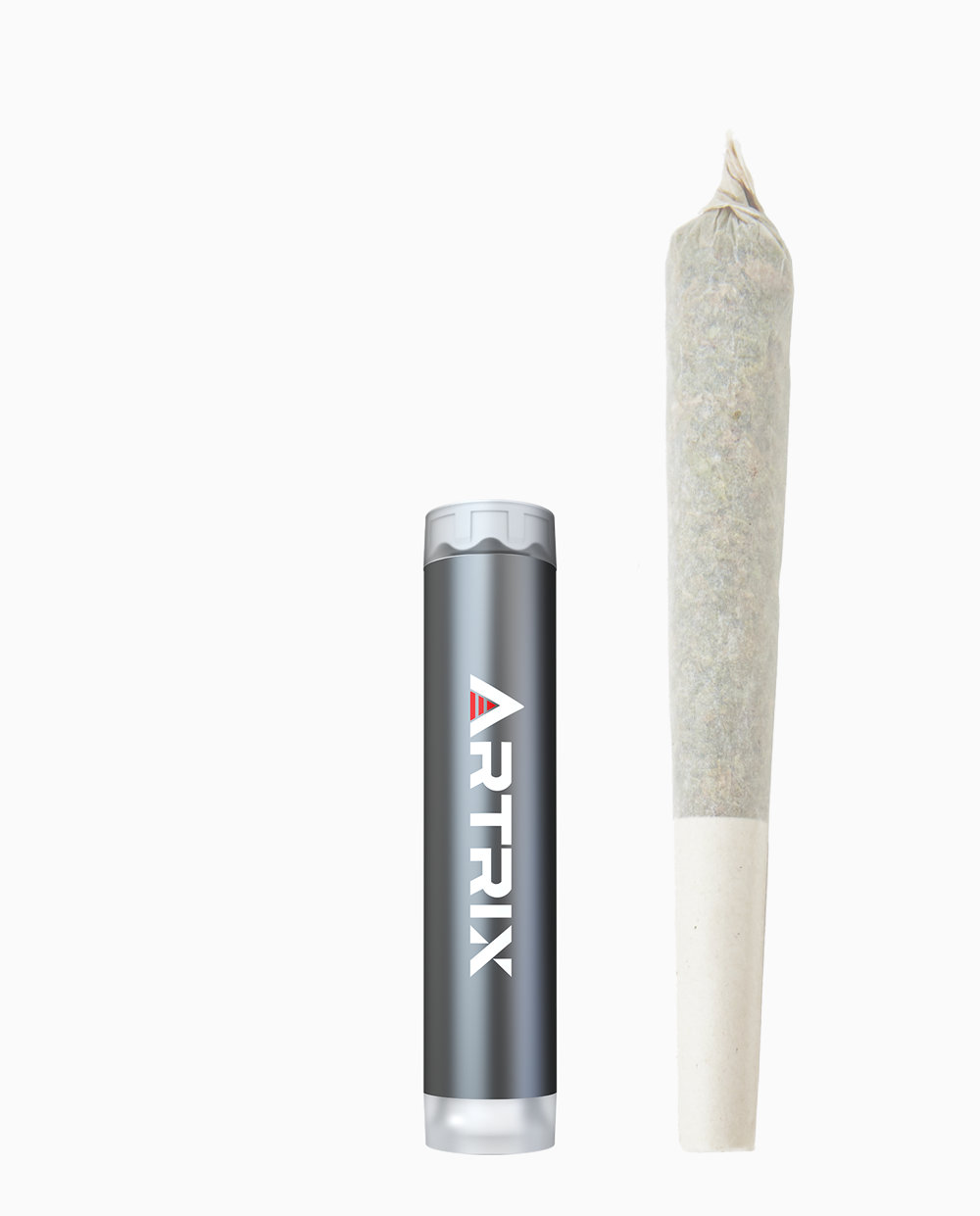
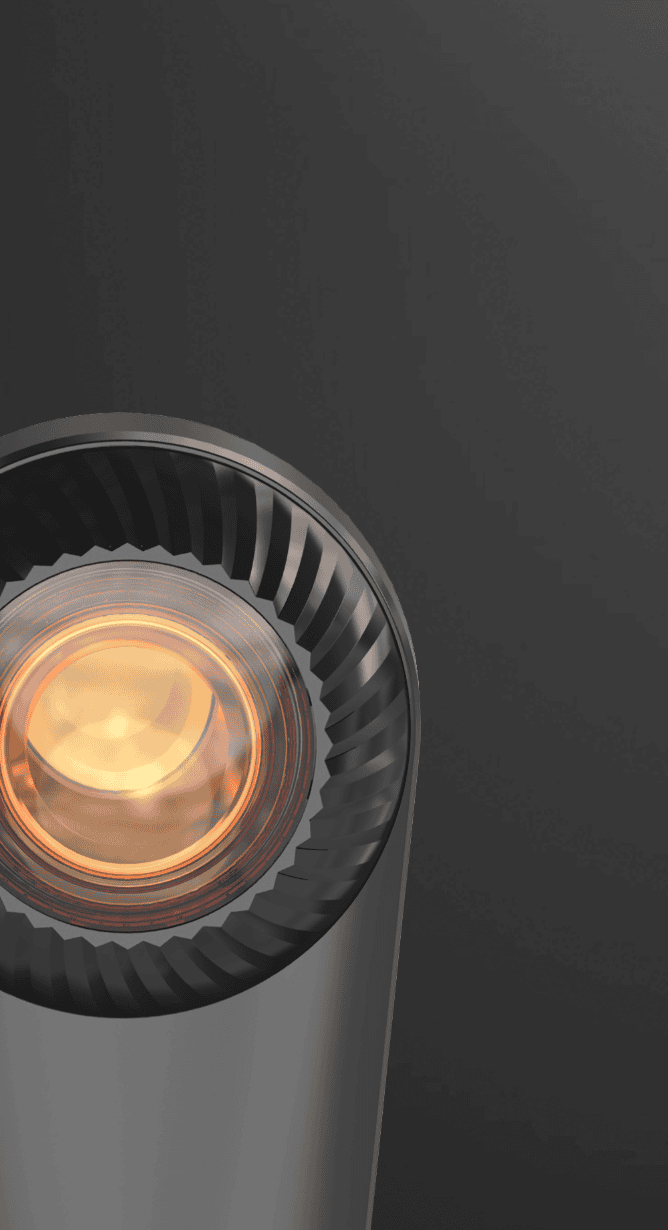
Artrix Exclusive Product Service is designed for small and medium cannabis businesses. Artrix’s product R&D team generates several distinct design schemes for each of its cannabis vapes. Cannabis entrepreneurs can choose the one that best aligns with their preferences and objectives to become its sole agent with 0 costs.
Through this service, cannabis brands minimize cannabis product development and design costs, achieving original cannabis hardware to improve product competitiveness and brand identity.
For brands that want a custom-looking vape line without starting from zero, this approach can help turn originality into a controlled product-development process: select a proven platform, customize the details that consumers notice, and avoid expensive changes that do not improve recognition or performance.
Sussi Liu is a seasoned marketing expert in the cannabis industry, with extensive knowledge of the international cannabis vaporizer supply chain and the North American cannabis consumer market. She has a long history of writing commentary articles for the cannabis industry, covering market analysis, cannabis education, product insights, and more. Her articles have been featured in prominent media platforms such as MJBizDaily, Benzinga, Ganjapreneur, and HonneySuckle. She has also held marketing positions at Cilicon and Artrix, where she promoted brands and their cannabis vaporization products and technologies.
-1.webp)
-1.webp)
-2.webp)